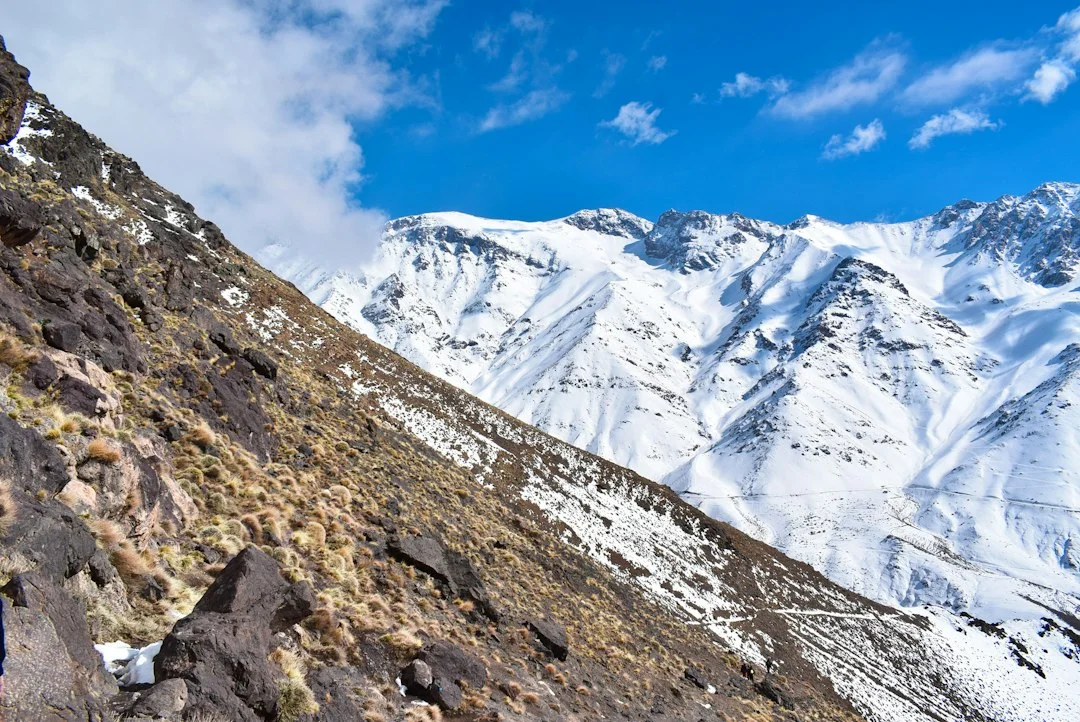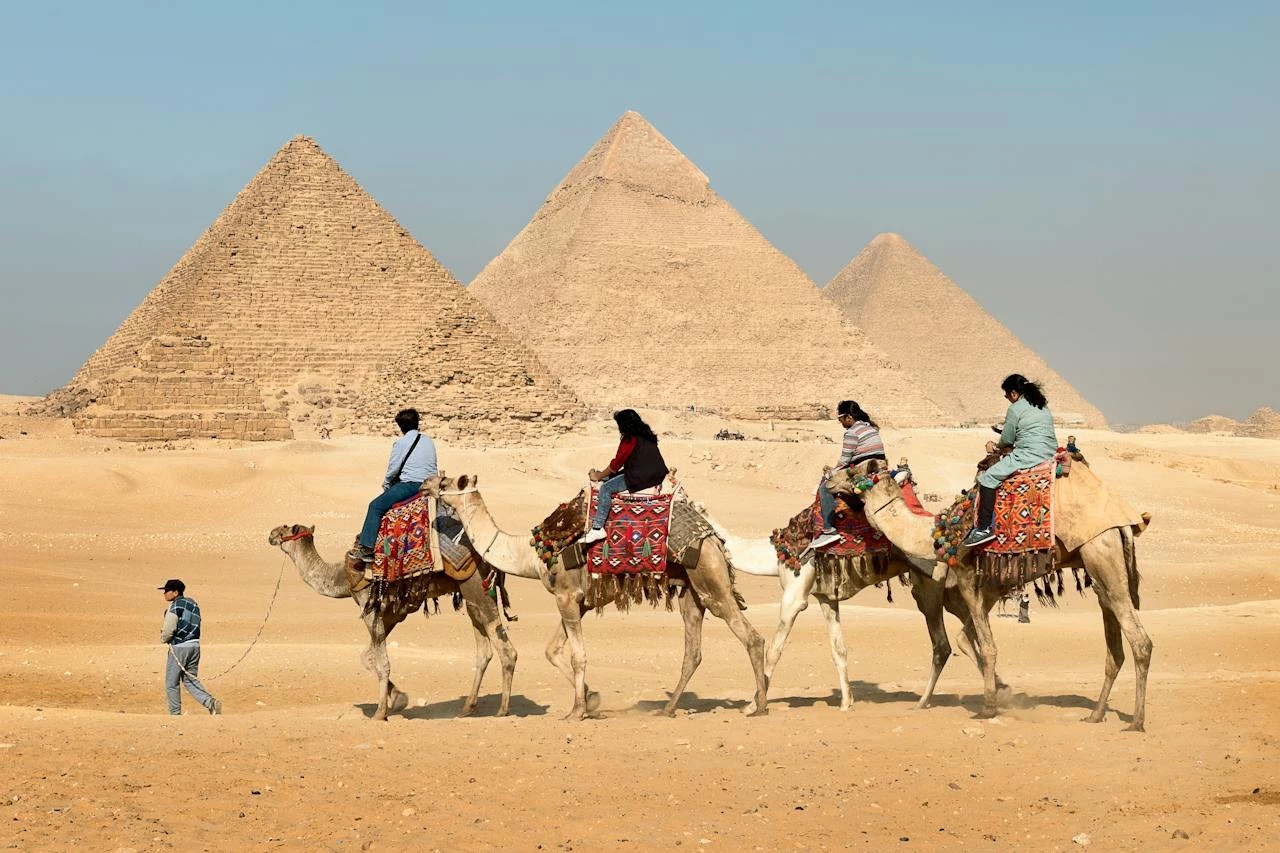


The best places to go in January for sun are the ones coming out of their rainy season: Cape Verde, Goa, southern Vietnam, Thailand's Andaman coast and Guadeloupe. Closer to Europe, the Canary Islands and Egypt offer 21 to 24 °C (70 to 75 °F) with no rain. For snow, January is powder month in Hokkaido and the month the light comes back to Tromsø.
The baseline is grim: in Paris, January tops out at 7.4 °C (45 °F) in the afternoon, with 78 mm of rain, thirteen wet days and barely three and a half hours of sunshine a day. London, Brussels and Amsterdam look much the same. Once the holidays end on 6 January, holiday pricing drops in many destinations, except where January is the peak season.
At a glance, the January 2022-2026 averages for the ten destinations:
| Destination | Afternoon (°C) | Night (°C) | Rain (mm/month) | Rainy days | Entry (French passport) |
|---|---|---|---|---|---|
| Fuerteventura (Canaries) | 20.8 | 16 | 11 | 2 | ID card (EU) |
| Luxor (Egypt) | 23.5 | 10 | 1 | 0 | visa online or on arrival |
| Sal (Cape Verde) | 25.8 | 20 | 0.7 | 0 | visa-free (EU), EASE + tax |
| Goa (India) | 31.2 | 21 | 7 | 1 | e-visa |
| Krabi (Thailand) | 31.6 | 23 | 52 | 12 | visa-free, 30 days (FR) |
| Ho Chi Minh City (Vietnam) | 32.3 | 22 | 31 | 3 | visa-free, 45 days (FR) |
| Pointe-à-Pitre (Guadeloupe) | 28.6 | 23 | 44 | 16 | ID card (EU) |
| Mérida (Mexico) | 28.6 | 19 | 27 | 6 | visa-free (FR) |
| Tromsø (Norway) | -3.7 | -8.5 | 165 | 16 | ID card (EU) |
| Niseko (Japan) | -3.9 | -11 | 150 | 25 | visa-free, 90 days (FR) |
| Paris (for comparison) | 7.4 | 1.8 | 78 | 13 | — |
The climate figures in this article are January averages over the last five winters (2022-2026), calculated from the ERA5 reanalysis published by Open-Meteo at the point closest to each town. Rainy days count every day with more than one millimetre, ten-minute showers included: in the tropics, that number overstates the real nuisance. Our where to go in December guide covers the previous month with the same method.
The Canary Islands: 21 °C and two rainy days in Fuerteventura
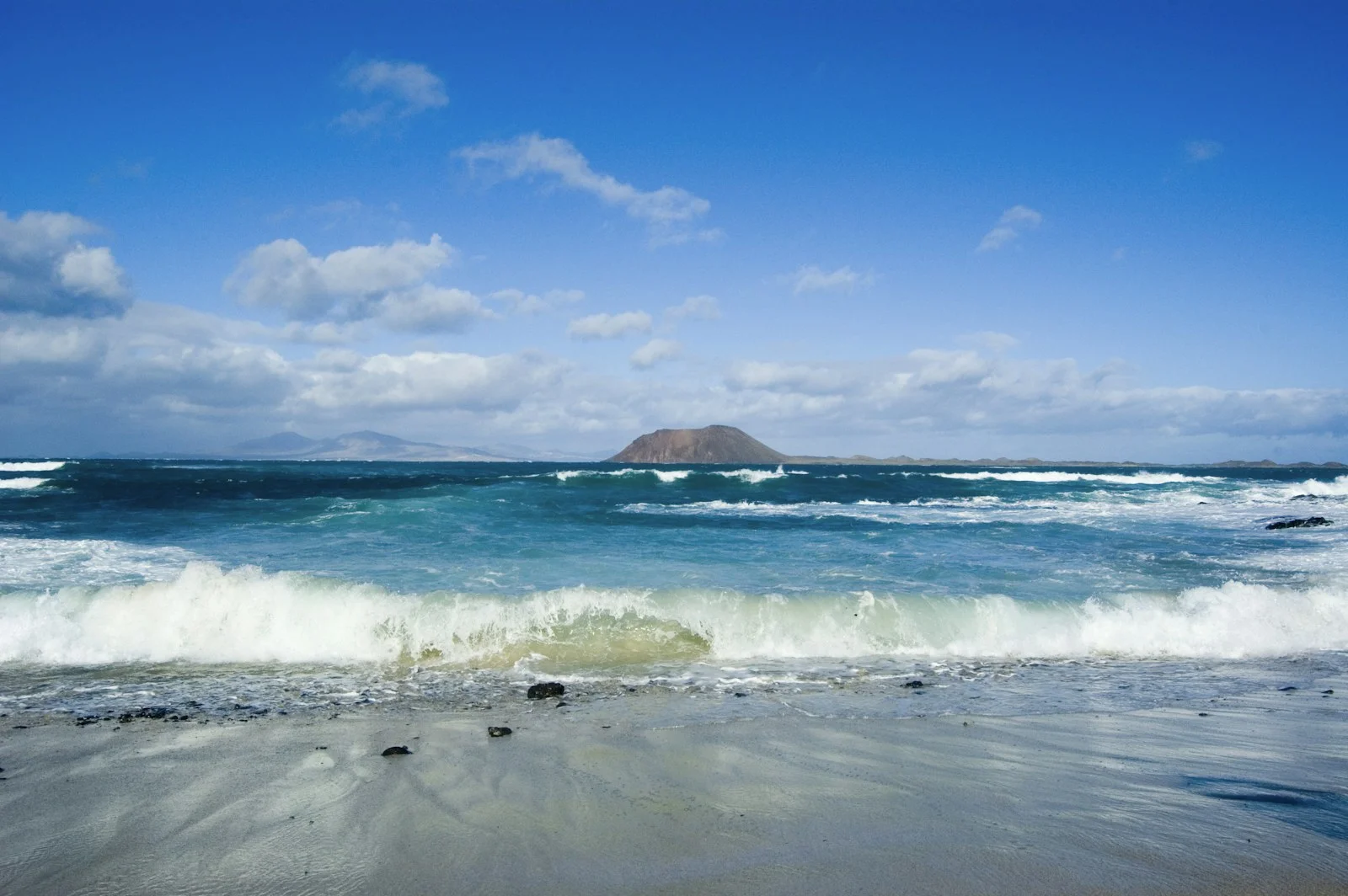
Fuerteventura averages 20.8 °C (69 °F) in January, with 16 °C nights and 11 mm of rain over the month, spread across two days. Southern Tenerife is barely different: 21.4 °C in Costa Adeje and 8 mm of rain. These are the closest sun destinations on this list, about four hours' flight from Paris, and for EU citizens a national ID card is all you need.
Fuerteventura is the beach island: the Corralejo dunes in the north, the Sotavento lagoons in the south, and steady wind that makes it a kitesurfing spot. Tenerife is the hiking island, with Mount Teide and the Los Gigantes cliffs. To choose between the Atlantic islands, our comparison of the Canary Islands or Madeira in winter breaks down the climate and price gaps, and the Tenerife guide lists the day trips.
The sea, for its part, sits at 19 to 20 °C (66 to 68 °F) according to Open-Meteo readings for January 2026: swimmable if you're brave, no more. For warmth and sunshine it's perfect; to spend all day in the water, you need to head further south.
Egypt: Luxor and Aswan at 24 °C with no rain at all
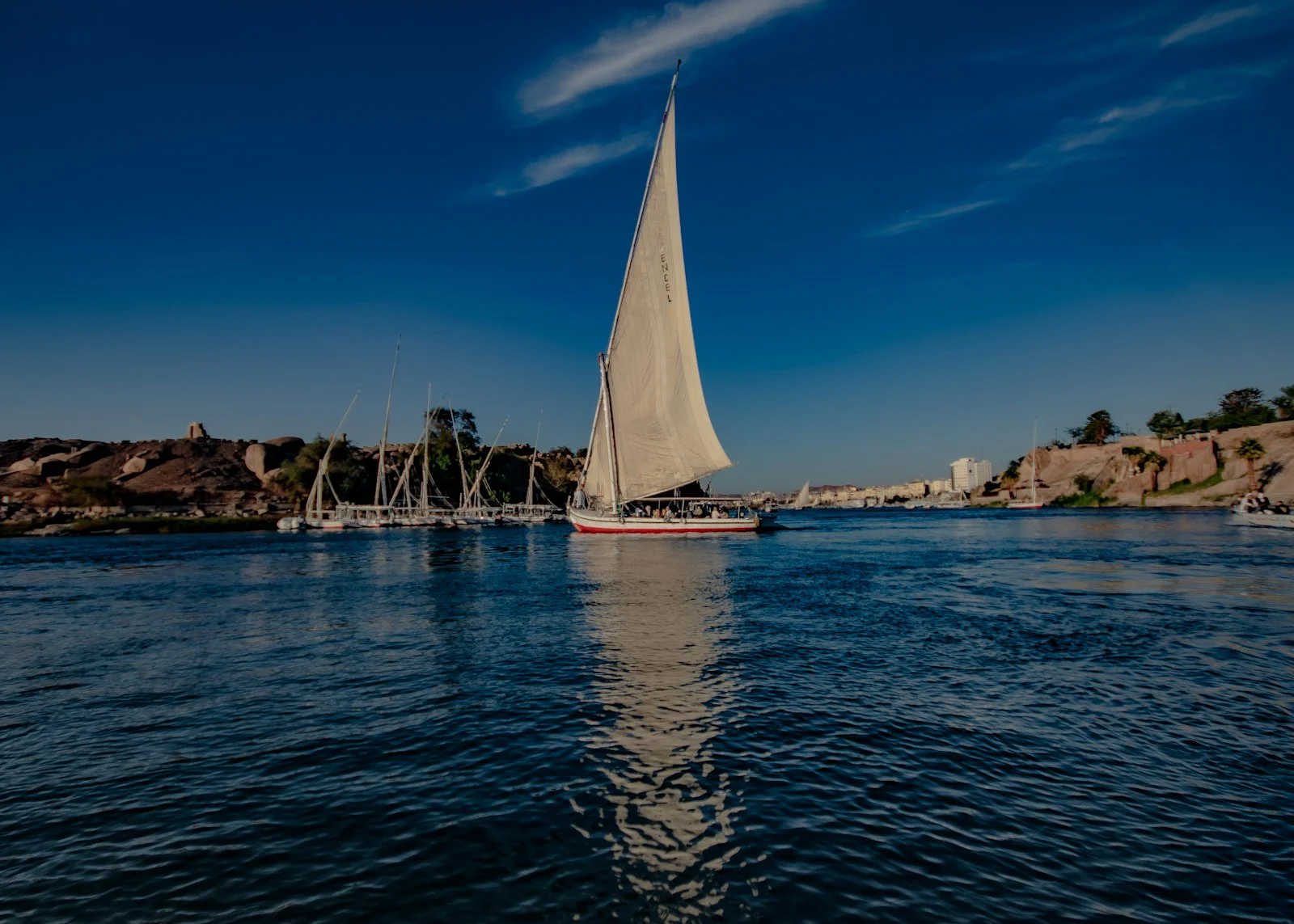
Luxor and Aswan reach 23.5 to 23.7 °C (74 °F) in the afternoon in January, and rain is practically non-existent: 1 mm in Luxor and 0.2 mm in Aswan for the whole month. It's the best season for the Nile Valley, when the Valley of the Kings and Abu Simbel can be visited without the crushing summer heat.
The nights are cool: the temperature drops to 10 °C (50 °F), a fourteen-degree swing over the day. For dawn temple visits and the Nile cruise, a fleece is no luxury. The Red Sea is cooler in January than in December, at 21.7 °C in Hurghada: diving is still fine, but lazy beach days lose some of their appeal. Our article on Luxor, Aswan and the Nile cruise lays out the itinerary.
Tourist visas can be bought online on the official visa2egypt.gov.eg portal or on arrival. The price went up in 2026, to around 30 US dollars (about €26) for a single entry, and an extra fee has been announced from 1 January 2027: check the amount on the portal before you go. If you're torn between Egypt and its neighbour, our Egypt or Jordan comparison settles it by traveller type.
Cape Verde: 26 °C and less than a millimetre of rain on Sal
The island of Sal is the driest destination in this selection: 25.8 °C (78 °F) in January, 20 °C at night, 0.7 mm of rain over the whole month and ten hours of sunshine a day. It's the sweet spot between the Canaries, too cool for swimming, and the far-flung tropics: about six hours' flight from Paris, two hours' time difference and a 23 °C sea.
Sal means Santa Maria beach, the Pedra de Lume salt flats where you float as in the Dead Sea, and a constant trade wind that draws kitesurfers from around the world. That wind takes the edge off the afternoons but makes some beaches choppy. For hiking, hop over to Santo Antão or to Fogo and its volcano, by domestic flight or ferry.
EU citizens, including the French, can visit without a visa for up to 30 days, but they must register online on the official EASE platform before departure and pay the airport security tax there: 3,400 escudos, about €31 (roughly 36 US dollars). Paying online at least five days before arrival saves you the queue at the airport counter. Other nationalities should check their own rules on the same portal.
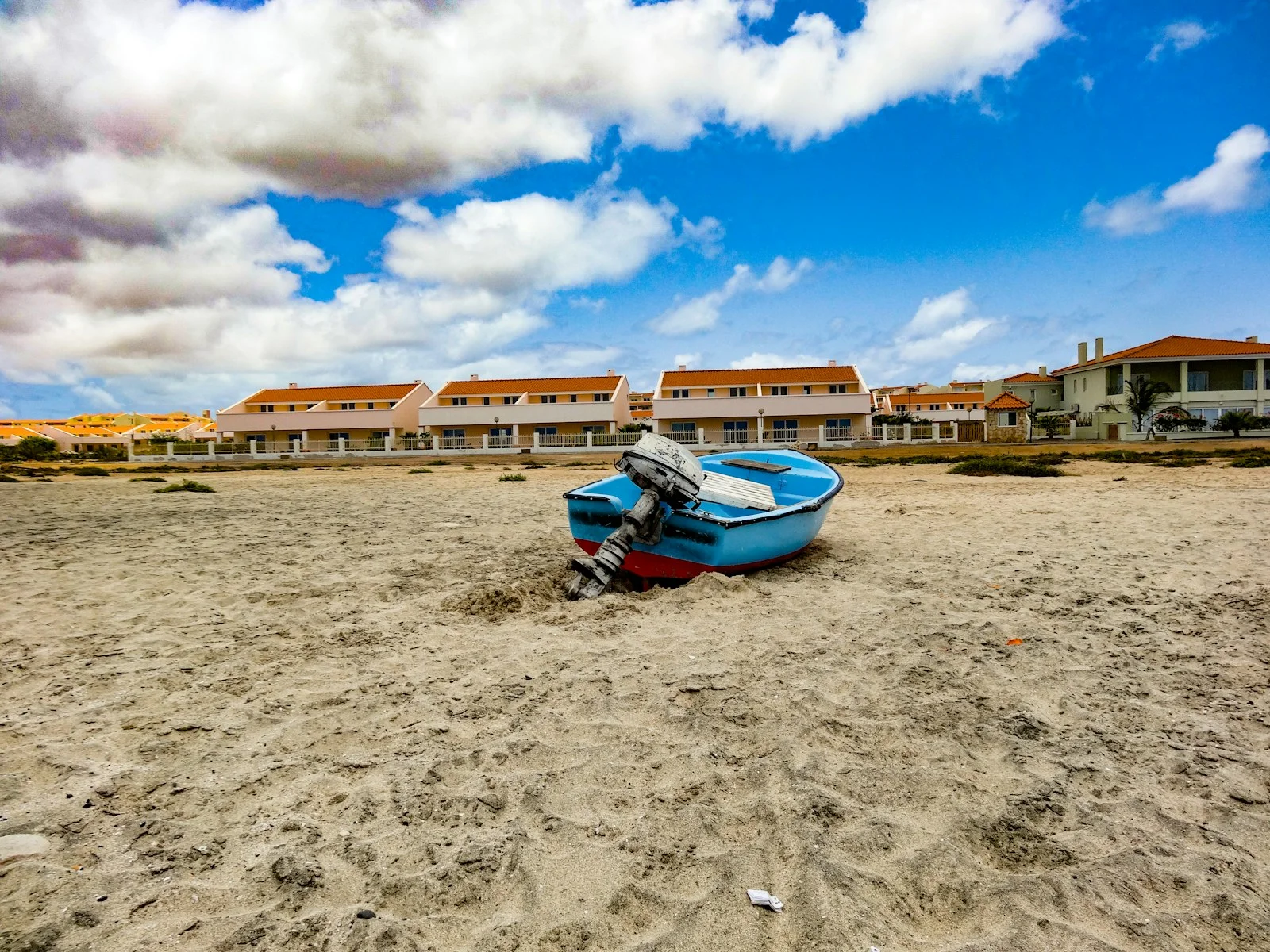
India: 31 °C on Goa's beaches, 20 °C in Rajasthan
Goa reaches 31 °C (88 °F) in January, with 21 °C nights, 7 mm of rain over the month and almost eleven hours of sunshine a day. The monsoon is long gone, the sea is warm, and the south of the state, around Palolem, has calmer beaches than the party-loving north. On paper, Goa is even drier in January than Thailand's beaches.
Rajasthan plays a different tune: 20.3 °C (69 °F) in the afternoon in Jaipur, 8 °C at night and almost no rain. These mild days are ideal for touring the forts, palaces and towns of the region without wilting in the heat, as long as you pack something warm for the evenings, especially in the desert around Jaisalmer. Our Rajasthan guide for a first trip sets out the route from Jaipur to Jaisalmer.
A visa is required: the tourist e-visa is applied for online on the Indian government's official portal, indianvisaonline.gov.in, several days before departure. Beware of middleman sites that copy the same forms and add fees. There are no direct flights from Paris to Goa: expect a connection in the Gulf or in India.
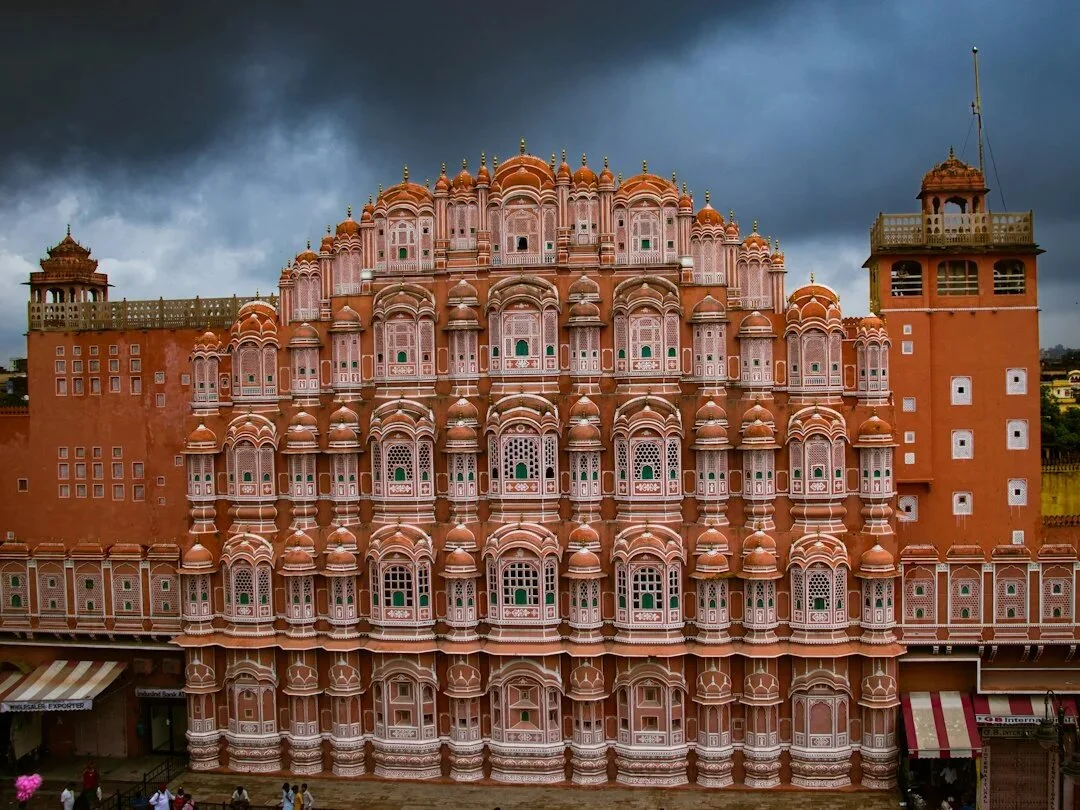
Thailand: the Andaman coast finally dries out
January belongs to the Andaman coast: Phuket averages 30.7 °C (87 °F) and 41 mm of rain, Krabi 31.6 °C and 52 mm. In December, Phuket was still getting three times as much water. Showers can still happen, but they're short, and the sea turns calm and clear again around Railay, Koh Lanta and the Phi Phi Islands.
Bangkok is at the height of its dry season, at 32 °C with only two rainy days: a good time for two or three days in the city before heading south. The Gulf of Thailand, led by Koh Samui, is also coming out of its wet season, more slowly. The Phuket guide covers the beaches and boat trips; if you're still weighing up the neighbour, our Thailand or Vietnam comparison sets out the criteria.
Note the rule change for French passport holders: since 15 September 2026, they can enter visa-free for a maximum of 30 days, down from 60. Visa-free entries by land are limited to two per calendar year, and the free TDAC digital arrival card is filled in online before the flight. Check the current allowance for your own passport. January is still high season on the islands: book Krabi and Phuket accommodation early.
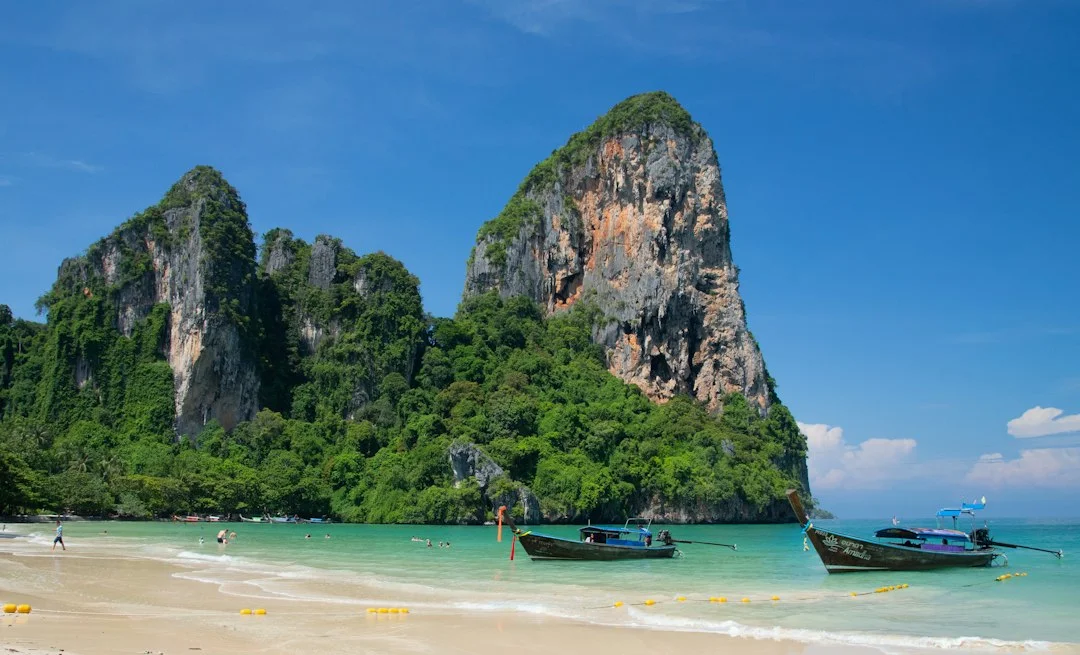
Southern Vietnam: 32 °C in Ho Chi Minh City, Phu Quoc dry
Southern Vietnam is in the middle of its dry season in January: Ho Chi Minh City averages 32.3 °C (90 °F) with 31 mm of rain over three days, and Phu Quoc island 29.9 °C with 32 mm. That's the right half of the country this month, the half with the Mekong Delta, the Cu Chi tunnels and the beaches on the Gulf of Thailand.
The centre doesn't follow: Hoi An still gets 148 mm of rain over eighteen days, and Ha Long Bay, in the north, is grey and chilly. A January trip to Vietnam therefore runs from south to centre, not the other way round. The Vietnam guide from north to south covers the full itinerary and the best season for each region.
French citizens are exempt from a visa for stays of up to 45 days; beyond that, a 90-day e-visa is applied for online. Other nationalities should check the current list, as Vietnam's exemptions vary by passport. Non-stop flights link Paris and Ho Chi Minh City depending on the season. Tet, the Lunar New Year that shuts much of the country for several days, falls in early February in 2027: January comes before it.
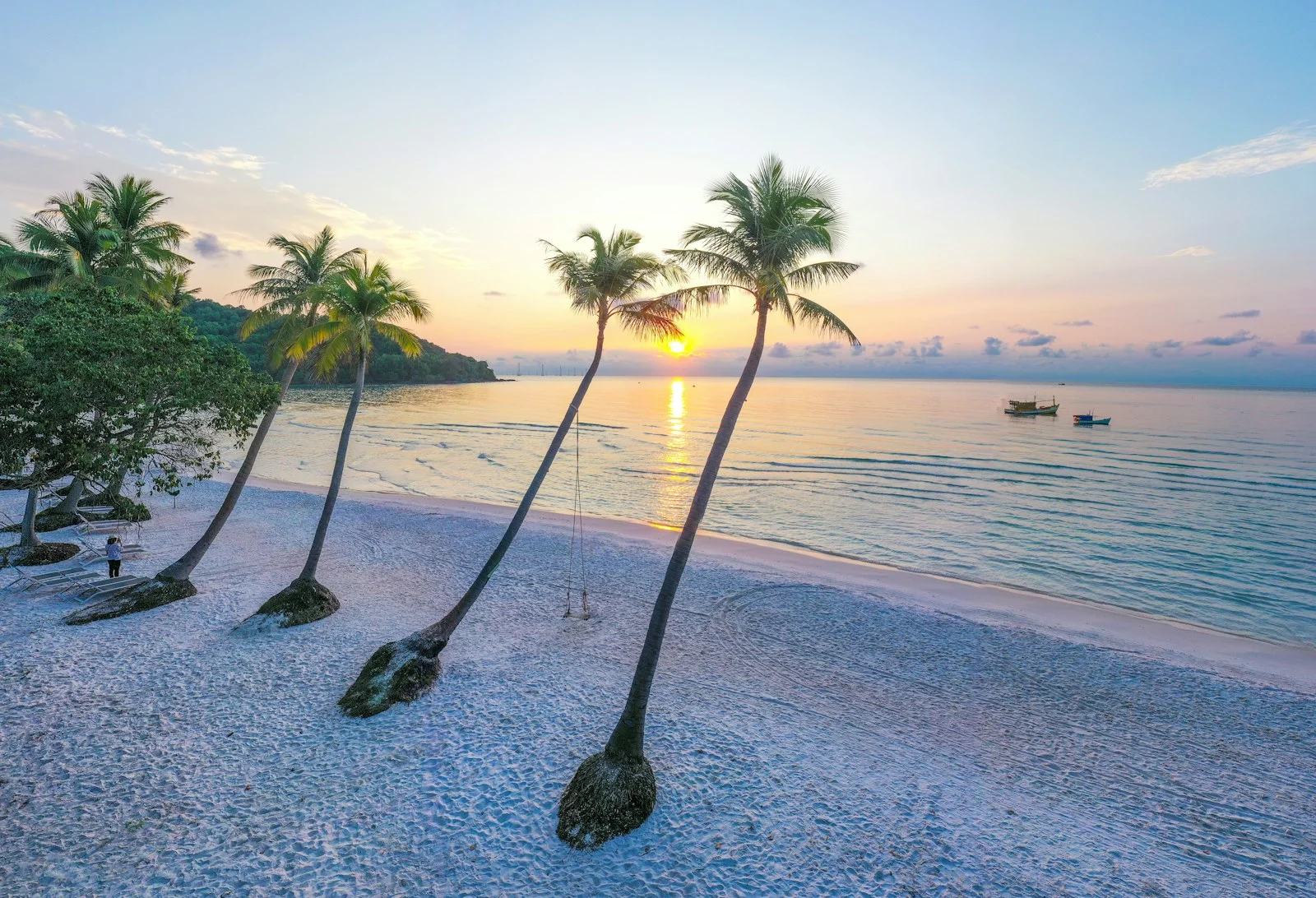
Guadeloupe: the dry season begins, in the French Caribbean
January opens the carême, the Caribbean dry season, which Météo-France places from January to April. Pointe-à-Pitre averages 28.6 °C (83 °F) in the afternoon, 23 °C at night and 44 mm of rain over the month. Sixteen rainy days sounds like a lot, but it mostly counts short showers that dry off in ten minutes.
Guadeloupe has two faces: Grande-Terre, flat, with white-sand beaches from Sainte-Anne to Saint-François, and Basse-Terre, mountainous, with La Soufrière volcano, waterfalls and the Cousteau marine reserve. Les Saintes, Marie-Galante and La Désirade are a boat ride away for a day or two. Neighbouring Martinique is slightly wetter in January, with 65 mm in Fort-de-France.
Guadeloupe is part of France and of the EU: an ID card is enough for EU citizens, you pay in euros, and EU mobile plans work without roaming fees. Flights from Paris take about eight and a half hours. The catch is the budget: Guadeloupe isn't cheap, and a rental car is essential to get beyond the tourist areas.
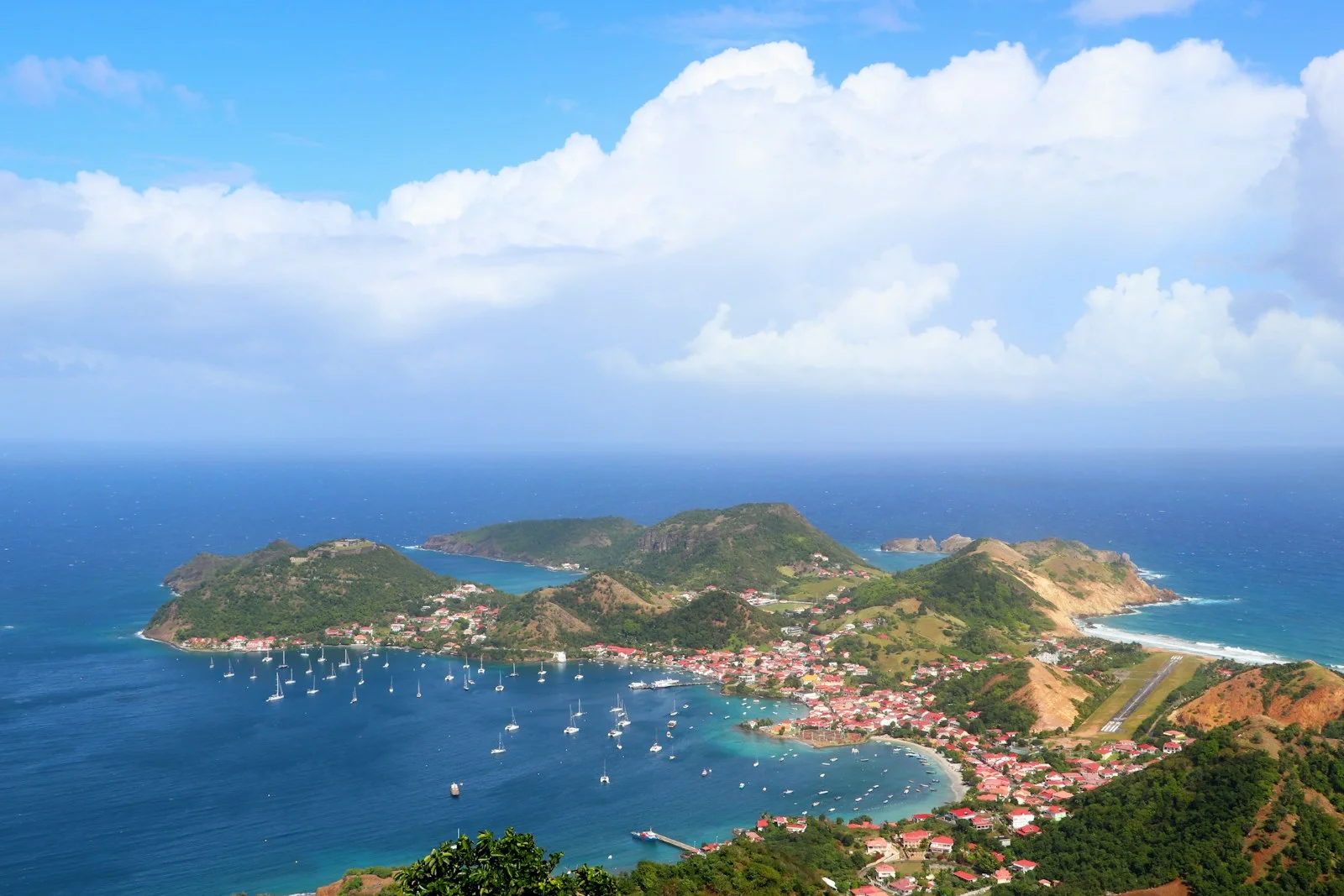
The Yucatán: Mérida at 29 °C, cenotes and Mayan cities
Mérida, capital of the Yucatán, averages 28.6 °C (83 °F) in January, 19 °C at night and 26 mm of rain over six days. It's the ideal season for the inland Mayan sites, Chichén Itzá and Uxmal, and for cenotes, the freshwater sinkholes where you swim in the middle of the jungle.
Cancún, on the Caribbean coast, is a little less dry: 26.7 °C and 70 mm of rain over thirteen days. The weather is fine most of the time, but the sky is more changeable than inland. For a first trip, the classic loop links Cancún, Tulum, Valladolid, Chichén Itzá and Mérida. Our Cancún and Tulum guides cover the beaches and cenotes.
French citizens don't need a visa for a tourist stay, capped at 180 days, with the exact length set by the officer on arrival; most European, US, UK, Canadian and Australian passports are also visa-free. Non-stop flights link Paris and Cancún depending on the season. If you stay in Quintana Roo state, home to Cancún and Tulum, budget for the local tourist tax, Visitax, payable online.
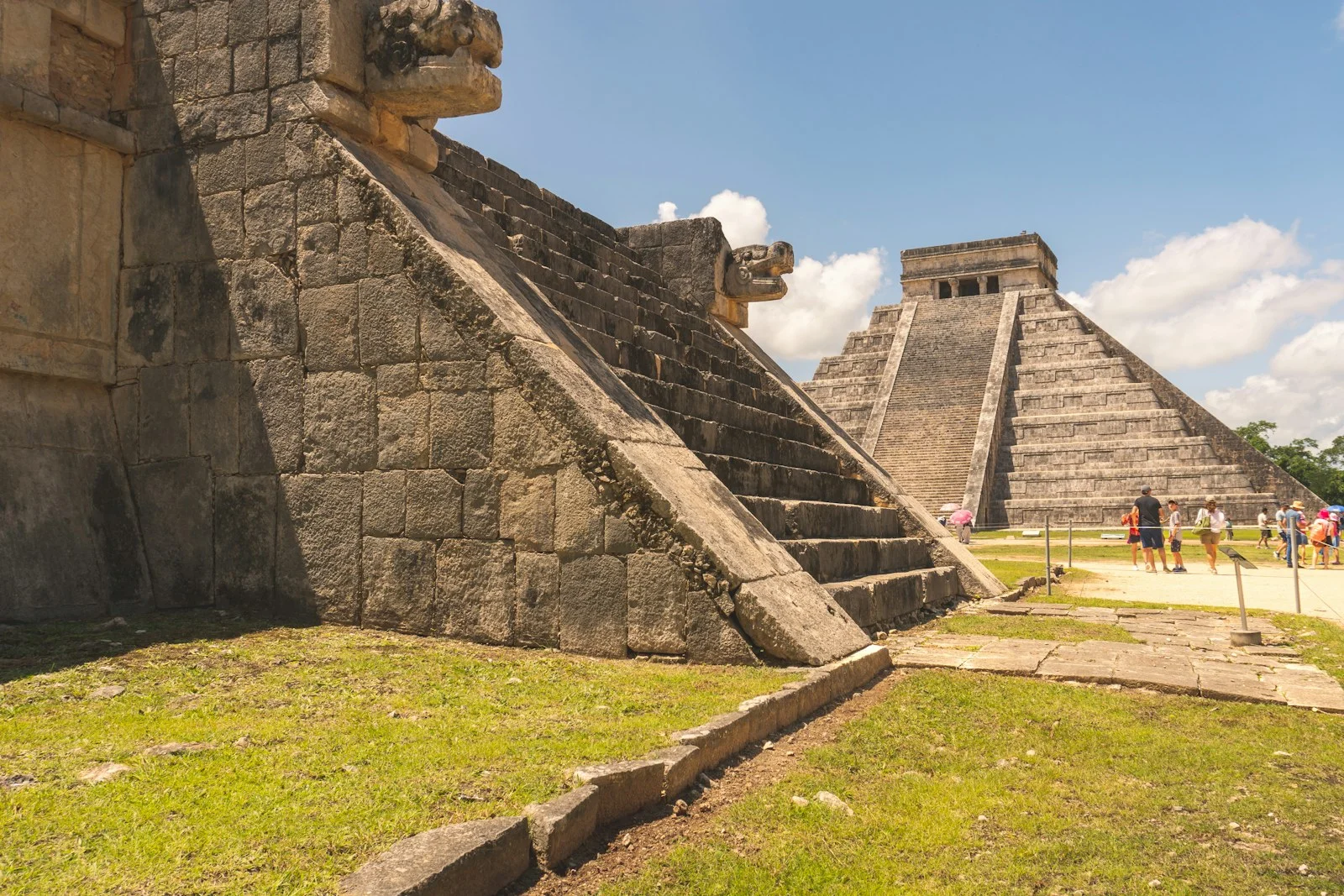
Tromsø: northern lights and the return of the sun
January is a key month for seeing the northern lights in Tromsø: the nights are long and the snow is in place, at -3.7 °C (25 °F) in the afternoon and -8.5 °C at night. The polar night ends around 15 January, when the sun rises back above the horizon, and the town celebrates its visible return on 21 January, Soldagen.
The real risk is the sky. Tromsø, on the coast, gets 165 mm of precipitation in January, as snow and rain, and cloudy nights hide the aurora. Rovaniemi, in Finnish Lapland, is colder, at -8 °C by day, but also much drier with 35 mm: the odds of a clear sky are better there. Our Iceland or Norway for the northern lights comparison goes through the odds, and the Norway guide covers the Lofoten and the fjords.
EU citizens can visit Norway with an ID card. Direct flights from Paris are rare and seasonal: most of the time you'll connect, usually in Oslo. Once there, aurora-chasing minibus tours head inland, where the sky clears more often.
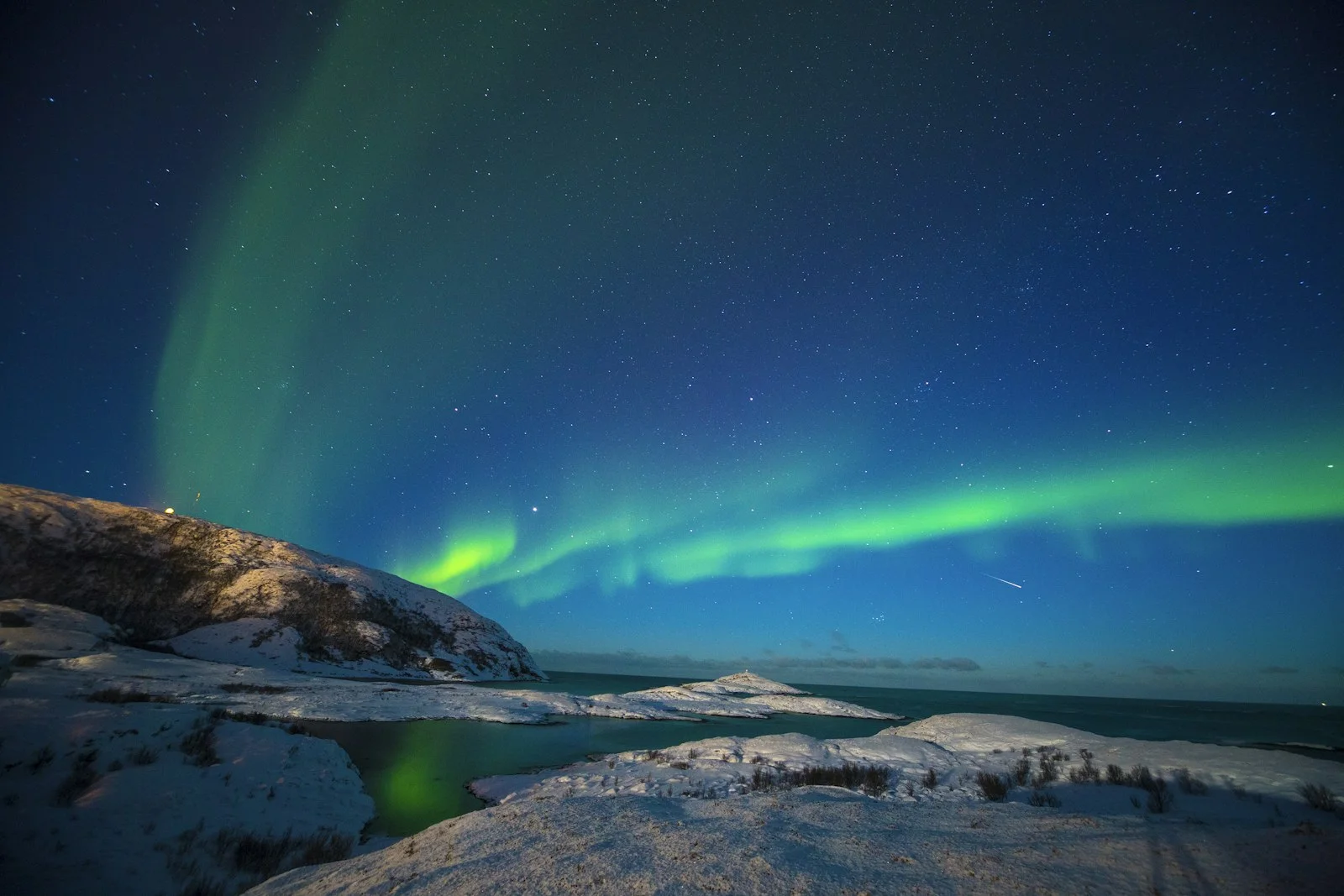
Hokkaido: Niseko's powder, among the most famous in the world
January is powder month in Japan: in Niseko, on the island of Hokkaido, the temperature stays below freezing all day (-3.9 °C in the afternoon, -11 °C at night) and it snows on more than twenty days of the month. Cold Siberian winds pick up moisture over the Sea of Japan and drop the light, dry snow that skiers fly in from around the world to ride.
Niseko groups several linked resorts on the same mountain, at the foot of Mount Yōtei. Sapporo, two hours away by road, is slightly less cold and adds the city, its ramen bars and its hot springs. To combine snow with seeing the country, our three-week Japan itinerary starts in Tokyo and Kyoto. For slopes closer to home, our pick of the best ski destinations in Europe covers the Alps.
French citizens enter Japan visa-free for tourist stays of under 90 days, as do most European, US, UK, Canadian and Australian travellers. The JESTA electronic travel authorisation, passed into law in 2026, isn't expected before 2028. On budget, January is the most expensive and most in-demand period in Niseko, where lodging is booked months ahead, and flights from Paris go via Tokyo.
Where not to go in January, or to think twice
Bali, the Seychelles and Mauritius all get more than 200 mm of rain in January: they're the three winter-sun classics to skip this month, and two more deserve a second thought.
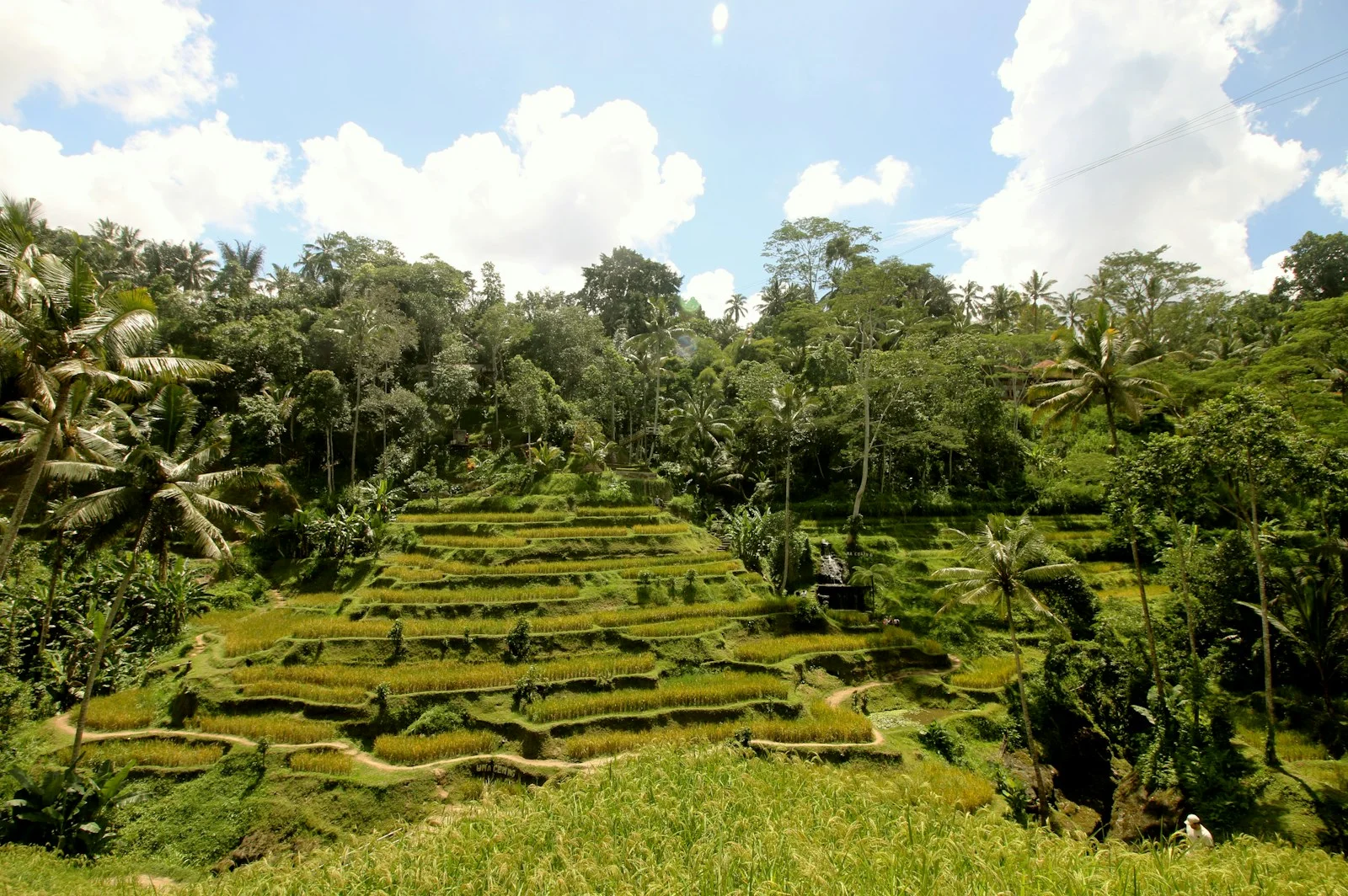
Bali is in the middle of its rainy season: 266 mm over twenty-six days in Denpasar. It's hot and the rice terraces look superb, but it rains almost every day. Aim for May to September; the Bali guide explains the seasons. The Seychelles (363 mm on Mahé) and Mauritius (222 mm in Port Louis) are also in their wettest stretch, in the middle of the Indian Ocean cyclone season. Our Zanzibar or Seychelles comparison gives the right months.
Sri Lanka is more mixed than its reputation. The south-west coast is often said to dry out from January; yet over the last five winters, Colombo got 129 mm in January and Galle 179 mm. The country is still worth visiting, and the ETA is free for French citizens, but February and March are safer bets for the beach. The Sri Lanka by train guide helps you plan around the weather.
Zanzibar has the weather on its side in January, at 32 °C. Because of the Ebola outbreak in the Democratic Republic of the Congo, however, Tanzania has required an online health declaration and a temperature check on arrival since 17 October 2026; the French foreign ministry notes that no cases have been reported there. It's no reason to cancel, but it is one more formality to keep an eye on before booking. Finally, Marrakech stays sunny but drops to 7 °C at night: our Morocco or Tunisia in winter comparison explains how to prepare.
How to choose your January destination
For reliable sun within six hours' flight of Paris, Cape Verde and Egypt are unbeatable in January: less than a millimetre of rain and 24 to 26 °C. The Canaries follow, with a shorter flight and just an ID card for EU citizens, but a cooler sea.
For tropical heat and swimming, Thailand's Andaman coast, southern Vietnam and Goa are all in full dry season. Guadeloupe adds the convenience of staying within France and the EU, the Yucatán the draw of its Mayan cities.
For snow, it depends on what you're after: the northern lights in Tromsø, with the light returning at the end of the month, or skiing Hokkaido's powder, further away and pricier.
Whichever you pick, leaving after 6 January avoids holiday prices. Also check the authorisations to get before you fly: Cape Verde's EASE, Thailand's TDAC and India's e-visa are done online, never at the airport. To stay connected without a local SIM card, our article on travel eSIMs compares the options.
Sources
The figures in this guide come from the sources below, checked on the publication date.
Leave a comment
Share your thoughts or travel experience. Your email will not be published.