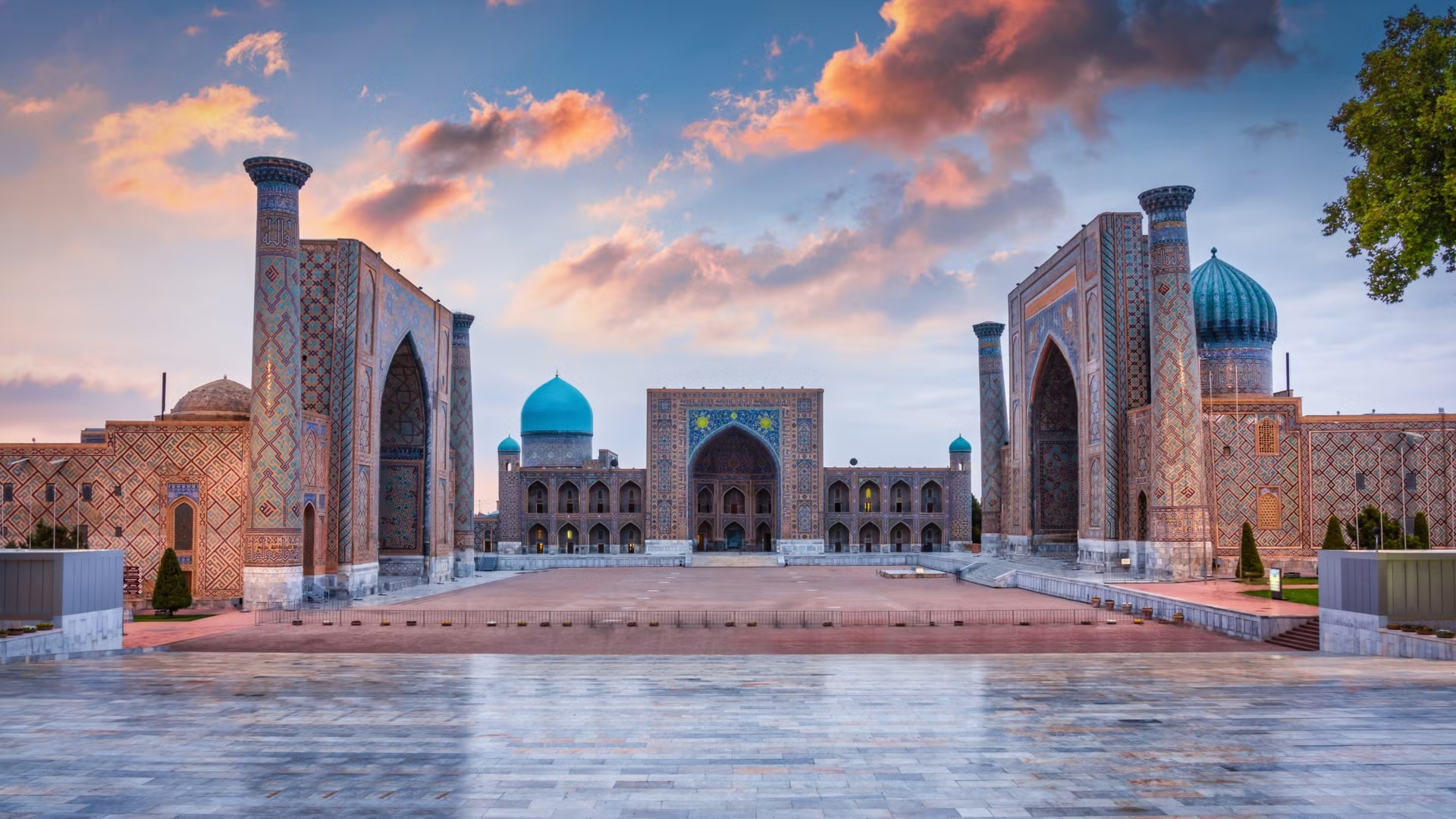


Contents 29
Overview
On an island the size of Ireland, Sri Lanka packs in thousand-year-old royal cities, high-altitude tea plantations and tropical beaches, all linked by one of Asia's most beautiful railway networks.
Sri Lanka, formerly Ceylon, is an Indian Ocean island off the southern tip of India, home to around 22 million people. This guide follows one clear thread: the train. You start in the Cultural Triangle with its Buddhist cities, climb up to the tea plateau, then drop back down to the south coast and its beaches.
The legendary highland line between Nuwara Eliya and Ella is the backbone of the trip. We keep the logistics honest here: the train is a dream, but it depends on the state of the network, and a private driver is genuinely useful for reaching the scattered sites in the north.
- Capital: Sri Jayawardenepura Kotte (administrative capital); Colombo is the commercial capital
- Currency: Sri Lankan rupee (LKR), roughly 1 € ≈ 380 LKR in 2026 (about 1 USD ≈ 350 LKR, 1 GBP ≈ 445 LKR)
- Languages: Sinhala and Tamil; English is widely used in tourism
- Time zone: GMT+5:30 (4h30 to 5h30 ahead of UK time depending on daylight saving)
- Recommended length: 12 to 18 days
11 places to take with you
In the guide's order, ready for Google Maps or your GPS.
Book the activities from this guide
Our picks for Sri Lanka, well rated and free to cancel.
-
Book this activity
Visit a tea factory in the tea country
Free to ~EUR 10 per person
-
Book this activity
Jeep safari at Yala or Udawalawe
EUR 35 to 60 per person, jeep and park entry included
-
Book this activity
Sri Lankan cooking class (rice & curry)
EUR 15 to 25 per person, meal included
Affiliate links: Travel Advice earns a commission if you book, at no extra cost to you. Learn more
The Nuwara Eliya (Nanu Oya) - Ella train
Door open, legs dangling, the wind smelling of tea and eucalyptus: this stretch isn't transport, it's the beating heart of the trip.
Over about 2h30, the track winds between plantations, waterfalls and tunnels, up to the famous Demodara loop, where the rail passes under itself to gain altitude.
You sit on the valley side, chat with the vadai sellers, and hop onto the platform at every stop to photograph tea bushes stretching as far as the eye can see.
A caveat for 2026: after Cyclone Ditwah, only the Nanu Oya-Ella-Badulla section had reopened (20 June 2026), while the upper stretch from Kandy remained suspended.
Sit on the right-hand side heading down toward Ella for the finest views, and check which section is open on seat61.com before buying.

Sigiriya, the Lion Rock
From afar, a pillar of pink granite bursts abruptly out of the flat jungle: Sigiriya looks like nothing else on the island.
This royal citadel from the 5th century, a UNESCO World Heritage Site, was built by King Kassapa on top of a rock almost 200 m high, with water gardens, a mirror wall and frescoes of celestial "maidens".
You climb staircases clinging to the rock face, pass between the two enormous carved lion's paws, then emerge onto the remains of the palace and a 360° panorama over the forest.
It's the highlight of the Cultural Triangle: no other site blends architectural daring with such a dizzying setting.
Reckon on around 30 USD for entry; if the rock is closed or packed, the neighbouring peak of Pidurangala offers the best view of Sigiriya for a fraction of the price.

Kandy and the Temple of the Tooth
At dusk, drums echo across the lake and a line of worshippers moves toward the shrine, lotus flowers in hand.
The last Sinhalese royal capital, Kandy (UNESCO) is home to the Sri Dalada Maligawa, the Temple of the Tooth, which holds a relic of the Buddha — one of the most revered sites in Buddhism.
Here you attend the evening puja, when the reliquary is presented to the sound of traditional instruments, before strolling around the lake and through the town market.
It's the pivot of the trip: the country's spiritual high point and the historic gateway to the railway line up into the highlands.
Dress covering shoulders and knees is required, and shoes are removed at the entrance: keep a pair of socks, as the ground heats up in the sun.

Ella: Nine Arches Bridge and Little Adam's Peak
In the morning, mist clings to the tea bushes and a distant train whistle announces its crossing of the viaduct: Ella breathes tropical mountain air.
This highland village brings together two icons: the Nine Arches Bridge, a colonial stone viaduct nestled in the jungle, and the short Little Adam's Peak hike.
You walk to the bridge to photograph the train, climb to the viewpoint at sunrise, then settle into a café facing the Ella Gap.
It's the dream terminus of the train journey, reachable again from Nanu Oya after the line reopened on 20 June 2026.
Do Little Adam's Peak early in the morning: the light is better and the climb of barely an hour avoids the heat.

Nuwara Eliya and the tea country
At 1,900 m the air cools, mist rolls over the hills and half-timbered houses appear: you could swear you'd been whisked off to an English spa town.
Nicknamed "Little England", Nuwara Eliya sits amid the plantations that produce the famous Ceylon tea, a legacy of British colonisation.
You tour a factory that takes tea from bush to cup, pass pickers in colourful saris among the green rows, and savour a cup of tea overlooking Lake Gregory.
It's the greenest and coolest stage of the trip, ideal for understanding what made the island's reputation.
Most factories offer a guided tour and tasting for free or a few euros, with no obligation to buy.

Galle Fort
Once through the rampart gate, the din of the town fades: cobbled lanes, verandaed houses and cafés give Galle Fort an air of time suspended.
Built by the Portuguese then fortified by the Dutch, this walled town (UNESCO) is the finest colonial ensemble in South Asia, ringed by ramparts facing the Indian Ocean.
You wander without a plan between craft shops and galleries, climb the bastions at sunset and walk out to the white lighthouse.
It's the perfect hinge between the coastal train and the southern beaches: a concentrate of history on a human scale.
Arrive by the coastal train from Colombo (2h30 to 3h, sit on the right for the sea): it's far more pleasant than the road.

Dambulla, the golden cave temple
At the top of a staircase lined with monkeys, the cool shade of the caves reveals hundreds of gold-covered Buddhas and ceilings painted with thousand-year-old frescoes.
Dambulla (UNESCO) is the island's largest cave-temple complex: five caves house more than 150 statues and paintings covering every wall.
You walk barefoot from one cave to the next, among reclining, seated and standing Buddhas, in an atmosphere of quiet devotion.
A few kilometres from Sigiriya, it pairs perfectly with the Lion Rock on the same day.
Wear covering clothes and bring something for your feet on the way out: the stone forecourt is scorching in full sun.

Polonnaruwa, the ancient capital
Beneath the tall trees, russet-brick dagobas and granite Buddhas rise from a strikingly intact archaeological park.
The island's second medieval capital in the 11th-12th centuries (UNESCO), Polonnaruwa lines up palaces, temples and the famous Gal Vihara, with its monumental Buddhas carved from the living rock.
You cover the site by bike, from one monument to the next, stopping in front of the reclining statues and the remains of the royal gardens.
Better preserved than Anuradhapura and more compact, it's the ancient city easiest to appreciate in half a day.
Keep your ticket on you: it's checked at several points around the park.

Yala National Park
At dawn, the jeep pushes into the golden scrub, a peacock cries, and the guide cuts the engine: somewhere, a leopard has taken up position.
Yala is the island's most famous park, renowned for one of the highest leopard densities in the world, alongside elephants, crocodiles and abundant birdlife.
You explore lagoons and dry forest by 4x4 for half a day, binoculars in hand, on the lookout for animals coming to drink at the waterholes.
To see more elephants without the crowds, Udawalawe, further west, offers a more reliable and quieter alternative.
If your priority is elephants rather than leopards, choose Udawalawe, less crowded and all but guaranteed for herds.
Anuradhapura, the sacred city
White and russet dagobas, tall as cathedrals, rise above pilgrims dressed in white: Anuradhapura commands silence.
The island's first capital for more than a thousand years (UNESCO), it holds huge brick stupas and the Sri Maha Bodhi, a sacred fig tree planted in the 3rd century BC.
You cover this vast, scattered site by bike or tuk-tuk, between still-living places of worship and monastic ruins.
Further north and less visited than Polonnaruwa, it's the stop for travellers who want to trace the roots of Sinhalese Buddhism.
As the Sri Maha Bodhi is an active place of worship, adopt respectful dress and behaviour, with shoulders and knees covered.

Mirissa and the south coast
Leaning coconut palms, warm sand and the sound of waves: after the temples and the heights, the south coast finally invites you to rest.
A laid-back resort, Mirissa is the base for blue whale watching and dolphin trips (November-April), between two beaches fringed with palms.
You swim, surf the gentle waves of neighbouring Weligama, and climb the little rock of Coconut Tree Hill at sunset.
It's the perfect final stage, a short train ride from Galle, between family-friendly Unawatuna and surfer-favourite Weligama.
For a beach more sheltered for swimming, prefer Unawatuna to Mirissa, whose waves can be strong.
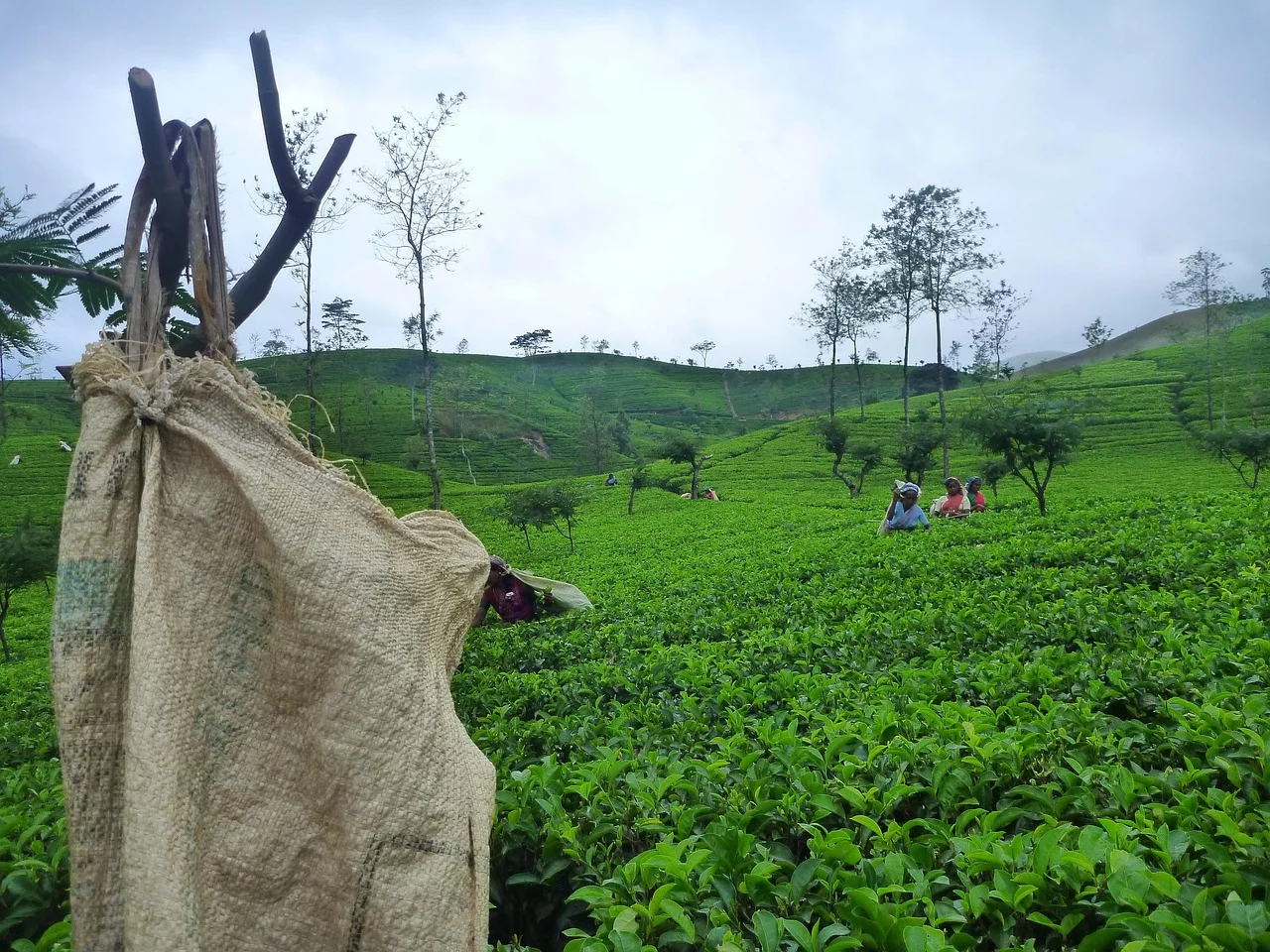
Visit a tea factory in the tea country
Head to a plantation around Nuwara Eliya: you follow the journey from bush to cup (picking, withering, drying, sorting), before a tasting facing the green hills. The high point: crossing paths with the pickers at work in the rows of tea bushes, baskets on their backs.
Open to everyone, the visit lasts one to two hours and is booked on the spot or through your guesthouse. Many factories offer it for free or for a few euros, with no obligation to buy tea.
- 1 to 2 hrs, visit and tasting
- Free to ~EUR 10 per person
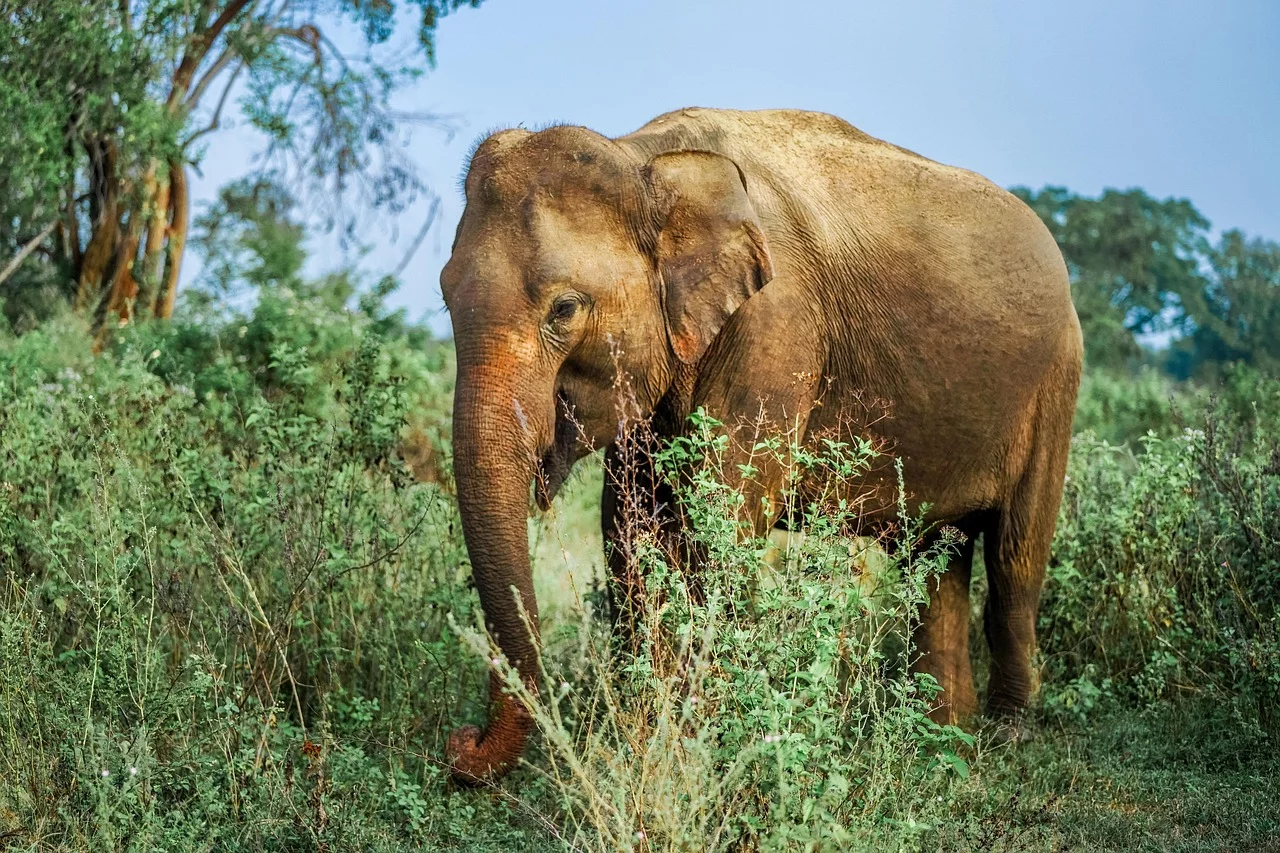
Jeep safari at Yala or Udawalawe
Set off before dawn in an open 4x4, binoculars ready, to comb the scrub for leopards (Yala) or the big elephant herds (Udawalawe). The high point: the engine cutting out sharply when the guide spots an animal, and the total silence that follows.
Open to everyone, families included, the safari is booked the day before through your accommodation or a local operator. Bring a hat, water and a windbreaker: it's chilly early in the morning in an open jeep.
- 3 to 4 hrs, half day by jeep
- EUR 35 to 60 per person, jeep and park entry included
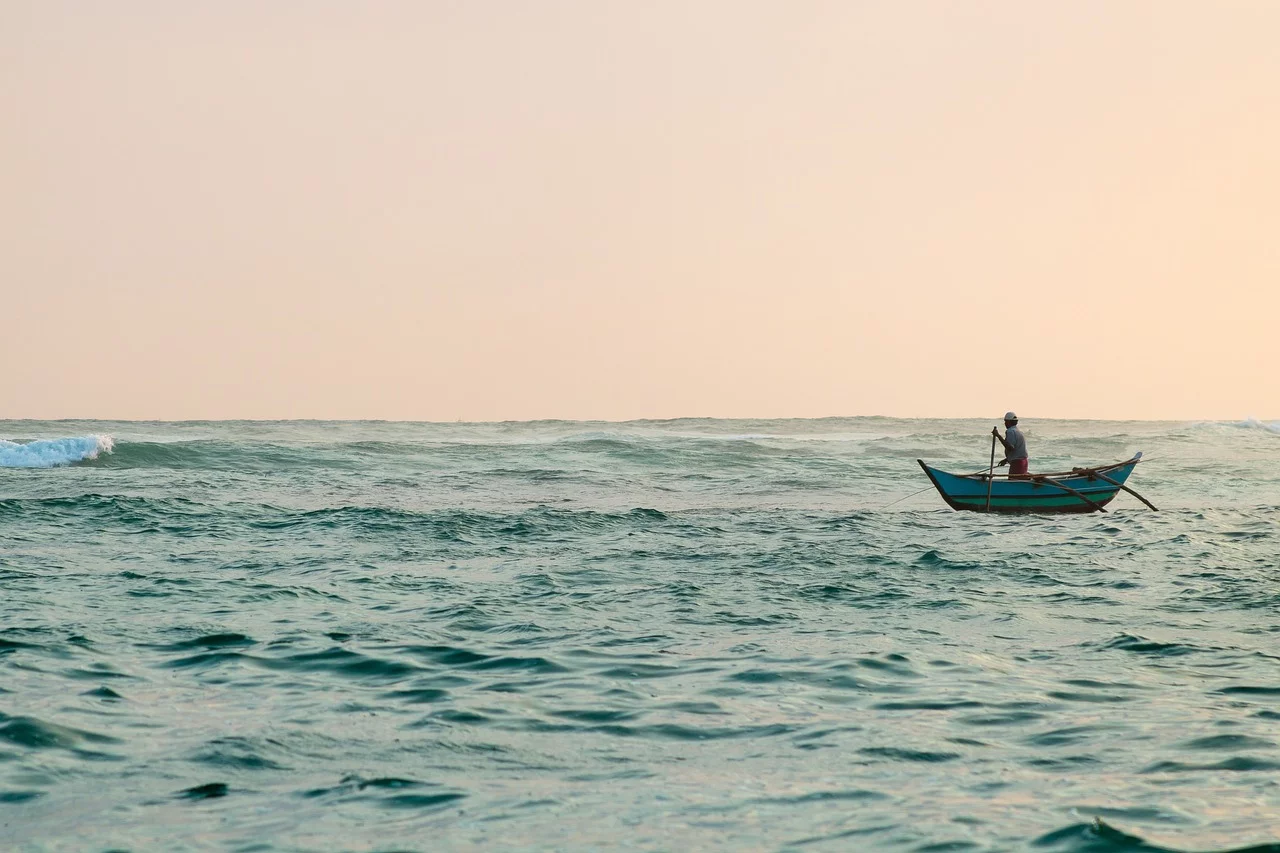
Whale watching at Mirissa
Board in the early morning from Mirissa harbour to head out into the open Indian Ocean, in search of the blue whales, sperm whales and dolphins that pass south of the island from November to April. The high point: the powerful blow of a blue whale breaking the surface a few dozen metres away.
The trip lasts three to five hours and suits everyone, but the swell can rock the boat: take a seasickness tablet. Choose an operator that respects safe distances from the animals.
- 3 to 5 hrs, outing at sea
- EUR 30 to 50 per person
The Little Adam's Peak hike at Ella
From the centre of Ella, an easy trail climbs through the tea plantations to the summit of Little Adam's Peak, with a sweeping view over the Ella Gap and the hills. The high point: the final metres, when the valley suddenly opens up 360° beneath your feet.
Open to everyone, even children, the walk takes less than two hours round trip and needs no guide. Set off at sunrise or sunset for the best light and bearable heat.
- 1 hr 30 min to 2 hrs round trip
- Free
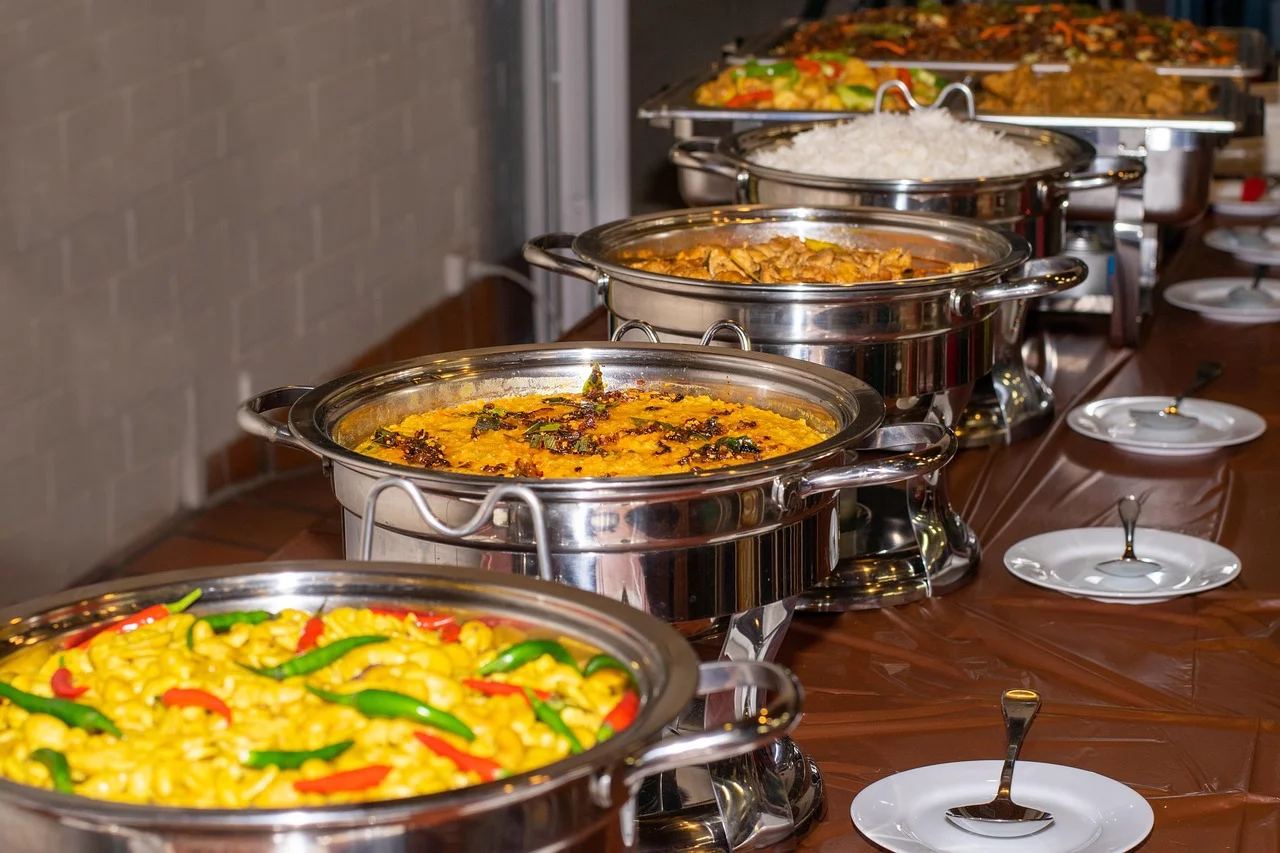
Sri Lankan cooking class (rice & curry)
Often in a local home, the workshop sometimes begins with a trip to the market to choose vegetables and spices, before you prepare a proper rice & curry together: dhal, vegetable curries, sambols and roti. The high point: grinding the spices on a stone mill and smelling the curry come to life in the pot.
Sociable and open to everyone, vegetarians included, the class lasts two to three hours and ends with the shared meal. Book the day before through your guesthouse, which often runs these workshops with the family.
- 2 to 3 hrs, market and meal
- EUR 15 to 25 per person, meal included
Getting there
You land at Bandaranaike International Airport (CMB), near Colombo, via a connection (no direct flights from Europe), for a journey of roughly 12 to 15 hours.
There are no direct flights from Europe to Colombo: expect one connection, often in the Gulf (Doha, Dubai, Abu Dhabi) or in Asia, to reach Bandaranaike International Airport (CMB) at Katunayake, about thirty kilometres north of Colombo. A second airport, Mattala (HRI) near Hambantota, remains poorly served.
On arrival, getting to Colombo or Negombo (close to the airport) is done by prepaid taxi, through an app like PickMe, or by shuttle. Many travellers spend a first night in Negombo, 15 minutes from the airport, before heading for the Cultural Triangle. Withdraw some rupees or change a little money right at the airport, as cash payments still dominate outside the big cities.
Getting around
The train is the star way to reach the highlands and the south coast; you round it out with buses, tuk-tuks and, for the Cultural Triangle, a private driver.
The train is the soul of this trip: slow, cheap and spectacular, it links Kandy, the tea country, Ella and, on the coast, Colombo to Galle and Matara. Reserved seats open up to 30 days before departure, with the observation car selling out first; unreserved seats are bought at the counter on the day.
The bus (public or intercity express) covers the whole country for a few hundred rupees, but it's often packed. The tuk-tuk rules the last mile: insist on the meter or agree a price before you get in, or use the PickMe app. To connect the scattered sites of the Cultural Triangle (Sigiriya, Dambulla, Polonnaruwa, Anuradhapura), a private driver by the day saves precious time and avoids driving at night, which is strongly discouraged by France Diplomatie given road conditions.
What to do
Climb Sigiriya, visit the Temple of the Tooth in Kandy, take the train through the tea country to Ella, walk Galle Fort and go on safari at Yala or Udawalawe.
Sri Lanka is best savoured as a single thread: a royal city in the morning, a tea plantation in the afternoon, a beach the next day. The highlights follow on from one another without any jarring transition, thanks to the short distances.
- Ancient cities: the climb up Sigiriya, the caves of Dambulla, the ruins of Polonnaruwa and Anuradhapura.
- Living spirituality: the evening puja at the Temple of the Tooth in Kandy.
- The tea train: the Nuwara Eliya-Ella section, doors flung open over the plantations.
- Nature: a jeep safari at Yala (leopards) or Udawalawe (elephants), the Little Adam's Peak hike.
- South coast: the ramparts of Galle at sunset, whale watching at Mirissa, doing nothing at Unawatuna.
Food
Sri Lankan cooking revolves around rice & curry — rice served with a constellation of vegetable curries, dhal, fiery sambols and sometimes fish or chicken.
Eating in Sri Lanka is, first and foremost, rice & curry: a plate of rice surrounded by small vegetable curries, dhal (lentils), pol sambol (grated coconut and chilli) and, depending on the day, fish or chicken. It's filling, vegetarian-friendly and very cheap in local canteens.
Don't miss the hoppers (bowl-shaped pancakes, sometimes with an egg), the kottu (roti chopped and stir-fried to the rhythm of the griddle, mostly in the evening), the string hoppers at breakfast and Ceylon tea at any hour. For fruit, the season brings mango, pineapple, papaya and the curious wood apple. Watch out for chilli, which is often present: ask for "not too spicy" if you're just starting out.
Itineraries
A 12-to-14-day itinerary strings together the Cultural Triangle, Kandy, the tea country by train, then the south coast, in a loop from Colombo.
Here is a 12-to-14-day thread that follows the logic of the guide:
- Days 1-2: arrive in Colombo/Negombo, drive to the Cultural Triangle (Sigiriya/Dambulla).
- Days 3-4: climb Sigiriya, the Dambulla caves, the ruins of Polonnaruwa (and Anuradhapura if time allows).
- Days 5-6: Kandy, the Temple of the Tooth and the Peradeniya botanical gardens.
- Days 7-9: up to the tea country, Nuwara Eliya, then the train to Ella (Nine Arches Bridge, Little Adam's Peak).
- Day 10: down to the south, safari at Yala or Udawalawe.
- Days 11-13: Galle Fort, the south-coast beaches (Mirissa, Unawatuna, Weligama), whales at Mirissa.
- Day 14: the coastal train Galle-Colombo and home.
With only 8-9 days, tighten it to Cultural Triangle + Kandy + Ella + one beach. With 3 weeks, add the east coast (Arugam Bay) or the deep south (Tangalle).
Climate & seasons
When to go to Sri Lanka?
Monthly averages over the past 5 years (Open-Meteo).
Best months
- June
- July
- August
- September
Avoid
- January
- October
- November
- December
| Jan | Feb | Mar | Apr | May | Jun | Jul | Aug | Sep | Oct | Nov | Dec | |
|---|---|---|---|---|---|---|---|---|---|---|---|---|
| Our take | ||||||||||||
| Weather | ||||||||||||
| High | 28° | 29° | 31° | 33° | 32° | 32° | 32° | 32° | 32° | 31° | 29° | 28° |
| Rain (mm) | 217 | 76 | 79 | 148 | 133 | 27 | 43 | 64 | 54 | 247 | 411 | 249 |
| Beach | Beach February | Beach March | Beach June | Beach July | Beach August | Beach September | ||||||
| Safari & savanna | Safari & savanna June |
What to do by season (autumn)
-
Beach
Warm air and water, little rain.
When to go
For this south-coast, highlands and tea-country route, the best window runs from December to March (into April), when the island's southwest is dry.
Sri Lanka runs on two offset monsoons, and that is THE key to choosing your season. The southwest monsoon (Yala) soaks the west coast, the south coast and the hill country roughly from May to September. The northeast monsoon (Maha) hits the east and north roughly from October to January.
In practice, for a trip built around Kandy, the tea country, Galle and the southern beaches, aim for December to March: clear skies over the highlands and a swimmable sea in the south. Conversely, swimming off the west and south coasts is not advised from April to November because of the currents (France Diplomatie). If you'd rather head east (Trincomalee, Arugam Bay), flip the timing: their good season runs from May to September.
At altitude, pack a warm layer: in Nuwara Eliya (1,900 m), nights drop below 10 °C in December-February.
Budget
Expect roughly €25/day as a backpacker, €60-70/day mid-range and €130+ in comfort, with a 2026 reference rate of about 380 LKR to €1 (around 350 LKR to $1).
Sri Lanka remains an affordable destination, but the entry fees to the big sites add up quickly. 2026 reference rate: 1 € ≈ 380 LKR (around 1 USD ≈ 350 LKR).
- Budget (~€25/day): guesthouse or dorm, local rice & curry, travel by train and bus.
- Mid-range (€60-70/day): private air-conditioned room, a mix of restaurants, site entries, private tuk-tuk.
- Comfort (€130+/day): boutique hotels, private driver, safaris and boat trips.
Site tickets are the real spending item: Sigiriya costs around 30 USD, Anuradhapura and Polonnaruwa around 25-30 USD. The train, on the other hand, stays tiny (a few euros for a long journey), as do meals in the canteens. Bring cash: cards work in Colombo and in hotels, less so elsewhere.
Work out your budget
Backpacker
€175
€25 per person per day
Mid-range
420 – €490
60 – €70 per person per day
Upscale
€910
€130 per person per day
On-the-ground estimate, international flights excluded unless stated. Prices vary by season and how early you book. Figures updated on 11/09/2026.
Where to stay
You bed down in stages along the thread: Cultural Triangle (Sigiriya/Dambulla), Kandy, tea country (Nuwara Eliya/Ella), then the south coast (Galle, Mirissa, Unawatuna).
Accommodation in Sri Lanka is plentiful and affordable, dominated by family-run guesthouses and homestays, often the best way to eat a proper home-cooked rice & curry. Line up your nights with the stages of the trip.
- Cultural Triangle: Sigiriya or Dambulla, the ideal base for the Lion Rock, the caves and Polonnaruwa.
- Kandy: around the lake, for the Temple of the Tooth and the departure up to the highlands.
- Tea country: Nuwara Eliya for the colonial atmosphere, or Ella, younger and more laid-back, with views over the plantations.
- South coast: Galle for the charm of the fort, Unawatuna for a sheltered beach, Mirissa or Weligama for surf and whales.
In high season (December-March), book the best-rated guesthouses in Kandy, Ella and Mirissa early, as they fill up fast.
Safety
Sri Lanka has stabilised since the 2022 crisis and can be visited normally in 2026; France Diplomatie rates the whole country as "reinforced vigilance", with standard travel precautions.
The 2022 economic crisis, with its fuel and food shortages, is behind us: the economy and tourism are back to normal. In 2026, Sri Lanka is a relaxed place to travel. France Diplomatie nonetheless rates the whole country as reinforced vigilance (updated 1 July 2026), which calls for the usual precautions rather than worry. Travellers from the UK, US and elsewhere should also check their own government's current advice.
The concrete things to watch: petty crime in tourist spots (bag-snatching on beaches, thefts on trains and buses — keep your bag and phone close), risky road traffic (better to use a driver and avoid driving at night) and dangerous swimming in places (strong currents; swimming off the west and south coasts is not advised from April to November). Lastly, some highland railway infrastructure still bears the scars of Cyclone Ditwah in November 2025: check the state of the lines before planning your journeys.
Formalities
Most travellers need an ETA (electronic travel authorization) before departure via the official portal eta.gov.lk; since 25 May 2026 it has been free — valid 30 days, double entry — but check the current rules for your nationality.
Sri Lanka requires an ETA (Electronic Travel Authorization) to be obtained before departure. New for 2026: since 25 May 2026, the tourist ETA has been free (how to apply for the free ETA) for around forty nationalities (including EU countries, the UK and the US; it previously cost 50 USD). This is a recent change worth re-checking before you book. The ETA is valid for 30 days, double entry, and can be extended locally for a fee. Rules vary by nationality, so confirm your own requirements on the official portal.
Apply only on the official portal eta.gov.lk: many middleman sites charge needless fees. Your passport must be valid for at least 6 months beyond your entry date, with a blank page. On health, no vaccine is mandatory (except a yellow-fever certificate if you're arriving from a risk country); recommended are up-to-date tetanus/diphtheria/polio, hepatitis A and typhoid, plus hepatitis B and Japanese encephalitis depending on the length and type of trip. Protect yourself against mosquitoes to avoid dengue. Check your own government's travel-health advice (for example France Diplomatie or the UK's TravelHealthPro).
Tips
Book your trains 30 days ahead, keep cash on hand, dress for temples (shoulders and knees covered, bare feet) and check the state of the tea line before you go.
A few habits make the trip far smoother:
- Trains: book as soon as sales open (30 days ahead) for the observation car and reserved 1st/2nd class, especially in high season.
- Temples: cover your shoulders and knees, remove shoes and hat, and never turn your back on a Buddha for a photo (frowned upon and sometimes penalised).
- Money: carry cash, change a little at the airport, and keep small change for tuk-tuks.
- Tuk-tuk: meter, or a price agreed before you get in; the PickMe app avoids nasty surprises.
- Tea line: since Cyclone Ditwah, check exactly which section is open (see seat61.com) before buying a full Kandy-Ella ticket.
FAQ
The best season for this itinerary (south coast, highlands, tea country) runs from December to March, when the island's southwest is dry.
What's the best season for each coast in Sri Lanka?
The island has two offset monsoons. For this itinerary (south coast, highlands, tea country), the right window is December to March/April, when the southwest is dry. The east coast and the north are at their best from April/May to September. Avoid May-September in the south/west and October-January in the east/north.
Is Sri Lanka safe in 2026 after the 2022 crisis?
Yes. The acute shortages of 2022 are over and tourism has resumed normally. France Diplomatie rates the whole country as reinforced vigilance (updated 1 July 2026), with standard precautions: petty crime, care on the roads and when swimming. Travellers should also check their own government's advice.
Is the Kandy-Ella train line running in 2026?
Partially. Cyclone Ditwah (late November 2025) damaged the highland line. The scenic Nanu Oya (Nuwara Eliya)-Ella-Badulla stretch, with the Nine Arches Bridge, reopened on 20 June 2026. The upper Kandy-Nanu Oya section, however, was still suspended in the first half of 2026: check the state of the line before you go.
How do you book the train to Ella?
Reserved seats (observation car, reserved 1st and 2nd class) open up to 30 days before departure; the observation car goes first, so book as soon as sales open. Unreserved seats can only be bought at the counter on the day: board early to get a seat.
Do you need a visa (ETA) for Sri Lanka in 2026?
Yes, most travellers need an ETA before departure via the official portal eta.gov.lk. Since 25 May 2026 it has been free for many nationalities (including EU, UK and US citizens), valid 30 days double entry — but this is a recent change, so verify the current rules for your nationality. Beware of paid middleman sites.
What daily budget should you plan for?
About €25/day as a backpacker, €60-70/day mid-range and €130+ in comfort. 2026 reference rate: 1 € ≈ 380 LKR (around 350 LKR to $1). Entry to the UNESCO sites (25-30 USD) adds up quickly.
Can you visit Sri Lanka without a private driver?
Yes: trains for the highlands and the south coast, buses to fill the gaps, tuk-tuks for the last mile. A private driver is still useful for connecting the scattered sites of the Cultural Triangle and for avoiding driving at night.
Sources
The figures in this guide come from the sources below, checked on the publication date.
Leave a comment
Share your thoughts or travel experience. Your email will not be published.