

Contents 29
Overview
Oman is a safe, authentic sultanate on the Persian Gulf, mixing deserts, turquoise wadis and fjords, perfect for a road trip off the beaten track.
Oman surprises you the moment you land in Muscat. There is no forest of skyscrapers like in neighbouring Dubai, just low white houses set against the ochre mountains of the Hajar. The sultanate bets on authenticity rather than glitz.
The country sits on the south-eastern tip of the Arabian Peninsula. Along some 1,700 km of coast, it lines up landscapes of rare variety: the orange dune sea of the Wahiba Sands, the dizzying canyons of Jebel Shams, thousand-year-old irrigated oases and the jagged fjords of Musandam.
What strikes you most is the welcome. Omanis have a solid reputation for hospitality across the Middle East. You are easily invited to share cardamom coffee and dates. Crime is very low and political stability is genuine.
Oman is best travelled by car, with a track log in hand. It is a destination for independent, curious and slightly adventurous travellers. You will meet few crowds, even at the big sites. The desert, the mountain villages and the turtle nesting beaches have to be earned, but they stay within reach.
11 places to take with you
In the guide's order, ready for Google Maps or your GPS.
Book the activities from this guide
Our picks for Oman, well rated and free to cancel.
-
Book this activity
A Night in a Bedouin Camp & 4x4 Dune-Bashing in the Wahiba Sands
EUR 35-90 per person depending on camp comfort
-
Book this activity
A Water Hike and Swim at Wadi Shab
Free (OMR 1 for the crossing boat at the entrance)
-
Book this activity
A Dhow Cruise in the Musandam Fjords
EUR 20-45 per person (full day with lunch)
Affiliate links: Travel Advice earns a commission if you book, at no extra cost to you. Learn more

Sultan Qaboos Grand Mosque
You step into a vast volume of pale marble, bathed in soft light. The silence impresses, so does the sheer scale. It is Muscat's flagship monument, and a masterpiece of modern Islamic architecture.
Completed in 2001, the mosque can hold up to 20,000 worshippers. The prayer hall houses a hand-woven Persian carpet measuring 70 by 60 metres, that is 1.7 million knots and 21 tonnes, and a 14-metre Italian chandelier set with 600,000 crystals.
You visit it in a good hour, taking in the prayer hall, the courtyards and the gardens. It is the best place to grasp the elegance of Omani art.
We place it first because it brings together history, spirituality and craftsmanship in a single place open to visitors.
Plan clothing that covers shoulders and knees. Women must wear a headscarf over the hair: slip one into your bag so you are not turned away at the entrance.

Wahiba Sands Desert (Sharqiyah Sands)
A sea of orange dunes stretches as far as the eye can see. In the evening the sand turns red and the silence becomes total. It is the quintessential desert experience in Oman, and often the great memory of a trip.
This desert runs for about 180 km from north to south. It is the land of the Wahiba bedouin, who still live here and run most of the camps.
You sleep here one night under canvas, watch the sunset from the top of a dune, and try dune-bashing (driving fast across the dunes) in a 4x4. The adrenaline rush in the dunes is unforgettable.
We pinned it because no photo captures the calm and immensity you feel on the spot, on waking.
Book your camp ahead in high season. Bring a light jumper: winter nights in the desert can be surprisingly cool.

Mutrah Souq & Muscat Corniche
Under the souq's wooden roofs, the air smells of frankincense and sandalwood. You happily get lost in this covered maze, among stalls of bedouin silver, khanjars, colourful fabrics and perfumes. It is the historic commercial heart of Muscat.
At the exit, the corniche runs along the port, facing the white houses set against the mountains. The walk is especially beautiful at sunset, when the light gilds the façades.
You stroll here for an hour or two, between haggling and a tea break. The khanjars (traditional curved daggers) make typical souvenirs.
This souq remains one of the most authentic in the Gulf, away from the air-conditioned shopping malls.
Check the origin of the frankincense before you buy: the best comes from Dhofar. Beware of imitations sold at higher prices to hurried tourists.

Nizwa Fort & Souq
From the top of its great round tower, the view sweeps over the palm groves and the mountains. Nizwa, a former capital of Oman, breathes the history of the country's interior. The fort is its strongest symbol.
This 17th-century fort impresses with its massive tower, designed to withstand sieges. At its foot spreads a lively souq, renowned for handicrafts and dates.
The big draw is the Friday morning livestock market. Herders haggle over goats and cattle in an electric atmosphere.
You easily combine a visit to the fort, the souq and the market in one busy morning.
Nizwa makes an ideal base for touring Bahla, Jebel Shams and Jebel Akhdar. Plan to sleep here at least one night.

Wadi Shab
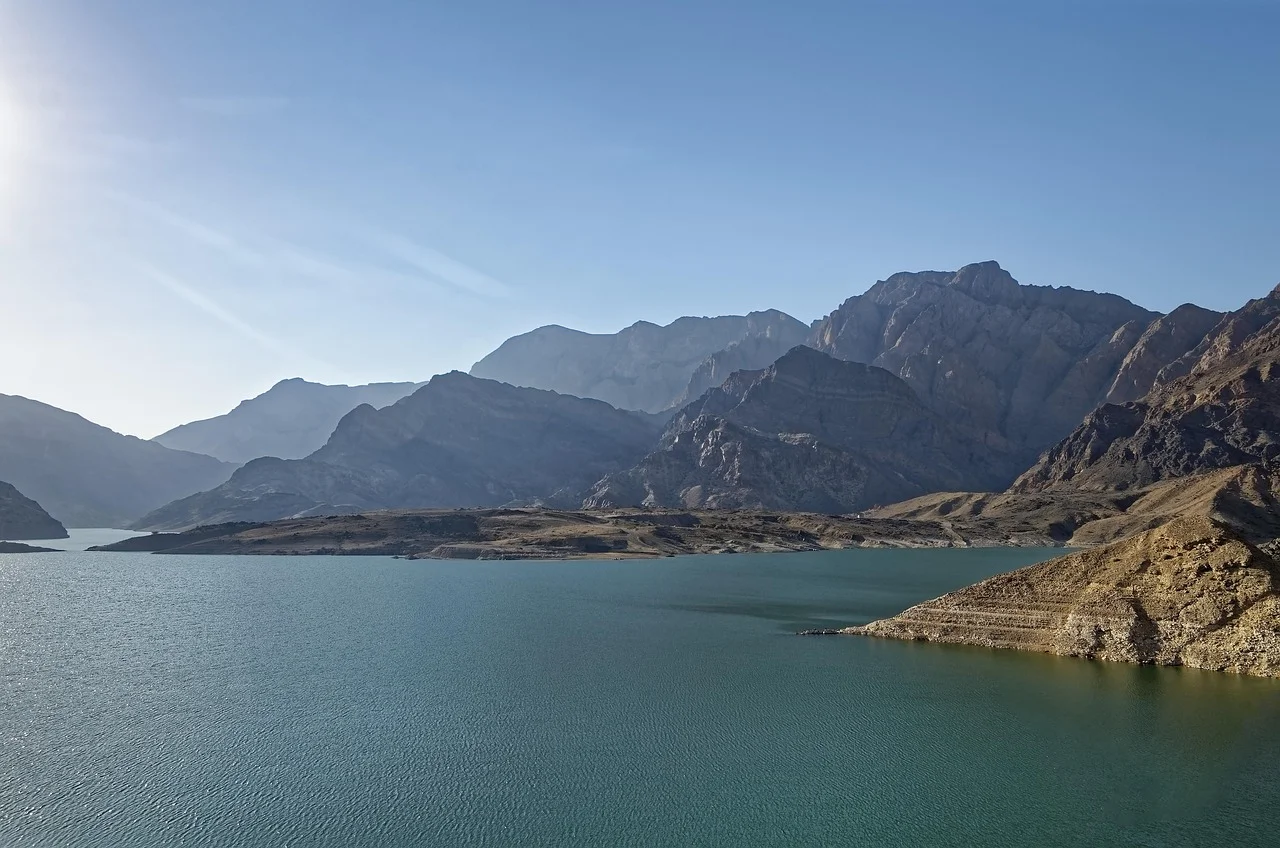
You head up a canyon with ochre walls, following pools of an unreal turquoise. The water is cool, the rock warm, and the place looks like a secret oasis. It is one of Oman's most beautiful wadis.
The hike blends walking and swimming. At the end, a waterfall hides in a cave, reachable only by squeezing through a narrow passage while swimming.
Allow three to four hours there and back, with no major technical difficulty. The pools invite you to swim all along the way.
This wadi combines effort, coolness and a final reward, a distillation of what we love about Omani canyons.
A small boat handles the crossing at the entrance for about 1 OMR. Set off early to avoid the heat and enjoy pools that are still calm.

Jebel Shams (the Grand Canyon of Arabia)
At the edge of the chasm, the drop makes you dizzy. In front of you, a gigantic canyon plunges several hundred metres. You quickly understand why it is nicknamed the Grand Canyon of Arabia.
Jebel Shams is the highest point of Oman, at 3,009 metres. The famous balcony trail, the Balcony Walk, follows the cliff to an abandoned village.
The hike takes up half a day, with spectacular panoramas at every step. The final track requires a 4x4, and the nights at altitude are cold.
It is the unmissable mountain stage of the road trip, for lovers of wide open spaces and walking.
The Balcony Walk is not strictly waymarked: follow the trail hugging the cliff and turn back at the abandoned village. Set off in the morning.

Musandam Fjords (Khasab)
Rock walls plunge into turquoise water, carving out coves and inlets. It looks like a Scandinavian fjord dropped in the middle of the desert. The nickname Norway of Arabia makes sense at first glance.
Musandam is an exclave, cut off from the rest of Oman by the Emirates, about 100 km away. You reach it by road through the UAE, from Ras al-Khaimah to Khasab, or by domestic flight.
The great moment is the dhow (traditional wooden boat) cruise in Khor ash Sham. You come across dolphins and stop to swim in isolated coves, often over the course of a day.
This remote corner offers landscapes unique in the whole Arabian Peninsula.
On the dhow, check for life jackets before boarding. Bring a swimsuit, towel and sunscreen for the swimming stops.

Salalah & Dhofar (frankincense, khareef)
In the south of the country, the atmosphere changes completely. Salalah cultivates a tropical feel, with coconut palms, beaches and plantations of Boswellia sacra frankincense. You are far from the northern desert.
The region is home to the UNESCO sites of the Land of Frankincense: Al-Baleed, Khor Rori and Wadi Dawkah. They tell the thousand-year-old story of the frankincense trade, Dhofar's historic wealth.
The magic moment is the khareef (monsoon), the Indian monsoon, from around 21 June to 21 September. The mountains turn green, waterfalls burst out and it is 20 to 27 °C.
Salalah offers a completely different side of Oman, to discover in three or four days.
For frankincense, go to the Al-Haffa souq and spot the quality resin, translucent and fragrant. The finest come straight from Dhofar.

Bahla Fort (UNESCO)
A vast fortress of raw earth dominates the oasis. The ramparts stretch for several kilometres, ochre and massive. Bahla gives off an almost mystical aura, between history and local legend.
It is the largest fortification in Oman, listed by UNESCO as early as 1987. Built between the 12th and 15th centuries by the Banu Nebhan, it reopened to the public in 2012 after a long restoration.
The visit takes a good hour, among towers, courtyards and ramparts. You quickly grasp the power of the tribes that ruled the country's interior.
You easily pair it with the neighbouring fort of Jabrin and the Bahla pottery souq.
Come early in the morning for the light and the cool. As the site is made of raw earth, stay on the paths so as not to damage the structures.

Ras al Jinz Turtle Nesting Beach
At night, on a dark beach, a green turtle climbs slowly up from the surf to dig its nest. The scene is moving and rare. Ras al Jinz is one of the finest moments of a trip to Oman.
This site, at the eastern tip of the Arabian Peninsula, is a protected reserve. It is one of the most important green turtle nesting sites in the world.
You watch the nesting or the hatching on guided outings, at night or at dawn. Emotion is guaranteed in front of these animals that have come from so far.
This place adds a dimension of nature and conservation to a road trip that is mostly mineral.
Sleep on site the night before: the outings take place at night or very early. Bring dark, discreet clothing for the observation.

Jebel Akhdar (the Green Mountain)
On the plateau, the air cools and the landscape fills with stepped terraces. Villages cling to the edge of the cliff, surrounded by orchards. Jebel Akhdar, the Green Mountain, lives up to its name.
This plateau in the Hajar range tops out around 2,000 metres. Here roses, pomegranates and apricots are grown on terraces, a farming skill that is astonishing in the heart of Arabia.
You hike among the perched villages, with plunging views over the gorges. In spring, the rose harvest scents the air and takes over the whole plateau.
It is a gentle, verdant stage, the perfect counterpoint to the desert and the canyons.
Come in spring for the blossom and the rose harvest. The rest of the year, the terraces and villages are still well worth the detour.
A Night in a Bedouin Camp & 4x4 Dune-Bashing in the Wahiba Sands
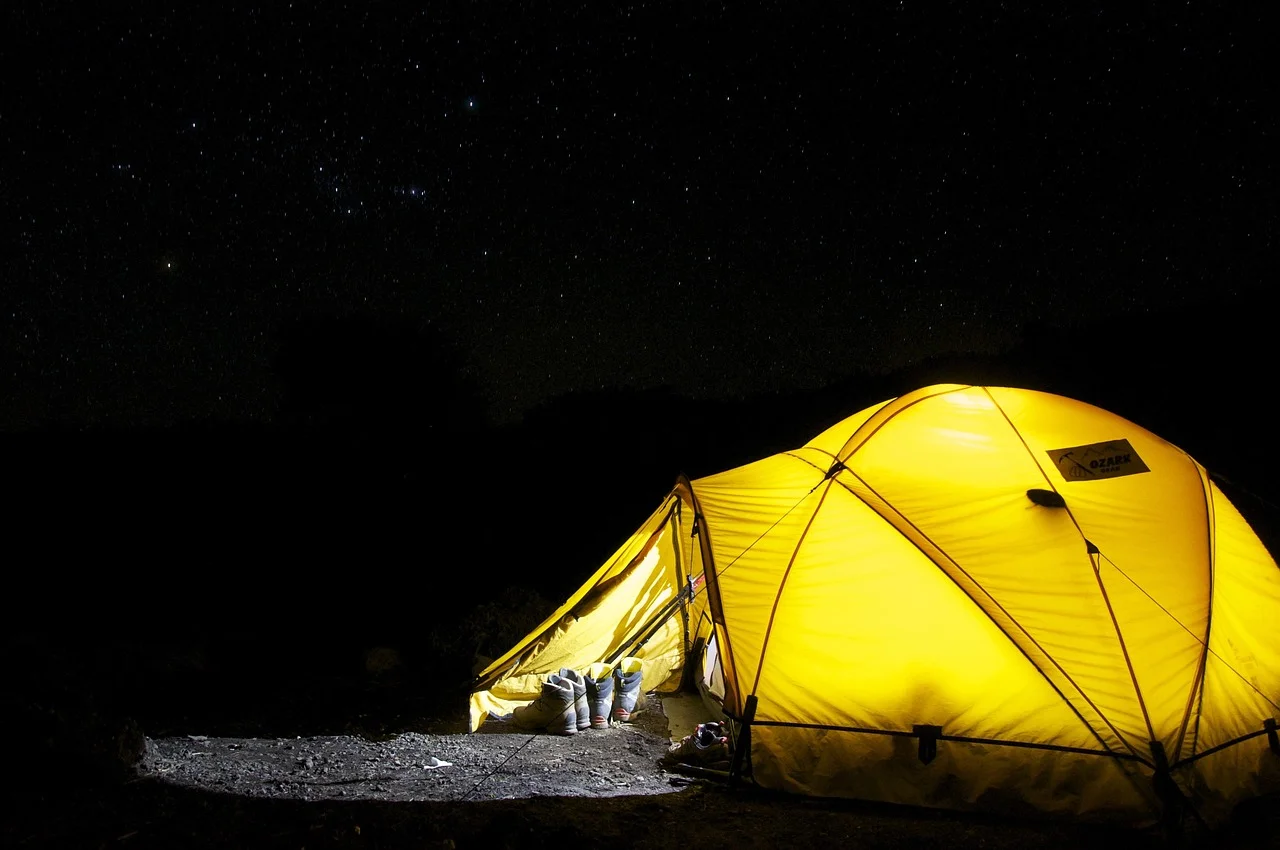
You leave the surfaced road to plunge into the sea of dunes. After deflating the tyres, the 4x4 climbs and slides across the sand in a guaranteed adrenaline rush (this is dune-bashing, driving fast across the dunes). At the end of the day, you climb to the top of a dune for an unforgettable sunset, then dine under the stars at the camp.
It is Oman's flagship experience, for couples, families or groups of friends. Camps range from simple comfort to the luxury tent. Book ahead in high season, and bring a light jumper, because winter nights in the desert are cool.
- 1 to 2 days (1 night)
- EUR 35-90 per person depending on camp comfort
A Water Hike and Swim at Wadi Shab
A short boat crossing drops you at the entrance to the canyon. You then head up the wadi on foot, following turquoise pools where you can swim. The high point comes at the end: you have to swim through a narrow passage to reach a waterfall hidden in a cave.
The activity suits anyone at ease in the water and a decent walker. No booking is needed. Wear water shoes and bring a dry bag to protect your things during the swimming section. Set off early to avoid the heat.
- 3 to 4 hours
- Free (OMR 1 for the crossing boat at the entrance)
A Dhow Cruise in the Musandam Fjords
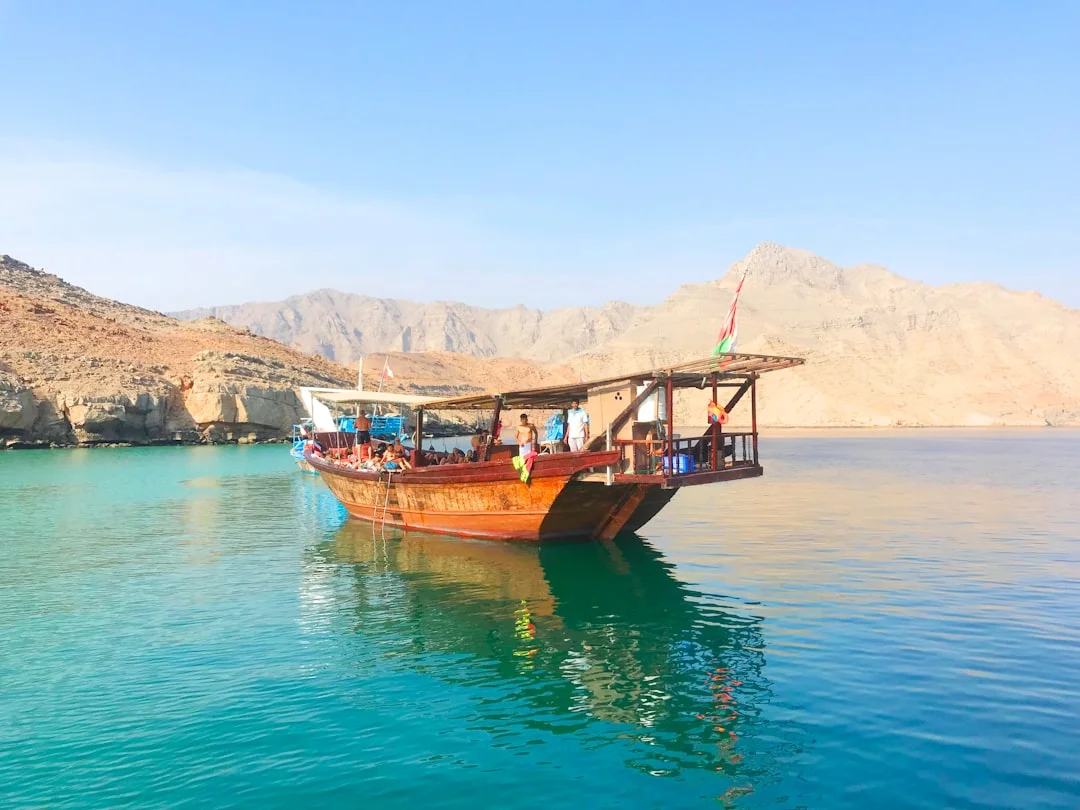
Aboard a traditional dhow (wooden boat), you sail between rock walls that plunge into turquoise water. The boat stops in isolated coves for swimming and snorkelling. With a bit of luck, dolphins come to play in front of the bow, a high point of the outing.
This cruise appeals to everyone, including families. The day packages often include lunch on board. Book from Khasab or from Dubai, and check for life jackets before boarding.
- Half day to full day
- EUR 20-45 per person (full day with lunch)

Turtle Watching at Ras al Jinz
A guide takes you at night or at dawn onto a protected beach. In the dark, you watch a green turtle climb up from the surf to lay its eggs, or young turtles head for the sea. The emotion is intense and respect for the site is absolute.
The activity touches young and old alike, anyone sensitive to nature. Light and flash are strictly forbidden, so as not to disorient the animals. Book the outing ahead and sleep on site the night before, because the slots take place at night or very early in the morning.
- 1 to 2 hours (guided outing) + night on site
- Approx. EUR 8-15 for the guided outing, excluding accommodation
The Friday Livestock Market & Nizwa Fort
On Friday morning, Nizwa comes alive around its livestock market. Herders parade goats and cattle in front of the buyers, in a lively, authentic hubbub. You then follow up with a visit to the 17th-century fort and its great round tower, from which the view sweeps over the palm groves.
This morning is aimed at travellers curious about local culture, off the beaten track. Arrive before 8am, because the buzz fades fast. Entry to the fort costs about 0.5 OMR, and the neighbouring souq rounds out the visit with dates and handicrafts.
- One morning (arrive before 8 AM)
- Free (fort entry ~OMR 0.5)
Getting there
You reach Oman by air via Muscat airport (MCT); Salalah (SLL) and Khasab (KHS) complete the network, and it combines easily with Dubai.
The vast majority of travellers arrive through Muscat international airport (code MCT). It concentrates the international flights and serves as the natural starting point for the northern road trip. From France, expect one stopover, often in the Gulf.
Two other airports count. Salalah (SLL) serves the south and Dhofar, handy during the khareef. Khasab (KHS) opens access to the Musandam exclave, cut off from the rest of Oman by the Emirates.
Oman combines very well with the Emirates. Muscat is only a few hours' drive from Dubai, and Musandam is in fact reached through the Emirates. Many people take a flight to Dubai and then string the two countries together.
- Muscat (MCT): main gateway, free 14-day stamp on arrival.
- Salalah (SLL): the south, Dhofar, frankincense and khareef.
- Khasab (KHS): the Musandam fjords, via a domestic flight.
Domestic flights, run by Oman Air and SalamAir, link these cities internally. That is useful for reaching Salalah or Musandam without swallowing hundreds of kilometres of road.
Getting around
A car is all but essential in Oman; a 4x4 is a must for the dunes, mountain tracks and some wadis, with very cheap petrol.
To explore Oman freely, hire a car. The public transport network stays limited to the big cities, and the finest sites lie at the end of empty roads. Good news: petrol costs barely 0.26 OMR a litre, or about €0.65.
A standard car is enough for the surfaced roads. But a 4x4 becomes essential for the Wahiba dunes, the tracks up Jebel Shams and Jebel Akhdar, and some wadis. Budget around 20 to 35 OMR a day for a 4x4. If a self-drive on a much larger scale appeals, the Namibia road trip takes the formula much further, across thousands of kilometres of gravel tracks.
Buses exist too. The Mwasalat company links Muscat to Nizwa for about 3 OMR, and runs a night bus to Salalah for around 7 to 8 OMR. Handy for long distances, less so for exploring.
- 4x4: Wahiba dunes, Jebel Shams and Jebel Akhdar tracks, remote wadis.
- Standard car: main roads, Muscat, Nizwa, the coast.
- Taxis and baisa (shared) taxis: negotiate before you get in.
For Musandam, access is by road through the Emirates, from Ras al-Khaimah to Khasab, or by domestic flight. This exclave lies about 100 km from the rest of the country.
What to do
In Oman you alternate desert, turquoise wadis, historic forts and UNESCO sites; the country blends 4x4 adventure, swimming and thousand-year-old heritage.
Oman's line-up mixes raw nature and heritage. On the desert side, a night in a bedouin camp in the Wahiba Sands and dune-bashing (driving fast across the dunes) in a 4x4 remain must-dos. On the water side, the wadis offer unexpected swims among the rocks.
Wadi Shab is the most famous, with its turquoise pools and hidden waterfall. Think also of Wadi Bani Khalid, a green, more easily reached wadi with large pools where you swim among the palm trees. Perfect for a breather between two stages.
History lovers will be spoilt. The forts of Nizwa and Bahla tell of centuries of trade and tribes. Oman also has several UNESCO World Heritage sites that do not feature among our headline POIs.
- The aflaj, those ancestral irrigation systems, including Falaj Daris at Nizwa (UNESCO).
- The tombs of Bat, Al-Khutm and Al-Ayn, Bronze Age remains.
- The hikes of Jebel Shams and the terraces of Jebel Akhdar.
- Watching green turtles at Ras al Jinz, at dawn.
And do not miss the Sultan Qaboos Grand Mosque in Muscat and the Mutrah souq, where you hunt for frankincense and bedouin silver. Enough to balance adventure and culture.
Food
Omani cooking blends Arab and Indian influences; try festive shuwa, saffron halwa, cardamom coffee and cheap shawarmas.
The Omani table is fragrant and generous. The signature dish is shuwa (slow-cooked marinated meat), spiced and then cooked slowly in an underground oven. It is prepared for celebrations, and its tenderness impresses. It is a sharing dish par excellence.
For something sweet, you cannot skip Omani halwa (a jelly-like sweet). This gelatinous confection of saffron and rose water often accompanies coffee. The welcome ritual itself revolves around kahwa (a light cardamom coffee), served with dates.
Day to day, tight budgets eat well. A shawarma costs only 1 to 2 OMR and is found everywhere. Indo-Pakistani eateries round out the picture with curries and fresh bread.
- Shuwa: meltingly tender meat cooked underground, a festive dish.
- Halwa: a saffron-and-rose sweet, worth tasting at least once.
- Kahwa + dates: the Omani hospitality ritual.
- Shawarma: the traveller's smart meal.
In Dhofar, around Salalah, Boswellia sacra frankincense scents the souks, notably the one at Al-Haffa. It is used more for burning than for cooking, but it is an integral part of local culture.
Itineraries
Two headline itineraries: the 8-10 day northern loop from Muscat, and the southern extension to Salalah; Musandam is visited from Dubai in 2-3 days.
For a first trip, the northern loop covers the essentials. It blends desert, mountains, wadis and forts over about ten days, starting and ending in Muscat. The distances stay manageable with a car.
- Northern loop (8-10 days): Muscat → Nizwa and Bahla → Jebel Shams → Wahiba Sands → Wadi Bani Khalid → Wadi Shab → Ras al Jinz → back to Muscat.
- Southern extension (3-4 days): flight to Salalah, discovering Dhofar, the frankincense sites and the beaches; ideal during the khareef.
- Musandam from Dubai (2-3 days): road via Ras al-Khaimah to Khasab, a dhow cruise in the fjords, back to the Emirates.
The northern loop can be shortened to a week by cutting Ras al Jinz. It can also stretch to two weeks by adding Jebel Akhdar and more time in the desert.
To combine several regions, the domestic flight saves precious time. A Muscat-Salalah return avoids two long days of driving and frees up time on the ground.
Climate & seasons
When to go to Oman?
Monthly averages over the past 5 years (Open-Meteo).
Best months
- January
- February
- May
- June
- September
- November
- December
Avoid
- April
- May
- June
- July
- August
- September
- October
| Jan | Feb | Mar | Apr | May | Jun | Jul | Aug | Sep | Oct | Nov | Dec | |
|---|---|---|---|---|---|---|---|---|---|---|---|---|
| Our take | ||||||||||||
| Weather | ||||||||||||
| High | 27° | 30° | 34° | 39° | 43° | 45° | 44° | 43° | 41° | 38° | 33° | 28° |
| Rain (mm) | 1 | 2 | 8 | 3 | 0 | 0 | 30 | 2 | 0 | 1 | 0 | 0 |
| Beach | Beach January | Beach February | Beach March | Beach April | Beach May | Beach June | Beach July | Beach August | Beach September | Beach October | Beach November | Beach December |
| City sightseeing | City sightseeing January | City sightseeing February | City sightseeing December |
What to do by season (autumn)
-
Beach
Warm air and water, little rain.
When to go
Go from October to March, with an ideal core of November to February: 20 to 28 °C, dry weather, perfect for the desert, the wadis and the road trip.
The right season for Oman is winter. From November to March the climate turns cool and dry, between 20 and 28 °C during the day. This is the ideal time to sleep in the desert, walk the wadis and string together mountain roads without suffering from the heat.
Avoid June, July and August. The heat becomes extreme across almost the whole country, with peaks of 45 to 50 °C. Hiking or camping then turns dangerous, and simply stepping out of the car is exhausting.
There is a lovely exception in the south. Salalah and the Dhofar region live through the khareef (an Indian monsoon), which runs from around 21 June to 21 September. The mountains turn green, waterfalls appear and the thermometer stays mild, between 20 and 27 °C.
- November to March: the north, the desert, the wadis, a full road trip.
- Khareef (June-September): only Salalah and Dhofar, lush and green.
- June-August elsewhere: avoid, crushing heat.
In short, plan the grand northern loop for winter. Save Dhofar for summer if you dream of green mountains in the heart of Arabia.
Budget
Budget around €50-65 a day as a backpacker, about €100 for mid-range comfort and €180-plus for high-end; Oman stays pricier than North Africa.
Oman is not the cheapest destination in the Arab world, but it stays reasonable if you organise well. As a backpacker, budget around €50-65 a day ($55-70 / £43-56): camping, shawarmas at 1 or 2 OMR and a car shared between several people.
The mid-range budget runs around €100 a day ($110 / £86). It covers a modest hotel, a 4x4 rental and restaurant meals. It is the best compromise for a comfortable road trip without breaking the bank.
High-end starts around €180 a day ($195 / £155) and climbs fast with luxury camps and mountain lodges. Note: Oman costs more overall than North Africa, especially for accommodation. Other nationalities will find the same price levels.
- Petrol: very cheap, about 0.26 OMR (€0.65) a litre.
- 4x4 rental: about 20 to 35 OMR a day.
- Shawarma: 1 to 2 OMR, the budget meal.
The currency is the Omani rial (OMR), pegged to the dollar. One rial is worth about €2.50 and divides into 1,000 baisas. The very cheap fuel noticeably lightens the cost of a road trip.
Where to stay
Oman offers desert camps, modest city hotels and mountain lodges; Muscat, Nizwa and the areas near the wadis hold the best bases.
Where to drop your bags depends on your itinerary. In Muscat, the capital, you find hotels of every level, a good base at the start and end of a road trip. The Mutrah corniche makes for a pleasant evening atmosphere.
In the Wahiba Sands desert, the experience runs through a bedouin camp. Tents range from simple to luxurious, often with dinner and sunset over the dunes. It is one of the most memorable nights of a trip to Oman.
In the mountains, Jebel Shams and Jebel Akhdar shelter a few lodges perched at altitude. Pack warm clothes: the nights up there are cold. Nizwa and Bahla, in the interior, have practical hotels for touring the forts and wadis.
- Muscat: arrival base, all budgets, the Mutrah corniche.
- Wahiba Sands: bedouin camp, a night under canvas in the dunes.
- Nizwa: interior hotels, ideal for the forts and the market.
- Jebel Shams / Akhdar: high-altitude lodges, cool nights.
Wild camping is common and tolerated in Oman. But it is better not to camp alone in the desert, a safety recommendation we cover further on.
Safety
Oman ranks among the safest countries in the Middle East, with very low crime; caution applies mainly in the desert and near the Yemeni border.
Oman reassures travellers. It is one of the safest countries in the Middle East, with very low crime, real political stability and a hospitality that quickly puts you at ease. Travelling solo or as a family stays very relaxed.
A few areas still call for vigilance. France Diplomatie advises against the border zone with Yemen and recommends caution in Dhofar away from the coastal fringe. Find out before you head off the main roads.
The real risk in Oman is the desert. Large areas have no signal at all. Before any excursion, tell someone your route. It is advisable to travel in more than one vehicle and not to camp alone.
- Do not set off alone into the big open spaces with no signal.
- Carry plenty of water, fuel and emergency gear.
- On dhow cruises, check the life jackets.
To prepare with peace of mind, keep an eye on the advice from France Diplomatie. With a minimum of preparation, the Omani adventure stays very accessible.
Formalities
French citizens enter without a paid e-visa for 14 days (free stamp at Muscat); beyond that, an e-visa is obtained online, with a passport valid for 6 months.
Good news for French citizens: a short stay needs no paid visa. For 14 days maximum, a free stamp is issued on arrival at Muscat airport. You must show a passport valid for 6 months, a return ticket, an accommodation booking, health insurance and sufficient funds; other nationalities should check their own visa allowance.
Beyond 14 days, you need an e-visa. It is applied for online on the official portal (evisa.rop.gov.om), within the month before departure. Budget 20 rials for 30 days single-entry, or 50 rials for a multiple-entry visa valid for one year.
Watch out for overstaying: each day beyond the authorised period costs 10 rials. Best to pin down your dates carefully.
- Passport: valid for at least 6 months.
- Vaccines: none compulsory; DTP, hepatitis A/B and typhoid recommended.
- Currency: Omani rial, 1 OMR ≈ €2.50.
For detailed, up-to-date conditions, check the official France Diplomatie page before you leave. Entry rules can change.
Tips
Oman is a conservative but tolerant Muslim country: cover shoulders and knees, respect Ramadan in public and keep alcohol to licensed venues.
A few cultural pointers make the stay easier. Oman is a conservative Muslim country, but tolerant with visitors. Clothing covering the shoulders and knees is a must, especially in mosques and villages. Respect opens every door.
Alcohol is drunk in licensed hotels and restaurants, but never in public spaces. During Ramadan, avoid eating, drinking or smoking in public during the day. It is a simple and expected mark of respect.
To visit the Sultan Qaboos Grand Mosque, plan the right slot. It opens to non-Muslims in the morning, roughly from 8am to 11am, and closes on Fridays. Women must wear a headscarf covering the hair.
- Dress: shoulders and knees covered, headscarf at the mosque.
- Alcohol: only in licensed venues.
- Ramadan: discretion around eating and drinking during the day.
- Photos: ask before photographing people.
And learn a few words of Arabic and accept the coffee and dates you are offered. That small gesture is worth a thousand speeches and often seals lovely encounters.
FAQ
Common questions about Oman cover the visa, safety, budget, season, 4x4, cultural rules, combining with Dubai, frankincense and turtles.
Do French citizens need a visa for Oman?
For a stay of 14 days maximum, no: a free stamp is issued on arrival at Muscat, on presentation of a passport valid for 6 months, a return ticket, an accommodation booking and insurance. Beyond that, you need a paid e-visa obtained online before departure. Other nationalities should check their own visa allowance.
Is Oman a safe country?
Yes, it is one of the safest countries in the Middle East, with very low crime. Stay vigilant near the Yemeni border and in the desert, where there is no signal. Always tell someone your route before an excursion and avoid camping alone.
What daily budget should I plan for?
Budget around €50-65 a day ($55-70 / £43-56) as a backpacker, about €100 for mid-range comfort, and €180 or more for high-end. The very cheap petrol, at €0.65 a litre, noticeably lightens the cost of a road trip by car.
When should I go to Oman?
Favour winter, from November to March, with 20 to 28 °C, for the desert and the wadis. Avoid June to August, when it hits 45 to 50 °C. The one exception: Salalah and Dhofar, lush during the khareef, between 21 June and 21 September.
Do you really need a 4x4?
Not everywhere, but often. A standard car is enough on surfaced roads. A 4x4 becomes essential for the Wahiba dunes, the tracks up Jebel Shams and Jebel Akhdar, and some wadis. Budget 20 to 35 OMR a day for rental.
Can you drink alcohol and how should you dress?
Alcohol is served only in licensed hotels and restaurants, never in public. Cover your shoulders and knees, especially in villages and mosques. During Ramadan, do not eat, drink or smoke in public during the day.
Can you combine Oman with Dubai?
Yes, very easily. Muscat is a few hours' drive from Dubai, and Musandam is in fact reached through the Emirates, via Ras al-Khaimah. Many people land in Dubai then string the two countries together on a single trip.
Where can you see frankincense and turtles?
Frankincense (Boswellia sacra) is discovered in Dhofar, around Salalah, notably at the Al-Haffa souq and the UNESCO sites. Green turtles nest at Ras al Jinz, at the eastern tip of the country, on guided outings at night or at dawn.
Sources
The figures in this guide come from the sources below, checked on the publication date.
Leave a comment
Share your thoughts or travel experience. Your email will not be published.