

Contents 29
Overview
Georgia is a small Caucasus country between the Black Sea and high mountains, famous for its wine, its food and its dramatic landscapes.
Georgia is tiny, yet it packs in a range of landscapes that surprises every traveller. In just a few hours on the road you go from the snowy peaks of the Caucasus to the pebble beaches of the Black Sea. The country borders Russia to the north, Turkey and Armenia to the south, and Azerbaijan to the east.
It is a destination made for the road trip and for independent travellers. Distances stay short, prices are gentle and the welcome is legendary. You come here to hike remote valleys, sleep in family homes and taste wine fermented in buried clay jars.
Georgia has a way of life all its own. Wine has been produced here for 8,000 years, the Georgian alphabet looks like no other, and the table overflows with khinkali and khachapuri. Well off the beaten track, the country stays authentic and easy on a tight budget.
11 places to take with you
In the guide's order, ready for Google Maps or your GPS.
Book the activities from this guide
Our picks for Georgia, well rated and free to cancel.
-
Book this activity
Qvevri Wine Tasting in Kakheti
EUR 15-40 per person depending on the estate
-
Book this activity
Sulfur Bath in Tbilisi
EUR 15-30 for a private cabin
-
Book this activity
Georgian Military Road (Tbilisi-Kazbegi)
EUR 5 by marshrutka, EUR 40-70 by shared taxi / rental
Affiliate links: Travel Advice earns a commission if you book, at no extra cost to you. Learn more

Gergeti Trinity Church (Kazbegi)
Perched on its hill, the church stands alone against the white wall of Mount Kazbek. The sight is striking, almost unreal at sunrise.
This 14th-century sanctuary sits at 2,170 m, overlooked by Mount Kazbek rising to 5,047 m. It marks the high point of the Georgian Military Road.
From Stepantsminda you climb on foot in about 1h30, or ride up by 4x4 to spare your legs. Once at the top, the view over the glacier and the valley rewards the effort.
This is the iconic image of Georgia, the one that sums up the whole spirit of the Caucasus on its own.
A shared 4x4 can be haggled over on the village square for a few lari. Cover your shoulders and legs: this is an active place of worship.

Tbilisi Old Town & Abanotubani Sulfur Baths
You wander down steep lanes lined with carved wooden balconies, all the way to the brick domes with their whiff of sulfur. The Abanotubani district breathes history.
The old town rises at the foot of Narikala fortress, which watches over it from the heights. The sulfur baths gave the capital its name: "Tbilisi" comes from the Georgian word for "warm".
You stroll here for half a day among churches, workshops and cafés. Then you treat yourself to a private cabin in a sulfur bath to unwind after the road.
This is the beating heart of urban Georgia, a mix of the East and the Caucasus.
Ride up to Narikala by cable car from Rike Park, then walk back down through the lanes.

Ushguli & Svaneti Towers (UNESCO)
Dozens of stone towers rise among the meadows, beneath the snowy mass of Mount Shkhara. Time seems to have stopped here since the Middle Ages.
Ushguli ranks among the highest inhabited villages in Europe, at 2,100 m. Its medieval defence towers are listed by UNESCO. The site marks the end of the famous Mestia-Ushguli trek.
You reach it by a 4x4 track, drivable mainly from June to October. On the spot you visit the towers, share a drink with a local and savour the isolation.
No other place captures the fierce soul of Svaneti so well.
Stay a night rather than a day trip: the village is magical at sunset.

Mtskheta: Svetitskhoveli Cathedral & Jvari Monastery (UNESCO)
From the Jvari hill, the eye plunges to the meeting of two rivers and to the cathedral looming over the old town. The panorama is famous across the whole country.
Mtskheta was the former capital and remains the cradle of Georgian Christianity. Svetitskhoveli Cathedral and Jvari Monastery, from the 6th century, are listed by UNESCO.
Just 20 km from Tbilisi, the town can be seen in half a day. You take in both monuments, wander the lanes and leave easily by marshrutka.
It is the perfect excursion for grasping Georgia's spiritual roots.
Marshrutkas leave from Didube station. Avoid Sunday morning, very busy with worshippers.

Vardzia Cave Monastery
An entire cliff riddled with hundreds of openings reveals itself as you round the valley. It looks like a giant hive carved into the rock by human hands.
Vardzia was dug in 1185 under Queen Tamar, into the flank of Mount Erusheli. The site holds hundreds of rooms spread over several levels, with decorated chapels and wine cellars.
You can easily give it a full day from Akhaltsikhe. You walk the galleries, descend towards the Kura and picture the monastic life of long ago.
In this remote south, it is the most spectacular site, far from the crowds.
Visit early to escape the heat of the south-facing cliff and enjoy the quiet.

Gelati Monastery (UNESCO, Kutaisi)
You push open the door of a church where frescoes cover every inch of wall, up to a golden mosaic that catches the light. The atmosphere is solemn.
Gelati was founded in 1106 by David the Builder. This centre of Georgia's golden age, listed by UNESCO, holds exceptional mosaics and frescoes. The monastery also served as an academy of learning.
You pair it easily with Motsameta Monastery and Prometheus Cave, all near Kutaisi. The visit takes a relaxed half-day.
It is the most dazzling witness to the country's medieval splendour.
Cover shoulders and knees: the monastery is still an active place of worship, checked at the entrance.

Mestia (Upper Svaneti)
Deep in the valley, the Svan stone towers rise between the rooftops, with icy peaks as a backdrop. You sense at once that you are entering another world.
Mestia is the base for the treks of Svaneti. The village keeps its characteristic medieval towers and houses a Museum of History and Ethnography rich in icons and ancient manuscripts.
It is the starting point of the Mestia-Ushguli trek, which runs over 3 to 4 days. Here you plan your route, rent your gear and enjoy one last comfortable night.
There is no exploring Upper Svaneti without passing through this crossroads.
Visit the Ethnography Museum before the trek: it illuminates the whole Svan culture you will then travel through.

Sighnaghi & Kakheti Vineyards
Behind its ramparts, the little red-roofed town overlooks the Alazani valley as far as the eye can see. Glass of amber wine in hand, you understand its nickname.
Nicknamed the "city of love", Sighnaghi is the gateway to wine-growing Kakheti. The region keeps up winemaking in qvevri, those buried jars listed by UNESCO in 2013. Tastings multiply around Telavi.
You spend a day here strolling the ramparts, then visiting the estates around. Every winemaker is happy to share their production and their story.
It is the best base for exploring the world's cradle of wine.
Stay a night in Sighnaghi to catch the sunset over the Alazani valley, an unforgettable moment.

Uplistsikhe Rock-Hewn Town
You climb onto a rocky plateau riddled with rooms, niches and stairways worn by the centuries. Under your feet, the rock tells three thousand years of history.
Uplistsikhe ranks among the oldest settlements in Georgia. Carved into the rock from the 1st millennium BC, it lines the Kura near Gori. You can make out columned halls and an ancient theatre.
The visit lasts about 2 hours. It pairs readily with Gori and Stalin's birthplace, just a few kilometres away.
Few sites offer such an ancient dive into the Caucasus past.
Avoid midday in summer, as no shade protects you from the sun on the plateau.

Batumi & the Black Sea
The boulevard runs along a glittering sea, between eccentric skyscrapers and palm trees. Batumi shows off an explosive mix of seaside resort and futuristic city.
A cosmopolitan seaside resort, Batumi lines up its modern towers along a lively seafront boulevard. The pebble beaches stretch at the foot of the city. It is the natural end point of the road trip from the Caucasus to the Black Sea.
Swimming runs from June to September. You stroll the boulevard, take a dip, then taste the famous local Adjarian khachapuri, topped with an egg.
No other city closes a Georgian road trip with so much contrast.
Prices climb in July-August. Book early or aim for June and September, quieter and cheaper.

Prometheus Cave (Kutaisi)
You descend into an underground world where stalactites, lit in shifting colours, loom out of the dark. The air cools all at once, almost startling.
Prometheus Cave is a vast karst network adorned with spectacular formations. Its name refers to the myth of Prometheus, chained somewhere in the Caucasus for stealing fire from the gods.
The paved route takes about 1 hour, with an optional boat exit along an underground river. The cave lies 30 minutes from Kutaisi.
It is the perfect side trip to round off a visit to the nearby monasteries.
Combine the cave with Gelati and Motsameta to make the most of the taxi from Kutaisi.
Qvevri Wine Tasting in Kakheti
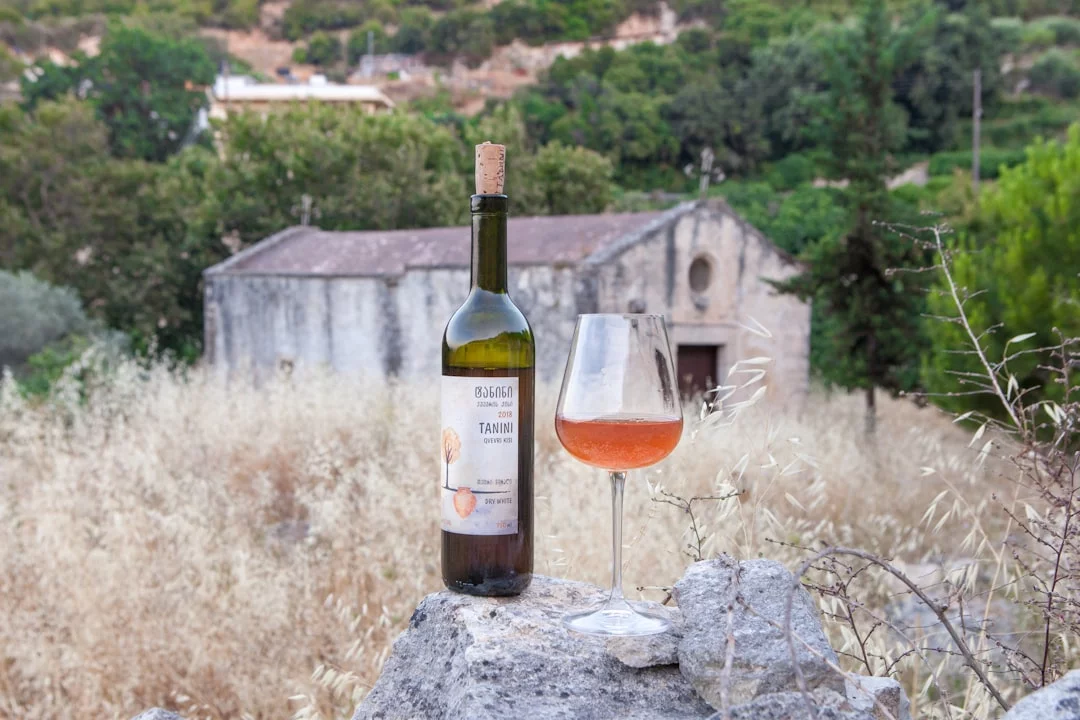
The visit starts at a winemaker's, around the famous qvevri jars buried in the ground. You go down into the cellar, watch the age-old fermentation, then taste several vintages of amber wine. The highlight is the tasting served with cheese and fresh bread, often marked by a Georgian-style toast.
This experience suits anyone curious, wine lover or not. Preferably book a tour that includes transport from Telavi or Sighnaghi, since you do not drive after several glasses. Expect €15 to 40 ($16-43 / £13-34) depending on the estate and the number of vintages.
- Half day to one day
- EUR 15-40 per person depending on the estate
Mestia-Ushguli Trek
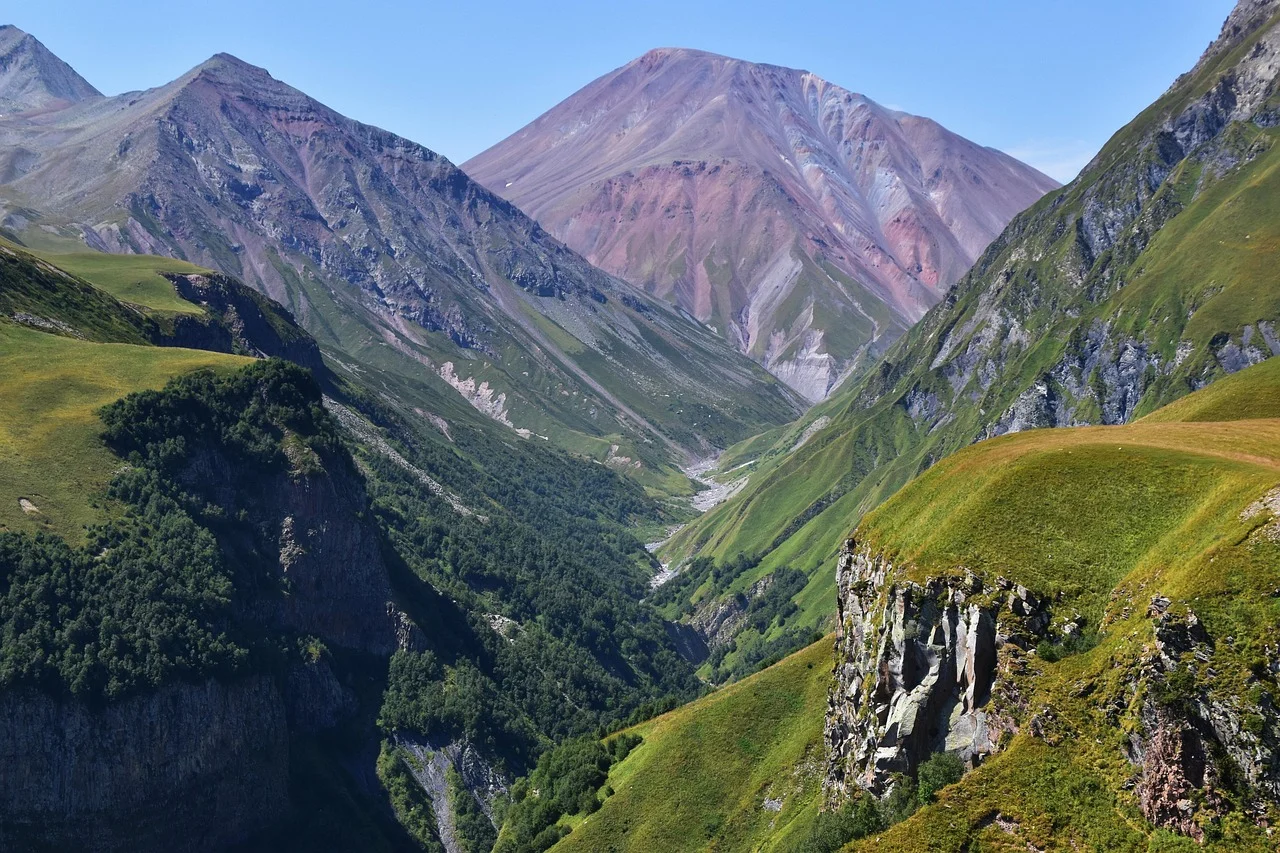
This trek links Mestia to Ushguli across the valleys of Upper Svaneti. You walk among fortified villages, high pastures and snowy peaks, with the medieval towers in your sights. The highlight comes as you near Ushguli, facing the wall of Mount Shkhara. Nights are spent with local hosts, around hearty meals.
The route suits walkers in good shape, with no technical experience needed. The season runs from June to October. Book guide and guesthouses ahead in summer. The budget of €80 to 150 ($86-162 / £68-128) covers the nights and the meals with local hosts.
- 3 to 4 days
- EUR 80-150 per person all inclusive (nights + homestay meals)
Sulfur Bath in Tbilisi
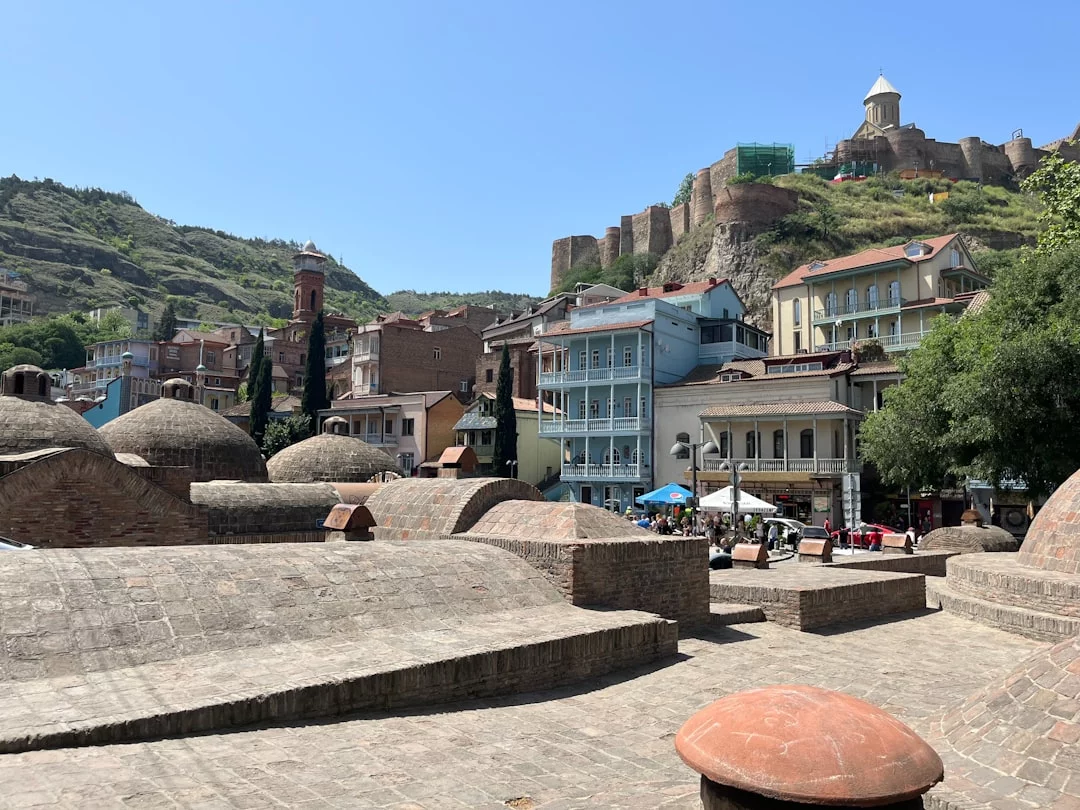
Head to the Abanotubani district, under the brick domes with steam escaping. You settle into a private cabin and slip into naturally warm sulfur water. The highlight, for the braver among you, is the vigorous scrub with a mitt offered by a local masseur.
It is the perfect activity after a long day of walking or driving. It suits everyone, solo, as a couple or with friends. Book a private cabin for more privacy, from €15 to 30 ($16-32 / £13-26) an hour. Bring swimwear and a towel depending on the venue.
- 1 to 2 hours
- EUR 15-30 for a private cabin
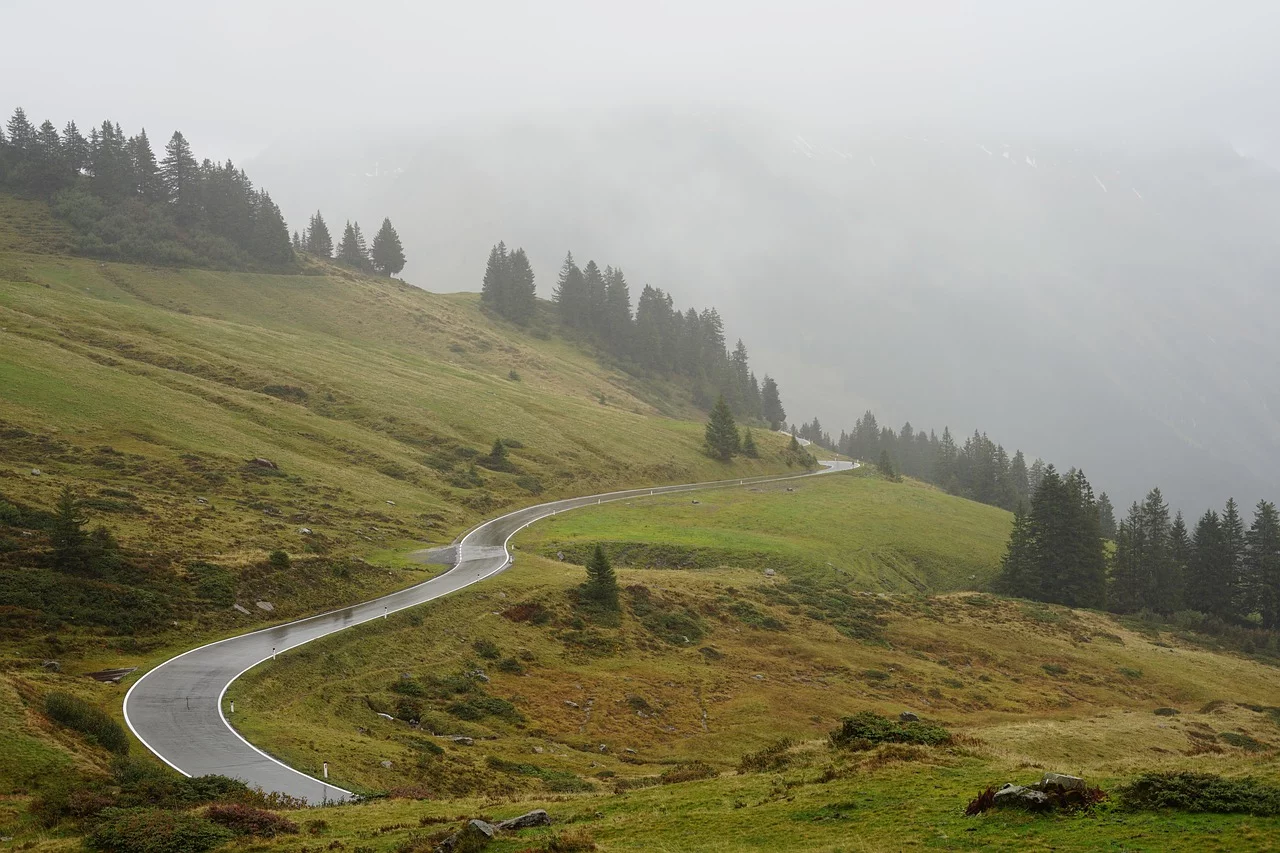
Georgian Military Road (Tbilisi-Kazbegi)
The Georgian Military Road climbs from Tbilisi up to Stepantsminda, crossing the Jvari Pass at 2,379 m. You stop at the Russia-Georgia Friendship Monument and the turquoise Jinvali reservoir. The highlight is the arrival facing Gergeti Church and Mount Kazbek.
This road suits every traveller, in a group or independent. By marshrutka, expect just €5 ($5 / £4) one way. By shared taxi or rental, plan on €40 to 70 ($43-76 / £34-60) and the freedom to make as many stops as you like. A night in Kazbegi lets you savour the place in peace.
- 1 day one way, or 2 days with a night in Kazbegi
- EUR 5 by marshrutka, EUR 40-70 by shared taxi / rental
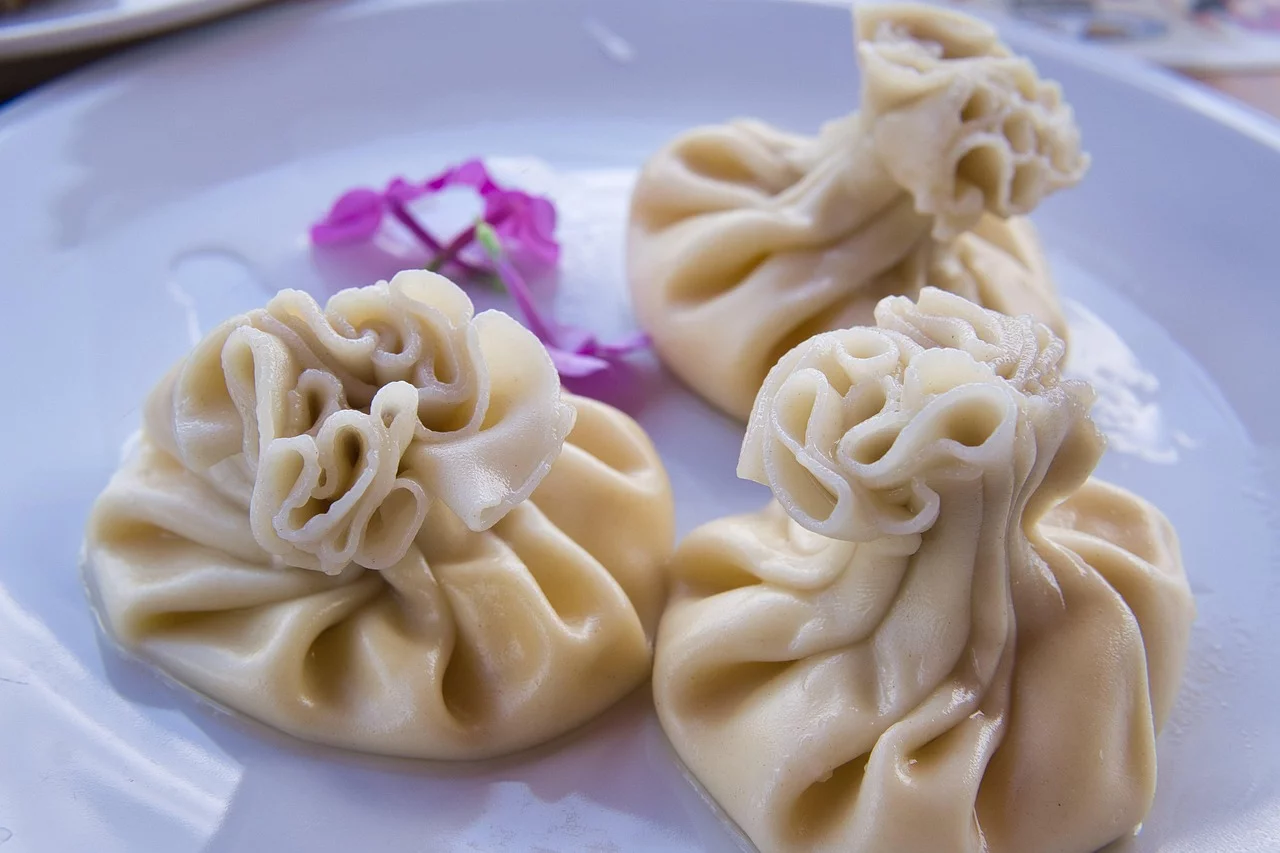
Georgian Cooking Class (Khinkali & Khachapuri)
Alongside a local host, you learn to fold khinkali into their twisted shape and to form cheese khachapuri. You knead, fill, cook, then share the meal made with your own hands. The highlight is the first bite of a khinkali done right, its juice running out.
The workshop delights food lovers and families, with no level required. The tasting is included, often washed down with a glass of local wine. Book ahead in Tbilisi or Kutaisi. Expect €25 to 45 ($27-49 / £21-38) per person, meal included.
- 2 to 3 hours
- EUR 25-45 per person, tasting included
Getting there
Three airports serve Georgia: Tbilisi (TBS), Kutaisi (KUT, low-cost Wizz Air) and Batumi (BUS).
Georgia has three international airports. Tbilisi (TBS) is the main one, well connected to Europe and the Middle East. Kutaisi (KUT) handles the low-cost flights, notably Wizz Air, often the cheapest from Europe. Batumi (BUS) serves the Black Sea coast.
On a tight budget, Kutaisi is your best bet. Wizz Air fares sometimes start very low from several European cities. The airport is central, which makes it easy to start a road trip towards Svaneti or the Black Sea without going through the capital.
Once you land, rely on shared transport. Marshrutkas (minibuses) link each airport to the city centres for a few lari. From Tbilisi it is also easy to reach the provinces by minibus or train.
A few practical tips for arrival:
- Compare flights to all three airports; the price gaps are huge.
- Withdraw lari from the airport ATM, where the rate is fair.
- Download the Bolt app before you leave for city rides.
Getting around
The marshrutka is the transport of choice; rent a 4x4 for Svaneti and use Bolt in the cities.
The marshrutka is the backbone of getting around Georgia. These shared minibuses connect every town for next to nothing. Tbilisi-Kazbegi costs about €4-5 ($4-5 / £3-4), and Tbilisi-Batumi runs €8-12 ($9-13 / £7-10). You pay the driver, usually in cash.
Trains round out the network nicely. The Tbilisi-Batumi and Tbilisi-Zugdidi lines are comfortable and cheap. Zugdidi is the gateway to Mestia, where you then switch to a marshrutka or a 4x4.
To explore freely, renting a car is hard to beat. A 4x4 is strongly recommended to reach Ushguli and the tracks of Svaneti. The main roads are good, but the state of the mountain tracks varies a lot.
In the cities, lean on apps and shared taxis:
- Bolt works very well in Tbilisi, Kutaisi and Batumi.
- Shared taxis fill the gaps between smaller towns.
- Always agree a price with a regular taxi before you get in.
What to do
Hike the Caucasus, taste qvevri wine, soak in the sulfur baths and follow the Black Sea coast.
Georgia blends raw nature with ancient heritage. Hikers head for the Caucasus: the climb to Gergeti Church facing Mount Kazbek is the country's iconic image. The Mestia-Ushguli trek, for its part, crosses villages frozen in time.
Wine culture shapes much of the trip. Listed by UNESCO in 2013, the method of fermenting wine in buried jars (qvevri) is best discovered in Kakheti, where you move from tasting to tasting around Telavi and Sighnaghi.
The must-sees for a first stay:
- Climb to Gergeti, at the end of the Georgian Military Road.
- Unwind in the sulfur baths of Abanotubani in Tbilisi.
- Explore the cave towns of Vardzia and Uplistsikhe.
- Visit the UNESCO monasteries of Gelati and Mtskheta.
- Follow the Black Sea and swim at Batumi in summer.
Set aside a day for the food. A cooking class to learn khinkali or khachapuri rounds off the itinerary perfectly.
Want to push deeper into the Caucasus? Georgia pairs naturally with neighbouring Armenia — night train or minibus from Tbilisi, then monasteries and the wine route covered in our Armenia travel guide.
Food
Georgian cooking centres on cheese-filled khachapuri, khinkali dumplings and ancestral wine fermented in qvevri.
The Georgian table is generous and cheap. Khachapuri, that boat-shaped bread filled with melted cheese, comes in many versions. The Adjarian one, served in Batumi, arrives with an egg and a knob of butter in the middle.
Khinkali are the country's other star. These big twisted dumplings trap a fragrant broth. You grab them by the top, sip the juice, then bite. Expect just 1.5 to 3 GEL apiece in the everyday canteens.
Wine goes with every meal. The qvevri method, those buried jars listed by UNESCO in 2013, produces unique amber wines. To finish a meal, people often toast with chacha, a grape brandy that packs a punch.
A few dishes not to miss:
- Adjarian khachapuri: a must on the Black Sea coast.
- Khinkali: the hiker's meal, filling and cheap.
- Vegetables with walnuts and fresh herbs, perfect for vegetarians.
Itineraries
Three standout routes: the 10-day Tbilisi-Batumi crossing, the 5-day Svaneti loop and the 3-day Kakheti wine weekend.
Georgia lends itself to all kinds of routes, from the grand road trip to the wine escape. Here are three concrete itineraries to tailor to your time and your appetite for the mountains.
1. Crossing from the Caucasus to the Black Sea (10 days)
- Days 1-2: Tbilisi, the old town and the sulfur baths.
- Day 3: the Georgian Military Road up to Kazbegi, climb to Gergeti.
- Day 4: back towards Gori, Uplistsikhe and Stalin's house.
- Days 5-6: Kutaisi, Gelati Monastery and Prometheus Cave.
- Days 7-8: Batumi and the Black Sea, swimming and the seafront.
- Days 9-10: back via Mtskheta or a flight from Kutaisi.
2. The Svaneti loop (5 days)
- Day 1: train or marshrutka Tbilisi-Zugdidi, then the road up to Mestia.
- Days 2-4: the Mestia-Ushguli trek, nights in family guesthouses.
- Day 5: Ushguli, UNESCO defence towers, back towards Zugdidi.
3. The Kakheti wine weekend (3 days)
- Day 1: Tbilisi to Sighnaghi, the city of love and its ramparts.
- Day 2: qvevri wine tastings around Telavi.
- Day 3: Kakheti monasteries, back to Tbilisi.
Climate & seasons
When to go to Georgia?
Monthly averages over the past 5 years (Open-Meteo).
Best months
- August
| Jan | Feb | Mar | Apr | May | Jun | Jul | Aug | Sep | Oct | Nov | Dec | |
|---|---|---|---|---|---|---|---|---|---|---|---|---|
| Our take | ||||||||||||
| Weather | ||||||||||||
| High | 7° | 7° | 11° | 18° | 20° | 25° | 27° | 30° | 24° | 18° | 14° | 9° |
| Rain (mm) | 139 | 153 | 128 | 95 | 126 | 187 | 87 | 44 | 119 | 138 | 114 | 144 |
| Beach | Beach July | Beach August | ||||||||||
| Hiking & nature | Hiking & nature April | Hiking & nature September | Hiking & nature November | |||||||||
| City sightseeing | City sightseeing March | City sightseeing April | City sightseeing May | City sightseeing July | City sightseeing August | City sightseeing September | City sightseeing October | City sightseeing November |
What to do by season (autumn)
-
Hiking & nature
Mild temperatures, stable conditions.
-
City sightseeing
Pedestrian-friendly most of the year.
When to go
The best windows are May-June and September to early October: mild weather, open mountain passes and reasonable crowds.
Aim for May, June, September and early October to visit Georgia. Temperatures are pleasant, the countryside is green in spring and golden in autumn. Mountain tracks are clear and prices stay low.
Skip July and August if you struggle with heat. In Tbilisi the thermometer sometimes tops 40°C, and the main sights get packed. The Black Sea coast, though, stays fine for swimming through those months.
Winter closes off much of the high mountains. From December to February, the passes of Svaneti and Kazbegi are impassable under snow. Ushguli becomes hard to reach, and the Mestia-Ushguli trek is no longer possible.
For a full road trip from the Caucasus to the Black Sea, aim for:
- May-June: wildflowers, waterfalls swollen by snowmelt, long days.
- September: the grape harvest in Kakheti, gorgeous light, the sea still warm at Batumi.
- Early October: autumn colours, fewer people, though the first snows can arrive at altitude.
Budget
Expect around €25 ($27 / £21) a day as a backpacker, €45 ($49 / £38) mid-range and €80 ($86 / £68) for comfort.
Georgia is a very affordable destination. A backpacker gets by on around €25 a day ($27 / £21), including a dorm, marshrutkas and street food. The mid-range budget runs around €45 a day ($49 / £38), and comfort comes to about €80 a day ($86 / £68).
The local currency is the Georgian lari (GEL), at a rate of about 1 € ≈ 3 GEL. Cash is king outside the big cities, especially in mountain guesthouses. Always carry lari in small notes.
Here are a few reference prices to plan around:
- Dorm bed: 20-40 GEL a night.
- Khinkali: 1.5-3 GEL apiece.
- Tbilisi-Kazbegi marshrutka: €4-5 ($4-5 / £3-4).
- Tbilisi-Batumi marshrutka: €8-12 ($9-13 / £7-10).
The biggest spends are car rental and guided treks. By using shared transport and staying with local hosts, you easily keep the budget very low over several weeks.
Where to stay
Dorm beds at 20-40 GEL and family-run guesthouses offer the best value for independent travel.
Georgia is full of budget places to stay. A dorm bed costs between 20 and 40 GEL, just a handful of euros. Hostels abound in Tbilisi, Kutaisi, Batumi and Mestia, with shared kitchens and a good vibe.
To experience the country differently, sleep in a guesthouse. These family homestays often serve a hearty home-cooked dinner. It is the best option in Svaneti and Kakheti, where the warm welcome is part of the trip.
Here is how to plan your nights by region:
- Tbilisi: hostels in the old town, close to the baths and the winding lanes.
- Mestia and Ushguli: family guesthouses; booking helps in high season.
- Kakheti: rooms with the winemakers, with a tasting thrown in.
- Batumi: seafront hotels and flats, pricier in summer.
Book ahead from June to September. In low season you easily find a room on the spot, often at a rate you can haggle over.
Safety
Georgia is safe overall; only Abkhazia and South Ossetia are formally advised against.
Georgia is a broadly safe country for travellers. Tbilisi poses no major risk, as France Diplomatie confirms. Petty crime exists but stays rare. Locals are known for their hospitality towards visitors.
Two areas are formally advised against, rated red: Abkhazia and South Ossetia. These breakaway regions host Russian troops. Avoid these territories and their surroundings. Entering them via Russia exposes you to Georgian criminal prosecution.
Since November 2024, protests have been held regularly in Tbilisi. They can turn tense. The advice is simple: stay away from gatherings and avoid the area around Parliament when there is a mobilisation.
A few common-sense reflexes:
- Never cross the demarcation lines of the breakaway regions.
- Follow the local news and avoid protests.
- Take care on mountain roads, often narrow and winding.
Check the latest advice at France Diplomatie before you leave.
Formalities
French and EU citizens need no visa for up to 365 days; since 2026, health and accident insurance is required on entry.
Good news for French and EU citizens: no visa is needed for a stay of up to 365 days, a full year. All you need is a passport or a secure national ID card, valid for the whole length of your stay. Other nationalities should check their own visa-free allowance before travelling.
Since 1 January 2026, health and accident insurance is required on entering the country. The minimum cover demanded is 30,000 GEL, about €9,500 ($10,300 / £8,100). Take out travel insurance before you leave and keep the certificate handy.
No vaccine is required to enter Georgia. DTP shots, along with hepatitis A and B, are still recommended. Note that facial recognition is now used at the borders.
Key points to remember:
- Visa-free stay of up to 1 year for EU citizens.
- Insurance covering at least 30,000 GEL since 2026.
- ID document valid for the whole length of the trip.
Check the official guidance before you go at France Diplomatie.
Tips
Carry cash in GEL, learn three words of Georgian and adapt to the rhythm of the marshrutkas.
Travelling smart in Georgia comes down to a few simple habits. Always keep cash on you: mountain guesthouses and marshrutka drivers only take lari in notes and coins. ATMs are scarce in remote villages.
The language can throw you. Georgian has its own alphabet, unreadable for a beginner. Russian is still widespread, and young people often speak English. A few words like "gamarjoba" (hello) and "gaumarjos" (cheers) open plenty of doors.
Adapt to the local tempo. Marshrutkas leave when they are full, not on the hour. Build slack into your days and keep your itinerary flexible.
Other handy tricks:
- Buy a local SIM card at the airport; data is very cheap.
- Take a filter bottle for treks in Svaneti.
- Accept invitations to toast, but go easy on the chacha.
- Never drink before the toast of the tamada, the master of ceremonies.
FAQ
The most common questions cover the visa, safety, budget, the best time to go and the new mandatory insurance.
Do you need a visa to travel to Georgia?
No. French and EU citizens can stay visa-free for up to 365 days, a full year. A passport or secure ID card valid for the whole stay is enough on entry. Other nationalities should check their own allowance beforehand.
Is Georgia a safe country?
Yes, Georgia is broadly safe according to France Diplomatie. Only Abkhazia and South Ossetia, the breakaway regions, are formally advised against. Also avoid the protests that have rocked Tbilisi since November 2024.
What daily budget should you plan for?
Expect around €25 a day ($27 / £21) as a backpacker, €45 ($49 / £38) mid-range and €80 ($86 / £68) for comfort. A dorm bed costs 20-40 GEL and a khinkali only 1.5-3 GEL apiece.
What is the best time to go?
Aim for May, June, September and early October. Skip July-August, when Tbilisi sometimes tops 40°C. In winter, the passes of Svaneti and Kazbegi close under snow from December to February.
What currency should you use and how do you pay?
The currency is the Georgian lari (GEL), at a rate of about 1 € ≈ 3 GEL. Cards work in the cities, but cash stays essential in mountain guesthouses and marshrutkas.
What language is spoken in Georgia?
Georgian, with its own alphabet. Russian is still very widespread, and young people often speak English in tourist areas. Three words of Georgian make exchanges far easier.
Is insurance mandatory in 2026?
Yes. Since 1 January 2026, health and accident insurance is required on entry. The minimum cover demanded is 30,000 GEL, about €9,500 ($10,300 / £8,100). Take it out before you leave and keep the certificate.
Do you need a 4x4 to visit Georgia?
Not everywhere. The main roads are fine in a regular car. A 4x4, however, is strongly recommended to reach Ushguli and the tracks of Svaneti, drivable mainly from June to October.
Sources
The figures in this guide come from the sources below, checked on the publication date.
Leave a comment
Share your thoughts or travel experience. Your email will not be published.