

Contents 30
Overview
Armenia, the first Christian state in history (301 AD), packs three UNESCO sites, cliff-top monasteries and Mount Ararat views into one compact Caucasus country.
Armenia is a small country in the South Caucasus, bordered by Georgia, Turkey, Iran and Azerbaijan. The first state ever to adopt Christianity, back in 301, it lines up thousand-year-old monasteries perched on cliffs, basalt gorges and high plateaus watched over by the silhouette of Mount Ararat. Three ensembles are on the UNESCO World Heritage list: Geghard, Etchmiadzin and Zvartnots, and Haghpat with Sanahin.
Mass tourism has barely touched the country. You come for the monasteries, of course, but also for a lively pink-stone capital, Yerevan, a vast high-altitude lake, Sevan, and the oldest known winery on the planet, at Areni.
Good to know before you go:
- Capital: Yerevan
- Currency: Armenian dram (AMD), €1 ≈ 420 AMD
- Visa: visa-free short stays for most EU, UK and US citizens (up to 180 days for French passport holders)
- Logistics bonus: most major sights sit within 2 hours of Yerevan
Armenia pairs beautifully with neighboring Georgia for a bigger Caucasus trip. Allow one week for the essentials, two to explore the south and wander at your own pace.
12 places to take with you
In the guide's order, ready for Google Maps or your GPS.
Book the activities from this guide
Our picks for Armenia, well rated and free to cancel.
-
Book this activity
Wine tasting on the Areni wine route
EUR 10–25 per tasting, guided excursion EUR 40–70
-
Book this activity
Riding the Wings of Tatev cable car
~EUR 21 round trip (AMD 9,000)
-
Book this activity
Lavash workshop and Armenian cooking
EUR 25–40 per person
Affiliate links: Travel Advice earns a commission if you book, at no extra cost to you. Learn more

Areni-1 Cave and the Vayots Dzor Wine Route
In a cave in the Vayots Dzor, archaeologists uncovered a wine press, fermentation jars and grape seeds dated to around 4100-4000 BC: Areni-1 holds the oldest known winery in the world, 6,100 years old.
All around, the village of Areni and its estates, Old Bridge, Trinity and Zorah nearby, are reviving the local Areni noir grape. The typical visit: the cave first, then one or two wineries for a tasting.
In early October, the Areni wine festival brings the whole valley to life. If you make only one wine stop in the Caucasus, make it this one: nowhere else can you raise a glass above six millennia of winemaking history.

Geghard Monastery
Under the dome of the gavit, a shaft of light falls from the oculus onto the carved stones: you experience Geghard as much through your ears and skin as through your eyes. Part of the monastery is cut straight into the cliff of the upper Azat valley, rock-hewn chapels and tombs included.
A UNESCO World Heritage site since 2000, the complex is considered the high point of medieval Armenian architecture. The acoustics of the cave chamber alone are worth the trip.
Allow a good hour to explore the rock-cut rooms, ringed by a spectacular amphitheater of cliffs. If you only pick one monastery, make it this one: the most intense in the country, just 9 km from the Garni temple.
Khor Virap Monastery
A monastery set on a small hill, the plain and its vineyards below and, behind it, the snowy mass of Mount Ararat: Khor Virap delivers Armenia's most famous image, just a few kilometers from the Turkish border.
The site is also a pillar of national history: Saint Gregory the Illuminator is said to have spent thirteen years imprisoned in a pit here before converting the country to Christianity. People come as much for that founding story as to gaze at the biblical 5,165 m peak, which stands on Turkish soil.
At 45 minutes by road from Yerevan and free to enter, it's the easiest excursion in the country. No other site puts Ararat this close to your lens.

Tatev Monastery and the Wings of Tatev
The cabin swings out over the Vorotan gorges and the monastery appears, perched at the edge of the void. Arriving at Tatev by air remains one of the great thrills of a trip to Armenia.
A major intellectual center in the Middle Ages, Tatev has to be earned: you reach it via the Wings of Tatev, the world's longest reversible cable car at 5,752 m, certified by Guinness World Records, for a crossing of about 12 minutes.
Budget around 9,000 AMD (~€21) for the round trip, then one to two hours to explore the monastic complex above the gorges. This is the site that single-handedly justifies pushing on into Syunik: farther, wilder, unforgettable.

Lake Sevan and Sevanavank
Water of an almost unreal blue and crisp high-mountain air: Lake Sevan, sitting at nearly 1,900 m above sea level, is one of the largest high-altitude lakes in Eurasia.
On its northern peninsula, Sevanavank monastery, founded in 874, keeps watch over the water. A few flights of steps take you up to the most photographed panorama on the lake.
You climb, take your photos, then head back down for grilled sig fish at the lakeside shacks. An hour's drive from Yerevan, it's the perfect lakeside breather between two days of monasteries, and the natural gateway to Dilijan.

Yerevan: the Cascade, Republic Square and the Matenadaran
Yerevan comes as a surprise: pink tuff facades, the fountains of Republic Square, lively terraces late into the night. The Armenian capital is best explored on foot, coffee in hand.
Two landmarks set the tone. The monumental staircase of the Cascade, an open-air contemporary art museum, offers a view of Ararat. The Matenadaran holds more than 17,000 ancient manuscripts, the written memory of the nation.
Plan two days: museums, the GUM market for dried fruit, the Vernissage on weekends for handicrafts. Yerevan is also the best base in the country: most of the major sights can be visited as day trips from its hotels, under 2 hours away by road.

Etchmiadzin and Zvartnots
This is the spiritual heart of the country. Etchmiadzin cathedral, seat of the Armenian Apostolic Church, is regarded as one of the oldest Christian cathedrals in the world.
The ensemble has been on the UNESCO list since 2000, together with the circular ruins of the Zvartnots temple, whose re-erected columns stand out against the sky. Between them, these two sites tell the story of the birth of history's first Christian state.
At 20 km from Yerevan, the outing fits into half a day: marshrutka to Etchmiadzin, a visit to the cathedral, then a stop at Zvartnots on the way back. It's hard to understand Armenia without coming here: this visit hands you the keys to the rest of the trip.

Garni Temple
A Greco-Roman temple standing above a Caucasus gorge: Garni stands apart. It's the only Hellenistic temple preserved in the entire region.
Built in the 1st century, in 77 AD according to the inscription of Tiridates I, it collapsed in the earthquake of 1679 before being rebuilt stone by stone between 1966 and 1976. Its 24 basalt columns tower over the Azat gorges.
The visit costs about 1,500 AMD (~€3). Then walk down into the gorge: the "Symphony of Stones", a natural basalt colonnade, extends the visit by a spectacular hour. Choose Garni for the counterpoint: after the Christian monasteries, this pagan temple tells the story of another Armenia.

Noravank Monastery
The road winds along the floor of a red-cliffed canyon near Amaghu, then Noravank appears, seemingly ablaze in the evening light. The jewel of the Vayots Dzor lives up to its reputation.
The complex is famous for the two-story Holy Mother of God church and for its bas-reliefs carved by Momik. Late in the day, the light literally sets the rock on fire.
Entry is free and an hour is enough to wander between the churches and the foot of the cliffs. Its position on the Yerevan-Tatev road, a stone's throw from Areni, makes it an obvious stop: this is the monastery to pick for color, where Geghard plays on dark stone and Khor Virap on the panorama.

Haghpat and Sanahin Monasteries
In the green Debed gorges, in the far north of the country, Haghpat and Sanahin face each other across the valley. The atmosphere here is greener and more secretive than in the south.
These two complexes from the 10th-13th centuries are UNESCO-listed as the pinnacle of Armenian religious architecture: Haghpat inscribed as early as 1996, joined by Sanahin in 2000. In the Middle Ages, they ranked among the country's great centers of learning and manuscript illumination.
Allow half a day to link and visit both monasteries. It's the perfect stop on the road from Yerevan to Tbilisi via Alaverdi: while most travelers race for the border, you'll have these masterpieces almost to yourself.

Dilijan and Haghartsin Monastery
Wooden-balconied houses, sloping streets, deep forests as far as the eye can see: Dilijan, nicknamed Armenia's "little Switzerland", is a complete change of scenery at the heart of a national park.
A few kilometers away, Haghartsin monastery (13th century) rises out of the forest like an apparition, one of the most romantic sights in the country.
People come here to slow down: hike the marked trails of the Transcaucasian Trail, sleep in a guesthouse, visit Haghartsin, free to enter, in the calm of the morning. Choose Dilijan if you want to add green nature to an otherwise mineral trip: it's the exact counterpoint to the arid plateaus of the south.
Tsitsernakaberd Genocide Memorial
Twelve leaning slabs close in around an eternal flame, in a silence that even tour groups respect. Built in 1967 on a hill in Yerevan, Tsitsernakaberd honors the victims of the 1915 genocide.
The twelve slabs represent the twelve lost provinces. The adjoining museum retraces, with restraint, the tragedy that shaped modern Armenian identity.
Allow about an hour and a half for the memorial and museum together. It isn't a pleasant visit, but it illuminates everything else: you can't understand Yerevan, or the diaspora, without coming to this hill.
Wine tasting on the Areni wine route
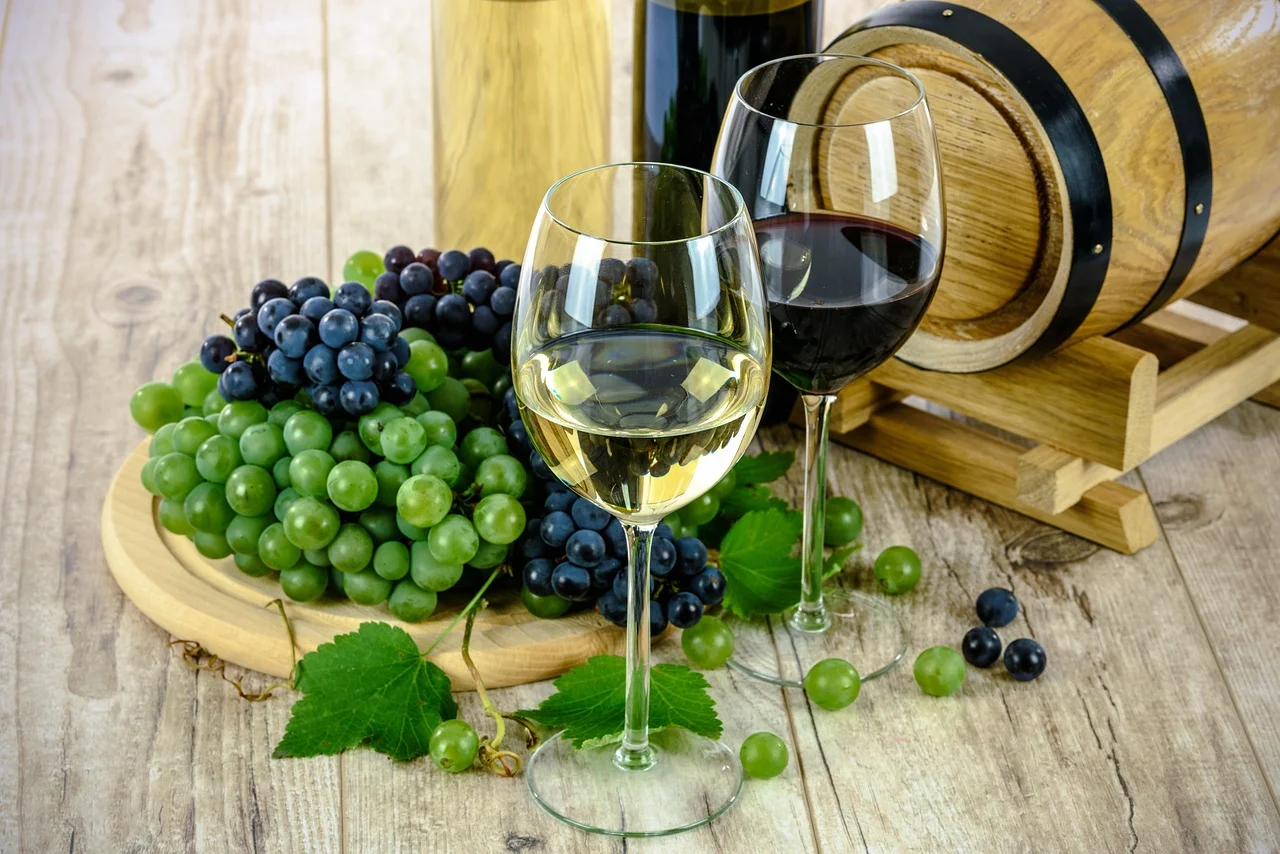
The day begins in the half-light of the Areni-1 cave, birthplace of a wine 6,100 years old, before climbing back up to the village wineries: Old Bridge, Trinity Canyon and the Vayots Dzor producers pour glass after glass of Areni noir. The highlight: going from the oldest known wine press in the world to the current vintage.
Budget €10-25 per tasting, or €40-70 for a guided tour from Yerevan, the simplest formula when nobody wants to stay sober behind the wheel. Perfect for the curious and seasoned wine lovers alike, especially in autumn, around the harvest and the Areni wine festival.
- Half day to full day from Yerevan
- EUR 10–25 per tasting, guided excursion EUR 40–70
Riding the Wings of Tatev cable car
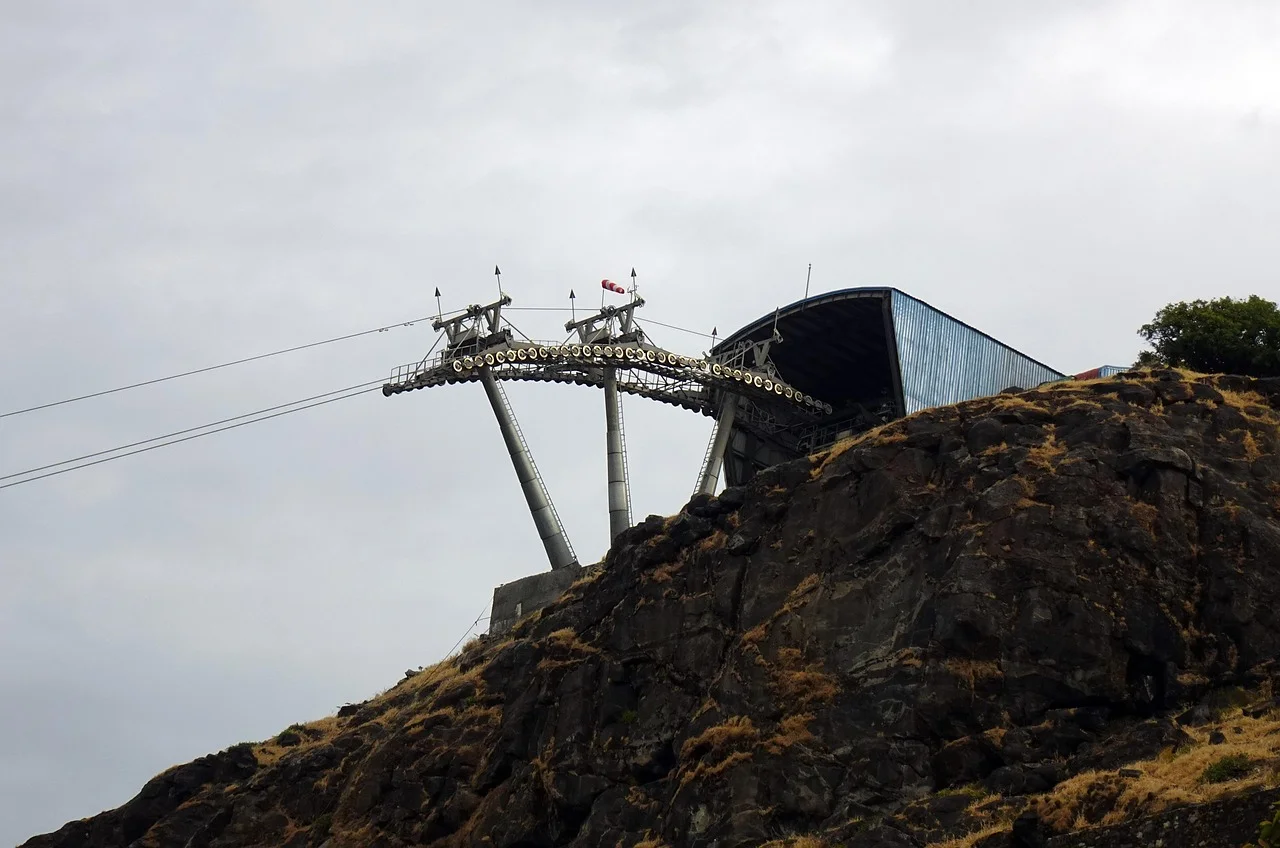
The cabin leaves the station, the ground drops away and the Vorotan gorges scroll past for 12 minutes, over 5,752 m: the world record for the longest reversible cable car. At the far end, Tatev monastery waits, perched on its cliff.
Budget about €21 for the round trip (9,000 AMD) and a full day from Yerevan, with 4 hours of driving. Book online at tatever.am, especially in high season: the experience is open to everyone, with thrills guaranteed and no physical effort required.
- Full day from Yerevan (4 hrs of driving), 12 min crossing
- ~EUR 21 round trip (AMD 9,000)
Hiking in Dilijan National Park
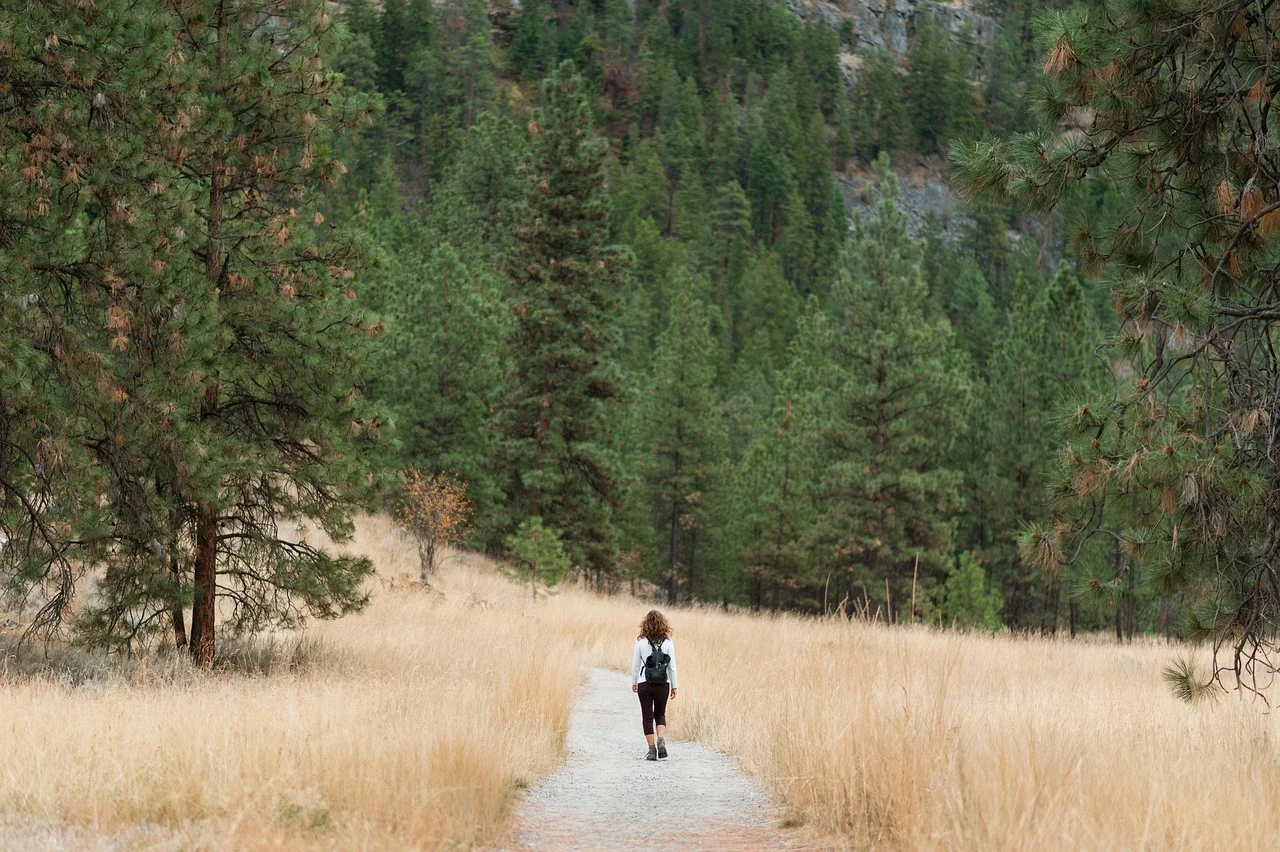
The marked trails of the Transcaucasian Trail wind between deep forests, the Parz and Gosh lakes and the monasteries of Haghartsin and Goshavank: Armenia's "little Switzerland" is earned on foot. The highlight: stepping out of a silent forest onto a nearly deserted medieval monastery.
From a 3-hour walk to a 2-day trek, you set your own pace; it's free on your own, or €30-50 a day with a local guide. Spring and autumn offer the best conditions, at a level any regular walker can handle.
- From 3 hrs to 2 days
- Free on your own, local guide EUR 30–50 per day
Lavash workshop and Armenian cooking
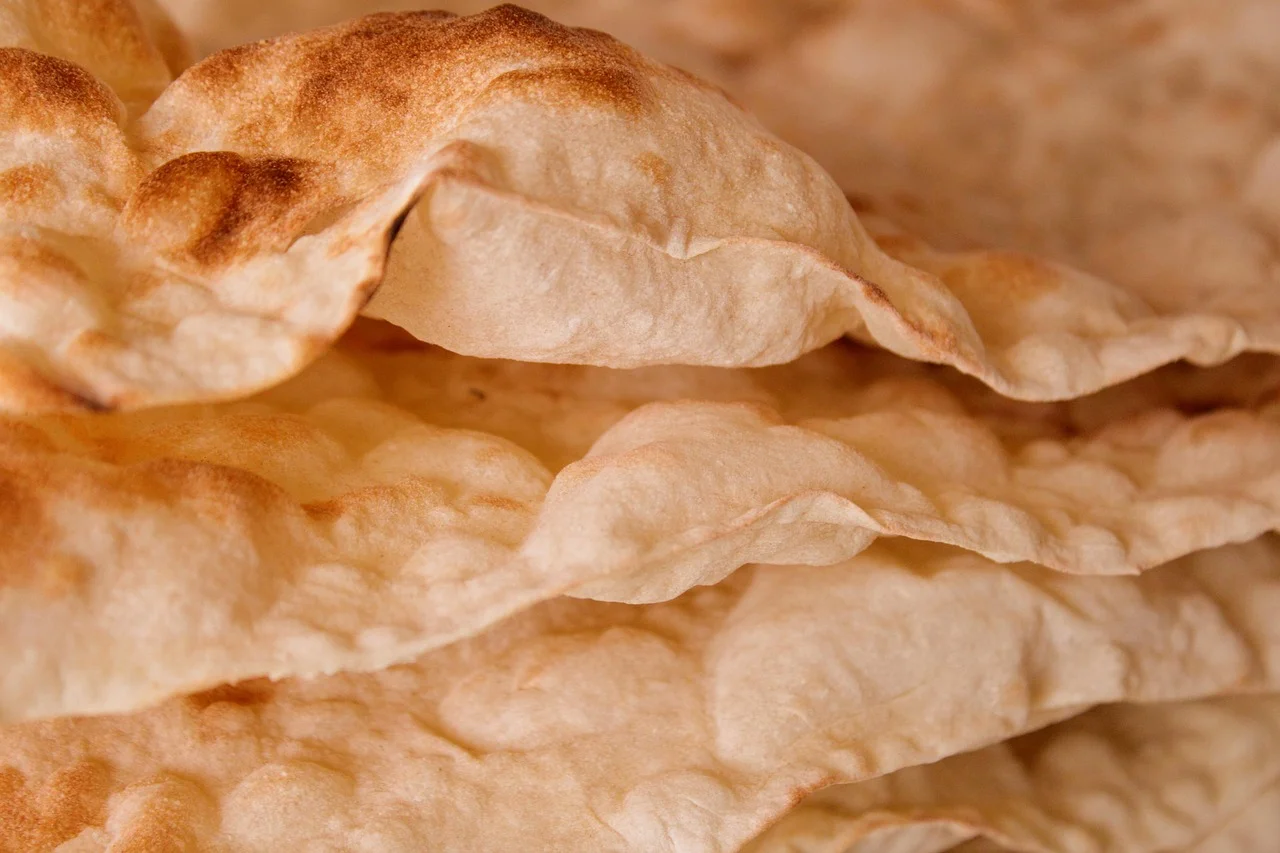
You roll the dough into a thin sheet, slap it against the scorching wall of the tonir oven, and seconds later the lavash puffs and turns golden. This bread, on UNESCO's intangible heritage list since 2014, has to be earned: the meal of dolma and khorovats that follows rewards the apprentice bakers.
Allow 2 to 3 hours and €25-40 per person. The workshop suits families and solo travelers alike, all year round: book the day before and come hungry.
- 2 to 3 hours
- EUR 25–40 per person
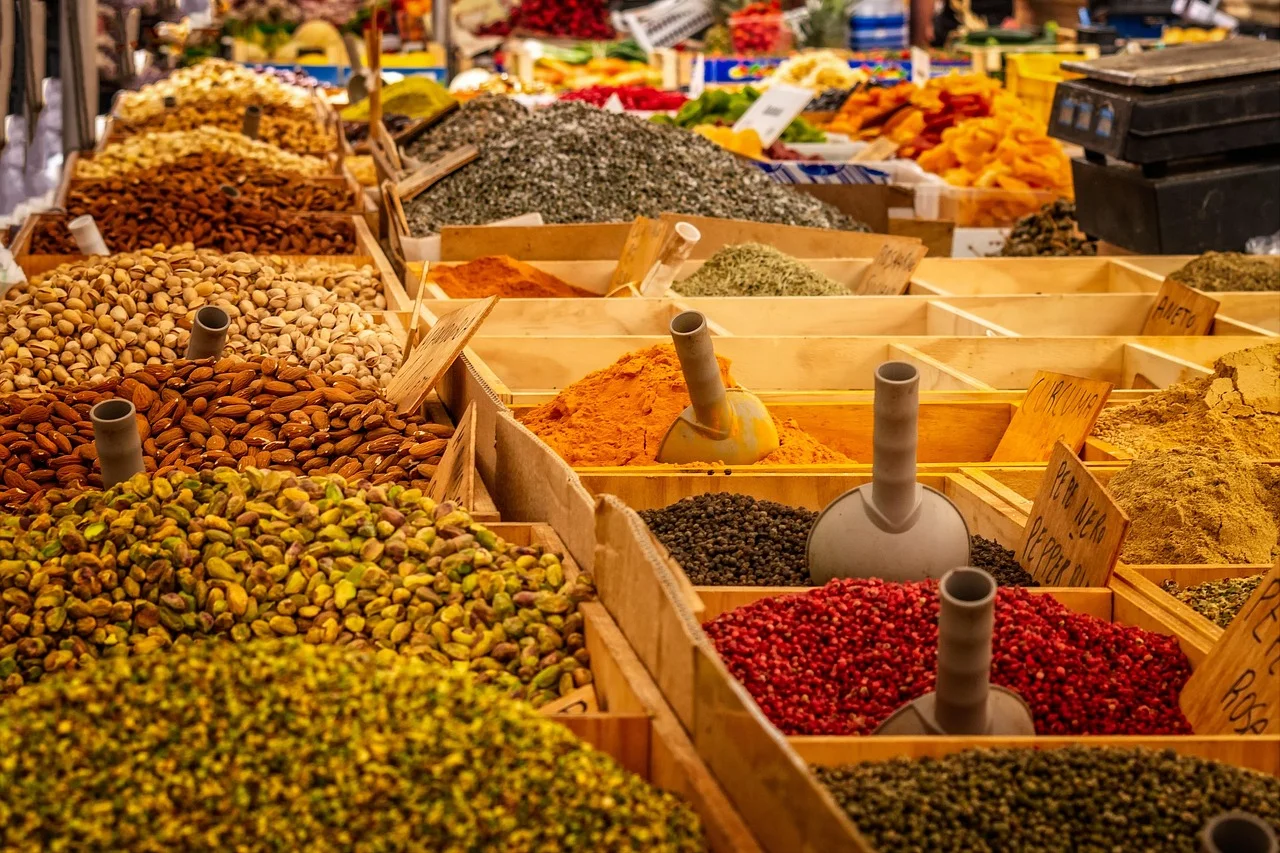
Treasure-hunting at Yerevan's Vernissage and GUM market
On weekends, the Vernissage unrolls its aisles of carpets, obsidian and Soviet-era curios in the middle of Yerevan; a short walk away, the GUM market piles high with dried fruit, sweet sujuk and sheep's cheeses. The highlight: walking away with a bag of dried fruit haggled over in good spirits.
Allow 2 to 3 hours, free to browse, with souvenirs from €5. Come on Saturday or Sunday morning for the Vernissage in full swing: perfect for one last morning before your flight home.
- 2 to 3 hours
- Free entry, souvenirs from EUR 5
Getting there
Fly direct from Paris to Yerevan or connect via a major European hub; the land borders with Turkey and Azerbaijan are closed.
Yerevan Zvartnots airport (EVN) has direct flights from Paris: Air France from CDG, Transavia from Orly and Wizz Air from Beauvais. From London and other European cities, count on one connection through a major European hub. The second international airport, Gyumri Shirak (LWN), handles a few regional low-cost carriers.
One detail reshapes all the logistics: the land borders with Turkey and Azerbaijan are closed. You cannot arrive from Istanbul or Baku by road.
Overland, that leaves only two doors in:
- Georgia, to the north: minibus or the Yerevan-Tbilisi night train, the classic option for combining the two Caucasus countries;
- Iran, to the south, for long-haul overlanders.
The Yerevan-Tbilisi night train suits travelers who like arriving rested at dawn. If you come from Georgia by road, note that the French foreign ministry's travel advice warns against the Ijevan-Noyemberyan stretch of the M16: the safety section of this guide details the route to take instead.
Getting around
Get around Armenia by marshrutka (€2-5 a trip), GG or Yandex Go ride-hailing, Yerevan's 90-minute transit ticket (~300 AMD, about €0.70) or a rental car.
Marshrutkas, the intercity minibuses, remain the backbone of transport: budget €2-5 per trip to most towns. They often leave when full: arrive early and travel light.
In Yerevan, ticketing has been unified since 2025: a 90-minute ticket at around 300 AMD (~€0.70) covers both metro and buses. For everything else, the GG and Yandex Go ride-hailing apps work very well, at tiny fares, even out to Garni or Etchmiadzin.
Renting a car gives you real freedom, as long as you accept winding mountain roads. Another popular option: hiring a driver for the day, often simpler than stringing minibus connections together.
The train links Yerevan to Gyumri, and a night train runs to Tbilisi. Keep one number in mind: most major sights lie under 2 hours from Yerevan. You can fan out from the capital without ever changing hotels, a rare luxury when traveling.
What to do
Armenia's must-sees: the monasteries of Geghard, Khor Virap and Tatev, Lake Sevan, the capital Yerevan and the Areni wine route, home to a 6,100-year-old winery.
The heart of the trip is the monasteries: Geghard carved into its cliff, Khor Virap facing Mount Ararat, Noravank in its red canyon, Tatev at the end of the world's longest reversible cable car. Each has its own personality, and none repeats another.
Add Lake Sevan and its hilltop monastery, the Dilijan forests for hiking, and Yerevan for museums, the Vernissage market and café terraces. Wine lovers should head for the Vayots Dzor: the Areni-1 cave holds the oldest known winery in the world, and the nearby estates pour the local Areni noir grape.
Our 12 places of interest and 5 experiences detailed below cover the full spectrum: history, nature, wine and food. Between hiking the Transcaucasian Trail, a lavash workshop and wine tastings, there's enough to fill two weeks without a dull day.
Tempted to keep going north? Armenia pairs naturally with our Georgia travel guide for a grand Caucasus combo, via the UNESCO monasteries of Haghpat and Sanahin on the road to Tbilisi.
Food
Armenian cooking revolves around lavash, a UNESCO-listed bread since 2014, khorovats barbecue skewers, dolma, sig fish from Lake Sevan and Areni noir wine.
Start with lavash, the flatbread baked against the wall of a tonir oven and listed as UNESCO intangible cultural heritage since 2014. It goes with everything: sheep's cheese, fresh herbs, grilled meats.
The classics to try:
- khorovats, the barbecue skewers served at every big occasion;
- dolma, stuffed vine leaves;
- sig fish from Lake Sevan, grilled at the lakeside shacks.
In the glass, Armenia claims 6,100 years of winemaking: the Areni-1 cave shelters the oldest known winery in the world. Taste the local Areni noir grape in the Vayots Dzor cellars, then finish with an Armenian brandy, the country's pride.
For treats, head to Yerevan's GUM market: dried fruit, sweet sujuk and sheep's cheeses pile up on the stalls. Want to get your hands in the dough? Lavash workshops (€25-40) end with a meal of dolma and khorovats, one of the best gateways into local culture.
Itineraries
One week covers Yerevan and its day trips (Garni-Geghard, Khor Virap-Noravank-Areni, Sevan-Dilijan); two weeks add Tatev, Haghpat-Sanahin and an exit toward Tbilisi.
One week: Yerevan as a hub
- Days 1-2: Yerevan: Republic Square, the Cascade, the Matenadaran, the Tsitsernakaberd memorial, the Vernissage if it's the weekend.
- Day 3: Garni temple and Geghard monastery, with a walk down the gorge for the "Symphony of Stones".
- Day 4: Khor Virap facing Mount Ararat, then Noravank and a tasting in Areni.
- Day 5: Lake Sevan and Sevanavank monastery, then on to Dilijan.
- Day 6: hiking in Dilijan National Park, Haghartsin monastery.
- Day 7: Etchmiadzin and the ruins of Zvartnots, back to Yerevan.
Two weeks: south to Tatev and out toward Georgia
Keep the first week, then widen the circle:
- Days 8-9: the southern road into Syunik, a night near Tatev, the Wings of Tatev cable car crossing (5,752 m).
- Day 10: the Vorotan gorges, then an easy return through the Vayots Dzor and the Areni cellars.
- Days 11-12: Dilijan, the long version: Transcaucasian Trail, Parz and Gosh lakes, Goshavank monastery.
- Day 13: the UNESCO monasteries of Haghpat and Sanahin in the Debed gorges.
- Day 14: continue to Tbilisi by minibus or night train, or return to Yerevan for your flight.
To reach Georgia, the road through Alaverdi and the Debed gorges lets you string together Haghpat and Sanahin. Avoid the Ijevan-Noyemberyan stretch of the M16, flagged by the French foreign ministry's travel advice.
Climate & seasons
When to go to Armenia?
Monthly averages over the past 5 years (Open-Meteo).
Best months
- April
- June
- September
- October
- November
Avoid
- January
- August
| Jan | Feb | Mar | Apr | May | Jun | Jul | Aug | Sep | Oct | Nov | Dec | |
|---|---|---|---|---|---|---|---|---|---|---|---|---|
| Our take | ||||||||||||
| Weather | ||||||||||||
| High | 4° | 7° | 13° | 21° | 24° | 31° | 34° | 36° | 29° | 20° | 13° | 7° |
| Rain (mm) | 19 | 23 | 67 | 57 | 87 | 20 | 13 | 3 | 19 | 39 | 29 | 30 |
| Hiking & nature | Hiking & nature March | Hiking & nature April | Hiking & nature May | Hiking & nature October | Hiking & nature November | |||||||
| City sightseeing | City sightseeing March | City sightseeing April | City sightseeing May | City sightseeing September | City sightseeing October | City sightseeing November |
What to do by season (autumn)
-
Hiking & nature
Mild temperatures, stable conditions.
-
City sightseeing
Pedestrian-friendly most of the year.
When to go
The best times to visit Armenia are May-June and September-October, between green spring and grape harvest, away from 40°C valley summers and harsh winters.
Aim for May-June or September-October. In spring, the plateaus turn green and temperatures stay mild, perfect for walking. In autumn, the golden light, the grape harvest and the Areni wine festival in early October give the Vayots Dzor a festive air.
Summer works differently. In the valleys, the thermometer climbs to 40°C and Yerevan gets stifling by day. Travelers retreat to higher ground, around Lake Sevan or in the Dilijan forests, which stay noticeably cooler.
Winter is harsh from December to February, in the cities as in the mountains. It still has its fans: the Tsaghkadzor resort draws skiers, and you'll have the snow-covered monasteries almost to yourself.
A simple rule of thumb: come in May for nature, in October for wine and autumn colors. Torn between the two? They're equally good, and crowds stay modest all year round.
Budget
Plan on about €30 (~$33) a day backpacking, €60 mid-range and €120 top-end: Armenia remains one of wider Europe's cheapest destinations.
Three travel styles, three daily budgets, international flight not included:
- Backpacker: about €30 (~$33), with a dorm bed at €8-12, local meals at €3-5 and marshrutkas at €2-5.
- Mid-range: about €60 (~$66), staying in guesthouses or small hotels, eating out and joining a few tours.
- Top-end: €120 (~$130) and up, with Yerevan's best hotels and a private driver.
A few reference prices to calibrate: the Tatev cable car costs about €21 round trip (9,000 AMD), entry to the Garni temple about €3 (1,500 AMD), and most monasteries, including Geghard, Khor Virap and Noravank, are free. In Yerevan, the unified 90-minute ticket (metro and buses) runs about 300 AMD, roughly €0.70.
The local currency is the dram: €1 ≈ 420 AMD in 2026. Cards work fine in Yerevan, but keep cash for markets, marshrutkas and villages. ATMs are plentiful in cities, far scarcer in the countryside.
Put simply, you eat, sleep and get around for a fraction of what Western Europe costs. Your biggest expense will be the plane ticket.
Where to stay
Base yourself in Yerevan's central Kentron district, add a night in Dilijan for nature; dorm beds cost €8-12 and family guesthouses are excellent value.
Settle into Yerevan for most of your stay. The central Kentron district, around Republic Square and the Cascade, puts cafés, markets and tour departures within walking distance. Since most sights are under 2 hours away, you can see half the country without ever repacking your bag.
Prices are gentle: a dorm bed costs €8-12, and family-run guesthouses in the provinces often add a home-cooked dinner and a warm welcome for a very fair rate.
Two stops deserve a night on the spot:
- Dilijan, to sleep somewhere quiet in Armenia's "little Switzerland" and start hiking early;
- the south, around Tatev, too far for a comfortable day trip.
Our advice: book your first night in Yerevan, then stay flexible. Guesthouses are easy to find as you go, and that freedom is part of the trip's charm.
Safety
Armenia is safe with low crime, except the border zones with Azerbaijan, including the Ijevan-Noyemberyan stretch of the M16 road, which official advisories say to avoid.
Across most of the country, Armenia is safe: low crime, welcoming people. Yerevan and the major tourist sites, Garni, Geghard, Sevan, Areni or Tatev via the main road, present no particular difficulty.
The exception is clearly mapped: the French foreign ministry's travel advice strongly warns against the border zones with Azerbaijan, including the Ijevan-Noyemberyan stretch of the M16 road toward Georgia, exposed to occasional gunfire. Extra caution also applies to parts of Syunik close to the border. Stick to the established tourist routes and check your own government's advisories (FCDO, US State Department) before you go: the regional situation can change.
Day to day, the main risk lies elsewhere: road accidents are common. Buckle up, avoid driving mountain roads at night and choose careful drivers.
The terrorism risk is rated low. In practice, most travelers cross the country without the slightest incident, feeling welcome everywhere they go.
Formalities
French citizens enter Armenia visa-free for up to 180 days; most EU, UK and US travelers also benefit from visa-free short stays on a valid passport.
Good news on visas: French citizens enter visa-free for up to 180 days, and most EU, UK and US citizens also benefit from Armenia's visa-free regime for short stays. For French travelers, a passport valid for the length of the trip is enough, a rule confirmed by the French foreign ministry's travel advice. Check the official rules for your own nationality before departure; beyond 6 months, a residence permit becomes mandatory.
One small precaution all the same: some airlines require a passport valid 3 months beyond your exit date. Build in a margin to avoid any debate at the gate.
Health-wise, no vaccine is required. Update the universal ones (tetanus-diphtheria-polio, hepatitis B) and add hepatitis A and typhoid if you're planning a long rural stay.
The currency is the Armenian dram (AMD), around 420 AMD to €1. Bank cards work well in Yerevan; out in the provinces, cash remains essential. Withdraw in town before heading into the countryside, where ATMs get scarce.
Tips
Key Armenia tips: carry cash outside Yerevan, book the Tatev cable car online, cover shoulders and knees in monasteries, and pair Garni with Geghard.
Our practical tips for a smooth trip:
- Cash first. Withdraw drams in Yerevan before any trip into the provinces: markets, marshrutkas and guesthouses are often cash-only.
- Vernissage on the weekend. Yerevan's flea market is in full swing on Saturday and Sunday mornings: that's where you'll unearth carpets, obsidian and handicrafts.
- Dress modestly. Covered shoulders and knees are required in places of worship, especially Etchmiadzin cathedral. Slip a scarf into your bag.
- Book Tatev ahead. Buy your cable car tickets online at tatever.am; it closes on Mondays part of the year.
- Garni and Geghard, one outing. The two sites are 9 km apart: combine them and leave before 10 am to beat the tour groups.
- Driver for the day. For Noravank, Khor Virap or the Vayots Dzor, a driver hired for the day saves precious time over marshrutkas, especially in a group.
With these habits, you'll dodge the classic first-trip traps: finding yourself cashless on a Sunday in the provinces, or discovering the cable car closed on a Monday morning.
FAQ
Most EU, UK and US citizens enter Armenia visa-free for short stays; French citizens get up to 180 days on a valid passport.
Do I need a visa for Armenia?
For most travelers, no. French citizens enter visa-free for up to 180 days, and most EU, UK and US citizens also benefit from visa-free short stays; check the official rules for your nationality before departure. Beyond 6 months, a residence permit is required.
Is Armenia safe?
Yes, across most of the country: Yerevan and the major tourist sites are safe, with low crime. Official advisories, including the French foreign ministry's, only warn against the border zones with Azerbaijan, notably the Ijevan-Noyemberyan stretch of the M16 road toward Georgia.
When is the best time to visit Armenia?
May-June and September-October: mild temperatures, green landscapes in spring, grape harvest and golden light in autumn. Summer hits 40°C in the valleys and winter is harsh in the mountains, except for skiing in Tsaghkadzor.
Can you combine Armenia and Georgia?
Yes, it's the classic Caucasus combo: night train or minibus from Yerevan to Tbilisi (about 6 hours by road), ideally via the UNESCO monasteries of Haghpat and Sanahin. Just avoid the Ijevan-Noyemberyan stretch of the M16, flagged by official travel advisories.
How much does Armenia cost per day?
About €30 a day backpacking (dorm €8-12, local meals €3-5, marshrutkas €2-5), €60 mid-range and €120 and up at the top end. Armenia remains one of the cheapest destinations in wider Europe.
Can you enter Armenia from Azerbaijan or Turkey?
No: the land borders with Azerbaijan and Turkey are closed. You enter by air (direct Paris-Yerevan flights, or via a European hub), through Georgia to the north or Iran to the south.
What currency is used, and can you pay by card?
The Armenian dram (AMD), around 420 AMD to €1 in 2026. Cards work well in Yerevan, but bring cash for markets, marshrutkas and villages; ATMs are plentiful in cities.
Can you see Mount Ararat from Armenia?
Yes, and it's one of the country's great sights: the biblical peak (5,165 m), which stands on Turkish soil, towers over the plain from Yerevan and above all from Khor Virap monastery, early in the morning on a clear day.
Sources
The figures in this guide come from the sources below, checked on the publication date.
- www.diplomatie.gouv.fr
- www.diplomatie.gouv.fr
- am.ambafrance.org
- whc.unesco.org
- whc.unesco.org
- whc.unesco.org
- ich.unesco.org
- en.wikipedia.org
- www.tatever.am
- absolutearmenia.com
- fr.wikipedia.org
- bagratrip.com
- en.wikipedia.org
- www.budgetyourtrip.com
- wise.com
- www.routard.com
- www.destinations-aeroport.com
Leave a comment
Share your thoughts or travel experience. Your email will not be published.