

Contents 30
Overview
Off-the-beaten-path Albania means the Albanian Alps, mountain villages and quiet Riviera coves, far from the crowds of Tirana and Sarandë.
Albania is still one of the most surprising destinations in the Balkans. The country is opening up to tourism fast, yet the interior keeps an authenticity that's rare in Europe. You'll find wild mountains, deep canyons and villages where time seems to have stopped.
This guide takes you far from the classic Tirana-Sarandë circuit. Head north, to the Albanian Alps and their isolated valleys of Theth and Valbona. Head south too, toward the Bënja thermal baths and the Vjosa valley, the first protected wild river in Europe.
You'll meet few tourists and plenty of hospitality. Locals open their homes, share their raki (homemade fruit brandy) and tell you about their country. The Albanian lek trades at roughly 1 EUR for 100 lek, so the trip stays very affordable. Above all, carry cash, because card payments work almost nowhere in the mountains.
12 places to take with you
In the guide's order, ready for Google Maps or your GPS.
Book the activities from this guide
Our picks for Albania, well rated and free to cancel.
-
Book this activity
Peaks of the Balkans Trek
EUR 500 to 900 for the guided loop; ~EUR 10-20 for the single leg
-
Book this activity
Lake Koman Ferry Crossing
EUR 8 to 15 for the ferry ticket, per person
-
Book this activity
Rafting the Osumi Canyon
EUR 30 to 50 per person, equipment included
Affiliate links: Travel Advice earns a commission if you book, at no extra cost to you. Learn more

Blue Eye of Theth (Syri i Kaltër i Thethit)
At the end of a mountain trail, a pool of unreal blue suddenly appears. The translucent water gushes from a small waterfall and invites you to swim, icy and invigorating.
This Blue Eye stands apart from its far busier cousin near Sarandë. Here the water stays at 5 to 7°C all year and the place remains quiet. The walk to reach it naturally filters out the visitors.
People come to walk, to cool their feet and to gaze at this hypnotic pool of water. The braver ones plunge in for a few seconds into the crystal-clear water.
It's the opposite of mass tourism: a hidden gem that rewards the effort of the walk.

Gjipe Beach
A cove of white pebbles hides at the mouth of a spectacular canyon. The turquoise water contrasts with the ochre cliffs plunging toward the Ionian Sea.
Gjipe is one of the most secret beaches on the Albanian Riviera. No road reaches it directly: you arrive on foot or by boat, which keeps the crowds away.
People come to swim in crystal-clear water, to snorkel and to explore the canyon behind it. A few campers pitch their tents here for the night.
It's the perfect beach for escaping the packed resorts and finding a wild, unspoiled coast.

Berat (UNESCO Historic Centre)
On a hillside, white houses pile up, pierced by hundreds of windows that gaze over the valley. You quickly understand its nickname, the town of a thousand windows.
Berat's historic centre is listed as a UNESCO World Heritage Site. Its Ottoman architecture and still-inhabited citadel tell centuries of Albanian history.
People stroll through the cobbled lanes, visit the Byzantine churches inside the fortress and admire the sunset over the Osum river.
It's the perfect cultural stop between the northern mountains and the Vjosa valley to the south.

Gjirokastër (UNESCO Historic Centre)
Grey stone-slab roofs ripple down the hillside, watched over by a massive citadel. The stone town seems carved in a single block from the mountain.
Gjirokastër, like Berat, is listed as a UNESCO World Heritage Site. Its fortified tower-houses and Ottoman bazaar make it an open-air history book.
People visit the citadel and its weapons museum, wander through the old bazaar and sample southern specialities in the local taverns.
It's a major southern stop, to combine with Përmet, the Vjosa and the nearby Riviera.

Lake Koman Ferry
The boat slips between dizzying walls that plunge into calm green water. You'd think you were in a Norwegian fjord, right in the heart of the Balkans.
This ferry links Koman to Fierzë in about 2h30, along a steep-sided reservoir lake. It's often cited among the most beautiful crossings in Europe and the natural gateway to the Albanian Alps.
You board with bags, bikes and sometimes cars, alongside the residents of the isolated villages. The crossing is best savoured from the deck, camera in hand.
It's far more than transport: an experience in its own right, the gateway to Valbona and Theth.

Theth (Albanian Alps National Park)
In the hollow of a valley ringed by peaks, a small white church watches over stone houses. The silence is broken only by the bells of the flocks.
Theth is the heart of the Albanian Alps national park. Long cut off from the world in winter, the village keeps a timeless atmosphere and spectacular nature all around.
People hike here toward the Blue Eye, toward the Grunas waterfall or in the direction of Valbona. The family guesthouses welcome walkers with home-cooked meals.
It's the ideal base for exploring the Albanian Alps and getting a real feel for traditional mountain life.

Valbona Valley (National Park)
A river with a wide bed winds between massive, forest-covered mountains. The morning light sets the peaks ablaze while the valley slowly wakes up.
The Valbona valley forms an Albanian Alps national park, the twin of Theth. The two valleys are joined by a legendary trail, one of the finest treks in the country.
People come to hike, to watch nature and to reach Theth in 6 to 7 hours of walking. The guesthouses line the river and serve generous local food.
It's the other side of the Albanian Alps, more open and bright, inseparable from any mountain stay.

Lin Village (Lake Ohrid)
On a peninsula reaching into the lake, a fishing village scatters its colourful houses. The water of Lake Ohrid shimmers, almost unreally calm.
Lin lines Lake Ohrid, listed as a UNESCO World Heritage Site. Its early Christian mosaics, often covered to protect them, bear witness to one of Europe's oldest lakeside settlements, around 8,500 years old.
People taste lake fish, visit the mosaic site on the hill and enjoy the quiet of the shores.
It's a gentle, authentic stop, far from the country's usual tourist circuits.

Vjosa Wild River National Park
A free-flowing river winds between gravel banks and multiple channels. No dam holds it back: it runs wild, as in the earliest times.
On 15 March 2023, the Vjosa became the first wild river national park in Europe. It stretches over more than 400 km and is home to over 1,100 species.
People kayak here, watch the wildlife and discover the riverside villages like Përmet, the ideal starting point.
It's a symbol of Albania's preserved nature and a rare stop in Europe for anyone who loves living rivers.

Bënja Thermal Baths (Përmet)
At the foot of an old Ottoman bridge, natural pools steam gently in the cool air. The warm, milky water contrasts with the cold river flowing just beside it.
The Bënja baths, near Përmet, are natural thermal springs and free. They stretch out at the entrance to the Lengarica canyon, a natural site still little visited.
People bathe in mineral-rich water, alternate between warm pools and the cool river, and explore the nearby canyon.
It's the perfect relaxing stop after the long hikes of the Alps or the visits to the southern towns.
Osumi Canyon
A river has carved a narrow, deep fault into the limestone rock. In places, the walls close in and rise until they almost graze the sky.
The Osumi canyon stretches over 26 to 28 km, with walls up to 80 m high. It's one of the most impressive in the Balkans, and yet still little known.
People raft down it in spring, when the flow peaks, between late March and May. The rest of the year, you explore it on foot through the dry gorges.
It's the ultimate water adventure of inland Albania, far from the tourist trails.

Qeparo Village and Beach
Clinging to the hillside, an old stone village looks out over the sea below. Lower down, a quiet beach stretches out, far from the bustle of the big resorts.
Qeparo keeps two faces: the perched old village, almost deserted, and the seaside hamlet. It's one of the most authentic corners of the Albanian Riviera.
People wander through the abandoned lanes, swim in clear water and lunch in a tavern facing the Ionian Sea.
It's the perfect alternative to the packed beaches of Sarandë, for anyone seeking calm and authenticity.
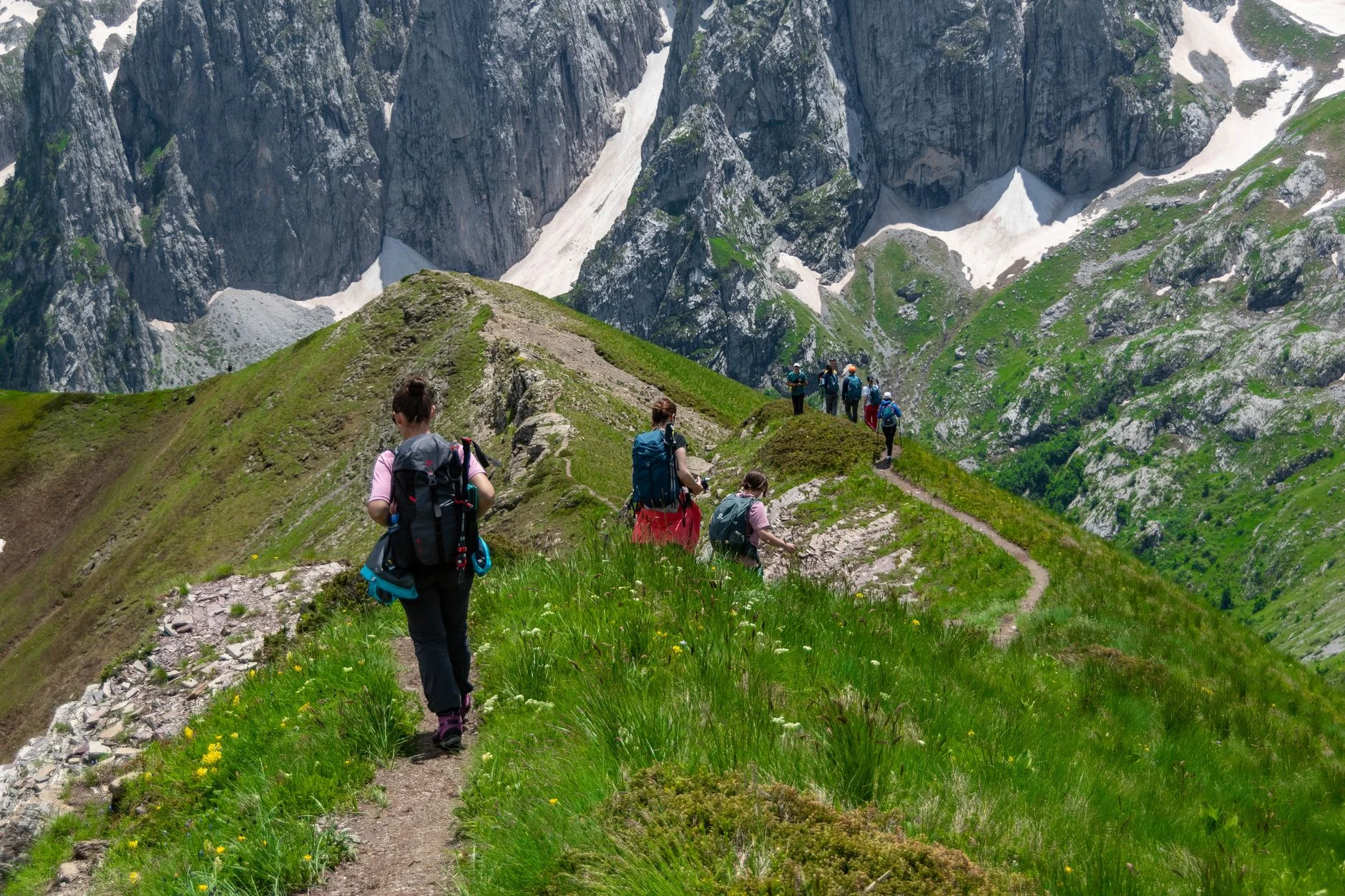
Peaks of the Balkans Trek
You cross the Albanian Alps on foot, then the borders of Montenegro and Kosovo, along a legendary loop. The highlight remains the stage between Theth and Valbona, a spectacular pass that unveils breathtaking panoramas over the peaks.
This adventure suits experienced walkers and lovers of wild mountains. Allow 10 to 13 days for the full loop, or a single day for the legendary Theth-Valbona stage. Sleep in family guesthouses and bring all your cash, because cards don't work at altitude.
- 10 to 13 days (or 1 day for the Theth-Valbona leg)
- EUR 500 to 900 for the guided loop; ~EUR 10-20 for the single leg
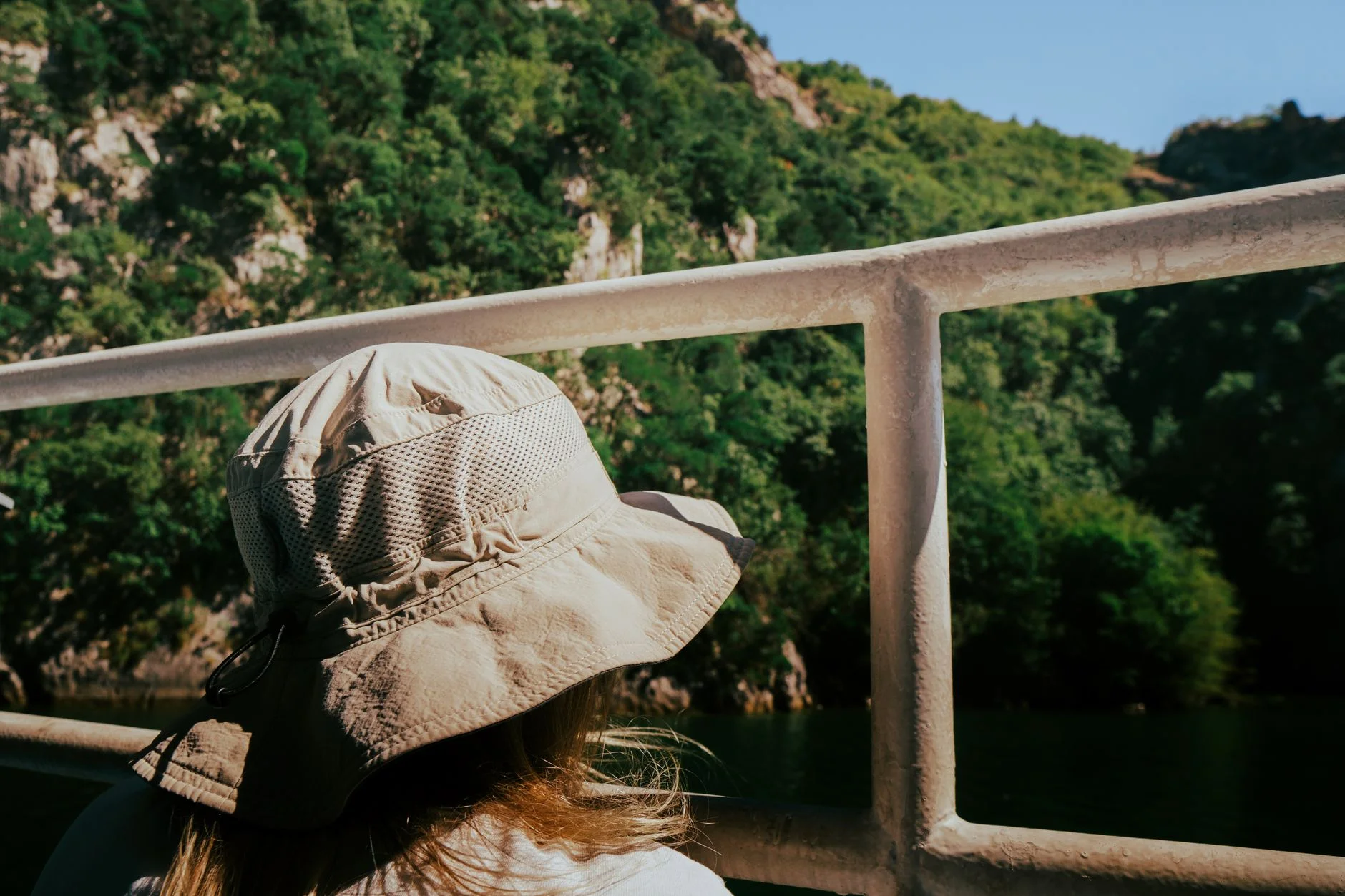
Lake Koman Ferry Crossing
You board with the locals on a ferry that slips into a flooded canyon shaped like a fjord. The highlight is the narrowest passage, where the walls seem to close in over the emerald water. The crossing lasts about 2h30 between Koman and Fierzë.
This experience appeals to everyone: families, hikers and lovers of landscapes. It's the natural gateway to Valbona and Theth. Book the day before in high season, arrive early at the pier and keep cash for the ticket, between €8 and €15 per person.
- Half a day (transport included)
- EUR 8 to 15 for the ferry ticket, per person
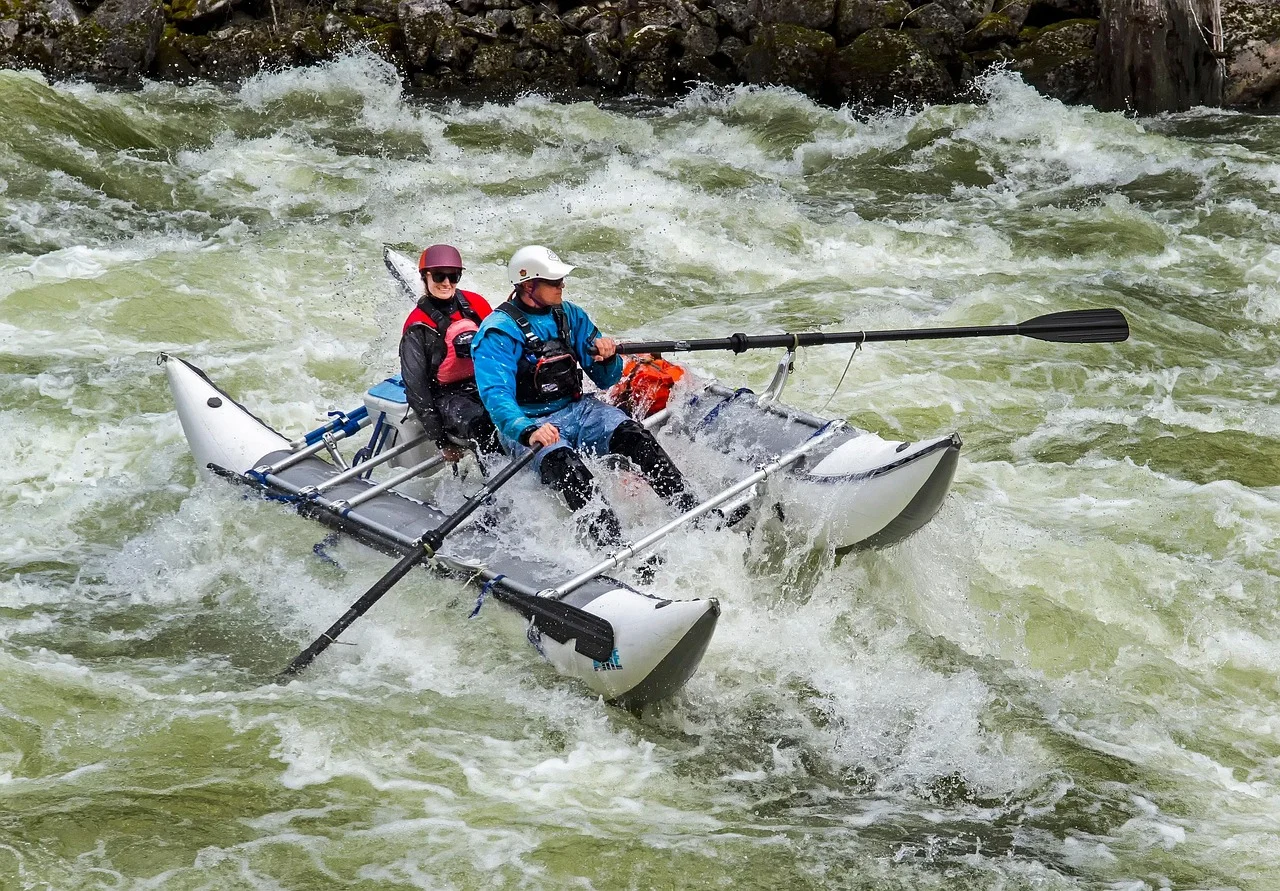
Rafting the Osumi Canyon
You raft down a narrow fault carved into the limestone, between walls up to 80 m high. The highlight comes in the tight passages, where the current speeds up and the water sprays. The canyon stretches over 26 to 28 km of spectacular, still little-known gorges.
The activity suits adventurers, even beginners, accompanied by local guides. Go for spring, between late March and May, when the flow peaks. Expect €30 to €50 per person, equipment included. Bring spare clothes and shoes that can get wet.
- 3 to 4 hours
- EUR 30 to 50 per person, equipment included
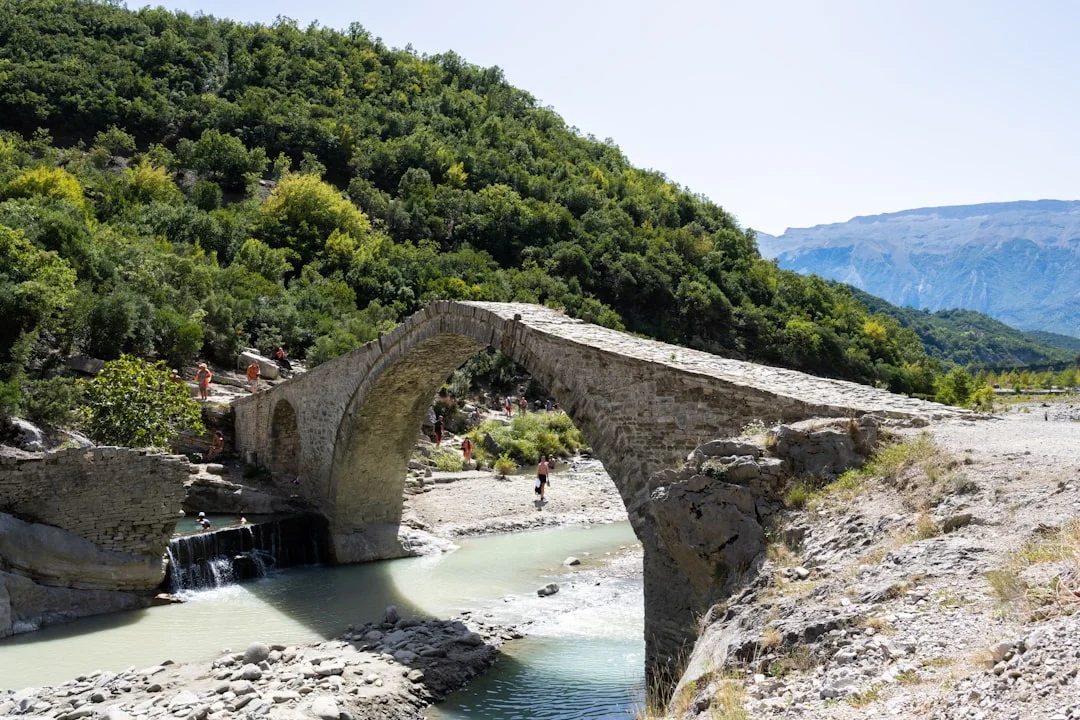
Bënja Thermal Baths & Lengarica Canyon
You immerse yourself in pools of naturally warm water, at the foot of an old Ottoman bridge. The highlight is the contrast between the milky thermal water and the cold river flowing right beside it. The Lengarica canyon, close by, can be explored on foot after the bath.
This relaxing break suits everyone, after a hike or a visit to the southern towns. Access to the pools is free, so plan only a few euros for transport from Përmet. Come early or late in the day, bring a towel, sandals and a waterproof bag.
- Half a day
- Free access; ~EUR 5 of local transport per person
Përmet & Vjosa Valley Food Tour
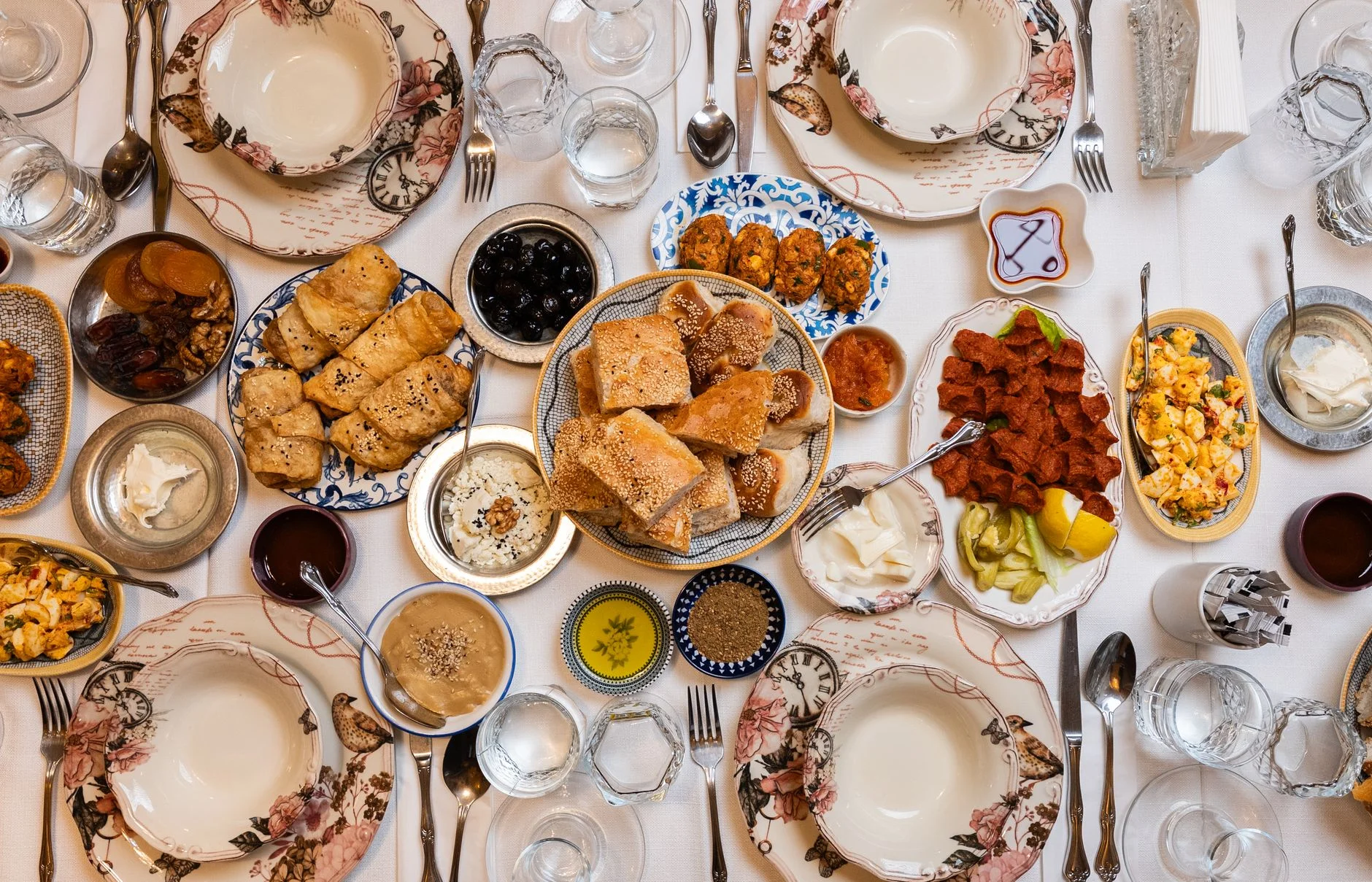
You roam Përmet and its surroundings to meet local producers. The highlight is tasting the artisanal jams, mountain honey and homemade raki (homemade fruit brandy), often shared straight in people's homes. The Vjosa valley offers an exceptional natural setting for this food-lover's outing.
This day appeals to those curious about food and authentic encounters. It reveals a little-known Albanian cuisine, fresh and generous. Expect €20 to €40 per person, tastings included. Base yourself in Përmet and combine the tour with the Bënja baths for a full day.
- One day
- EUR 20 to 40 per person, tastings included
Getting there
You arrive via Tirana airport (TIA), sometimes Vlora (VLO), then reach remote regions by furgon, the cheap shared minibuses.
The main gateway is Tirana airport (TIA, Nënë Tereza). Plenty of low-cost airlines fly there from across Europe. A second airport, at Vlora (VLO), is slowly opening and makes the south and the Riviera easier to reach.
Once you're there, the furgon becomes your best ally. These shared minibuses crisscross the whole country at low prices. They leave when they're full, with no fixed timetable. They're the backbone of Albanian transport and a real local immersion.
To reach the Alps, the classic route runs via the ferry. You take a furgon from Shkodër to Koman, then the Lake Koman ferry, and finally a minibus to Valbona. The French authorities remind travellers that Albania is outside the Schengen area, so remember your passport.
Getting around
Furgons connect the towns, but a rental car is a must for exploring Përmet, the Osumi and the Riviera freely.
Furgons cover most of the network, but they have their limits. They serve the most remote spots poorly and their schedules stay vague. For the Alps, the furgon plus Koman ferry combo works very well and remains the simplest option.
For the south, you're better off renting a car. The regions of Përmet, the Osumi canyon and the Riviera are far easier to discover behind the wheel. That way you reach the hilltop villages, the hidden coves and the thermal baths without depending on public transport.
Stay careful on the road. Albanian driving is jumpy and the mountain roads are narrow. Never drive at night: scarce lighting, animals and potholes make the journeys dangerous. Drive by day and leave plenty of margin in your stages.
What to do
Hike the Albanian Alps, cross Lake Koman by ferry, raft the Osumi and bathe in the Bënja thermal springs.
The adventure begins in the mountains. The trek between Theth and Valbona is the must-do of the Albanian Alps. Expect 6 to 7 hours of walking through spectacular passes. The keenest hikers string together the Peaks of the Balkans, a cross-border loop of 10 to 13 days.
The water offers other thrills. The Lake Koman ferry crosses a flooded canyon with the look of a fjord. Rafting in the Osumi canyon descends gorges of 26 to 28 km, with walls up to 80 m high. The flow is ideal in spring.
To slow down, head for the villages and springs. The Bënja thermal baths heat their natural pools at the foot of the Lengarica canyon. Further north, the two Blue Eyes, near Sarandë and in Theth, reveal hypnotic, icy turquoise water.
Food
Albanian cuisine blends Balkan and Mediterranean influences: byrek, tave kosi, garden vegetables, mountain cheeses and the famous homemade raki.
The Albanian table surprises you with its freshness. Vegetables come from the garden, olive oil flows freely and mountain cheeses go with almost everything. Byrek (a flaky savoury pie filled with meat or cheese) is eaten at any hour.
Every region has its specialities. Tave kosi (baked lamb with yoghurt) is the national dish. In the Vjosa valley and around Përmet, you taste artisanal jams, mountain honey and slow-cooked dishes. A Përmet food tour reveals this forgotten richness.
The meal often ends with a glass of raki (homemade fruit brandy). This spirit, distilled from grapes or plums, seals Albanian hospitality. Your hosts will probably offer you some. Accept it: it's a gesture of welcome, and a chance to exchange a few words with them.
Itineraries
Allow one week for the Albanian Alps (Koman, Theth, Valbona) and a second for the authentic south (Berat, Përmet, Vjosa, secret Riviera).
For a first week, head north and into the Alps. Reach Shkodër, then take a furgon to Koman. Cross the lake by ferry, reach Valbona, then walk to Theth in 6 to 7 hours. Settle two nights in each valley to explore properly.
The second week heads south. Start with Berat, the UNESCO jewel of a thousand windows. Continue to Përmet, its Bënja baths and the Vjosa valley. Finish with Gjirokastër and an escape to the secret Riviera, at Qeparo and Gjipe beach.
If you're short on time, pick a single route. The Alps suit lovers of hiking and raw landscapes. The south appeals to those curious about villages, food and quiet beaches. Either way, keep some time for the unexpected and for meeting people.
To carry on to the coast, our Albanian Riviera guide covers the beaches, the villages and the best time to go.
Climate & seasons
When to go to Albania?
Monthly averages over the past 5 years (Open-Meteo).
Best months
- June
- August
Avoid
- January
- November
| Jan | Feb | Mar | Apr | May | Jun | Jul | Aug | Sep | Oct | Nov | Dec | |
|---|---|---|---|---|---|---|---|---|---|---|---|---|
| Our take | ||||||||||||
| Weather | ||||||||||||
| High | 12° | 14° | 16° | 19° | 24° | 30° | 34° | 33° | 28° | 23° | 17° | 14° |
| Rain (mm) | 250 | 93 | 167 | 150 | 97 | 48 | 24 | 60 | 123 | 144 | 315 | 188 |
| Beach | Beach May | Beach June | Beach July | Beach August | ||||||||
| Hiking & nature | Hiking & nature February | Hiking & nature May | ||||||||||
| City sightseeing | City sightseeing February | City sightseeing April | City sightseeing May | City sightseeing September | City sightseeing October | |||||||
| Safari & savanna | Safari & savanna June |
What to do by season (autumn)
-
City sightseeing
Pedestrian-friendly most of the year.
When to go
The best months are May, June, September and October: pleasant weather, open trails and few people on the Riviera.
Spring and autumn offer the best conditions. In May, June, September and October, the weather stays mild, the mountain trails are walkable and the beaches are still calm. It's the ideal time to combine hiking in the Alps with swimming on the coast.
Avoid July and August. The heat becomes brutal and the Riviera fills with holidaymakers. The coastal villages, peaceful the rest of the year, turn into packed resorts. Prices climb and accommodation gets booked months ahead.
Winter brings a different problem. From December to February, the Albanian Alps are partly closed. Snow cuts some roads to Theth and Valbona, and many guesthouses shut down. For rafting on the Osumi, aim instead for late spring, when the water flow peaks.
Budget
Albania stays very affordable: budget around €40 a day as a backpacker, €95 mid-range and €230 for comfort.
Albania ranks among the cheapest destinations in Europe. According to Budget Your Trip, a backpacker gets by on around €40 a day (about $43). Mid-range, expect close to €95 (about $102), and around €230 (about $247) for a comfortable trip.
These amounts cover accommodation, meals and local transport. Eating in small family restaurants costs little. Mountain guesthouses often include dinner and breakfast, which really lightens the daily budget without cutting into the experience.
Watch the key point: Albania runs mostly on cash. In the mountains, in Theth and Valbona, there's no ATM and no card terminal. Withdraw lek before you set off and always keep a reserve of notes. The exchange rate hovers around 1 EUR for 100 lek.
Where to stay
Go for family guesthouses in the mountains and village homestays: authenticity, home-cooked meals and a warm welcome guaranteed.
Off-the-beaten-path lodging mostly means guesthouses. In the Alps, in Theth and Valbona, families turn their homes into lodges. You sleep simply, but you share the meals and the local life. It's the most authentic experience in the country.
The UNESCO towns of Berat and Gjirokastër offer lovely traditional guesthouses. Behind their stone and timber façades, you'll find rooms full of charm. Along the Riviera, small family-run guesthouses survive in villages like Qeparo, far from the big resorts.
Keep one crucial detail in mind in the mountains: no ATM and no card payment in Theth or Valbona. Settle your nights in cash. Book ahead in high season, because the good places fill up fast and options stay limited in these isolated valleys.
Along the coast, see where to stay in our Albanian Riviera guide.
Safety
Albania is a safe country: crime against tourists is rare, the real risks come from the roads and the high mountains.
Albania turns out to be far safer than its reputation suggests. Crime targeting tourists stays rare. You can wander and explore the villages with peace of mind. The local hospitality is sincere and travellers quickly feel at ease.
The real dangers lie elsewhere. The roads top the list: unpredictable driving, narrow lanes and erratic signage. The high mountains also call for caution. Not all the Alpine trails are marked, and the weather shifts fast at altitude.
Prepare for the isolated areas. Medical facilities there are limited, even non-existent. Always carry cash and take out good insurance with repatriation. When hiking, tell your guesthouse your route and keep a safety margin in your timings.
Formalities
French and EU citizens are exempt for stays under 90 days per 180, but Albania remains outside the Schengen area.
Entry formalities are simple for French and EU citizens. You're exempt from a visa for a stay of under 90 days within any 180-day period. Albania is, however, outside the Schengen area: your stay therefore counts separately from your time in the EU. Other nationalities should check their own requirements before travelling.
Check the validity of your documents carefully. A passport or national ID card must stay valid for at least 3 months after your return date. An important point flagged by the French authorities: the French extension of ID-card validity is not recognised by Albania.
On the health side, no vaccine is mandatory. The authorities simply recommend being up to date with universal vaccinations. A measles alert was reported in 2026, so check your vaccination status before departure. Good travel insurance remains strongly advised for the remote areas.
Tips
Carry plenty of cash, learn a few words of Albanian, accept the raki you're offered and plan mountain transport ahead.
The number-one tip is about money. Withdraw lek in the towns before heading into the mountains. In Theth and Valbona, you'll find no ATM and no card payment. Always keep a reserve of cash for nights, meals and transport.
Look after the human connection. A few words of Albanian, a faleminderit (thank you) or a smile open many doors. Accept the raki you're offered: refusing can upset your hosts. These small gestures turn a simple stopover into a real encounter.
Plan the logistics ahead. Furgons leave with no fixed timetable, so ask the locals the day before. For the Koman ferry and the Theth-Valbona trek, plan your stages in advance. In high season, book your mountain guesthouses several days before you arrive.
FAQ
No, French citizens don't need a visa for Albania: a tourist stay of under 90 days per 180 is allowed with no paperwork.
Do French citizens need a visa to visit Albania?
No, no visa is required. French citizens can stay visa-free for under 90 days within any 180-day period. Albania does, however, remain outside the Schengen area, so your stay counts separately from your trips within the European Union.
Which identity documents do you need?
A passport or national ID card valid for at least 3 months after your return is enough. Be careful: the French extension of ID-card validity is not recognised by Albania. Check the actual date printed on your document before you leave.
Which currency should you use, and can you pay by card?
The currency is the Albanian lek, around 1 EUR for 100 lek. Albania runs mostly on cash. In the mountains, in Theth and Valbona, there's no ATM and no card terminal. Withdraw cash in the towns before you set off.
When is the best time to visit Albania?
Go for May, June, September and October. The weather is mild, the trails are open and the Riviera is quiet. Avoid July and August, too hot and crowded, as well as December to February, when the Alps are partly closed by snow.
Do you need vaccines to travel to Albania?
No vaccine is mandatory. The authorities recommend being up to date with universal vaccinations. A measles alert was reported in 2026, so check your vaccination status before departure. Good travel insurance remains strongly advised for the remote areas.
How do you get around Albania without a car?
Furgons, the cheap shared minibuses, link the towns and villages. They leave once full, with no fixed timetable. For the Alps, the furgon plus Koman ferry combo works very well. A car remains handier for the remote south.
Is Albania a safe country for tourists?
Yes, Albania is safe. Crime targeting tourists is rare and the welcome is warm. The main risks come from the roads, often unpredictable, and from the high mountains. Stay careful behind the wheel and plan your high-altitude hikes well.
What's the difference between Albania's two Blue Eyes?
There are two Blue Eyes. The one near Sarandë is a busy karst spring. The one in Theth, far quieter, is a pool at the foot of a waterfall, with icy water of 5 to 7°C. You earn the second with a short hike.
Sources
The figures in this guide come from the sources below, checked on the publication date.
Leave a comment
Share your thoughts or travel experience. Your email will not be published.