

Contents 28
Overview
North Macedonia is the Balkans' missing link: a small country that is safe, very cheap and still off the beaten path.
North Macedonia is still one of Europe's most low-key destinations, tucked between Albania, Greece, Kosovo, Serbia and Bulgaria. It is the perfect country for the independent traveller who wants adventure without breaking the bank. You will find ancient lakes, mountains rising above 2,500 m, Byzantine monasteries and one of the largest Ottoman old bazaars in the Balkans.
The country still lives far from mass tourism. Skopje, the capital, mixes monumental statues, mosques and cafés. Ohrid, on the shore of its ancient lake, packs in a rare density of churches. In between, Matka Canyon, the Tikveš wine region and the mountain parks make for a vast playground.
The official language, Macedonian, is written in the Cyrillic alphabet. Albanian is co-official in several regions, and young people working in tourism often speak English. It pairs easily with neighbouring Albania or Greece. In short, a hidden gem to discover before everyone else does.
10 places to take with you
In the guide's order, ready for Google Maps or your GPS.
Book the activities from this guide
Our picks for North Macedonia, well rated and free to cancel.
-
Book this activity
Kayaking and boating in Matka Canyon
EUR 10-20 (kayak + boat rental)
-
Book this activity
Boat trip and swimming on Lake Ohrid
EUR 10-25 depending on the cruise
-
Book this activity
Street-food tour in Skopje's old bazaar
EUR 5-15 per person
Affiliate links: Travel Advice earns a commission if you book, at no extra cost to you. Learn more

Lake Ohrid & the Church of St. John at Kaneo
The translucent water laps against the rocks, and the little stone church looks ready to tip into the void. Perched on its cliff, it commands the deep blue of the lake: it is the country's emblematic image.
Lake Ohrid is one of the oldest in the world, 2 to 3 million years old, and one of the deepest in Europe. It is UNESCO-listed as a mixed site, natural and cultural (ref. 99).
You can easily spend a day here: climbing to the Church of St. John at Kaneo, swimming, then strolling along the shore. Allow a good hour just for Kaneo and its viewpoints.
It is North Macedonia's must-see site, the one that by itself sums up ancient lakes and Byzantine heritage.
Avoid July-August, when the lake fills with holidaymakers. In May-June or September, you will have the church almost to yourself.

Skopje: Old Bazaar (Čaršija), Stone Bridge & Kale Fortress
The smell of Turkish coffee and grilled meats drifts between the stalls, while the muezzin echoes over the rooftops. Skopje's old bazaar, the Čaršija, plunges you into the Ottoman legacy.
It is one of the largest Ottoman bazaars in the Balkans, with mosques, hammams, workshops and cafés. It is linked to the centre by the 15th-century stone bridge that spans the Vardar. Above it stands the Kale fortress.
Allow half a day to wander the lanes, drink a coffee, cross the bridge and climb to the fortress. Along the way, you will pass the monumental statues of the Skopje 2014 project.
It is the ideal gateway to understanding the capital's cultural mix.
Don't miss the climb to the Kale fortress, free, for a sweeping view over the city and the Vardar.

Ohrid Old Town (St. Sophia, ancient theatre, Samuel's Fortress)
You climb cobbled lanes lined with white houses and red roofs, and at every corner a chapel or a gilded icon appears. Ohrid lives up to its nickname, the "Jerusalem of the Balkans".
The town preserves hundreds of Byzantine icons from the 11th to the 14th century. You visit the Basilica of St. Sophia, a Greco-Roman theatre and the fortress of Tsar Samuel that commands the lake.
Allow half a day to a day to wander, step into the churches and climb to the fortress. The panorama from the ramparts is worth the effort on its own.
It is the country's cultural heart, inseparable from the lake it overlooks.
Wear good shoes: the cobbles are slippery and the lanes steep. Many churches close early, so start in the morning.

Matka Canyon
Limestone cliffs plunge vertically into an emerald-green river, and the silence is broken only by the strokes of a kayak. Matka Canyon feels a world away from the city.
Yet it lies less than 30 minutes from Skopje. Monasteries cling to the walls, and the Vrelo cave, reached by water, ranks among the deepest known underwater caves.
You rent a kayak or hop in a boat towards the cave. Allow half a day to enjoy the trip and the shoreline paths.
It is the perfect nature escape, easy to pair with a base in Skopje.
Come in the morning to dodge the weekend crowds and the heat. Bring water: there are few shops on site.
Sveti Naum Monastery & Springs
Peacocks stroll through the gardens while a boat glides over water so clear you can see the bottom. The Sveti Naum monastery, set on its promontory, breathes calm.
It stands 29 km south of Ohrid, near the Albanian border, and dates back to the 10th century. Around it well up some 45 crystalline springs, fed by Lake Prespa through the Galičica mountain.
You visit the church, then take a boat to explore the springs. Allow one to two hours on site, plus the journey from Ohrid.
It is also the natural crossing point into Albania, which makes it a strategic stop.
From Ohrid, the trip runs by bus, shared taxi or boat depending on the season. Plan for half a day.

Bitola & Heraclea Lyncestis
On the pedestrian street Širok Sokak, the Austro-Hungarian façades and café terraces give an air of somewhere else. Bitola, the former "city of consuls", cultivates a quiet elegance.
It is the country's second city. 2 km to the south lies Heraclea Lyncestis, founded by Philip II in the 4th century BC, with a Roman theatre of about 2,500 seats and superb early-Christian mosaics.
You first wander through town, coffee in hand, then head to the ancient site for one to two hours of visiting. The whole thing fits easily into a day.
It is the ideal stop to pair urban atmosphere with archaeology.
Set aside an evening on Širok Sokak: this is where the heart of the city beats, between terraces and strollers.

Mavrovo National Park & Galičnik Village
Deep forests, a mountain lake and snow-capped peaks make up the country's largest wilderness. Mavrovo National Park changes mood with every season.
It covers 731 km², with lakes, forests, a ski resort and peaks topping 2,500 m. Clinging to the mountainside, the stone village of Galičnik hosts its famous traditional wedding festival every 12 July, since 1963.
You hike here, ski in winter, or discover the stone architecture of Galičnik. Allow at least a day, more for walkers.
It is the gateway to the mountains, far from the Ohrid crowds.
If you are aiming for the wedding festival, book well ahead: village lodgings are rare and fill up fast.

Mount Korab (2,764 m)
At the summit, you set a foot in each country: the wind sweeps a ridge that separates two nations. Mount Korab offers one of the widest panoramas in the Balkans.
Rising to 2,764 m, it is the highest point of both North Macedonia and Albania, a rare European summit crowning two countries. It stands in Mavrovo park.
The climb takes one long day, with no technical difficulty but real elevation gain. Set off early and pack water and a windbreaker.
It is the dream challenge for hikers after a unique border summit.
Aim for June to September: outside that window, snow makes the climb risky. Check the weather conditions the day before.

Lake Prespa & Golem Grad Island
Here there are no crowds or packed terraces: just calm water, reeds and the flight of cormorants. Lake Prespa offers the wild, secret side of the Macedonian lakes.
It is shared between North Macedonia, Albania and Greece, and protected by Galičica park. Its Golem Grad island shelters a reserve: turtles, cormorants and ancient remains. The Galičica pass, between the two lakes, reveals a view over Ohrid and Prespa.
You come here for nature, by boat to the island or by car over the pass. Allow half a day to a day.
It is the choice of travellers fleeing the Ohrid crowds.
For Golem Grad, arrange the boat in advance: departures are rare and depend on the weather and the season.

Tikveš Wine Region (Kavadarci)
Rows of vines stretch out under a generous sun, and the glass of dark red releases notes of black fruit and spice. The Tikveš region is the country's winemaking heart.
It is the largest and most famous wine region, with about 11,000 ha around Kavadarci and more than 270 days of sunshine a year. It is the cradle of vranec, the emblematic red grape. Tikveš Winery was founded here in 1885.
You taste, tour the cellars and discover the vineyard. Allow half a day to a day depending on the option.
It is the ideal food stop between Skopje and the south of the country.
Taste vranec first, it is the region's signature. Expect €15 to €40 for a guided tasting.
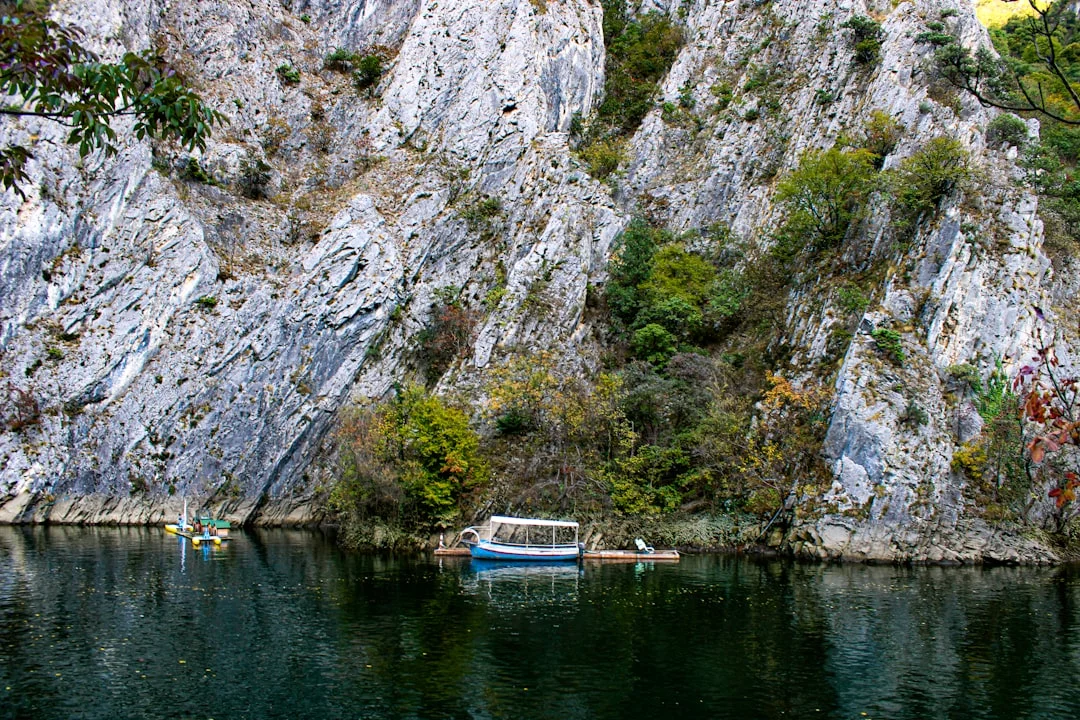
Kayaking and boating in Matka Canyon
You paddle between limestone cliffs plunging into emerald-green water, then hop in a boat towards the Vrelo cave, one of the deepest known underwater caves. The silence and the reflections make the highlight of the trip.
It is the perfect outing for everyone, families included, less than 30 minutes from Skopje. You rent the kayak right on the spot, with no booking needed, or take the shared boat. Come in the morning to dodge the weekend crowds.
- Half day
- EUR 10-20 (kayak + boat rental)
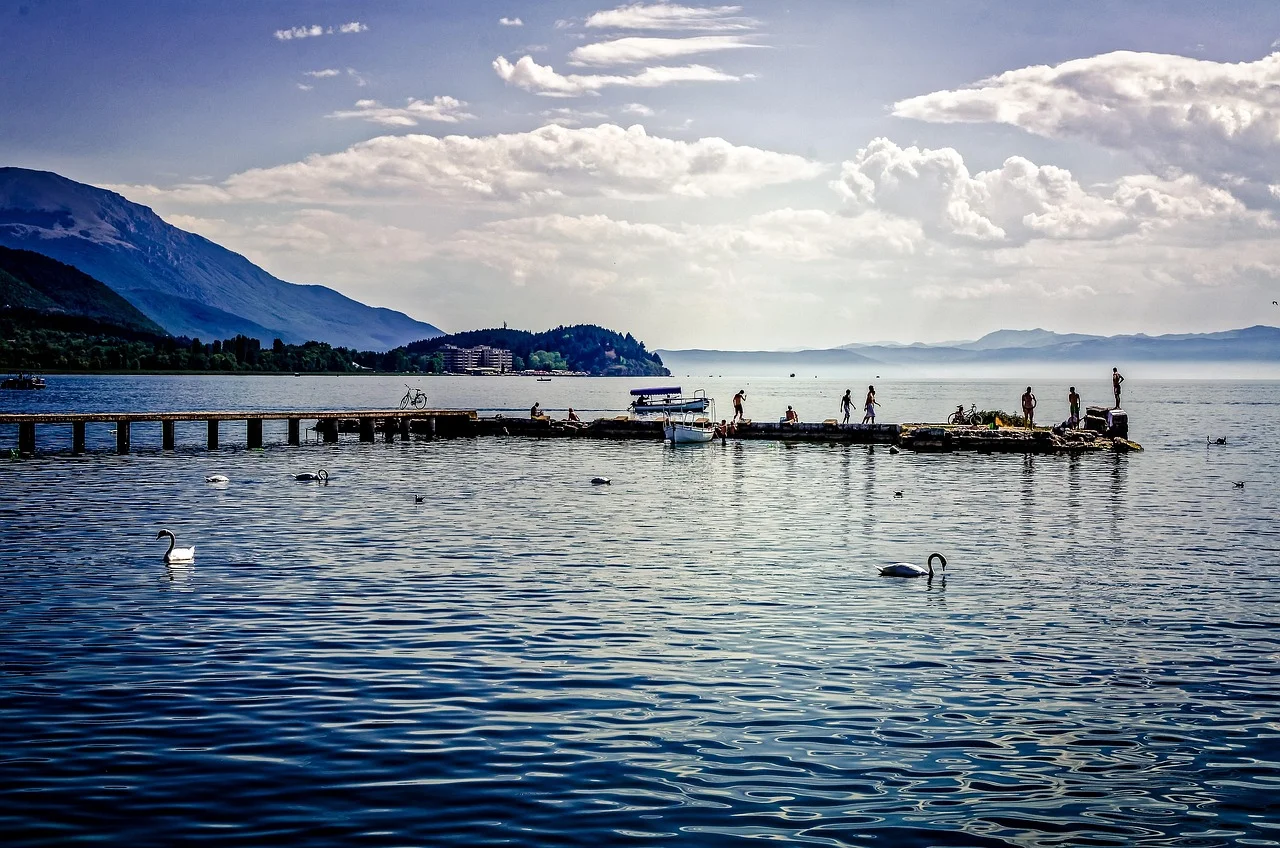
Boat trip and swimming on Lake Ohrid
You glide over one of the oldest lakes in the world, with the Kaneo church perched on its cliff as a backdrop. The cruise often runs all the way to the Sveti Naum springs, with swimming stops in clear water.
It is the ideal activity to discover Ohrid differently, open to all levels. Departures leave from the old town harbour, to be booked the same morning in high season. Bring a swimsuit and sunscreen.
- Full day
- EUR 10-25 depending on the cruise
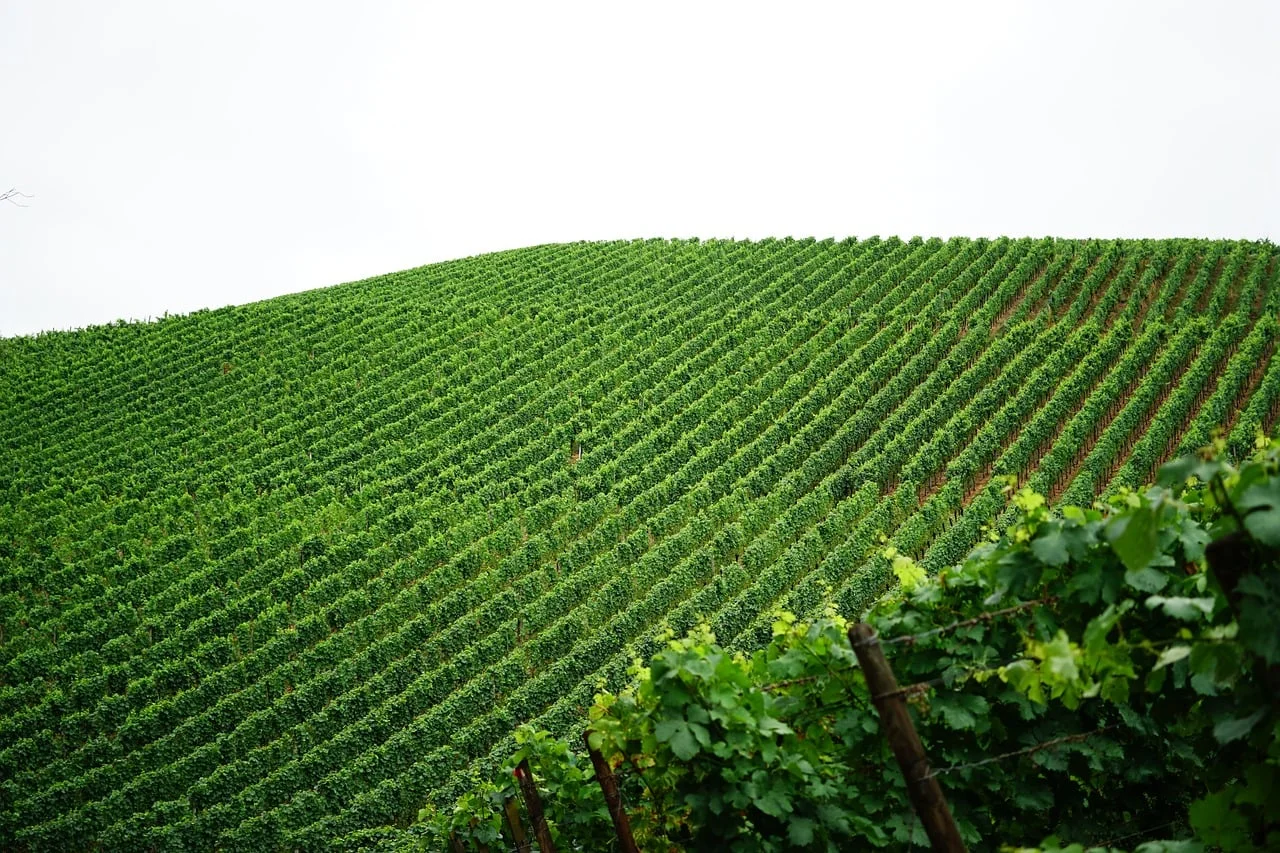
Wine tasting in the Tikveš region
You tour the cellars of the country's largest vineyard, around Kavadarci, before tasting vranec, that full-bodied red with notes of black fruit. The visit often ends facing rows of vines bathed in sun, more than 270 days a year.
It is the dream stop for lovers of wine and Balkan dolce vita. Book ahead, especially out of season, and plan for a sober driver or an option with transport from Skopje.
- Half day to full day
- EUR 15-40 (guided tasting)
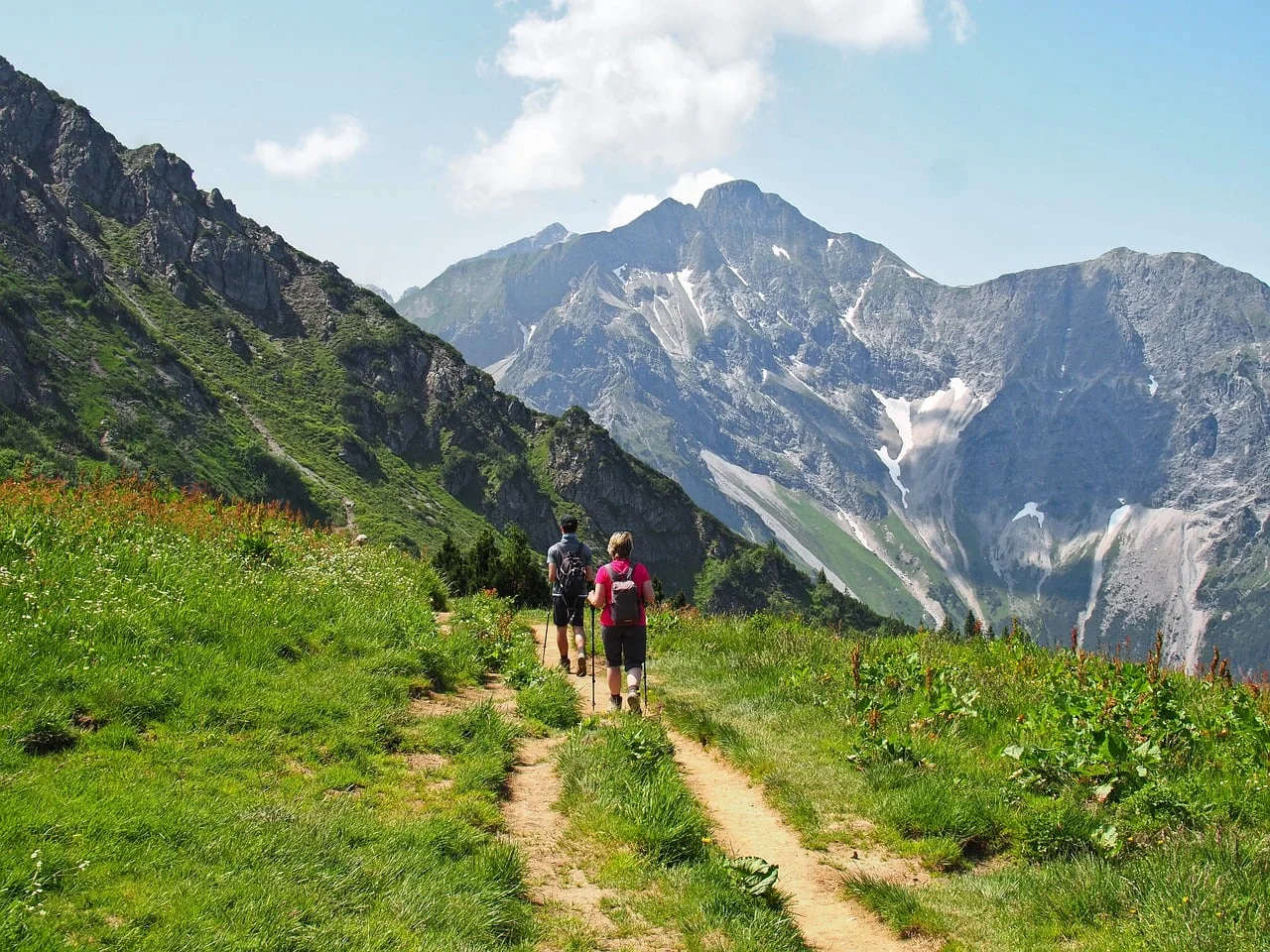
Mountain hiking (Korab, Šar or Vevčani)
You climb towards ridges above 2,500 m, with Mount Korab and its 2,764 m as the crowning point, a summit shared between two countries. Shorter loops, like the Vevčani springs, offer an accessible taste in three hours.
It is the activity for nature lovers, from the Sunday walker to the seasoned hiker. A local guide is optional but useful for Korab. Set off early and aim for June to September, when the snow has gone.
- From 3 hrs (Vevčani) to a full day (Korab)
- EUR 0-30 (optional guide)
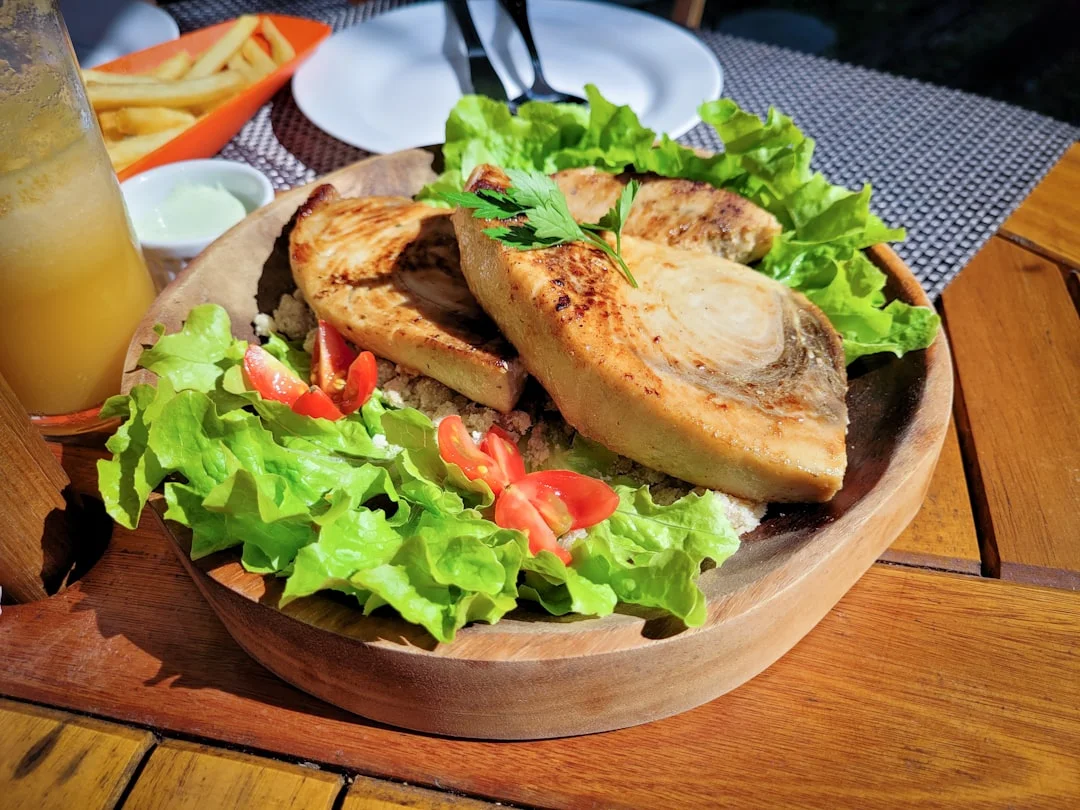
Street-food tour in Skopje's old bazaar
You wander the Čaršija, one of the largest Ottoman bazaars in the Balkans, tasting crisp burek, grilled ćevapi and thick Turkish coffee. The highlight is the coffee break among the workshops and mosques, out of time.
It is the ideal experience for food lovers and the culturally curious. No booking needed: you graze from stall to stall. Come hungry and in late afternoon, when the bazaar is at its liveliest.
- 2-3 hrs
- EUR 5-15 per person
Getting there
The easiest way is to fly to Skopje (SKP), 20 km from the centre, or take an international bus from neighbouring countries.
Skopje airport (SKP) is the main gateway, about 20 km from the centre. The Vardar Express shuttle links the airport to the city, alongside metered taxis. In season, Ohrid airport (OHD) also opens a few routes, handy for heading straight to the lake.
From neighbouring countries, the bus is king. Frequent international lines link Skopje to Thessaloniki in Greece, Sofia in Bulgaria, Belgrade in Serbia and Kosovo. It is cheap and perfect for a low-budget Balkan trip.
To combine with Albania, the crossing is south of Lake Ohrid. The Sveti Naum border post leads towards Pogradec, then Tirana. Direct Ohrid-Tirana buses also exist. This route makes North Macedonia an excellent springboard to the rest of the Balkans.
Once you are there, plan the next step: intercity buses for the big towns, a rental car for the mountains. More on that just below.
Getting around
Intercity buses are frequent and very cheap; a car is still advisable for Mavrovo, Bitola and Prespa.
The intercity bus is the main way to get around, reliable and cheap. Skopje-Ohrid takes 3.5 to 4 hours for 600 to 800 MKD (€10-13 / $11-14 / £9-11). The big towns are well connected, and the bus stations concentrate departures. For short hops, shared minibuses fill in the network.
In town, metered taxis are affordable in Skopje and Ohrid. Check that the meter is running, or agree on the price before you get in. City-centre distances are often walkable, especially around the old bazaar.
To explore freely, renting a car changes everything. The Mavrovo parks, the Bitola area and the Prespa lakes are hard to reach by public transport. Mountain roads are winding and local driving can be lively, so take it easy. The Galičica pass, between Ohrid and Prespa, is best enjoyed behind the wheel.
Without a car, everything is still doable by combining buses and day trips. It just takes a little more planning.
What to do
Ancient lakes, Matka Canyon, Byzantine monasteries, an Ottoman bazaar and mountains above 2,500 m: the country distils the Balkans.
Lake Ohrid is the heart of the trip. You visit the old town and its hundreds of icons, climb to the Church of St. John at Kaneo perched on its cliff, then take a boat towards the Sveti Naum springs. It is the country's postcard image, UNESCO-listed.
At the other end, Skopje surprises you with its old bazaar, one of the largest in the Balkans, its stone bridge and its Kale fortress. Thirty minutes away, Matka Canyon offers kayaking and boat trips beneath dizzying limestone cliffs.
Nature lovers head up to Mavrovo and Mount Korab, at 2,764 m, or explore wilder Lake Prespa. Food lovers head down to Tikveš to taste vranec, the local red grape. Between hikes, monasteries and vineyards, everyone builds their own itinerary at their own pace.
- Kayaking in Matka Canyon
- Boat trip and swimming on Lake Ohrid
- Wine tasting in Tikveš
- Hiking Mount Korab or Vevčani
- Street-food tour in Skopje's bazaar
Food
The cuisine blends Ottoman and Balkan influences: tavče gravče, ajvar, burek and grilled meats, washed down with Tikveš wine.
The national dish is tavče gravče (baked white beans), cooked in an earthenware pot and simmered with paprika. Simple, hearty and delicious, it sums up the local kitchen. It often comes with ajvar (a roasted red pepper spread) that you slather on bread.
For a quick bite, burek (a crisp filled pastry) is the go-to, stuffed with meat, cheese or spinach. Grills reign too, with ćevapi (small grilled minced-meat sausages) served with onion. Thick Turkish coffee ends the meal, to be sipped slowly in a bazaar café.
For drinks, the Tikveš wine region produces vranec (the local red grape), a full-bodied red with notes of dark fruit and spice. Rakija (fruit brandy) goes with an aperitif or a digestif. A full meal in a tavern costs just €5 to €8 ($5-9 / £4-7), which makes every dinner affordable. Order widely, the bill stays light.
Itineraries
Three key itineraries: the classic 8-day crossing, the 5-day lakes-and-mountains loop, or the Balkan combo via Albania.
Here are three routes suited to the independent traveller, from the most classic to the most adventurous. Each one flexes to your pace and your budget.
1. Classic crossing, 8 days:
- Days 1-2: Skopje, old bazaar, stone bridge and Kale fortress.
- Day 3: Matka Canyon, kayak and boat, back to Skopje.
- Days 4-6: Ohrid, old town, the Kaneo church and the Sveti Naum springs.
- Days 7-8: Bitola and the ancient site of Heraclea Lyncestis.
2. Lakes-and-mountains loop, 5 days:
- Day 1: Mavrovo National Park, the stone village of Galičnik.
- Days 2-3: Ohrid and its ancient lake.
- Day 4: the Galičica pass, views over both lakes, then Lake Prespa.
- Day 5: Golem Grad Island and the return.
3. Balkan combo, North Macedonia + Albania:
- Skopje, Matka then down to Ohrid.
- Passing by the Sveti Naum monastery, south of the lake.
- Crossing the border towards Pogradec, then on to Tirana.
Climate & seasons
When to go to North Macedonia?
Monthly averages over the past 5 years (Open-Meteo).
Best months
- March
- May
- June
- August
- September
- October
| Jan | Feb | Mar | Apr | May | Jun | Jul | Aug | Sep | Oct | Nov | Dec | |
|---|---|---|---|---|---|---|---|---|---|---|---|---|
| Our take | ||||||||||||
| Weather | ||||||||||||
| High | 7° | 11° | 14° | 18° | 24° | 30° | 33° | 32° | 27° | 20° | 14° | 9° |
| Rain (mm) | 63 | 23 | 49 | 47 | 48 | 30 | 15 | 13 | 31 | 59 | 84 | 54 |
| Hiking & nature | Hiking & nature March | Hiking & nature April | Hiking & nature May | Hiking & nature October | Hiking & nature November | |||||||
| City sightseeing | City sightseeing February | City sightseeing March | City sightseeing April | City sightseeing May | City sightseeing June | City sightseeing September | City sightseeing October | City sightseeing November |
What to do by season (autumn)
-
Hiking & nature
Mild temperatures, stable conditions.
-
City sightseeing
Pedestrian-friendly most of the year.
When to go
The best months are May, June, September and October: mild weather, clear sites and no crowds.
Aim for spring (May-June) or autumn (September-October). Temperatures are pleasant, the landscapes green or golden, and big sites like Ohrid stay breathable. This is also the best time to hike in the mountains, when the passes are clear and the days are long.
Avoid July and August. The heat bears down on the low valleys and Ohrid fills up with Balkan holidaymakers. Accommodation prices climb and the lake beaches get crowded. If you travel in summer anyway, book ahead and favour the cooler heights of Mavrovo.
Winter has its charm but complicates everything. January and February bring cold, snow and snowbound passes that make driving risky. The Mavrovo resort draws skiers, but mountain buses thin out and some remote monasteries become hard to reach. For a first trip, stick to the shoulder seasons.
Budget
North Macedonia is very affordable: expect around €30 a day as a backpacker, €55 mid-range and €90 in comfort.
The country is among the cheapest destinations in Europe. As a backpacker, expect around €30 a day (~$32 / £26) with a dorm, buses and tavern meals. A mid-range budget runs about €55 (~$59 / £47), with a private room and a few day trips. In comfort, expect close to €90 (~$97 / £77) for hotels and nicer restaurants.
The gentlest costs are food and transport. A full meal in a tavern costs €5 to €8, and the Skopje-Ohrid bus just €10-13. Site entry fees, coffees and rooms in family homes are just as affordable.
On payment, always keep cash outside the big towns. Cards work in Skopje and Ohrid, but villages, taverns and small museums run on cash. Withdraw denars in town before heading into the countryside. With a controlled budget, you travel here far longer than elsewhere in Europe.
Where to stay
Skopje and Ohrid have the most on offer: hostels, rooms in family homes and low-priced hotels, often bookable on arrival.
Two bases stand out for a first trip: Skopje and Ohrid. Skopje offers hostels, apartments and hotels around the centre and the old bazaar. Ohrid mainly has rooms in family homes and small hotels, with lake views for a few euros more.
Prices are among the gentlest in Europe. A dorm bed or a simple room is easy to find, and a room in a family home is the most authentic experience. In Ohrid, you are often offered a room the moment you step off the bus, especially in high season.
In the mountain regions, options are scarcer. In Mavrovo and villages like Galičnik, book ahead or aim for local guesthouses. Bitola has a few good hotels along its pedestrian street. Around Lake Prespa, keep expectations modest: simple lodgings and absolute quiet. Book early in summer, when Ohrid sells out.
Safety
The country is safe, with little visible crime; the main risk is pickpocketing in tourist spots.
North Macedonia is a safe country, on a par with the rest of the Balkans. Visible crime is low and France Diplomatie flags no major restrictions. You can walk around at ease, by day and in the evening in the lively centres.
The main risk is pickpocketing, especially in city centres, stations and crowded tourist sites. Keep your bag and phone close and avoid flashing cash. On the road, local driving can be lively and the snowbound passes in winter call for caution.
A point of courtesy: some subjects are sensitive. Avoid bringing up tensions around minorities (Albanian, Bulgarian) and the old dispute over the country's name. These are not dangers, just good manners for relaxed exchanges with locals. Check the France Diplomatie pages for the latest recommendations. The welcome, meanwhile, stays warm everywhere.
Formalities
No visa is needed for French and EU citizens on a tourist stay under 3 months; a passport valid for 6 months is recommended.
Good news: no visa is required for French and EU citizens on a tourist stay of under 3 months. It is an exemption outside the Schengen area. Other nationalities should check their allowance. Be careful, though: overstaying exposes you to a fine of about €200 on departure.
On documents, a national ID card is accepted, but a passport is still advised, ideally valid for 6 months. If you continue on to Albania, Greece or Kosovo, a passport smooths every border crossing. Keep a separate photocopy of your papers.
No vaccine is compulsory and there is no malaria. It is recommended to be up to date on DTP (diphtheria, tetanus, polio), hepatitis A and B, and MMR. Check the latest guidance on the France Diplomatie website before you leave, especially on health and borders.
Tips
Carry cash in denars, learn a few words in Cyrillic and plan on a car for the mountains.
First reflex: cash. The Macedonian denar (MKD) is worth about 61-62 MKD to €1, a rate effectively pegged to the euro. Cards work in Skopje and Ohrid, but withdraw cash before heading into the countryside, where everything is paid in cash.
Second reflex: Cyrillic. Macedonian is written in the Cyrillic alphabet, so memorise a few letters to read signs and menus. A simple "blagodaram" (thank you) always goes down well. Young people and those in tourism often speak English.
A few practical tips to finish:
- Rent a car for Mavrovo, Bitola and the Prespa lakes.
- Book early in Ohrid in summer, when the town sells out.
- Combine the trip with Albania via the Sveti Naum crossing.
- Travel in May-June or September-October to dodge the heat and the crowds.
- Taste Tikveš vranec and tavče gravče in a tavern.
FAQ
The most common questions cover visas, safety, budget, currency, language and Balkan combinations.
Do you need a visa for North Macedonia?
No. French and EU citizens need no visa for a tourist stay of under 3 months; other nationalities should check their allowance. Overstaying, however, exposes you to a fine of about €200 on departure. A passport valid for 6 months is advised, even though an ID card is still accepted.
Is North Macedonia a safe country?
Yes, it is a safe country, on a par with the rest of the Balkans, and France Diplomatie flags no major restrictions. The main risk is pickpocketing in tourist spots. As a courtesy, avoid bringing up the topics of minorities and the dispute over the country's name.
What daily budget should you plan for?
The country is very affordable. Expect around €30 a day as a backpacker, €55 mid-range and €90 in comfort. A full meal in a tavern costs just €5 to €8, and the Skopje-Ohrid bus comes to €10-13. You travel here far longer than elsewhere.
What is the best time to go?
Favour May, June, September and October: mild weather, clear sites, no crowds. Avoid July and August, marked by heat and heavy crowds in Ohrid. Steer clear of January and February too, cold, with snowbound passes that complicate mountain driving.
What currency should you use and can you pay by card?
The currency is the Macedonian denar (MKD), at a rate of about 61-62 MKD to €1, effectively pegged to the euro. Cards work in Skopje and Ohrid, but keep cash outside the big towns, where taverns, villages and small museums run on cash.
What language is spoken and do you need to know Cyrillic?
The official language is Macedonian, written in the Cyrillic alphabet. Albanian is co-official in several regions. Learning a few Cyrillic letters helps you read signs and menus. Rest assured: young people and those in tourism often speak English.
Can you combine it with Albania or the Balkans?
Yes, it is even one of the country's strengths, a true missing link of the Balkans. Towards Albania, cross the Sveti Naum border post, south of Lake Ohrid, towards Pogradec then Tirana. International buses also link Skopje to Thessaloniki, Sofia, Belgrade and Kosovo.
Can you travel without a car?
Yes, intercity buses are frequent and cheap, and connect the big towns well. Without a car, everything is still doable by combining buses and day trips. A car is still recommended, though, to freely explore Mavrovo, Bitola and the Prespa lakes, which are poorly served by public transport.
Sources
The figures in this guide come from the sources below, checked on the publication date.
Leave a comment
Share your thoughts or travel experience. Your email will not be published.