

Contents 31
Overview
Guadeloupe is a French archipelago in the Lesser Antilles, about 8 hours by air from Paris. Its two main islands form a butterfly: Grande-Terre for beaches and lagoons, Basse-Terre for La Soufrière volcano (1,467 m), rainforest and waterfalls. Les Saintes, Marie-Galante and La Désirade are reached by boat.
For a first trip to Guadeloupe, keep one image in mind: a butterfly resting on the Caribbean Sea. The eastern wing, Grande-Terre, is flat limestone country: white sand beaches, the lagoons of Sainte-Anne and Saint-François, and the cliffs of the Pointe des Châteaux. The western wing, Basse-Terre, is volcanic and mountainous: La Soufrière rises to 1,467 m at the heart of a national park created in 1989 and recognised as a UNESCO biosphere reserve in 1992.
Around them, three smaller islands have a completely different feel: Les Saintes (14 km², two inhabited islands, Terre-de-Haut and Terre-de-Bas), Marie-Galante (158 km², the island of windmills and distilleries) and La Désirade (21 km², the wildest of the three). Ferries reach them from Trois-Rivières, Pointe-à-Pitre or Saint-François.
Guadeloupe is an overseas department and region of France: you pay in euros, people speak French and Creole, and it belongs to the European Union. For European travellers, that makes it an easy winter-sun destination, with no currency exchange and direct flights from Paris. Torn between the Caribbean and the Indian Ocean? Compare it with our Mauritius travel guide.
13 places to take with you
In the guide's order, ready for Google Maps or your GPS.
Book the activities from this guide
Our picks for Guadeloupe, well rated and free to cancel.
-
Book this activity
Kayaking and snorkelling in the Cousteau Reserve
Environ 30 € la location de kayak (tarif affiché sur GetYourGuide en novembre 2026)
-
Book this activity
Sailing day trip to Les Saintes
Environ 150 € / personne, snorkeling compris (tarif affiché sur GetYourGuide en novembre 2026)
-
Book this activity
Boat trip in the Grand Cul-de-Sac Marin lagoon
Environ 70 € / personne (tarif affiché sur GetYourGuide en novembre 2026)
Affiliate links: Travel Advice earns a commission if you book, at no extra cost to you. Learn more

La Soufrière volcano
At the last bend of the trail, the forest suddenly vanishes: all that is left is bare rock, the smell of sulphur and plumes of steam drifting into the clouds.
An active volcano in Saint-Claude, La Soufrière rises to 1,467 m at the heart of Guadeloupe National Park. Its last eruption, a phreatic one, dates back to 1976-1977; the OVSG-IPGP monitors it constantly and kept it on yellow alert in summer 2026.
The classic climb starts from the Bains Jaunes car park, at around 950 m, via the Pas du Roy: dense forest, then low vegetation and scree up to the summit plateau. Allow half a day there and back, more if the weather turns.
On a clear day, the summit reveals Les Saintes and, further south, Dominica.
Access to the summit plateau is restricted because of the gases: stay on open trails, and check their condition on the National Park website the day before.

Carbet Falls
You hear the roar long before you see the water: a white ribbon dropping from a cliff smothered in tree ferns.
In the municipality of Capesterre-Belle-Eau, inside the national park, the Grand Carbet river tumbles down the flank of La Soufrière in three falls of about 115 m, 110 m and 20 m.
The easiest to reach is the second fall, at the end of a maintained trail from the visitor area. The first, and highest, has to be earned: the park's trail sheet gives 4.8 km there and back, about 3 hours and 500 m of elevation gain, with a river crossing that is dangerous after rain.
Trois-Rivières, where boats leave for Les Saintes, is only about twenty minutes away by road.
Check that the trails are open on the National Park website the day before, come in the morning, ahead of the showers and the groups, and skip the first fall if the river has risen.

Cousteau Reserve and Pigeon Islands
A few fin kicks from the shore, the blue turns turquoise above the coral, and a turtle rises to breathe.
The Cousteau Reserve is the marine part of the national park around the Pigeon Islands (îlets Pigeon), facing Malendure beach in Bouillante. Jacques Cousteau made its seabed famous; it is now protected, with about 10,000 dives a year on compulsory mooring buoys.
Snorkelling boats and dive clubs leave from Malendure; you can also rent a kayak and paddle to the islands in about twenty minutes. Allow half a day.
The shallow waters around the islands can be explored with just a mask and snorkel.
On Malendure beach, turtles often come to graze on the seagrass close to shore: watch them without getting closer than a few metres.

Pointe des Châteaux
Here the island ends in a blade: on the left the Atlantic pounding the rocks, on the right the calmer Caribbean Sea, and a wind that never stops.
At the south-eastern tip of Grande-Terre, about ten kilometres from Saint-François, the headland owes its name to jagged rocks that look like the ruins of castles. A large cross stands over the promontory.
A short waymarked path climbs to the cross in about fifteen minutes, with views of La Désirade and Petite-Terre. Below, the Anse Tarare and the Grande Anse des Salines have beaches, but the sea there is often rough.
Facing east, the headland catches Grande-Terre's first sunlight at dawn.
Wear closed shoes for the rocks and only swim in sheltered coves, never on the Atlantic side.

Les Saintes: Terre-de-Haut
The boat enters the bay and the village appears: white houses with red roofs, colourful fishing boats and yachts at anchor below green hills.
The Les Saintes archipelago is made up of nine islands covering 14 km², only two of which are inhabited, Terre-de-Haut and Terre-de-Bas. Terre-de-Haut, the most visited, has kept the feel of a fishing village, with its islanders wearing the salako, the traditional hat.
You get around on foot, by e-bike or by scooter: climb up to Fort Napoléon and its cactus garden, swim at Pain de Sucre beach or Anse Crawen, and have fish for lunch at the harbour. A day covers the essentials, a night gives you the calm.
Hire cars are not carried over: you get around on foot, by scooter or by e-bike.
Stay a night if you can: once the day-trippers leave around 4 pm, the bay quietens down and the sunset from Fort Napoléon is superb.

Marie-Galante
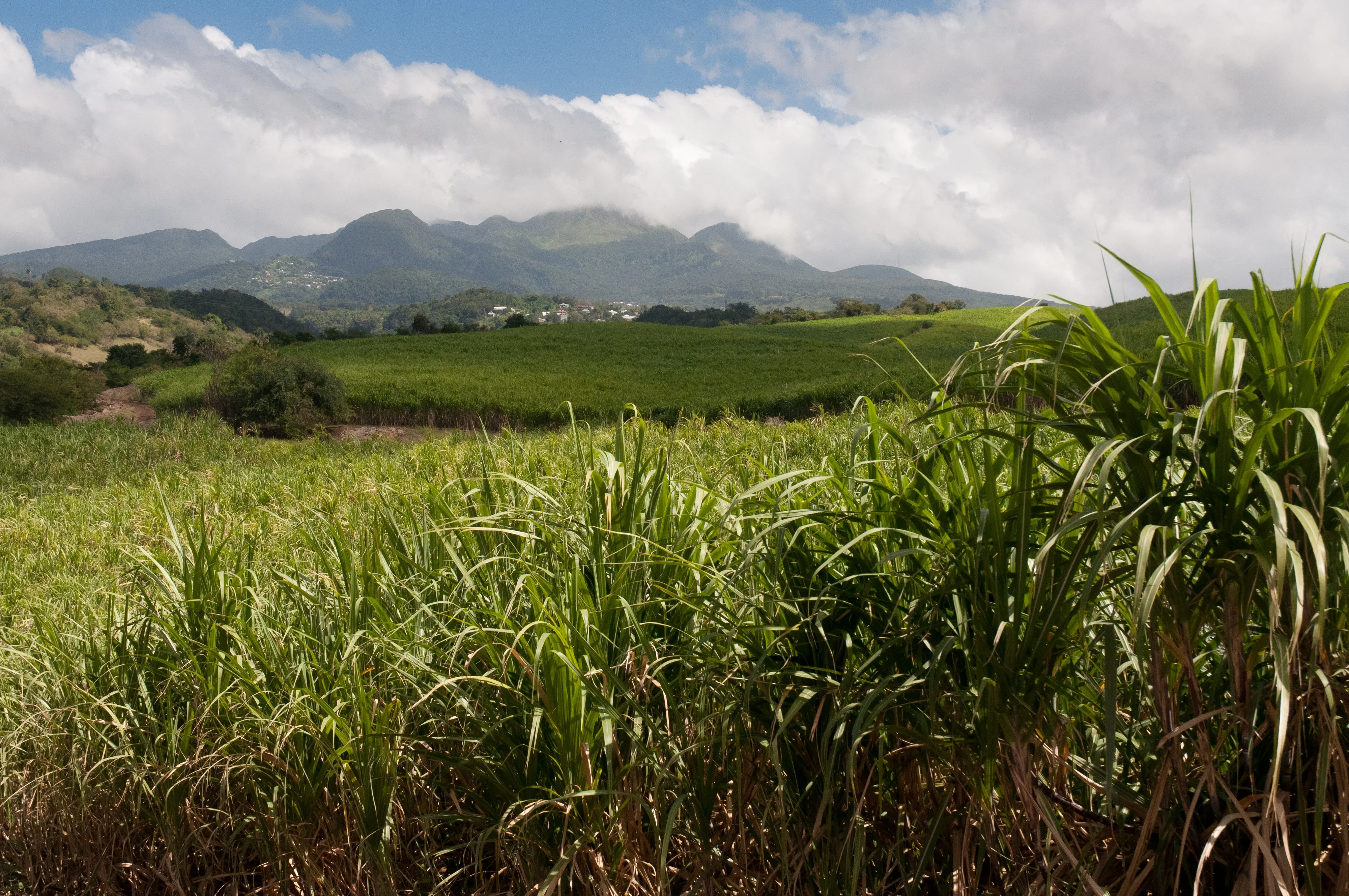
Sugarcane fields as far as the eye can see, ox carts by the roadside and almost empty beaches: Marie-Galante seems to live in slow motion.
Round and flat, the island covers 158 km² south of Grande-Terre. It is nicknamed "the island of a hundred windmills" for its old sugar mills, and it is home to several rum distilleries, including Bielle, Bellevue and Poisson.
On the island, rent a car or a scooter to drive around it: Capesterre beach and its coral reef, Folle Anse, the Gueule Grand Gouffre sinkhole on the north coast, the Habitation Murat estate and tastings at the distilleries.
During the carême, at harvest time, the distilleries run at full speed and the smell of crushed cane drifts over the roads.
Distilleries mostly open in the morning; check opening times before you go and pick a designated driver for the tastings.

Mémorial ACTe
On the former site of the Darboussier sugar factory, a long dark building wrapped in a silver mesh faces the harbour: the architecture sets the tone before you even walk in.
The Mémorial ACTe, the Caribbean centre for the expression and memory of the slave trade and slavery, opened in Pointe-à-Pitre in 2015. Its permanent exhibition traces the history of slavery in the Caribbean, from the slave trade to abolition, and its legacy up to the present day.
Allow two hours for the permanent exhibition, then take the footbridge that links the building to the Morne Mémoire hill, which looks out over the bay of Pointe-à-Pitre.
Combine the visit with Pointe-à-Pitre's covered market in the morning, and avoid crossing the city at rush hour.

Grande Anse, Deshaies
A kilometre of golden sand, a row of coconut palms, and the hill closing off the bay like a stage set.
On the leeward coast of Basse-Terre, about 2 km from the village of Deshaies, Grande Anse stretches its golden sand for about a kilometre.
You spend the day swimming, napping in the shade of the trees and eating lunch at the beach shacks; the village of Deshaies and its botanical garden are five minutes away by car.
Facing west, it gets the sunset over the sea, around 6 pm all year.
Stay for the sunset, around 6 pm, then have dinner in Deshaies village.

Porte d'Enfer and Pointe de la Grande Vigie
At the very north of Grande-Terre, white cliffs drop into a deep blue sea, and the wind flattens the shrubs on the plateau.
The Porte d'Enfer ("Gate of Hell"), in Anse-Bertrand, is a narrow cove sheltered by reefs, where the water stays calm despite the Atlantic. A few kilometres away, the Pointe de la Grande Vigie marks the northern tip of the island, on top of cliffs about 80 to 90 m high.
A coastal path links the two sites along the clifftops; allow half a day to combine the walk, a swim in the cove and lunch in a lolo in Anse-Bertrand.
It is about a 45-minute drive from Sainte-Anne or Saint-François.
Go in the morning, before the heat: the plateau has almost no shade.

Route de la Traversée and Cascade aux Écrevisses
In a few bends, the coastal heat gives way to the damp shade of a forest of giant ferns and lianas, where the air smells of wet earth.
The Route de la Traversée cuts across Basse-Terre from east to west through the national park's rainforest, between Petit-Bourg and the leeward coast. It passes close to the Cascade aux Écrevisses ("Crayfish Falls"), a small waterfall that drops into a pool where you can swim.
The waterfall is a few minutes' walk from the car park along a maintained path; further on, other stops let you walk in the forest or see the giant trees at the Maison de la Forêt.
It is an easy stop on the way to Bouillante or Deshaies, with no detour.
The water is cool and the rocks slippery: water shoes recommended, and no swimming after heavy rain, as the level rises quickly.

Deshaies Botanical Garden
Flamingos by a pond, chattering parrots and paths lined with flowers of every colour: the garden climbs the hillside with the sea as a backdrop.
Laid out on the heights of Deshaies, the garden has, according to the Routard guide, more than 1,500 species of tropical plants, with a waterfall, water-lily ponds and aviaries.
You visit on foot along a signposted route of about an hour and a half to two hours, with a panoramic restaurant overlooking the bay.
Much of the route is accessible with a pushchair.
Combine the visit with Grande Anse beach in the afternoon, five minutes away by car.

La Désirade
Seen from the Pointe des Châteaux, it looks like a table set on the sea; up close, it is a quiet village, iguanas by the roadside and deserted coves.
The island covers 21 km² and rises to 275 m at the Grande Montagne. Left out of mass tourism, it is a protected nature reserve for its geological heritage.
You explore it by e-bike or scooter along its single coastal road: Souffleur beach, Anse d'Échelle, the lighthouse and former leper colony in the east, and the climb to the Notre-Dame-du-Calvaire chapel for the view.
Shops are few and the heat is strong: bring water and sunscreen.

Sainte-Anne and La Caravelle beaches
The water is so clear and shallow that you walk a long way before you swim, between leaning coconut palms and the reef that breaks the waves offshore.
On the south coast of Grande-Terre, Sainte-Anne has some of the finest beaches in the archipelago according to the Routard guide: the town beach, La Caravelle and, a little further on, the Bois Jolan lagoon.
You swim in a sheltered lagoon, ideal with children, go paddleboarding or snorkelling near the reef, and have lunch in the town's beach restaurants.
The town's restaurants, rental shops and mini-markets are within walking distance of the beach.
These south- and east-facing beaches sometimes get sargassum: check the Météo-France bulletin before settling in.
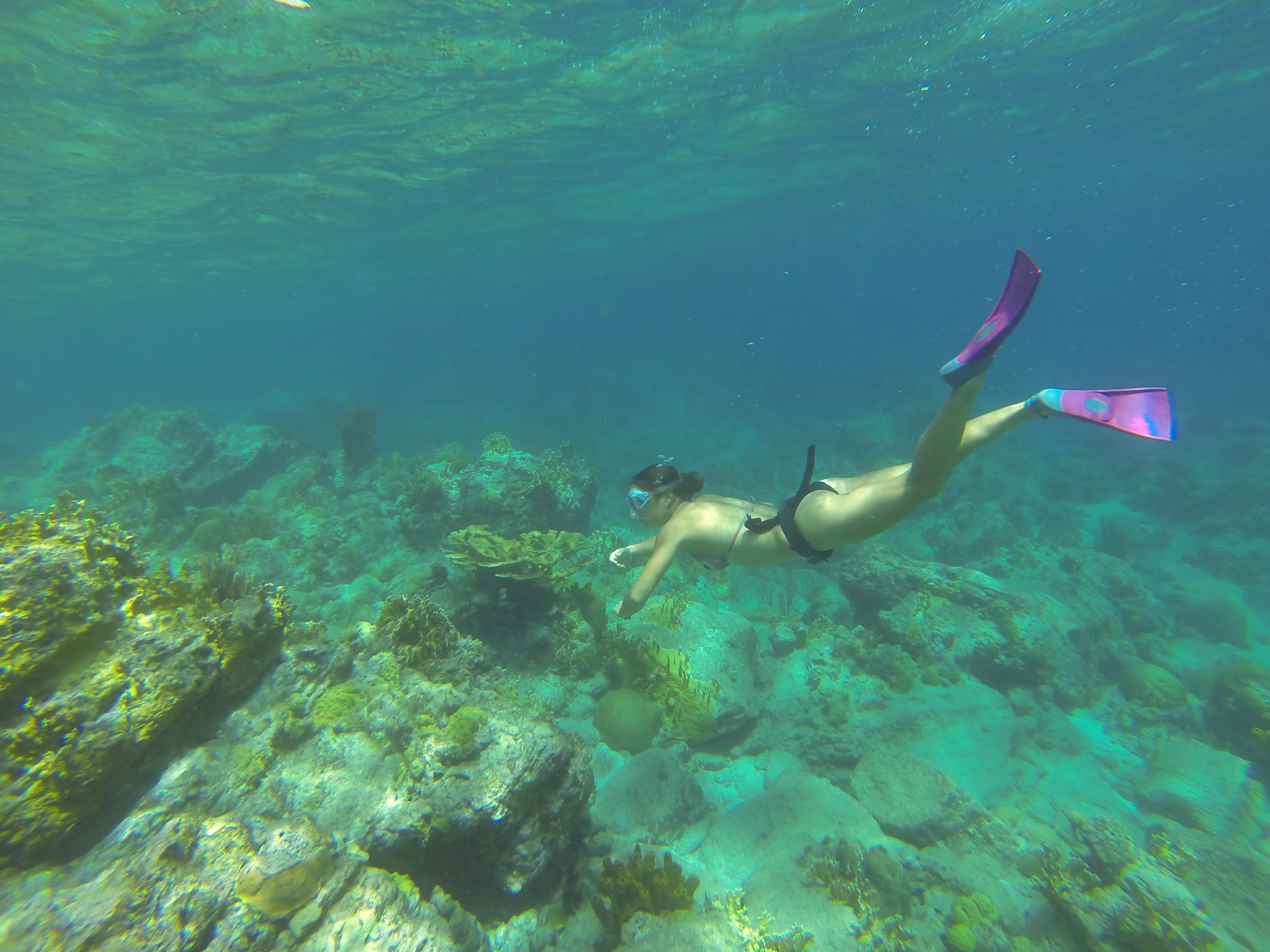
Kayaking and snorkelling in the Cousteau Reserve
You pick up your sea kayak on Malendure beach in Bouillante, then paddle to the Pigeon Islands, at the heart of the Cousteau Reserve. The highlight: slipping into the water with a mask and snorkel above the coral, where turtles and parrotfish cruise by.
Open to anyone who can swim, including accompanied children. Go in the morning, when the sea is calmer, and bring mineral sunscreen and water.
- Demi-journée (location de kayak, environ 20 minutes de pagaie jusqu'aux îlets)
- Environ 30 € la location de kayak (tarif affiché sur GetYourGuide en novembre 2026)
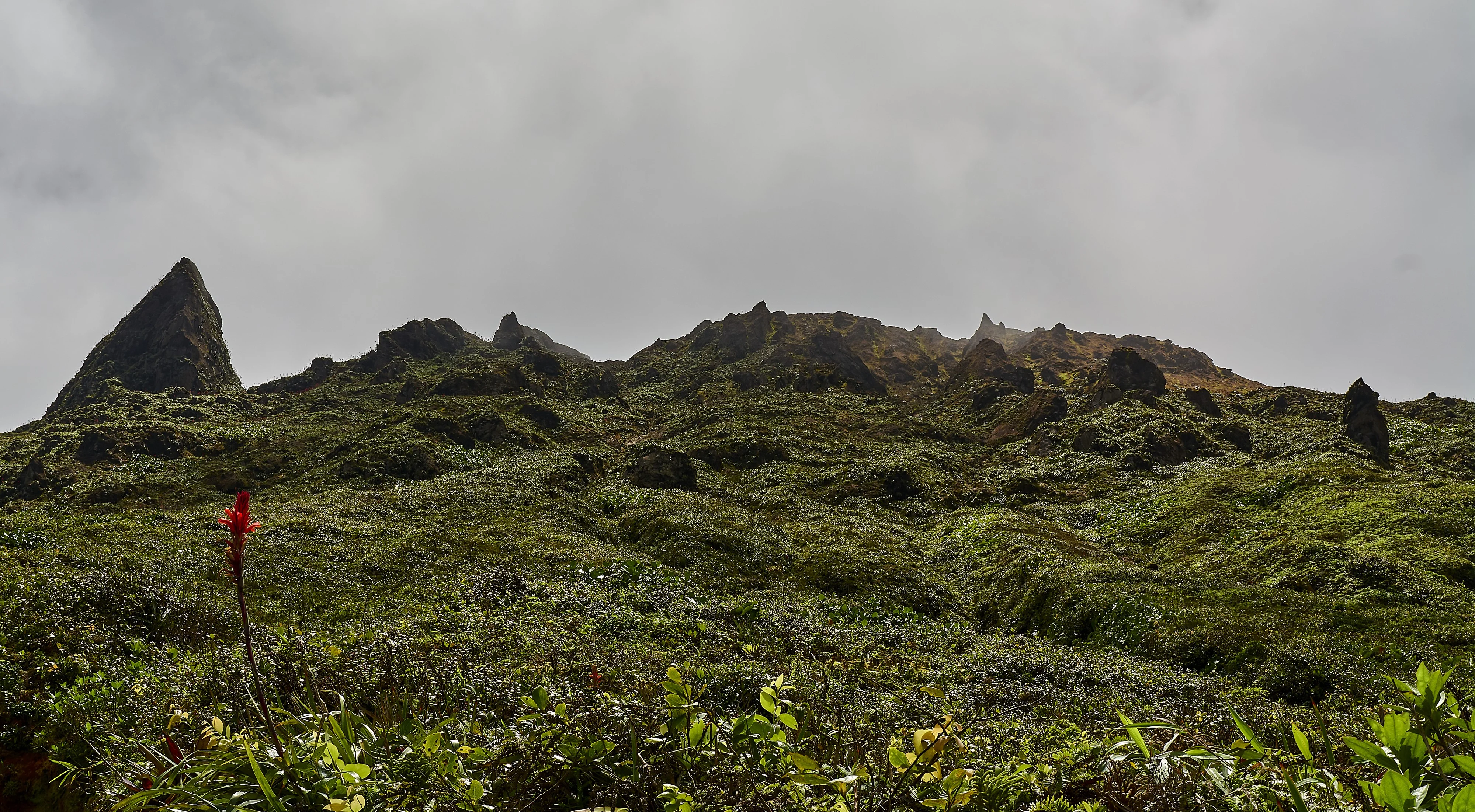
Hike to the summit of La Soufrière
Start from the Bains Jaunes car park in Saint-Claude, early in the morning. The Pas du Roy trail climbs through the rainforest, then between scree slopes to the summit plateau, where fumaroles and the smell of sulphur remind you that the volcano is active.
A good level of fitness is needed: the trail is steep, muddy and often in fog. Hiking boots, a windbreaker, water and snacks are essential; check the trail condition and closed areas on the National Park website the day before.
- Demi-journée aller-retour depuis les Bains Jaunes
- Gratuit (sentier balisé du parc national en accès libre)
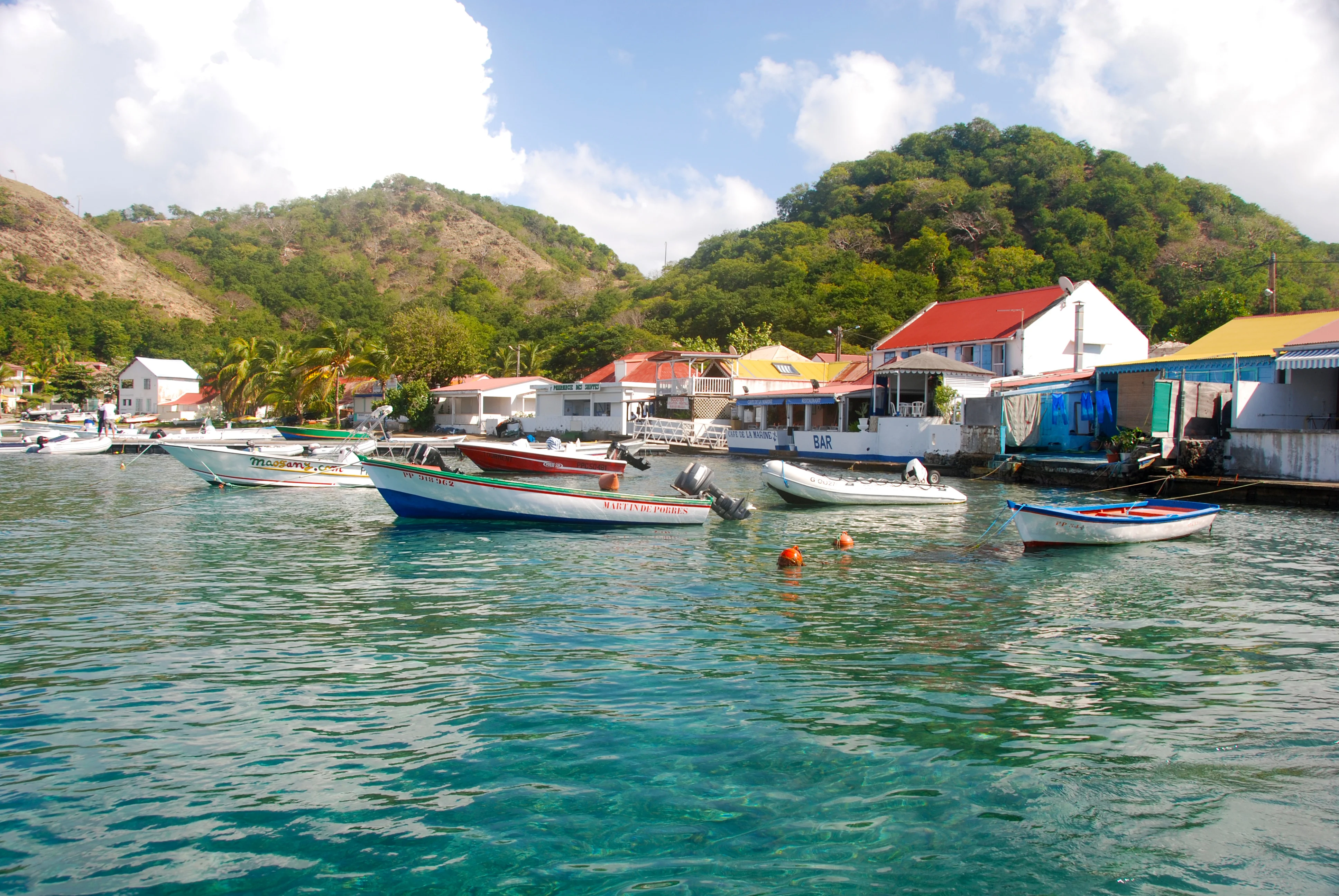
Sailing day trip to Les Saintes
You board in the morning and sail to the Les Saintes archipelago, with swimming and snorkelling stops in sheltered coves. The highlight: arriving in the bay of Terre-de-Haut among the yachts, with the Pain de Sucre in the background.
Suitable for everyone, families included; bring seasickness medication if you are prone to it. Book a few days ahead in high season.
- Journée complète en voilier
- Environ 150 € / personne, snorkeling compris (tarif affiché sur GetYourGuide en novembre 2026)
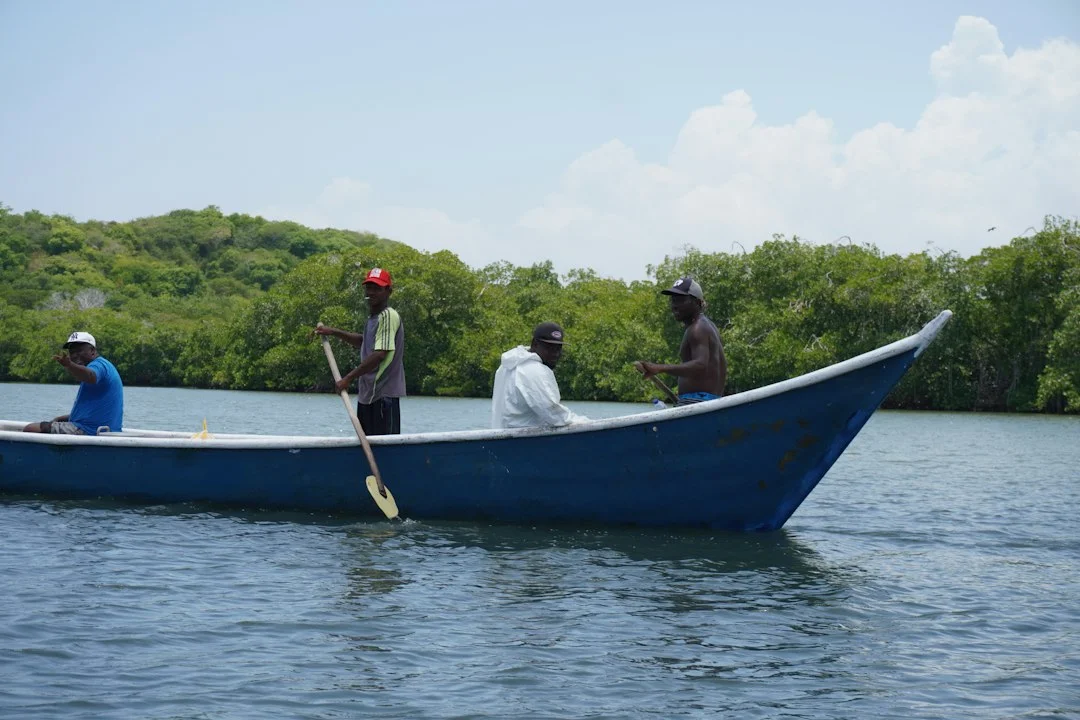
Boat trip in the Grand Cul-de-Sac Marin lagoon
Leave from Sainte-Rose on a guided trip into the Grand Cul-de-Sac Marin, the large lagoon enclosed by a coral reef in the north of Guadeloupe. On the programme: the mangrove and its aerial roots, white sand islets and a swimming and snorkelling stop above the seagrass beds.
Ideal for families, with no physical effort. Bring swimwear, a hat and sunscreen; morning departures have the clearest water.
- Environ une demi-journée en bateau
- Environ 70 € / personne (tarif affiché sur GetYourGuide en novembre 2026)
Rum route: distilleries of Basse-Terre and Marie-Galante
You follow the cane from field to bottle: crushing, distillation columns, ageing cellars, then a tasting of white and aged rums. On Basse-Terre, the Bologne distillery can be visited near the town of Basse-Terre; on Marie-Galante, Bielle, Bellevue and Poisson can all be reached in a morning.
For adults, with a driver who does not drink. Distilleries mostly run during the cane harvest, in the carême season; check visiting hours, often limited to the morning.
- 1 à 2 heures par distillerie
- Accès souvent gratuit ; visites guidées et dégustations selon les maisons
Getting there
You arrive in Guadeloupe at Pointe-à-Pitre Pôle Caraïbes airport (PTP), in Les Abymes. Air France, Air Caraïbes, Corsair and French bee fly direct from Paris in about 8 to 9 hours. Expect about €450 to €600 return outside holidays, much more in August and at Christmas.
All international arrivals land at Pointe-à-Pitre Pôle Caraïbes airport (code PTP), in Les Abymes, about ten minutes from Pointe-à-Pitre. Four airlines fly direct from Paris:
- Air France from Roissy-Charles-de-Gaulle;
- Air Caraïbes, Corsair and French bee from Orly.
The direct flight takes about 8 to 9 hours depending on the direction and the airline. Most English-speaking travellers connect via Paris, or via another Caribbean hub. Fares seen in 2026 from Paris run at around €450 to €600 return in low season, and often exceed €750 to €900 in August and during French school holidays. Book several months ahead for Christmas and February.
Guadeloupe is five hours behind Paris in winter (six in summer): if you land in the late afternoon, sleep near the airport or in Le Gosier rather than driving another hour and a half to Basse-Terre. If your flight from Paris is delayed or cancelled, our article on flight delay compensation explains your rights. And if you are still comparing winter-sun destinations, see our selection of where to go in January.
Getting around
In Guadeloupe, a hire car is essential: Karu'lis buses serve beaches and trails poorly. Expect about €30 to €50 a day off-season and €50 to €80 in high season. Les Saintes, Marie-Galante and La Désirade are reached by ferry, without a car for Les Saintes.
Almost every visitor picks up a hire car at the airport: it is the only way to fit in a beach in the morning and a waterfall in the afternoon. You drive on the right. Prices seen vary a lot: about €30 to €50 a day off-season, €50 to €80 from December to April. Book early for Christmas and February, when the rental fleet is fully booked.
- Traffic jams: around Pointe-à-Pitre, Jarry and Baie-Mahault, traffic grinds to a halt at rush hour. Leave plenty of time if you have a ferry or a flight to catch.
- Basse-Terre roads: winding, steep and often wet (the Route de la Traversée, the climb to Bains Jaunes). Allow about 1 h 15 to 1 h 30 between the airport and Deshaies or Trois-Rivières.
- Buses: the Karu'lis intercity network exists, with cheap tickets, but its timetables do not suit a sightseeing route.
Ferries to the islands:
- Les Saintes: shuttles from Trois-Rivières to Terre-de-Haut, a crossing of about 20 to 25 minutes (several companies, including CTM Deher). Cars are not carried: park in Trois-Rivières and rent a scooter or an e-bike on the island.
- Marie-Galante: from Pointe-à-Pitre (about 1 hour to Grand-Bourg) or from Saint-François (about 45 minutes to Saint-Louis).
- La Désirade: shuttle from Saint-François.
Crossing fares vary by company and season: check them on the operators' websites and book a return, especially the last boat of the evening.
What to do
In Guadeloupe, you climb La Soufrière, walk to Carbet Falls, swim with turtles in the Cousteau Reserve, laze on the beaches of Sainte-Anne and Grande Anse, and take the boat to the bay of Les Saintes and the distilleries of Marie-Galante.
A balanced first trip mixes three themes, one for each wing of the butterfly and one for the islands:
- Basse-Terre, nature: the climb up La Soufrière from Bains Jaunes, the second of the Carbet Falls, the Cascade aux Écrevisses on the Route de la Traversée, and the Cousteau Reserve around the Pigeon Islands, by kayak, snorkelling or diving.
- Grande-Terre, beaches and history: the lagoons of Sainte-Anne, the cliffs of the Pointe des Châteaux and the Porte d'Enfer, and the Mémorial ACTe in Pointe-à-Pitre, dedicated to the slave trade and slavery.
- The islands: the bay of Terre-de-Haut on Les Saintes, the beaches and windmills of Marie-Galante, and the peace of La Désirade.
Boat trips (the Grand Cul-de-Sac Marin lagoon, sailing to Les Saintes) should be booked a few days ahead in high season. Hikes are free and open to all on the national park's waymarked trails: check their condition on the park's website before you set off, as some sections close after heavy rain.
Food
Guadeloupean cuisine blends African, Indian and European influences: chicken or goat colombo, salt cod accras, fish court-bouillon, dombrés with prawns, and the bokit, a fried sandwich sold for about €3 to €5. It goes with rhum agricole, as a ti-punch or a planteur.
Dishes to try at least once:
- Colombo: the signature dish, a curry of Indian origin, usually made with chicken or goat, sometimes with fish.
- Accras de morue: salt cod fritters served with drinks, with sauce chien (onion, chilli, lime, herbs).
- Bokit: fried bread filled with salt cod, chicken or sausage, sold from food trucks and roadside huts, about €3 to €5 for a big portion.
- Court-bouillon: fish poached in a tomato sauce with herbs and chilli, the classic of seaside restaurants.
- Dombrés: small dough dumplings simmered with prawns or crab.
- Ouassous: large freshwater crayfish; the Routard guide warns that many of those served in restaurants are imported frozen, so ask where they come from.
For drinks, Guadeloupe produces rums under the geographical indication "Rhum de la Guadeloupe"; the word "agricole" refers to rums distilled from pure sugarcane juice. They are drunk as a ti-punch (white rum, cane sugar, lime) or a planteur, and fresh sugarcane juice is sold at the roadside.
For simple, local food, look for lolos, small neighbourhood restaurants and snack bars, and head to the covered market in Pointe-à-Pitre for spices and fruit.
Itineraries
In 10 days, combine Grande-Terre (4 nights), Basse-Terre (4 nights), a day on La Désirade and a day on Les Saintes. In 14 days, add two nights on Marie-Galante and one night on Les Saintes to enjoy the islands without the day-trippers.
Guadeloupe in 10 days
- Day 1: arrive in Pointe-à-Pitre, night in Le Gosier.
- Day 2: Mémorial ACTe and Pointe-à-Pitre market in the morning, then settle in Sainte-Anne.
- Days 3 and 4: Sainte-Anne beaches, Pointe des Châteaux at sunrise, Porte d'Enfer and Grande Vigie in the north.
- Day 5: day trip by boat to La Désirade from Saint-François.
- Day 6: cross to Basse-Terre via the Route de la Traversée and the Cascade aux Écrevisses, settle in Deshaies or Bouillante.
- Day 7: Cousteau Reserve by kayak or snorkelling, Grande Anse and the Deshaies botanical garden.
- Day 8: climb La Soufrière from Bains Jaunes, early in the morning.
- Day 9: day trip by boat from Trois-Rivières to Les Saintes (or Carbet Falls in the morning if you stay an extra night).
- Day 10: back to the airport (about 1 h 30 by road from Trois-Rivières or Deshaies).
Guadeloupe in 14 days
Follow the same outline, adding two nights on Marie-Galante (windmills, distilleries and Capesterre beach), one night on Terre-de-Haut to climb up to Fort Napoléon and watch the bay at sunset, and a rest day on the leeward coast. For another Caribbean stop later on, our Cancún travel guide covers the Mexican coast.
Climate & seasons
When to go to France?
Monthly averages over the past 5 years (Open-Meteo).
Best months
- January
- February
- March
- December
| Jan | Feb | Mar | Apr | May | Jun | Jul | Aug | Sep | Oct | Nov | Dec | |
|---|---|---|---|---|---|---|---|---|---|---|---|---|
| Our take | ||||||||||||
| Weather | ||||||||||||
| High | 28° | 29° | 29° | 30° | 31° | 31° | 31° | 31° | 31° | 31° | 30° | 29° |
| Rain (mm) | 40 | 54 | 59 | 66 | 82 | 97 | 128 | 153 | 173 | 163 | 122 | 58 |
| Beach | Beach January | Beach February | Beach March | Beach April | Beach May | Beach June | Beach December |
When to go
The best time to visit Guadeloupe is the carême, the dry season from December to May. The hivernage, from June to November, is wetter, with peak hurricane risk from August to October. It is about 27 °C all year; sargassum seaweed has no fixed season.
Guadeloupe's official tourism website distinguishes two seasons. The carême, from December to May, is the dry, sunny season: this is high season, covering the Christmas, February and Easter holidays. The hivernage, from June to November, brings humid heat and tropical showers, often late in the day: do your hikes in the morning.
- Temperature: about 27 °C on average, with little difference between months. The sea stays warm all year (around 26 to 29 °C depending on the readings).
- Hurricanes: peak risk runs from August to October. If you travel then, take out cancellation insurance and follow the bulletins from Météo-France Guadeloupe.
- Sargassum: this brown seaweed washes up with no fixed calendar. Météo-France Guadeloupe described 2026 as one of the worst years on record, with fewer strandings at the end of the summer. East-facing coasts (south and north-east of Grande-Terre, east of Basse-Terre) are the most affected: check Météo-France's sargassum stranding bulletin before picking your beach.
The best compromise for a first trip: January to April, drier, with Carnival filling the streets from January until Ash Wednesday. May and June are quieter and often cheaper, before the rainy season.
Budget
Expect about €50 to €70 per person per day on a budget, €100 to €140 mid-range and €200 to €280 for comfort, excluding flights. Add €450 to €950 for a return flight from Paris and about €40 a day for a hire car.
Guadeloupe has mainland French prices, or slightly higher for food and accommodation in high season. Rough figures per person per day, excluding flights, based on a couple travelling together:
- Budget: €50 to €70, about £45-60 / $55-75 (simple shared gîte, supermarket shopping, bokits and lolos, free beaches and hikes).
- Mid-range: €100 to €140, about £85-120 / $115-160 (hotel or bungalow with a pool, dinner in a restaurant, one boat trip during the week).
- Comfort: €200 to €280, about £170-240 / $230-320 (boutique hotel by the sea, private excursions, dives).
The big costs to budget for separately:
- Flights: about €450 to €600 return from Paris outside holidays, up to €950 at peak times.
- Car: about €40 a day for an economy car, more at Christmas and in February.
- Excursions: about €30 to rent a kayak in the Cousteau Reserve, about €70 for a guided trip in the Grand Cul-de-Sac Marin lagoon, about €150 for a sailing day to Les Saintes (prices listed on GetYourGuide in November 2026).
Money savers: beaches, national park trails and many distillery visits are free, and a bokit at lunchtime costs a third of a restaurant main course.
Work out your budget
Backpacker
350 – €490
50 – €70 per person per day
Mid-range
700 – €980
100 – €140 per person per day
Upscale
1,400 – €1,960
200 – €280 per person per day
On top of that
- International flights (return) 450 – €950
- Car rental (economy category) €280
- Sea kayak rental in the Cousteau Reserve €30
- Sailing day trip to Les Saintes with snorkelling €150
Extras total €460
On-the-ground estimate, international flights excluded unless stated. Prices vary by season and how early you book. Figures updated on 08/11/2026.
Where to stay
For a first stay in Guadeloupe, use two bases: Sainte-Anne or Saint-François on Grande-Terre for the beaches, then Deshaies or Bouillante on Basse-Terre for La Soufrière, the waterfalls and the Cousteau Reserve. Add one or two nights on Les Saintes or Marie-Galante.
Staying in one place for the whole trip would cost you hours on the road: Basse-Terre and the eastern tip of Grande-Terre are almost two hours apart. The most practical bases:
- Sainte-Anne: a lively small town, with La Caravelle beach and the Bois Jolan lagoon nearby, and plenty of guesthouses and mid-sized hotels. Prices seen are around €80 a night for a mid-range hotel.
- Saint-François: a marina, boats to La Désirade and Marie-Galante, and the Pointe des Châteaux 10 minutes away. A little pricier, around €130 a night on average for a hotel.
- Le Gosier: the closest to the airport, handy for the first or last night.
- Deshaies: a fishing village on the leeward coast, with Grande Anse and the botanical garden a few minutes away; a few places from about €60 a night.
- Bouillante (Malendure): the base for divers and snorkellers, facing the Pigeon Islands.
- Terre-de-Haut (Les Saintes) and Marie-Galante: a night on the island lets you enjoy it once the day-trippers have left.
Holiday cottages (gîtes) and bungalows make up most of what is on offer: expect about €60 to €190 a night for two depending on comfort and season. Before booking, ask your host whether the property has a water tank: several towns have scheduled water cuts (see the safety section).
Safety
Guadeloupe is a safe destination for families and couples. The real risks are natural: hurricanes from June to November, currents on the Atlantic coast, sargassum, and La Soufrière, under constant monitoring (yellow alert in the July 2026 bulletin). In an emergency, dial 15, 17, 18, 112, or 196 at sea.
France Diplomatie publishes no travel advice for Guadeloupe, since it is French national territory. The useful precautions are mostly natural and practical:
- Volcano: the Guadeloupe Volcanological and Seismological Observatory (OVSG-IPGP) kept La Soufrière on yellow alert in its July 2026 bulletin. The current level is published on the OVSG-IPGP website; access to the summit is restricted because of the gases: follow the signs and respect closed areas.
- Hurricanes and earthquakes: hurricane season runs from June to November, peaking from August to October; the archipelago is also in a high seismic zone. Follow Météo-France Guadeloupe's warnings and your host's instructions.
- Swimming: the Atlantic coast (north and east of Grande-Terre, east of Basse-Terre) has dangerous currents. Swim in lagoons and sheltered coves, and respect the flags.
- Sargassum: as it rots, this seaweed gives off hydrogen sulphide, which smells of rotten eggs. Avoid beaches where it piles up, especially with children or if you have breathing problems.
- Manchineel trees: these beach trees have toxic sap and fruit. Never shelter under them when it rains; their trunks are often marked with a red band.
- Water: several towns have scheduled water cuts (tours d'eau). Check the schedule on the website of the water authority, SMGEAG, and keep a few litres in reserve.
- Theft: leave nothing visible in the car at beach and trailhead car parks.
Emergency numbers: 15 (SAMU, ambulance), 17 (police or gendarmerie), 18 (fire brigade), 112 (European emergency number), 196 (sea rescue, CROSS Antilles-Guyane).
Formalities
Guadeloupe is part of France and the EU but outside the Schengen area: a Schengen visa alone does not let you in. EU citizens need an ID card or passport; UK, US and Canadian nationals are in principle visa-exempt for short tourist stays.
Guadeloupe is part of France and the EU but outside the Schengen area. That changes the rules for some travellers:
- French, EU and Swiss citizens: a valid national ID card or passport. No visa, no form.
- Other nationalities: a short-stay Schengen visa does not let you enter Guadeloupe unless it explicitly says so; an "overseas visa", valid for up to 90 days, exists for nationalities that need one. UK, US and Canadian nationals are in principle visa-exempt for a short tourist stay, but check your own case on the official france-visas.gouv.fr website before booking.
Phone: according to Arcep, the French telecoms regulator, EU mobile plans work in Guadeloupe just like at home (check your operator's data cap). UK, US and other non-EU visitors, as well as travellers from Switzerland, should install an eSIM before leaving: our article on travel eSIMs explains how they work and what they cost.
Health: no vaccinations are required. Travel insurance with medical cover is essential. The Santé publique France bulletin of 30 October 2026 describes the dengue situation on the archipelago as stable; still protect yourself from mosquitoes (repellent, long sleeves in the evening), as there is no cure. Health authorities also advise against eating seafood or root vegetables from uncontrolled sources every day, because of soil pollution by chlordecone.
Tips
Key tips for Guadeloupe: book your hire car early, split your stay between Grande-Terre and Basse-Terre, hike in the morning before the rain, check sargassum and water cuts, and carry cash for lolos, markets and bokit trucks.
- Get up early: the sun sets around 6 pm all year, the peaks often cloud over by late morning, and the beaches are quieter before 10 am.
- Two bases rather than one: a week in Sainte-Anne then one in Deshaies saves you from spending your days in the Pointe-à-Pitre traffic.
- Sundays: many shops close, but the beaches fill up with Guadeloupean families. Arrive early or visit an island that day.
- Paying: cards are accepted almost everywhere, but lolos, markets and roadside sellers prefer cash.
- Tipping: it is not compulsory; people round up the bill when the service was good.
- A few words of Creole: "Bonjou" (hello), "Mèsi" (thank you), "Sa ka fèt?" (how are you?). Saying hello when you walk into a shop is expected.
- Sargassum: before choosing your beach for the day, look at Météo-France Guadeloupe's stranding bulletin: it mostly flags east-facing coasts (south and north-east of Grande-Terre, east of Basse-Terre).
- Hiking: closed shoes, a windbreaker and water, even for a short walk: Basse-Terre's trails are muddy and slippery after rain.
FAQ
Guadeloupe is French and EU territory but outside Schengen; the best time to go is December to May, and 10 to 14 days let you see Grande-Terre, Basse-Terre and one or two islands.
Do I need a passport to go to Guadeloupe?
French and EU citizens can travel with a valid national ID card. Other travellers should check their entry requirements, because Guadeloupe is outside the Schengen area: UK, US and Canadian nationals are in principle visa-exempt for a short tourist stay, but confirm on france-visas.gouv.fr.
What is the best time to visit Guadeloupe?
The carême, from December to May, is the dry season. January to April has the best weather; if you can, avoid August to October, the peak of hurricane season.
How many days do you need to visit Guadeloupe?
Allow at least 10 days to see Grande-Terre, Basse-Terre and one island on a day trip, and 14 days to sleep on Les Saintes or Marie-Galante.
How much does a week in Guadeloupe cost?
Excluding flights, expect about €700 to €1,000 per person for a mid-range week (accommodation, car, meals and one excursion), plus €450 to €950 for a return flight from Paris.
Do I need to rent a car in Guadeloupe?
Yes: public transport does not serve the beaches or the trails well. Book early for the Christmas and February holidays.
Where can I swim in Guadeloupe without sargassum?
Météo-France Guadeloupe's bulletins mostly flag east-facing coasts (south and north-east of Grande-Terre, east of Basse-Terre). Strandings change from day to day: check the stranding bulletin before choosing your beach.
Grande-Terre or Basse-Terre: where should I stay?
Both: Grande-Terre (Sainte-Anne, Saint-François) for the beaches and lagoons, Basse-Terre (Deshaies, Bouillante) for La Soufrière, the waterfalls and the Cousteau Reserve.
Sources
The figures in this guide come from the sources below, checked on the publication date.
Leave a comment
Share your thoughts or travel experience. Your email will not be published.