

Contents 30
Overview
Mauritius is a volcanic island in the Indian Ocean, ringed by an almost continuous lagoon, about eleven hours' direct flight from Paris. People come for the beaches and snorkelling, but also for Le Morne Brabant, Chamarel, Black River Gorges and a unique mix of Creole, Indian and Chinese culture: allow ten to fifteen days.
Mauritius is an Indian Ocean island of about 1,865 km², east of Madagascar and some 200 km from Réunion. A coral reef surrounds it almost completely and creates a turquoise lagoon, while the interior keeps its volcanic peaks, sugar cane fields and a protected native forest. Independent since 1968, the island has English as its official language, but French and Mauritian Creole are spoken everywhere.
Each coast has its own character. The north, around Grand Baie and Trou aux Biches, is the liveliest, with calm lagoons and boat trips to the offshore islets. The east, from Belle Mare to Île aux Cerfs, has the longest beaches and the luxury hotels. The west, from Flic en Flac to Le Morne, is sheltered from the wind and gives you the sunsets, the dolphins of Tamarin and easy access to Chamarel. The south stays wild, with cliffs and a coast without a reef.
This guide covers the 12 places not to miss, from UNESCO-listed Le Morne Brabant to the Aapravasi Ghat in Port Louis, and explains cyclone season, car hire, the budget and entry requirements for a first trip.
Still choosing between Indian Ocean islands? Our Seychelles guide covers the neighbouring archipelago, wilder and more expensive, and our where to go in January selection explains why Mauritius, in the middle of its rainy season that month, gives way to other winter sun destinations.
12 places to take with you
In the guide's order, ready for Google Maps or your GPS.
Book the activities from this guide
Our picks for Mauritius, well rated and free to cancel.
-
Book this activity
Catamaran trip to Île aux Cerfs
environ 70 € par personne, déjeuner barbecue et boissons inclus
-
Book this activity
Dolphin watching on the west coast
environ 75 € par personne, déjeuner et boissons inclus
-
Book this activity
Guided hike to the summit of Le Morne Brabant
environ 50 € par personne, guide inclus
Affiliate links: Travel Advice earns a commission if you book, at no extra cost to you. Learn more

Gris-Gris and the wild south coast
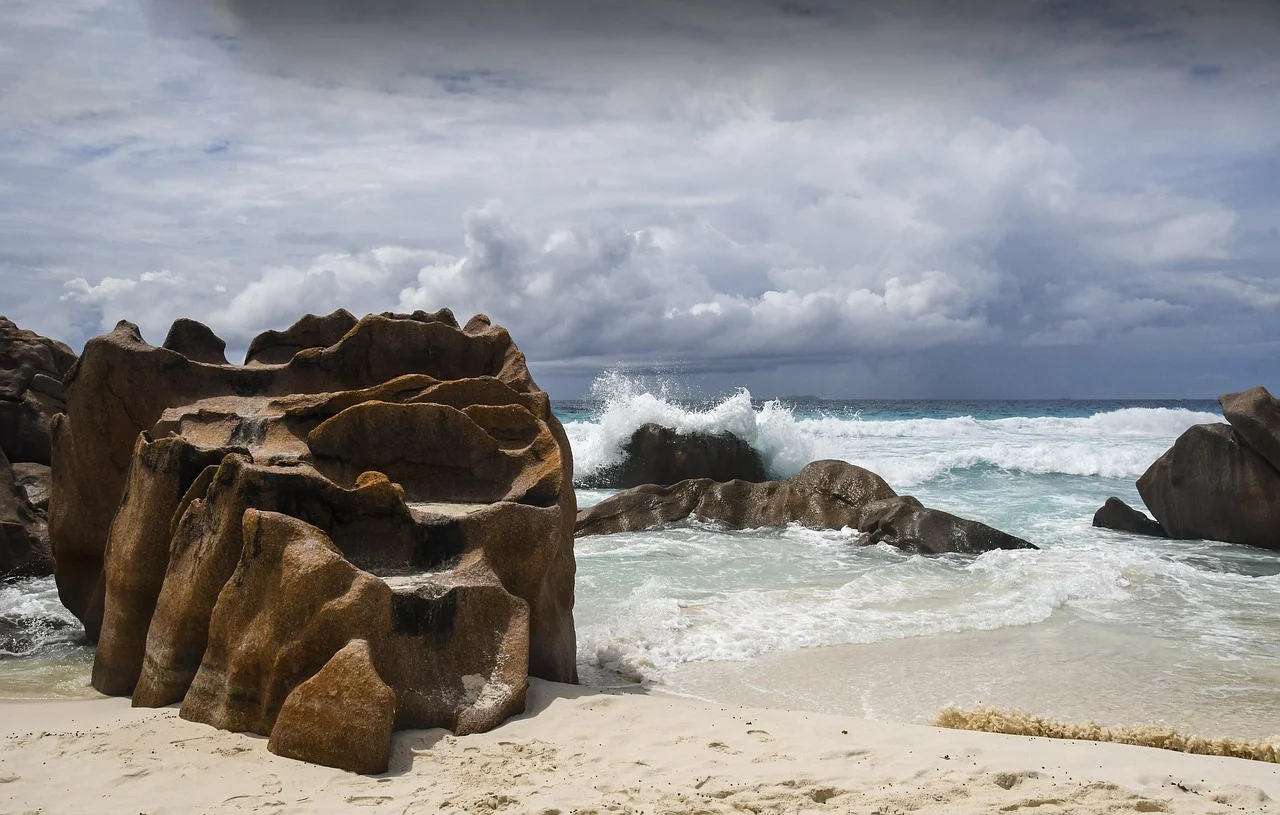
At Gris-Gris, the scenery changes completely: no lagoon, just the Indian Ocean crashing head-on into black cliffs in a roar of spray.
Near Souillac, the south coast of Mauritius is one of the few stretches of the island without a coral reef, so the southern swell rolls straight in. Gris-Gris and, a little further on, the "Roche qui pleure" (Weeping Rock) are its best-known viewpoints.
You follow the clifftop path, go down to the small beach below to watch the waves, then carry on to the Telfair Garden in Souillac. An hour is enough.
Few travellers make the effort to come this far, yet this is the landscape that shows the island's raw side, far from the postcards.
Stop by in the late afternoon on your way back from Chamarel, when the low light picks out the cliffs.

Le Morne Brabant
From the lagoon, Le Morne Brabant looks like a basalt fortress sitting on turquoise water, and from the air, the currents at its foot create the illusion of a waterfall plunging under the sea.
This rock of about 555 m, at the south-western tip of the island, was a refuge for runaway slaves (maroons) fleeing the plantations in the 18th and 19th centuries. The "Le Morne Cultural Landscape" has been a UNESCO World Heritage Site since 2008 as a symbol of resistance to slavery.
You climb to the summit with a guide, on a steep trail whose last section means using your hands: about three to four hours there and back, with a view over the whole south-western lagoon. At the foot of the rock, Le Morne public beach and the Slave Route memorial complete the visit.
Most visitors only see it from the beach; climbing to the top also shows you why the maroons chose it.
Wear hiking shoes, take two litres of water, and do not climb after rain, as the rock gets slippery.

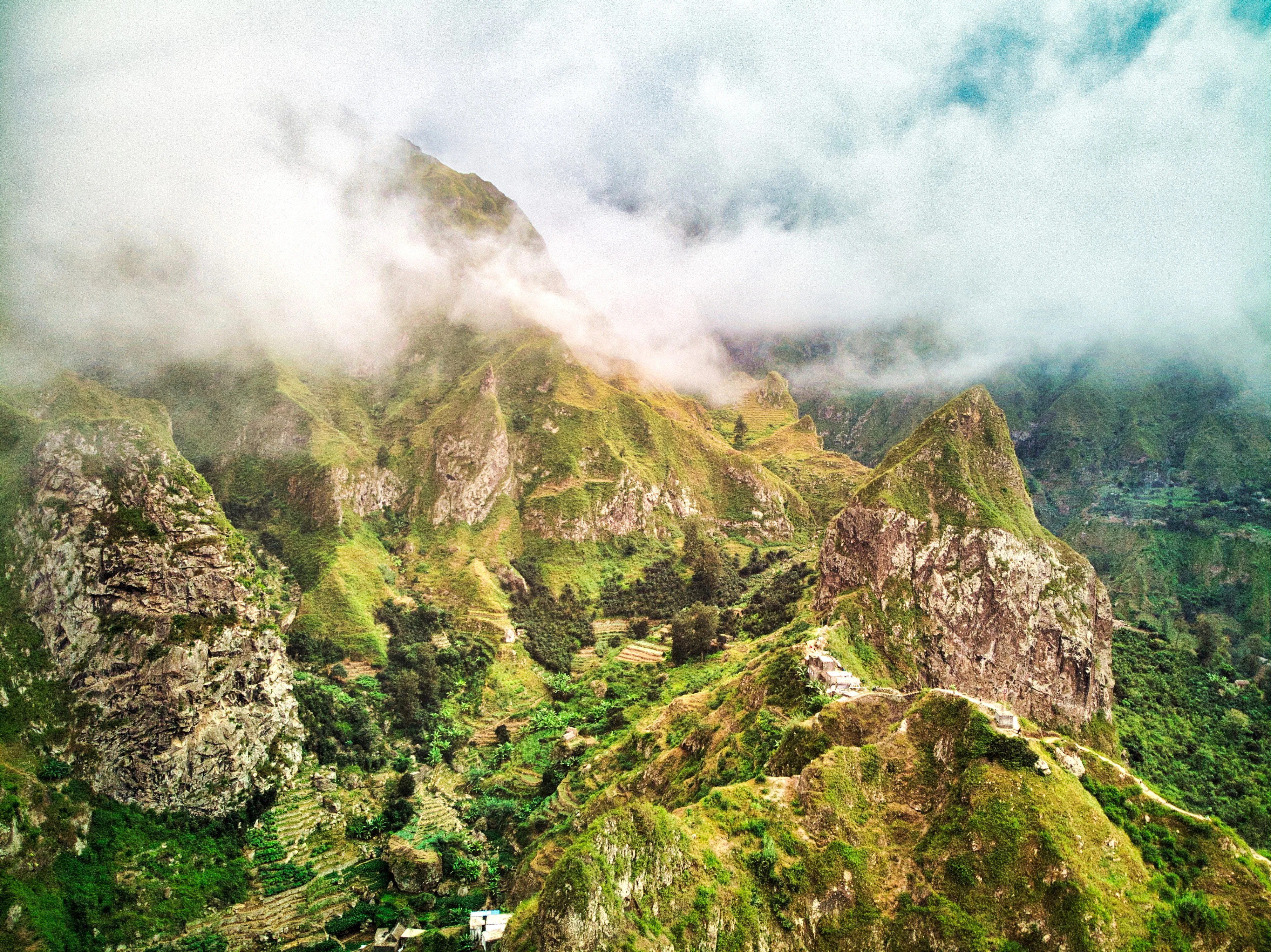
Chamarel Seven Coloured Earth
In the middle of the forest, the ground suddenly ripples into small red, ochre, brown and purple dunes, like a painter's palette left out in the sun.
These dunes come from volcanic rock weathered into clays rich in iron and aluminium, whose colours stay separate despite the rain. The site is part of a private geopark that also includes the Chamarel waterfall, a drop of almost 100 m into a bowl of greenery, viewpoints and a giant tortoise enclosure.
You follow the wooden walkway around the dunes, go down to the waterfall viewpoint, then carry on to the Chamarel rum distillery by the road. Allow an hour to an hour and a half on site.
Black River Gorges are a fifteen-minute drive away: the two visits combine easily in the same morning.
The colours stand out even more after a shower, so don't give up on a grey day.

Île aux Cerfs
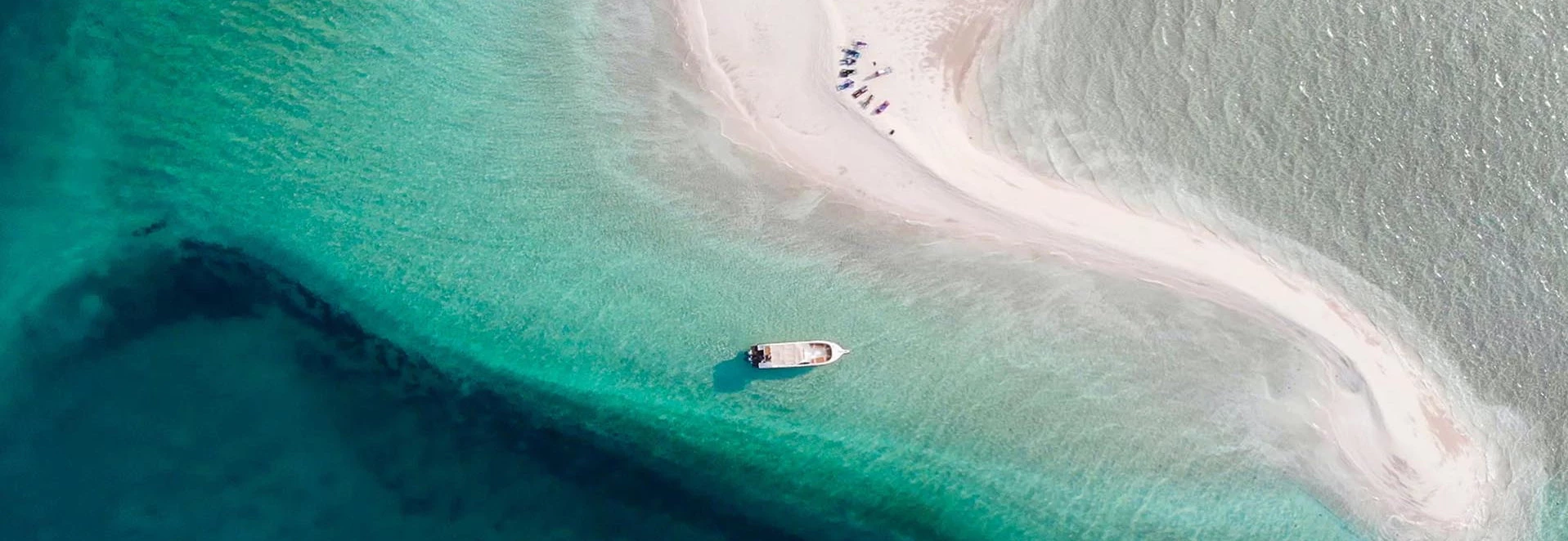
The boat crosses a lagoon in a thousand shades of blue, then lands on a strip of white sand lined with casuarina trees: Île aux Cerfs looks like the postcard you picture when booking your trip.
This islet off the east coast, opposite Trou d'Eau Douce, is largely taken up by a golf course; its beaches and sandbanks remain open to everyone. It is the most popular boat trip on the island.
People come for the day: swimming in shallow water, snorkelling, optional water sports, lunch on the island or a barbecue on board the catamarans, often combined with a stop at the Grande Rivière Sud-Est waterfall.
Early in the morning, before the catamarans arrive, the sandbanks are almost deserted.
Avoid weekends and Mauritian school holidays, when the island is packed.

Aapravasi Ghat (Port Louis)
On the Port Louis waterfront, a flight of worn stone steps leads up to low basalt buildings: hundreds of thousands of immigrants first set foot on the island on these steps.
The Aapravasi Ghat was the immigration depot through which, from 1834, almost half a million indentured labourers passed, mostly from India, brought in to replace slaves on the sugar plantations after abolition. The site has been a UNESCO World Heritage Site since 2006; it tells the origin story of most of today's Mauritian population.
You visit the remains of the depot and the nearby interpretation centre, whose registers, photos and objects trace the labourers' journey, in about an hour. The central market and the Caudan waterfront are a few minutes' walk away.
An hour here helps you understand Mauritian society today, where the descendants of the indentured labourers are the majority.
Come on a weekday and check opening hours before you go, as the site closes on some public holidays.

Black River Gorges National Park
From the viewpoint, your eyes drop into a forested gorge that runs all the way to the ocean, sometimes with the white flight of a tropicbird or the call of an endemic parakeet.
Created in 1994, Mauritius's largest national park protects much of what remains of the island's native forest, along with species saved just in time such as the pink pigeon and the Mauritius kestrel. Entry is free.
You can stop at the roadside viewpoints (Black River Gorges, Alexandra Falls) or walk one of the marked trails, such as the Macchabée trail or the descent to the river, from two to six hours depending on the route.
The park covers about 6,500 hectares, a large share of the native forest still standing on the island.
The trails are slippery after rain; wear closed shoes and bring a windbreaker, as it is much cooler than on the coast.

Grand Baie
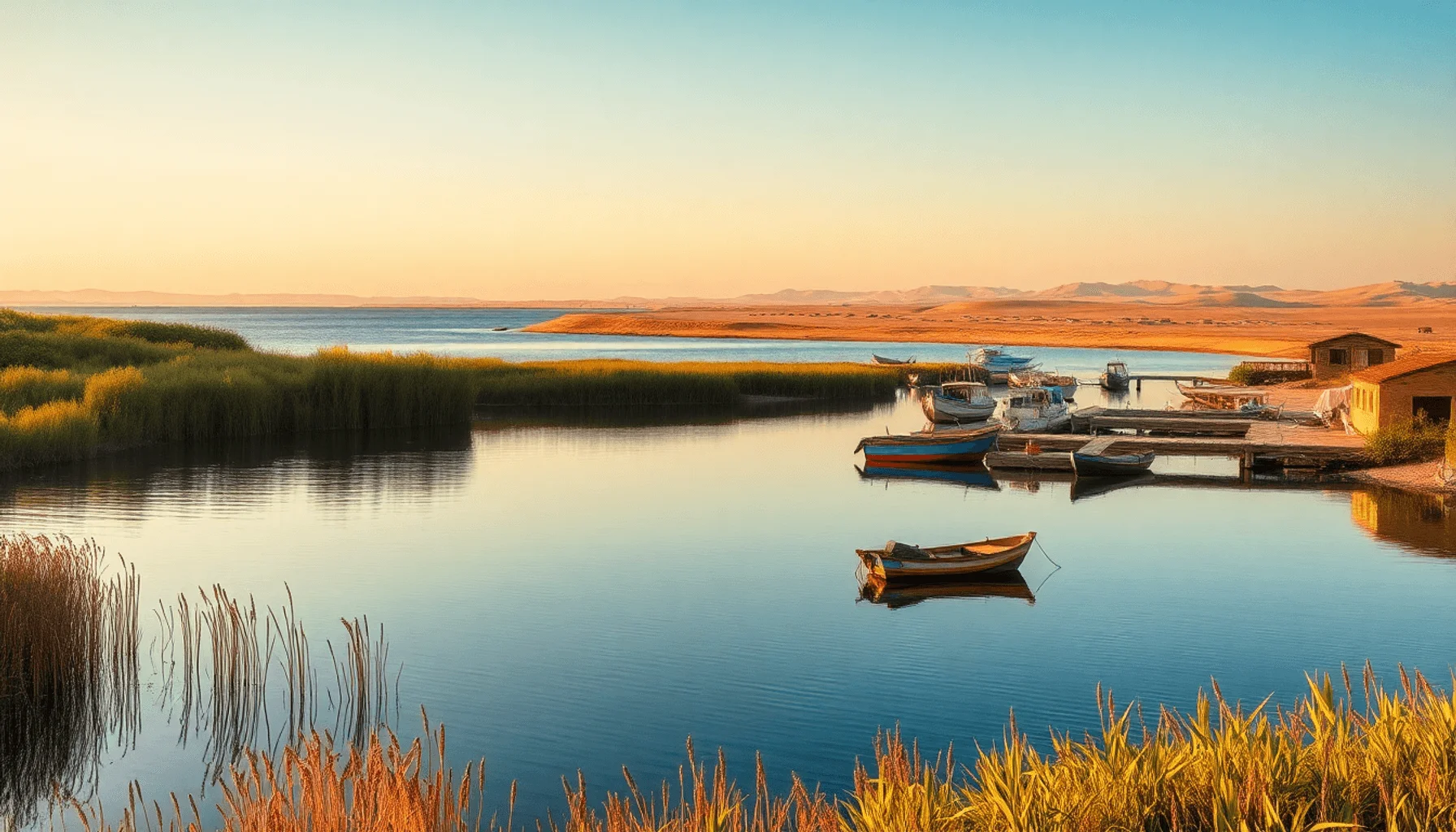
In the bay, dozens of boats bob on jade-coloured water, while the main street buzzes with shops, restaurants and bars until late at night.
Once a fishing village, Grand Baie has become the island's liveliest resort, in the heart of the north coast. It is the base for boat trips to the northern islets: Coin de Mire, Île Plate and Île Gabriel.
You swim at La Cuvette, a small sheltered beach, or at Pereybère, two kilometres away, board a catamaran for a day out to the islets, and enjoy the many bars and restaurants that stay open late.
For a stay without a car, it is the most practical base: buses to Port Louis, tour agencies and restaurants all within walking distance.
Leave nothing in the car at night, as thefts are more common here than elsewhere.

Pamplemousses Botanical Garden
On the large pond, the leaves of the Victoria water lilies spread out like trays almost two metres across, with upturned rims, and white and pink flowers open between them.
The Sir Seewoosagur Ramgoolam Botanical Garden, known as Pamplemousses Garden, was developed from 1770 by the French administrator Pierre Poivre, who acclimatised spices and tropical plants here. Today it brings together dozens of palm species, spice trees, lotus ponds and an enclosure of deer and tortoises.
You stroll for one to two hours along shaded paths, from the royal palm avenue to the giant water lily pond. Official guides offer their services at the entrance.
The garden is about twenty minutes from Port Louis, so you can combine it with the capital on the same day.
Bring insect repellent, as the shady paths are full of mosquitoes.

Grand Bassin (Ganga Talao)
By the lake, incense mingles with the sound of bells, flower offerings float on the water, and a huge statue of Shiva watches over the access road.
Grand Bassin, or Ganga Talao, is a crater lake in the central highlands, held sacred by the Hindu community. Every year, during the festival of Maha Shivaratri in February or March, hundreds of thousands of pilgrims walk here from all over the island. The Shiva statue, the Mangal Mahadev, is more than 30 m tall.
You walk around the lakeside temples, watch the rituals and the monkeys roaming nearby, then head on to Black River Gorges, just down the road. Allow half an hour to an hour.
Nearly half of Mauritians are Hindu, and this is where their devotion is most visible.
During Maha Shivaratri, the road is reserved for pilgrims for several days: check the dates before planning your visit.

Trou aux Biches
At Trou aux Biches, the lagoon is so calm and shallow that you can wade out a long way, feet in the sand, with fish swimming around your ankles.
This long white sand beach shaded by casuarina trees stretches along the north-west coast, between Mont Choisy and Pointe aux Piments. Protected by the reef, it is considered one of the safest beaches on the island for swimming.
You swim, snorkel along the reef and watch the sunset, since the coast faces west. Dive centres in the area offer try dives at nearby sites.
Grand Baie is only about ten minutes away by car, for restaurants and excursions.
Bring water shoes, as a few sea urchins hide near the rocky patches.

Belle Mare
At Belle Mare, the beach stretches as far as the eye can see, lined with casuarinas, and the lagoon shifts from pale green to deep blue all the way to the white line of the reef.
On the east coast, Belle Mare and Palmar form a beach several kilometres long, one of the longest in Mauritius. The shaded public beach sits next to the coast's big luxury hotels.
You swim, walk along the sand, go kayaking or windsurfing, and head from here to Île aux Cerfs, a few minutes' drive away. The coast is exposed to the trade winds, which are stronger in the southern winter.
For a relaxing stay by the water, few places on the island offer as much space.
The public beach has car parks and food stalls, a good way to enjoy Belle Mare without staying in a resort.

Flic en Flac
In the late afternoon, Flic en Flac beach fills with families and strollers who come to watch the sun sink into the ocean behind the reef.
This west coast resort has several kilometres of sand lined with casuarinas, sheltered from the trade winds. It grew up around apartments, guesthouses and hotels of every category.
You swim in a calm lagoon, dive the drop-offs near the reef, and head from here to Tamarin for the dolphins or to Chamarel and Le Morne, half an hour's drive away.
In the southern winter, when the east coast is windy, the sun usually keeps shining here.
Don't leave belongings on the sand in the evening, as thefts are reported.
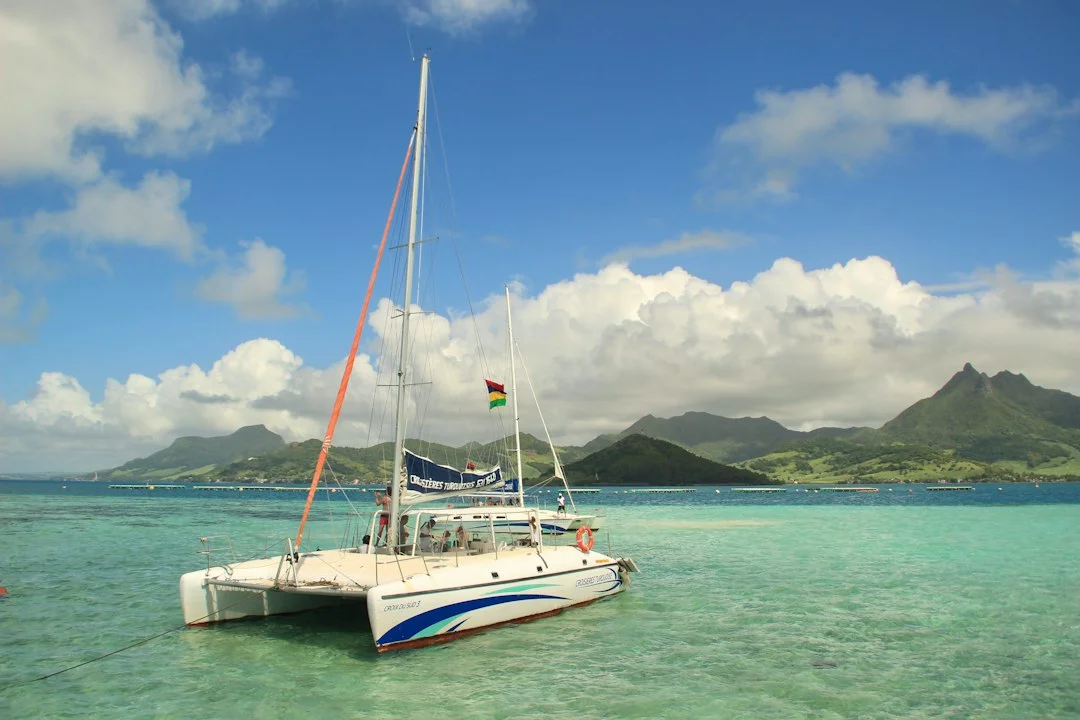
Catamaran trip to Île aux Cerfs
You board in the morning on the east coast, sail across the lagoon with a snorkelling stop, pass the Grande Rivière Sud-Est waterfall, then have a barbecue lunch on board and a free afternoon on the beaches of Île aux Cerfs. The highlight: dropping anchor in turquoise water above the sandbanks.
Suitable for everyone, families included; bring sunscreen, a hat and a towel. Book early in your stay: trips are cancelled in bad weather and can then be rescheduled.
- une journée, environ 8 h, transfert compris
- environ 70 € par personne, déjeuner barbecue et boissons inclus
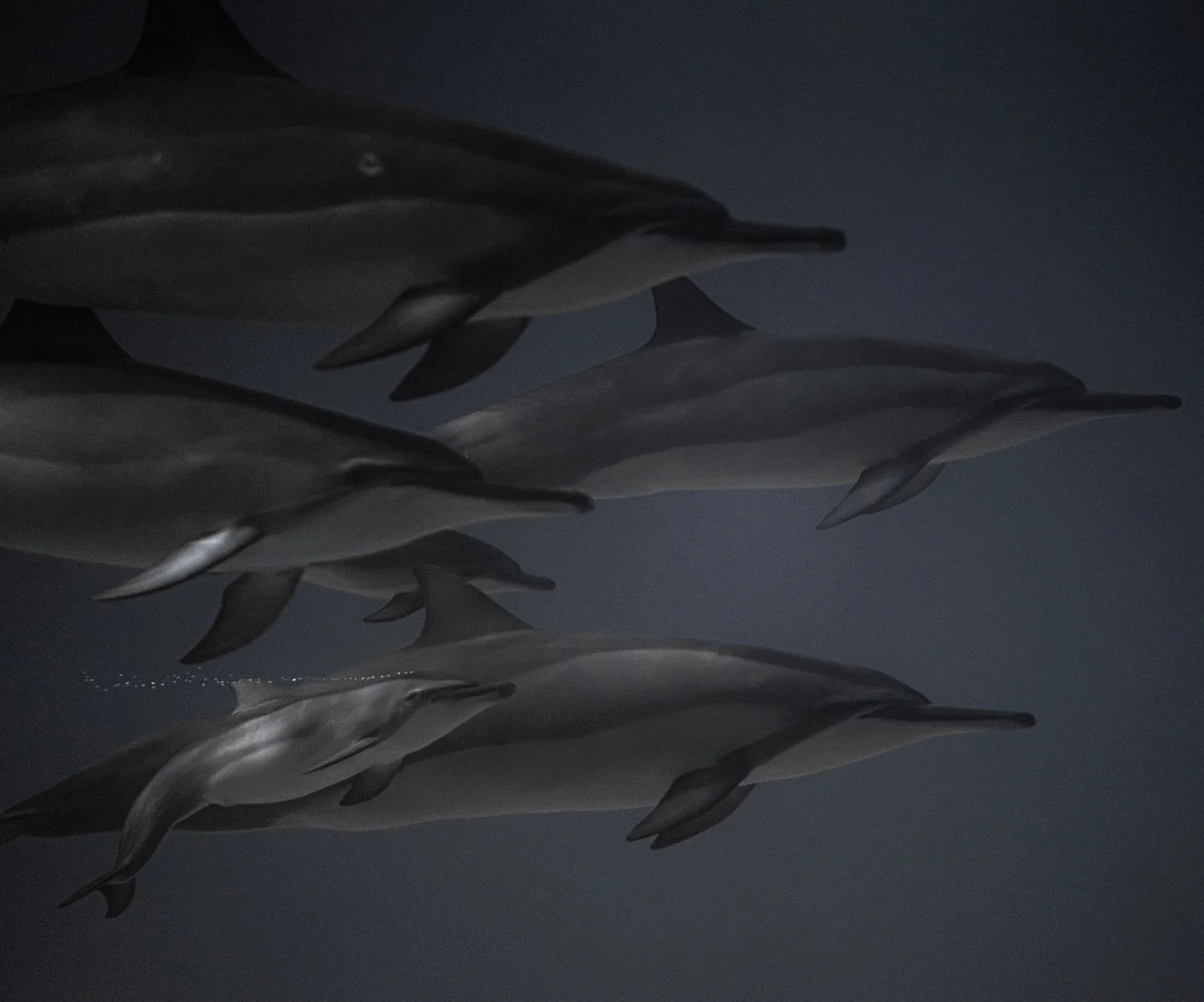
Dolphin watching on the west coast
You leave the west coast around 7 am to look for the bottlenose and spinner dolphins that rest in Tamarin Bay, then sail towards Le Morne for snorkelling and lunch on board. The highlight: dolphins swimming at the bow of the catamaran.
Choose an operator that limits approach time and the number of boats; watching from the deck disturbs the animals less than swimming alongside them. The sea is calmer in the morning.
- une journée, départ tôt le matin
- environ 75 € par personne, déjeuner et boissons inclus
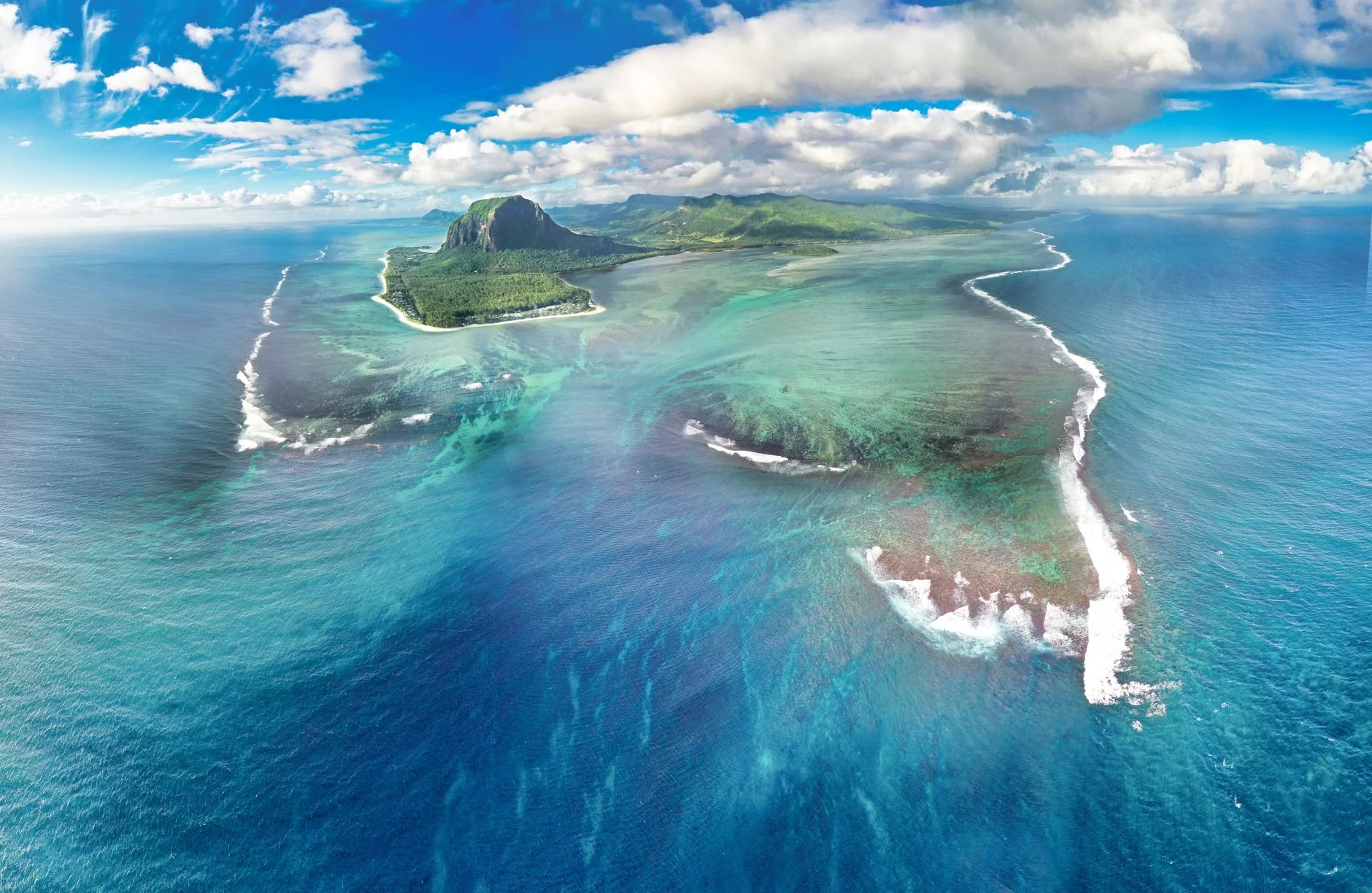
Guided hike to the summit of Le Morne Brabant
You meet at the foot of Le Morne early in the morning, climb through dry forest to the cross, then scramble up a steep section to the summit, with a guide who tells the story of the runaway slaves who hid here. The highlight: the 360° view over the lagoon and Île aux Bénitiers.
You need to be reasonably fit, and the last part is not advised if you suffer from vertigo; hiking shoes and two litres of water are a must.
- environ 3 h 30 aller-retour
- environ 50 € par personne, guide inclus
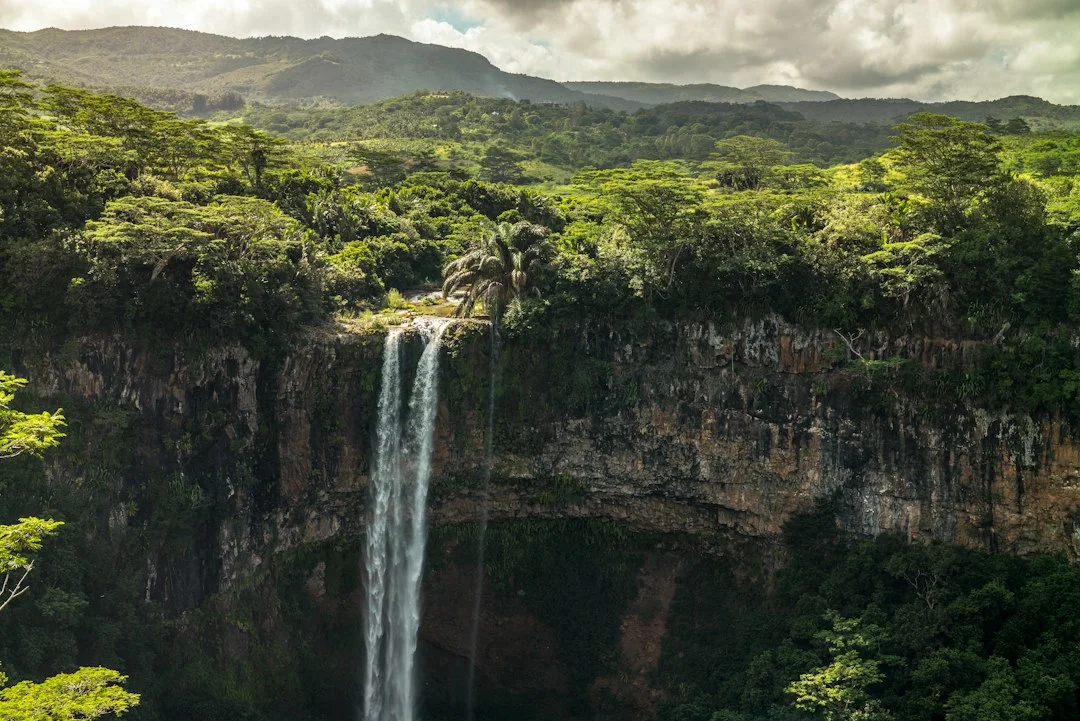
South-west day tour: Chamarel, the gorges and Grand Bassin
Hotel pick-up, a stop at the sacred lake of Grand Bassin, the Black River Gorges viewpoint, then the Chamarel geopark with the Seven Coloured Earth and the waterfall, and back along the Le Morne coast. The highlight: the gorges viewpoint, where the forest drops all the way to the ocean.
Ideal without a car or if you would rather not drive on the left; check whether entrance fees are included and bring a jacket, as it is cool in the highlands.
- une journée, environ 8 h, prise en charge à l'hôtel
- environ 110 € par personne (excursion privée), entrées parfois en sus
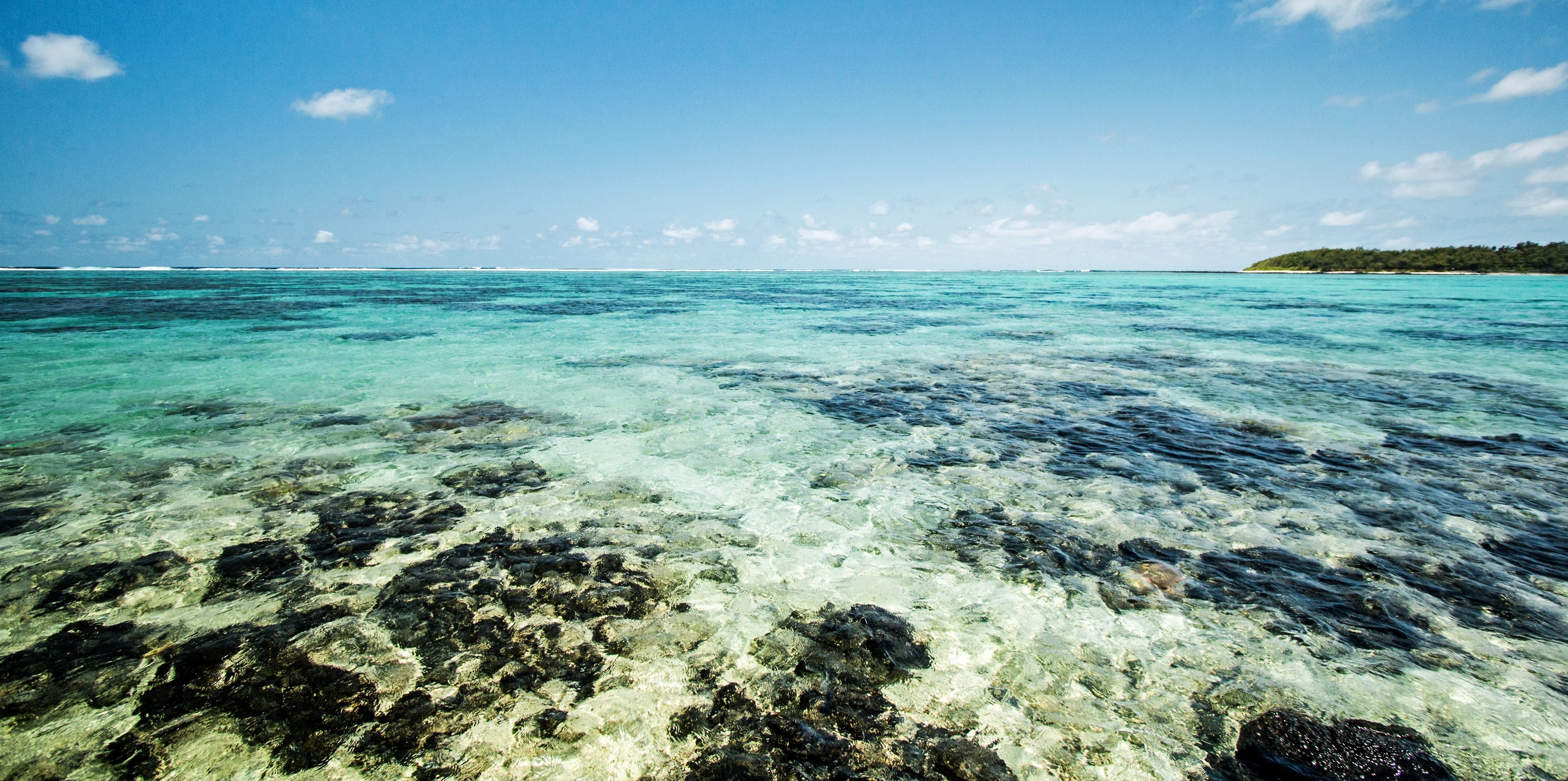
Glass-bottom boat and snorkelling in Blue Bay
You leave from Blue Bay beach, cross the marine park in a glass-bottom boat over the coral, then stop to snorkel among parrotfish and butterflyfish. The highlight: the coral garden, just a few metres below the hull.
Suitable for beginner swimmers; don't touch or stand on the coral, and use a reef-safe sunscreen. The sea is calmer in the morning.
- environ 2 h
- environ 25 € par personne, matériel de snorkeling inclus
Getting there
You reach Mauritius by direct flight from Paris in about eleven and a half hours with Air Mauritius or Air France, and, depending on the season, from London. All flights land at Sir Seewoosagur Ramgoolam International Airport in the south-east of the island.
The only international airport, Sir Seewoosagur Ramgoolam (MRU), is at Plaisance, in the south-east of the island near Mahébourg. From Paris, Air Mauritius and Air France fly direct all year round, joined in some seasons by other airlines such as Corsair, often overnight, in about eleven to twelve hours. From the UK there are direct flights from London depending on the season (British Airways has served the route); otherwise, connecting flights go via Dubai, Réunion or Johannesburg, sometimes cheaper but much longer.
Mauritius is on UTC+4: four hours ahead of London in winter and three in summer (three and two hours ahead of Paris). Overnight flights let you arrive in the morning and enjoy your first day, as long as your accommodation lets you check in on arrival.
From the airport, allow about 45 minutes to Blue Bay or Mahébourg, an hour to Belle Mare or Flic en Flac, and about an hour and a quarter to Grand Baie, depending on traffic around Port Louis. Official taxis have a desk in the arrivals hall; a transfer booked in advance saves you haggling after eleven hours in the air. If you are hiring a car, pick it up at the airport.
Getting around
A hire car is the most practical way to explore Mauritius, from about €35 to €45 a day; you drive on the left. Buses are very cheap but slow, and the Metro Express links Port Louis with Curepipe.
The island is only about sixty kilometres long, but winding roads and traffic jams around Port Louis stretch journey times: allow an hour and a half to two hours to drive from north to south. A hire car is still the best way to see Chamarel, the gorges, the wild south and the beaches at your own pace. You drive on the left, road signs are in English, and a UK or EU driving licence is accepted.
Buses cover the whole island for a few dozen rupees a ride, from the stations in Port Louis, Curepipe or Mahébourg; they are slow, irregular at weekends and stop early in the evening. The Metro Express, a modern light rail line, links Port Louis with Rose-Hill, Quatre Bornes and Curepipe, handy for visiting the capital without a car.
Taxis are expensive and the fare is agreed before you set off; many drivers also offer a fixed-price day tour, a good option if you would rather not drive. For the islets (Île aux Cerfs, Coin de Mire, Île aux Aigrettes), you take a boat from the coast.
What to do
In Mauritius, you come for the lagoons and snorkelling, Le Morne Brabant, Chamarel Seven Coloured Earth, Black River Gorges, Port Louis and the Aapravasi Ghat, Grand Bassin and Pamplemousses Botanical Garden. A catamaran trip to Île aux Cerfs and a dolphin outing round off the stay.
Your time splits between the sea and the interior. On the lagoon side: swimming at Trou aux Biches or Belle Mare, a catamaran trip to Île aux Cerfs, snorkelling in Blue Bay Marine Park, a boat trip to the northern islets from Grand Baie, and dolphin watching off Tamarin.
On land, the south-west packs the highlights into a single day: Le Morne Brabant, Chamarel and its Seven Coloured Earth, the nearby waterfall, the viewpoints of Black River Gorges and the sacred lake of Grand Bassin. The wild south ends at the cliffs of Gris-Gris.
For culture, Port Louis has the central market, the Caudan waterfront and the UNESCO-listed Aapravasi Ghat, while Pamplemousses Botanical Garden, north of the capital, shows off its giant water lilies. The 12 places and 5 activities below are ranked by interest for a first trip.
Food
Mauritian food blends Indian, Creole, Chinese and French influences: curry, rougaille, dholl puri, mine frit and gâteaux piment. Street dholl puri, a split pea flatbread topped with curry, is the first dish to try.
Dholl puri, a thin flatbread stuffed with ground split peas and topped with bean curry, rougaille and chutney, is the island's signature street food: you eat it on the go for a few dozen rupees, especially at the central market in Port Louis. Farata, a thicker flatbread, often comes with it.
At the table, curry (chicken, ourite, meaning octopus, or fish) and rougaille, a spicy tomato sauce, are served with rice, lentils and achards (pickled vegetables). The Chinese heritage shows in mine frit (fried noodles) and dumplings, and gâteaux piment, chilli split pea fritters, are sold on every street corner.
For drinks, try alouda, sweet milk with basil seeds, the local Phoenix beer and the island's agricultural rums, including the one from the Chamarel distillery. Fish and seafood are excellent by the sea, but much pricier in hotel restaurants.
Itineraries
With ten days, split your stay between the north (lagoons, islets, Port Louis, Pamplemousses) and the west (Le Morne, Chamarel, the gorges, dolphins). With two weeks, add three nights on the east coast for Île aux Cerfs and the south-east for Blue Bay.
Ten days: north + west
Five nights in the north, around Grand Baie or Trou aux Biches: beach time, a catamaran trip to the islets, a day in Port Louis (central market, Aapravasi Ghat, Caudan) and a morning at Pamplemousses Botanical Garden. Five nights in the west, in Flic en Flac or Tamarin: a dolphin trip, the Le Morne Brabant hike, and a day in the south-west with Chamarel, Black River Gorges, Grand Bassin and Gris-Gris.
Two weeks: around the island
Four nights in the north, five in the west, then three nights on the east coast, in Belle Mare or Trou d'Eau Douce, for Île aux Cerfs and the long beaches. Finish with two nights in the south-east, in Blue Bay or Mahébourg: snorkelling in the marine park, Île aux Aigrettes and the airport close by for your flight home.
One week without a car
Base yourself in Grand Baie, take the bus to Port Louis and Pamplemousses, and book two day trips with hotel pick-up: a catamaran to Île aux Cerfs and a south-west tour with Chamarel.
If you are thinking of combining two Indian Ocean islands, our Seychelles guide will help you compare. If you would rather head to the Caribbean, our Guadeloupe travel guide covers the French side of the islands.
Climate & seasons
When to go to Mauritius?
Monthly averages over the past 5 years (Open-Meteo).
Best months
- September
Avoid
- January
- February
| Jan | Feb | Mar | Apr | May | Jun | Jul | Aug | Sep | Oct | Nov | Dec | |
|---|---|---|---|---|---|---|---|---|---|---|---|---|
| Our take | ||||||||||||
| Weather | ||||||||||||
| High | 26° | 26° | 26° | 25° | 23° | 21° | 20° | 21° | 21° | 23° | 25° | 26° |
| Rain (mm) | 247 | 210 | 185 | 146 | 94 | 82 | 85 | 85 | 68 | 90 | 116 | 181 |
| Hiking & nature | Hiking & nature May | Hiking & nature June | Hiking & nature July | Hiking & nature August | Hiking & nature September | Hiking & nature October | Hiking & nature November |
What to do by season (autumn)
-
Hiking & nature
Mild temperatures, stable conditions.
When to go
The best times to visit Mauritius are April to June and September to early December: dry or warm without excess, with a low cyclone risk that only rises from late December. January to March is the hot, humid and cyclone-prone southern summer; July and August are cooler and windy on the east coast.
Mauritius is in the southern hemisphere, so its seasons are the reverse of Europe's. The southern summer, from November to April, is hot and humid, with afternoons around 30 °C on the coast and a sea at about 27 to 28 °C. The southern winter, from May to October, is drier and cooler, around 24 to 26 °C by day on the coast, with the sea dropping to about 23 °C.
Cyclone season runs from November to April, with the highest risk from January to March. A cyclone does not hit the island every year, but tropical depressions bring heavy rain, rough seas and cancelled trips when they do. If you travel at this time, take out cancellation insurance and keep your plans flexible.
In July and August, the trade winds blow hard on the east coast (Belle Mare, Île aux Cerfs): the water is choppier and the air cooler. The west coast, from Flic en Flac to Le Morne, stays more sheltered and sunny. In summer it is the other way round, and the east coast is the more pleasant one.
- To escape the European winter: October to early December, before the January to March cyclone peak.
- Diving and snorkelling: October to April, warm water and good visibility in calm weather.
- Hiking: May to November, when the heat is moderate.
- Surfing at Le Morne and Tamarin: June to August, with the southern swell.
Budget
Expect about €45 to €70 per person per day on a budget (roughly US$50–80 / £40–60), €100 to €170 mid-range and €220 to €400 in a beach hotel, excluding flights. A return flight from Paris costs about €650 to €1,100, more at Christmas.
Mauritius has a luxury image, but you can travel on a mid-range budget by staying in guesthouses or apartments and eating in small restaurants and at street stalls. Typical 2026 figures, per person per day, excluding international flights:
- Budget: €45 to €70, roughly US$50–80 or £40–60 (guesthouse, buses, street food, public beaches).
- Mid-range: €100 to €170, roughly US$115–195 or £85–145 (seafront hotel or studio, shared hire car, a few excursions).
- Comfort: €220 to €400, roughly US$250–460 or £190–340 (beach hotel on half board, private excursions).
A return flight from Paris costs about €650 to €1,100 depending on the season, more during the Christmas and February school holidays. Also budget for a hire car (about €35 to €45 a day), fuel, one or two boat trips (€30 to €120 per person depending on the package) and entrance fees, including the Chamarel geopark (about €15 to €20).
The currency is the Mauritian rupee (MUR), around 50 rupees to €1 in 2026. Cards are accepted in hotels, supermarkets and larger restaurants; keep some rupees for markets, street stalls and buses.
Work out your budget
Backpacker
315 – €490
45 – €70 per person per day
Mid-range
700 – €1,190
100 – €170 per person per day
Upscale
1,540 – €2,800
220 – €400 per person per day
On top of that
- International flights (return) 650 – €1,100
- Compact car rental €280
- Catamaran trip to Île aux Cerfs, lunch included €70
- Chamarel geopark entrance (Seven Coloured Earth) €18
Extras total €368
On-the-ground estimate, international flights excluded unless stated. Prices vary by season and how early you book. Figures updated on 22/10/2026.
Where to stay
For a first trip, stay in the north (Grand Baie, Trou aux Biches) for nightlife and calm lagoons, or in the west (Flic en Flac, Tamarin) for sunshine and access to Chamarel and Le Morne. Expect about €50 to €90 a night in a guesthouse and €150 to €400 in a beach hotel.
The north (Grand Baie, Pereybère, Trou aux Biches, Mont Choisy) is the liveliest area: restaurants, supermarkets, bars, boat trips to the islets, and calm lagoons all year round. It is the most practical base for a first stay without a car.
The west (Flic en Flac, Wolmar, Tamarin, La Gaulette) is sheltered from the trade winds, sunny and close to the south-west sights: Chamarel, Black River Gorges, Le Morne and the dolphin trips. Flic en Flac has a good choice of mid-priced apartments and guesthouses.
The east (Belle Mare, Trou d'Eau Douce) is where the big luxury hotels line huge beaches, ideal for a lazy beach holiday, less so for exploring. The south-east (Blue Bay, Mahébourg) is quiet, close to the airport and to Blue Bay Marine Park.
Typical 2026 prices: €50 to €90 a night in a guesthouse or studio, €150 to €400 in a beach hotel, and much more in high-end resorts. A good plan is to combine two bases, for example the north then the west, to cut down on long drives.
Safety
Mauritius is a safe destination for travellers. The main risks are petty crime in tourist areas, currents on the reefless south coast, driving on the left and, from January to March, cyclones.
Mauritius is one of the most stable countries in Africa. Petty crime (bag snatching, car break-ins) happens mostly in Port Louis, Grand Baie and Flic en Flac, especially at night: leave nothing visible in the car or unattended on the beach.
In the lagoon, swimming is usually calm, but watch out for sea urchins and coral (water shoes recommended) and for the passes where the current flows out to sea. On the south coast, which has no protective reef, as at Gris-Gris, swimming is dangerous.
On the road, driving on the left, narrow roads, overtaking buses and pedestrians on the verges call for care; avoid driving at night on minor roads.
From January to March, follow the bulletins of the Mauritius Meteorological Services: during a cyclone warning, the rules are strict and boat trips are suspended. Foreign ministries have also flagged a measles alert: check that your vaccinations are up to date.
Formalities
EU and UK citizens do not need a visa for a tourist stay in Mauritius. You need a passport valid for your whole stay, a return ticket, and the online "Mauritius All in One Travel Form" completed before arrival.
For a tourist stay, EU and UK citizens are visa-exempt: a stay permit is issued on arrival. According to the UK government, British visitors can stay up to 60 days; EU citizens are usually granted up to 90 days, according to several sources. Other nationalities should check with the Mauritius Passport and Immigration Office, and everyone should read the UK Foreign Office travel advice before leaving, as rules can change.
On arrival you will be asked for a passport valid for your whole stay, a return or onward ticket, and the address of your accommodation. Before you go, fill in the online "Mauritius All in One Travel Form" and keep the QR code you receive, printed or on your phone; otherwise, you fill in a paper landing card at the airport.
No vaccinations are required when arriving from Europe; a yellow fever certificate is only requested from travellers who have been in a country at risk. Health checks may be stepped up for travellers coming from countries affected by an outbreak.
Mauritius is outside the European Union, so your home operator will charge roaming: a local eSIM keeps you online for GPS navigation in the car.
Tips
In Mauritius, hire a car for at least a few days, combine two coasts rather than one, book Le Morne and the dolphins early in the morning, and pack water shoes for the lagoon.
- Two coasts rather than one: north then west, or east then west, to enjoy both climates and cut down on long drives.
- Mornings are best: do the Le Morne hike, the dolphin trips and Chamarel before 9 am, ahead of the heat and the groups.
- Beaches are public: even in front of the big hotels, access to the sand is free; public beaches get very busy on Sundays with Mauritian families.
- Water shoes: essential against the sea urchins and coral in the lagoon.
- Respect the dolphins: choose an operator that limits the number of boats and the approach time; never chase the pods.
- Cancellation insurance from January to March, in case of a cyclone.
- Type G sockets: many hotels have British-style sockets, so travellers from the UK are set; others should pack an adapter.
To stay connected, our travel eSIM guide explains how to stay reachable without roaming charges outside the European Union.
FAQ
For a first trip to Mauritius, go between April and June or September and December, stay in the north then the west, hire a car and allow ten to fifteen days.
When is the best time to visit Mauritius?
April to June and September to early December, for pleasant weather and a low cyclone risk. January to March is hot and humid, with cyclones possible; in July and August, the east coast is cool and windy.
Do I need a visa for Mauritius?
Not for a tourist stay if you hold an EU or UK passport; other nationalities should check with the Mauritius Passport and Immigration Office. You need a passport valid for your whole stay, a return ticket and the online "Mauritius All in One Travel Form", completed before arrival.
Which coast should I choose in Mauritius?
The north for nightlife and calm lagoons, the west for sunshine, sunsets and access to Le Morne and Chamarel, the east for long beaches and luxury hotels. For a first trip, combine the north and the west.
How much does a trip to Mauritius cost?
Expect €45 to €70 a day on a budget and €100 to €170 mid-range, plus €650 to €1,100 for a return flight from Paris.
Should I hire a car in Mauritius?
It is strongly recommended for visiting the south-west, the gorges and the beaches at your own pace. You drive on the left, a UK or EU licence is accepted, and hire costs about €35 to €45 a day.
Can you swim with dolphins in Mauritius?
Trips leave early in the morning from Tamarin and Black River. Choose watching from the boat and an operator that limits the approach: the dolphins rest in the bay after a night of hunting.
How many days do you need in Mauritius?
Ten days let you see the north and the west; two weeks let you go around the island from three bases without rushing.
Sources
The figures in this guide come from the sources below, checked on the publication date.
Leave a comment
Share your thoughts or travel experience. Your email will not be published.