

Contents 28
Overview
The Seychelles is an archipelago of 115 islands in the Indian Ocean, off East Africa, famous for its granite beaches and two UNESCO World Heritage sites.
The Seychelles is an archipelago of 115 islands scattered across the Indian Ocean, about 1,600 km east of Africa. The granite, mountainous inner islands (Mahé, Praslin, La Digue) hold most of the population and tourism, while the coral outer islands stay wild and remote.
This is a blended land where Creole, English and French live side by side, and where nature rules: two places hold UNESCO World Heritage status, the Vallée de Mai and Aldabra Atoll. You come here for the beaches, the diving and a one-of-a-kind endemic wildlife.
- Country: Republic of Seychelles
- Capital: Victoria (on Mahé)
- Currency: Seychellois rupee (SCR)
- Languages: Seychellois Creole, English, French
- UNESCO sites: Vallée de Mai (1983), Aldabra Atoll (1982)
Torn between the two great Indian Ocean islands? Our comparison Zanzibar or Seychelles sets budgets, beaches and seasons side by side.
10 places to take with you
In the guide's order, ready for Google Maps or your GPS.
Book the activities from this guide
Our picks for Seychelles, well rated and free to cancel.
-
Book this activity
Snorkeling and diving in Sainte-Anne Marine Park
~EUR 50-90 per person
-
Book this activity
Meeting the giant tortoises on Curieuse
~EUR 60-100 per person
Affiliate links: Travel Advice earns a commission if you book, at no extra cost to you. Learn more

Anse Source d'Argent
In a cove on La Digue, turquoise water laps at almost-pink sand between blocks of granite polished by the millennia: you can see why this is one of the most photographed beaches in the world.
Often voted among the most beautiful beaches on the planet, it nestles within the historic L'Union Estate, a former coconut and vanilla plantation.
You reach it on foot or by bike after paying the entry fee, then string together coves separated by the rocks and swim in shallow water ideal for photos and idling.
No other beach in the Seychelles brings together this sand-granite-turquoise trio in such a compact, accessible setting.

Vallée de Mai
Under the canopy of the Vallée de Mai, the silence is broken only by the cry of the black parrot and the crack of giant palm fronds: you're walking through a forest left almost untouched since prehistory.
Listed as a UNESCO World Heritage site in 1983, this primeval palm forest at the heart of Praslin is home to the coco de mer, whose nut can weigh up to 42 kg — the largest seed in the plant kingdom.
You follow shady trails for 1h30 to 2h, on the lookout for the six endemic palm species and the rare Seychelles black parrot.
It's one of only two UNESCO sites in the archipelago that's easy to reach: a journey back in time that no beach can replace.

Anse Lazio
At the northwestern tip of Praslin, a long curve of white sand opens between large granite boulders and takamaka trees that dip down to the water.
Regularly ranked among the ten most beautiful beaches in the world, Anse Lazio unfurls about 600 m of sand fringed by clear water.
You come here to swim and to snorkel along the side rocks, and two restaurants let you stretch out the day without heading back.
Wider and better for swimming than Anse Source d'Argent, it's the ideal way to round off a day on Praslin.

La Digue Island
The moment you step off the ferry, the pace changes: here you get around by bike or ox cart, and the loudest engine is the sound of the surf.
The fourth inhabited island of the Seychelles, La Digue keeps an almost car-free way of life, built around wild coves like Grand Anse, Petite Anse and Anse Cocos.
You spend the day stringing together beaches by bike, swimming in sheltered coves and tasting island slowness.
It's the postcard image of the archipelago: granite, coconut palms and authenticity gathered on a few square kilometres.

Beau Vallon
On the northwestern coast of Mahé, a wide bay of golden sand stretches out facing the sunset, busy with strollers, divers and vendors.
Beau Vallon is the busiest beach in the Seychelles, lined with hotels, restaurants and diving clubs.
Its calm waters invite you to swim, and a small evening market is held here regularly to sample grilled food and Creole specialities by the sea.
It's the most practical base for a first stay: everything is within reach and the sea outings depart from here.

Victoria
At the heart of Victoria, the smell of spices and fresh fish leads your steps towards the market, under the gaze of the little "Little Ben" clock tower.
The smallest capital in the world, Victoria stretches along the northeastern coast of Mahé around this replica of the London clock built in 1903.
You wander the Sir Selwyn Selwyn-Clarke market, in operation since 1840, among spices, tropical fruit and fish stalls, before heading on to the nearby botanical garden.
It's the only real town in the archipelago: an urban and cultural interlude between two beach days.

Sainte-Anne Marine National Park
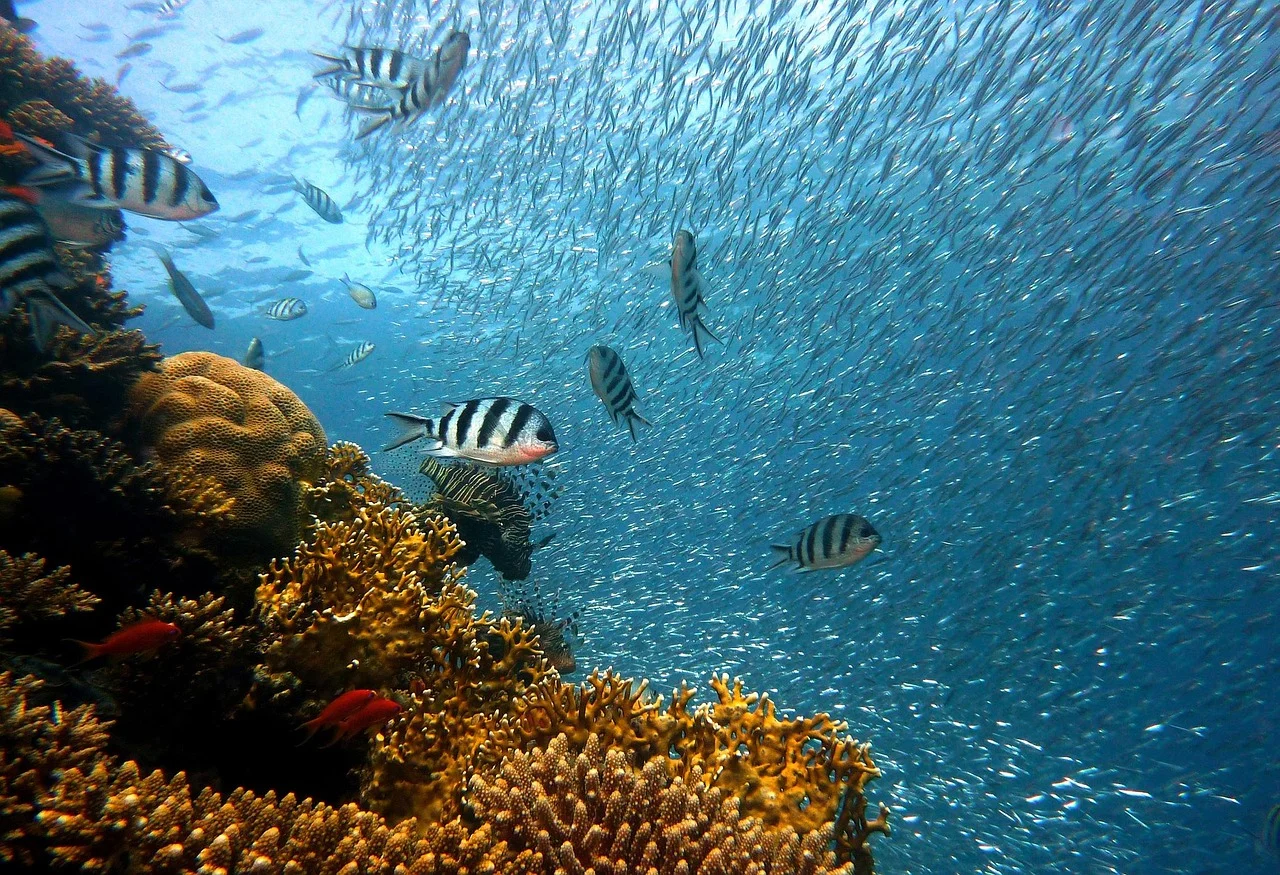
A few minutes by boat from Victoria, with a mask over your eyes, you discover another world: colourful reefs, butterflyfish and sea turtles gliding above the seagrass beds.
Created in 1973, Sainte-Anne is the first marine park in the Indian Ocean and protects six islets and their reefs over about 15 km².
You can snorkel, dive and take glass-bottom boat trips here, often on a half-day excursion from Mahé.
It's the most accessible underwater experience in the archipelago, ideal for a first encounter with the Seychelles seabed.

Curieuse Island
On Baie Laraie beach, a giant tortoise inches towards you, unbothered: on Curieuse, it's the century-old reptiles that call the tune.
A small granite island north of Praslin, Curieuse is home to more than 300 free-roaming Aldabra giant tortoises, reintroduced from 1978 onward.
You walk between mangroves and beaches, visit the former leper colony turned nature centre, and approach the tortoises while respecting their peace and quiet.
It's the best place in the inner islands to experience the Seychelles' iconic wildlife without travelling all the way to distant Aldabra.
Morne Seychellois National Park
Climbing the Copolia trail, the misty forest suddenly opens onto a granite balcony overlooking Victoria and the blue of the Sainte-Anne marine park.
The largest land park in the Seychelles, it covers more than 20% of Mahé and peaks at Morne Seychellois at 905 m, the highest point in the archipelago.
Misty forests, endemic plants and hiking trails reveal the mountainous interior of the islands, far from the beaches.
It's the perfect antidote to beach lazing: a half-day of nature and 360° panoramas.

Aldabra Atoll
More than 1,000 km from Mahé, Aldabra rises from the ocean like a forgotten sanctuary, where tens of thousands of giant tortoises reign without a predator.
Listed as a UNESCO World Heritage site in 1982, it's one of the largest raised coral atolls in the world and is home to about 100,000 giant tortoises, the largest colony on the planet.
You can only visit it in tiny numbers, on scientific or specialised cruises, following strict preservation rules.
It's the naturalist's holy grail of the Seychelles: a near-pristine ecosystem, extremely rare and off-limits to independent visits.
Snorkeling and diving in Sainte-Anne Marine Park
Meet at Victoria harbour for a boat trip out to the Sainte-Anne islets, with mask and snorkel provided. The highlight is that first glimpse below the surface: a colourful reef where butterflyfish, sergeant majors and sometimes a sea turtle pass above the seagrass beds.
Open to everyone, from the beginner snorkeler to the certified scuba diver; bring reef-safe sunscreen and a light wetsuit if you feel the cold. Book the excursion the day before and go for the morning for a calm sea.
- Half day to full day
- ~EUR 50-90 per person
Island-hopping on the Cat Cocos ferry
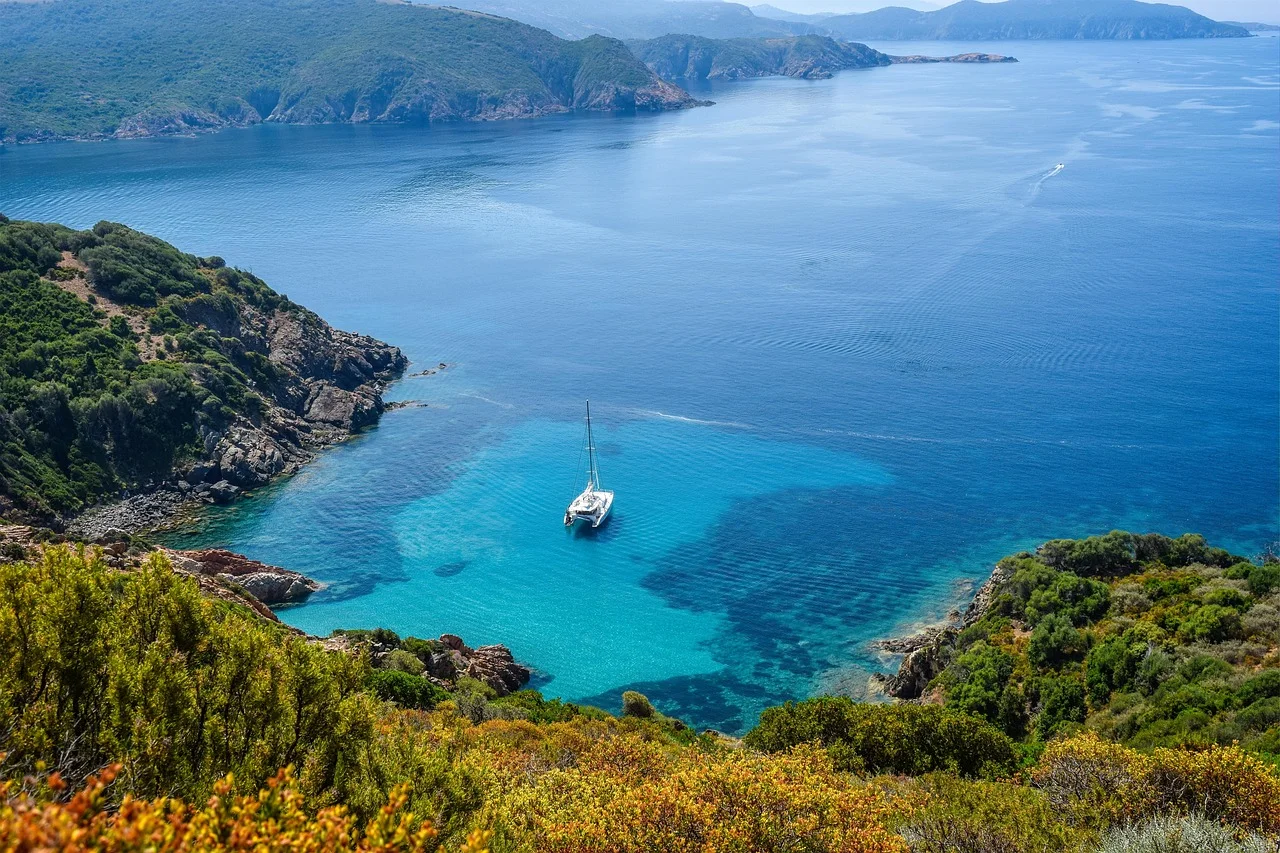
Hop aboard the fast Cat Cocos ferry to move from island to island: Mahé, Praslin and then La Digue link up in under two hours of sailing each. The highlight is arriving by sea at each island, when the granite rocks and coconut palms stand out against the turquoise.
Ideal for anyone who wants to combine the Vallée de Mai, Anse Lazio and Anse Source d'Argent without changing accommodation every night; watch out for seasickness if the swell is strong (southeast monsoon). Book your tickets online ahead of time in high season.
- 1 day (or spread over the stay)
- Round-trip tickets ~EUR 70-110
Hiking in Morne Seychellois National Park (Copolia trail)
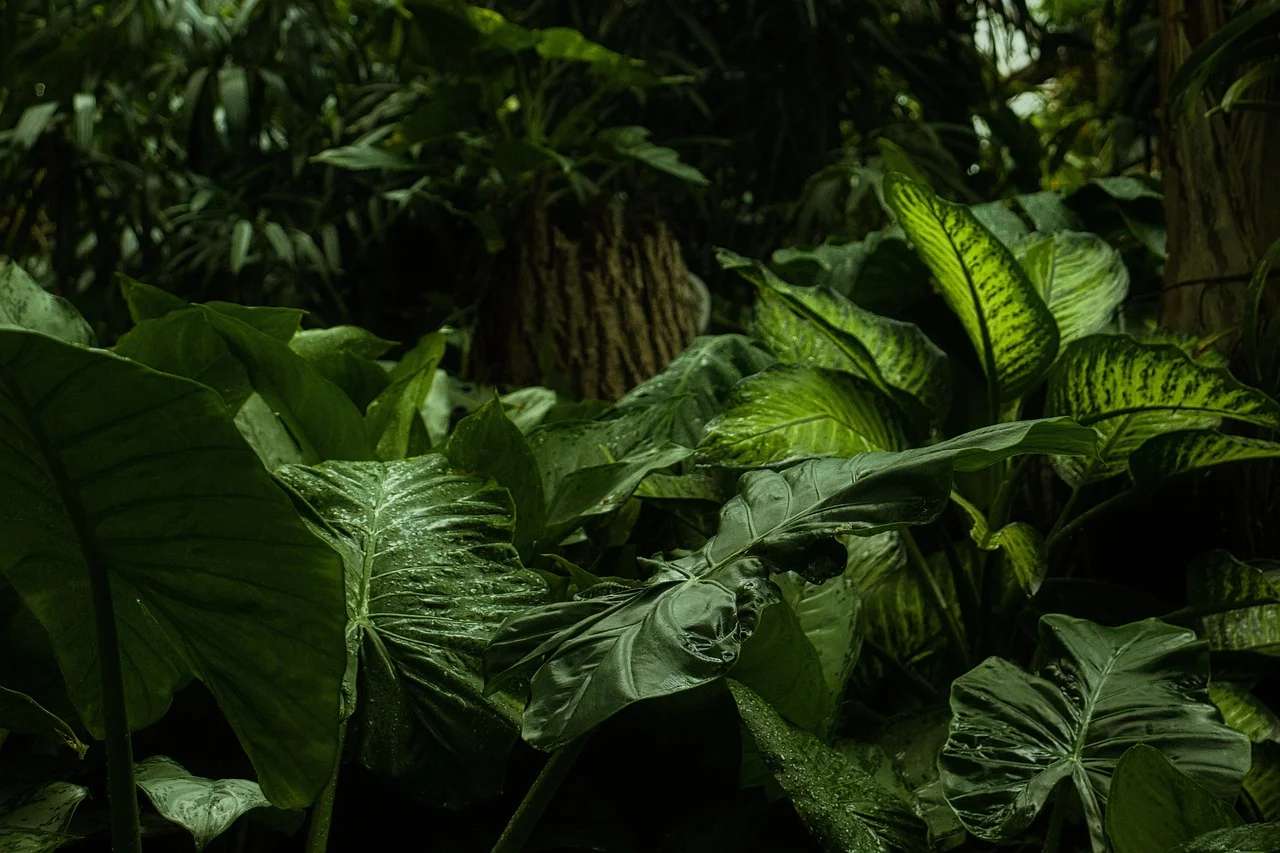
Starting from the Sans Souci road on Mahé, the Copolia trail climbs through dense tropical forest up to a granite lookout. The highlight comes at the top: a clear view over Victoria, the harbour and the mosaic of islets in the Sainte-Anne marine park, often veiled in a light mist.
A short but steep route, suitable for walkers in good shape, slippery after rain; closed shoes and water are essential. Set off early in the morning for the cool air and the light. A local guide is available but not required on this waymarked trail.
- 2 to 3 hours
- Free to ~EUR 15 (optional guide)
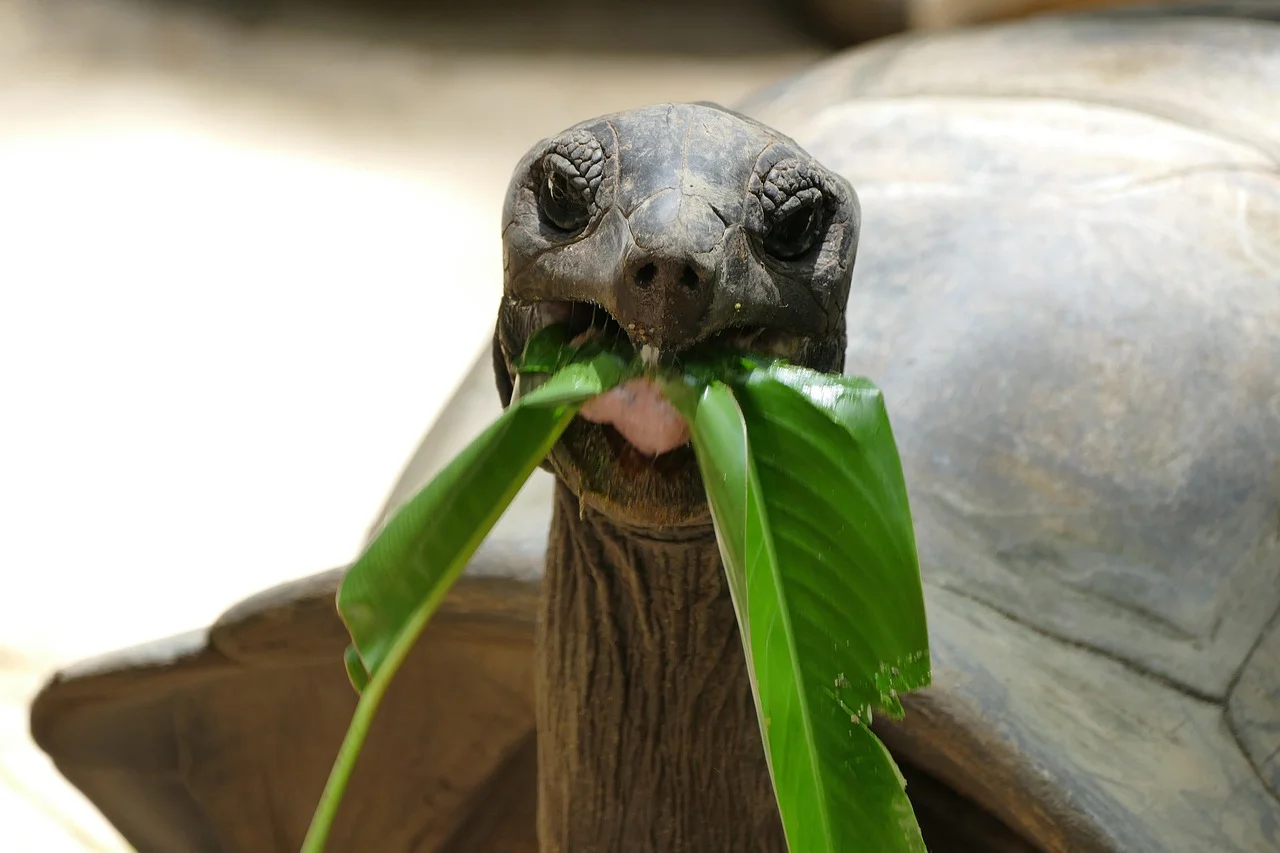
Meeting the giant tortoises on Curieuse
Setting off from Praslin, a short boat crossing takes you to Curieuse Island, where more than 300 Aldabra giant tortoises live free. The highlight is walking among these century-old giants as they graze the grass, paying no attention to visitors, against a backdrop of mangrove and red beach.
A family outing open to everyone, often combined with a barbecue lunch and a snorkeling stop; a hat, water and closed shoes are recommended. Keep your distance from the animals and never touch them.
- Half day to full day
- ~EUR 60-100 per person
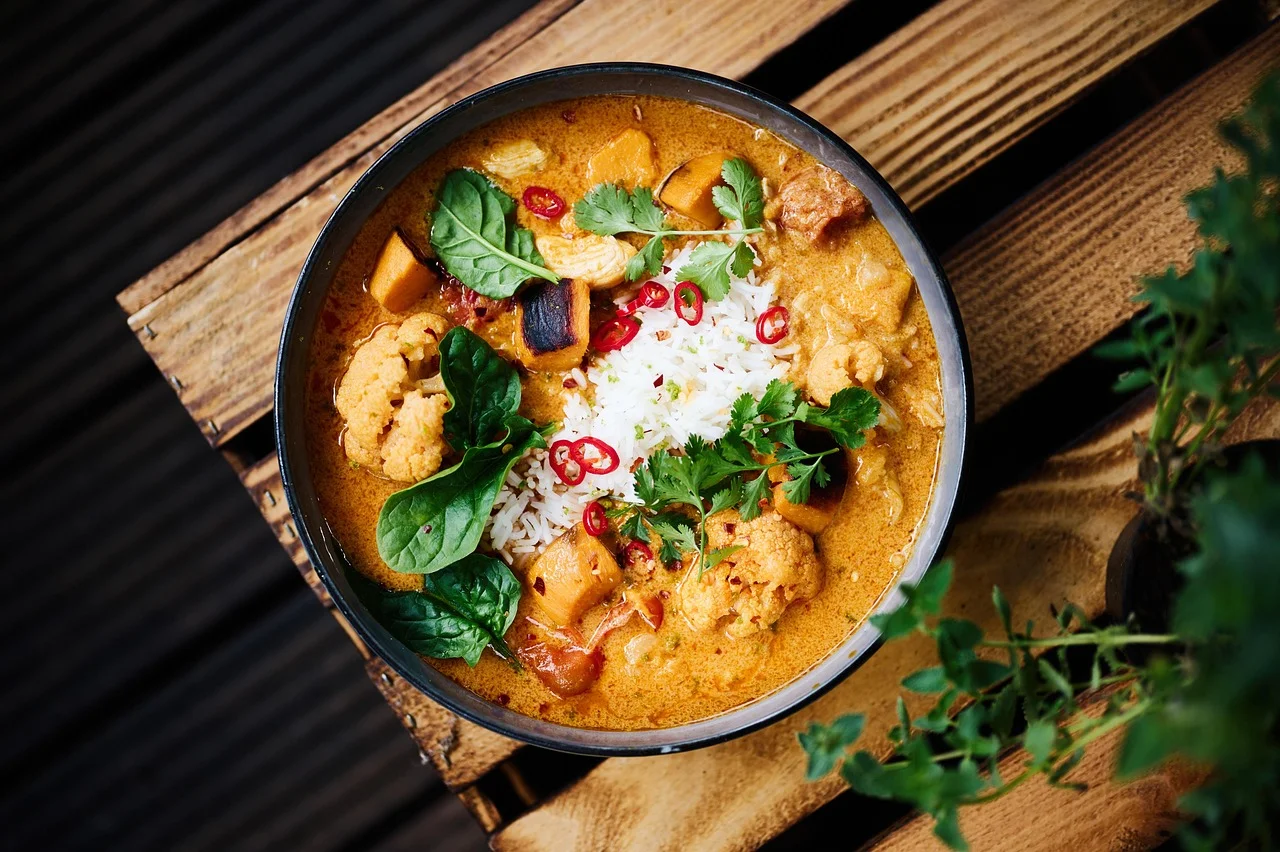
Discovering Creole cuisine and the Victoria market
Start with a stroll through Victoria's Sir Selwyn Selwyn-Clarke market, among stalls of spices, fish and tropical fruit, before sitting down to a Creole meal. The highlight is tasting the fish curry in coconut milk, served with rice, green mango chutney and, for dessert, the famous ladob.
A food experience open to everyone, perfect in rainy weather or between two beaches; some tables offer a mini Creole cooking workshop. Go for the small local spots for home cooking rather than the hotel buffets.
- 2 to 3 hours
- ~EUR 20-40 (meals and purchases)
Getting there
You reach the Seychelles via the international airport (SEZ) on Mahé, around 9h30 from Paris, on a seasonal direct flight or via Doha, Dubai, Abu Dhabi or Istanbul.
All international arrivals land at Seychelles International Airport (SEZ), near Victoria on Mahé. From Paris, expect about 9h30 of flying time: Air Seychelles runs a seasonal direct flight, and many airlines connect the archipelago via Doha, Dubai, Abu Dhabi or Istanbul.
Book early for the high season (December-January, July-August), when fares climb steeply. Once you arrive, the airport is the starting point for ferries and domestic flights to the other islands.
Getting around
The Cat Cocos ferry links Mahé, Praslin and La Digue several times a day; a car helps on Mahé and Praslin, while La Digue is best explored by bike.
The easiest way to move between the islands is the fast Cat Cocos ferry: Mahé to Praslin in about 1h15, Mahé to La Digue in about 1h45, with several crossings a day. An Air Seychelles domestic flight also links Mahé to Praslin in 15-20 minutes.
On Mahé and Praslin, a rental car is very handy — keep in mind you drive on the left and many foreign licences are accepted. La Digue, almost car-free, is best discovered by bike (rentals right at the ferry landing). Public buses and taxis round out the network.
What to do
Lazing on Anse Source d'Argent, exploring the Vallée de Mai, snorkeling at Sainte-Anne, meeting the giant tortoises of Curieuse and hiking on Mahé are the must-dos.
The Seychelles is best experienced with your feet in the sand and a mask over your eyes. The classics come down to a handful of experiences: the legendary Anse Source d'Argent beach, the coco de mer forest of the Vallée de Mai, snorkeling in the Sainte-Anne marine park and meeting the giant tortoises of Curieuse.
Beyond the beaches, the archipelago lends itself to diving, to hiking in the Morne Seychellois park and to discovering Creole culture. You'll find the details of the sites and activities further down this guide.
Food
Seychellois cuisine is Creole: fish curry in coconut milk, grilled fresh fish, tropical fruit and desserts such as ladob.
Seychellois cooking blends African, Indian, French and Chinese influences around fresh fish and coconut. The signature dish is fish curry in coconut milk, served with rice and a green mango chutney, but you'll also try octopus, shark chatini and grilled fish.
For something sweet, ladob (banana or sweet potato in coconut milk) and tropical fruit (mango, passion fruit, papaya) round off the meal. The best place to taste it all is the Victoria market or a small Creole table by the beach; expect to pay around €20 to €40 for a meal.
Itineraries
Plan at least 7 days to combine Mahé, Praslin and La Digue, ideally 10 to 14 days for a more relaxed pace.
To enjoy the trip without rushing, plan at least 7 days. A balanced itinerary:
- Days 1-2 (Mahé): Victoria and its market, Beau Vallon beach, the Copolia trail hike in the Morne Seychellois park.
- Days 3-4 (Praslin): ferry to Praslin, the Vallée de Mai at opening time, an afternoon at Anse Lazio, a trip to Curieuse and its giant tortoises.
- Days 5-7 (La Digue): crossing to La Digue, a day by bike between Anse Source d'Argent and the southeastern coves, snorkeling and lazing around.
With 10 to 14 days, add some beach days, a diving outing and, for nature lovers, the plan of a cruise to the outer islands.
Climate & seasons
When to go to Seychelles?
Monthly averages over the past 5 years (Open-Meteo).
Best months
- June
- July
- August
- October
Avoid
- January
- March
- April
- December
| Jan | Feb | Mar | Apr | May | Jun | Jul | Aug | Sep | Oct | Nov | Dec | |
|---|---|---|---|---|---|---|---|---|---|---|---|---|
| Our take | ||||||||||||
| Weather | ||||||||||||
| High | 25° | 26° | 26° | 27° | 26° | 25° | 24° | 24° | 24° | 25° | 26° | 26° |
| Rain (mm) | 361 | 162 | 201 | 234 | 178 | 91 | 65 | 72 | 161 | 82 | 166 | 419 |
| Beach | Beach June | Beach October | ||||||||||
| Hiking & nature | Hiking & nature June | Hiking & nature July | Hiking & nature August | Hiking & nature October |
What to do by season (autumn)
-
Beach
Warm air and water, little rain.
-
Hiking & nature
Mild temperatures, stable conditions.
When to go
The best months are April-May and October-November, between the two monsoons: calm seas, water at 29°C and excellent underwater visibility.
You can visit the Seychelles year-round thanks to a steady tropical climate, but the rhythm is set by two monsoons. The northwest monsoon (November to March) is warmer and wetter; the southeast monsoon (May to September) is drier but windier, perfect for sailing.
The shoulder periods April-May and October-November offer the best of both worlds: calm seas, water at 29°C and underwater visibility that can reach 30 m. If you can, avoid December-January (rain, pricey high season) and July-August (wind and swell).
Budget
A fairly pricey destination: budget around €110/day for a low-cost trip, €230/day mid-range, and €500/day or more for luxury.
The Seychelles is a fairly upmarket destination, largely because of the cost of imported goods. On a budget trip (guesthouse, local food, shared transport), expect around €110/day (~$120) per person; mid-range, about €230/day (~$250); and luxury, €500/day (~$540) and far more in the resorts.
A few reference points: a night in a guesthouse runs from €70 to €150, a round-trip Mahé-Praslin-La Digue ferry ticket comes to around €70-110, and a local Creole meal costs €20 to €40. Self-catering in a rental and shopping at the markets cuts the bill noticeably.
Work out your budget
Backpacker
€770
€110 per person per day
Mid-range
€1,610
€230 per person per day
Upscale
€3,500
€500 per person per day
On-the-ground estimate, international flights excluded unless stated. Prices vary by season and how early you book. Figures updated on 11/09/2026.
Where to stay
Mahé is the most practical base (airport, services), Praslin appeals for nature and Anse Lazio, La Digue for its authentic feel; the ideal is to combine all three.
Which island to choose depends on your travel style. Mahé has the airport, the capital Victoria and the most services and beaches. Praslin wins you over with the Vallée de Mai and Anse Lazio. La Digue offers the most authentic atmosphere, set to the pace of a bicycle.
For lodging, guesthouses and rentals (around €70-150 a night) make the destination more affordable, mid-range hotels run around €150-250, and luxury resorts often top €450 a night. The ideal is to combine two or three islands, easy to connect by ferry.
Safety
The inner islands are broadly safe, but petty crime is rising: never leave anything unattended on the beaches and stay alert at night.
The inner islands (Mahé, Praslin, La Digue) remain broadly safe destinations, but petty crime is on the rise: thefts on beaches and in town, and home break-ins. Never leave valuables unattended on the sand, secure your accommodation and stay careful after dark.
On the health side, the Seychelles is not a malaria zone and no vaccine is mandatory for travellers coming from France; dengue and chikungunya can circulate, though, so pack a repellent. Currents can be strong on some beaches: ask before you swim. The local emergency number is 999.
Formalities
Many visitors need a paid online Travel Authorisation before departure plus a visitor's permit issued on arrival; check your nationality's rules before you go.
French and other visa-exempt nationals don't need a visa, but must obtain a paid online Travel Authorisation before boarding; check your own nationality's requirements before departure. On arrival, airport police issue a visitor's permit valid for up to 30 days, extendable up to 3 months.
Bring a passport valid for the whole length of your stay, proof of accommodation and a return or onward ticket, along with sufficient funds. The currency is the Seychellois rupee (SCR), but the euro and the US dollar are widely accepted in tourism. The page below covers French citizens, so English-speaking readers should verify their own country's rules: France Diplomatie.
Tips
Combine several islands, visit the famous beaches early in the morning, keep cash for small shops and respect the protected nature.
A few tips to make the most of your stay:
- Combine the islands: Mahé + Praslin + La Digue give a full picture in one week, easy to connect by ferry.
- Beaches early in the morning: Anse Source d'Argent and Anse Lazio are more beautiful and quieter before the day-trips arrive.
- Keep cash on hand: rupees for small shops, markets and entry fees, even if cards work in the hotels.
- Respect nature: don't touch the tortoises, and don't pick up coco de mer or coral (strictly protected).
- Protect yourself from the sun: the archipelago sits on the equator, and the UV index is very high even on overcast days.
FAQ
The best season runs from April to May and from October to November, between the two monsoons.
What is the best season to visit the Seychelles?
The shoulder months between the two monsoons, April-May and October-November, offer the best of both worlds: calm seas, water at 29°C and underwater visibility up to 30 m. The northwest monsoon (November-March) is warmer and wetter, the southeast one (May-September) drier but windier.
How many days should you plan for a Seychelles trip?
Plan at least 7 days to combine Mahé, Praslin and La Digue without rushing. Ten to fourteen days let you add beach days, several nature outings and a more relaxed pace.
How do you get around between the islands, and do you need a car?
The Cat Cocos ferry links Mahé, Praslin and La Digue several times a day, and a 15-20 minute domestic flight serves Praslin. A rental car is very useful on Mahé and Praslin (driving on the left), while La Digue is best explored by bike.
Is the Seychelles an expensive destination?
Yes, it's a fairly upmarket destination because of the cost of imports, but it stays affordable with a guesthouse and local food (around €110 per day per person). A mid-range trip runs around €230, and luxury resorts often top €500 a day.
Which island should you choose between Mahé, Praslin and La Digue?
Mahé has the airport, the capital Victoria and the most services; Praslin wins you over with the Vallée de Mai and Anse Lazio; La Digue offers the most authentic atmosphere with Anse Source d'Argent. The ideal is to combine all three, easy to connect by ferry.
Is the Seychelles safe?
The inner islands (Mahé, Praslin, La Digue) stay broadly safe, but petty crime is rising, with thefts on beaches and in town. It's best not to leave anything unattended on the sand and to stay alert after dark.
Is there a malaria risk or any mandatory vaccines?
The Seychelles is not a malaria zone and no vaccine is mandatory for travellers coming from France. A yellow fever certificate is required only if you arrive from a risk area; dengue and chikungunya can circulate, though.
Is French spoken in the Seychelles?
Yes, French is one of the three official languages along with Seychellois Creole and English. French-speaking visitors are very easily understood in tourism and shops.
Sources
The figures in this guide come from the sources below, checked on the publication date.
Leave a comment
Share your thoughts or travel experience. Your email will not be published.