

Contents 22
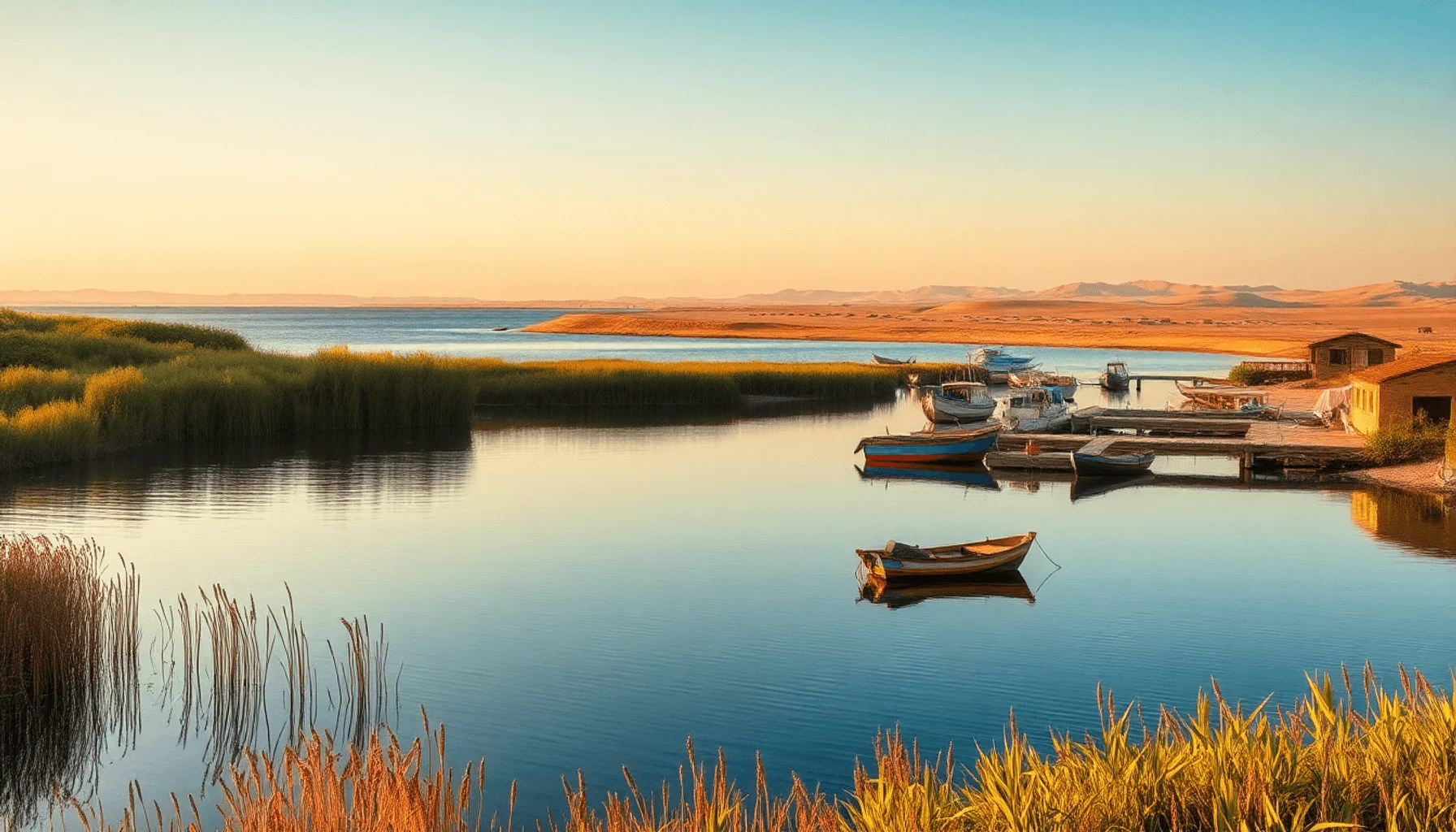
Bizerte, 65 km north of Tunis, is the northernmost city in Africa. A Phoenician trading post, then Hippo Diarrhytus under the Romans, it grew around a channel linking the Mediterranean to Lake Bizerte: the old port, its fishing boats and its 17th-century Kasbah still form its heart.
This guide brings together the 11 sights worth the trip, from the medina to Cap Angela by way of Ichkeul National Park, a UNESCO World Heritage Site since 1980, followed by the practical information to plan your stay.
Overview
Bizerte is a port city in northern Tunisia, about 60 km from Tunis, known for its old port, its medina and its Mediterranean coastline.
Bizerte is the northernmost city in Tunisia and in Africa, founded by the Phoenicians. Set between the Mediterranean and Lake Bizerte, it revolves around its old port with colourful boats, its medina dominated by the Kasbah and the Spanish Fort guarding the channel entrance.
Beyond the city, the region offers Ichkeul National Park (a UNESCO World Heritage Site), the beaches of Sidi Salem and Cap Zebib, Cap Angela, the northernmost point of mainland Africa, the ancient site of Utica and the village of Ghar el Melh. Bizerte works well as a seaside stay combined with nature and heritage day trips.
11 places to take with you
In the guide's order, ready for Google Maps or your GPS.
Book the activities from this guide
Our picks for Bizerte, well rated and free to cancel.
-
Book this activity
Private day trip: Utica, Bizerte, Cap Angela and Ichkeul
€79 per person, private tour (GetYourGuide price 2026)
Affiliate links: Travel Advice earns a commission if you book, at no extra cost to you. Learn more

The medina and the Kasbah
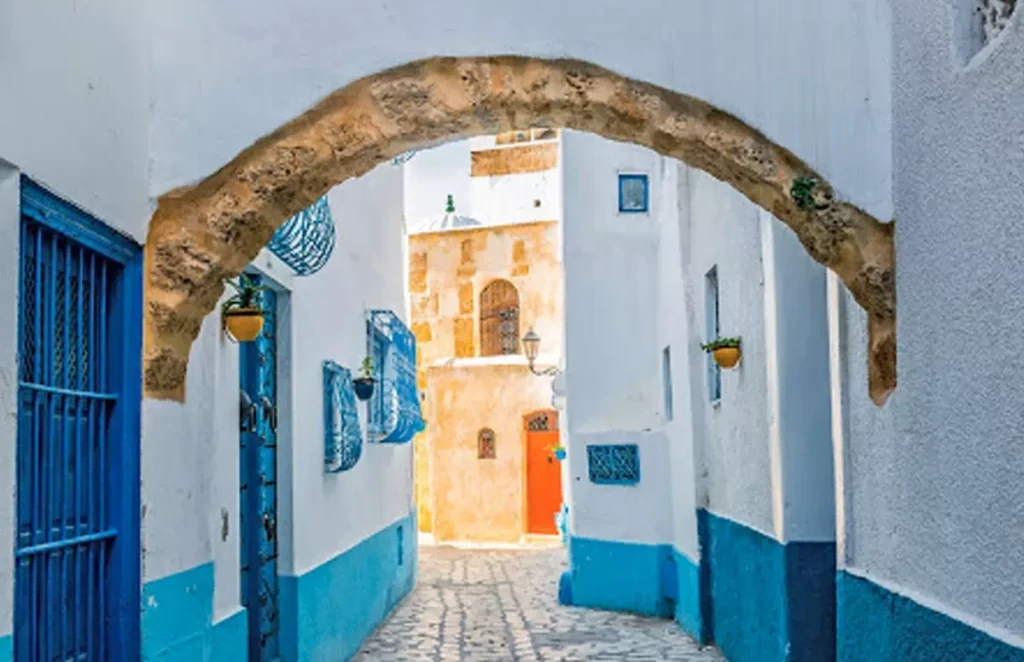
Bizerte's medina lies north of the old port, behind the walls of the Kasbah, built in the 17th century: about 175 m by 120 m, eight towers, a wall walk and a single gate on the west side. Inside, the whitewashed lanes still hold lived-in houses and a few workshops.
The octagonal minaret of the Great Mosque, also 17th century, rises above the rooftops. Go in through the Kasbah gate, then wander without a map down to the quay, where the Ksiba, a small fort facing the Kasbah, closes off the entrance to the old port.

Ichkeul National Park
About 25 km south-west of Bizerte, Lake Ichkeul is the last survivor of a chain of lakes that once lined North Africa: its water changes salinity with the seasons, fresh in winter and salty in summer. Jebel Ichkeul rises above it, and together they form a national park of more than 12,000 hectares.
Listed as a UNESCO World Heritage Site in 1980, it is one of the Mediterranean's great wintering grounds for migratory birds: ducks, geese, storks and flamingos gather in their tens of thousands in winter. The eco-museum at the foot of the jebel explains how the lake works.

The old port
Bizerte's ancient name, Hippo, probably comes from a Punic word meaning "harbour": the town was born here, on a basin now used only by fishing boats and pleasure craft. The white and blue houses of the medina line the quay, facing the Ksiba.
In the morning, fishermen land their catch near the fish market; in the evening, the quayside cafes fill up. To the east, the channel leads to the 1980 lift bridge (105 m, raised several times a day to let ships through) and to Lake Bizerte.

The Spanish Fort
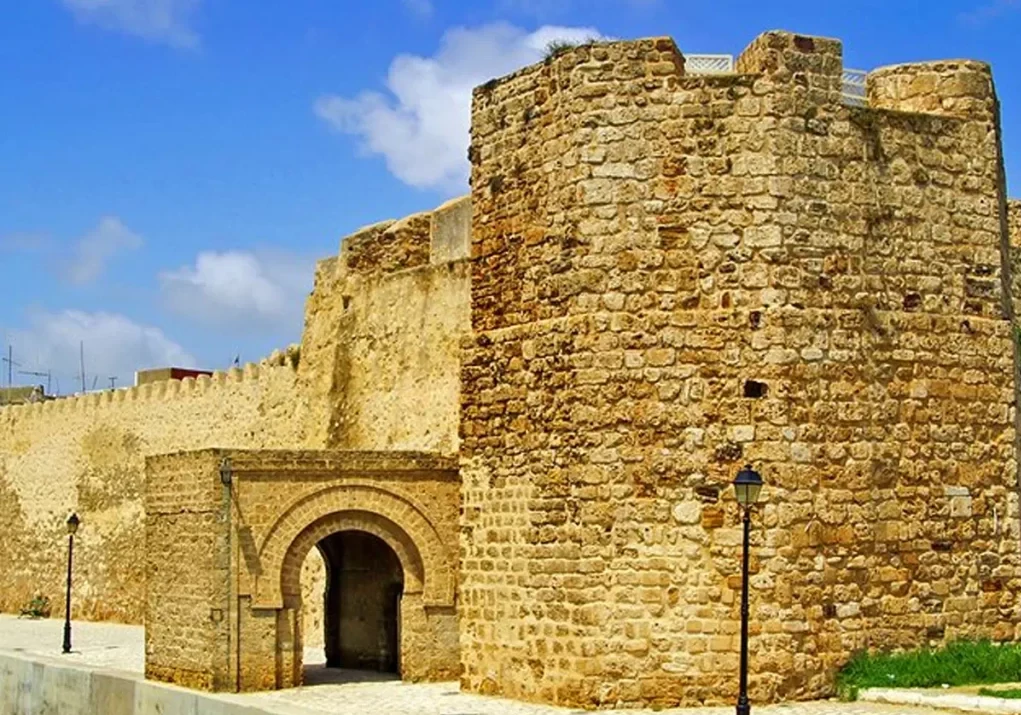
Despite its name, the Spanish Fort was not built by the Spanish: it went up in 1573, under Ottoman rule, to defend Bizerte against their naval raids, the Spanish having held the town only briefly in the mid-16th century. Its massive walls and bastions overlook the port entrance, north of the medina.
Restored, it now serves as an open-air theatre: it is the stage of the Bizerte International Festival, one of the country's oldest (music, dance, film), held every summer from mid-July to mid-August.

The ruins of Utica
About thirty kilometres south-east of Bizerte, on the Tunis road, Utica is held to be one of the oldest Phoenician trading posts in North Africa, dated by ancient tradition to 1101 BC. It later became the capital of the Roman province of Africa, before silt from the Medjerda river left it inland.
On site you walk through the remains of Roman houses, including the House of the Cascade and its mosaics, and the Punic necropolis; a small museum displays objects found on the site.

Cap Angela, Africa's northern tip
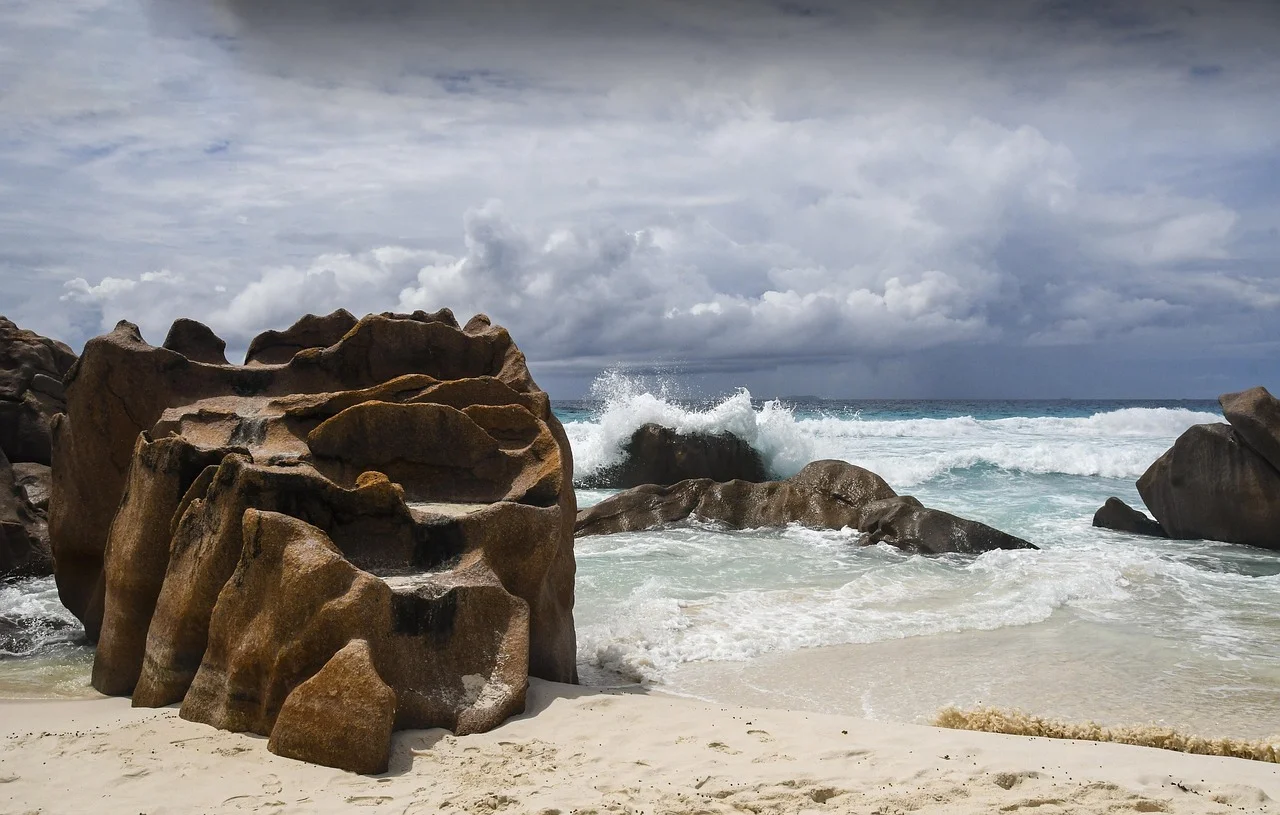
About fifteen kilometres north-west of Bizerte, Cap Angela (Ras ben Sakka) has been regarded since 2014 as the northernmost point of mainland Africa. A monument marks the tip, at the end of wind-battered cliffs.
There is nothing to do but look at the sea and take the photo, but the setting is wild and the road there crosses quiet countryside. No facilities on site.

Sidi Salem beach
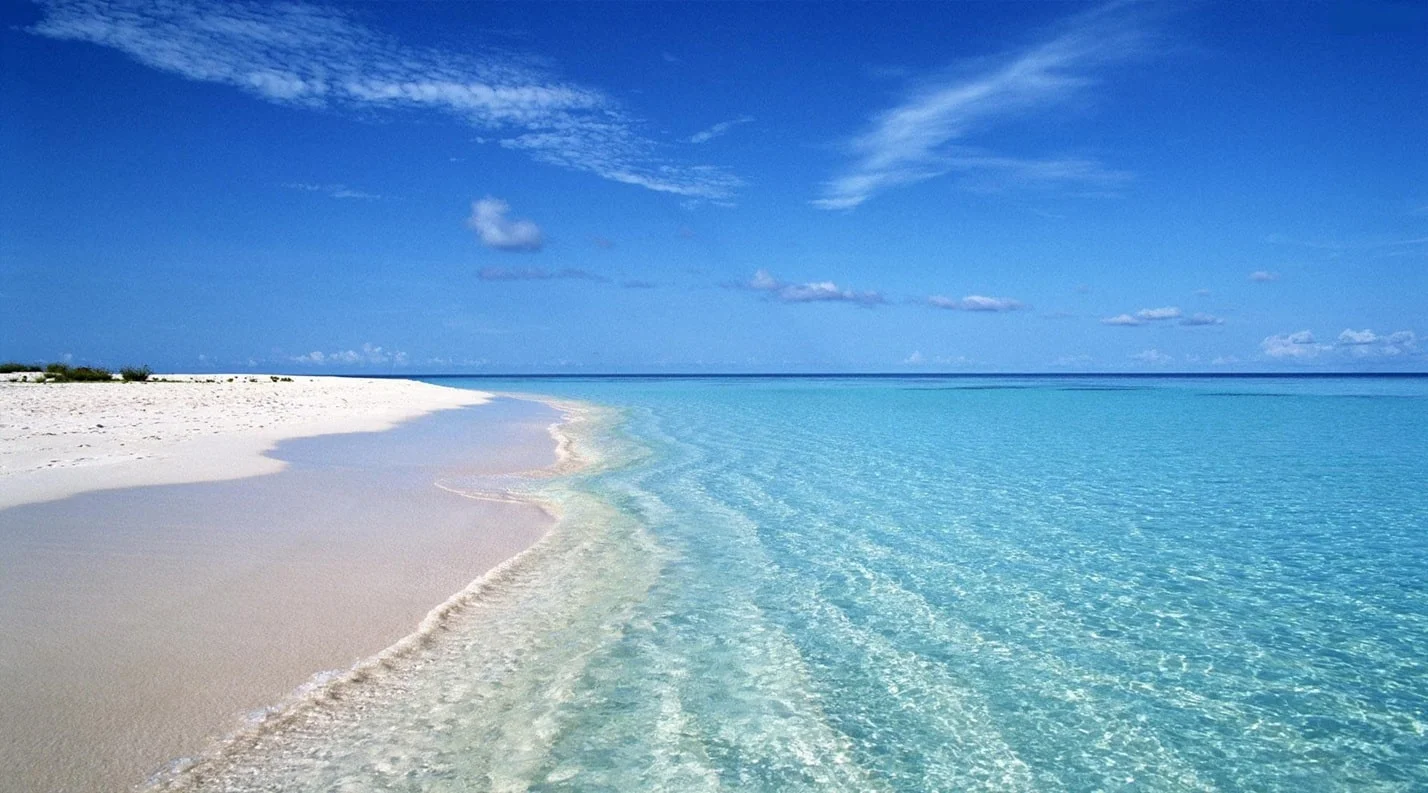
This is the town beach: it starts north of the Spanish Fort, below the Sidi Salem marabout, and is about a fifteen-minute walk from the old port. The sand faces the open sea, with a view of the port entrance.
Further north, the Corniche road runs past other beaches, including La Grotte, up to the seaside hotels. In summer, locals gather here in the late afternoon; out of season, it remains a pleasant sunset walk.

Ghar el Melh and its beach
South-east of Bizerte, about sixty kilometres north of Tunis by road, Ghar el Melh is a former corsair port on the edge of a lagoon. Its three Ottoman forts and old harbour recall the time when the town sheltered the beylical fleet.
Beyond the village, Sidi Ali el Mekki beach stretches below Jebel Nadour, with clear, shallow water. Around the lagoon, the "ramli" gardens are grown on sand and watered by the tide, a farming technique unique to the lagoon.

The fish market and central market
By the old port, the covered fish market is the liveliest place in town in the morning: sea bream, red mullet and prawns come straight off the boats, and some stalls clean the fish on request. A few steps south, the central market sells fruit, vegetables and spices.
This is where you see Bizerte as it lives, far from the souvenirs. For harissa, spices or pulses, the stalls in the centre are the best stocked.

Cap Zebib beach
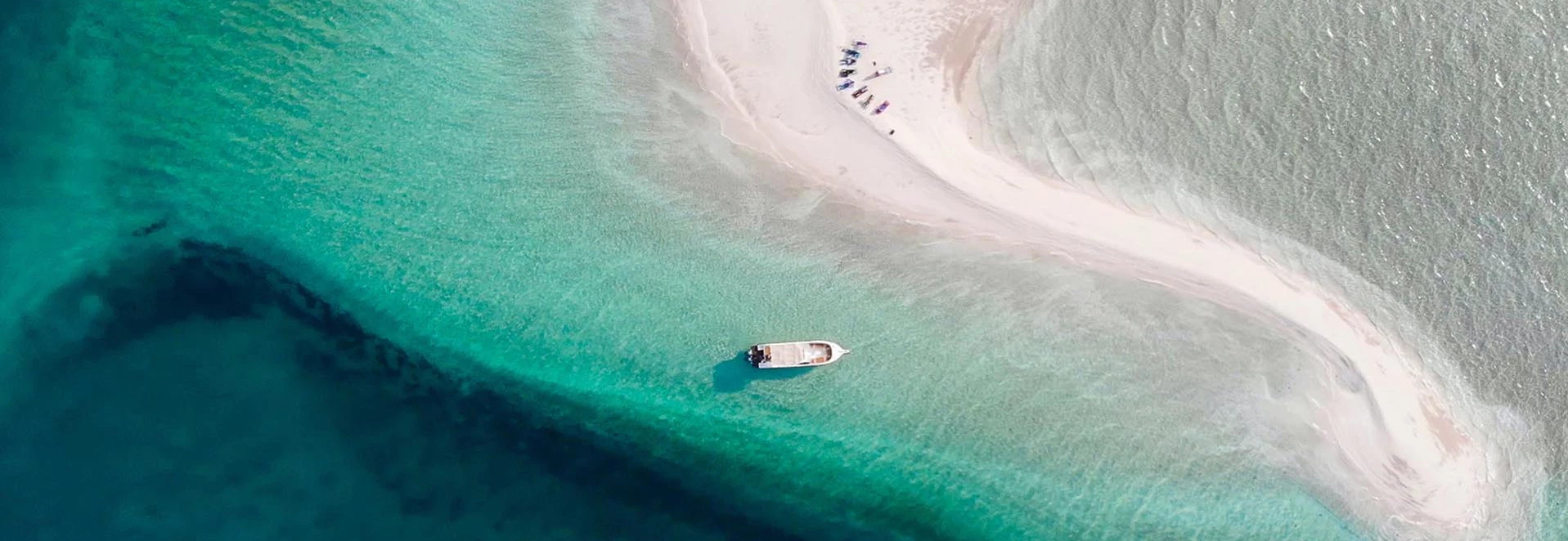
About twenty kilometres east of Bizerte, near Metline, Cap Zebib marks the eastern end of the Remel forest. The small fishing harbour is surrounded by rocky coves and sandy beaches with clear water.
People come here to swim away from the hotels and eat fresh fish at the harbour. It stays very quiet outside summer.

The Galite archipelago
About 80 km north-west of Bizerte (some forty kilometres from Cap Serrat), the volcanic Galite archipelago is Tunisia's northernmost territory. Long home to fishermen of Italian origin, it now has only a handful of residents.
Its very clear waters attract divers, but access is rare: by private boat or on weather-dependent organised trips, with permits.
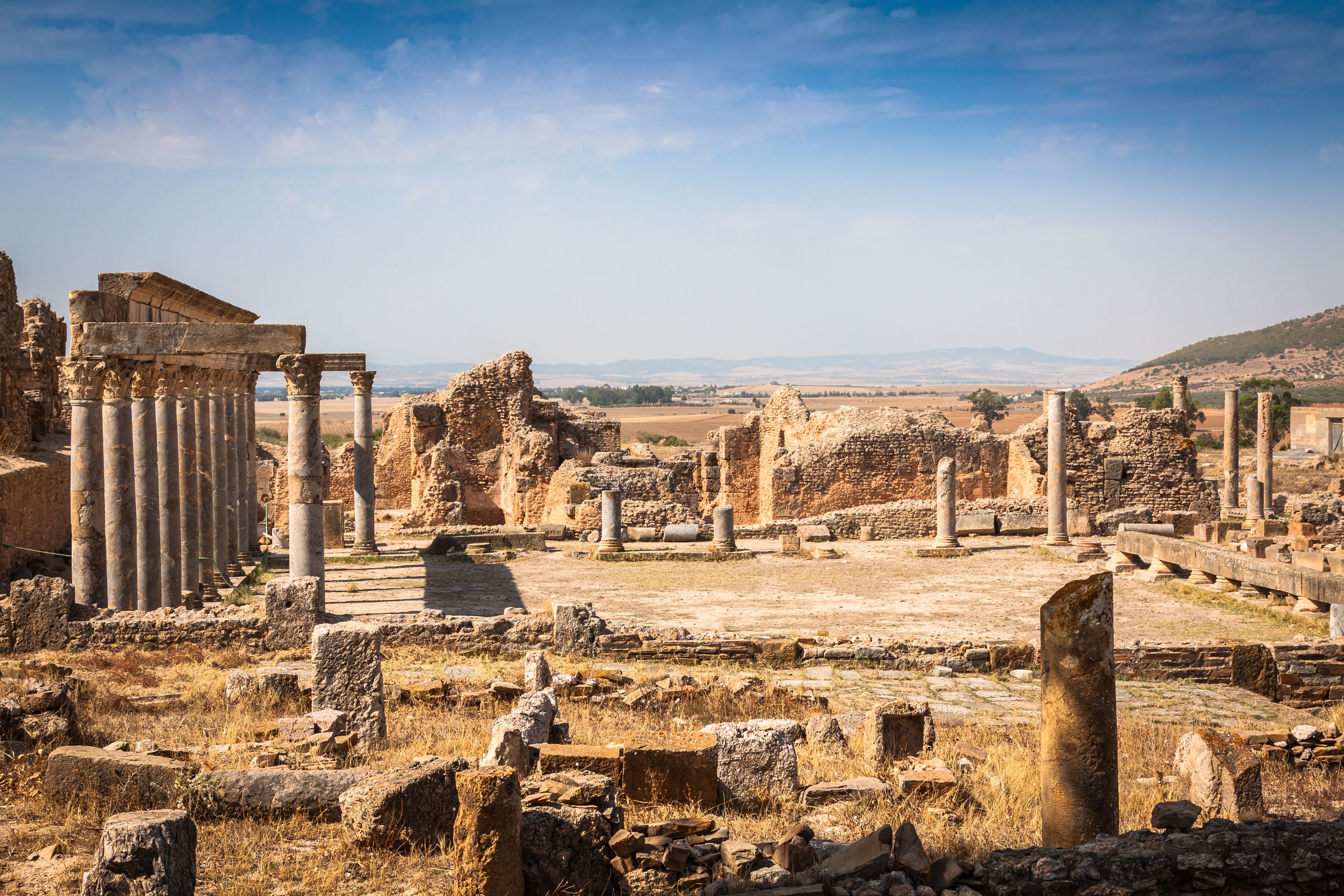
Private day trip: Utica, Bizerte, Cap Angela and Ichkeul
A day with a driver-guide linking the four northern sights: the Phoenician and Roman ruins of Utica, Bizerte's old port and Spanish Fort, the Cap Angela monument at the end of the cliffs, then Lake Ichkeul and its UNESCO-listed park. The highlight: the tip of Cap Angela, the northernmost point in Africa.
The tour is private, with hotel pick-up in the Hammamet and Tunis area: the right option if you are staying on the east coast without a car. Allow €79 per person on GetYourGuide, with free cancellation.
- 8-9 hrs
- €79 per person, private tour (GetYourGuide price 2026)
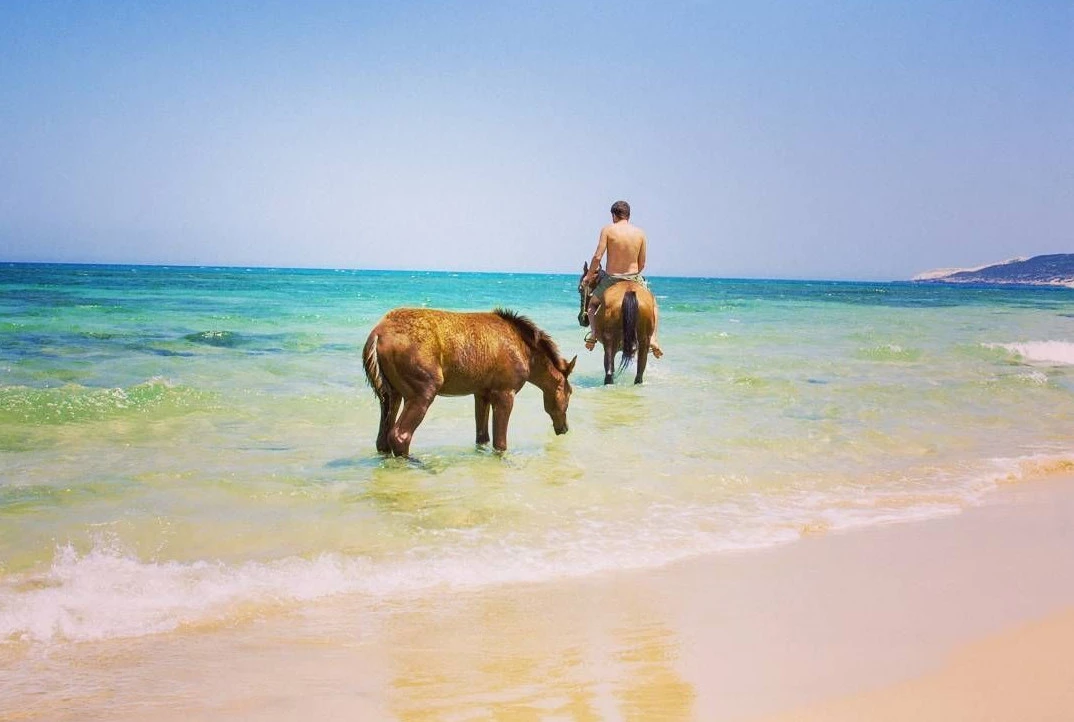
Walk from the Kasbah to the lift bridge
A route to do on your own, in two and a half hours: into the Kasbah through its west gate, across the medina below the Great Mosque's octagonal minaret, down to the old port and the fish market, then along the channel to the lift bridge. The highlight: a ship passing through, if you catch one of the bridge lifts (a few a day).
No booking is needed. Set off around 8 am for the market, dress modestly near the mosques and finish with tea on the quay.
- 2.5 hrs
- Free
An evening at the Bizerte International Festival
From mid-July to mid-August, the Spanish Fort becomes an open-air stage: concerts, dance and film follow one another on the ramparts facing the old port, at one of the country's oldest festivals. The highlight: night falling over the port during the first song.
Tickets are sold by the festival, on site or online, and the big names sell out fast: book as soon as the programme is published in early summer.
- One evening
- Depends on the show (festival box office)
Getting there
The nearest airport is Tunis-Carthage (~60 km). From Tunis, the A4 motorway reaches Bizerte in about 45 minutes; trains, buses and shared taxis also serve the route.
By air: the nearest international airport is Tunis-Carthage (TUN), about 60 km from Bizerte.
By car: from Tunis, the A4 motorway (about 51 km) reaches Bizerte in roughly 45 minutes. Renting a car is handy for visiting Ichkeul, Utica or Cap Angela.
By train: SNCFT runs a Tunis-Mateur-Tinja-Bizerte line (check timetables at the station, as the service has seen interruptions).
By bus and louage: regional buses (SRT Bizerte) and louages (shared taxis) regularly link Tunis with Bizerte; louages are often faster.
What to do
Wander from the Kasbah to the old port, swim at Sidi Salem or Cap Zebib, watch the birds of Ichkeul in winter and catch the summer festival at the Spanish Fort.
Bizerte is best explored on foot: the medina, the old port and the channel fit into a morning. The rest of your stay can be split between the beaches (Sidi Salem in town, the Corniche to the north, Cap Zebib to the east) and day trips to Ichkeul, Cap Angela and Utica, easier by car.
In summer, the Bizerte International Festival fills the Spanish Fort's evenings; in winter, Lake Ichkeul and its migratory birds are the reason to come.
Climate & seasons
When to go to Tunisia?
Monthly averages over the past 5 years (Open-Meteo).
Best months
- February
- March
- April
- May
- June
- July
- August
- September
- October
- November
| Jan | Feb | Mar | Apr | May | Jun | Jul | Aug | Sep | Oct | Nov | Dec | |
|---|---|---|---|---|---|---|---|---|---|---|---|---|
| Our take | ||||||||||||
| Weather | ||||||||||||
| High | 15° | 16° | 17° | 19° | 23° | 29° | 32° | 31° | 29° | 26° | 21° | 17° |
| Rain (mm) | 64 | 42 | 48 | 44 | 60 | 17 | 0 | 4 | 21 | 58 | 71 | 71 |
| City sightseeing | City sightseeing January | City sightseeing February | City sightseeing March | City sightseeing April | City sightseeing May | City sightseeing June | City sightseeing September | City sightseeing October | City sightseeing November | City sightseeing December |
What to do by season (autumn)
-
City sightseeing
Pedestrian-friendly most of the year.
When to go
Mid-June to early July and September for swimming without too much heat; July-August for the buzz and the festival (32-33 °C); November-February for the birds of Ichkeul.
Bizerte has a Mediterranean climate, with hot, dry summers and mild, humid winters.
- Summer (June-August): highs around 32-33 °C in July-August, with the warmest sea in August. This is high season and the time of the Bizerte International Festival.
- Spring and autumn (April-May, September-October): mild temperatures, fewer crowds, ideal for the medina, Ichkeul and the ancient sites.
- Winter (December-February): highs around 16 °C, with possible rain; it is, however, the best season to watch migratory birds at Ichkeul.
To combine swimming with comfort, aim for late May to early July, or September.
Where to stay
Stay in the medina or downtown to do everything on foot, or near Sidi Salem for the beach and sea views.
Bizerte offers several areas depending on what you want:
- The medina and old port: for a historic feel, guesthouses and walking access to cafes and souks.
- Downtown: close to the port, shops and restaurants, a good base for exploring the city on foot.
- Sidi Salem: by the beach, ideal for a seaside stay with sea views.
- Jarzouna: a quiet residential district a few kilometres from the centre, for a more peaceful stay.
In high season (July-August), book ahead, especially near the beach.
Safety
Bizerte and the north coast are at reinforced vigilance, like the rest of Tunisia outside the areas to avoid (the Libyan and Algerian borders, the west-central mountains).
France Diplomatie rates Bizerte and the north coast at reinforced vigilance, like the whole country outside the areas to avoid, which are far from here: the desert along the Libyan and Algerian borders and the west-central mountains.
Locally, take the precautions of any port town: watch for pickpockets at the market and on the port, and take care on the unpaved roads to Cap Angela. Check travel advice before you leave.
Formalities
No visa for up to 3 months for French and EU nationals. Since January 2025 a passport is required for everyone, valid at least 3 months at the date of entry; ID cards are no longer accepted. The dinar cannot be exchanged outside Tunisia.
Visa: French and EU nationals can stay in Tunisia for up to 3 months without a visa as tourists; beyond that, a visa and residence permit are required.
Passport: since 1 January 2025 all visitors, package tours included, must present a passport valid for at least 3 months at the date of entry; ID cards are no longer accepted.
Currency: the Tunisian dinar (TND) is a closed currency that cannot be obtained or exchanged outside Tunisia. Exchange offices are plentiful; keep your receipts to convert leftover dinars when you leave.
Always check your government's travel advice before departure.
FAQ
The most useful questions for planning a trip to Bizerte.
When is the best time to visit Bizerte?
From May to September for the beach and sunshine, with highs around 32-33 °C in July and August and the warmest sea, about 24 °C in August: this is high season and the time of the Bizerte International Festival. Spring and autumn, April-May then September-October, bring mild temperatures and fewer people, ideal for the medina, Ichkeul and the ancient sites. Winter, around 16 °C with possible rain, remains the best season for watching migratory birds at Ichkeul National Park.
How do I get from Tunis to Bizerte?
The simplest option is driving on the A4 motorway, about 51 km from Tunis, roughly 45 minutes; a rental car then makes it easy to reach Ichkeul, Utica or Cap Angela. The SNCFT also runs a Tunis-Mateur-Tinja-Bizerte line, though you should check timetables at the station, as the service has seen interruptions. Regional buses run by SRT Bizerte and louages, the shared taxis, connect the two cities regularly. The main international airport is Tunis-Carthage, about 60 km from Bizerte.
Do I need a visa for Tunisia?
Not for a short tourist stay. French and EU nationals can stay up to 3 months without a visa; beyond that, a visa and residence card become necessary. A passport is required and must be valid for at least 3 months at the date of entry, a rule in force since 1 January 2025. Keep the currency in mind too: the Tunisian dinar is a closed currency that cannot be obtained or exchanged outside Tunisia. Check official travel advice before departure.
What is the currency, and can I take it home?
The currency is the Tunisian dinar (TND), and it is a closed, non-exportable currency: it cannot be obtained or exchanged outside Tunisia. Change money locally, where exchange offices are plentiful, and above all keep your exchange receipts: they are required to convert leftover dinars back when you leave. Avoid changing too much towards the end of your stay. This constraint is the main practical difference from eurozone destinations, where no exchange is needed at all.
Is Ichkeul National Park worth it?
Yes. A UNESCO World Heritage Site since 1980, Ichkeul National Park is a migratory-bird sanctuary about 25 km south-west of Bizerte. The best viewing season runs from November to February, which makes it the strongest reason to visit the region in winter, when highs sit around 16 °C. A rental car makes access easier, as it does for the other sights nearby: the ancient site of Utica and Cap Angela, the northernmost point of the African continent.
Where is the northernmost point of Africa?
At Cap Angela, or Ras ben Sakka, about 15 km north of Bizerte, itself the northernmost city in Tunisia. Since 2014 this point has been regarded as the northern tip of the African continent. The site is an easy drive from Bizerte and fits neatly into a day trip alongside Ichkeul park or the ancient site of Utica. Allow two to three days for the city itself, then one more day for these surroundings.
How many days should I plan in Bizerte?
Two to three days are enough for the city itself: the medina, the old port with its colourful boats, the Spanish Fort overlooking the channel entrance, and the beaches at Sidi Salem or Cap Zebib. Add one more day for the surroundings, choosing between UNESCO-listed Ichkeul National Park, the ancient site of Utica and Cap Angela, the northernmost point of the African continent. A rental car puts all three within reach in a single day, which public transport cannot do.
Sources
The figures in this guide come from the sources below, checked on the publication date.
Leave a comment
Share your thoughts or travel experience. Your email will not be published.