

Contents 26
Overview
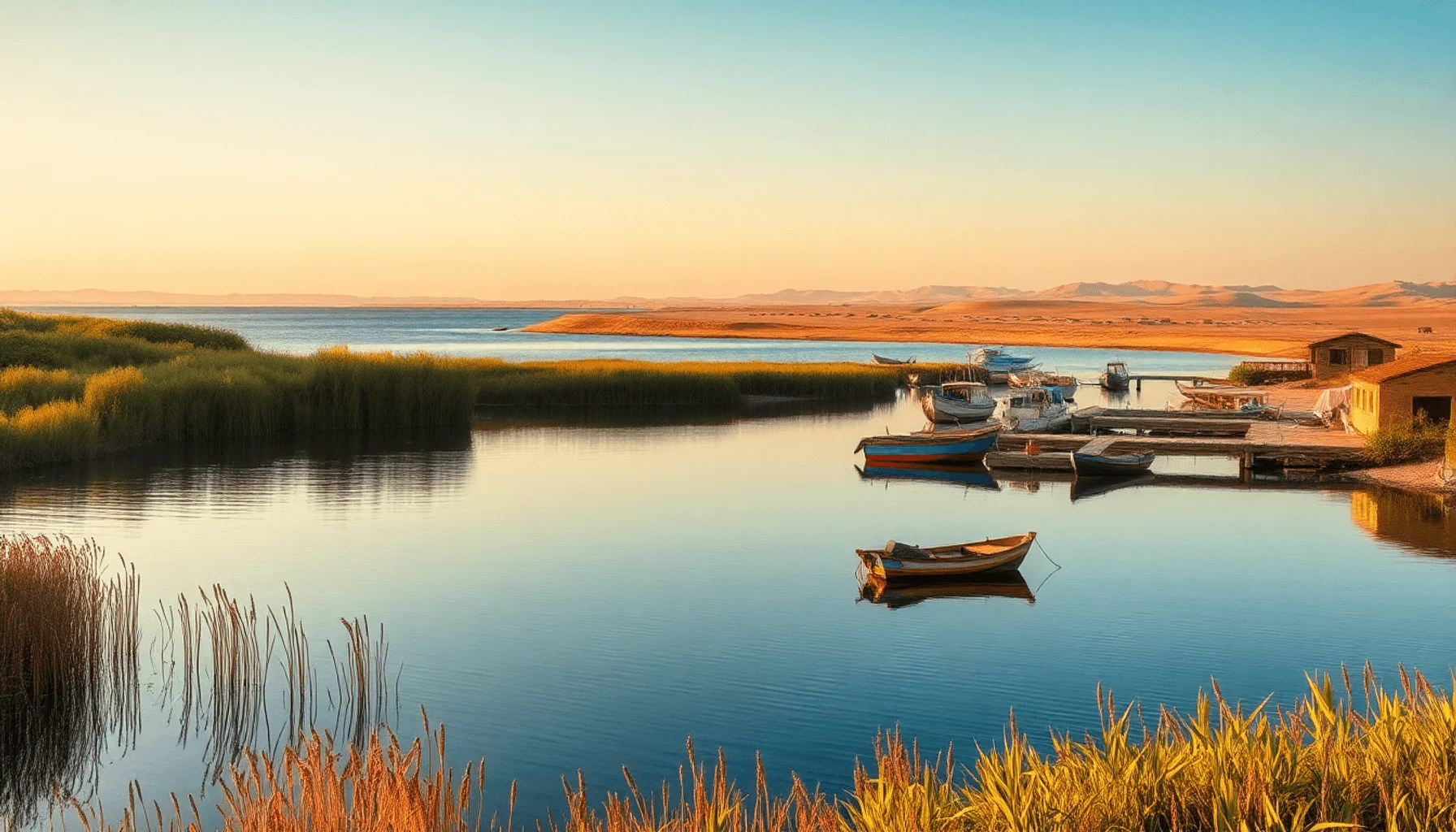
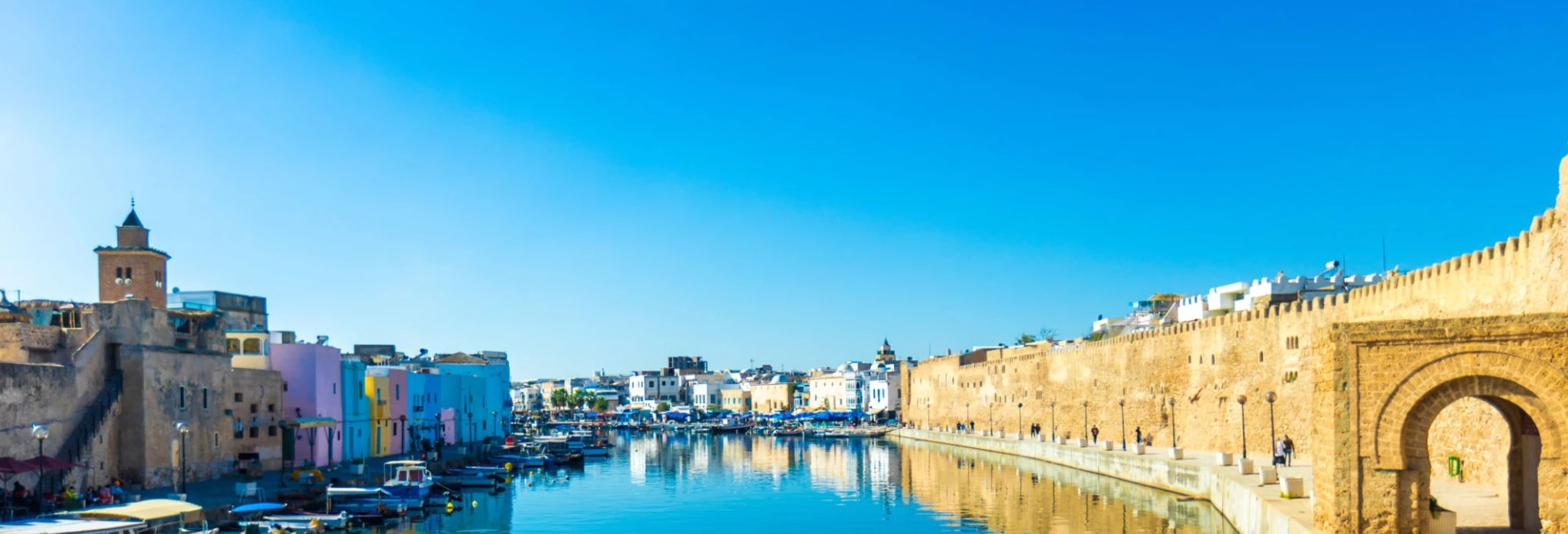
Kelibia is a coastal town on Cap Bon, about 100 km from Tunis, known for its white-sand beaches, its fortress, its fishing port and its muscat wine.
Kelibia is not your average seaside resort. This fishing town on Cap Bon, roughly 100 km from Tunis, still lives to the rhythm of its port. You come here for white sand, history and good food, not for all-inclusive resorts.
The town revolves around a few strong symbols. First come the beaches: Hammem Laghzez, the locals' favourite, and the famous white-sand Mansoura. Then there is the Borj el-Kébir, a fortress set on a 150 m headland, its Byzantine foundations (6th century) enlarged by the Ottomans (16th century), from where on a clear day you can spot the Italian island of Pantelleria.
Next comes the fishing port, one of the busiest in the country and famous for its night-time lamparo fishing (using bright lamps to draw in the catch). Kelibia also produces a renowned muscat, the Muscat of Alexandria, classified AOC Premier Cru. And the tip of Cap Bon opens onto real treasures: the Punic city of Kerkouane (UNESCO, 12 km), the El Haouaria caves and boat trips out to the protected Zembra archipelago.
9 places to take with you
In the guide's order, ready for Google Maps or your GPS.
Book the activities from this guide
Our picks for Kelibia, well rated and free to cancel.
-
Book this activity
Private Cap Bon tour: Kelibia fort, Kerkouane and El Haouaria
from €40 per person (GetYourGuide price 2026, private group)
-
Book this activity
Korbous hot springs and El Haouaria
from €79 per person (GetYourGuide price 2026, private group)
Affiliate links: Travel Advice earns a commission if you book, at no extra cost to you. Learn more

Hammem Laghzez Beach (Hammam Ghezèze)
Ask any Kelibian for their favourite beach and they'll answer Hammem Laghzez. Golden sand, clear water and a still-local feel, just north of town.
Part of the Hammam Ghezèze district, whose name points to old thermal springs, it's one of the most renowned beaches in the Kelibia area. It stretches along the east coast of Cap Bon, just minutes from the centre.
People come here to swim, snorkel, walk along the shore and enjoy a seafront less built-up than the big resorts. Off-season, the calm is total.

Café Sidi El Bahri
A terrace facing the sea, the sound of the waves and a mint tea: Café Sidi El Bahri is a Kelibia institution, the meeting point for locals and visitors alike.
Set on the seafront, on Avenue des Martyrs, it owes its reputation to an unbeatable location and a simple, friendly atmosphere. It's the place to watch the sunset and put the world to rights.
You sit down for a coffee, a tea or a cold drink, at any hour. During the amateur film festival (FIFAK), in late August, the seafront stays lively late into the night.
It's the stop that best captures daily life in Kelibia: neither a postcard nor a tourist trap, just the soul of the town facing the Mediterranean.

Kelibia Fort (Borj el-Kébir)
Set on its headland above the port, Kelibia fort is visible from all over town: it is the landmark of eastern Cap Bon.
The Borj el-Kébir stands on a 150 m promontory. Its foundations are Byzantine (6th century) and the Ottomans enlarged it in the 16th century. On a clear day you can see the Italian island of Pantelleria from the ramparts.
You come up to walk round the walls, step inside the enclosure and take in the port, the town and Mansoura beach to the north in a single view.

Mansoura Beach
White sand, translucent turquoise water and a wide open space facing the sea: Mansoura is Kelibia's most photographed beach.
About 2 km north of the fortress, on the east coast of Cap Bon, this white-sand beach is one of the picture-postcard sights of the Tunisian coast. Its clear and, in places, shallow waters make it an ideal spot for swimming.
People come to swim, sunbathe, walk along the shore and soak up the Cap Bon light. A few cafés and food stops dot the surroundings in season.

Kelibia Fishing Port
Drying nets, purring engines and colourful boats coming back loaded: Kelibia's fishing port beats to the rhythm of the sea all year round.
It's one of the busiest ports in the country, famous for its night-time lamparo fishing. Fishing supports a large part of the town and sets the rhythm of its days.
People come to watch the boats return, buy freshly caught fish and sit down in the nearby eateries to enjoy it grilled.
It's the best place to grasp the living soul of Kelibia, between maritime tradition and the fishermen's everyday world.

Boat Trip to Zembra and Zembretta
Off the Gulf of Tunis rises a mountain set on the sea: the island of Zembra, wild and protected, approached by boat from El Haouaria.
Zembra (peaking at 435 m) and the islet of Zembretta have formed a national park since 1977 and a UNESCO biosphere reserve. The archipelago shelters the largest colony of Scopoli's shearwaters in the Mediterranean.
Trips leave from El Haouaria to circle the island, swim in crystal-clear waters and snorkel. Landing requires a permit from the Defence ministry and the Forestry department, and the island was closed to visitors all summer 2025: the spectacle is lived from the water.

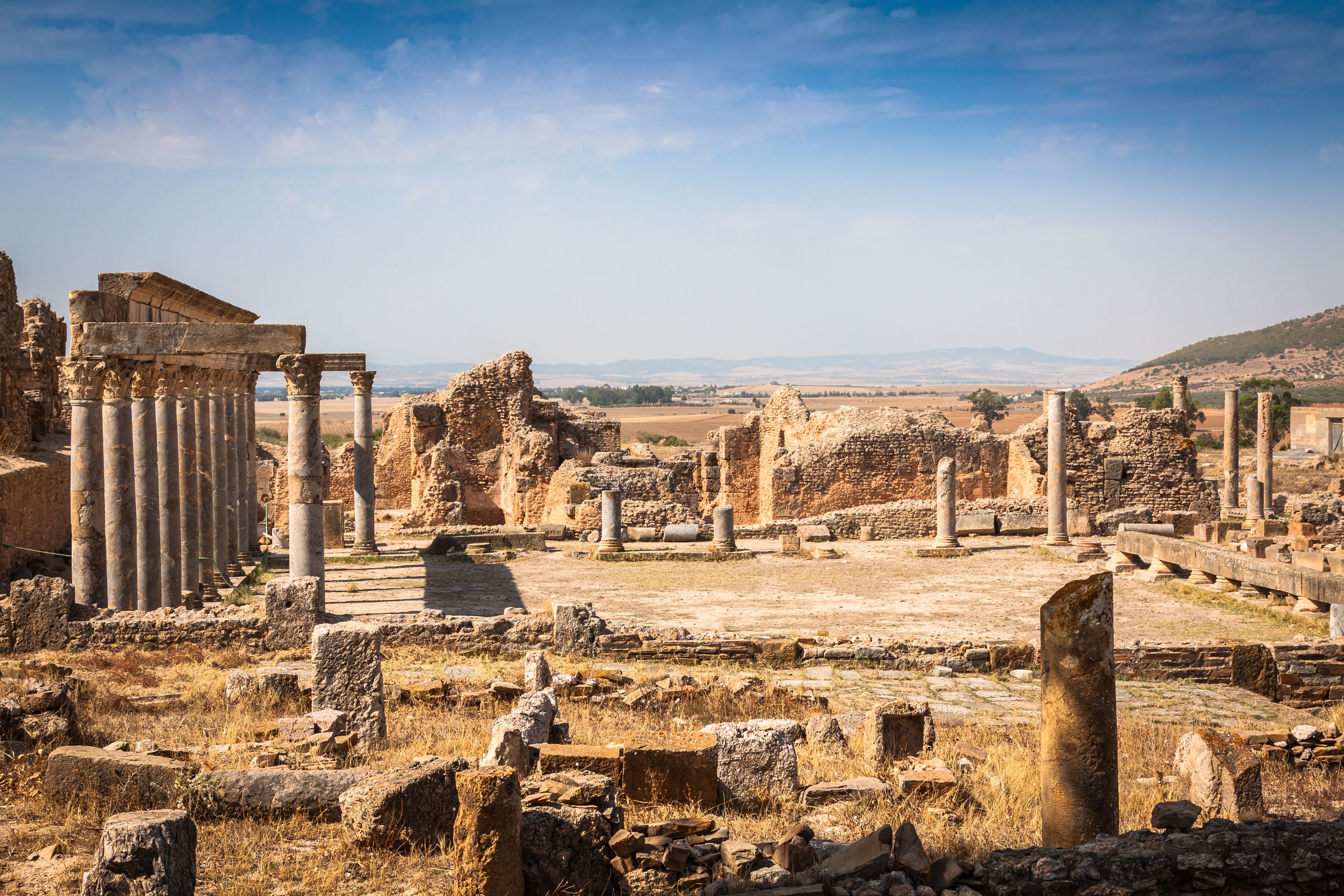
Punic City of Kerkouane
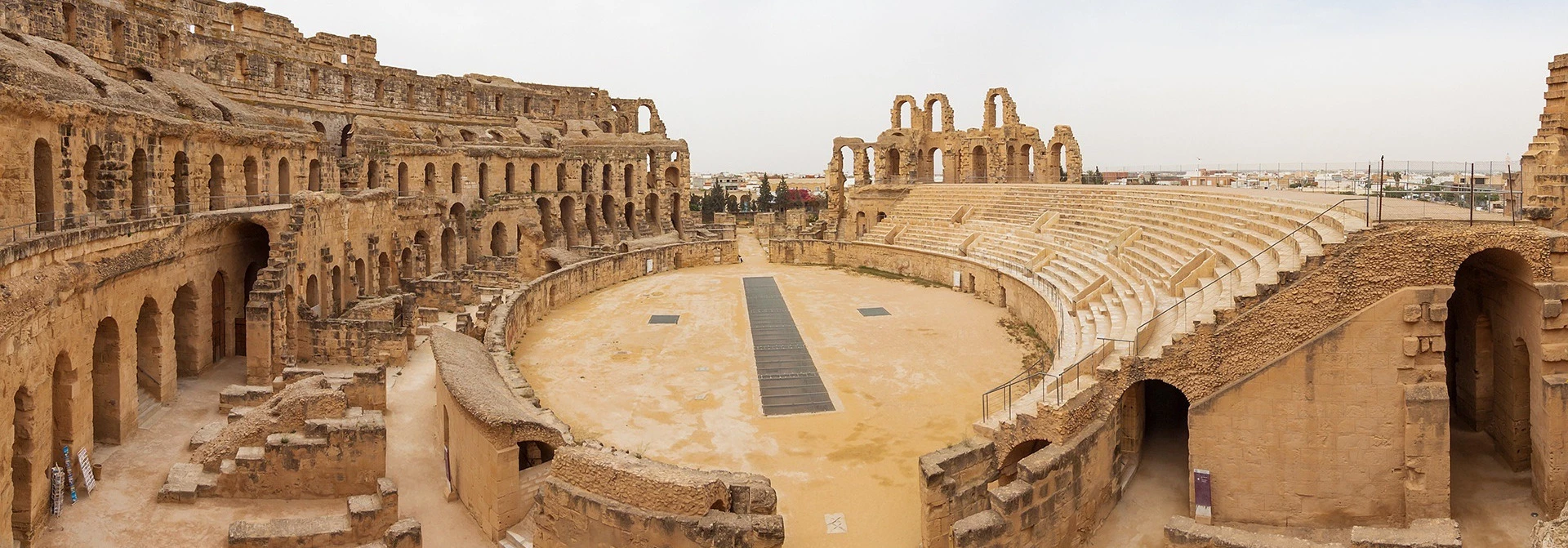
Facing the sea, low walls, streets and houses with bathtubs tell of a vanished world: Kerkouane is a rare journey into everyday Punic life.
This site, about 12 km from Kelibia, has been a UNESCO World Heritage Site since 1985. It's the only Punic city to have survived intact, never rebuilt by the Romans, which makes it a unique testimony in the world.
You wander among the remains, study the layout of the dwellings and the famous hoof-shaped bathtubs, then take in the view out to sea.
Roman Caves of El Haouaria
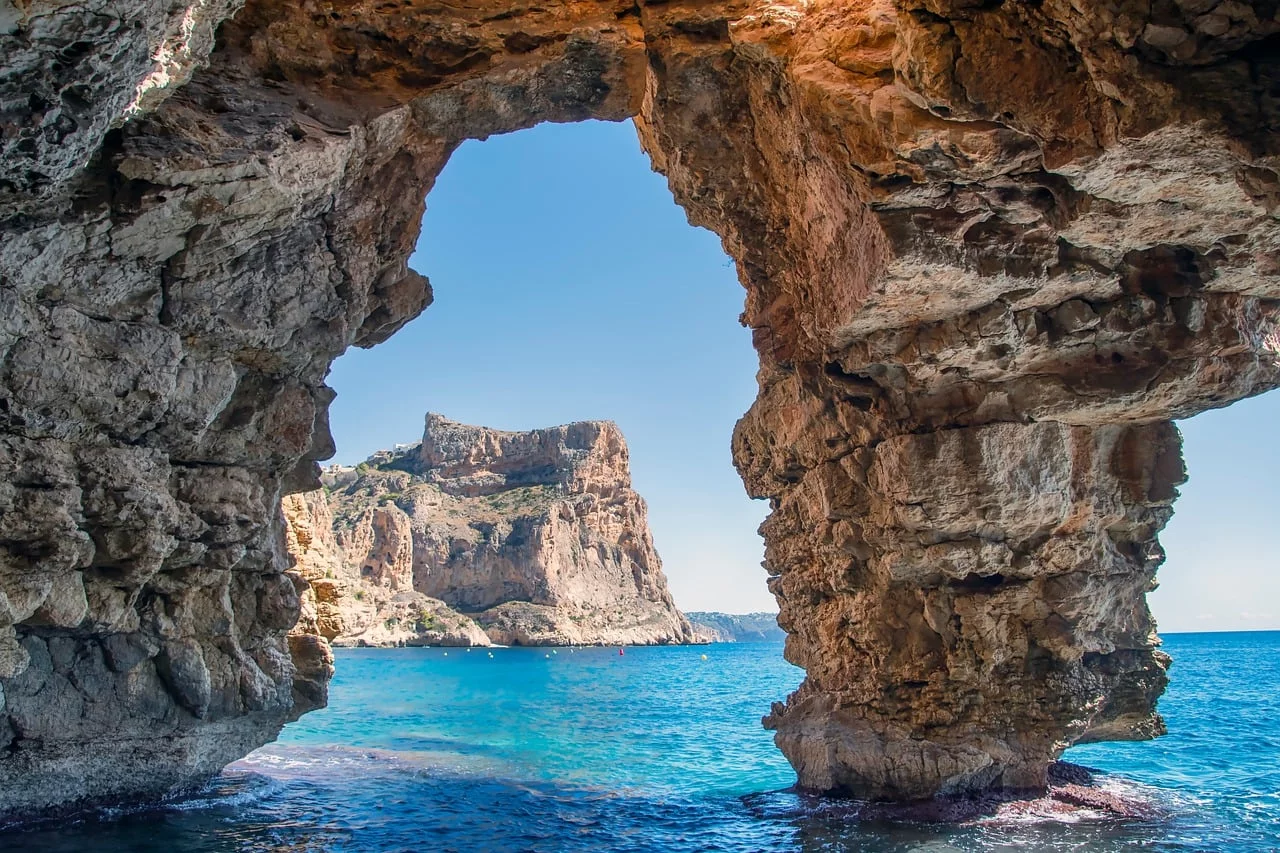
Vast halls carved into the sandstone open onto the sea, pierced by shafts of light: the El Haouaria caves impress with their scale and their silence.
About 30 km from Kelibia, these former Punic and Roman quarries supplied the stone for Carthage and other ancient cities. The halls, open to the sea, still bear the marks left by the quarrymen.
You walk through the galleries dug by human hands, admire the play of light on the sandstone and enjoy the panoramas over the Mediterranean from the headland.
It's the natural companion to a visit to Kerkouane and a trip to Zembra: three highlights on the same tip of Cap Bon.
Vineyards and Muscat of Kelibia
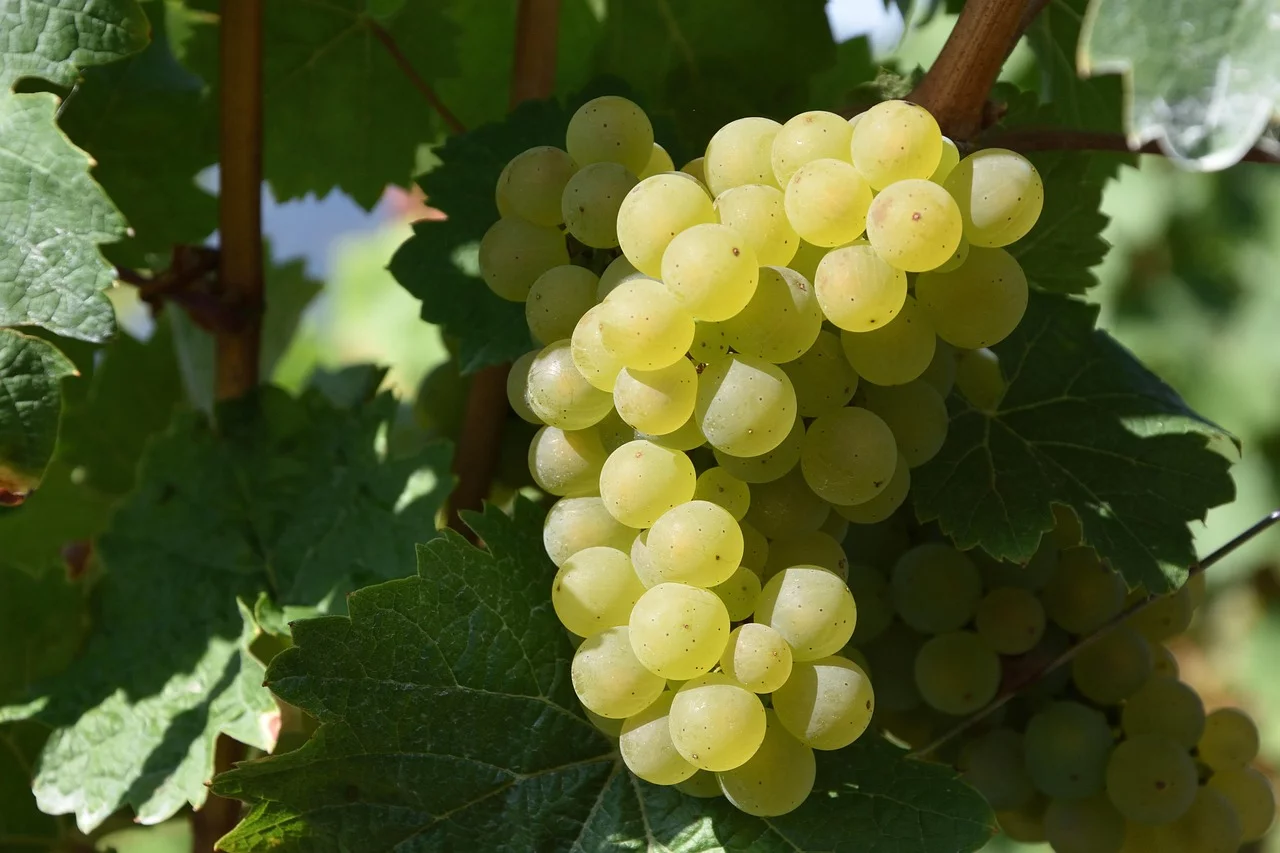
Under the Cap Bon sun, rows of vines tumble towards the sea and golden bunches scent the air: Kelibia also means wine and terroir.
The town is the birthplace of the Muscat of Kelibia, made from the Muscat of Alexandria grape and classified AOC Premier Cru. The Kelibia cellar, founded in 1948, keeps this know-how alive and remains a benchmark for this white wine, often enjoyed in its dry version.
People come here to tour, understand the winemaking and above all taste the muscat, a local pride, ideally served well chilled as an aperitif.
Fort Visit and Muscat Tasting
Start by climbing up to the Borj el-Kébir, the fortress perched at 150 m, whose Byzantine foundations date back to the 6th century. From the ramparts, the view sweeps over the town, the sea and sometimes the island of Pantelleria. It's the best viewpoint on Cap Bon, ideal in late morning.
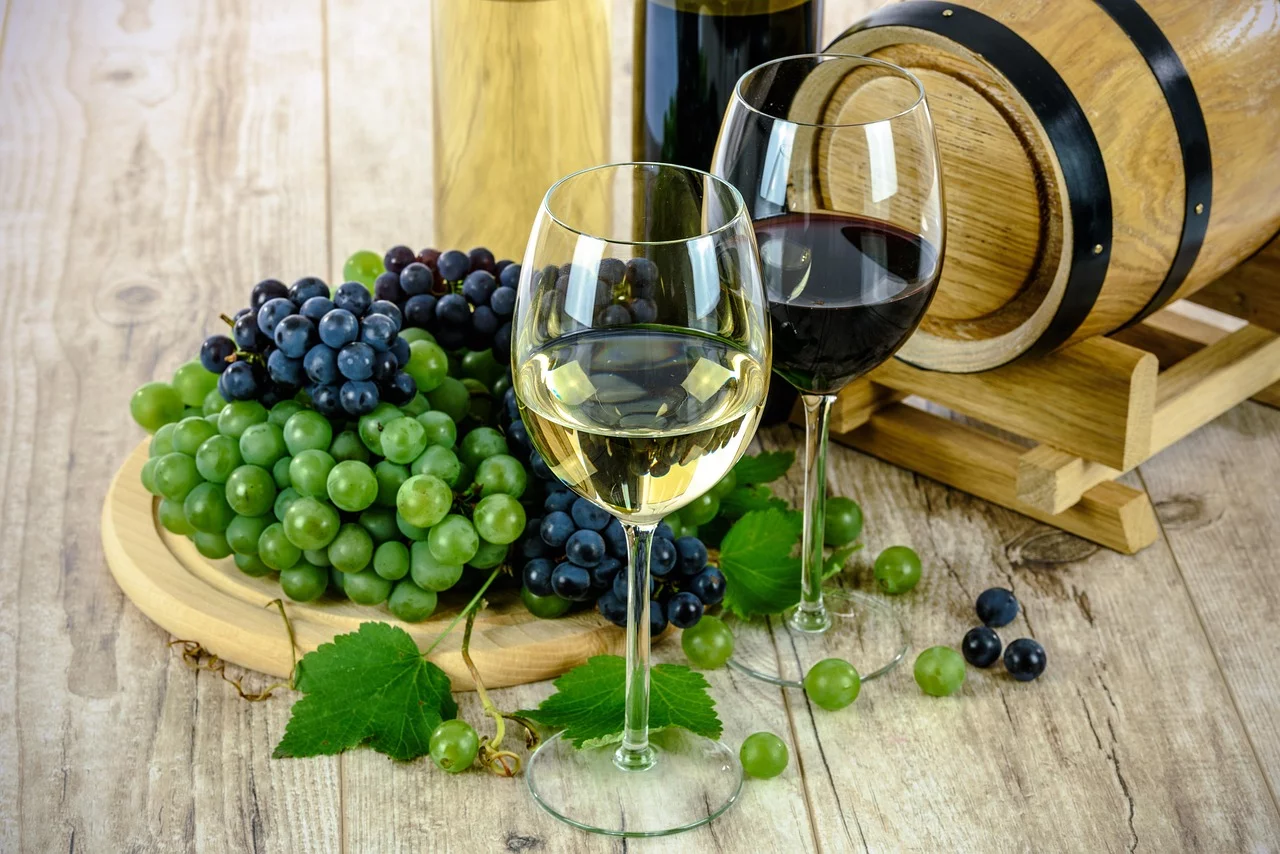
Follow up with a tasting of the famous Muscat of Kelibia, the AOC white wine made from the Muscat of Alexandria grape. Served well chilled, it reveals intense, fruity aromas. The experience appeals as much to history buffs as to the terroir-curious. Check the cellar's opening hours before heading over.
- Half day
- EUR 10-25
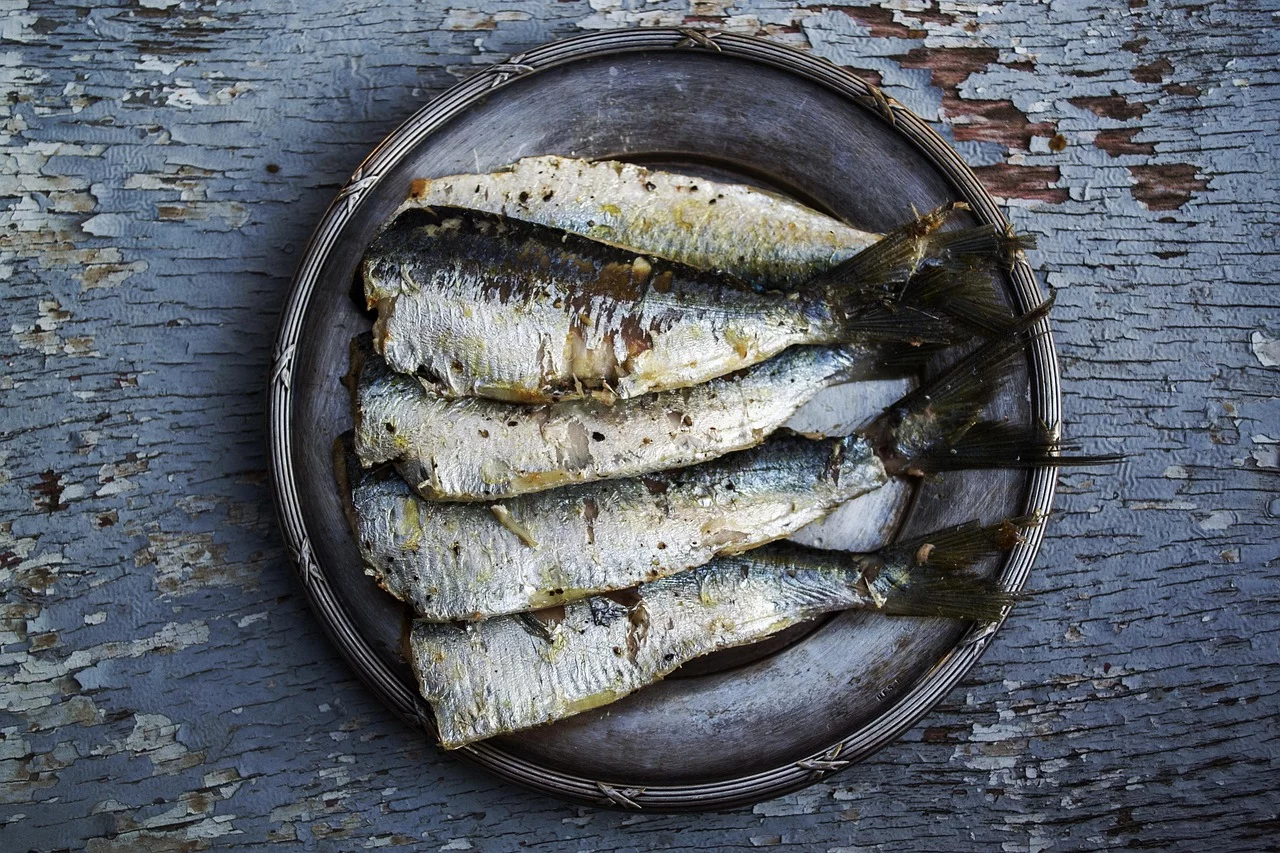
Fresh Fish Lunch at the Port
Seated near the fishing port, you choose your fish from the day's catch, brought in by the famous lamparo fishing. It's grilled simply, drizzled with olive oil and lemon. Sea bream, red mullet and squid make up a generous meal, served with salads and homemade harissa.
The highlight is that unbeatable freshness, just metres from the boats that brought in the catch. The experience delights food lovers and travellers curious about local cooking alike. Come around noon, ask for the price by weight before ordering and pair it all with a well-chilled dry muscat.
- 1 to 2 hrs
- EUR 10-25 per person
Private Cap Bon tour: Kelibia fort, Kerkouane and El Haouaria
A day by car with a local driver-guide: Kelibia fort (about 1 hr 15 on site), the UNESCO-listed Punic city of Kerkouane, then the coastal caves of El Haouaria, with a beach stop. The highlight: the halls of the ancient quarries opening onto the sea.
Private-group tour, commentary in French, English, German, Arabic or Italian, pick-up depending on the option chosen. From €40 per person on GetYourGuide, free cancellation up to 24 hours before; site entry fees are extra.
- 8 to 9 hrs
- from €40 per person (GetYourGuide price 2026, private group)
Korbous hot springs and El Haouaria
A guided day along the west coast of Cap Bon to the spa town of Korbous, where natural hot water pours into the sea, then on to the El Haouaria caves and ending at Kelibia fort. The highlight: swimming where the thermal spring meets the waves.
Private group, French-speaking guide, pick-up in Tunis, Sousse or Mahdia: the tour suits you if you are staying outside Cap Bon. From €79 per person on GetYourGuide, free cancellation up to 24 hours before.
- 9 hrs
- from €79 per person (GetYourGuide price 2026, private group)
Getting there
Kelibia is reached by car from Tunis-Carthage airport in about 2 hours (110 km), or by louage (shared taxi) and bus from Tunis and Nabeul.
The most convenient airport is Tunis-Carthage, about 110 km away, roughly 2 hours by road. It's the natural arrival point for most international travellers heading to Cap Bon.
Another option is Enfidha-Hammamet airport, further south. The drive is clearly longer than from Tunis (allow at least 2 hours via Nabeul), but it stays straightforward by car.
Without a vehicle, the louage (shared collective taxi) does the job perfectly. You'll find them from Tunis and from Nabeul, for a few dinars. These taxis leave once full, so allow a little flexibility. Regular buses also link Kelibia to Tunis and Nabeul. That said, to explore Cap Bon at your own pace, a car is strongly recommended.
Getting around
A car is ideal for exploring Cap Bon, especially Kerkouane and El Haouaria; local taxis are enough for the port, the beaches and the fort.
To roam across Cap Bon, the car is your best ally. It gives you the freedom to string together Kerkouane, the El Haouaria caves, the beaches and the vineyards without depending on timetables. The peninsula's roads are pleasant and well signposted.
Within the town, you don't need much. Local taxis are cheap and handy for reaching the centre, the fishing port, the beaches of Hammem Laghzez and Mansoura, and the fort. Agree the price before you get in, or ask the driver to switch on the meter.
The heart of Kelibia is easily covered on foot. The port, the market and the central seafront, with its famous Café Sidi El Bahri, all sit close together. For the beaches and the fort, set slightly apart, plan for a vehicle or a taxi, especially in the summer heat.
What to do
The must-sees are the beaches of Hammem Laghzez and Mansoura, the Borj el-Kébir, the fishing port, Café Sidi El Bahri, the muscat, and trips to Kerkouane, El Haouaria and Zembra.
For beaches, start with Hammem Laghzez, the locals' favourite, then the famous Mansoura with its white sand and turquoise waters. Next climb up to the Borj el-Kébir, a fortress perched at 150 m where the view sweeps over the sea, the town and sometimes the Italian island of Pantelleria. It's the best viewpoint in the whole region.
Don't miss the fishing port, one of the busiest in Tunisia, especially when the boats come back, and Café Sidi El Bahri, a Kelibia institution set right by the water. For flavour, a muscat tasting at the local cellar is a must. For culture lovers, the falconry of El Haouaria keeps an ancestral art alive, celebrated each June at the Festival de l'épervier (Sparrowhawk Festival).
From the tip of Cap Bon, set off to discover the Punic city of Kerkouane (UNESCO), the spectacular Roman caves of El Haouaria and, by boat from El Haouaria, the protected archipelago of Zembra and Zembretta (landing on the island requires a permit). For a more distant day out, the thermal coast road of Korbous, on the west coast, is worth the detour.
Kerkouane deserves a morning of its own: it is the only Punic city left intact anywhere, 25 minutes from Kelibia.
Food
Kelibia's table revolves around fish and seafood straight from the port, grilled fish and the local dry muscat served as an aperitif.
In Kelibia, you eat what the sea brings in. The fish and seafood landed at the port arrive fresh on your plate. The town owes this bounty to its lamparo fishing, the night-time method where lamps draw in shoals of fish. It's hard to get more local than that.
The great classic remains grilled fish, drizzled with olive oil and lemon, served with salads and homemade harissa. Sea bream, red mullet and squid are often on the menu. For an aperitif, try Kelibia's famous dry muscat, cool and fragrant, a local pride made from the Muscat of Alexandria grape.
For a coffee break, Sidi El Bahri, on the seafront, is the legendary spot for locals. For Tunisian cooking, you'll find the staples everywhere: brik with egg, couscous, méchouia salad and mint tea. For the best value, sit down near the port rather than in the very touristy restaurants.
Itineraries
Allow two days: the first for the beaches, the fort and the port; the second for Kerkouane, El Haouaria and a boat trip to Zembra. Korbous makes a third day.
Over two days, you'll see the essentials of Kelibia and its headland. On the first day, enjoy the beaches of Hammem Laghzez and Mansoura, climb up to the Borj el-Kébir for the view, then finish at the fishing port as the boats come in, before a fresh fish dinner and a coffee at Sidi El Bahri.
On the second day, set off to explore the peninsula by car. Visit the Punic city of Kerkouane (UNESCO) in the morning, then the Roman caves of El Haouaria. If the weather allows, hop aboard a boat trip to Zembra and Zembretta from El Haouaria. A muscat tasting at the cellar rounds off the day perfectly.
With a third day, treat yourself to the trip to Korbous, on the west coast of Cap Bon (about 1h30 to 2h by road): there you bathe in the warm water of Aïn el-Atrous, which gushes out at nearly 50°C and flows straight into the sea. Otherwise, simply stretch out your beach mornings, the Tunisian way.
Climate & seasons
When to go to Tunisia?
Monthly averages over the past 5 years (Open-Meteo).
Best months
- January
- February
- March
- April
- May
- June
- August
- September
- October
- November
- December
| Jan | Feb | Mar | Apr | May | Jun | Jul | Aug | Sep | Oct | Nov | Dec | |
|---|---|---|---|---|---|---|---|---|---|---|---|---|
| Our take | ||||||||||||
| Weather | ||||||||||||
| High | 16° | 16° | 18° | 20° | 24° | 30° | 34° | 33° | 30° | 26° | 21° | 18° |
| Rain (mm) | 37 | 49 | 56 | 35 | 49 | 12 | 0 | 8 | 21 | 66 | 40 | 54 |
When to go
The best times are May-June and September-October, mild and quiet; swimming is pleasant from June to November, with the sea around 26°C in August.
Aim for spring and early autumn to enjoy Kelibia at its best. From May to June, then from September to October, the weather is mild, the sea warms up and the crowds have not yet arrived. It's the best compromise for combining beach, fort and excursions.
For swimming, the season runs from June to November. The sea reaches roughly 26°C in August, perfect for long sessions in the water. If you're coming mainly to swim, summer guarantees warm water and generous sunshine.
Avoid July and August if you can: high season, big crowds of Tunisian holidaymakers, stifling heat and rising prices. Late August is also when FIFAK, the international amateur film festival, takes place (23 to 29 August in 2026), if you're after a cultural buzz. At the other end, October and November turn wetter. For peace and good rates, nothing beats May-June or September.
Budget
Budget around 25 euros a day as a backpacker, 55 euros for mid-range comfort and 110 euros at the top end; hotel prices climb in July and August.
Kelibia is still a very affordable destination. On a backpacker budget, around 25 euros per day per person covers simple accommodation, local meals and transport.
For a more comfortable stay, plan on around 55 euros a day: a good guesthouse, fish restaurants and a little car hire. At the top end, count on about 110 euros a day, a 4-star hotel included. Be aware that hotel prices climb sharply in July and August.
Keep one key detail in mind: the Tunisian dinar cannot be taken out of the country. Change your money on the spot and keep your exchange receipts, useful for converting any leftover dinars back when you leave. Carry cash too, since cards aren't accepted everywhere, especially at the port and in the markets.
Work out your budget
Backpacker
€175
€25 per person per day
Mid-range
€385
€55 per person per day
Upscale
€770
€110 per person per day
On-the-ground estimate, international flights excluded unless stated. Prices vary by season and how early you book. Figures updated on 11/09/2026.
Where to stay
The offer is mostly guesthouses and 3 to 4-star hotels with an authentic feel; you can also base yourself in Nabeul or Hammamet and visit on day trips.
Kelibia trades on authenticity rather than big resorts. You'll mainly find guesthouses and 3 to 4-star hotels, often family-run and welcoming. That's exactly what appeals to travellers after a genuine stay, far from mass tourism.
To make the most of the local atmosphere, sleep near the centre or over by the Hammem Laghzez and Mansoura beaches. You'll have a front-row seat for the market, the port and the sunsets over the sea. Book ahead in spring and especially in August (FIFAK), since rooms are limited and the best addresses go fast.
Another option is to base your stay in Nabeul or Hammamet, further south, where the choice of hotels is wider. From there, you can reach Kelibia on a day trip. That said, to truly feel the soul of the place, a night or two in town is well worth it.
Safety
Tunisia is rated under heightened vigilance by France Diplomatie; Cap Bon sits outside the advised-against zones, requiring only standard precautions.
Tunisia is rated under heightened vigilance by France Diplomatie, a level that covers most of the country and the coast in particular. It means keeping up with the news and local instructions.
Cap Bon, home to Kelibia, sits clearly outside the advised-against zones. Those concern the Saharan south and the western mountains along the borders, very far from a beach stay in the north-east of the country. The mood in Kelibia is calm and welcoming.
Apply the usual precautions: keep an eye on your belongings on busy beaches, avoid gatherings and follow local instructions. For boat trips to Zembra, go through a licensed operator: the archipelago is a national park where landing requires a permit from the Defence ministry and the Forestry department. Keep your embassy's contact details handy, just in case.
Formalities
No visa for French citizens under 90 days, but since 1 January 2025 a passport is mandatory for everyone (valid 3 months on entry): ID cards are refused.
For French travellers, entering Tunisia is simple. No visa is required for a tourist stay of under 90 days. Since 1 January 2025, all visitors must show a passport valid for at least 3 months on the date of entry (France Diplomatie). A national identity card is no longer accepted, including on package tours. Travellers of other nationalities should check their own entry requirements before leaving.
On the health side, no vaccine is required to enter the country. The usual universal vaccinations remain recommended, as everywhere. Carry a copy of your passport and your travel insurance; it always comes in handy if something goes wrong on the ground.
Before you leave, check up-to-date official sources. The France Diplomatie travel advice sets out the formalities, health and safety details for Tunisia. The rules can change, so verify them a few days before departure.
Tips
Go to Hammem Laghzez like the locals, drink the dry muscat well chilled, eat fish at the port, have a coffee at Sidi El Bahri and book Zembra through a licensed operator.
First piece of local advice: the Kelibians' favourite beach is Hammem Laghzez, north of Mansoura. Arrive early in summer to grab a spot. And for the essential break, settle in at Café Sidi El Bahri on the seafront, especially at the end of the day.
Try Kelibia's dry muscat well chilled, as an aperitif facing the sea. For fish, steer clear of the overly touristy restaurants and eat near the port, where the day's catch goes straight from boat to kitchen: fresher, tastier and often cheaper. Ask for the catch of the day and the price by weight before ordering.
For excursions, combine Kerkouane and El Haouaria in the same day by car. Boat trips to Zembra and Zembretta leave from El Haouaria and should be booked with a licensed operator (landing on Zembra requires a permit and the island was closed to visitors all summer 2025: you circle it for swimming and snorkelling). Korbous, on the west coast, makes a lovely day trip for its hot springs. And the direct ferry to Italy is not a reliable option today, so don't plan your trip around it.
FAQ
You visit Kelibia for its white-sand beaches (Hammem Laghzez, Mansoura), its clifftop fortress, its lively fishing port, its renowned muscat and boat trips to Zembra.
Why visit Kelibia?
Kelibia distils the best of Cap Bon: the white-sand beaches of Hammem Laghzez and Mansoura, the Borj el-Kébir fortress perched at 150 m, a very busy fishing port, a renowned AOC muscat and the legendary Café Sidi El Bahri. All of it in an authentic atmosphere, with Kerkouane (UNESCO) 12 km away and boat trips to the protected Zembra archipelago.
What is the most beautiful beach in Kelibia?
Locals name Hammem Laghzez first, their favourite beach, just north of town. Mansoura beach, with its white sand and turquoise waters about 2 km north of the fort, is the other must-see. Both rank among the finest on Cap Bon.
Can you take a boat trip to Zembra from Kelibia?
Yes, through excursions departing from El Haouaria, at the tip of Cap Bon. Zembra and Zembretta form a national park and a UNESCO biosphere reserve: landing requires a permit (the island was even closed to visitors all summer 2025), but you circle it by boat for swimming and snorkelling. Book with a licensed operator.
Can you catch a ferry from Kelibia to Italy?
No, there is no confirmed regular passenger service between Kelibia and Italy in 2025-2026. A historic link to Pantelleria and Trapani existed in the past, but it isn't reliable today. To reach Italy by boat, you go via Tunis and the port of La Goulette.
When is the best time to visit Kelibia?
May-June and September-October offer the best weather and few crowds. Swimming is pleasant from June to November, with the sea around 26°C in August. Avoid July and August, very hot and busy, unless you're coming for the FIFAK festival.
How do you get to Kelibia from Tunis?
By car, allow about 2 hours from Tunis-Carthage airport (110 km). Without a vehicle, take a louage, the shared taxi that leaves once full, from Tunis or Nabeul for a few dinars; buses also link Kelibia to Tunis and Nabeul. Once there, a car is still useful for Kerkouane and El Haouaria.
What is the FIFAK festival?
The Kelibia International Amateur Film Festival, founded in 1964, is the oldest cinema event in Tunisia. It takes place every year in late August (39th edition from 23 to 29 August 2026), with international and national competitions and evenings at the open-air theatre.
Do French citizens need a visa?
No, no visa is needed for a tourist stay of under 90 days. Since 1 January 2025, a passport is mandatory for all visitors, valid for at least 3 months on the date of entry: the national identity card is no longer accepted, even on package tours. Other nationalities should check their own requirements.
Sources
The figures in this guide come from the sources below, checked on the publication date.
Leave a comment
Share your thoughts or travel experience. Your email will not be published.