

A travel eSIM is a digital SIM card: you buy it online, scan a QR code, and your phone connects to a local network in the country you are visiting without swapping cards or paying your home carrier's roaming rates. Checked on 21 September 2026: €8.50 (about $10) for three days of unlimited data in Thailand from Airalo, $11.90 for three days in Japan from Holafly. The market grew by 85% in a year, reaching $1.8 billion in revenue in 2025 according to Juniper Research.
That success hides two less marketable truths. Inside Europe, a travel eSIM is pointless for anyone on an EU plan: your home plan works as it does at home, and the rule is guaranteed until 2032. Outside Europe, your plan may already include a data allowance abroad: the French carrier Free's €19.99 plan gives 35 GB in more than 115 destinations, and several UK, US and Australian carriers bundle roaming days or zones in the same way. Before buying, the real question is not "which eSIM" but "do I need one".
This article explains how it works, how to check that your phone is compatible, what it really costs with prices checked at two providers and one carrier, and then the traps that cost money: the phone number that vanishes, activating too early, throttled tethering.
How it works, in practice
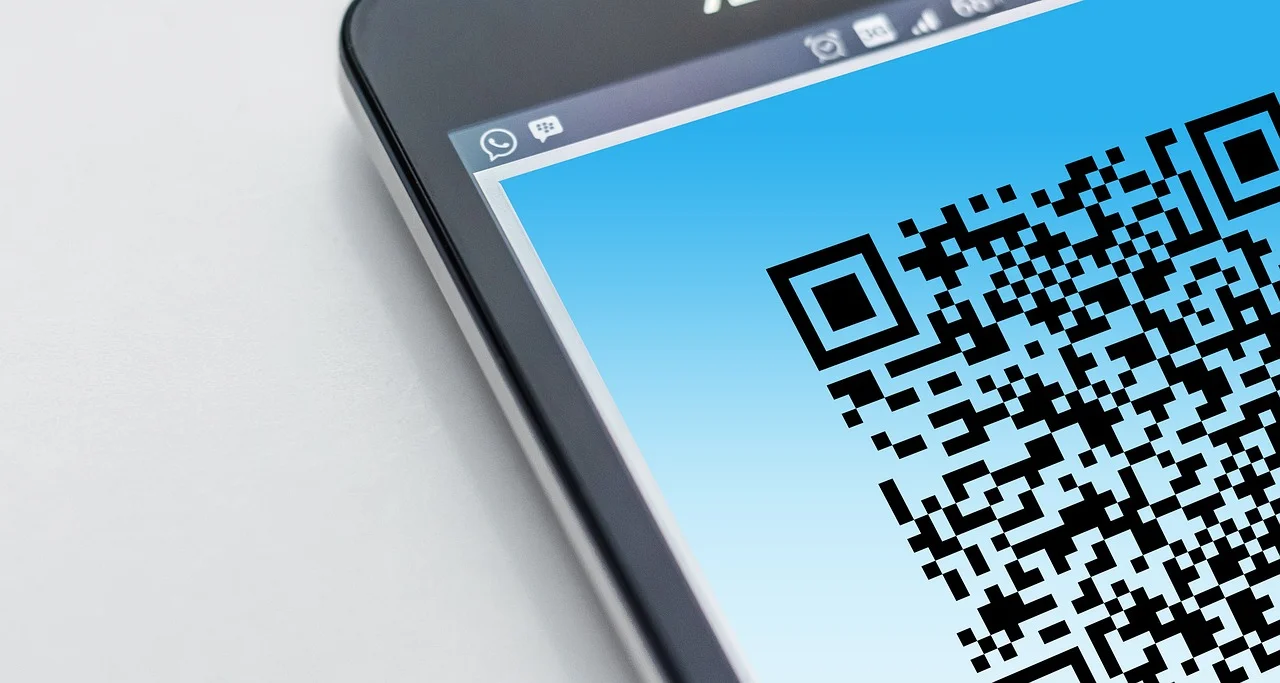
An eSIM is a chip soldered inside the phone, called an eUICC, onto which a carrier remotely installs a "profile": the software equivalent of a SIM card. The QR code you receive after purchase contains the address of the carrier's server and a unique identifier. The phone connects to it, downloads the encrypted profile and installs it. The procedure is standardised by the GSMA, the mobile operators' association, which is why it works identically on an iPhone in Bangkok and a Pixel in New York.
A phone can store several eSIM profiles and keep two active at once, including your home line. That is the classic travel setup: the home SIM stays active for calls and texts, the local eSIM handles data. You switch off "data roaming" on the home line, and not a single byte leaves at roaming rates.
Most travel eSIMs are data-only: they do not give you a local phone number. You browse, use WhatsApp, maps and transport apps, but you cannot receive calls on a Thai or Japanese number. For the vast majority of travellers, that is enough.
Is your phone compatible?
Every iPhone since the XS and XR of 2018 supports eSIM, as do the great majority of mid-range and flagship Android phones sold since 2020, Google Pixel and Samsung Galaxy S first among them. The surest test takes ten seconds: in the settings, look for "Add eSIM" or "Add mobile plan". If the option is there, you are compatible.
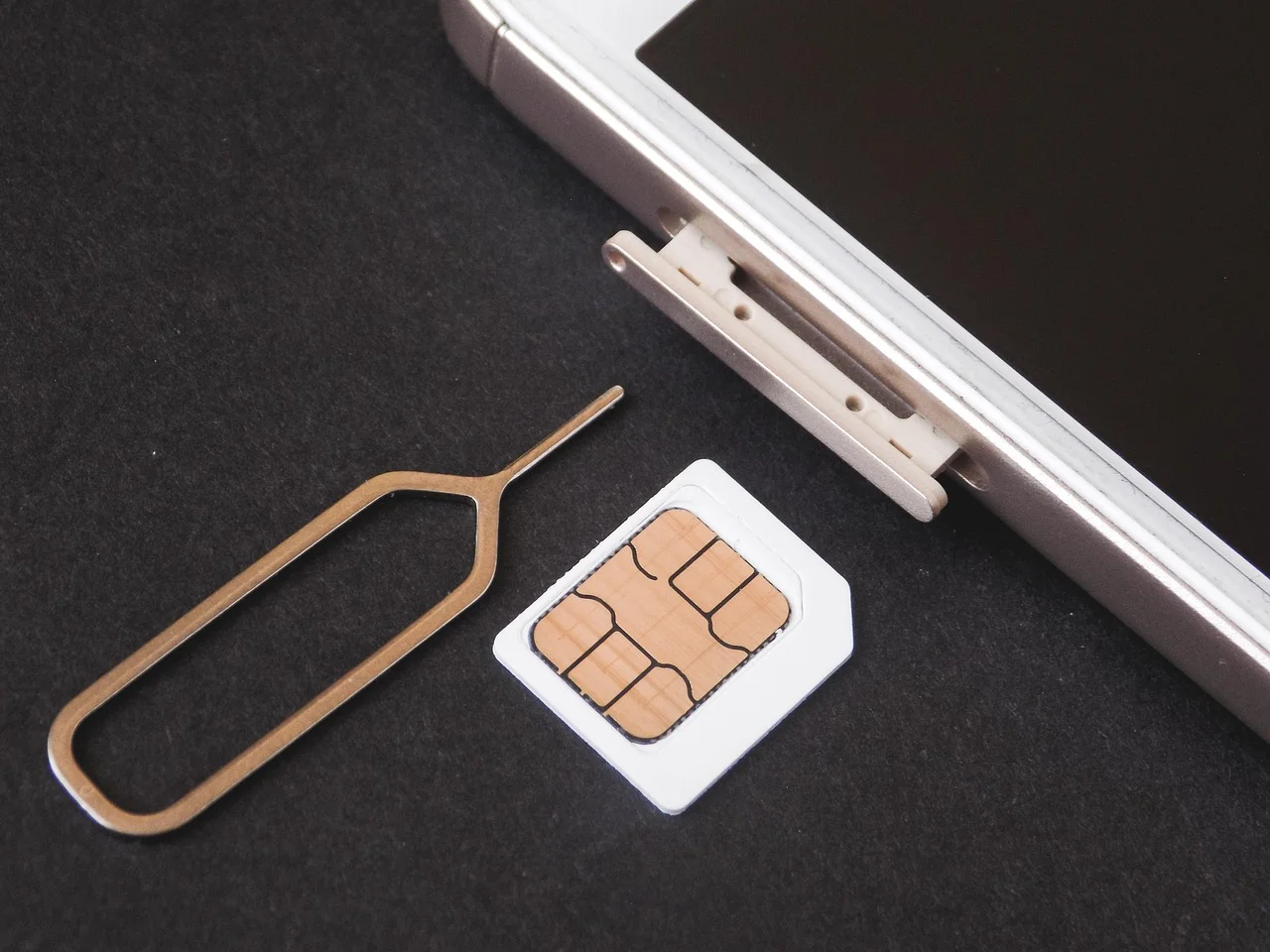
Two exceptions to know about. Phones bought on a subsidised contract may be locked to their carrier for a few months: a third-party eSIM will not install until the phone is unlocked. And entry-level models, even recent ones, often skip the eSIM chip to save a few dollars in manufacturing.
The reverse trend is under way. In the United States, iPhones have shipped without a SIM tray since the iPhone 14. In Europe, the iPhone Air is the first sold as eSIM-only, while the iPhone 17 and 17 Pro still keep their tray. If you own one of these tray-less phones, the question no longer arises: abroad, the eSIM is your only local option, and the major carriers in France, the UK, the US and Australia already provide your main line in that form.
Inside Europe, you do not need one
Across the 27 EU countries plus Iceland, Norway and Liechtenstein, a plan from any EU country works on home terms: calls, texts and data are deducted from your usual allowance, with no surcharge. This is the "Roam like at home" principle, in force since 2017 and extended by Regulation (EU) 2022/612 until 30 June 2032. Buying a travel eSIM for Italy or Portugal on a French, German or Spanish plan means paying twice. Travellers from outside the EU, including the UK since Brexit, do not benefit from this rule and should check their own carrier's European roaming terms instead.
Two caveats. Carriers may cap the data volume usable abroad on very large or very cheap plans, under the "fair use policy": the cap is in your tariff sheet, and it is rarely reached in two weeks of holiday. And a stay of several months outside your home country can trigger roaming charges: the rule is aimed at travellers, not expatriates.
The map traps: Switzerland and the United Kingdom are not covered by the regulation. Some EU carriers include them in their plans anyway, others do not. Check the "included destinations" line of your contract before a weekend in Geneva or London, because that is where the unpleasant surprises come from. Andorra and Monaco are in the same situation.

Outside Europe: what a travel eSIM really costs
The prices below were checked on 21 September 2026 on the providers' official pages; they change often, and promotions are frequent. At Airalo, unlimited data in Thailand on the dtac network sells for €8.50 for 3 days, €13.50 for 5 days, €19 for 7 days, €28 for 10 days, €35 for 15 days and €44 for 30 days (roughly $10 to $52). At Holafly, the unlimited-data specialist, Japan costs $11.90 for 3 days, $27.50 for 7 days, $50.50 for 15 days and $73.90 for 30 days.
The word "unlimited" deserves a careful read. Both providers apply a fair use policy: beyond a certain daily volume, speed is temporarily reduced. And tethering to a laptop or tablet is capped, at 1 GB per day with Holafly in Japan. For remote work on the road, a fixed-volume plan, cheaper per gigabyte, is often more honest than a throttled "unlimited".
Before paying, open your own plan's tariff sheet. In France, Free's 5G+ plan at €19.99 a month includes 35 GB of data in more than 115 destinations outside Europe, and its Free Max plan at €29.99 goes unlimited in more than 140 destinations, the United States, Canada, Japan and Thailand included. The exact destination list for each plan is in the tariff sheet, and that is what counts. Other carriers sell daily or weekly roaming "passes" whose price quickly exceeds that of an eSIM; UK and Australian travellers will recognise the same pattern with their own operators' roaming add-ons. For two weeks in Asia, a subscriber with roaming included often needs to buy nothing; a subscriber on a plan with no roaming allowance saves money with the eSIM.

The five traps that cost money
The number that vanishes. A data-only eSIM receives neither calls nor texts. If you remove your home SIM or switch its line off, your bank's verification codes stop arriving, and your card gets blocked at the first online payment. Keep the home line active and switch off only its data roaming.
Activating too early. With most providers, validity starts at the first connection to the local network, not at installation. Install the profile at home, on wifi, to check that it adds correctly; activate it when you land. Installing three days before departure and activating out of curiosity means losing three days on a seven-day plan.
Throttled tethering. As seen above: 1 GB a day of hotspot with Holafly. If your laptop needs to connect through the phone, read the "tethering" line before buying, not after.
Turkey and its IMEI counter. A foreign phone used with a local Turkish line must be registered within 120 days, or its identifier is blocked on the country's networks. A travel eSIM roaming via a non-Turkish carrier is not affected; a local SIM card bought on the spot is. For a short stay it makes no difference; for a long stay it is one more reason to prefer the eSIM.
The country where it does not work as expected. In China, travel eSIMs generally run through a foreign carrier's roaming, which changes how locally blocked services behave: check this point on the provider's page before buying, and do not treat it as a certainty. More broadly, a provider that does not say which local network it relies on deserves suspicion.

How to do it in five steps
First check compatibility in the phone's settings, then your plan's tariff sheet: if the destination is listed with a sufficient allowance, stop there. Otherwise, choose a provider that names the local network it uses and spells out its fair use policy, and buy a duration rather than a volume if you use a lot of maps and video.
Install the profile before departure, on wifi, without activating it. On travel day, switch off data roaming on the home line, keep it active for texts, and set the eSIM as the default data line. On arrival, activate the eSIM; the connection usually takes under a minute once the network is picked up. Keep the purchase confirmation and the QR code offline, in your photos or downloaded emails: if the installation fails at the airport, you will have no network to retrieve them.
This preparation sits alongside the other digital formalities of departure. The authorisations you need before you fly are completed online, and our pick of useful travel apps is best downloaded before you leave home wifi.
Do you need an eSIM? The answer depends on your trip
For a stay in the European Union, Norway or Iceland on an EU plan, no: your plan applies. For Switzerland, the United Kingdom and Andorra, read your contract, the answer depends on the carrier. Travellers on UK, US or Australian plans should check their carrier's European roaming terms, which vary widely.
For Asia, the Americas or Africa, compare two figures: the allowance your plan includes for that destination, and the price of an eSIM for the length of the stay. A plan with roaming included covers two weeks in Japan or the United States without buying anything; a plan with no roaming allowance makes the eSIM worthwhile from day one. For a three-week Japan itinerary, 35 GB may run short for a heavy video user, and the $73.90 eSIM becomes a top-up rather than a replacement.
For a long stay or a digital nomad life, a travel eSIM is the wrong scale: a local SIM card with a proper monthly plan costs less per gigabyte and gives you a local number. The travel eSIM is a holiday tool, excellent for a few days to a few weeks, and that is exactly what its price is built for.
Sources
The figures in this guide come from the sources below, checked on the publication date.
Leave a comment
Share your thoughts or travel experience. Your email will not be published.