

The best time to visit Oman is from November to March. Muscat then sees 24 to 30 °C (75 to 86 °F) in the afternoon, you can explore the desert in the middle of the day, and nights in the mountains are cool. From May to September the north climbs above 38 °C (100 °F). Only Dhofar, around Salalah, escapes the heat thanks to the khareef, its summer monsoon.
The country has three climates. The north coast, from Muscat to Sur, is hot and humid. The interior, from Nizwa to the Sharqiya desert, is drier, with big swings between day and night. The Hajar Mountains stay about ten degrees cooler than the plains. We worked out the 2021-2025 averages from the Open-Meteo archive (ERA5 reanalysis): they show the trend, not a promise.
| Month | Muscat (high/low) | Nizwa (high/low) | Salalah (high/low) | Our take |
|---|---|---|---|---|
| January | 24 / 17 °C (75 / 63 °F) | 25 / 15 °C | 27 / 18 °C | Ideal, peak season |
| February | 26 / 19 °C (79 / 66 °F) | 29 / 18 °C | 28 / 19 °C | Ideal, Ramadan from 8 February 2027 |
| March | 30 / 22 °C (86 / 72 °F) | 32 / 21 °C | 30 / 22 °C | Very good, warming up |
| April | 34 / 26 °C (93 / 79 °F) | 36 / 24 °C | 32 / 24 °C | Hot, rose season in the mountains |
| May | 39 / 29 °C (102 / 84 °F) | 40 / 27 °C | 33 / 26 °C | Too hot, cyclone risk |
| June | 39 / 31 °C (102 / 88 °F) | 42 / 29 °C | 31 / 26 °C | Avoid the north |
| July | 38 / 31 °C (100 / 88 °F) | 40 / 29 °C | 29 / 25 °C | Khareef in Dhofar |
| August | 37 / 29 °C (99 / 84 °F) | 40 / 27 °C | 28 / 24 °C | Khareef in Dhofar |
| September | 36 / 28 °C (97 / 82 °F) | 39 / 26 °C | 29 / 24 °C | Khareef ends on the 21st |
| October | 34 / 26 °C (93 / 79 °F) | 35 / 24 °C | 30 / 23 °C | Cooling down, cyclone risk |
| November | 30 / 22 °C (86 / 72 °F) | 31 / 20 °C | 31 / 22 °C | Very good, start of the season |
| December | 27 / 19 °C (81 / 66 °F) | 26 / 17 °C | 28 / 20 °C | Ideal, holiday prices |
Temperatures: 2021-2025 averages calculated from the Open-Meteo archive (ERA5).
For the route itself, our Oman travel guide covers the road trip from Muscat to the desert and the mountains.
Book the activities from this article
Our picks for Oman, well rated and free to cancel.
-
Book this activity
Wahiba desert and Wadi Bani Khalid (from Muscat)
from €116 per person (GetYourGuide price 2026)
-
Book this activity
Wadi Shab and Bimmah Sinkhole (from Muscat)
from €27 per person (GetYourGuide price 2026)
Affiliate links: Travel Advice earns a commission if you book, at no extra cost to you. Learn more
November to March: peak season, for good reason
From November to March, the whole of Oman is comfortable to visit. In January, Muscat sits around 24 °C in the afternoon, Nizwa 25 °C and the Sharqiya desert 26 °C. This is the season for hiking the wadis, sleeping in desert camps and walking in the mountains.
- In the desert: nights drop to an average of 14 °C (57 °F) in January at Bidiyah, on the edge of the Sharqiya dunes. A fleece is enough around the campfire.
- In the mountains: at Saiq, on the Jebel Akhdar plateau at around 2,000 metres, January afternoons peak at 15 °C and nights fall to 6 °C (43 °F). Bring a proper jacket.
- Rain: it is rare, one to three days a month in Muscat. Even so, a winter shower can fill a wadi within hours: never cross a riverbed in flood.
- Events: the Muscat Nights festival took over eight venues in the capital from 1 to 31 January 2026, including Qurum Natural Park. The dates change every year.
The downside is demand. December, with the end-of-year holidays, and January fill the desert camps and the hotels of Muscat. Book your car and camp nights several weeks ahead. November and March are the best compromise: a little hotter, but with lower prices and fewer visitors. If you are still choosing a destination, our guide to where to go in January compares Oman with other sunny countries.
April, May and October: the shoulder months
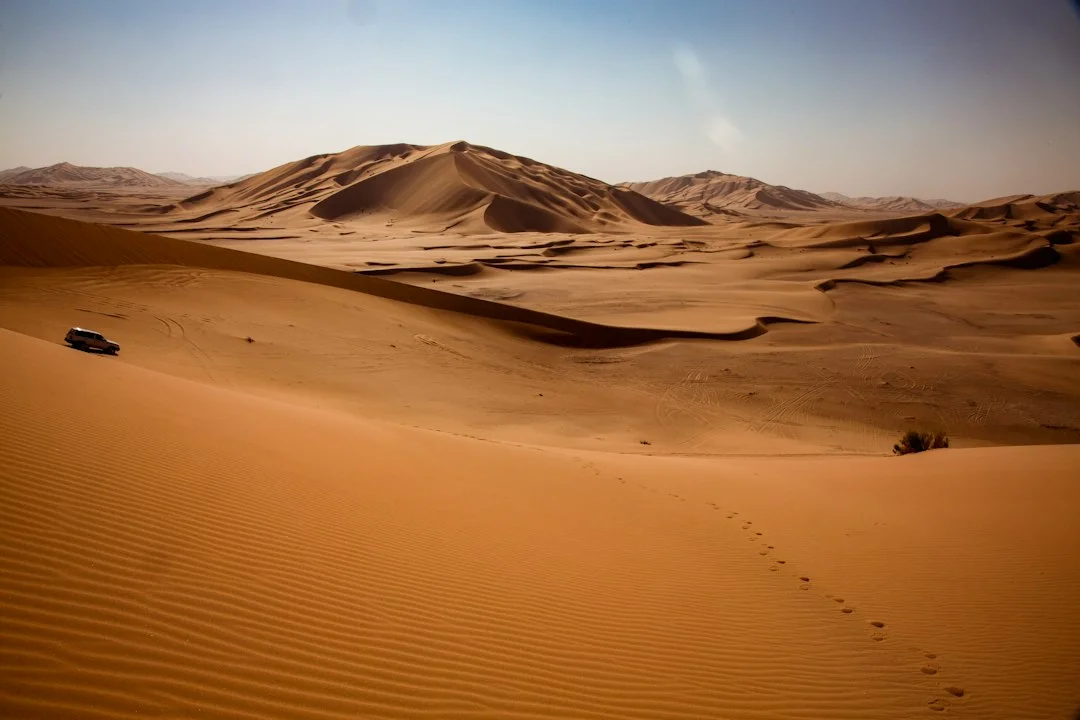
April still works if you like the heat: 34 °C in Muscat, 36 °C in Nizwa. May is already summer, at 39 to 40 °C. October drops back to 34 °C on the coast, but these shoulder months are also cyclone months.
April has one draw: the roses of Jebel Akhdar. According to the Oman Observer, the harvest runs from late March to early May, peaking in mid-April. Families pick the flowers early in the morning, before 9 am, then distil them into rose water. In the mountains, April afternoons stay around 24 °C, far cooler than Muscat.
The Arabian Sea has two cyclone seasons, from May to July and from October to November. Most storms weaken before reaching the coast, but not all of them: Cyclone Mekunu hit Dhofar in May 2018, and Shaheen struck the north coast in October 2021. If you travel at these times, follow the Omani weather service bulletins and leave some slack in your plans.
June to September: a furnace in the north
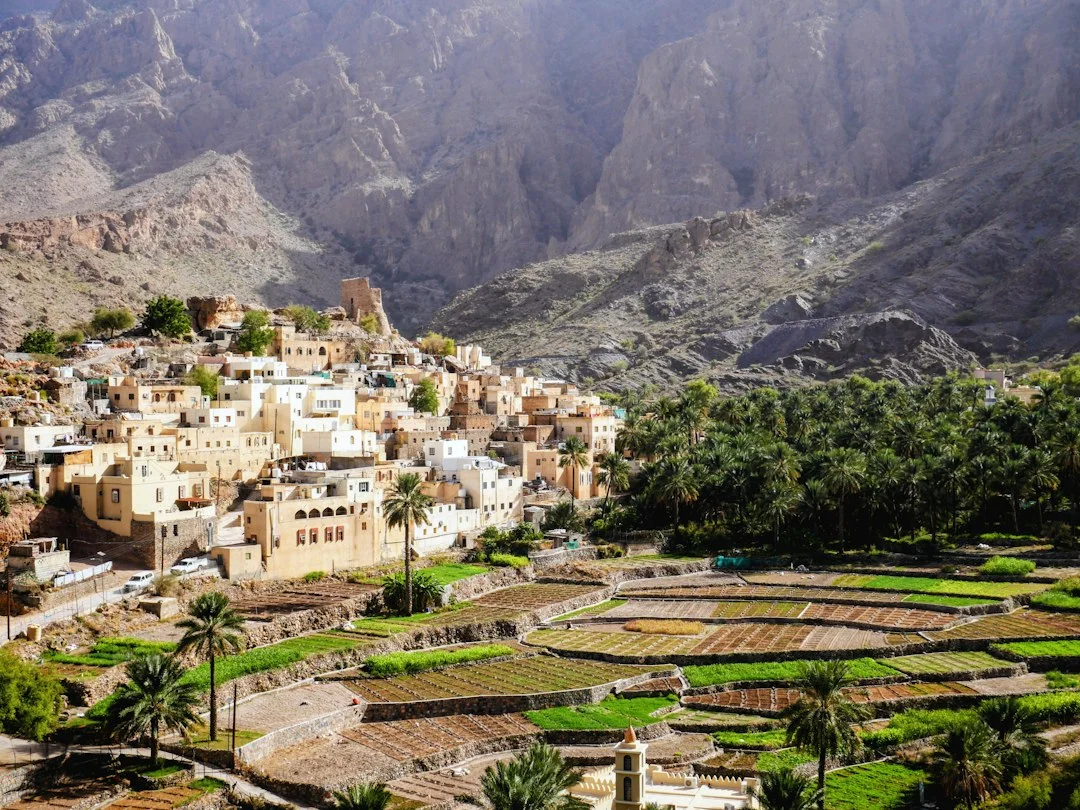
In summer, northern Oman is punishing: 38 to 39 °C (100 to 102 °F) in the afternoon in Muscat from May to July, and 42 °C (108 °F) in Nizwa and the desert in June. Nights on the coast stay at 29 to 31 °C, and the humidity makes the air even heavier. Hiking and desert camping become hard work.
A summer trip is still possible if you change your rhythm: go out early, stay in the shade from 11 am to 4 pm, and swim in the wadis. The mountains offer real relief. At Saiq, on Jebel Akhdar, July afternoons reach 29 °C and nights 21 °C, about ten degrees cooler than Muscat. Hotel prices on the coast drop, and you will meet few foreign travellers.
For a first trip, summer is the wrong season. Keep it for a second visit focused on the mountains, or for a quick stopover in Muscat.
The Salalah khareef: a summer monsoon, but in an area to avoid
From late June to late September, Dhofar lives the opposite of the rest of the country. The khareef, the south-west monsoon, wraps Salalah in mist and drizzle: 28 to 29 °C in the afternoon in July and August, and hills that turn green. But in its advice updated on 29 October 2026, the French foreign ministry advises against travel to the Salalah region unless essential.
The 2026 season officially ran from 21 June to 21 September, with 125 events announced by the Dhofar municipality. The khareef mostly draws families from Oman and the Gulf escaping the heat. According to Oman's national statistics centre, 472,449 visitors came between 21 June and 31 July 2026. Of these, 76% were Omani and only 7% came from outside the Gulf.
Know what you are coming for. In August, Salalah gets about 7 hours of sunshine a day, against nearly 11 from November to February, and humidity tops 85%. Most days are grey and damp, with drizzle rather than heavy rain. The hinterland of Salalah, with its waterfalls and meadows, is spectacular. Still, the khareef is a curiosity for those who know the country, not a reason to pick Oman for a first trip. Until the travel advice changes, the south of the country is not a destination we recommend.
The turtles of Ras al Jinz: winter too
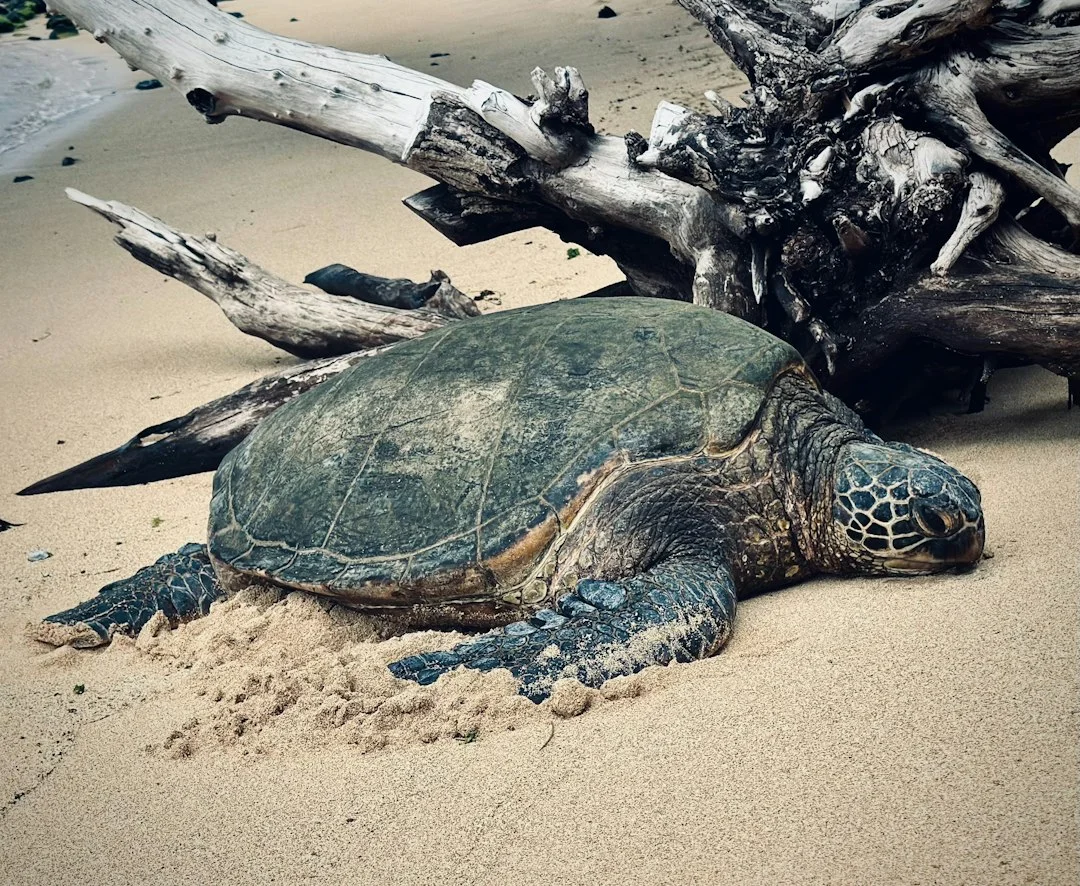
At Ras al Jinz, on the country's eastern tip, green turtle watching runs in winter as well as summer, so you can fit it into the peak season. According to the Oman Observer, the reserve's busiest months are January and August.
Visits take place at night and at dawn, in small groups led by the reserve's rangers. The number of turtles varies from night to night and nothing is guaranteed. Specialist guides place the nesting peak in summer, but no official source confirms it. In January, the Sur area sees 25 °C in the afternoon and 18 °C at night, so waiting for the turtles is no hardship. In peak season, book your slot with the Ras al Jinz reserve, several weeks ahead if you are aiming for Christmas or New Year.
Ramadan 2027 and public holidays: what changes on the ground
In 2027, Ramadan is expected to start around 8 February and end around 9 March, right in peak season. You can still travel, but the pace changes: most restaurants close during the day, and eating or drinking in public before sunset is frowned upon.
These dates are astronomical forecasts: in Oman, the start and end of the month depend on the sighting of the moon and can shift by a day. During Ramadan, hotels serve their guests, sites often open with shorter hours, and several tours drop the lunch. Evenings, after the fast is broken, are lively. Eid al-Fitr, around 9 or 10 March, then Eid al-Adha, expected around 17 May, bring several days of public holidays. Omanis travel a lot during these festivals, and hotels and roads fill up.
Our tips for this period are gathered in our article on travelling during Ramadan. For a relaxed trip in February, aim for the first week of the month or travel after 10 March.
Safety and entry rules: what to check before you book
Northern Oman, from Muscat to Nizwa and the Sharqiya desert, remains open to tourism. But in its advice updated on 29 October 2026, the French foreign ministry urges its citizens to stay vigilant "given the regional situation". It advises against travel, unless essential, to the regions of Salalah, Duqm and Musandam, and to the Yemeni border.
In practice, the Musandam peninsula and its fjords, on the Strait of Hormuz, drop out of the itinerary for now, as does Dhofar. Check your own government's travel advice too (the US State Department, the UK FCDO or Smartraveller in Australia) a few days before you leave, as it changes with the context. The French version is the Conseils aux voyageurs page for Oman.
For entry, French citizens do not need a visa for stays of up to 14 days. The conditions are set out in our article on the 14-day visa exemption: passport, return ticket, accommodation and insurance. Other nationalities should check the rules that apply to their passport.
Frequently asked questions
What is the best month to visit Oman?
January and February have the most pleasant weather: 24 to 26 °C (75 to 79 °F) in the afternoon in Muscat, with cool nights in the desert and the mountains. November and March are a good compromise, a little hotter but cheaper. In 2027, Ramadan is expected to run from about 8 February to 9 March.
Is Oman too hot in summer?
Yes, in the north. From May to September, Muscat reaches 36 to 39 °C in the afternoon and Nizwa up to 42 °C in June, with nights of 29 to 31 °C on the coast. Only the mountains, around Saiq on Jebel Akhdar, stay near 29 °C in July.
Can you visit Salalah during the khareef?
The khareef cools Salalah from late June to late September, at 28 to 29 °C under the mist. But since 29 October 2026, the French foreign ministry has advised against travel to the Salalah region unless essential, along with Duqm and Musandam. Check your government's travel advice before planning anything in the south.
Can you visit Oman during Ramadan?
Yes. Hotels serve their guests and sites stay open, often with shorter hours. Most restaurants close during the day, and you should avoid eating or drinking in public before sunset. Several tours drop the lunch during this month.
Activities to book
Two outings from Muscat, in the north of the country, chosen and checked on GetYourGuide (affiliate links, free cancellation). Both are comfortable from November to March. In summer, pick the earliest departures.
Wahiba desert and Wadi Bani Khalid (from Muscat)
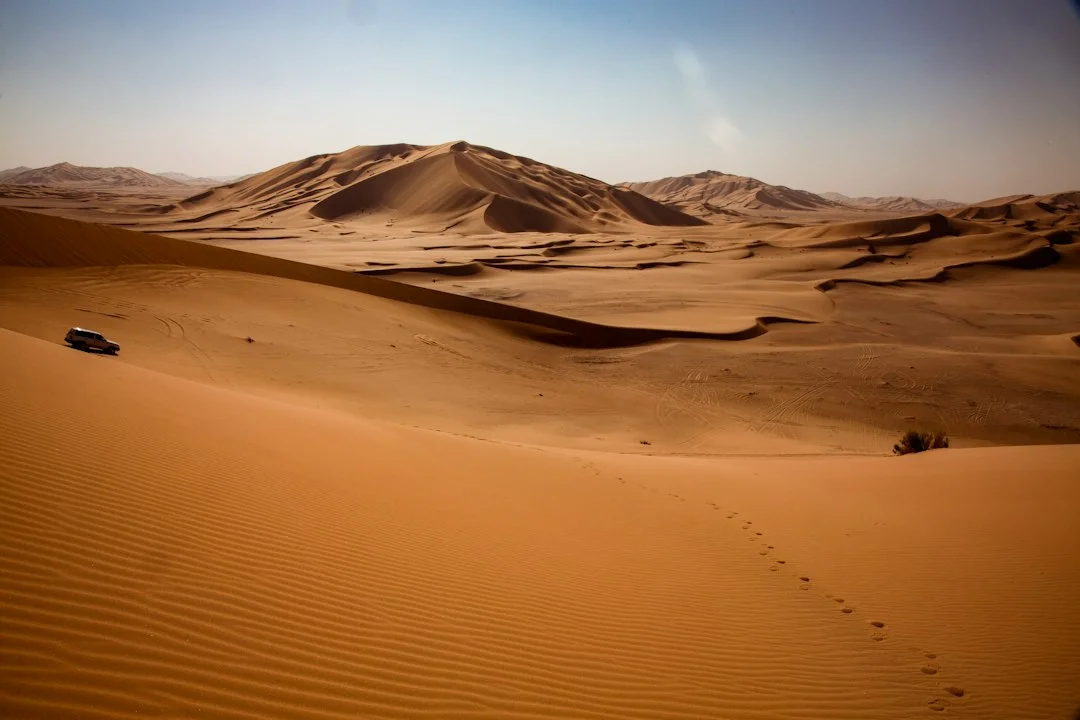
The day starts with a 4x4 drive across the Wahiba dunes, with stops to walk on the sand and take photos. After a traditional lunch, the road leads to Wadi Bani Khalid, an oasis ringed by cliffs and palm trees, where you swim in clear pools.
Small group of four people at most, French- or English-speaking guide, air-conditioned transport and hotel pickup in Muscat. Lunch is not served during Ramadan. An option with a night in the desert exists, but the hotel is not included in the price.
- 8 to 32 hrs depending on the option
- from €116 per person (GetYourGuide price 2026)
Wadi Shab and Bimmah Sinkhole (from Muscat)
About two hours' drive from Muscat, with an Omani tea stop, then a short boat crossing and a 40-minute walk up the Wadi Shab canyon. You finish by swimming to the waterfall hidden inside a cave. On the way back, there is a swim stop at Bimmah Sinkhole, a turquoise pool by the road.
For good walkers who are comfortable in the water: English-, Russian- or Arabic-speaking guide, air-conditioned transport, pickup at your hotel or a meeting point depending on the option. Lunch depends on the option you choose and is not served during Ramadan.
- 3 to 9 hrs depending on the option
- from €27 per person (GetYourGuide price 2026)
Before you go
Oman is a country to explore by car: the roads are good, the distances long and public transport limited outside Muscat. Book your rental early for December and January, and only take a 4x4 if you plan to drive in the dunes or on mountain tracks. As our guide points out, a 4x4 is required for the dunes, the tracks of Jebel Shams and Jebel Akhdar, and some wadis. An eSIM installed before your flight lets you use GPS from the airport, as our article on travel eSIMs explains. For the first night, a pre-booked transfer saves you hunting for a taxi when the late flights from Europe land.
Sources
The figures in this guide come from the sources below, checked on the publication date.
Leave a comment
Share your thoughts or travel experience. Your email will not be published.