

Contents 29
Overview
Jordan works best over 8 to 12 days along a single 430 km axis from Amman to Aqaba, which strings together Petra, the Wadi Rum desert and the Dead Sea, three of the country's seven UNESCO World Heritage sites.
Jordan fits inside a rectangle the size of Portugal, and that is its great strength: you go from the white hills of Amman to the orange dunes of Wadi Rum in half a day of driving. The whole classic trip runs along one north-south axis, dotted with seven World Heritage sites according to the national tourism board.
The country reads in three stacked layers. The ancient layer first: the Nabataean capital of Petra carved into pink sandstone, the Roman city of Jerash with its colonnades still standing, the Byzantine mosaics of Madaba and Umm ar-Rasas. Then the medieval layer, with the Crusader fortresses of Kerak and Shobak lined up along the King's Highway. And the living layer: the Bedouin camps of Wadi Rum, the stone guesthouses of Dana, the family tables where a mansaf is shared.
One figure sums up the country's recent pull: Petra welcomed 582,550 visitors in 2025, 27% more than the year before according to the Jordan Times.
- Capital: Amman, around 4 million people in the urban area
- Currency: Jordanian dinar (JOD), pegged to the dollar, 1 JOD is roughly 1.20 to 1.25 EUR (about 1.30 to 1.35 USD)
- Language: Arabic; English very widely spoken, road signs bilingual
- Time zone: UTC+3, one hour ahead of Paris and two ahead of London
- Direct flight Paris–Amman: about 4h30, two daily services from Paris CDG; London Heathrow is served daily too
11 places to take with you
In the guide's order, ready for Google Maps or your GPS.
Book the activities from this guide
Our picks for Jordan, well rated and free to cancel.
-
Book this activity
A night in a Bedouin camp and a jeep tour at Wadi Rum
Half-day jeep JOD 35 to 50 per vehicle; camp night JOD 35 to 100 per person, meals included
-
Book this activity
Water canyoning in the Wadi Mujib Siq Trail
About JOD 21, not covered by the Jordan Pass
-
Book this activity
Diving the Cedar Pride wreck in Aqaba
About JOD 30 to 45 per dive, equipment included
Affiliate links: Travel Advice earns a commission if you book, at no extra cost to you. Learn more

Dana Biosphere Reserve
The stone village of Dana clings to the canyon rim, and you grasp the scale of the place in thirty seconds: the land drops 1,500 metres from the Qadisiyah plateau down to the Wadi Araba desert.
Created in 1989 and run by the RSCN, the reserve covers 308 km² and remains the only one in Jordan straddling four biogeographical zones. Surveys have recorded 703 plant species, 215 bird species and 38 mammals, a rare density for such a dry region.
The Wadi Dana trail runs 14 km over 5 to 6 hours of walking, downhill all the way, with a compulsory guide at JOD 8. It ends at the Feynan Ecolodge, candle-lit and solar-powered, which no road has ever served directly.
Reserve entry is around JOD 8, plus a JOD 4 conservation fee per adult for Feynan. There is no cash machine on site: arrive with enough cash for the guide, the entry and the night.

Umm ar-Rasas (Kastrom Mefa'a)
This is the emptiest site on the whole route, and probably the most moving: a corrugated-iron shed in the middle of stony fields, 30 km south-east of Madaba on the King's Highway.
Under that shed lies the largest mosaic floor in Jordan, inside the Church of Saint Stephen: a pavement completed in 785 and signed by six master mosaicists, unrolling the cities of Palestine and Jordan framed by hunting and fishing scenes. The site has been UNESCO World Heritage listed since 2004 and counts 16 excavated churches.
About 1.5 km to the north stands a stylite tower, a platform on top of which Christian ascetics lived cut off from the world, sometimes for years. Almost no examples are left standing anywhere.
Approximate hours: 8am to 6pm in summer, 8am to 4pm in winter. Allow 45 minutes on site, plus ten minutes to walk over to the stylite tower to the north.

Petra
You enter through the Siq, a 1.2 km fissure that narrows to 3 or 4 metres wide, then everything opens at once onto Al-Khazneh, the Treasury: 37 metres high by 24 wide, carved into the rock face. The surprise still lands, even when you know the image by heart.
A Nabataean capital sculpted in pink sandstone, Petra has been UNESCO World Heritage listed since 1985 and has featured among the New7Wonders since 2007. The site covers 264 km²: this is not a monument, it is a city. Higher up, Ad-Deir, the Monastery, reaches 45 metres at the top of 850 steps.
Visitor numbers have jumped: 582,550 visitors in 2025, 27% more than in 2024, with an October peak of 81,069 entries.
Prices: JOD 50 for one day, 55 for two, 60 for three if you sleep in Jordan, JOD 90 otherwise, free under 12. Hours 6am to 6pm in summer, 6.30am to 5pm in winter. Passport required at the ticket desk; dinars in cash and Visa cards accepted.

Wadi Rum Desert
Sandstone and granite mountains set on orange sand, natural arches, rock walls covered in petroglyphs thousands of years old: 721 km² of protected area, UNESCO World Heritage listed since 2011 as a mixed site, on both natural and cultural criteria.
Cinema settled in here for good. Lawrence of Arabia was shot here in 1962, The Martian in 2015, Dune in 2021, plus Rogue One and The Rise of Skywalker. The landscapes are familiar before you even arrive, which takes nothing away.
Entry costs JOD 5, included in the Jordan Pass, free under 12. Jeep tours leave in the early morning and late afternoon, the two moments when the light does its work on the sandstone.
Your rental car stays in Rum village, where the jeeps depart: no need to pay for a 4x4 on this leg. Bring cash, as there is no ATM, and a fleece, because desert nights are cold even in spring.

The Dead Sea
This is the lowest exposed point on the planet, at roughly 430 metres below sea level. You feel it physically: the air is denser, the heat heavier, and the horizon closes on the West Bank hills opposite.
Salinity reaches about 27.5%, against 2 to 3% for an ordinary sea. Floating is therefore total and effortless: you do not swim, you sit in the water. The sensation is as strange as the photos suggest.
The Jordanian shore lines up resorts, developed public beaches and cabins where you coat yourself in black mineral mud before letting it dry in the sun. Beaches and spas open roughly 9am to 5pm, with day access between JOD 15 and 30.
Twenty minutes in the water is plenty. Beyond that your skin tightens and the heat becomes unpleasant. Bring sandals, a cap and plenty of drinking water.

Jerash (Gerasa)
Jerash is one of the best-preserved Greco-Roman ensembles outside Italy, and the scale surprises: the oval plaza measures 90 metres across, ringed by an almost complete Ionic colonnade.
Hadrian's Arch was raised after the emperor's visit in 129-130. The colonnaded cardo crossing the city still carries the ruts cut by chariot wheels, a detail that makes the place suddenly inhabited. Add two theatres, a hippodrome and the Temple of Artemis.
The site lies 50 km north of Amman and takes half a day, which makes it the most obvious excursion from the capital. Entry is JOD 10 for non-Jordanians, site and museum included, and covered by the Jordan Pass.
There is almost no shade on site: hat, water and closed shoes, because the ancient paving is slippery. Allow 2h30 to 3h at an unhurried pace.

Amman Citadel and Roman Theatre
On the hill of Jabal al-Qala'a, the citadel stacks a Roman Temple of Hercules, an Umayyad palace and a Byzantine church, all of it looking out over the white hills of the capital. The layers are visible to the naked eye, with no interpretation needed.
Below, the 2nd-century Roman theatre was cut into the slope for 6,000 spectators. It still hosts performances and houses two small ethnographic museums devoted to Jordanian costume and popular traditions.
Prices stay modest: JOD 3 for the citadel with the Archaeological Museum, JOD 2 for the theatre including its museums, both covered by the Jordan Pass.
The walk down from the citadel to the theatre is steep with no continuous pavement: closed shoes advised. Cover your shoulders if you go into a mosque downtown.

Wadi Mujib (Siq Trail)
This is the lowest nature reserve in the world: the river meets the Dead Sea at roughly 420 metres below sea level, while the top of the basin peaks at 1,277 metres. That makes 1,708 metres of elevation range across 212 km².
The Siq Trail walks up the canyon in the water, between tight sandstone walls, with waterfalls to climb on fixed ropes. You are wet from the first minute to the last, life jacket on your back, and it is the most physical and most enjoyable activity in the country.
The season runs from roughly 1 April to 31 October, with departures between 8am and 3pm. The reserve closes in winter for flash-flood risk, and the RSCN cuts the season short as soon as it rains seriously.
Expect about JOD 21, not covered by the Jordan Pass. Closed shoes you are happy to soak, a dry bag, and nothing in your pockets: everything ends up in the water.

Aqaba and the Red Sea
Aqaba is Jordan's only coastal city, sitting on a gulf that shelters around 500 coral species, of which 150 hard and 350 soft, plus 1,200 fish species. Most of the reef is protected by the Aqaba Marine Park.
The star site is the wreck of the Cedar Pride, a 74-metre Lebanese freighter deliberately sunk in 1985, lying on its port side between 20 and 40 metres down. Add the Tank, a submerged armoured vehicle in shallow water, and the Japanese Gardens.
One welcome quirk: almost everything can be dived from the shore, with no boat. An exploration dive costs JOD 30 to 45, a first-timer dive about JOD 55, and snorkelling starts at JOD 10.
On the practical side: respect an interval of 18 to 24 hours between your last dive and a flight, which matters if you fly back to Amman.

Madaba and the Mosaic Map
St George's Church holds the 6th-century mosaic map found in 1884: the oldest known cartographic depiction of the Holy Land. Jerusalem appears in bird's-eye view, its streets still readable tessera by tessera.
The town has lived off mosaic ever since. You can visit an archaeological park, the Church of the Apostles and its pavements, and restoration workshops where the ancient craft is passed on. It is also the natural opening stop on the King's Highway, 30 km south of Amman.
St George's costs about JOD 1, paid in cash at the door, outside the Jordan Pass. The archaeological park costs JOD 3 and that one is included in the pass.
Withdraw cash in Madaba before heading down the King's Highway: ATMs thin out noticeably to the south, towards Kerak and Dana.

Kerak Castle
The 12th-century Crusader fortress occupies a rocky spur commanding the King's Highway. Seen from below it looks grafted onto the cliff; seen from the top, you immediately understand why it was built there.
Inside you walk vaulted galleries and dark tunnels, where the contrast is clear between the regular, pale Frankish masonry and the coarser Mamluk repairs. It is an open-air lesson in military architecture.
The castle controlled the caravan route between Damascus and Egypt, which explains its excessive size for such an isolated spot. Entry is JOD 2 for non-Jordanians, castle and museum included, covered by the Jordan Pass.
Allow 1h30 on site, on the Madaba-to-Petra leg of the King's Highway. Approximate hours 8am to 6pm in summer, 8am to 4pm in winter.
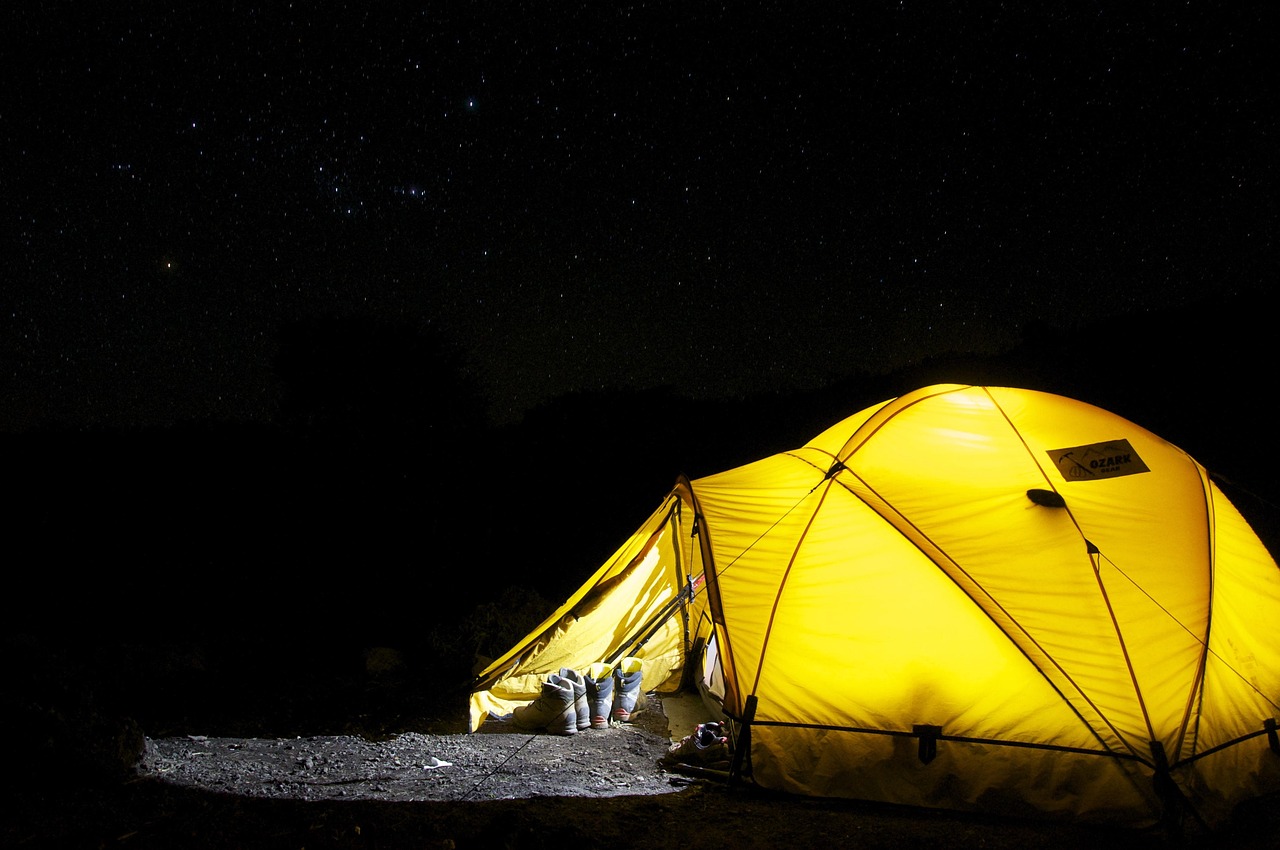
A night in a Bedouin camp and a jeep tour at Wadi Rum
You set off from Rum village in a 4x4, in the back of an open pick-up: sandstone arches, canyons covered in petroglyphs, red dunes you climb on foot for the view. The tour is arranged for late afternoon so it ends facing the sunset, the moment the sandstone shifts from ochre to deep red. Dinner is a zarb, meat and vegetables cooked for hours in an oven buried under hot sand, dug up in front of you.
You sleep under a goat-hair tent or in a transparent bubble tent. No light pollution for tens of kilometres: the Milky Way is visible to the naked eye, and that is the real reason to sleep here rather than pass through. Pack a fleece, as nights are cold, and cash, as there is no ATM.
- Jeep tour of 2 to 4 hours, or a 1-night / 2-day package
- Half-day jeep JOD 35 to 50 per vehicle; camp night JOD 35 to 100 per person, meals included
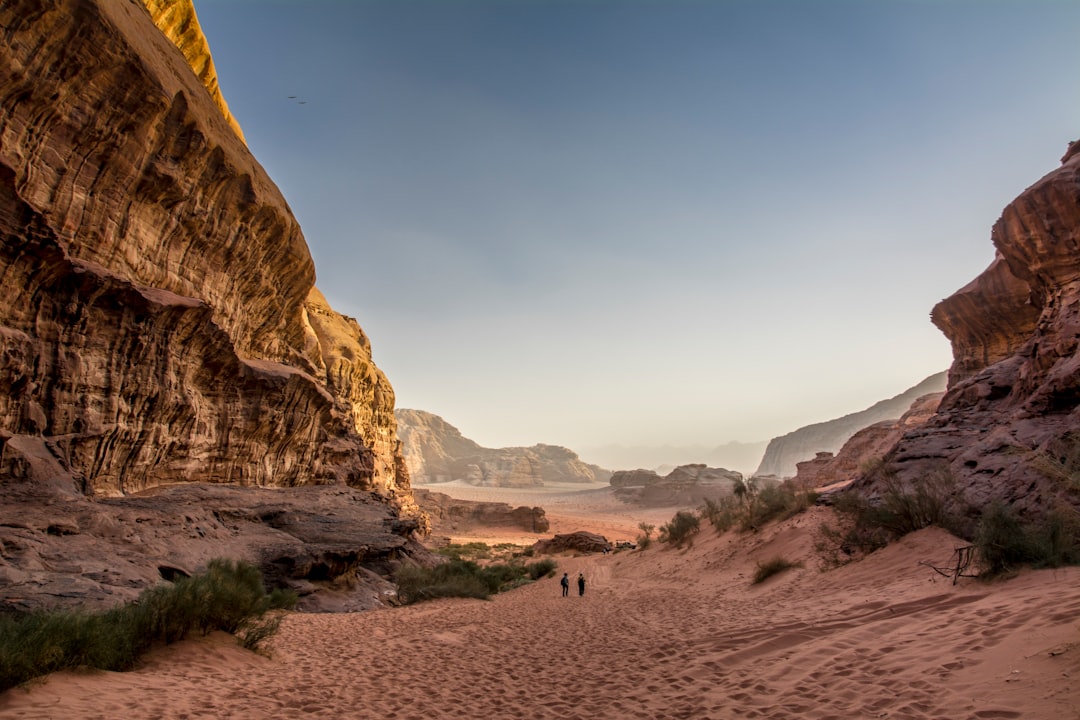
The Wadi Dana hike down to the Feynan Ecolodge
The descent runs 14 km and crosses the reserve's four biogeographical zones, from the stone village perched on the canyon down to the Wadi Araba desert. You change vegetation three or four times in a morning, which makes the 1,500-metre drop very concrete. The RSCN guide is compulsory, at JOD 8, and knows the springs and the copper ruins at the valley floor.
You arrive at the Feynan Ecolodge, candle-lit and solar-powered, with no direct road access. Book the return shuttle before you leave, without fail: from Feynan, nobody walks back up. No technical difficulty, but a long, exposed walk, with a minimum of 2 litres of water per person.
- 5 to 6 hours of walking, ideally over 2 days with a night on site
- Guide JOD 8, reserve entry JOD 8, conservation fee JOD 4 per adult, lodge from EUR 40 (~USD 43)
Water canyoning in the Wadi Mujib Siq Trail
You walk up the canyon in the river, life jacket on your back, between sandstone walls a few metres apart. The route strings together pools you swim across, slippery slabs and three or four ledges to haul yourself up on fixed ropes, ending at a final waterfall everyone passes under sooner or later. All of it more than 400 metres below sea level, in the lowest nature reserve in the world.
No technical skill needed, but you must be able to swim and accept being soaked for two hours. Season from 1 April to 31 October only, departures 8am to 3pm, immediate closure if it rains on the plateau. Closed shoes, a dry bag, and nothing fragile in your pockets.
- 2 to 3 hours round trip
- About JOD 21, not covered by the Jordan Pass
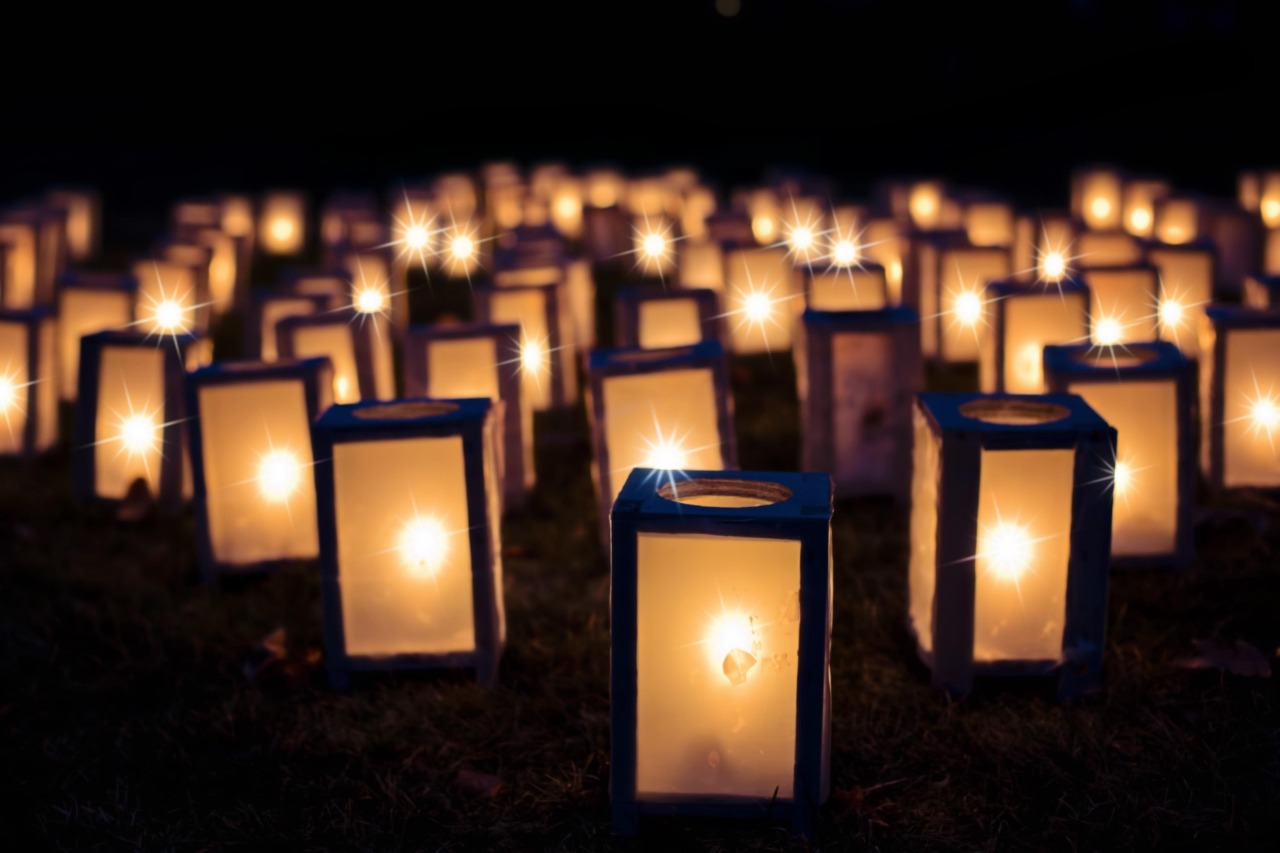
Petra by Night, the candle-lit walk to the Treasury
The Siq is marked out by around 1,500 candles set in paper bags, and you cross it in the dark, without a torch, all the way to the Treasury esplanade where you sit on the ground for a moment of Bedouin music and tea. The candle-lit facade bears no resemblance to the daytime one: the low light hollows out the columns and makes the rest of the setting vanish.
Let us be honest: when the groups are large, it is noisy and crowded, and the promised silence never quite arrives. It remains a fine moment if you adjust your expectations. Sessions Sunday to Thursday, JOD 30 per person, not included in the Jordan Pass, with tickets bought during the day.
- 2 hours, from 8.30 PM to 10.30 PM
- JOD 30 per person, free for under-10s; not included in the Jordan Pass
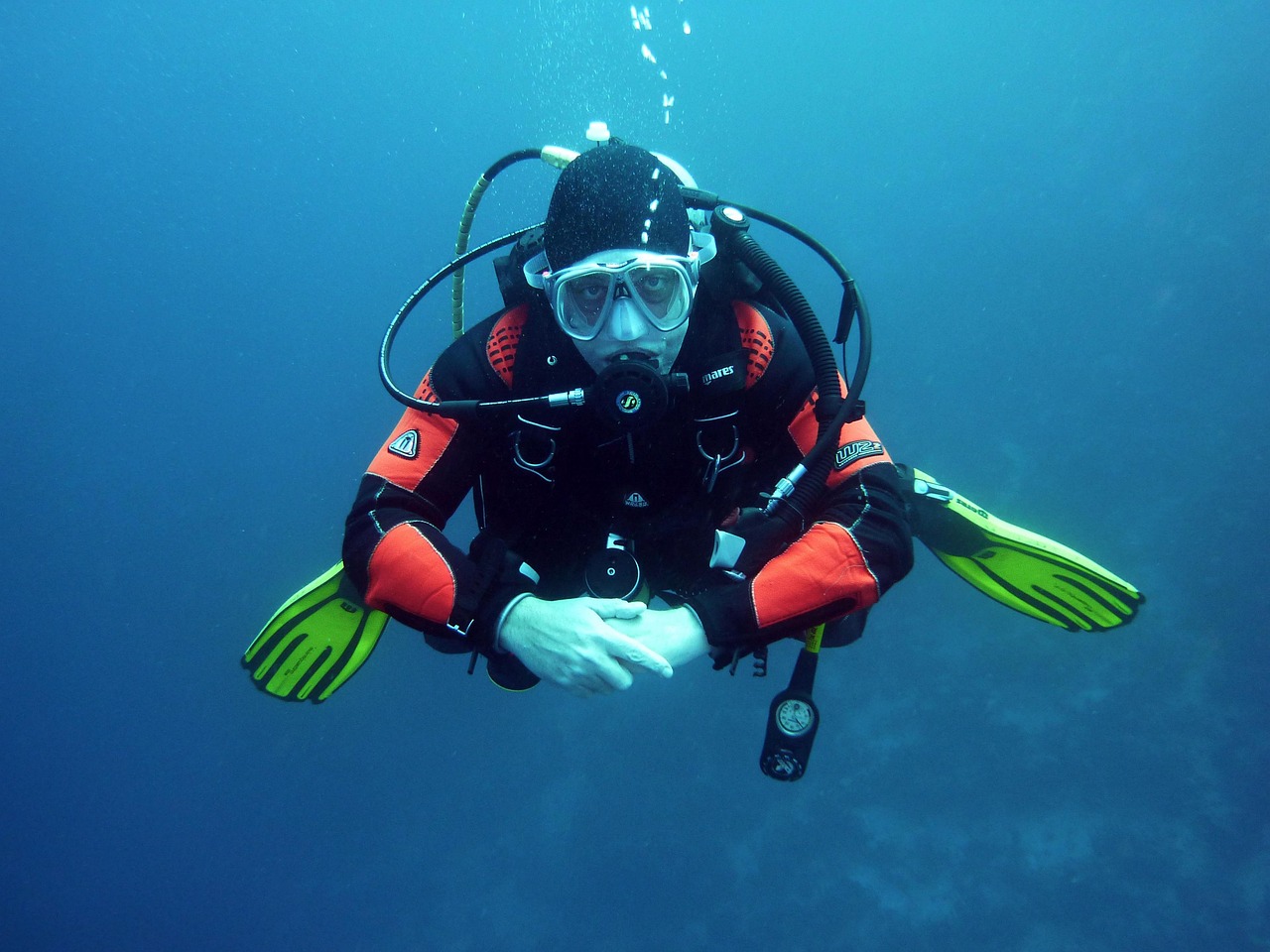
Diving the Cedar Pride wreck in Aqaba
A shore dive, no boat, on a 74-metre freighter deliberately sunk in 1985 and lying on its port side between two reefs, 20 to 40 metres down. The hull is now covered in soft corals and gorgonians, and you swim under the fallen masts. The half day rounds out with the Tank, a submerged armoured vehicle in shallow water, and the Aqaba Marine Park underwater military museum.
Certified level recommended for the full wreck; beginners stay on the upper section. One important point: this outing depends on the safety advisory concerning the Aqaba region, after the developments of 19 July 2026. Check the current official travel advisory before booking anything, and respect 18 to 24 hours between your last dive and a flight.
- Half a day, 2 dives
- About JOD 30 to 45 per dive, equipment included
Getting there
Expect about 4h30 of flying from Paris and 5h from London to Amman Queen Alia, with daily direct services from both, while Aqaba King Hussein in the far south works as an alternative gateway that lets you start the trip in the desert.
Two international airports serve the country: Amman Queen Alia (AMM), the main gateway 35 km south of the capital, and Aqaba King Hussein (AQJ) in the far south on the Red Sea. Two daily direct flights link Paris CDG to Amman, and London Heathrow has daily service as well.
Royal Jordanian flies to several European hubs, including Paris, London, Amsterdam, Frankfurt, Madrid and Rome, while low-cost carriers such as Transavia, Ryanair and Vueling add seasonal routes. From most of Europe you are looking at 4 to 5 hours in the air, direct or with one easy connection.
Your choice of airport shapes the route. Flying in and out of Amman stays the simplest formula for a loop along the King's Highway, with a fast return on the Desert Highway. Entering via Amman and leaving via Aqaba, on the other hand, saves you 320 km of backtracking: you drop the car in Aqaba and fly back in 1 hour with Royal Jordanian, against 4 hours of driving.
From the airport into town
A Sariyah bus links Queen Alia to central Amman for a few dinars, but it does not run at night. Official airport taxis cost around JOD 20 to Jabal Amman. The Careem and Uber apps work well in the capital and remove the haggling, which is restful after a flight.
One point to watch as of 31 July 2026: Jordanian airspace has stayed open and operational, but confirm every flight with your airline before leaving for the airport. See the safety section for the regional context.
Getting around
A rental car, around EUR 350 for eight days, stays the most flexible option because the roads are good and the signs bilingual; without a licence, JETT buses link Amman to Petra, Aqaba and the Dead Sea reliably.
Renting a car changes the trip completely, and a standard saloon is enough everywhere on this route. Budget around EUR 350 for eight days (roughly USD 380). A 4x4 only matters at Wadi Rum, where you leave your vehicle in Rum village anyway to head out in a Bedouin jeep: paying more for one buys you nothing.
Roads are in good shape, signs are bilingual Arabic-English, and you drive on the right. The real traps lie elsewhere: speed bumps that are neither signposted nor painted and appear at village entrances, edgy driving around Amman, no street lighting at all on the King's Highway, and frequent military checkpoints where you show your passport and vehicle papers. The simple rule: do not drive at night outside towns.
The three north-south routes
- King's Highway (route 35): about 270 km from Amman to Petra, the slowest and the most beautiful. It strings together Madaba, Mount Nebo, the Wadi Mujib canyon, Kerak, Dana and Shobak.
- Desert Highway (route 15): 320 km in about 4 hours, the fast road, with no scenic interest.
- Dead Sea Highway (route 65): runs along the Dead Sea, handy for reaching the resorts to the south.
The strategy that works: drive south on the King's Highway over two days, with a night at Dana, then come back up the Desert Highway or drop the car in Aqaba. Without a car, JETT buses cover Amman–Petra, Amman–Aqaba and Amman–Dead Sea on published timetables. Local minibuses cost three times less but leave when they are full, with no fixed schedule.
What to do
Three sites structure the trip: Petra and its 264 km² of Nabataean remains, the 721 km² protected Wadi Rum desert, and the Dead Sea at 430 m below sea level, with Jerash, Madaba and Dana rounding out the programme.
The core of the trip comes down to three places, and it is hard to drop any of them. Petra fills two full days: the Siq, the Treasury, the royal tombs, then the 850 steps to the Monastery. Wadi Rum needs a night, not a drive-through: sunrise on the sandstone and a night sky free of light pollution are the real subject. The Dead Sea only takes half a day of salt water and black mud, but it lands well at the end of the route.
Around that trio, four stops earn the detour. Jerash, 50 km from Amman, lines up one of the best-preserved Greco-Roman ensembles outside Italy. Madaba holds the oldest known map of the Holy Land, a 6th-century mosaic. The Dana reserve offers a 14 km descent to the Wadi Araba desert. And Aqaba opens onto the reefs of the Red Sea, subject to the travel advisory in force.
The full list of sites and activities, ranked by importance, appears further down this guide.
Food
Mansaf, lamb cooked in a fermented dried yoghurt called jameed and served over rice and bread, is Jordan's national dish, and street food costs EUR 3 to 6 in Amman as in Aqaba, so you eat very well on almost no budget.
Mansaf is the national dish, and it is far more than a recipe: lamb slow-cooked in jameed, a sheep's-milk yoghurt dried then fermented, poured over a bed of rice and flatbread, traditionally eaten with the right hand at family occasions. If you are offered one, accept: it is a gesture of hospitality.
The rest of the menu reveals itself quickly. Maqluba, literally "upside down", is a pot of rice, meat and vegetables flipped onto the serving dish at the table. Bedouin zarb, at Wadi Rum, is meat cooked for hours buried under hot sand in a dug-out oven. Breakfasts turn on falafel, hummus and fatteh. For something sweet, knafeh with melted cheese and the inevitable baklava.
What to drink
Sage tea, maramiya, goes with every break, and cardamom coffee is served in small cups. Alcohol exists but stays discreet: available in hotels and some Amman restaurants, rarer elsewhere. During Ramadan, daytime restaurant service shrinks sharply without disappearing in tourist areas.
Food is one of the lightest lines in the budget: EUR 3 to 6 (about USD 3 to 6.50) for a full street meal in Amman or Aqaba, less than a sandwich back home.
Itineraries
The classic ten-day route runs north to south: two nights in Amman, a day trip to Jerash, two days on the King's Highway with a night at Dana, two nights at Petra, one night in a camp at Wadi Rum, then Aqaba and the Dead Sea.
Ten days are enough to see the essentials without rushing, provided you head north to south and never backtrack. Here is the breakdown that works.
- Days 1-2, Amman: two nights in Jabal Amman. Citadel and Temple of Hercules, Roman theatre, then walk down to the souk and Rainbow Street. The right first day to acclimatise.
- Day 3, Jerash: a day trip 50 km north. In through Hadrian's Arch, colonnaded cardo, Temple of Artemis. Back to Amman for the evening.
- Days 4-5, King's Highway: two days for 270 km. Madaba and its mosaic map, Mount Nebo, Umm ar-Rasas, Kerak Castle, then a night at Dana on the canyon rim.
- Days 6-7, Petra: two full nights in Wadi Musa, two days on the site and possibly Petra by Night, Sunday to Thursday.
- Day 8, Wadi Rum: car left in Rum village, jeep tour in the afternoon, one night in a Bedouin camp.
- Days 9-10, Aqaba then the Dead Sea: one or two nights in Aqaba, subject to the travel advisory in force, then one or two nights on the Dead Sea before driving back up to Amman on the Desert Highway.
Two useful variants
If you travel between 1 April and 31 October, the Wadi Mujib Siq Trail slots naturally between the Dead Sea and the King's Highway: both sit on route 65, less than an hour apart.
If you would rather skip the 320 km drive back, drop the car in Aqaba and fly to Amman in about 1 hour with Royal Jordanian. You lose the Dead Sea and gain a whole day: weigh it against what matters most to you.
Climate & seasons
When to go to Jordan?
Monthly averages over the past 5 years (Open-Meteo).
Best months
- January
- February
- March
- April
- June
- July
- August
- September
- October
- November
- December
Avoid
- June
- July
- August
- September
| Jan | Feb | Mar | Apr | May | Jun | Jul | Aug | Sep | Oct | Nov | Dec | |
|---|---|---|---|---|---|---|---|---|---|---|---|---|
| Our take | ||||||||||||
| Weather | ||||||||||||
| High | 20° | 21° | 25° | 32° | 35° | 38° | 40° | 40° | 37° | 32° | 27° | 22° |
| Rain (mm) | 18 | 18 | 21 | 5 | 4 | 0 | 0 | 0 | 1 | 1 | 7 | 25 |
| Beach | Beach March | Beach April | Beach May | Beach June | Beach July | Beach August | Beach September | Beach October | Beach November | |||
| Hiking & nature | Hiking & nature January | Hiking & nature February | Hiking & nature March | Hiking & nature December | ||||||||
| City sightseeing | City sightseeing January | City sightseeing February | City sightseeing March | City sightseeing November | City sightseeing December |
What to do by season (autumn)
-
Beach
Warm air and water, little rain.
-
City sightseeing
Pedestrian-friendly most of the year.
When to go
Go from March to May or October to November, when temperatures sit around 20 to 25 °C along the whole route, and avoid July and August, when the south passes 40 °C, as well as January and February, which are wetter and cold at night.
Two windows dominate the Jordanian calendar: March to May and October to November, with days between 20 and 25 °C. These are the only periods when you can walk six hours at Petra and float in the Dead Sea the next day without suffering.
The temperature detail at Petra explains the trade-off. In March you go from 6 °C at dawn to 19 °C in the afternoon: perfect for climbing the 850 steps to the Monastery, though you will want a fleece at first light. In October the thermometer runs from 13 to 28 °C, which is still hot on staircases in full sun. In November, 8 to 21 °C, ideal for hiking.
November or April: the real trade-off
November wins on cool air but loses the canyoning. The Siq Trail in Wadi Mujib only opens between roughly 1 April and 31 October, as the reserve closes in winter because of flash floods. If walking up a canyon in the water is on your list, your trip belongs in spring or early October, not November.
Summer should be ruled out plainly. The south regularly passes 40 °C, and the Dead Sea, at 430 m below sea level, turns into an oven: the air there is hotter and heavier than anywhere else. Winter brings rain, cold nights and, some years, snow over Amman that blocks the roads for a day or two. For a trip in the depths of winter, our Egypt or Jordan comparison helps you pick the right destination.
Budget
Budget EUR 45 a day per person on a shoestring, EUR 90 in comfort and EUR 190 at the top end; a week excluding flights comes to EUR 500 to 600 per person on a tight plan, and two weeks to EUR 900 to 1,000.
Jordan is not a cheap destination, contrary to the standard assumption about the Middle East: site entry fees are expensive. Realistic ranges are EUR 45 a day (about USD 49) on a shoestring, EUR 90 (about USD 97) in comfort and EUR 190 (about USD 205) at the top end, per person and excluding flights.
Budgets reported by backpackers line up with those figures. The A-Contresens planner records an average of EUR 52 a day, with EUR 32 for the thriftiest and EUR 96 for the biggest spenders. Over a week excluding airfare that comes to EUR 500 to 600 per person on a tight plan, and EUR 900 to 1,000 over two weeks.
Ten days for two people, line by line
- Jordan Pass: about EUR 90 per person, entry to 40 sites and the visa included
- Car rental: about EUR 350 for 8 days, fuel on top
- Night in a Bedouin camp at Wadi Rum: EUR 40 to 120 per person, meals included
- Beach and spa day at the Dead Sea: EUR 20 to 35 per person
- Street meals: EUR 3 to 6; Dead Sea hotels above EUR 200 a night
One conversion trap deserves attention. The Jordanian dinar is pegged to the dollar and is worth more than the euro: 1 JOD sits around 1.20 to 1.25 EUR. A JOD 20 bill looks modest, yet it comes to EUR 24 to 25. Recalculate systematically for the first few days, until your eye adjusts.
Where to stay
Expect EUR 15 to 30 a night in a guesthouse and EUR 50 to 90 in a mid-range hotel; sleep in Wadi Musa for Petra and in a Bedouin camp at Wadi Rum, and budget above EUR 200 a night in the Dead Sea resorts.
Accommodation follows the geography of the route, across a wide range: EUR 15 to 30 in a guesthouse, EUR 50 to 90 in a mid-range hotel, with one clear exception on the Dead Sea where resorts pass EUR 200 a night (about USD 216).
In Amman, aim for Jabal Amman or the streets around Rainbow Street: it is the only part of the capital where you genuinely walk, between cafés, staircases and the souk below. At Petra, everything happens in Wadi Musa, the village backing onto the site: some hotels sit five minutes on foot from the gate, which matters when you want to be there at 6am.
Bedouin camps and ecolodges
At Wadi Rum you sleep in camps set up inside the protected area, from goat-hair tents to the transparent bubble tent for stargazing. Expect JOD 35 to 100 per person, meals included. At Dana, two addresses stand out: the Dana Guest House on the canyon rim and the Feynan Ecolodge, candle-lit, solar-powered, with no direct road access.
On the Dead Sea you have two strategies: pay for one resort night on the northern shore for private beach access, or sleep elsewhere and buy a beach and spa day pass for EUR 20 to 35. In Aqaba the urban hotel offer is conventional and affordable.
Safety
Jordan remains one of the most stable countries in the region, with low street crime and tourist police at the major sites, though as of 31 July 2026 the Azraq and Mafraq areas are strongly advised against and Aqaba calls for particular vigilance.
Start with the substance: Jordan is structurally one of the most stable countries in the region. Street crime is low, hospitality is real and not merely commercial, tourist police are present at the major sites, and the Amman–Petra–Wadi Rum–Dead Sea axis is travelled by several hundred thousand visitors a year without incident.
The regional context has tightened, though, and it needs stating with its dates. As of 31 July 2026, the French Foreign Ministry travel advice states that since 9 July 2026 Jordanian territory has been regularly overflown and at times targeted by Iranian missiles and drones, and recommends staying alert to air-raid sirens: if one sounds, shelter in a closed room without windows.
Areas to avoid as of 31 July 2026
- The Azraq and Mafraq areas in the north-east are strongly advised against until further notice, because of the raised risk of falling debris when projectiles are intercepted.
- Particular vigilance is advised in the Aqaba region in the south, following the developments of 19 July 2026: that day, the Jordanian authorities evacuated Aqaba's international airport and port in the face of a threat judged specific and credible.
- The border strips with Syria and Iraq are advised against.
Jordanian airspace has stayed open and operational, but confirm every flight with your airline. A measles outbreak has also been reported: check your MMR vaccination.
The most useful habit is simple: read your own government's travel advisory a few days before departure, not three months ahead. The French page above is one source, but it is not your authority unless you are French, so check the UK FCDO, the US State Department or Australia's Smartraveller as applicable. The situation moves fast and advice dated last month is worth nothing. Keep your phone reachable, do not drive at night outside towns, show your passport and vehicle papers at military checkpoints, register at a police station within 14 days for stays over two weeks unless you hold a Jordan Pass, and cover your shoulders in churches and mosques.
Formalities
Most Western travellers need a visa for Jordan, either JOD 40 paid on arrival or free with a Jordan Pass bought before departure, and the waiver requires at least two whole nights in the country plus a passport valid six months.
A visa is required for most Western nationalities, including UK, US, Canadian, Australian and EU passport holders. Two routes: JOD 40 paid on arrival, or free via the Jordan Pass bought online before you leave. Rules do vary by nationality, so confirm your own passport's requirements before booking.
The second option is almost always the right one, on one condition: the visa waiver requires spending at least two whole nights, meaning three days, in the country. Many websites state three nights by mistake; the official condition in the Jordan Pass FAQ is two.
The e-visa attached to the Jordan Pass stays valid three months after purchase, extendable by three months if you apply before it expires. Your passport must be valid for at least six months. The pass activates at the first scan and expires one month later.
Stays longer than two weeks
Since 1 October 2024, stays over 14 days require registration at a police station within the first fourteen days, or a JOD 200 fine. Jordan Pass holders are exempt, one more argument in its favour for a long stay.
Health and money
No vaccine is mandatory. Recommended: diphtheria-tetanus-polio-pertussis, MMR, hepatitis A and B, and typhoid. A measles outbreak has been reported in several regions: check your MMR status before you travel.
On money, cash machines are plentiful in Amman, Aqaba and Wadi Musa, but rare at Wadi Rum and Dana. Keep cash for Bedouin camps, taxis and St George's Church in Madaba, which takes cash only.
Tips
Buy the Jordan Pass before arrival, since it is required for the visa waiver and pays for itself on your first day at Petra, and carry cash because ATMs are rare at Wadi Rum and Dana, and St George's Church in Madaba takes cash only.
Three habits change the trip, and none of them is obvious from home.
The Jordan Pass must be bought before arrival, no exceptions: bought on the spot, it no longer grants the visa waiver. And it pays for itself mathematically, see the budget section and the FAQ for the maths.
Carry cash. ATMs are common in Amman, Aqaba and Wadi Musa, but rare at Wadi Rum and Dana. Bedouin camps, many taxis and St George's Church in Madaba take cash only. Withdraw in Wadi Musa before heading down to the desert.
Recalculate prices. The dinar is worth more than the euro, around 1.20 to 1.25 EUR: bills look 20% gentler than they really are.
Customs and the rhythm of the week
- Friday is the weekend day: reduced services, offices closed, sites busier with Jordanian families.
- During Ramadan, daytime catering shrinks; pack supplies for long drives.
- Shoulders covered in churches and mosques. Women travellers describe Jordan as a comfortable country; a light scarf in the bag stays useful at religious sites.
- Bargaining is normal in the souks, not in shops with marked prices. Customary tip around 10%.
On the ground
Tap water is not for drinking: buy bottled water. Download offline maps, since network coverage drops in the desert. And do not underestimate the sun: at 430 m below sea level as in the desert, it beats down relentlessly. A hat is essential and so are 2 litres of water per person for a day at Petra.
FAQ
Yes, most Western travellers need a visa for Jordan, either JOD 40 paid on arrival or free with a Jordan Pass bought before departure, provided you spend at least two whole nights in the country and hold a passport valid six months.
Do I need a visa for Jordan?
Yes, for most Western nationalities including UK, US, Canadian, Australian and EU passports. Two options: JOD 40 paid on arrival, or free via the Jordan Pass bought online before departure. The waiver requires at least two whole nights, meaning three days, in the country: many sites wrongly say three nights. The pass e-visa stays valid three months after purchase, extendable by three months on request. Your passport must be valid at least six months. Confirm your own nationality's rules before booking.
Is the Jordan Pass worth it?
Yes, and the maths is simple. The Jordan Wanderer tier costs JOD 70 and includes one day at Petra plus the visa waiver. Without the pass, that same day costs JOD 50 for Petra plus JOD 40 for the visa, so JOD 90: the pass saves you JOD 20 before your first other visit. It covers more than 40 sites, among them Wadi Rum, Jerash, the Amman Citadel and Kerak. The three tiers differ only in Petra days: Wanderer JOD 70 (1 day), Explorer JOD 75 (2 days), Expert JOD 80 (3 days). It activates at the first scan and expires one month later. Not covered: the Wadi Mujib Siq Trail and Petra by Night.
What is the budget for 10 days in Jordan?
Budget EUR 45 a day per person on a shoestring, EUR 90 in comfort, EUR 190 at the top end, excluding flights. Backpackers report EUR 52 a day on average, EUR 32 for the thriftiest. For ten days as a pair, the big lines: Jordan Pass about EUR 90 per person, car about EUR 350 for eight days, a night in a Wadi Rum camp EUR 40 to 120 per person with meals, a Dead Sea day EUR 20 to 35. Street meals stay at EUR 3 to 6.
Is Jordan safe to visit in 2026?
Structurally yes: low crime, tourist police at major sites, genuine hospitality. But the regional context needs precision. As of 31 July 2026, the French Foreign Ministry reports that since 9 July 2026 the territory has been overflown and at times targeted by Iranian missiles and drones, and advises staying alert to sirens. The Azraq and Mafraq areas are strongly advised against, particular vigilance applies to the Aqaba region since the developments of 19 July 2026, and the Syria and Iraq border strips are advised against. The Amman–Petra–Wadi Rum–Dead Sea axis lies outside those zones. Check your own government's advisory (FCDO, State Department, Smartraveller) a few days before you go.
How many days do you need in Jordan?
Plan 8 to 12 days. A realistic split: 1 day in Amman, 1 day at Jerash, 1 to 2 days on the King's Highway (Madaba, Mount Nebo, Umm ar-Rasas, Kerak), 2 full days at Petra, 1 night at Wadi Rum, 1 to 2 days in Aqaba, 1 to 2 days at the Dead Sea. Under seven days you must cut something, usually Aqaba or Dana. Do not trim Petra: the site covers 264 km² and the return walk to the Monastery takes half a day on its own.
When is the best time to visit Jordan?
March to May and October to November, 20 to 25 °C. At Petra: 6 to 19 °C in March, 13 to 28 °C in October, 8 to 21 °C in November. Avoid July and August, with the south passing 40 °C and the Dead Sea, 430 m below sea level, turning into an oven. Avoid January and February too: rain, cold nights, sometimes snow over Amman. One trade-off is worth knowing: November wins on cool air but loses the canyoning, since the Wadi Mujib Siq Trail only opens between roughly 1 April and 31 October.
Can you drive in Jordan?
Yes, and it is the best way to travel. Budget EUR 350 for eight days. Good roads, bilingual Arabic-English signs, driving on the right. A saloon is enough everywhere: a 4x4 only matters at Wadi Rum, where you leave the car in Rum village for a Bedouin jeep. The real dangers: unmarked, unpainted speed bumps, edgy driving near Amman, no lighting at night on the King's Highway, military checkpoints where you show passport and papers. No night driving outside towns.
How much does Petra cost and what are the opening hours?
JOD 50 for one day, JOD 55 for two, JOD 60 for three, provided you sleep at least one night in Jordan. Without an overnight stay the rate jumps to JOD 90. Free under 12. Included in the Jordan Pass, whose tier sets the number of days. Hours: 6am to 6pm in summer, from 2 March to 1 October, and 6.30am to 5pm in winter, from 2 October to 1 March. Passport required at the ticket desk; dinars in cash and Visa cards accepted.
Sources
The figures in this guide come from the sources below, checked on the publication date.
- www.diplomatie.gouv.fr
- www.jordanpass.jo
- www.jordanpass.jo
- www.jordanpass.jo
- www.visitpetra.jo
- www.visitpetra.jo
- www.visitpetra.jo
- www.jsta.org.jo
- whc.unesco.org
- whc.unesco.org
- whc.unesco.org
- en.wikipedia.org
- en.wikipedia.org
- en.wikipedia.org
- en.wikipedia.org
- en.wikipedia.org
- www.wildjordan.com
- international.visitjordan.com
- jordantimes.com
- www.arabdivers.jo
- www.deepbluedivecenter.com
- planificateur.a-contresens.net
- international.visitjordan.com
Leave a comment
Share your thoughts or travel experience. Your email will not be published.