

Contents 30
Overview
Rajasthan takes two weeks, from October to March, on a loop through Delhi, Agra, Jaipur, Pushkar, Udaipur, Jodhpur and Jaisalmer, for €23 to €180 a day per person, with an e-visa obtained online.
Rajasthan, the "land of kings", is India's largest state and the easiest place to start for a first trip to the country. Each of its cities has a colour: pink Jaipur, blue Jodhpur, golden Jaisalmer, white Udaipur on its lakes. In between you'll find hilltop forts, maharajas' palaces turned into hotels, and the Thar Desert stretching west to the Pakistani border.
The classic route starts in Delhi, where direct flights from Paris and London land, goes through Agra for the Taj Mahal (in neighbouring Uttar Pradesh, 1 h 40 by train from Delhi), then enters Rajasthan at Jaipur. Delhi, Agra and Jaipur form the "Golden Triangle", which many travellers do in a week. This guide goes further, to Pushkar, Jodhpur, Jaisalmer and Udaipur, where Rajasthan really becomes itself.
The heritage is dense: four UNESCO sites along this route, the Taj Mahal, the Jantar Mantar observatory, the walled city of Jaipur, and the six Hill Forts of Rajasthan (Amber, Jaisalmer, Ranthambore, Chittorgarh, Kumbhalgarh and Gagron), listed together in 2013. Ranthambore National Park adds a real chance of seeing a wild tiger.
What surprises first-timers isn't danger but intensity: horns, cows in the street, touts, constant requests. A well-paced route, with two-night stops and a driver or trains booked ahead, makes all of this very manageable. If you're still weighing up a gentler island for a first time in South Asia, Sri Lanka by train is the other classic option.
12 places to take with you
In the guide's order, ready for Google Maps or your GPS.
Book the activities from this guide
Our picks for Rajasthan, well rated and free to cancel.
-
Book this activity
Tiger safari in Ranthambore
Environ 2 700 à 5 000 roupies par personne et par safari (30 à 50 €) selon le véhicule, guide inclus
-
Book this activity
A night in the Thar Desert by camel
Variable selon le camp : demandez un devis à 2 ou 3 guesthouses de Jaisalmer
-
Book this activity
Rajasthani cooking class in a local home
Tarif fixé par la famille ou l'école : à comparer avant de réserver
Affiliate links: Travel Advice earns a commission if you book, at no extra cost to you. Learn more

Bundi, the palace of murals
Above the blue rooftops of Bundi, the palace clings to the hillside as if it had grown out of it, and Nawal Sagar lake reflects it at the foot of a small, half-submerged temple.
A small princely town between Jaipur and Udaipur, Bundi has a Garh Palace crowned by Taragarh Fort and, above all, the Chitrashala, a gallery covered in blue-green miniature murals in the Bundi style: scenes of Krishna, elephant processions, court gardens.
Spend half a day in the palace and the Chitrashala, then head down to the town's stepwells (baoris), including the carved stairs of Raniji ki Baori, and finish at the lake at sunset.
While Jaipur and Udaipur see coach after coach, Bundi is still a town where you walk the lanes alone: Rajasthan before mass tourism.
Some rooms in the palace are in poor condition and sometimes closed: bring a head torch for the dark corners, and avoid midday, as the climb to the palace is on foot over cobbles.

Taj Mahal (Agra)
As you step through the great red sandstone gate, the Taj Mahal appears all at once at the end of the pool, whiter and larger than you imagined, its marble changing colour with the morning light.
Built in the 17th century by the Mughal emperor Shah Jahan for his wife Mumtaz Mahal, the mausoleum has been a UNESCO World Heritage Site since 1983. It stands in Agra, in Uttar Pradesh, the natural gateway to a Rajasthan trip.
The visit follows the garden avenue to the marble platform, then into the mausoleum, where the couple's cenotaphs lie; allow 2-3 hours, and add Agra Fort the same day.
It's the only stop on the route outside Rajasthan, and the only one that justifies the flight to Delhi on its own.
The site is closed on Fridays. Ticket windows open one hour before sunrise: arriving in the first slot gets you the best light and the shortest queues.

Amber Fort (Jaipur)
From the road, the ochre ramparts of Amber Fort ripple along the ridges of the Aravalli hills, and the palace is reflected in Maota Lake before you've even started the climb.
The former capital of the Kachwaha rulers before Jaipur was founded, 11 km north of the city, Amber is one of the six Hill Forts of Rajasthan listed together by UNESCO in 2013.
You walk up from Jaleb Chowk, the main courtyard, then through the audience halls, the gardens and the Sheesh Mahal, the hall of mirrors whose walls sparkle by candlelight. Allow 2-3 hours.
It's the most spectacular fort on the route, and the only one where you feel both the fortress and the pleasure palace.
Walk up or take a jeep rather than an elephant: touts offering the ride outside the official circuit charge inflated prices, and the animals' living conditions are criticised.

Jaisalmer Fort
At sunset, the sandstone of Jaisalmer Fort turns the colour of honey, and the whole town seems carved from the desert sand around it.
Founded, according to tradition, in 1156 by the Rajput ruler Rawal Jaisal, the fort is one of the Hill Forts of Rajasthan listed by UNESCO in 2013. It's still inhabited: part of the old town's population lives within its walls, making it one of the country's rare living forts.
Wander its lanes for half a day, between the royal palace, the seven yellow sandstone Jain temples carved between the 12th and 16th centuries, and the ramparts; below, merchants' havelis such as Patwon ki Haveli extend the visit.
Unlike Amber or Mehrangarh, now museums, here you pass schoolchildren, cows and washing hung out to dry: the fort is a neighbourhood, not a set.
Visit the Jain temples in the morning (they often close in the early afternoon), leave leather items at your hotel, and save the ramparts for the end of the day.

Jantar Mantar (Jaipur)
In the middle of the Jantar Mantar you wander between staircases leading nowhere, marble arcs and giant bowls: a sculpture garden that is in fact an instrument for measuring the sky.
Built between 1728 and 1734 by Maharaja Jai Singh II, founder of Jaipur, the observatory brings together around twenty stone and masonry instruments. It has been on the UNESCO list since 2010.
The centrepiece is the Samrat Yantra, a 27 m-high sundial whose shadow moves visibly and gives local time to within a few seconds. An hour is enough, provided you have someone to explain it.
It sits right next to the City Palace and the Hawa Mahal, so you can see all three in one morning.
Come mid-morning on a clear day: that's when the Samrat Yantra's shadow is sharpest.

Hawa Mahal, the Palace of Winds (Jaipur)
On the old city's main avenue, the pink façade of the Hawa Mahal rises like a honeycomb over five storeys, pierced by hundreds of small latticed windows.
Built at the end of the 18th century, this "Palace of Winds" is little more than a façade: it let the women of the court watch street life and processions without being seen, while letting air through.
Inside, ramps take you up to the top floors to look down on the street through the jharokhas; the visit takes 30-45 minutes. The best view, though, is from outside.
It's the emblem of the "Pink City", and the only Jaipur monument you can enjoy without even going in.
Come early in the morning, when the sun lights up the façade and the street is still quiet; entry is included in the Jaipur composite ticket.

City Palace, Jaipur
In the Pritam Niwas Chowk courtyard, four painted gates, one for each season, display peacocks, lotuses and flowers in vivid colours: the most photographed image of the palace.
Home of the maharajas of Jaipur since the city was founded in the 18th century, the City Palace is still partly occupied by the royal family, who live in the Chandra Mahal. The walled city of Jaipur has been on the UNESCO list since 2019.
The visit takes in the costume and arms museum, the private audience hall with its two giant silver urns, then the inner courtyards; allow 1 h 30 to 2 hours.
Compared with the more military Amber Fort, the City Palace shows the court life of a dynasty still in place.
Carry on to the Jantar Mantar, just opposite, and keep the afternoon for the Hawa Mahal and the bazaars.

Mehrangarh Fort (Jodhpur)
From Mehrangarh's ramparts, the city spreads out below like a carpet of blue cubes, and you can hear the horns and the calls of the Clock Tower market drifting up.
Set on a rocky spur above Jodhpur, this 15th-century fort was the seat of the Rathore rulers of Marwar. It's run by a family trust that has made it one of the best-kept museums in India.
The route leads from palace to palace, through halls of palanquins, arms and miniatures, the gilded Phool Mahal and the Sheesh Mahal; the audio guide makes the visit fascinating. Allow 2-3 hours.
If you do only one museum in Rajasthan, make it this one: the presentation is far better than in the other forts.
Then walk down through the lanes of Navchokiya: that's where the finest blue houses are, which you can't see from the road.

Lake Pichola and the City Palace, Udaipur
In the evening, the white façades of the City Palace light up one by one above Lake Pichola, and the Lake Palace seems to float in the middle of the water.
The capital of the rulers of Mewar, Udaipur grew up around artificial lakes. The City Palace lines up its pavilions along the east shore of Pichola; it houses a museum and still belongs to the royal family.
Visit the palace in the morning (about 2 hours), take a boat around the lake in the late afternoon, then dine on a rooftop in Lal Ghat or Gangaur Ghat facing the sunset.
After Jaisalmer and Jodhpur, Udaipur is where you slow down: greener, gentler, ideal for ending the trip.
Take the boat at the end of the day for golden light on the palace; in the morning, the lake is often hazy.

Pushkar, the sacred lake
As night falls, bells and chants rise from Pushkar's ghats, and pilgrims float oil lamps on the water of the lake.
A small holy town 15 km from Ajmer, Pushkar is one of Rajasthan's great Hindu pilgrimage sites, known for having one of the few temples dedicated to Brahma. Every year, in the month of Kartik, it hosts the Pushkar Fair, which peaks at the full moon, on 24 November 2026.
Walk around the lake, browse the main bazaar, and climb to the Savitri temple for the sunset view; a day and a night are enough.
After the bustle of Jaipur, it's the calmest and most spiritual stop on the route, where you see religious Rajasthan up close.
During the fair, accommodation prices soar: book several months ahead, or come just before or after.

Sam and Khuri dunes (Thar Desert)
Past the last village the road ends in sand, and the Thar dunes roll to the horizon under a sky turning orange, then violet.
The Sam and Khuri dunes lie 40-45 km from Jaisalmer. Sam is the more developed, with many permanent camps; Khuri, further south, is quieter and more village-like.
Go in the late afternoon for a camel ride at sunset, dinner around the fire and a night in a camp or under the stars; back in Jaisalmer the next morning.
For many travellers it's the strongest experience of the trip, provided you pick the right spot.
Book through your Jaisalmer guesthouse after comparing two or three offers, and pack a fleece: winter nights drop to around 5-8°C.

Ranthambore National Park
In Ranthambore's dry forest, a single alarm call from a chital deer is enough to silence the whole jeep: somewhere, a tiger is on the move.
A former hunting ground of the maharajas of Jaipur, the park surrounds Ranthambore Fort, one of the six hill forts listed by UNESCO in 2013. It's one of the parks in India where you have the best chance of seeing a wild tiger.
Safaris last about 3 h 30, morning or afternoon, in a 6-seat jeep (Gypsy) or a 20-seat open truck (Canter), in a zone assigned at booking. Add the walk up to the fort between two safaris.
Halfway between Agra and Jaipur, two days of forest and silence make a real break between two noisy cities.
Do two safaris rather than one: no outing guarantees a tiger, but two double your chances.
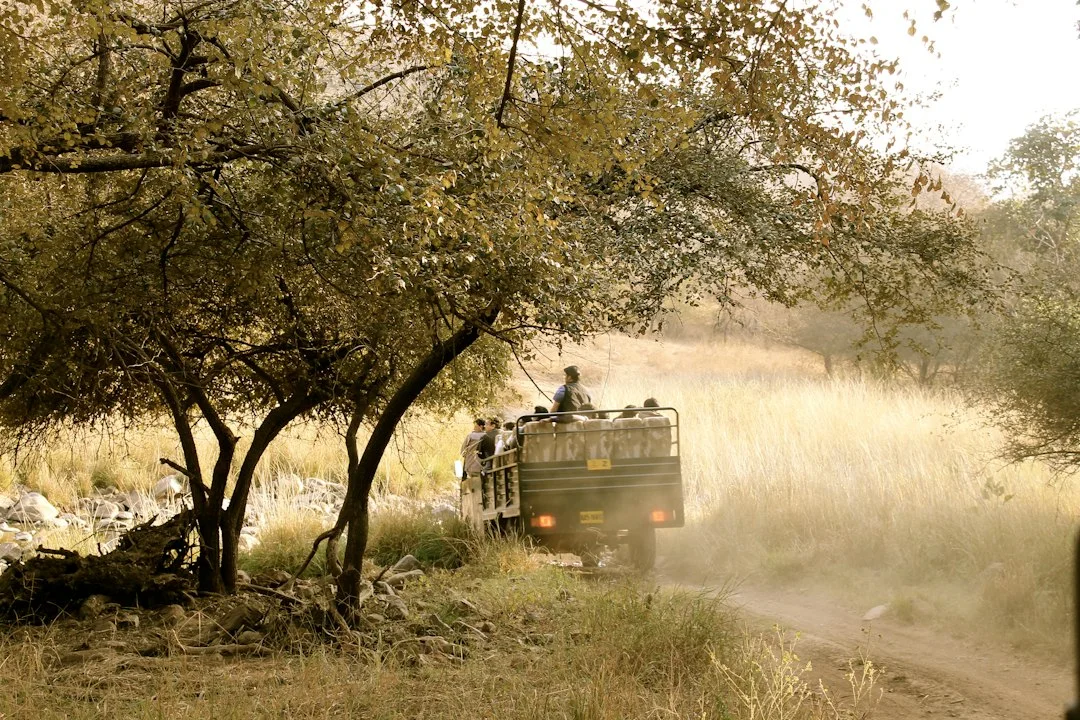
Tiger safari in Ranthambore
The vehicle picks you up at your hotel before dawn, and you enter your assigned zone as the gates open. For 3 h 30 the guide follows tracks and the alarm calls of deer and monkeys; the highlight is the moment a tiger crosses the track a few metres away, in total silence.
Suitable for everyone, children included. Choose the jeep (Gypsy) over the noisier canter; book on the official portal with your passport, and bring a fleece for the morning safari in winter.
- 3 h 30 par safari, idéalement 2 sorties sur 2 jours
- Environ 2 700 à 5 000 roupies par personne et par safari (30 à 50 €) selon le véhicule, guide inclus
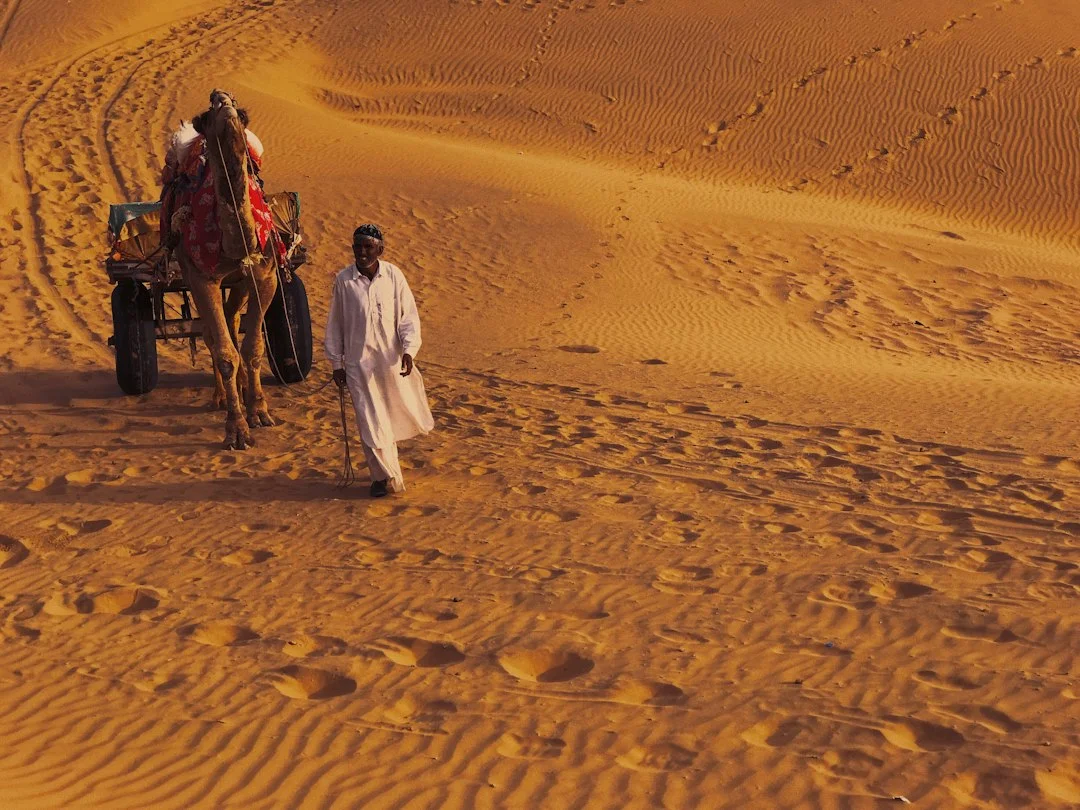
A night in the Thar Desert by camel
You leave Jaisalmer by jeep mid-afternoon, stop in a village, then ride a camel for an hour or two to the Khuri or Sam dunes. Sunset over the dunes, then a dinner cooked over a wood fire and a sky free of artificial light make the evening's highlight.
Open to everyone, even with no camel experience; ask for a night in an isolated camp rather than the big camps at Sam. Bring a head torch, a fleece and a scarf against the sand.
- 1 nuit, départ vers 15 h et retour le lendemain vers 9 h
- Variable selon le camp : demandez un devis à 2 ou 3 guesthouses de Jaisalmer
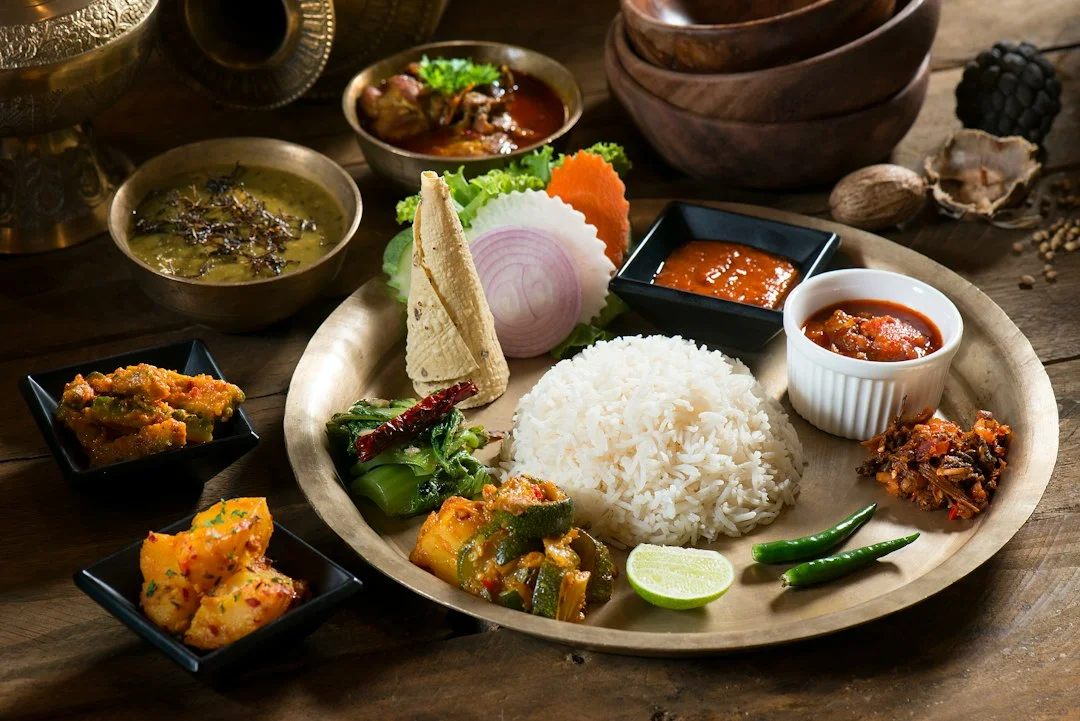
Rajasthani cooking class in a local home
In a home in Jaipur, Jodhpur or Udaipur, a family welcomes you into their kitchen: you roast and grind spices, knead the dough for chapatis and baatis, and make a dal and a vegetable curry. The highlight is the meal shared at the end, around the thali you cooked.
Open to all, no skills needed; classes are mostly vegetarian. Book the day before through your guesthouse or online, and ask for the written recipe to cook it again at home.
- 2 à 3 h, en général en fin d'après-midi, repas inclus
- Tarif fixé par la famille ou l'école : à comparer avant de réserver
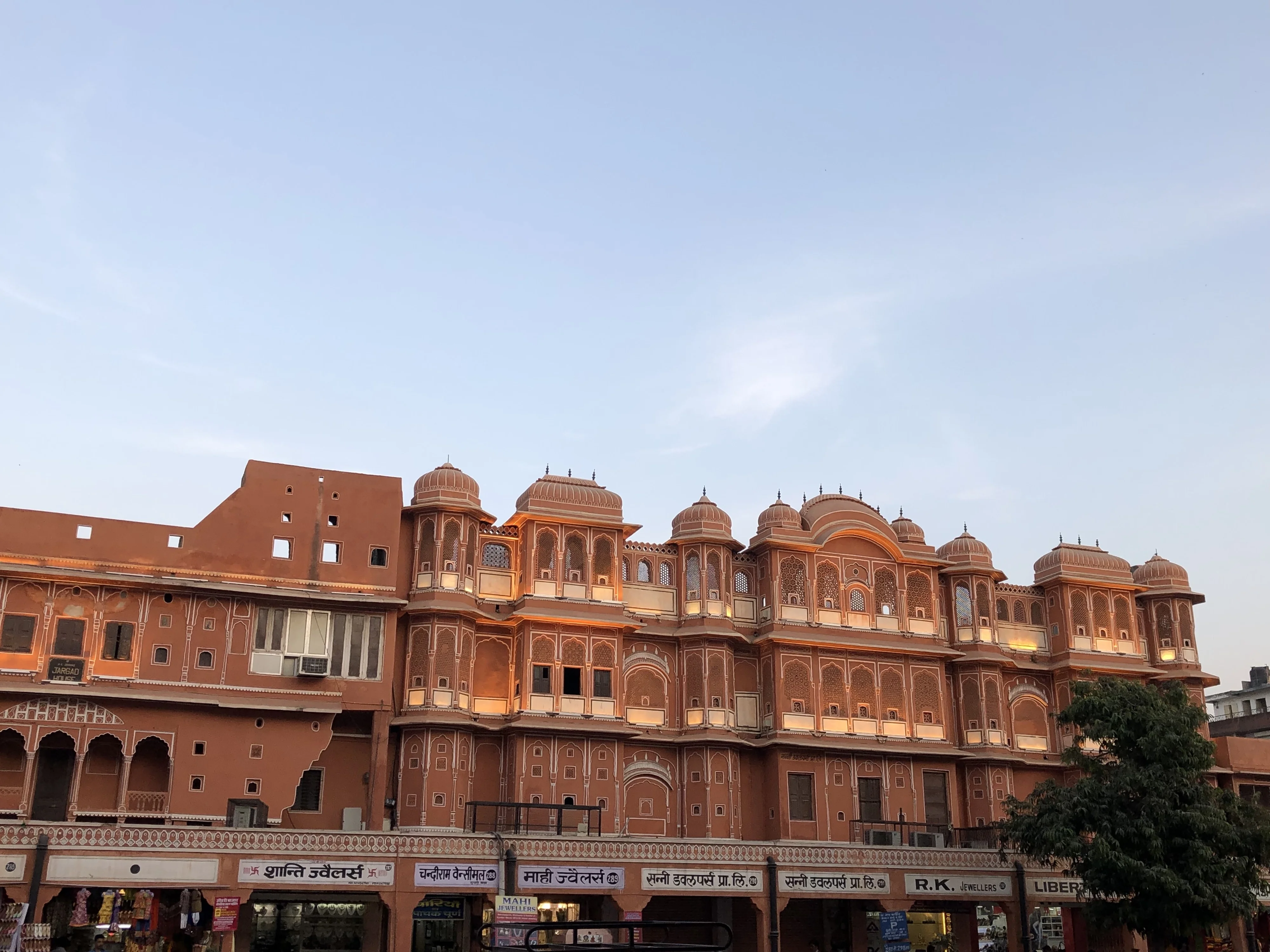
The bazaars of Jaipur's pink old city
Set off at 7am, before the shops open, to watch the old city wake up: flower sellers, milkmen, neighbourhood temples. Then you cross the specialised bazaars, Johari Bazaar for jewellery, Bapu Bazaar for textiles and slippers, Tripolia for kitchenware; the highlight is a chai in the middle of the flower market.
For anyone who likes walking; wear closed shoes. Choose an approved guide or an organised walking tour, and make it clear you don't want stops at "partner" shops.
- 3 à 4 h le matin, à pied ou en tuk-tuk
- Visite guidée en groupe ou guide privé : tarif à fixer à l'avance
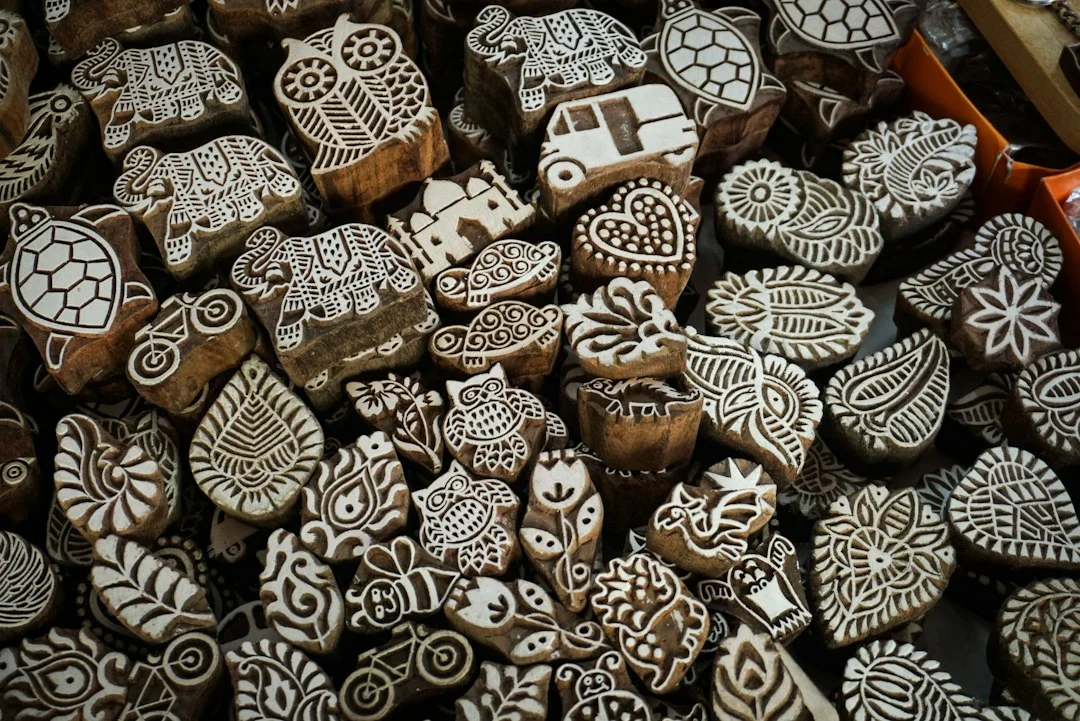
Block printing workshop in Sanganer or Bagru
In Sanganer or Bagru, two villages near Jaipur, artisan families still print fabric by hand with carved wooden blocks. You watch the dyes being prepared, try pressing the block onto a scarf, then see the lengths of cloth drying in the sun; the highlight is leaving with the piece you printed yourself.
Ideal for families and travellers curious about crafts; wear clothes you don't mind marking. Go on your own or with a driver, and agree the workshop price upfront to avoid a hard sell.
- Demi-journée, trajet depuis Jaipur compris
- Atelier d'initiation à régler sur place : demandez le prix avant de commencer
Getting there
You reach Rajasthan through Delhi's international airport, with direct flights of about 8-9 hours from Paris, then continue to Agra or Jaipur by train, private driver or domestic flight.
The gateway is Indira Gandhi International Airport in Delhi (DEL), with direct flights from Paris and London. Expect €450 to €900 (roughly $500-1,000 / £400-780) return depending on the season; prices climb around Christmas and autumn half-term. Jaipur (JAI) also has an airport, mostly served by domestic flights and a few Gulf routes: a stopover in the Gulf, in Dubai or Sharjah for instance, lets you land there directly and skip Delhi.
From Delhi, three ways to start the route:
- To Agra by train: the Gatimaan Express and the Vande Bharat link Hazrat Nizamuddin station to Agra Cantt in about 1 h 40, with early-morning departures. By far the fastest option.
- To Jaipur by train: the Shatabdi Express takes just under 5 hours, for about 1,000 rupees in an air-conditioned carriage (AC Chair Car).
- By car with a driver: Delhi to Jaipur takes 5-6 hours on the expressway (about 280 km). Most drivers will pick you up at the airport or your hotel.
For the return, a domestic flight from Udaipur to Delhi or Jodhpur to Delhi saves you driving the whole way back. Book it as soon as your dates are set: Indian low-cost airlines show low fares several weeks out and much higher ones a few days before departure.
Getting around
In Rajasthan you travel between cities by train or with a private driver, about 2,800-4,000 rupees a day for an all-inclusive sedan; in town, tuk-tuks and the Uber and Ola apps do the rest.
A car with a driver is the most common choice for a first trip, and it's still affordable. Expect about 2,800 to 4,000 rupees a day for a sedan (such as a Dzire or Etios) including fuel, tolls and driver, and 6,000 to 7,500 rupees for an Innova-type SUV, more comfortable on long stages. The driver's lodging and meals are often included; if not, allow 300 to 500 rupees a night. Driving yourself is not recommended: traffic drives on the left, roads are busy and animals wander onto the carriageway.
Driving times to plan for: Jaipur-Pushkar 2 h 30, Pushkar-Jodhpur 4 h 30, Pushkar-Udaipur about 5 h, Jodhpur-Jaisalmer 5 h, Jodhpur-Udaipur 5-6 h (via the Ranakpur temple), Jaipur-Ranthambore 3 h. Don't go beyond 5-6 hours on the road a day, or the trip turns into staring out of the window.
The train is a cheaper alternative and an experience in itself. Delhi, Agra, Jaipur, Sawai Madhopur (Ranthambore), Ajmer (for Pushkar), Jodhpur, Jaisalmer and Udaipur are all served. Book on the IRCTC website, which requires an account; a quota for foreign tourists exists on some trains. Choose air-conditioned classes (CC, 3A, 2A) for day and night journeys. Night trains between Jaipur or Delhi and Jaisalmer save you a day.
In town, agree the tuk-tuk (auto-rickshaw) fare before you get in; Uber and Ola work well in Jaipur, Jodhpur and Udaipur and show the price upfront, which saves haggling. In Jaisalmer and Pushkar, the old town is best on foot.
What to do
Rajasthan's major sights are the Taj Mahal in Agra, Amber Fort, the Hawa Mahal and the Jantar Mantar in Jaipur, Mehrangarh Fort in Jodhpur, Jaisalmer's living fort and a night in the Thar dunes, then Udaipur's lakes.
Rajasthan is first and foremost about forts and palaces. In Jaipur, a full day is barely enough for Amber Fort, the City Palace, the Jantar Mantar and the Hawa Mahal façade. Jodhpur comes down to one image, Mehrangarh Fort above the blue city, but deserves two nights for its lanes and the Clock Tower market.
Out west, Jaisalmer tips the trip into the desert: a golden sandstone fort that is still inhabited, havelis carved like lace, and the Sam or Khuri dunes 40-45 km away for a night under the stars. Udaipur, in the south, slows the pace with its lakes, white palaces and rooftop terraces.
Two stops complete the route: Pushkar, a small holy town around a lake, to feel religious Rajasthan, and Ranthambore for a tiger safari. And if you want a Rajasthan without tour buses, Bundi and its murals are the hidden gem of the route.
Each place is detailed in the list below, with prices, opening hours and the best time to go.
Food
Rajasthani food is desert cooking, rich in ghee, lentils and spices: try dal baati churma, laal maas, ker sangri and Jodhpur's pyaaz kachori, for 150-400 rupees a thali.
With little water or fresh vegetables in the desert, Rajasthani cooking was built on what keeps: lentils, gram flour, clarified butter (ghee), dried berries. The result is hearty, fragrant and often vegetarian.
- Dal baati churma: wheat balls baked over embers, drenched in ghee, with a lentil dal and a sweet crumble. Rajasthan's signature dish, served everywhere.
- Laal maas: a fiery red mutton curry, the dish of Rajput hunters. Try it in Jaipur or Jodhpur, and ask for "medium" spice.
- Ker sangri: desert berries and beans stir-fried with spices, a speciality of Jodhpur and Jaisalmer.
- Pyaaz kachori: an onion-stuffed fritter, the street breakfast of Jodhpur and Jaipur.
- Lassi: whipped yoghurt, sweet or salted, served in terracotta cups. Be wary of Pushkar's "bhang lassi", made with cannabis, sold under licence and much stronger than advertised.
The easiest way to try everything is the thali, a platter of small bowls refilled on demand, around 150 to 400 rupees in a local restaurant. For your stomach, eat food cooked in front of you and served hot, drink sealed bottled water, and skip raw salads and ice for the first few days.
Itineraries
In 15 days, follow the loop Delhi, Agra, Ranthambore, Jaipur, Pushkar, Udaipur, Jodhpur and Jaisalmer, flying back from Jodhpur; in 10 days, keep the Golden Triangle and add Jodhpur and Udaipur.
The grand tour in 15 days
- Day 1: arrive in Delhi, night there.
- Day 2: 6am train to Agra (1 h 40), Agra Fort, night in Agra.
- Days 3-4: Taj Mahal at sunrise, then drive to Ranthambore (about 5 h); two safaris in the park.
- Days 5-7: Jaipur (3 h by road), Amber Fort, City Palace, Jantar Mantar, old-city bazaars, a block-printing workshop.
- Day 8: Pushkar (2 h 30), the lake and its ghats at sunset.
- Days 9-10: Udaipur (about 5 h), City Palace and a boat trip on Lake Pichola.
- Days 11-12: Jodhpur via the Jain temples of Ranakpur (5-6 h including the visit), Mehrangarh Fort and the blue city.
- Days 13-14: Jaisalmer (5 h), the fort and havelis, then a night in the dunes.
- Day 15: drive back to Jodhpur (5 h) and evening flight from Jodhpur to Delhi.
Agra and Pushkar get only one night: they're short stops where the essentials fit into a day. Every other city gets two or three.
The essentials in 10 days
Delhi (1 night), Agra (1 night), Jaipur (3 nights), Jodhpur (2 nights) with a lunch stop in Pushkar on the way, Udaipur (2 nights) via Ranakpur, then a flight from Udaipur to Delhi. You give up the desert but keep the forts and the lakes. Desert version: swap Udaipur for Jaisalmer and return to Jodhpur for the flight.
Rajasthan off the beaten track
Between Jaipur and Udaipur, stop in Bundi (one or two nights) and then Chittorgarh, one of India's largest forts and one of the six UNESCO-listed hill forts. Between Jodhpur and Udaipur, the Jain temples of Ranakpur and the ramparts of Kumbhalgarh are worth splitting the drive in two. If you loved the desert, the Oman road trip extends the experience a few hours' flight away.
Climate & seasons
When to go to India?
Monthly averages over the past 5 years (Open-Meteo).
Best months
- January
- February
- March
- April
- September
- October
- November
- December
Avoid
- April
- May
- June
| Jan | Feb | Mar | Apr | May | Jun | Jul | Aug | Sep | Oct | Nov | Dec | |
|---|---|---|---|---|---|---|---|---|---|---|---|---|
| Our take | ||||||||||||
| Weather | ||||||||||||
| High | 23° | 28° | 33° | 38° | 40° | 38° | 34° | 32° | 33° | 33° | 29° | 25° |
| Rain (mm) | 16 | 3 | 4 | 5 | 21 | 89 | 159 | 137 | 60 | 25 | 9 | 5 |
| City sightseeing | City sightseeing January | City sightseeing February | City sightseeing November | City sightseeing December |
What to do by season (autumn)
-
City sightseeing
Pedestrian-friendly most of the year.
When to go
Go between October and March: days are around 25°C, nights are cool, and you avoid the extreme heat of April to June (35-45°C) and the July-September monsoon.
October to March is the ideal season: dry skies, around 25°C by day in Jaipur, nights around 15°C. January is the coolest month; in the desert at Jaisalmer, nights drop to about 8°C and sometimes lower, which matters if you sleep in a tent. November, December and February are the most pleasant months, but also the busiest: book heritage hotels and safaris two to three months ahead.
April to June is best avoided: temperatures reach 35-45°C, more in the desert, and visiting a fort at noon becomes an ordeal. From July to September the monsoon arrives, weaker than elsewhere in India but humid and heavy; the land around Udaipur turns green, and the main zones of Ranthambore National Park are generally closed during this period.
A few dates to plan around:
- Diwali, the festival of lights, falls on 8 November 2026 (celebrations from 6 to 10 November): cities are lit up, but trains and hotels are full.
- The Pushkar Fair peaks at the Kartik full moon, on 24 November 2026: hundreds of thousands of pilgrims and camel traders gather around the lake in the days before. Accommodation prices multiply.
- The Jaisalmer Desert Festival is traditionally held in February, and Holi, the festival of colours, falls in March at the Phalguna full moon (around 22 March in 2027; lunar date to be confirmed).
To compare with other end-of-year destinations, see our pick of where to go in November.
Budget
Expect €23-37 a day per person as a backpacker, €45-75 mid-range and €90-180 for comfort, excluding the international flight (€450-900 return from Paris to Delhi).
Rajasthan remains a cheap destination, but the gaps are huge depending on where you sleep and how you travel. Foreigners pay the full monument rate, several times what Indians pay: entry fees weigh more on a tight budget than you'd think. As a rule of thumb, count roughly 100 rupees to €1 (about 85 rupees to $1), and check the rate before you leave.
Backpacker: €23-37 a day (about $25-40). Guesthouse at 800-1,500 rupees a night or a dorm, trains in budget air-conditioned class, thalis and street food, one or two monuments a day.
Mid-range: €45-75 a day (about $50-85). A room in a haveli, restaurants with terraces, and above all a private driver shared between two (around €35 a day for the car), which transforms the comfort of the trip.
Comfort: €90-180 a day (about $100-200). Upscale heritage hotels, an SUV with driver, a private guide in the forts, a night in a luxury desert camp. Beyond that, the palace hotels of Udaipur and Jodhpur play in another league.
A few fixed costs apply whatever your budget: the Taj Mahal at 1,100 rupees plus 200 rupees for the mausoleum (about €13), the Jaipur composite ticket at around 1,000 rupees (about €10), and the Ranthambore safari, roughly 3,000 to 5,000 rupees per person depending on the vehicle and booking channel (€30-50). Two weeks thus come to €400-600 on the ground as a backpacker and €750-1,100 mid-range, excluding flights.
Work out your budget
Backpacker
161 – €259
23 – €37 per person per day
Mid-range
315 – €525
45 – €75 per person per day
Upscale
630 – €1,260
90 – €180 per person per day
On top of that
- International flights (return) 450 – €900
- Private driver with sedan, all-inclusive €245
- Taj Mahal entry including the main mausoleum €13
- Jaipur composite monument ticket (2 days) €10
- Jeep safari in Ranthambore €40
Extras total €308
On-the-ground estimate, international flights excluded unless stated. Prices vary by season and how early you book. Figures updated on 24/09/2026.
Where to stay
In Rajasthan, sleep in a haveli, a former merchant's mansion, or a palace turned hotel: it's the country's real luxury and often affordable, while simple guesthouses start at 800-1,500 rupees a night.
Rajasthan's great speciality is its heritage hotels: havelis with painted inner courtyards, and forts and palaces converted by princely families. They come at every price, from family-run havelis at a few dozen euros a night to the palaces of Udaipur and Jodhpur, among the most expensive hotels in Asia.
- Jaipur: stay in the pink old city or just next to it, around Bani Park or C-Scheme, to avoid long rides through traffic jams.
- Pushkar: the guesthouses around the lake, with a terrace over the ghats. It's a holy town: no meat or alcohol in the centre.
- Jodhpur: the blue houses of Navchokiya and Brahmpuri, at the foot of Mehrangarh Fort, have the best rooftops.
- Jaisalmer: pick a guesthouse outside the fort walls. The fort is inhabited and weakened by overcrowding and water leaks from the hotels inside; sleeping outside, with a view, eases the pressure on the monument.
- Udaipur: the Lal Ghat and Gangaur Ghat area on Lake Pichola, for sunset rooftops.
Price-wise, expect 800 to 1,500 rupees (€8-15) for a simple, clean guesthouse room, 250 to 400 rupees for a dorm bed in Jaisalmer, and from 4,000-8,000 rupees for a beautiful haveli. For November to February, book characterful places two months ahead.
Safety
Rajasthan is a safe destination for travellers; the real risk is scams, above all the gem scam in Jaipur, and the UK advises against the 10 km strip along the Pakistani border, away from the classic route.
The UK Foreign Office advises against all travel within 10 km of the border with Pakistan, in north-west Rajasthan. The Sam and Khuri dunes, 40-45 km from Jaisalmer, are well away from this zone; don't let an improvised excursion take you further west. Satellite phones and standalone GPS devices are banned without authorisation, with prison sentences possible; your smartphone's GPS is no problem. Read the UK travel advice for India or your own government's advice before you go.
The most common scams:
- Gems (the gem scam) in Jaipur, Pushkar and Udaipur: a friendly stranger, sometimes your own driver, suggests buying stones to resell back home, or shipping them for him. The stones are worthless. Never buy jewellery in a shop you were taken to, and refuse any postal shipment.
- Commissions: tuk-tuk drivers and guides take a cut in the textile, carpet and jewellery shops where they drop you. Say clearly that you don't want shopping stops.
- Fake tourist offices near stations selling overpriced tours, and the "it's closed today" line used to take you elsewhere.
- Pushkar blessings: a "priest" hands you a flower by the lake, then demands a large donation. Politely decline before you take the flower.
Women travellers will often face staring and selfie requests; clothes covering shoulders and knees and a firm no are usually enough. Health-wise, traveller's diarrhoea is the most frequent nuisance: bottled water, clean hands, and a kit with oral rehydration salts. In an emergency, the single number is 112.
Formalities
French citizens need a visa for India: the tourist e-visa is applied for on the official site indianvisaonline.gov.in at least 4 days before arrival, with a passport valid 6 months beyond entry and two blank pages.
A visa is required for French citizens, as for British, American and most other nationals; check the rules for your own passport. The simplest option is the e-Tourist Visa, to be applied for only on the official site indianvisaonline.gov.in. There are three durations: 30 days, 1 year or 5 years, the last two with multiple entries and limited to 180 days' stay per calendar year. You must apply at least 4 days before arrival; the answer usually comes within 24 to 72 hours.
For a French passport, expect about $25 for 30 days, $40 for 1 year and $80 for 5 years, plus 2.5% bank charges; fees vary by nationality, so check the amount shown when you apply — the 30-day visa is cheaper from April to June. Avoid intermediary sites that look like the official portal and charge double.
- Passport valid for at least 6 months after your arrival date, with at least two blank pages.
- Entry through a designated airport: Delhi and Jaipur are on the list.
- The e-visa can be neither extended nor converted in India.
- An e-Arrival Card is mandatory: fill it in online within the 72 hours before arrival.
- Cash above $5,000 (or $10,000 including traveller's cheques) must be declared; importing rupees is restricted.
No vaccination is required on entry, except yellow fever if you arrive from a country where it is present. See a travel health clinic before you leave about recommended vaccines (hepatitis A, typhoid, boosters) and malaria risk.
Tips
In Rajasthan, three habits change a first trip: book trains and safaris ahead, allow two nights per major stop, and visit forts at opening time before the heat and the groups.
- Two nights at the major stops. Jaipur, Jodhpur, Jaisalmer and Udaipur deserve at least two nights; one is enough for Agra and Pushkar. Better to drop a city than to rush them all.
- Visit at opening time, and plan Agra around Fridays. Before 10am the light is lovely and the coaches haven't arrived; the Taj Mahal closes on Fridays, which often sets the whole schedule.
- Use bank ATMs (SBI, HDFC, ICICI) rather than standalone machines, and tell your bank you're travelling: per-withdrawal limits are low and each transaction carries fees, so take out the maximum at once.
- Get the Jaipur composite ticket (around 1,000 rupees for foreigners, valid two days): it covers Amber Fort, the Jantar Mantar, the Hawa Mahal and Nahargarh Fort. The City Palace, privately run, is paid separately.
- Pay in small notes. 500-rupee notes are hard to change at stalls and in tuk-tuks; keep 10 to 100-rupee notes.
- Take off your shoes in temples and cover shoulders and knees; some Jain temples also ban leather items.
- A SIM card or eSIM on arrival: Uber, Ola, Google Maps and online train tickets depend on it. Our guide to travel eSIMs explains how to set one up before you leave.
FAQ
French citizens need a tourist e-visa, applied for online at indianvisaonline.gov.in at least 4 days before departure, for 30 days, 1 year or 5 years.
Do I need a visa to visit Rajasthan?
Yes. Most nationalities, French citizens included, must get a tourist e-visa on the official site indianvisaonline.gov.in at least 4 days before arrival, with a passport valid 6 months beyond entry. It comes in 30-day, 1-year or 5-year versions, for about $25, $40 or $80 on a French passport.
When is the best time to visit Rajasthan?
From October to March, with days around 25°C and cool nights. Avoid April to June (35-45°C) and the July-September monsoon.
How many days do you need for Rajasthan?
Allow 15 days for the full loop with Agra, Ranthambore, Jaipur, Pushkar, Udaipur, Jodhpur and Jaisalmer. In 10 days, keep the Golden Triangle and one or two royal cities; in a week, stick to Delhi, Agra and Jaipur.
Is it better to hire a driver or take the train in Rajasthan?
A private driver is more flexible and still affordable, about 2,800 to 4,000 rupees a day for an all-inclusive sedan. The train is cheaper and avoids long days on the road, provided you book ahead on IRCTC. Many travellers combine both.
What budget do you need for two weeks in Rajasthan?
About €400-600 per person on the ground as a backpacker and €750-1,100 mid-range, excluding the international flight of €450-900 return from Paris.
Is Rajasthan dangerous for tourists?
No, the main risk is scams, especially the gem scam in Jaipur. Just avoid the 10 km strip along the Pakistani border, which the classic route doesn't cross.
What day is the Taj Mahal closed?
The Taj Mahal is closed every Friday. Ticket windows open one hour before sunrise; entry costs 1,100 rupees for a foreigner, plus 200 rupees for the mausoleum.
What is the emergency number in India?
112 is the single emergency number, for police, fire and medical services.
Sources
The figures in this guide come from the sources below, checked on the publication date.
- www.tajmahal.gov.in
- indianvisaonline.gov.in
- indianvisaonline.gov.in
- www.gov.uk
- www.gov.uk
- www.diplomatie.gouv.fr
- en.wikipedia.org
- whc.unesco.org
- whc.unesco.org
- whc.unesco.org
- www.tourism.rajasthan.gov.in
- www.mehrangarh.org
- en.wikipedia.org
- en.wikipedia.org
- en.wikipedia.org
- en.wikipedia.org
- en.wikipedia.org
- en.wikipedia.org
- www.hawa-mahal.com
- www.rajasthantourdriver.com
- bookmyranthambore.com
Leave a comment
Share your thoughts or travel experience. Your email will not be published.