

Contents 29
Overview
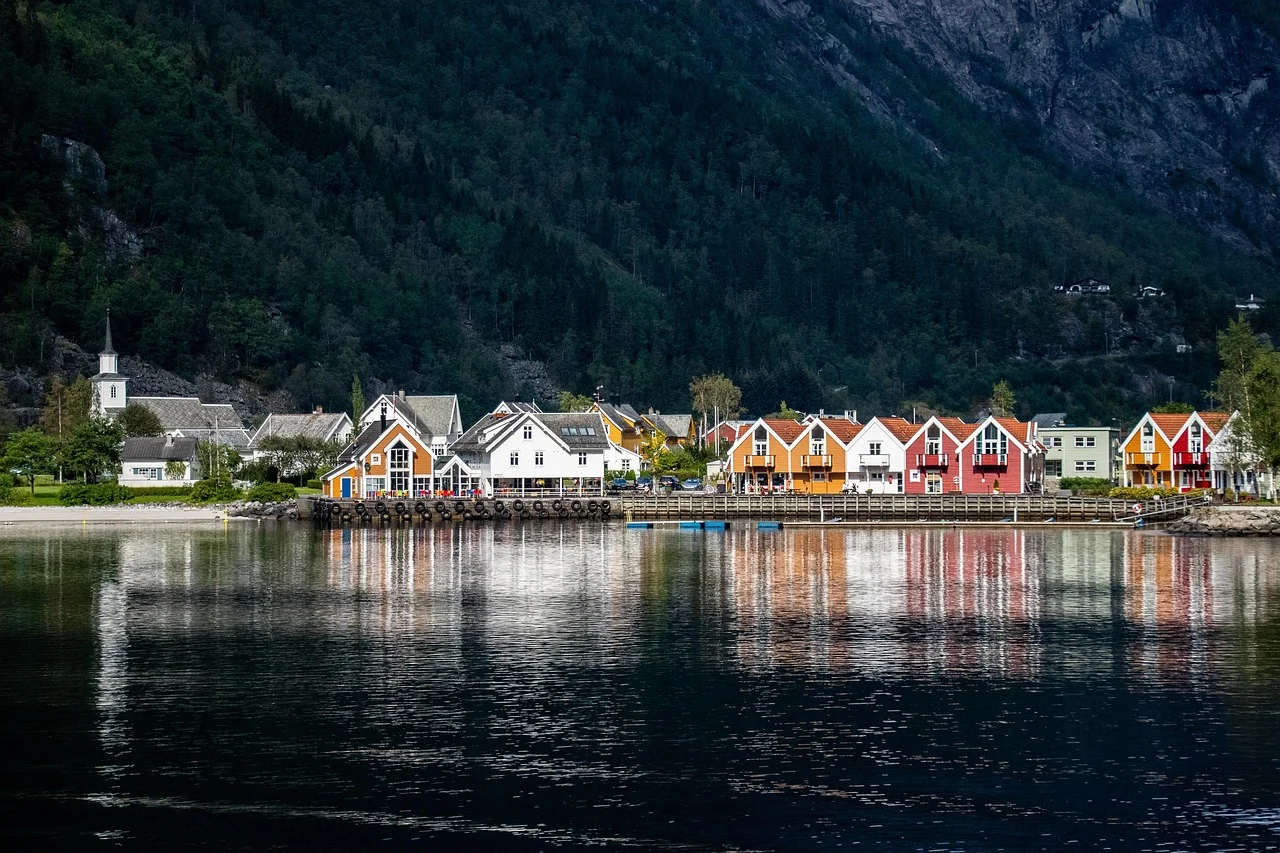
The Faroe Islands are a self-governing Danish archipelago of 18 islands battered by the North Atlantic, between Scotland and Iceland, known for their cliffs, waterfalls and puffins.
The Faroe Islands feel like the edge of the world, yet they sit just a few hours' flight away. This archipelago of 18 islands floats in the North Atlantic, roughly halfway between Scotland and Iceland. Here the wind, the fog and the light can change everything in a matter of minutes.
Politically, the Faroes form a self-governing territory within the Kingdom of Denmark. Even so, they stay outside the European Union and outside the Schengen Area. You pay in Danish or Faroese króna (DKK), and Danish is only the second language, after Faroese.
The scenery looks like nowhere else. Black cliffs plunge into the ocean, turf-roofed villages cling to the fjords, and waterfalls spill straight into the sea. It is a nature destination, still under the radar, made for hiking and quiet contemplation.
This guide covers all the essentials: when to go, how to get there, what budget to plan for and what to see. One thing to keep in mind from the start: summer is the only real window to enjoy the trip.
11 places to take with you
In the guide's order, ready for Google Maps or your GPS.
Book the activities from this guide
Our picks for Faroe Islands, well rated and free to cancel.
-
Book this activity
Puffin watching on Mykines
Ferry + mandatory hiking fees ~DKK 400 (approx. EUR 54) per person, book the day before on hiking.fo
Affiliate links: Travel Advice earns a commission if you book, at no extra cost to you. Learn more
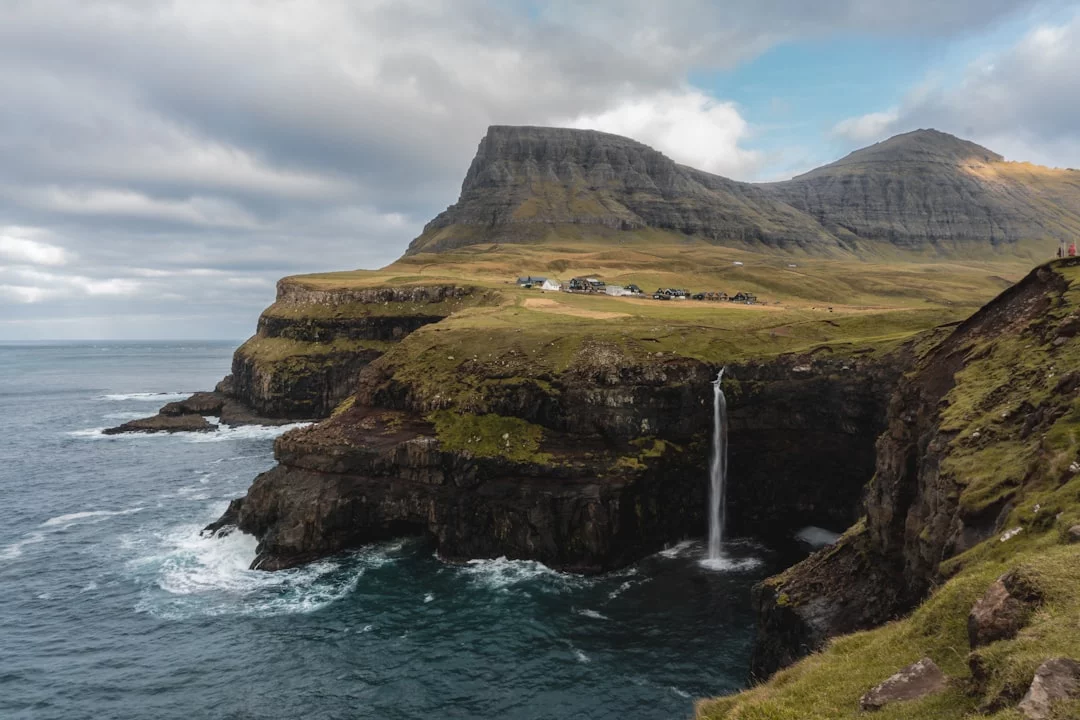
Múlafossur waterfall, Gásadalur
Picture a waterfall that spills straight into the ocean, with a village perched above the cliffs. Múlafossur is exactly that: the most iconic image of the whole archipelago.
The falls drop at the foot of the isolated village of Gásadalur, long reachable only on foot or by helicopter before a tunnel opened. The setting blends black cliffs, vivid green grass and sea spray.
On site, count a few minutes' walk from the car park to reach the viewpoint. No difficulty, but the ground is often slippery and windy.
It is the first spot most travellers want to see, and it never disappoints.
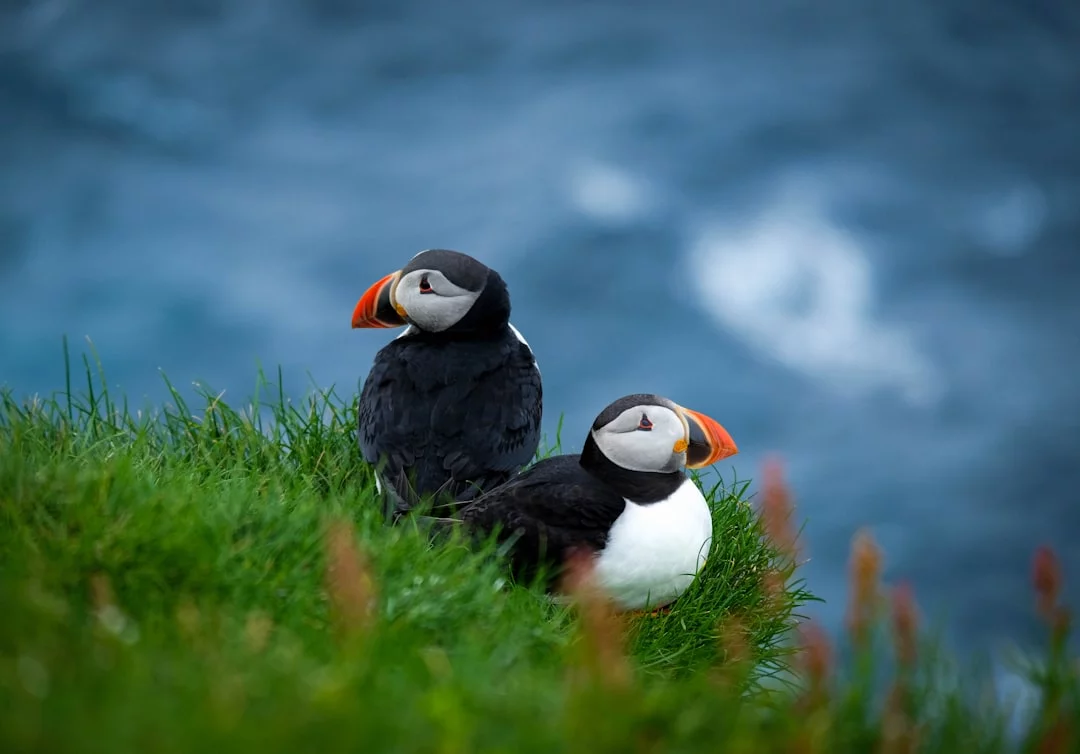
Mykines island
Here the puffins almost brush past you. Mykines, the westernmost island of the archipelago, is the number-one sanctuary for watching these little birds with the colourful beaks.
It is also the only gannet colony in the Faroe Islands. The ferry only runs from 1 May to 31 August, and access to the trails involves a compulsory hiking fee of 400 DKK, to be booked on hiking.fo.
On site, you walk along the cliffs to reach the bird colonies. Plan a full day, with a round-trip ferry of about 45 minutes.
It is the most memorable wildlife experience in the Faroes, unique in Europe.
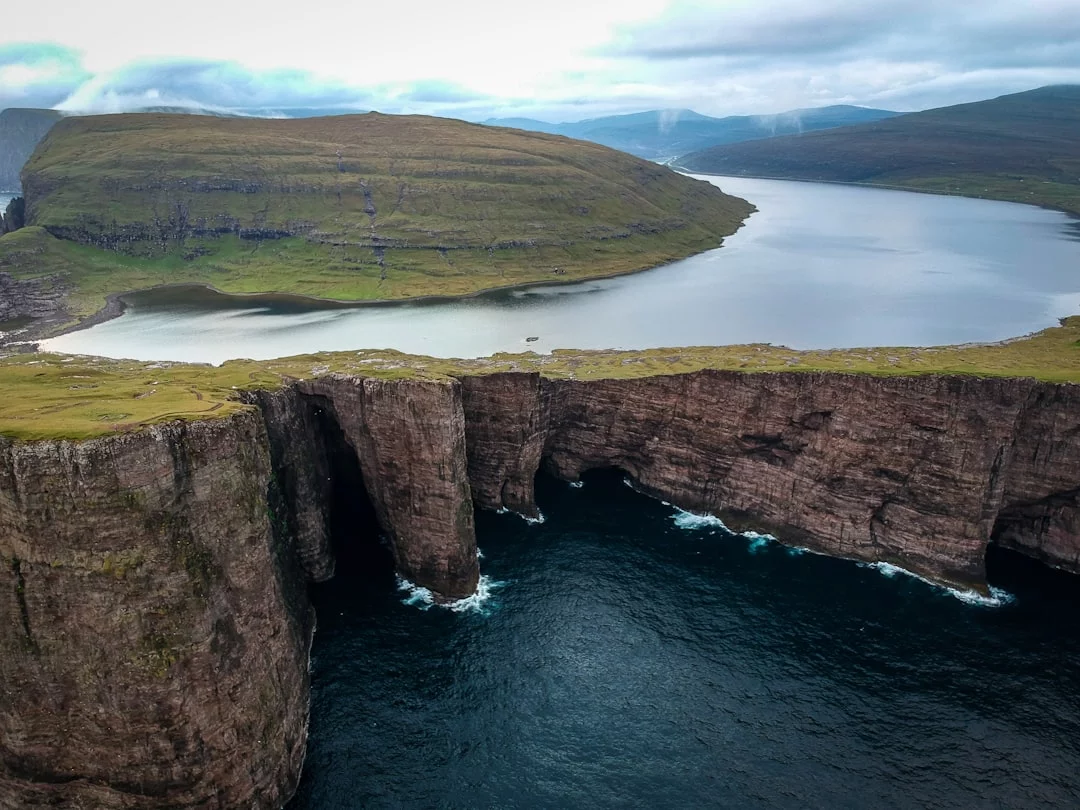
Lake Sørvágsvatn / Leitisvatn and Bøsdalafossur waterfall
From the Trælanípa cliff, the largest lake in the archipelago literally seems to float above the ocean. A stunning optical illusion that fools every camera.
The lake, called Sørvágsvatn or Leitisvatn, empties into the sea through the Bøsdalafossur waterfall, about 30 metres high. The contrast between fresh water and the Atlantic is striking.
The hike is easy: count 45 minutes to 1 hour from Miðvágur, on private land with a paid access. The path follows the shore before climbing to the viewpoint.
It is one of the most rewarding walks in the archipelago, spectacular for a modest effort.

Tórshavn and the Tinganes district
Cobbled lanes, black houses and grass roofs: Tórshavn has the charm of a village, yet it really is a capital. One of the smallest in the world, in fact.
The historic heart, Tinganes, is one of the oldest parliamentary sites on the planet. The Løgting has sat here since the Viking age, on this narrow peninsula reaching out into the harbour.
On site, you wander among the turf-roofed houses, visit the port and the local design shops. Count a few hours to see it all at a relaxed pace.
It is the ideal base for the trip and a real plunge into Faroese history.
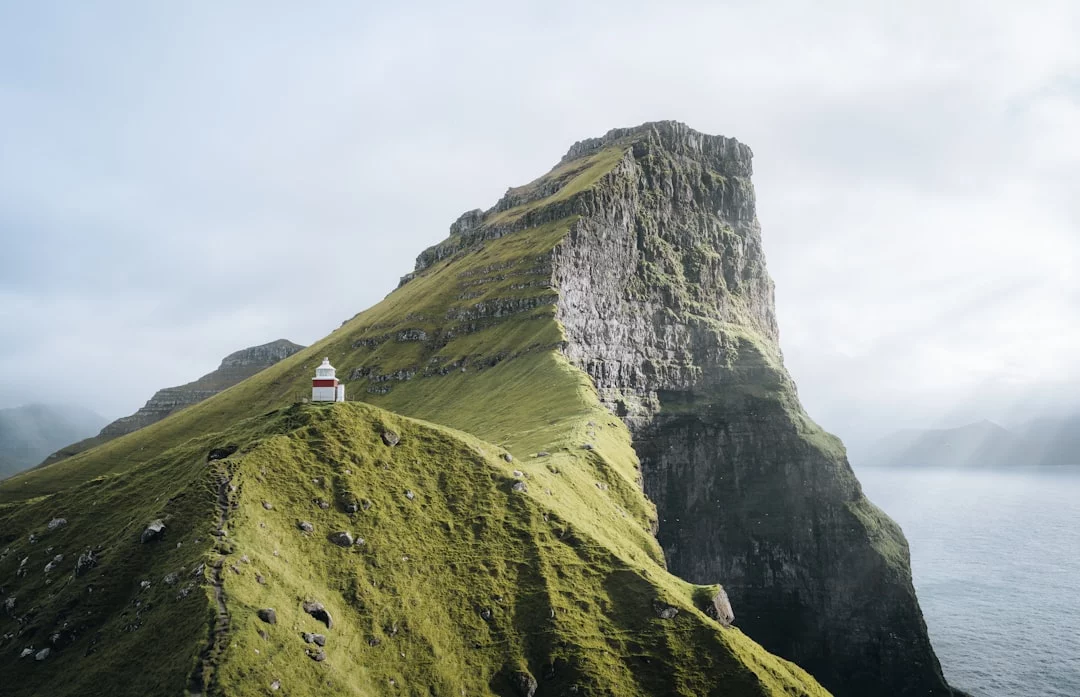
Kallur lighthouse, Kalsoy
A white lighthouse perched on a narrow ridge, the ocean on every side: the panorama at Kallur lighthouse is dizzying, in the best sense of the word.
It stands at the northern tip of Kalsoy, a long, slender island nicknamed "the flute". This setting became famous thanks to the James Bond film "No Time to Die".
Access requires a ferry to Kalsoy, then a drive through narrow tunnels, before a final hike of about 1 hour round trip. The trail is slippery and exposed.
The visual reward makes it one of the most striking viewpoints in the Faroes.

Drangarnir and Tindhólmur
An arch of black rock carved by the sea, facing a pyramid-shaped islet: Drangarnir is one of the most photographed settings in Europe.
The natural sea arch faces the islet of Tindhólmur and its sharp peaks. Together they compose an almost unreal scene, hugely prized by photographers from all over the world.
Reaching it on foot crosses private land and requires a paid guide. Otherwise, you can admire it from a boat leaving from Sørvágur, simpler and often more spectacular.
It is the spot for lovers of photography and raw landscapes.
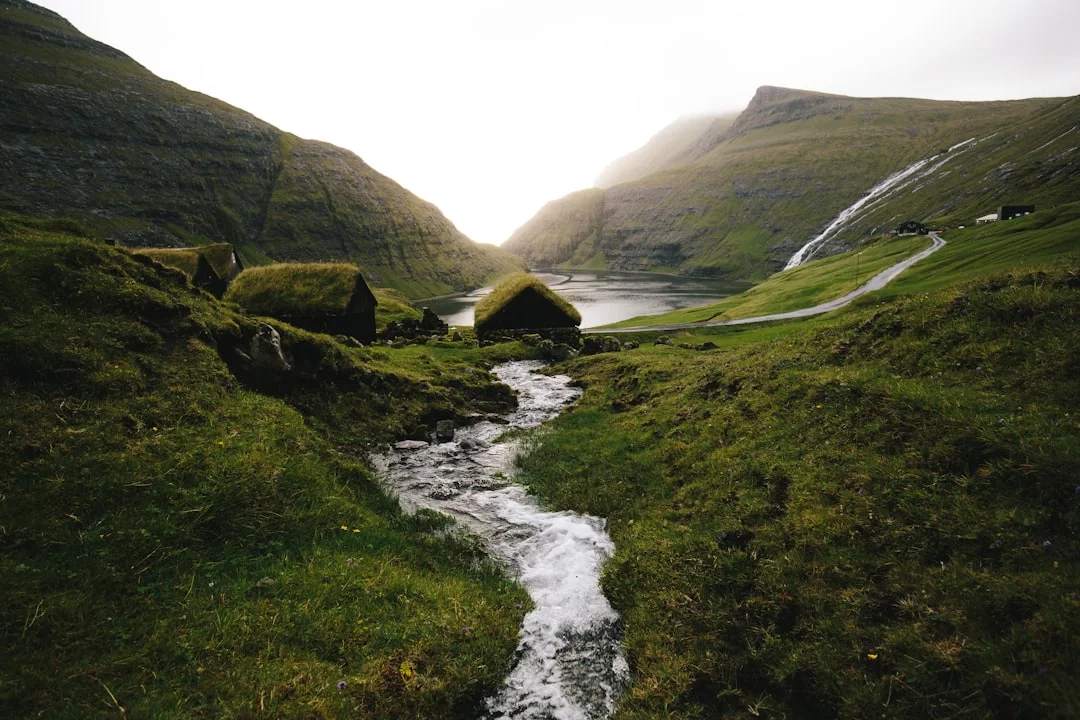
Saksun village
At the back of a mountain amphitheatre, a few grass-roofed farms and a small church watch over a closed lagoon. Saksun looks like a postcard frozen in time.
The village nestles at the edge of a lagoon cut off from the sea by a sandbar. The traditional turf-roofed farms make up one of the most peaceful landscapes in the Faroes.
On site, you walk around on foot to admire the church, the lagoon and the surrounding waterfalls. The site is private property: you must stay on the marked trails.
It is the dream place to feel the Faroese silence and isolation.
Vestmanna cliffs
From a small boat, you glide along walls of rock that rise straight towards the sky, while thousands of birds wheel overhead. The Vestmanna cliffs put on an impressive vertical show.
These walls shelter colonies of puffins, guillemots and fulmars. The boat threads between sea caves and narrow gorges, as close as possible to the cliff and the nests.
The tour lasts about 2 hours, leaving from the port of Vestmanna. You need to book ahead and pack a windbreaker, as the sea air is sharp even in summer.
It is the best way to see Faroese wildlife from the sea.
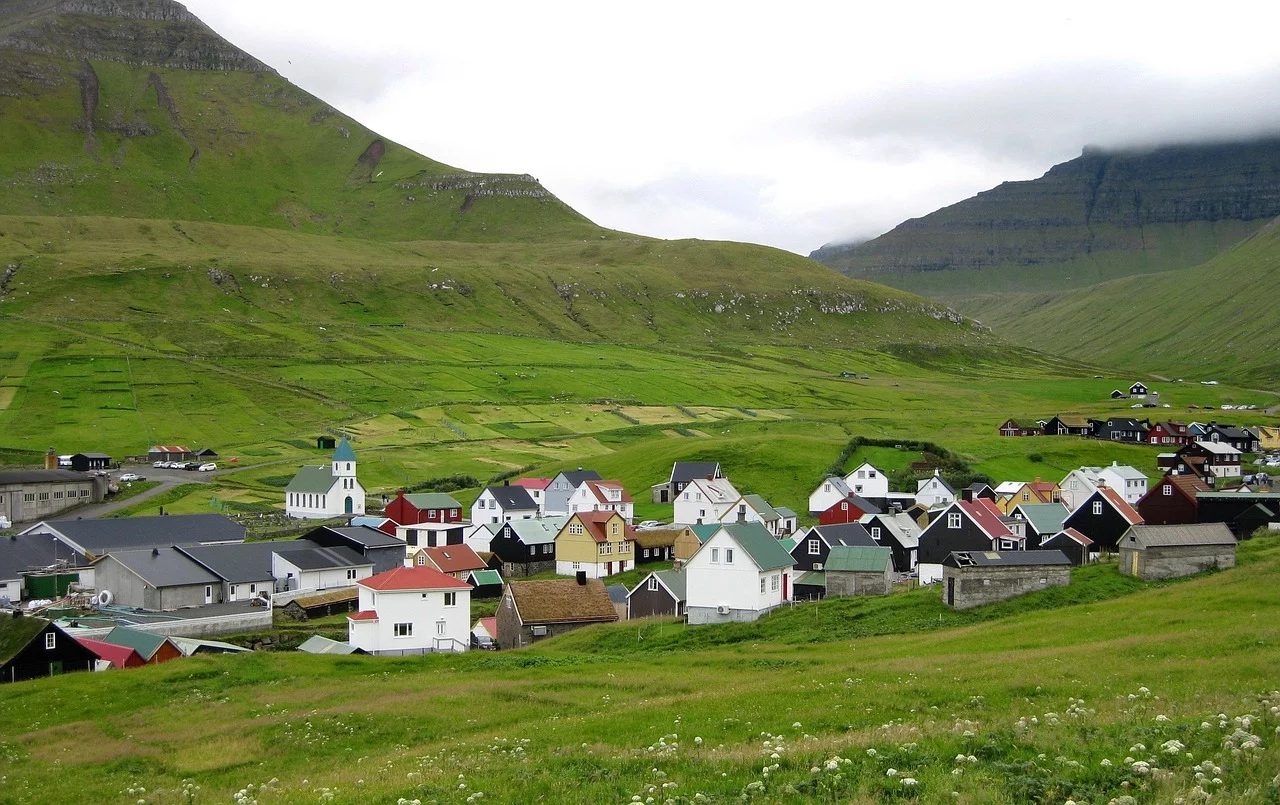
Gjógv village
Colourful houses, a rock gorge carved by the sea, and silence: Gjógv is one of the most endearing villages in the archipelago.
The village owes its name to this sea gorge that once served fishermen as a natural harbour. It cuts into the coast like a long water corridor, sheltered from the waves.
Set in the north of Eysturoy, about 50 minutes from Klaksvík, Gjógv is best discovered on foot while strolling. You can easily climb above the gorge for the view.
It is a perfect stop to taste the peaceful atmosphere of the northern Faroes.

Tjørnuvík and Risin og Kellingin
At the end of a winding road, a village hides in an amphitheatre of mountains, facing a black-sand beach. Tjørnuvík rewards those who push on to the very end.
From the beach, you can spot the famous sea stacks of Risin og Kellingin, "the Giant and the Witch". Legend says they tried to tow the Faroes towards Iceland before being frozen in place by the sun.
On site, you enjoy the panorama and the beach. It is also a well-known surf spot when the swell comes from the north. The access road stays narrow: drive carefully.
It is a Faroese land's end, wild and photogenic.
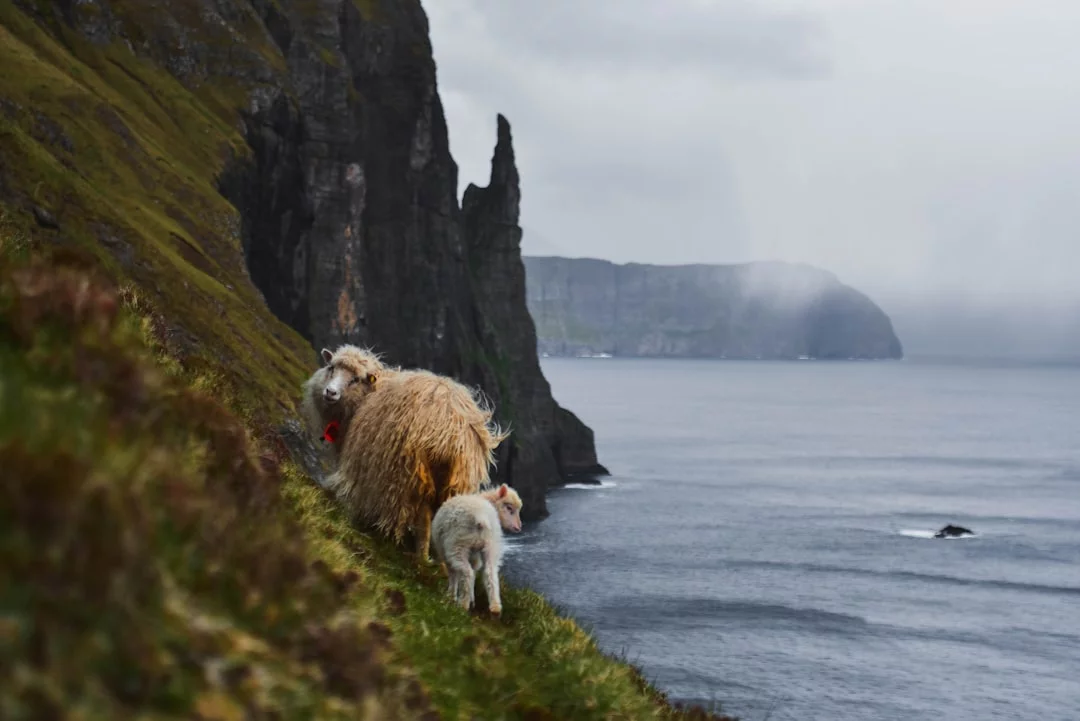
Trøllkonufingur (the Witch's Finger)
A needle of rock pointing to the sky, planted at the ocean's edge: Trøllkonufingur, the "Witch's Finger", intrigues every traveller who passes by.
This vertical peak rises 313 metres above the Atlantic, on the island of Vágar. Its slender silhouette makes it a spectacular natural landmark on the southern coast.
You can easily spot it from the road, near the village of Sandavágur. No effort needed: a stop of a few minutes is enough to admire and photograph it.
It is a perfect little bonus on the road between the airport and lake Sørvágsvatn.
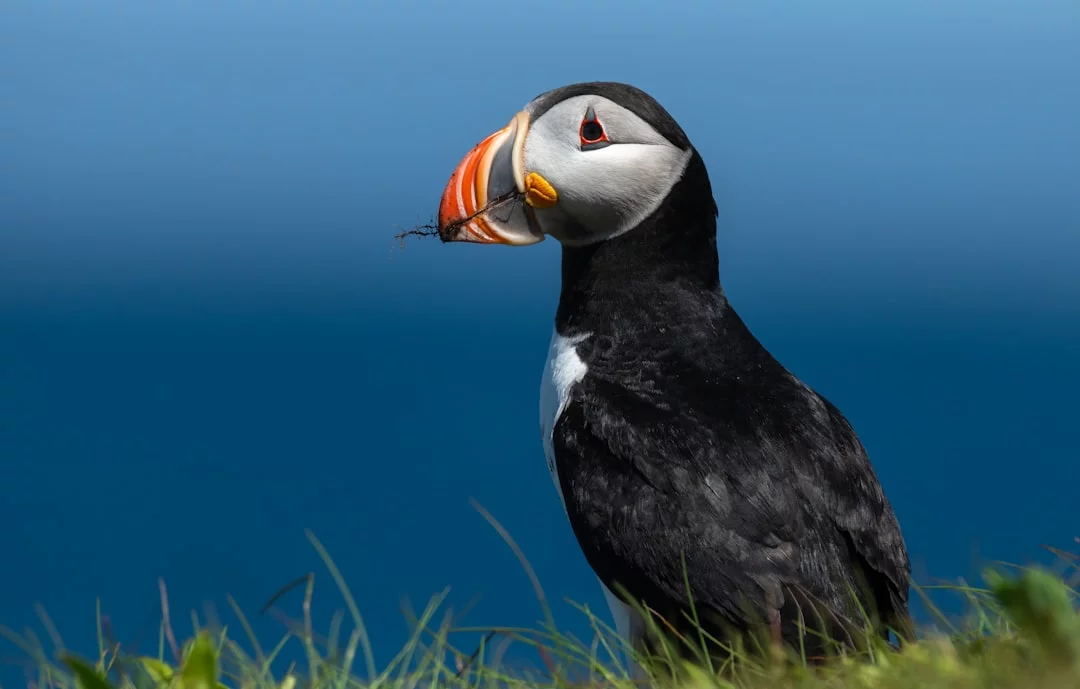
Puffin watching on Mykines
After a ferry crossing of about 45 minutes, you land on Mykines and climb along the cliffs to the bird colonies. The highlight: watching puffins land a few metres from you, beaks full of fish.
This outing is for nature lovers and confident walkers. Book the ferry and the compulsory hiking fee the day before on hiking.fo, only between 1 May and 31 August.
- Full day (ferry ~45 min each way)
- Ferry + mandatory hiking fees ~DKK 400 (approx. EUR 54) per person, book the day before on hiking.fo
Boat tour of the Vestmanna cliffs
The boat leaves the port of Vestmanna and threads along the foot of dizzying cliffs, between sea caves and narrow gorges. The highlight: passing beneath walls covered with puffins, guillemots and fulmars.
It is an outing accessible to everyone, families included, lasting about 2 hours. Book ahead and pack a windbreaker: the tour can be cancelled in rough seas.
- About 2 hours
- Approx. DKK 400–500 (EUR 55–67) per adult
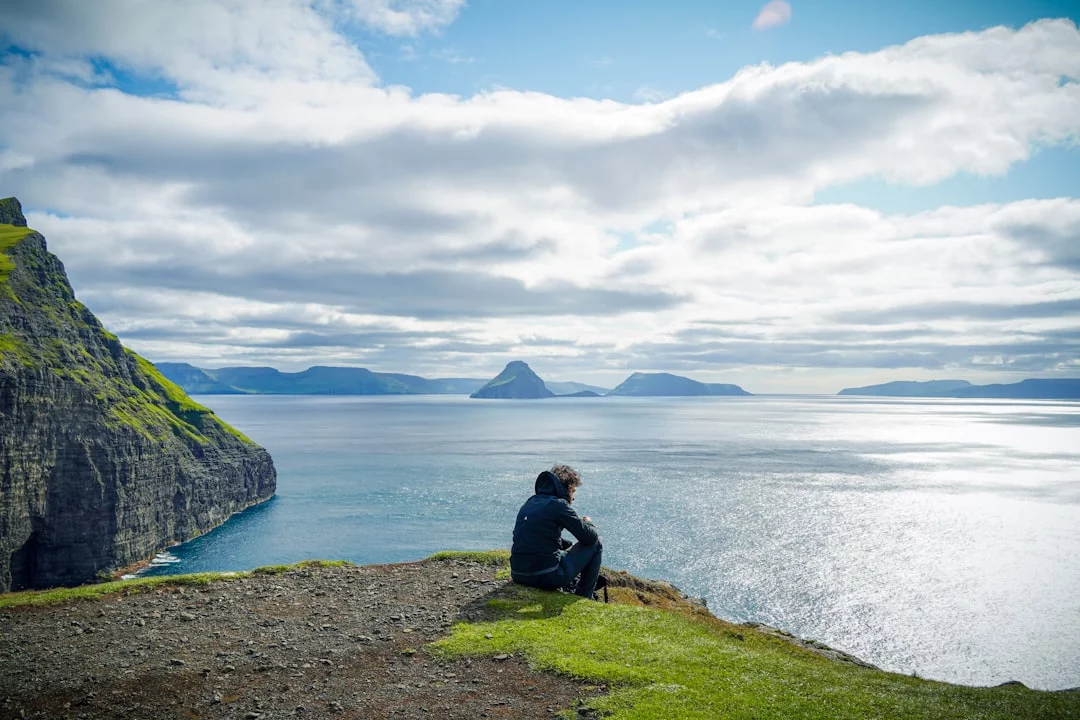
Sørvágsvatn lake / Trælanípa hike
From Miðvágur, the trail follows the largest lake in the archipelago before climbing towards the Trælanípa cliff. The highlight: the viewpoint where the lake seems to float above the ocean, a stunning optical illusion.
This easy walk of 1h30 to 2h round trip suits most travellers. Access crosses paid private land: bring the fees and good waterproof shoes for the muddy ground.
- 1 hr 30 min to 2 hrs round trip
- Private land access fee ~DKK 200–250 (EUR 27–34)
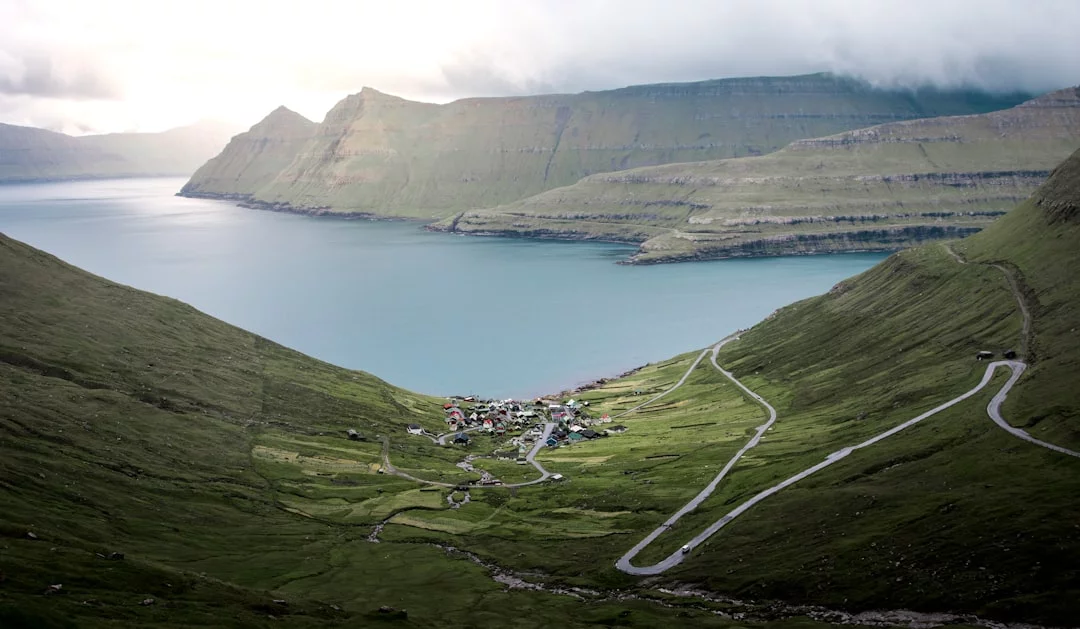
Road trip through the undersea tunnels
Behind the wheel of your rental car, you link the islands through a network of spectacular tunnels. The highlight: crossing the Eysturoyartunnilin and its undersea roundabout, the first in the world, lit up in the heart of the Atlantic.
This road trip is for independent travellers who want their own pace. The tolls are paid online at tunnil.fo, often through the rental agency: check this point when you pick up the vehicle.
- 1 to several days
- Car rental ~DKK 500–800 per day + tolls (DKK 75 one way Eystur/Sandoy with a DKK 200 subscription)
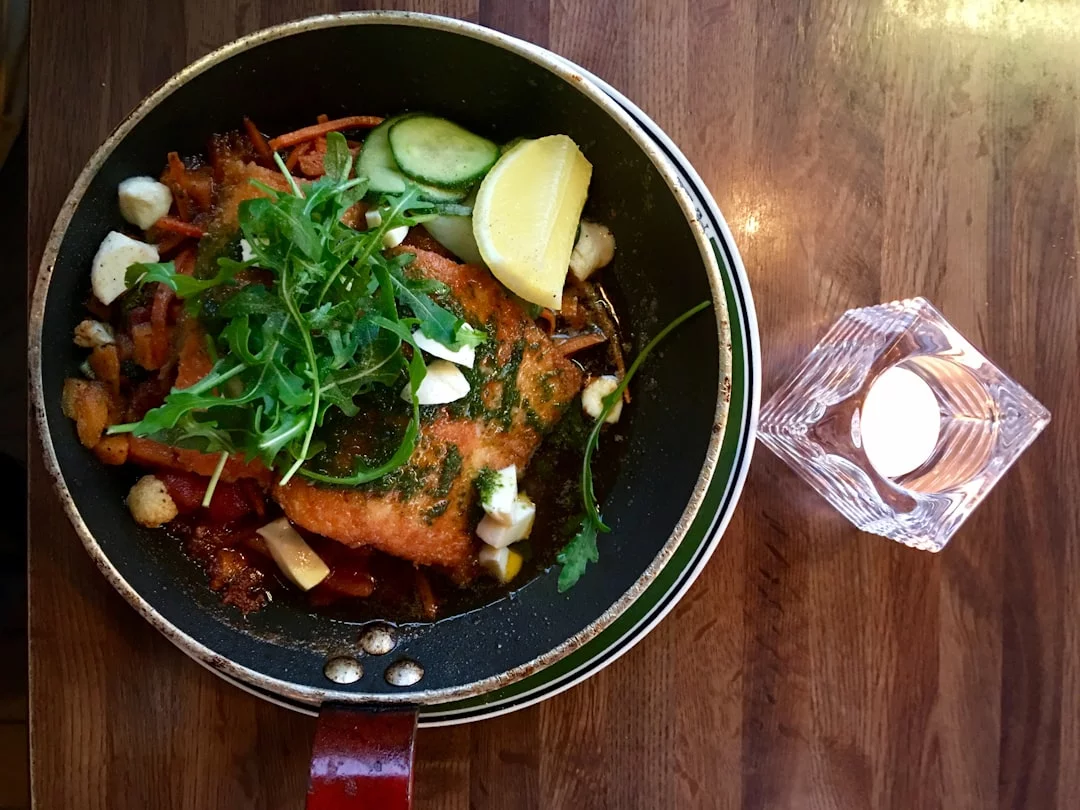
Nordic fine-dining dinner in Tórshavn (PAZ)
For one evening, you experience a long tasting menu that celebrates Faroese products: fish, lamb and fermented flavours raised to new heights. The highlight: discovering the cooking of chef Poul Andrias Ziska, awarded 2 Michelin stars from 2025.
This high-end experience is for food lovers ready for a real investment. Book well ahead: PAZ takes over from the legendary KOKS and fills up fast.
- Evening (tasting menu)
- Tasting menu: several thousand DKK per person (high end)
Getting there
You reach the Faroe Islands by air via Vágar airport (FAE), which Atlantic Airways links to Copenhagen in 2h15 with up to 4 flights a day in summer, or by the Norröna ferry.
The easiest way to reach the Faroe Islands is by air. The archipelago has a single airport: Vágar (FAE). From Paris (or via Copenhagen), the journey almost always runs through a connection in Copenhagen, inside the Schengen Area.
Atlantic Airways links Copenhagen to Vágar in 2h15, with up to 4 flights a day in summer. Once you land, you are about 45 minutes from Tórshavn, the capital, via the Vágar tunnel.
Another option, slower but memorable: the ferry. The Norröna, run by Smyril Line, leaves from Hirtshals in Denmark and stops in the Faroes on Saturdays in summer. Fares start around 150 € (~$165 / £130) for a deck passage, without a cabin.
The ferry has one real advantage: you can bring your own car on board. Handy if you want to roam the archipelago freely for several days, without depending on a local rental. Always compare flight and ferry against your budget and your time.
Getting around
On the ground, a rental car is the best way to get around the Faroe Islands, backed up by the Bygdaleiðir buses and the SSL ferries to islands such as Mykines or Kalsoy.
To get around the Faroe Islands, we strongly recommend renting a car. The distances are short, but the landscapes have to be earned at the end of narrow, winding roads. A car leaves you completely free to set your own schedule.
The archipelago is linked by a network of tunnels, including several tolled undersea tunnels. The Eysturoyartunnilin (11.24 km, opened in December 2020) even holds the world's first undersea roundabout. The Sandoyartunnilin (10.8 km) followed in December 2023.
Important point: these tunnels have no barriers. The toll is paid online at tunnil.fo, often directly through your rental agency. Budget 75 DKK one way for Eystur/Sandoy with the 200 DKK subscription, and only 20 DKK round trip for Vágar and Norðoyar.
No car? The Bygdaleiðir bus network (SSL) and the SSL ferries cover most of the islands. These ferries are essential to reach Mykines, Kalsoy, Suðuroy or Nólsoy, often unreachable any other way.
What to do
In the Faroe Islands you mainly come to hike, watch puffins on Mykines, photograph the Múlafossur waterfall and roam the turf-roofed villages between fjords.
In the Faroe Islands, the king of activities is hiking. The trails lead to dizzying cliffs, hanging lakes and isolated lighthouses. Every walk offers a different panorama over the ocean and the mountains.
The absolute must-do: watching the puffins, those little birds with the colourful beaks. You mostly meet them on the island of Mykines, between early May and late August. It is one of the most memorable experiences of the trip.
For scenery, don't miss the Múlafossur waterfall that spills into the Atlantic, lake Sørvágsvatn that seems to float above the ocean, or the Kallur lighthouse on Kalsoy. These three spots rank among the most photographed in Northern Europe.
Craving the sea? A boat tour of the Vestmanna cliffs takes you along caves and bird colonies. And for villages, Saksun, Gjógv and Tjørnuvík are well worth the detour, with their colourful houses and grass roofs.
Food
Faroese cuisine relies on seafood and lamb; in Tórshavn, the PAZ restaurant earned 2 Michelin stars as soon as it opened in 2025, taking over from KOKS.
Faroese cooking is simple, marine and surprising. People eat a lot of fresh fish, lamb and fermented specialities. The famous ræst, wind-dried fish, divides palates but tells the whole story of the archipelago.
On the fine-dining side, the Faroes have made a name for themselves worldwide. The legendary KOKS, two Michelin stars, has been on pause since 2024 after a temporary relocation to Greenland. The culinary scene has not weakened for all that.
The new wave is even spectacular. The restaurant PAZ, led by chef Poul Andrias Ziska, opened in 2025. It earned 2 Michelin stars in its very first year, a rare feat that confirms the local talent.
Good to know: outside fine dining, eating out is expensive. The supermarkets in Tórshavn let you cook for yourself and cut the bill sharply. It is also a chance to taste local products at a low price.
Itineraries
A stay of 5 to 7 days is enough to discover the essentials of the Faroe Islands: Vágar and its waterfalls, Mykines and its puffins, Tórshavn, then northern Eysturoy and the island of Kalsoy.
For a first trip, we recommend 5 to 7 days. It is the ideal time to see the essentials without rushing, while keeping some margin for the weather's whims. Base yourself in Tórshavn to fan out easily.
Days 1 and 2: explore Vágar, the airport island. On the programme, the Múlafossur waterfall at Gásadalur, the Sørvágsvatn lake hike and the view over Trøllkonufingur. It is a spectacular introduction to the Faroese landscapes.
Day 3: head for Mykines for the puffins, if the weather and the ferry allow. Book early. Devote day 4 to Tórshavn, its Tinganes old town and a boat tour of the Vestmanna cliffs.
Days 5 to 7: head north. Discover Eysturoy with Gjógv and Tjørnuvík, then the island of Kalsoy and its Kallur lighthouse. If you have more time, push on to Saksun and the island of Suðuroy to truly get off the beaten track.
Climate & seasons
When to go to Faroe Islands?
Monthly averages over the past 5 years (Open-Meteo).
Avoid
- January
- February
- March
- October
- December
| Jan | Feb | Mar | Apr | May | Jun | Jul | Aug | Sep | Oct | Nov | Dec | |
|---|---|---|---|---|---|---|---|---|---|---|---|---|
| Our take | ||||||||||||
| Weather | ||||||||||||
| High | 4° | 4° | 5° | 6° | 9° | 11° | 13° | 12° | 11° | 8° | 6° | 4° |
| Rain (mm) | 185 | 192 | 181 | 98 | 109 | 148 | 135 | 150 | 168 | 210 | 171 | 196 |
When to go
The best time to visit the Faroe Islands runs from June to September, with mild summers of 10 to 13°C and up to 20 hours of daylight in June.
The best time to visit the Faroe Islands is summer, from June to September. It is the only real window to hike, take the ferry to Mykines and enjoy the landscapes without battling winter storms.
In June the sun barely sets: expect up to 20 hours of daylight. Temperatures stay cool but pleasant, around 10 to 13°C at the height of summer. This is also puffin season, when the trails are open.
Be aware, though: the ocean weather changes constantly. Sun, rain and fog can follow one another within the same hour. You should always pack several layers and a proper waterproof windbreaker, even in July.
Best avoided at all costs: the period from November to February. The days are very short, the wind blows hard, and many ferries and hikes become inaccessible. The trip then loses much of its appeal.
Budget
Budget around 90 € a day on a shoestring, 180 € mid-range and 350 € or more at the high end; cooking for yourself and travelling in June or September lowers the bill sharply.
The Faroe Islands remain an expensive destination, like the Nordic countries. We estimate the daily budget at around 90 € (~$99 / £77) on a shoestring, covering simple lodging, home-cooked meals and limited travel. That is the realistic minimum for a careful traveller.
Mid-range, plan on more like 180 € (~$198 / £155) a day. This budget covers a comfortable room, a few restaurants, the car rental and paid activities such as boat tours or hiking fees.
For a high-end trip, the bar quickly rises to 350 € (~$385 / £300) and more a day. Charming hotels, gourmet dinners and guided excursions push the bill up. A tasting menu at PAZ, for example, runs into thousands of króna.
Our tips for spending less: cook for yourself using the local supermarkets, and come in June or September, on the edge of the tourist peak. You will enjoy good weather while paying less for lodging.
Work out your budget
Backpacker
€630
€90 per person per day
Mid-range
€1,260
€180 per person per day
Upscale
€2,450
€350 per person per day
On-the-ground estimate, international flights excluded unless stated. Prices vary by season and how early you book. Figures updated on 11/09/2026.
Where to stay
Most travellers stay in Tórshavn, the central and well-connected capital, but sleeping in the small villages or in a guesthouse offers a more authentic immersion.
When it comes to where to sleep in the Faroe Islands, the answer is quickly settled: Tórshavn is the most practical base. The capital is central, well served by tunnels and ferries, and packed with hotels, restaurants and shops.
From Tórshavn, most of the major sites are one to two hours' drive away. So you can easily fan out towards Vágar, Eysturoy or the north, while coming back to sleep in the same place every night.
For a more intimate experience, we are very fond of the guesthouses in the small villages. Sleeping in Gjógv, Saksun or near the fjords means living the Faroese calm once the day visitors have gone. The atmosphere there is incomparable.
One tip: book early. The supply stays limited, especially in summer, when demand climbs sharply. Airbnbs, rooms in family homes and small inns go fast for June, July and August. Planning ahead will spare you nasty surprises and lower the bill.
Safety
The Faroe Islands rank among the safest places in the world, with almost no crime; the real risks are natural: changing weather, fog, cliffs and narrow roads.
Rest easy from the start: the Faroe Islands are among the safest places in the world. Crime is virtually non-existent. You can walk, drive and leave your belongings in complete peace of mind, whether alone or with family.
The real dangers here are natural. The weather can flip in a matter of minutes: a clear sky quickly turns into thick fog. On the cliff trails, that sudden change can become dangerous fast if you are not careful.
On the road, stay alert. Many roads are narrow and winding, and some mountain tunnels are single-lane, with passing places to respect. Many cliffs are not fenced off: never get too close to the edge.
One last point of good conduct: respect the closures and access fees on private land. Many iconic sites cross sheep farmers' property. Paying the access fee and staying on the trails protects the nature and the locals' welcome.
Formalities
To enter the Faroe Islands, French citizens need a valid passport since the archipelago lies outside the EU and Schengen, unlike mainland Denmark where an ID card is enough.
Heads up, this is the single most important point to remember: for the Faroe Islands you need a valid passport. That is a major difference from mainland Denmark, where a simple national ID card is enough. French citizens need a valid passport (the Faroes are outside the EU and Schengen); other nationalities should check their visa requirements.
Why this requirement? Because the Faroe Islands are outside the European Union and outside the Schengen Area, even though they belong to the Kingdom of Denmark. The connection itself is made in Copenhagen, which is in the Schengen Area. A passport is therefore essential.
On the visa front, good news: no visa is required for a tourist stay of under 3 months. So you can travel with peace of mind, provided your documents are up to date before departure. Check the validity well in advance.
No compulsory vaccine is required to enter. Finally, on the ground, forget the euro: the currency is the Danish króna (DKK). Card payment is accepted almost everywhere, right down to the small villages, which makes payments much simpler. Always check your government's travel advice before leaving.
Tips
In the Faroe Islands, book the Mykines ferry and the hiking fees early, pack layered waterproof clothing, and pay the tunnel tolls online at tunnil.fo.
First reflex: book ahead. The Mykines ferry only runs from 1 May to 31 August, and the compulsory hiking fee (400 DKK) is booked the day before on hiking.fo. Spots go fast in high season.
On the gear front, the golden rule is to dress in layers. A waterproof windbreaker is non-negotiable, even in July. Add good walking shoes, a light beanie and thin gloves: the wind can chill the mood quickly.
For the tunnel tolls, no need to panic at the entrance: there is no barrier. Payment is made online at tunnil.fo, and the simplest option is to let your rental agency handle the fees. Check this point when you pick up the vehicle.
Finally, keep your itinerary flexible. The weather often dictates the pace here. Plan some indoor fallback activities, in Tórshavn for instance, for days of heavy fog or driving rain. That way you avoid the frustration.
FAQ
Yes, a valid passport is required to enter the Faroe Islands, as the archipelago lies outside the European Union and outside the Schengen Area, unlike mainland Denmark.
Do you need a passport to go to the Faroe Islands?
Yes. French citizens need a valid passport to enter the Faroe Islands, as they are outside the EU and Schengen; an ID card is not enough, unlike mainland Denmark, and other nationalities should check their own requirements. Note: the connection in Copenhagen is still in the Schengen Area.
When is the best time to visit the Faroe Islands?
The best time runs from June to September. Summer offers mild temperatures (10 to 13°C) and up to 20 hours of daylight in June. It is the only season for hiking and seeing puffins. Avoid November to February, too harsh and too dark.
How do you get to the Faroe Islands from mainland Europe?
The fastest way is by air, via a connection in Copenhagen. Atlantic Airways links Copenhagen to Vágar airport in 2h15, with up to 4 flights a day in summer. Another option: the Norröna ferry from Hirtshals, with a Faroese stop on Saturdays.
What budget should you plan for a trip to the Faroe Islands?
Budget around 90 € a day on a shoestring, 180 € mid-range and 350 € or more at the high end. To spend less, cook for yourself using the local supermarkets and travel in June or September, outside the tourist peak.
How do you get around on the islands?
A rental car is strongly recommended to enjoy the freedom and the landscapes. A network of tunnels links the islands, backed up by the Bygdaleiðir buses and the SSL ferries. These ferries are essential for Mykines, Kalsoy, Suðuroy or Nólsoy.
How do the undersea tunnel tolls work?
The undersea tunnels have no barriers. The toll is paid online at tunnil.fo, often through the rental agency. Budget 75 DKK one way for Eystur/Sandoy with the 200 DKK subscription, and 20 DKK round trip for Vágar and Norðoyar.
Where and when can you see puffins?
Puffins are present from early May to late August, peaking from mid-June to mid-August, mostly on the island of Mykines. The ferry only runs from 1 May to 31 August. The hiking fee (400 DKK) is booked the day before on hiking.fo.
Is the KOKS restaurant still open?
No, the famous KOKS (2 Michelin stars) has been on pause since 2024, after a temporary relocation to Greenland. The torch has passed to the restaurant PAZ, opened in 2025 by chef Poul Andrias Ziska, which earned 2 Michelin stars in its very first year.
Sources
The figures in this guide come from the sources below, checked on the publication date.
Leave a comment
Share your thoughts or travel experience. Your email will not be published.