

Contents 30
Overview
Sicily is the largest island in the Mediterranean, with seven UNESCO sites, Europe's highest active volcano and the most extensive Greek ruins outside Greece.
Sicily is like no other region of Italy. Greeks, Romans, Arabs, Normans and Spaniards all ruled here in turn, and each left a layer behind: Doric temples in Agrigento, Byzantine mosaics in Monreale, baroque facades across the Val di Noto. Seven sites on the island are inscribed on UNESCO's World Heritage list, a record for a single island.
The natural scenery works on the same scale. Mount Etna, at around 3,350 m, smokes constantly above the east coast. To the north, the seven Aeolian Islands line up their volcanic cones, including Stromboli and its regular explosions. In between: beaches, coastal reserves like the Zingaro and white cliffs like the Scala dei Turchi.
This complete travel guide covers everything you need to plan your trip: when to go, how to get there, day-by-day budgets, itineraries from 7 to 14 days and a tested, verified selection of 12 places and 5 activities. If you're still weighing up southern Italy, Puglia and Sardinia offer very different moods.
- Regional capital: Palermo
- Currency: euro
- Language: Italian (you'll hear Sicilian everywhere)
- Time zone: Central European Time (CET/CEST)
12 places to take with you
In the guide's order, ready for Google Maps or your GPS.
Book the activities from this guide
Our picks for Sicily, well rated and free to cancel.
-
Book this activity
Guided Mount Etna summit hike (south side)
78 € / adulte (Tour 3000, tarif 2026) ; 54 € le téléphérique seul
-
Book this activity
Stromboli sunset boat trip
dès 40 € depuis les Éoliennes, 60-90 € depuis Milazzo
-
Book this activity
Palermo street food tour
35-60 € / personne dégustations comprises (10-15 € en version libre)
Affiliate links: Travel Advice earns a commission if you book, at no extra cost to you. Learn more

Erice
A grey stone village sitting in the clouds, where the cobbled lanes smell of almond pastries: Erice surprises even well-travelled visitors.
The medieval town looks down on Trapani from 750 m up, anchored by a Norman castle built over an ancient sanctuary of Venus. On a clear day, the view sweeps across the Trapani salt pans to the Egadi Islands.
You ride up by cable car from Trapani (around €10 return), then lose yourself for a good two hours in the maze of lanes, between the ramparts, the castle gardens and Maria Grammatico's pasticceria, keeper of the convents' almond recipes.
Why this hilltop village rather than another? Because none combines altitude, drifting mist and a panorama over two seas quite like it. It's our favourite spot in western Sicily.
Bring a layer even in summer: at 750 m, the mist rolls in fast and it can be 10°C cooler than in Trapani.

Mount Etna
Walking across still-warm lava fields while the summit smokes above you: Mount Etna delivers an end-of-the-world feeling just 30 minutes from Catania.
At around 3,350 m, it's Europe's highest active volcano, listed by UNESCO in 2013. It towers over the entire east coast and shapes the landscape, from terraced vineyards to black sand beaches.
The classic ascent starts on the south side, at Rifugio Sapienza: cable car to 2,500 m (€54 return), then a 4x4 bus and guide up to around 3,000 m with the Tour 3000 package (€78). Allow half a day, with the Silvestri craters as a free bonus at the bottom.
No other site in Sicily condenses the island's identity so completely: menace, beauty and fertility in the same place.
Start in the morning: clouds often cling to the summit in the afternoon. Classic mistake: heading up in flip-flops and shorts. Lava cuts like glass, so closed shoes are a must.

Valley of the Temples, Agrigento
A golden ridge facing the sea, bristling with Doric temples: at Agrigento, ancient Greece seems to have moved to Sicily, columns and all.
This is the largest Greek site outside Greece, a UNESCO listing. Its star, the Temple of Concordia from the 5th century BC, is one of the best preserved buildings of the ancient world, kept almost intact by its conversion into a church.
Allow 2 to 3 hours of walking along the via Sacra, between the temples of Hera, Concordia and Heracles. Entry €14, reduced €7.
Compared with Taormina's theatre or the Neapolis, Agrigento wins on sheer scale: here, an entire Greek city unfolds beneath your feet.
The site is long and shadeless: bring water, a hat and 2-3 hours to spare. Classic mistake: combining it with the drive and the Scala dei Turchi on the same day at the height of summer. It's too much.

Taormina and its Ancient Theatre
Ancient stone terraces opening onto a smoking Etna and the bay of Naxos: Taormina's theatre may have the most beautiful natural backdrop in the Mediterranean.
The Greco-Roman theatre is open from 9am to 7:45pm (last entry 7pm), for €14 full price and €7 reduced; a supplement applies during some temporary exhibitions.
After the theatre, stroll down corso Umberto for the passeggiata, then head for a swim at Isola Bella, the little island joined to the beach by a spit of pebbles. A well-filled day.
Taormina is Sicily's most visited stop, and for a simple reason: nowhere else do antiquity, the volcano and the sea line up in the same frame.
Don't drive into the centre: it's a camera-enforced ZTL. Park at the Lumbi or Porta Catania car parks, budget €14 for the theatre and allow half a day on site.

Syracuse: Ortigia and the Neapolis
A baroque cathedral whose walls wrap around the columns of a Greek temple: in Syracuse, 2,700 years of history are literally stacked on top of each other.
The city comes in two acts. On the islet of Ortigia: the Temple of Apollo, the Arethusa spring and the duomo, grafted onto a temple of Athena. On the mainland, the Neapolis lines up a Greek theatre and the latomie quarries, including the Ear of Dionysius with its unsettling acoustics.
Allow a full day: the Neapolis in the morning (€14, reduced €7), Ortigia in the afternoon and evening, all on foot.
If you only sleep in one Sicilian city, make it this one: Ortigia at dusk is a life-size theatre set.
If your dates allow, aim for the first Sunday of the month: the Neapolis is normally free instead of €14 (check the official page). Ortigia is a ZTL, so leave the car at the Talete or Molo Sant'Antonio car parks.

Arab-Norman Palermo and Monreale
Byzantine golden ceilings above Arab arches, in churches built by Norman kings: Palermo is a collision of civilisations that looks like nothing else in Europe.
The Arab-Norman ensemble, together with the cathedrals of Cefalù and Monreale, has been UNESCO-listed since 2015. The two highlights: the Palatine Chapel, included in the Norman Palace ticket (€15-19 depending on the option), and Monreale cathedral, lined with golden mosaics.
In between, dive into the Ballarò and Capo markets, inherited from the souks: fish auctions, street food and non-stop street theatre. Allow two full days for the city plus Monreale, 30 minutes away on bus 389.
Palermo asks you to let go a little: it's noisy, alive, sometimes chaotic, and that's exactly what makes it addictive.
In the markets, keep your bag zipped and in front of you: pickpockets work there too. Budget for the Norman Palace ticket: €15 to €19 depending on access to the gardens and exhibitions.

Val di Noto: Noto, Modica and Ragusa
Honey-coloured facades that catch fire at sunset, monumental staircases, balconies carved with grimacing figures: the Val di Noto is the grand theatre of Sicilian baroque.
After the earthquake of 1693, eight towns were rebuilt in one go in this exuberant style, which earned them a joint UNESCO listing. Fans of the Montalbano TV series will recognise the settings at a glance.
The plan that works: one day for Noto and Modica, with a stop at Bonajuto for cold-worked chocolate (€3-4 a bar), then a night in Ragusa Ibla to watch the facades light up.
Compared with the ancient sites, the Val di Noto offers something different: living towns where you soak up the heritage from a café terrace, gelato in hand.
In Modica, taste the chocolate before buying: the traditional flavours (cinnamon, vanilla) work better than the novelty ones. Classic mistake: visiting Noto at midday in summer, when the white stone throws the heat right back at you.

Aeolian Islands and Stromboli
A black cone hurling incandescent sprays into the night, roughly every twenty minutes, while the boat rocks gently: Stromboli puts on one of the world's oldest shows.
The Aeolian archipelago, 7 volcanic islands with UNESCO status, is strung out north of Sicily. Lipari is the base, Salina the green retreat, Stromboli the permanent firework above the Sciara del Fuoco.
You get there by Liberty Lines hydrofoil from Milazzo (about 1 hour to Lipari). Once there: coves, trails, and the Stromboli climb, allowed above 290 m only with a licensed guide, depending on the alert level.
Two or three days in the archipelago turn one Sicilian holiday into two trips for the price of one.
Stromboli's show is best seen at night, from the sea: sunset trips start at €40 from the islands. From November to February, services are cut back, so check the timetables before building your itinerary.

Villa Romana del Casale
Gymnasts in bikinis, ostrich hunts, a 60-metre corridor entirely carpeted with scenes of wild animals being captured: the floors of this villa tell the story of a very rich Roman in astonishing detail.
This 4th-century residence, UNESCO-listed in 1997, holds the world's richest collection of Roman mosaics in situ: about 3,500 m² of floors.
The visit follows raised walkways above the mosaics; allow 1.5 to 2 hours. Entry €14, reduced €7.
The site is out on its own near Piazza Armerina, but that's precisely what makes it the perfect link between Agrigento and the east coast on a full loop.
On the first Sunday of the month, entry is free instead of €14; the trade-off is the crowd. The site is remote: fold it into the Agrigento-Syracuse leg rather than doing it as a return trip.

Cefalù
Fishermen's houses with their feet in the water, an outsized Norman cathedral and a crag watching over it all: Cefalù is northern Sicily's perfect postcard.
Its cathedral, with its Byzantine mosaics, is part of the Arab-Norman UNESCO site alongside Palermo and Monreale. The town itself is one long amble between the medieval washhouse and the beach.
The viewpoint has to be earned: the climb up the Rocca (about €5, 45 minutes of effort) rewards you with a panorama over the rooftops and the coast. Come back down for a swim and dinner facing the harbour.
At 1 hour from Palermo by train, it's the ideal car-free seaside day trip, and a gentler family base than the capital.
Come by train from Palermo (about 1 hour): the centre is a ZTL and the summer car parks fill up by morning.

Zingaro Nature Reserve
Seven kilometres of trail suspended between scrubland and turquoise water, without a single road: the Zingaro is the Sicilian coast as it was before concrete.
Sicily's first nature reserve links Scopello to San Vito lo Capo via a 7 km coastal path dotted with coves, including the very photogenic Cala Capreria right by the southern entrance.
You walk it between swims: allow half a day for the first coves, a full day for the complete crossing. Entry €5 (reduced €3), open 7am-7pm.
Compared with the developed beaches along the coast, the Zingaro offers the opposite deal: effort first, near-private coves after.
Enter from the Scopello side at 7am in summer: the first coves fill up fast and the heat hammers the trail from 11am.

Scala dei Turchi
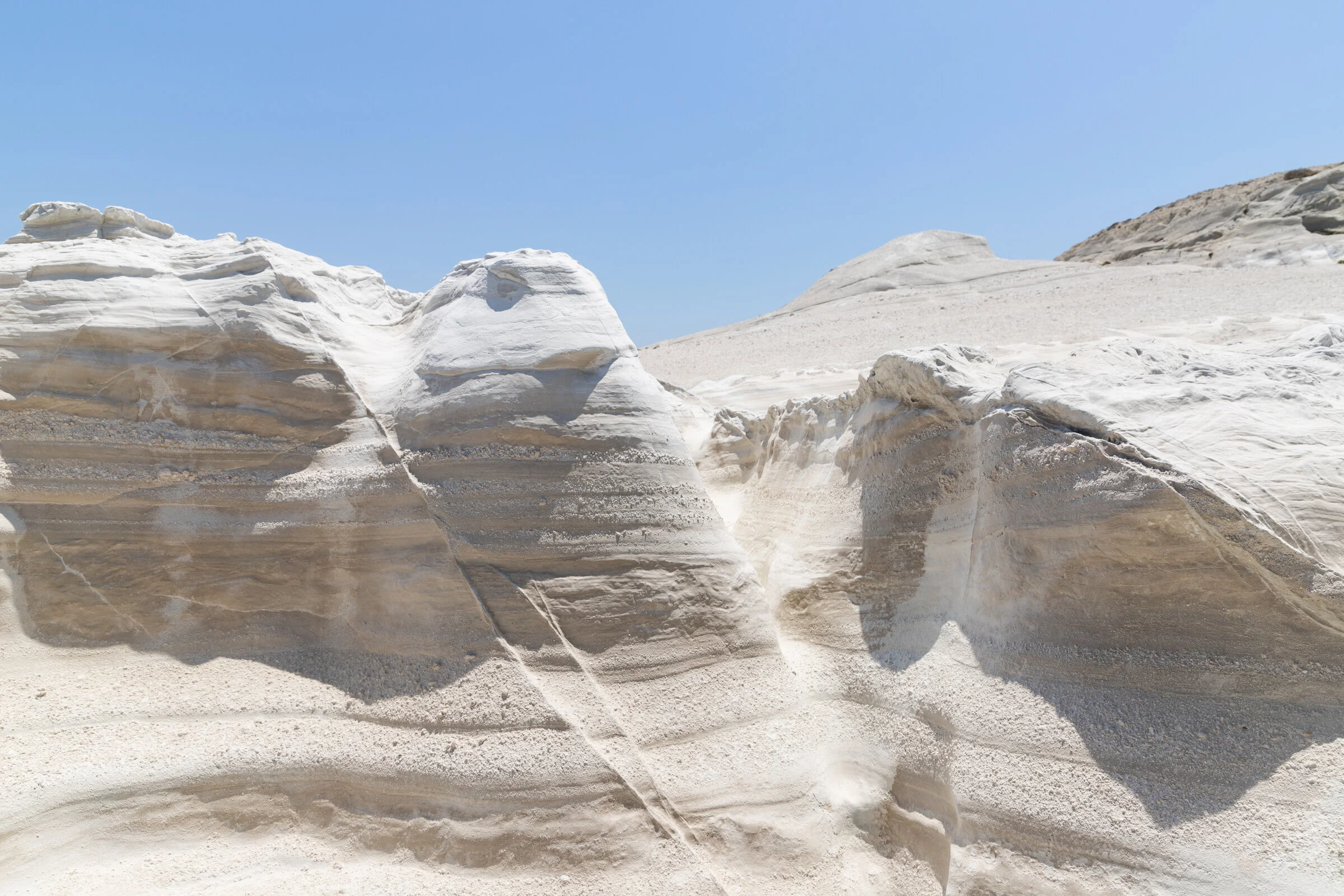
A blinding white wave of marl, sculpted into steps that plunge into a turquoise sea: the Scala dei Turchi looks like something nature drew with a ruler.
The cliff rises near Realmonte, a 15-minute drive from Agrigento, which makes it the obvious beach companion to the Valley of the Temples.
Access onto the cliff itself is regularly restricted to protect the marl: the smart move is to admire it and swim from Majata beach, right next door, with the cliff as your backdrop. Allow 2-3 hours including a swim.
Of all the beaches in the south, this one stands out for a simple reason: no other has this setting.
Classic mistake: trying to climb onto the steps when access is closed. Fines are real and the marl is slippery. The best viewpoint remains Majata beach.
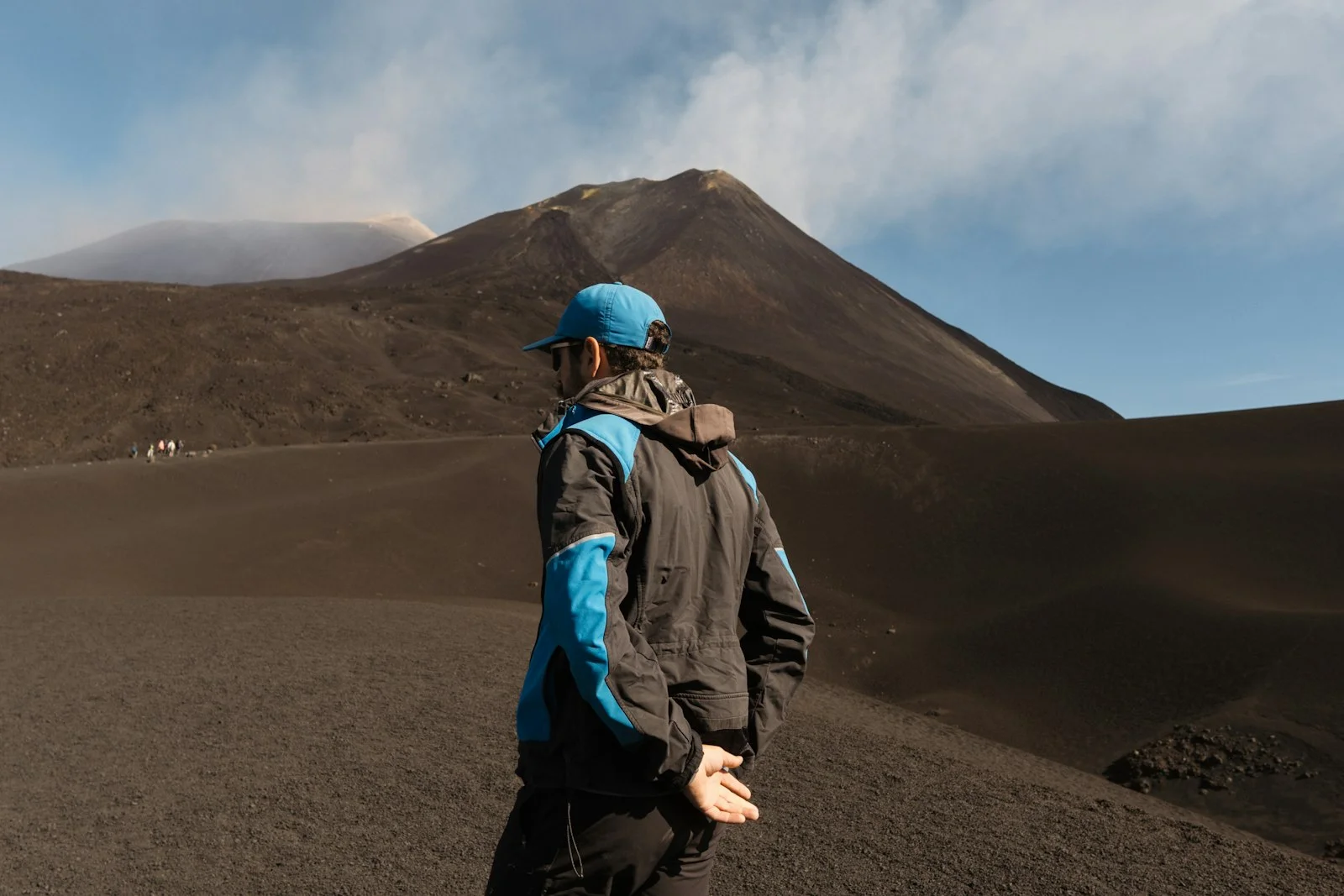
Guided Mount Etna summit hike (south side)
Start from Rifugio Sapienza, ride the cable car to 2,500 m, then take the 4x4 bus and a guided walk up to around 3,000 m: the Tour 3000 package (€78) puts you in the middle of recent craters, fumaroles and lava fields stretching to the horizon. The highlight: the plunging view over the Ionian Sea between layers of cloud, with the ground smoking beneath your boots.
Doable for any reasonably fit walker, teenagers included. Bring a fleece, a windbreaker and closed shoes; it's 15 to 20°C colder than down below. Book a morning slot a few days ahead in summer, as the guides fill up fast.
- 4 à 5 h
- 78 € / adulte (Tour 3000, tarif 2026) ; 54 € le téléphérique seul
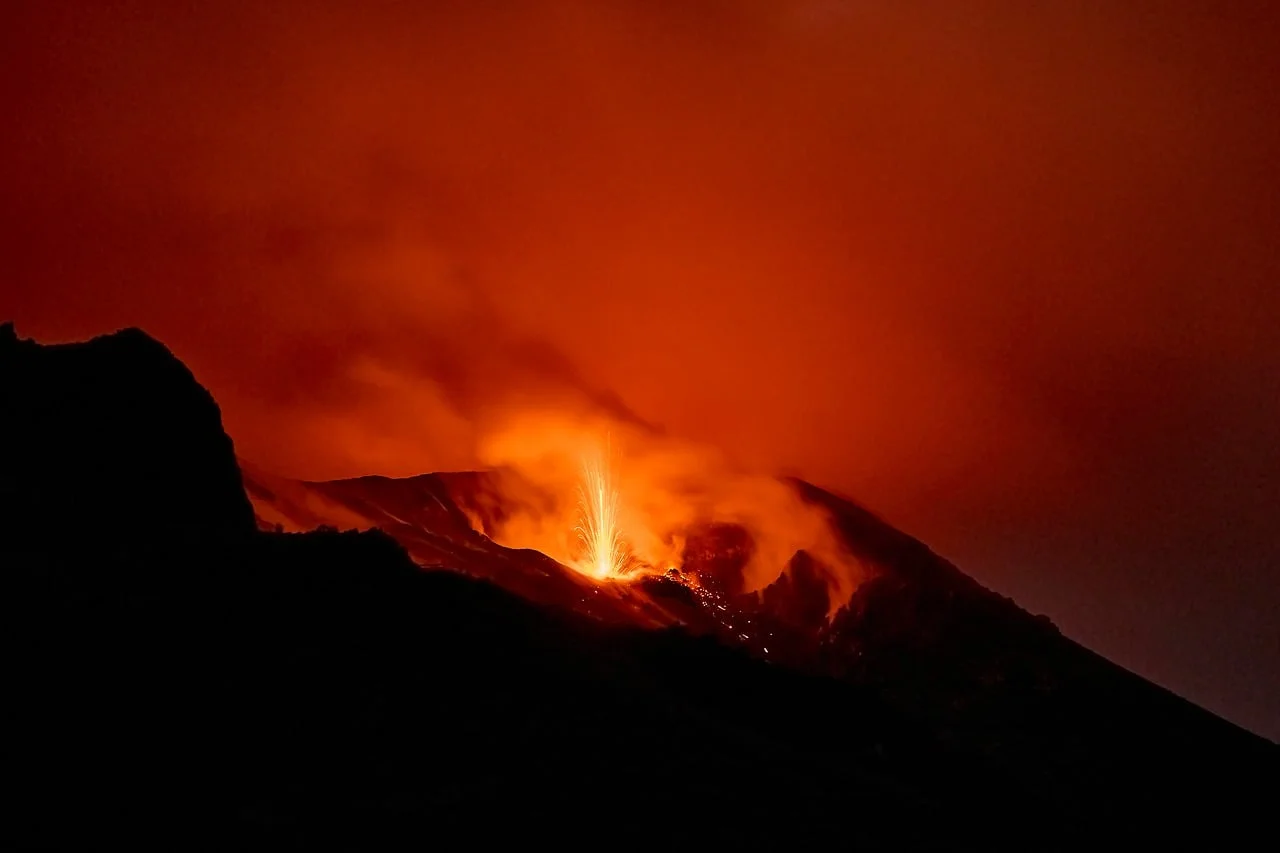
Stromboli sunset boat trip
The boat cruises along the archipelago, stops for a swim, then holds position off the Sciara del Fuoco as night falls. Then the show begins: incandescent explosions roughly every 20 minutes, watched from the deck with the rumble as a soundtrack. It's the great thrill of the trip.
Two options: the evening trip from Lipari (from €40, about 4 hours) or the full multi-island day from Milazzo (€60-90, departing 9:30am, back around 10:30pm). Bring a jacket, as the sea cools off quickly at night. Book 2-3 days ahead in summer, and only from April to October, since winter sailings are limited.
- soirée (4 h) depuis Lipari, journée 9h30-22h30 depuis Milazzo
- dès 40 € depuis les Éoliennes, 60-90 € depuis Milazzo
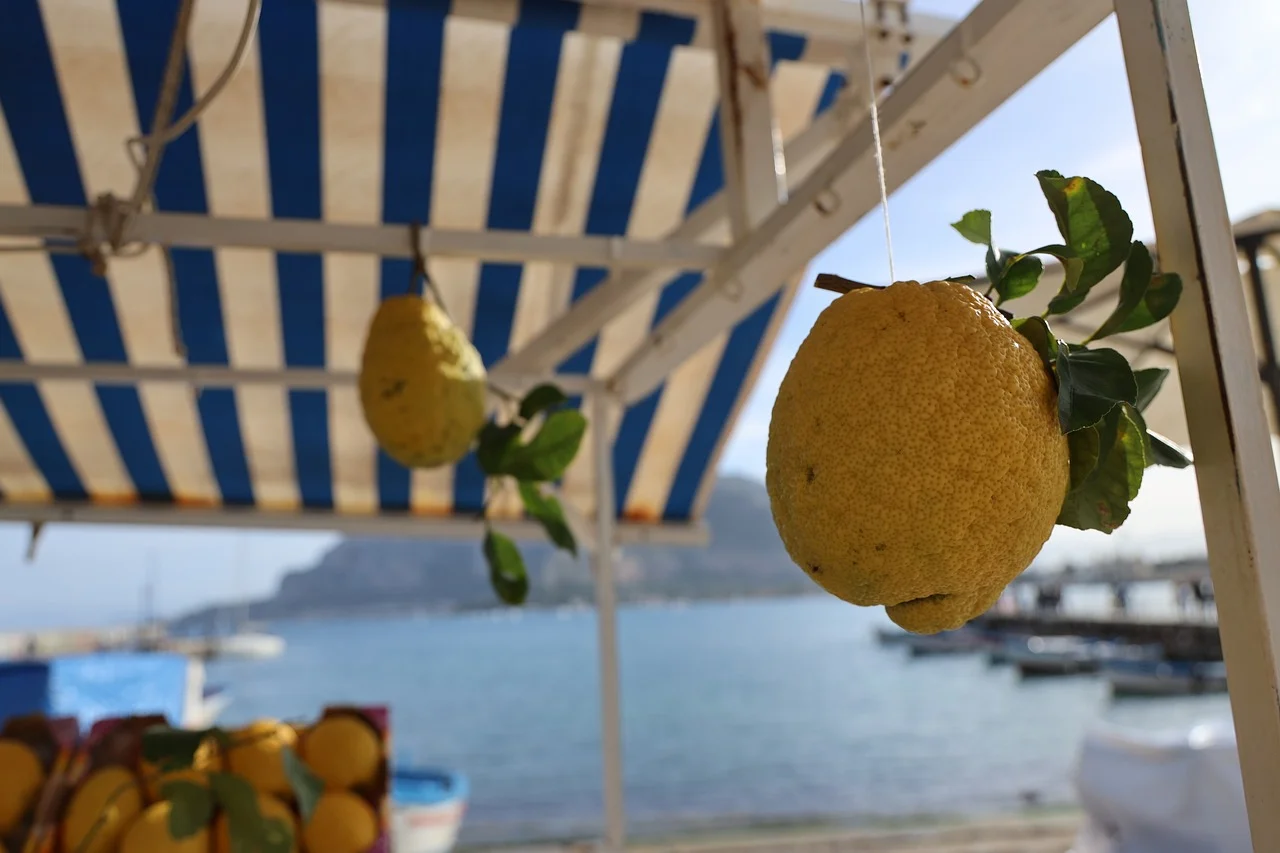
Palermo street food tour
Three hours weaving through Ballarò and Capo, the two markets inherited from the souks, working through the classics: crispy panelle, warm sfincione, golden arancine and, for the brave, pani ca meusa, the spleen sandwich. The guide unpacks the city's Arab-Norman history between bites, and that mix is what makes the magic.
Perfect at the very start of your stay to get your bearings in Palermo. Expect €35-60 for a guided tour, tastings included, or €10-15 doing it yourself if you're happy to order on your own. Come in the morning, on an empty stomach, and book by the day before at the latest in high season.
- 3 h environ
- 35-60 € / personne dégustations comprises (10-15 € en version libre)
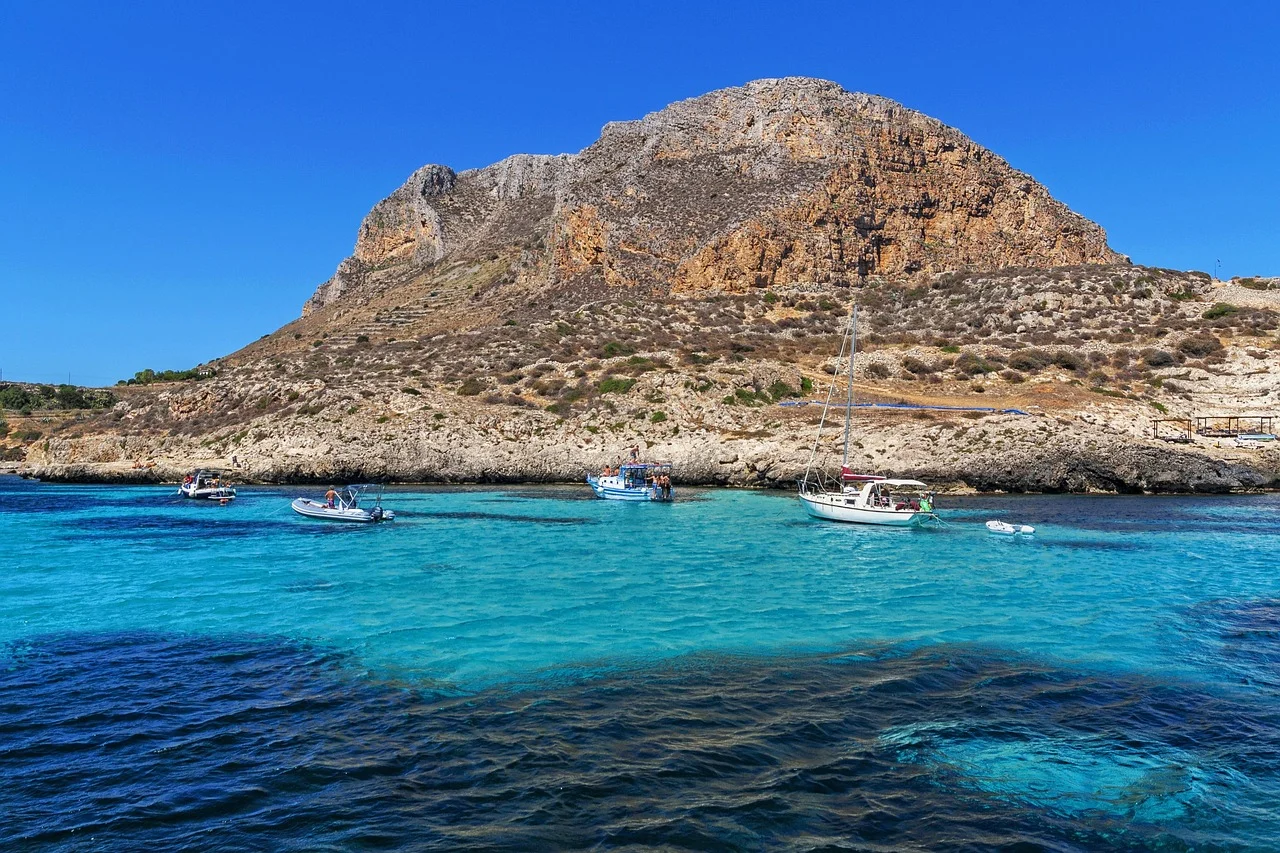
Egadi Islands boat day trip
Set course for Favignana and Levanzo from Trapani: anchorages in Cala Rossa and Cala Azzurra, two coves with water so clear the boats seem to float in mid-air, swims, snorkelling, lunch on board. The highlight: that first dive into Cala Rossa, between tufa cliffs and turquoise seabeds.
Ideal for a breather between two days of sightseeing. Expect €50-90 per person depending on the boat and meal; going independently, the Liberty Lines hydrofoil from Trapani plus a bike on Favignana comes to about €30. Book the day before in summer, as the best boats leave early.
- journée complète (7-8 h)
- 50-90 € / personne selon bateau et repas ; ~30 € en hydroglisseur + vélo
Etna wine tasting
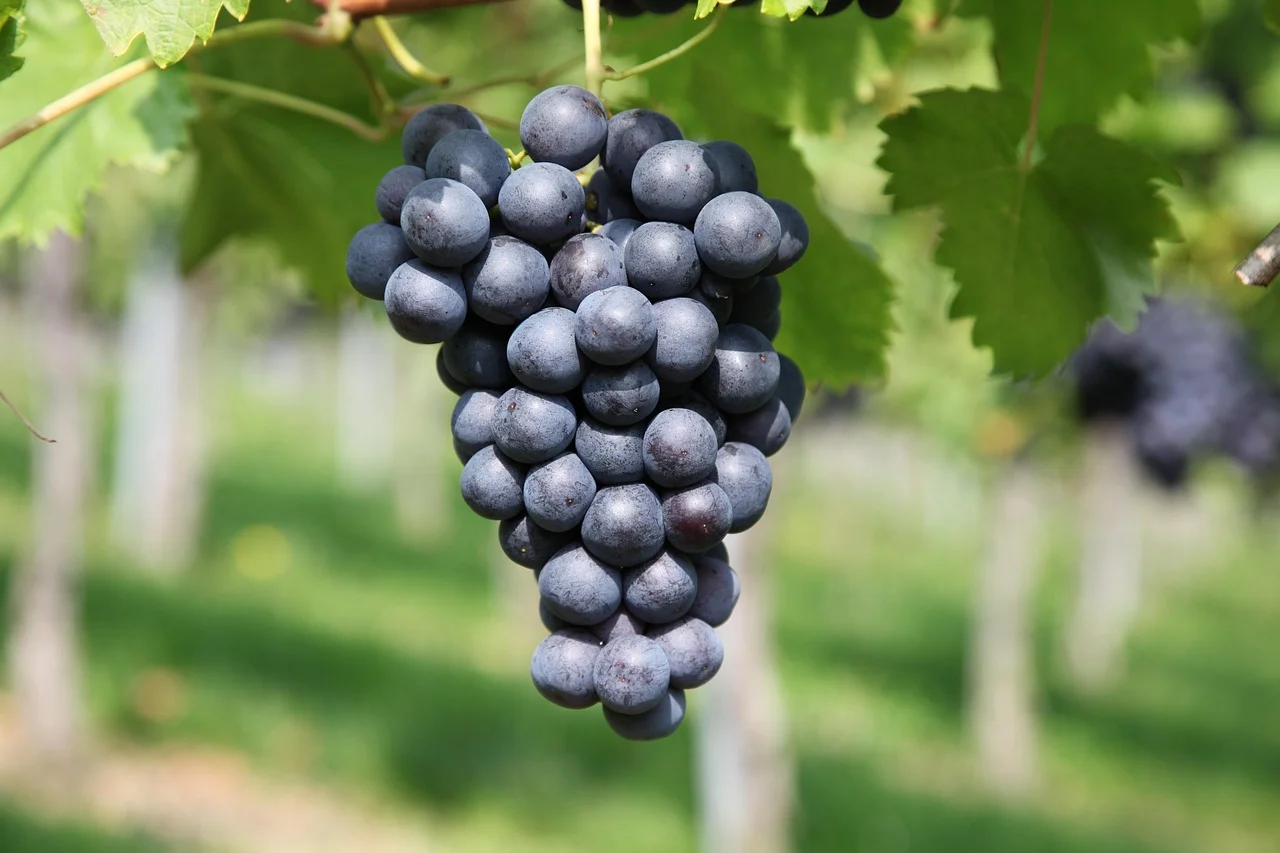
Head for the volcano's north side, between Randazzo and Passopisciaro, where terraced vines grow on old lava. Tour the cellars, walk through century-old plots, then taste the Etna DOC wines: nerello mascalese in red, taut and fine, carricante in white, mineral and saline. The highlight: tasting the same grape grown on two different lava flows and actually sensing the difference.
For wine lovers and the simply curious alike, and easy to pair with an Etna ascent in the morning. Expect €25-50 for a tasting at an estate, €90-130 for an organised tour with transport from Catania or Taormina. Book directly with the estates, which are often full at weekends.
- demi-journée
- 25-50 € en domaine, 90-130 € le tour avec transport
Getting there
Flying is simplest: Palermo and Catania take direct flights from major European hubs, while the Naples-Palermo ferry (from €34) saves 700 km of driving.
Sicily has four useful airports. Palermo (PMO) serves the west, with direct flights from most major European hubs, including London and Paris. Catania (CTA), the island's busiest airport, is the gateway to the east: Etna, Taormina, Syracuse. Comiso (CIY) lands you in the heart of the Val di Noto, and Trapani (TPS) handles low-cost carriers on the west side.
Bringing your own car
Two serious ferry options. Naples-Palermo: around 8.5 hours by day with Grimaldi Lines, or 11 hours overnight with GNV, from €34 per foot passenger, with a vehicle supplement that varies by season (Direct Ferries). Genoa-Palermo with GNV takes about 20 hours but spares you driving the length of Italy.
The last option is the road-trip classic: drive to the toe of the boot and take the Villa San Giovanni-Messina shuttle ferry, a 30-minute crossing with very frequent departures. It's what Italian holidaymakers do, but allow a good two days' driving if you're coming from northern Europe.
Getting around
A rental car is almost essential outside Sicily's main cities: expect €30-50 per day, choose a small model and watch out for camera-enforced ZTL zones.
Renting a car opens up the whole island: hilltop villages, beaches, remote temples. Pick a small model (the lanes are narrow) and take the full excess waiver, since scratches are practically a local sport. Budget: €30-50 per day depending on the season (Routard).
The number one trap is the ZTL: limited-traffic zones, monitored by camera, in the historic centres of Palermo, Catania, Taormina, Ortigia and Cefalù. Driving in without a permit means a fine per pass, which lands in your mailbox months later. Park on the edge of town and walk in.
Can you manage without a car?
Yes, on the east coast. Trenitalia trains link Messina, Taormina, Catania and Syracuse efficiently, and the Palermo-Cefalù line is handy (about 1 hour). Between Palermo and Catania, though, the SAIS and Interbus coaches are often faster than the train.
For the islands, the Liberty Lines hydrofoils do the job: Milazzo to Lipari in about 1 hour for the Aeolians, Trapani to Favignana for the Egadi.
What to do
Sicily's essentials are climbing Mount Etna, the Valley of the Temples, Ortigia, the baroque Val di Noto and watching Stromboli erupt at night.
Sicily works best in alternation: an ancient site in the morning, a swim in the afternoon, a passeggiata in the evening. The detailed list of the 12 places and 5 activities we recommend is further down this guide, with prices and practical tips for each.
By mood
- Volcanoes: Etna from the south side (cable car €54, Tour 3000 at €78) and Stromboli by boat at sunset.
- Antiquity: the Valley of the Temples in Agrigento (€14), the Neapolis in Syracuse (€14), Taormina's theatre (€14), the Villa Romana del Casale and its mosaics (€14).
- Baroque: Noto, Modica and Ragusa, rebuilt after the 1693 earthquake.
- Sea and hiking: the Zingaro reserve (€5, a 7 km coastal path), the Egadi Islands by boat, the Scala dei Turchi at sunset.
- City culture: Arab-Norman Palermo, its markets and Monreale.
Good to know: several regional sites, including the Neapolis and the Villa Romana del Casale, are free on the first Sunday of the month. The scheme can change, so check the official ticket page before making the trip. If your dates line up, build the day around it.
Food
Sicilian food is best discovered on the street: arancine and panelle in Palermo's markets, cold-worked chocolate at Bonajuto in Modica and volcanic Etna wines.
Palermo is one of the world's street food capitals, and the markets of Ballarò and Capo, direct descendants of Arab souks, prove it. On the menu: arancine (stuffed rice balls), panelle (chickpea fritters), sfincione (tomato and onion focaccia) and, for the curious, pani ca meusa, a spleen sandwich that divides even Palermitans. You'll eat very well for €10-15.
On the sweet side, Sicily plays in a league of its own: ricotta cannoli, lemon or almond granita eaten with a brioche at breakfast, baroque cassata. In Erice, Maria Grammatico's pasticceria keeps the almond recipes of the convents alive. In Modica, the Bonajuto house works chocolate cold, using a technique of Aztec origin: a bar costs €3-4 and makes the perfect souvenir.
The wines of Etna
On the volcano's slopes, the nerello mascalese (red) and carricante (white) grapes produce taut, mineral wines that sommeliers rave about. A tasting at an estate around Randazzo or Passopisciaro costs €25-50: one of the best half-days on the island, with details in our activities below.
Itineraries
One week covers either eastern Sicily (Catania, Etna, Taormina, Syracuse, Noto) or the west (Palermo, Erice, Zingaro, Agrigento); a full loop takes 12-14 days.
Sicily is big: trying to see everything in a week means spending your holiday behind the wheel. Pick one side, or take two weeks. Here are our three tested itineraries, to adapt to your flights (Catania for the east, Palermo for the west).
7 days in the east
- Day 1: arrive in Catania, fish market and via Etnea.
- Day 2: Etna's south side, cable car and summit craters with a guide.
- Day 3: Taormina early in the morning, the ancient theatre, a swim at Isola Bella.
- Days 4-5: Syracuse, the Neapolis, then two nights on Ortigia.
- Day 6: Noto and Modica, chocolate tasting, night in Ragusa Ibla.
- Day 7: back to Catania, one last granita, fly home.
7 days in the west
- Days 1-2: Palermo, markets, the Palatine Chapel, the mosaics of Monreale.
- Day 3: Cefalù by train, the cathedral and the climb up the Rocca.
- Day 4: Erice at the summit, then the salt pans along the coast towards Trapani; on the way, the Doric temple of Segesta is worth the detour.
- Day 5: the Zingaro reserve, coastal path and coves.
- Day 6: drive to Agrigento, the Valley of the Temples late in the day.
- Day 7: Scala dei Turchi at sunrise, back to Palermo.
12-14 days, the full loop
- Days 1-3: Palermo, Monreale, Cefalù.
- Days 4-6: Milazzo then the Aeolians, 2-3 days with Lipari and Stromboli by night.
- Days 7-8: Etna and Taormina.
- Days 9-10: Syracuse and the Val di Noto.
- Day 11: the Villa Romana del Casale at Piazza Armerina.
- Days 12-13: Agrigento, Scala dei Turchi, then Erice or the Zingaro.
- Day 14: back to Palermo.
Climate & seasons
When to go to Italy?
Monthly averages over the past 5 years (Open-Meteo).
Best months
- January
- March
- May
- June
- September
- October
- December
Avoid
- July
| Jan | Feb | Mar | Apr | May | Jun | Jul | Aug | Sep | Oct | Nov | Dec | |
|---|---|---|---|---|---|---|---|---|---|---|---|---|
| Our take | ||||||||||||
| Weather | ||||||||||||
| High | 12° | 14° | 15° | 18° | 24° | 32° | 35° | 33° | 29° | 23° | 18° | 14° |
| Rain (mm) | 45 | 77 | 51 | 34 | 77 | 24 | 1 | 14 | 33 | 68 | 87 | 43 |
| Beach | Beach June | Beach July | Beach August | Beach September | ||||||||
| Hiking & nature | Hiking & nature January | Hiking & nature February | Hiking & nature March | Hiking & nature April | Hiking & nature May | Hiking & nature October | Hiking & nature November | Hiking & nature December | ||||
| City sightseeing | City sightseeing January | City sightseeing February | City sightseeing March | City sightseeing April | City sightseeing May | City sightseeing September | City sightseeing October | City sightseeing November | City sightseeing December |
What to do by season (autumn)
-
Beach
Warm air and water, little rain.
-
Hiking & nature
Mild temperatures, stable conditions.
-
City sightseeing
Pedestrian-friendly most of the year.
When to go
The best times to visit Sicily are April-June and September-October, when the weather is warm and you avoid August's heat, crowds and tripled hotel prices.
Spring (April-June) brings ideal temperatures for hiking on Etna or in the Zingaro, with the countryside still green. Autumn (September-October) keeps a warm sea and far quieter sites. These are the two windows to aim for.
Avoid August if you can. The heat makes sightseeing a slog, the beaches overflow and hotels charge up to three times their usual rates (Routard). Summer wildfires are a real issue too: the Zingaro reserve has burned more than once, notably in 2020 and 2023.
Winter has its fans: near-empty sites, superb light, Etna under snow. But from November to February, swimming is off the table and ferry links to the Aeolians are cut back. If Stromboli is on your list, travel between April and October.
- April-June: hiking, ancient sites, first swims. The best compromise.
- July-August: sea at 26°C but heat, crowds and peak prices.
- September-October: warm sea, rates coming back down.
- November-February: culture and volcanoes yes, beaches and the Aeolians no.
Budget
Plan on roughly €65 per day per person on a budget, €120 mid-range and €230 high-end; a full week runs €650-800 economy, flights included.
Sicily remains cheaper than northern Italy, but coastal prices climb fast in summer. Here are the ranges we've seen for 2025-2026, per person, based on two people travelling together.
- Budget: ~€65 (~$70) per day. Simple B&B, street food and trattorias, train and bus, one paid site per day.
- Mid-range: ~€120 per day. Good B&B or 3-star hotel, restaurant every evening, shared rental car, activities.
- High-end: ~€230 per day. Boutique hotel, well-known tables, private excursions.
Per week, expect €650-800 on a budget and €1,200-1,500 mid-range, flights included outside school holidays. The big line items: the double room, at €80-220 in high season (Routard), and the rental car at €30-50 per day.
Entry to the major sites hovers around €13-14 full price, with a half-price reduced rate for EU citizens aged 18-25.
Work out your budget
Backpacker
€455
€65 per person per day
Mid-range
€840
€120 per person per day
Upscale
€1,610
€230 per person per day
On-the-ground estimate, international flights excluded unless stated. Prices vary by season and how early you book. Figures updated on 11/09/2026.
Where to stay
Expect €80-220 for a double room in high season; the best bases are Ortigia in Syracuse, Palermo or Cefalù, and Ragusa Ibla.
Sicilian accommodation runs from family B&Bs to converted baroque palaces. In high season, a double room goes for €80-220 (Routard), and prices can triple in August. Book several months ahead for July-August; a few weeks is enough in spring.
Where to base yourself
- Ortigia (Syracuse): the loveliest base on the island. Everything on foot, gorgeous lanes, good restaurants.
- Central Palermo: ideal for the markets and the Arab-Norman churches. Look at the Kalsa district or around the Politeama.
- Taormina: spectacular but pricey. Giardini Naxos, just below, costs half as much.
- Ragusa Ibla: sleep inside the baroque stage set of the Val di Noto, magical after dark.
- Cefalù: beach plus Norman old town, perfect for families, 1 hour from Palermo by train.
One tip that saves real stress: if your accommodation is in a historic centre, ask about the access procedure before you arrive. Many sit inside a ZTL and need to register your number plate to spare you the fine.
Safety
Sicily is safe for travellers: the main everyday risks are pickpockets in Palermo and Catania, valuables left visible in cars and spirited local driving.
Let's be clear: the mafia is not an issue for tourists. The crime that concerns you is the same as in any large southern European city. In the markets and train stations of Palermo and Catania, keep your bag zipped and in front of you. Above all, leave nothing visible in the car, even for ten minutes: it's the number one source of ruined days.
Behind the wheel, expect creative local driving: negotiated right of way, scooters everywhere, parking open to interpretation. You adapt quickly by driving defensively.
Volcanoes, heat, wildfires
The natural risks are real but tightly managed. Etna and Stromboli are monitored around the clock by the INGV (Italy's national institute of geophysics and volcanology), with alert levels that open or close access: if a sector is open, it's been judged safe. On Stromboli, climbing above 290 m is only allowed with a licensed guide.
Summer brings heatwaves and wildfires: the Zingaro reserve itself partly burned in 2020 and again in 2023. In July-August, visit early in the morning, carry plenty of water and follow local instructions. The single emergency number is 112.
Formalities
EU citizens enter Sicily with just an ID card; UK, US, Canadian and most other travellers get 90 visa-free days on a passport.
Sicily is part of Italy, so EU and Schengen rules apply. EU citizens can travel with just a valid national ID card. Travellers from the UK, US, Canada, Australia and most other countries enter visa-free for up to 90 days with a passport; those days count across the whole Schengen area, not just Italy.
- Visa: none needed for stays under 90 days for most nationalities.
- Vaccinations: none required.
- Currency: euro.
- Driving licence: EU and UK licences work as they are; US and Canadian drivers should carry an International Driving Permit alongside theirs.
- Health: EU visitors should order the free European Health Insurance Card (EHIC) before leaving; everyone else should take out travel insurance with medical cover.
A practical note on payments: cards work almost everywhere, but keep some cash for markets and certain car parks. The Zingaro reserve is the opposite case: it has accepted no cash at all since July 2025, and entry is by electronic payment only.
Tips
Three habits transform a Sicily trip: visit big sites before 10am, check ZTL zones before each city centre and pack a fleece for Etna.
These are the tips we give before every trip to Sicily.
- Play with the clock. Taormina before 10am, the Valley of the Temples at opening or on a summer evening, the Villa Romana del Casale early in the morning (the walkways heat up fast). The light is better and the crowds are gone.
- On the first Sunday of the month, the Neapolis and the Villa Romana del Casale are free. Shape your itinerary around it if the dates line up.
- ZTL: before entering Palermo, Catania, Taormina, Ortigia or Cefalù, find a car park outside the zone. You can't argue with a camera.
- It's cold on Etna. Expect 15 to 20°C less than at sea level: fleece and windbreaker are non-negotiable, even in August.
- Zingaro is cashless: entry (€5) is card or mobile only since July 2025, and there's nowhere to buy anything on the trail. Water and closed shoes are essential.
- Book Etna guides and Stromboli boats a few days ahead in summer: departures sell out.
- Embrace the siesta: between 1pm and 4pm, many shops close. Do as the Sicilians do; the day picks up again in the evening.
FAQ
Yes, a car is near-essential outside the big cities, though the east-coast train linking Messina, Taormina, Catania and Syracuse works well without one.
Do you need a car to visit Sicily?
Outside the big cities a car is close to essential in Sicily: hill villages, beaches and remote temples have no other access. Expect €30 to €50 a day for a rental, ideally a small model because the lanes are narrow, plus the full excess waiver. The exception is the east coast, where Trenitalia links Messina, Taormina, Catania and Syracuse efficiently, along with the Palermo-Cefalù line in about an hour. The biggest trap is the ZTL, the camera-enforced limited traffic zones in Palermo, Catania, Taormina, Ortigia and Cefalù: park outside them and walk in.
How much does a week in Sicily cost?
Expect €650 to €800 per person on a budget and €1,200 to €1,500 mid-range, flights included, outside school holidays. On the ground the daily baseline is about €65 backpacker-style, with a simple B&B, street food and public transport, €120 mid-range with a 3-star hotel and a shared rental car, and €230 at the high end. The two big line items are the double room, €80 to €220 in high season, and the rental car at €30-50 a day. August blows these numbers up, with hotels charging up to three times their usual rates.
Is Mount Etna dangerous? Can you climb to the top?
Etna rises to about 3,350 m and smokes constantly, but it is monitored around the clock by the INGV, Italy's national institute of geophysics and volcanology, and access changes with activity levels: when it is open, it is supervised. The cable car climbs to 2,500 m for €54 return; beyond that, up to around 3,000 m, the Tour 3000 package with a 4x4 bus and guide costs €78. Pack a fleece and a windproof layer even in August, as it runs 15 to 20 °C colder than the coast. Stromboli follows the same rules, with a guide mandatory above 290 m.
Palermo or Catania as a base: which should you pick?
Pick Catania for the east (Etna, Taormina, Syracuse, Val di Noto) and Palermo for the west (Monreale, Cefalù, Erice, the Zingaro reserve, Agrigento). Catania is the island's busiest airport; Palermo also has direct flights from several European cities. Two smaller airports fill the gaps: Comiso in the heart of the Val di Noto and Trapani for low-cost carriers in the west. For a full twelve to fourteen day loop, fly into one and out of the other so you never have to drive back across the island. Ortigia, in Syracuse, makes the most enjoyable base.
When is the best time to visit Sicily?
Aim for April-June and September-October. Spring brings ideal temperatures for walking on Etna or in the Zingaro reserve, with the countryside still green; autumn keeps the sea warm and the sites far quieter. August combines fierce heat, packed beaches and hotels at up to three times their usual rates, plus a real wildfire risk that hit the Zingaro reserve in 2020 and 2023. From November to February the sites are nearly empty and Etna turns snowy, but swimming is out and boats to the Aeolian Islands run a reduced service. For Stromboli, travel between April and October.
How many days do you need in Sicily?
Allow one week for a single side, east or west, at a comfortable pace: Sicily is big, and trying to see it all in seven days means spending the holiday behind the wheel. You need 12 to 14 days for a full loop taking in the Villa Romana del Casale and two to three days in the Aeolian Islands. In the east, a week covers Catania, Etna, Taormina, Syracuse, Noto, Modica and Ragusa; in the west, Palermo, Monreale, Cefalù, Erice and Agrigento. With under five days, focus on the east coast, which the train serves without a car.
Is Sicily safe?
Yes. The mafia is not a traveller's concern: the crime that affects you is the same as in any large southern European city. Keep your bag zipped in front of you in the markets and stations of Palermo and Catania, and above all leave nothing visible in the car, even for ten minutes, as that is the single biggest source of trouble. Behind the wheel, expect creative local driving, negotiated right of way and scooters everywhere. Volcanic risk is managed through INGV monitoring, with guides mandatory on Stromboli above 290 m. The emergency number is 112.
How do you get to Sicily with your own car?
Two direct ferries save you driving the length of Italy. Naples-Palermo takes about 8.5 hours by day with Grimaldi Lines, or 11 hours overnight with GNV, from €34 per foot passenger, with the vehicle charged extra depending on the season. Genoa-Palermo runs about 20 hours with GNV but removes the drive down the peninsula. The most road-heavy option is to drive to Villa San Giovanni at the toe of the boot, then take the 30-minute shuttle ferry to Messina. Once on the island, plan around the camera-enforced ZTL zones in the historic centres.
Sources
The figures in this guide come from the sources below, checked on the publication date.
- whc.unesco.org
- whc.unesco.org
- whc.unesco.org
- whc.unesco.org
- whc.unesco.org
- whc.unesco.org
- whc.unesco.org
- www.diplomatie.gouv.fr
- parchiarcheologici.regione.sicilia.it
- parchiarcheologici.regione.sicilia.it
- parchiarcheologici.regione.sicilia.it
- www.villaromanadelcasale.it
- www.funiviaetna.com
- guidevulcanologicheetna.it
- www.riservanaturalezingaro.com
- www.directferries.fr
- www.routard.com
- goeolie.com
Leave a comment
Share your thoughts or travel experience. Your email will not be published.