

Contents 27
Overview
Crete is the largest Greek island and the cradle of the Minoan civilisation, which flourished nearly 4,000 years ago.
Crete is the island that has it all. The largest of the Greek islands, it stretches almost 260 km between the Cretan Sea to the north and the Libyan Sea to the south. You come for the turquoise beaches, then stay for the mountains, the villages and the food.
The island is the cradle of the Minoan civilisation, the oldest in Europe, which shone nearly 4,000 years ago. The Palace of Knossos and the Heraklion museum tell this fascinating story. Venetians and Ottomans later left their mark on the old towns of Chania and Rethymno.
Cretan nature is just as striking. The Samaria Gorge, the White Mountains and the lagoons of Balos and Elafonissi rank among the most beautiful landscapes in the Mediterranean. At the table, the Cretan diet is reckoned one of the healthiest in the world: olive oil, cheeses, vegetables and grilled fish.
Seven days are barely enough to scratch the surface. Crete is best savoured slowly, between ancient sites, hidden coves and village tavernas.
10 places to take with you
In the guide's order, ready for Google Maps or your GPS.
Book the activities from this guide
Our picks for Crete, well rated and free to cancel.
-
Book this activity
Samaria Gorge hike
Entry EUR 10 + ferry/bus ~EUR 25-35
-
Book this activity
Cretan cooking class
EUR 60-90 per person
-
Book this activity
Raki and olive oil tasting
EUR 15-40 per person
Affiliate links: Travel Advice earns a commission if you book, at no extra cost to you. Learn more

Palace of Knossos
Under the pines, ochre walls and blood-red columns rise from the ground. Here you are at the heart of King Minos's labyrinth, where the legend of the Minotaur takes root.
Knossos was the capital of the Minoan civilisation, the oldest in Europe. It's the largest Bronze Age site in Crete, occupied nearly 4,000 years ago. The palace, partly reconstructed in the early 20th century, reveals its courtyards, staircases and brightly restored frescoes.
On site, you follow the maze of rooms, admire the famous dolphin and prince-of-the-lilies frescoes, and picture Minoan court life. Allow a good half-day to wander round at leisure.
Knossos is the absolute must-see of Crete. No other place tells the story of the cradle of ancient Europe so well. Even partly rebuilt, the site fires the imagination.
Arrive at opening time, in the cool of the morning. By midday, the heat and the tour groups make the visit far less pleasant.

Samaria Gorge
The trail plunges between dizzying walls, the air smells of pine and thyme. Hour by hour, the canyon narrows down to the famous Iron Gates, only a few metres wide.
This gorge crosses the White Mountains over 16 km, from the Omalos plateau down to Agia Roumeli, on the Libyan Sea. Listed as a biosphere reserve, it shelters the wild kri-kri goats, the emblem of Crete. The park is open from 1 May to 31 October, from 7am to 4pm.
The hike is done downhill. You walk 5 to 7 hours, passing springs, ruins and the abandoned chapel of Samaria, before reaching the sea for a well-earned swim.
It's the most famous hike in Greece, and one of the finest in Europe. The contrast between the wild mountains and arriving face to face with the sea stays unforgettable.
Bring good shoes, plenty of water and sunscreen. The return is by ferry from Agia Roumeli, then by bus: check the timetables before you set out.

Heraklion Archaeological Museum
From the very first rooms, the brightly coloured frescoes and refined figurines catch your eye. This museum concentrates all the genius of a civilisation gone for millennia.
It holds the world's finest collection of Minoan art. You'll find the mysterious Phaistos Disc, the famous snake goddess and the original frescoes from Knossos. Each piece tells a fragment of this brilliant culture.
The visit is done in peace, room after room, following the Minoan chronology. The explanatory panels help you understand the objects and their use. Allow around two hours for the essentials.
This museum is the essential complement to Knossos. The frescoes shown here are the originals: on the site, you'll see copies. Seeing it sheds light on and enriches the whole Minoan visit.
Museum admission is €15. Set aside a morning for the museum and the afternoon for the Palace of Knossos to follow the Minoan visit in logical order.

Chania (Old Town and Venetian Harbour)
In the late afternoon, golden light reflects off the colourful houses around the harbour. The old Egyptian lighthouse keeps watch at the end of the jetty, and the lanes hum with life.
Chania has one of the most beautiful Venetian harbours in the Mediterranean. Its old town blends Venetian and Ottoman architecture, in a maze of cobbled lanes, flower-filled courtyards and former warehouses. It's the ideal base for exploring all of western Crete.
You wander aimlessly along the quays, settle into a taverna, climb to the lighthouse and lose yourself in the little streets. The covered market and the craft shops round out the stroll.
Chania is the most charming town on the island. Its harbour at sunset is a spectacle in itself, and it opens the door to Balos, Elafonissi and Samaria.
Enjoy the harbour in the late afternoon, when the light is softest and the terraces are at their liveliest.

Balos Lagoon
From the top of the trail, the scene takes your breath away: a shallow turquoise lagoon, white and pink sand, and a wild peninsula on the horizon. You'd think you were in the Caribbean.
Balos sits at the north-western tip of Crete. Its shallow, transparent waters take on unreal shades, from turquoise to deep blue. Nearby, the islet of Gramvousa and its Venetian fort overlook the sea.
You come here for the swimming, the raw beauty of the landscape and long walks on the sand. Children paddle safely in the lagoon, whose water barely reaches the knees in places.
Balos is probably the most spectacular of Crete's beaches. Its unspoilt natural setting makes it an absolute must-see, as long as you accept a slightly demanding approach.
The cruise often combines Balos and Gramvousa in one day. Arrive early and bring a sunshade, water and water shoes: there's little shade on site.

Elafonissi Beach
The pink sand stretches along a translucent lagoon, so shallow you can wade across it. The colour surprises you, almost unreal, especially at daybreak.
Elafonissi occupies the south-western tip of Crete. Its lagoon with pink-tinged sand and its islet, linked to the coast by a sandy shallow, make it a unique spot. The area is a protected nature reserve.
You paddle in warm, shallow water, wade across to the islet, and lie on the pink sand. It's one of the most family-friendly beaches for young children.
Elafonissi is Crete's postcard beach. Its pink sand and lagoon give it a character all its own, which few places in the Mediterranean can match.
Watch out for the wind that often picks up in the afternoon and can lift the sand. Bring something to shelter behind and a light windbreaker.

Spinalonga Island
As you approach by boat, the fortress rises from the waves, massive and silent. Behind its ramparts, deserted lanes tell a poignant story.
Spinalonga guards the entrance to the Gulf of Elounda. Its Venetian fortifications date from the 16th century. The island then served as a leper colony until 1957, the last in Europe to close. Victoria Hislop's novel "The Island" brought its story to the world.
You land to walk through the fortress, the former patients' houses and the little church. It's a visit charged with emotion, between Venetian military history and human memory.
Spinalonga is far more than a ruin. The place moves you with its atmosphere and its past, in a superb maritime setting. A standout excursion on any Cretan stay.
Plaka offers the shortest crossing. Bring a hat and water: the island is bare and offers little shade.

Rethymno
In the old town, Ottoman wooden balconies sit alongside Venetian doorways. Around a corner, the Rimondi Fountain has murmured for four centuries.
Rethymno keeps one of the most beautiful old towns in Crete, blending Venetian and Ottoman heritage. The Fortezza fortress overlooks the city from its hill. A long sandy beach borders the modern town, ideal for a swim.
You stroll the lanes, admire the Rimondi Fountain, and climb the Fortezza for the view. The town also has lovely tavernas and a relaxed atmosphere, less touristy than elsewhere.
Set between Heraklion and Chania, Rethymno is the ideal base for the centre of the island. Its authentic atmosphere and heritage make it a precious stop.
As in Chania, the old town is best on foot. Park on the edge and explore the lanes at your own pace.
Phaistos
On its wind-swept hill, the site overlooks the vast Messara plain. Silence reigns, barely broken by the song of the cicadas. Here, the imagination gets to work.
Phaistos is the second Minoan palace of Crete after Knossos. It's where the famous Phaistos Disc was found, an archaeological riddle still undeciphered. Unlike Knossos, the site has not been reconstructed: you contemplate the authentic remains.
You walk the foundations, the staircases and the courtyards, picturing the original palace. The panorama over the plain and the mountains adds to the magic. The visit, a calm one, lasts about an hour.
Phaistos appeals to those who prefer authenticity over reconstruction. Less busy than Knossos, it offers a more contemplative experience of the Minoan world.
Come early or in the late afternoon: the hill is exposed and the midday heat can be punishing.

Preveli Monastery and Beach
Below the monastery, a river winds between the palm trees before reaching the sea. The Preveli palm grove forms an unlikely oasis on the edge of the south coast.
The Preveli monastery was a stronghold of the Cretan resistance, notably during the Second World War. Below, at the river mouth, a natural palm grove borders a spectacular beach, one of the most photographed on the island.
You visit the monastery, then head down to the beach by a steep path. At the bottom, you swim in the sea and in the river's fresh water, in the shade of the palms.
Preveli combines history, nature and swimming in a unique setting. This wild south coast shows a different face of Crete, far from the crowded northern beaches.
You can also reach the beach by boat from nearby ports, a gentler option for the legs.
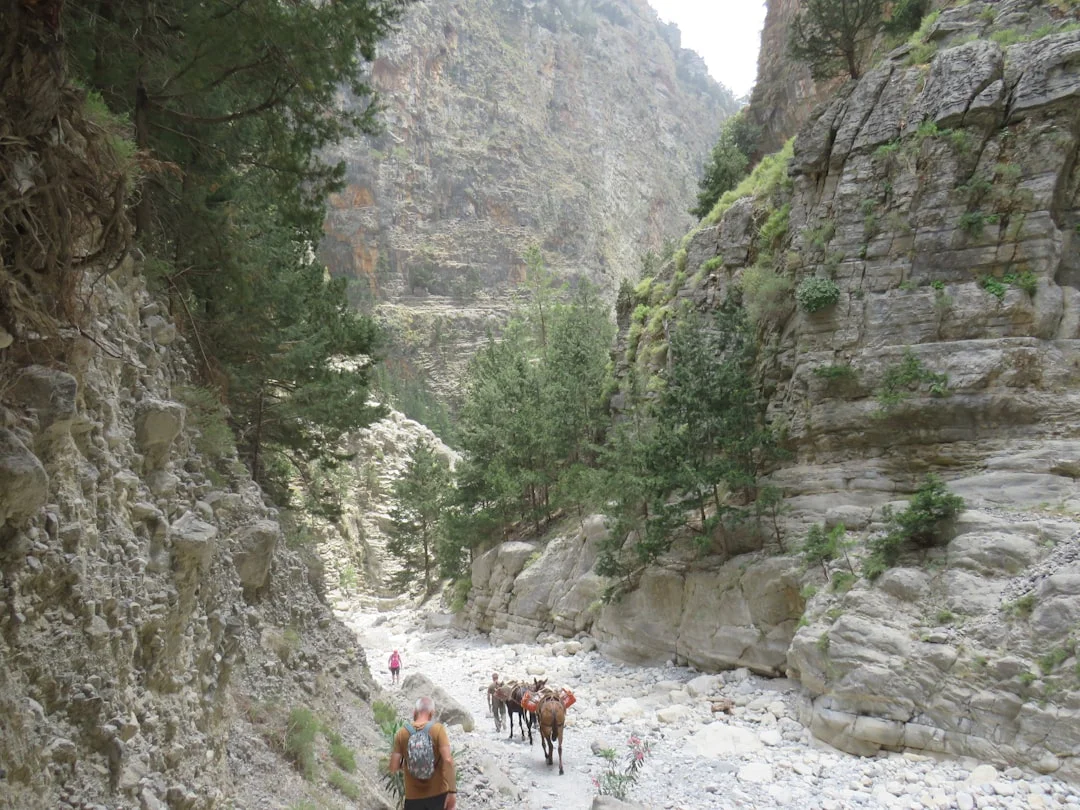
Samaria Gorge hike
This legendary hike descends 16 km, from the Omalos plateau down to Agia Roumeli, on the shore of the Libyan Sea. You cross the White Mountains, skirt dizzying walls and pass through the famous Iron Gates, only a few metres wide.
You arrive face to face with the sea, for a well-earned swim. The return then combines ferry and bus, since Agia Roumeli is reachable only by boat. Set off early, the trail demands 5 to 7 hours of effort.
- 5 to 7 hours of walking
- Entry EUR 10 + ferry/bus ~EUR 25-35
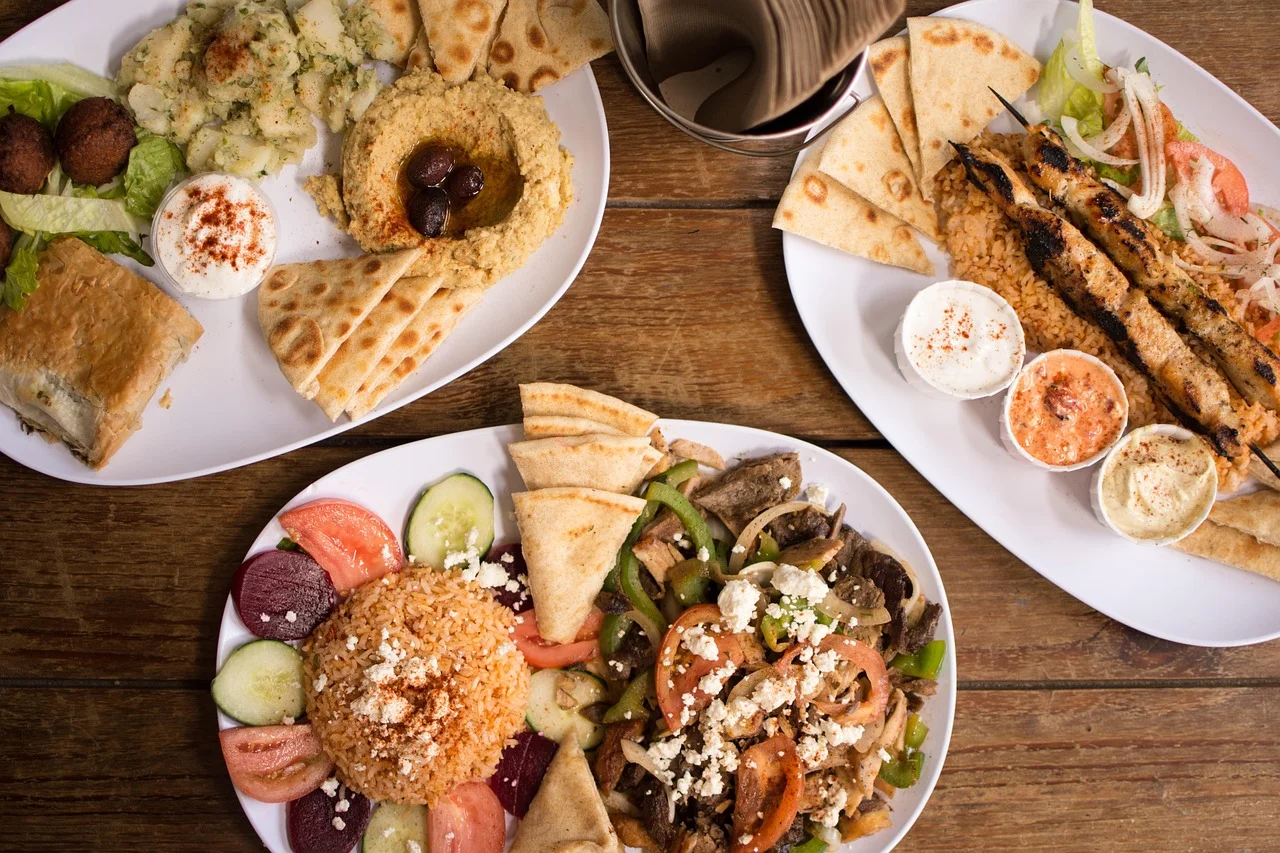
Cretan cooking class
Learn to prepare the classics of the Cretan table: crunchy dakos, hand-rolled dolmades, local cheeses and dishes slow-cooked in olive oil. A chef or a family guides you step by step, often with produce from the garden.
The workshop always ends with a convivial tasting of everything you've cooked. It's the chance to understand the famous Cretan diet and take home recipes to make again.
- 3 to 4 hours
- EUR 60-90 per person
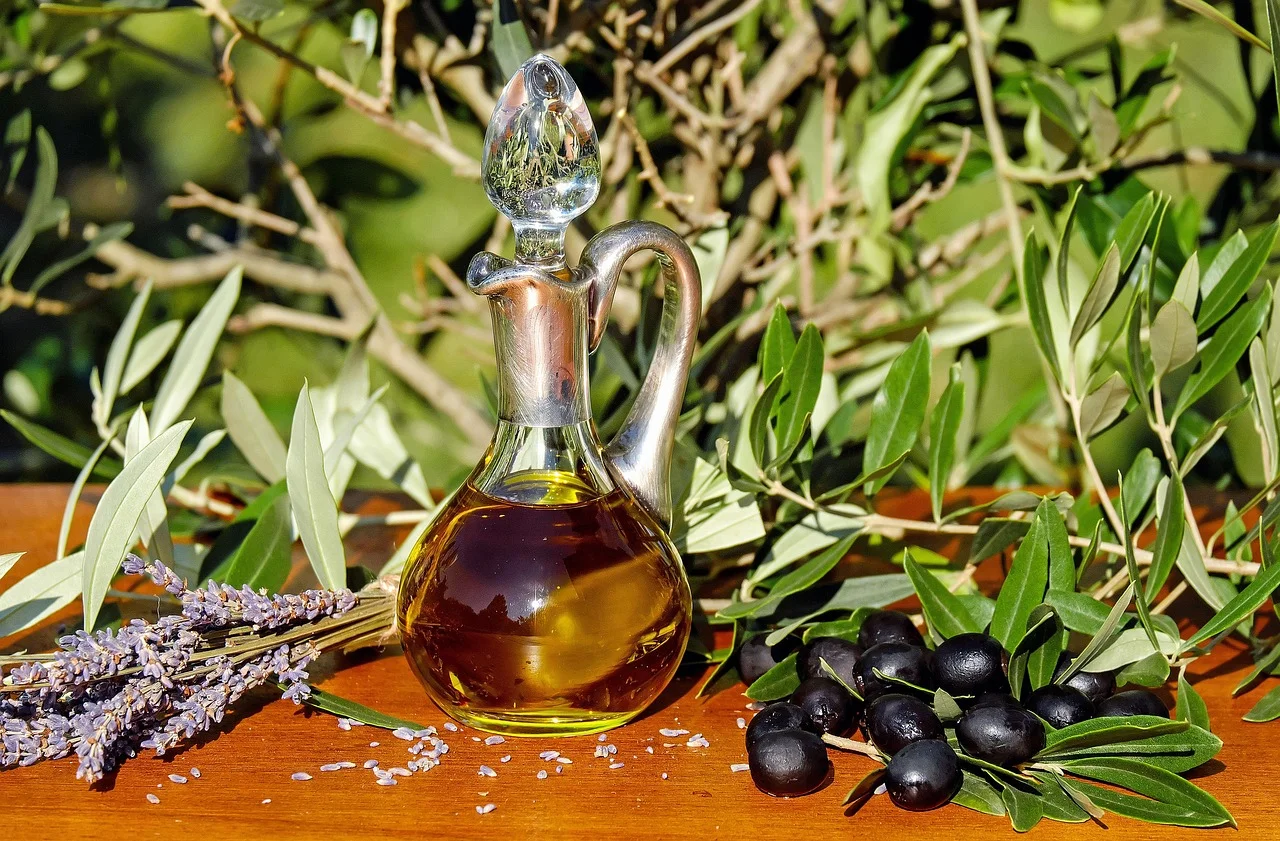
Raki and olive oil tasting
Push open the door of an oil mill or a tsikoudia distillery to understand the two pillars of Cretan gastronomy. A producer explains the process, from pressing the olives to distilling the local spirit.
The visit ends with a guided tasting: olive oils with varied profiles and small glasses of raki. An authentic, convivial interlude, perfect for taking home a few bottles as gifts.
- 1 to 2 hours
- EUR 15-40 per person
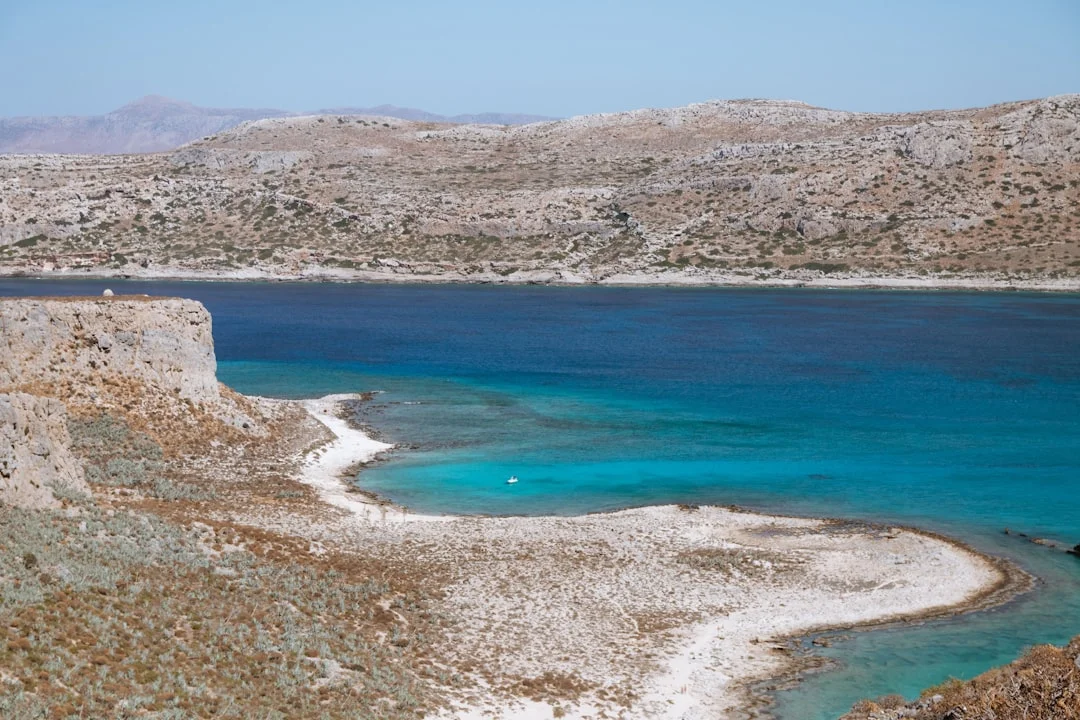
Boat trip to Balos and Gramvousa
Board at Kissamos for a cruise towards the wild north-west of Crete. First stop at the islet of Gramvousa, crowned by a Venetian fort, where you climb up for a sweeping view over the sea.
The boat then heads to the Balos Lagoon for a long swim in shallow turquoise waters. This day out combines swimming, scenery and a touch of history, without facing the bumpy track by car.
- Full day
- EUR 30-40 per adult
Getting there
Crete has two airports, Heraklion (HER) and Chania (CHQ), plus ferries from Piraeus in Athens.
Flying is still the easiest way to reach Crete. The island has two international airports: Heraklion (HER), the busiest, in the east, and Chania (CHQ), in the west. Plenty of direct flights serve them from across Europe, especially in season.
Choose your airport based on your itinerary. Landing in Chania puts you near Balos, Elafonissi and Samaria. Heraklion suits Knossos, Spinalonga and the eastern island better. This saves you long drives the moment you arrive.
The other option, slower but more scenic, is the ferry. Services leave from the port of Piraeus, near Athens, bound for Heraklion, Chania and other Cretan ports. The crossing is often overnight, in a cabin, which lets you save a day.
The ferry also appeals to anyone who wants to bring their own car. Handy for a road trip combining the mainland and the island, but book early in high season.
Getting around
Renting a car is almost essential in Crete; KTEL buses only serve the north coast well.
To explore Crete freely, a car is a must. The island is vast and its finest spots often hide far from the main roads. With a vehicle, you reach the coves, the mountain villages and the remote beaches at your own pace.
The KTEL bus network exists and works well, but mainly along the north coast. It efficiently links Heraklion, Rethymno, Chania and Agios Nikolaos. The interior and the south coast, on the other hand, stay poorly served or even unreachable by public transport.
Some places are reached by boat. The Balos Lagoon and Elafonissi Beach are accessed via ferries from Kissamos. The Samaria Gorge hike ends at Agia Roumeli, a village reachable only by boat, then by bus.
Book your car ahead, especially in summer. Demand is high and prices climb fast. Take care on the mountain roads, which are narrow and winding.
What to do
Crete blends Minoan sites, Venetian towns, gorges and lagoons: ten must-sees sum up this diversity.
Crete offers rare variety. On a single island, you go from ancient palaces to postcard beaches, from wild mountains to Venetian lanes. Here are the ten experiences not to miss.
- Palace of Knossos: the Minoan capital and its legendary labyrinth.
- Samaria Gorge: a 16 km hike through the White Mountains.
- Heraklion Archaeological Museum: the world's finest collection of Minoan art.
- Chania: its Venetian harbour and iconic lighthouse.
- Balos Lagoon: turquoise water and pink sand in the north-west.
- Elafonissi Beach: its lagoon and pink sand, perfect for families.
- Spinalonga Island: a Venetian fortress and former leper colony.
- Rethymno: its old town and the Fortezza fortress.
- Phaistos: the second Minoan palace, contemplative and unreconstructed.
- Preveli Monastery and Beach: a palm grove and a spectacular south coast.
Mix culture and nature to enjoy the island fully. A morning at Knossos, an afternoon at Balos: Crete is lived as one great contrast.
Food
Cretan cuisine, the basis of the famous Cretan diet, rests on olive oil, cheeses, vegetables and fish.
Eating in Crete is a real pleasure. The local cuisine, the foundation of the famous Cretan diet, is reckoned among the healthiest on the planet. Everything revolves around olive oil, fresh produce and simplicity.
Try dakos, a barley rusk topped with tomato, fresh cheese and olive oil. Dolmades, stuffed vine leaves, go wonderfully with a pre-dinner drink. Cretan cheeses, from fresh cheese to aged graviera, are eaten everywhere.
Grilled fish, ultra fresh, reigns over the seaside tavernas. Slow-cooked dishes in olive oil, wild greens and lamb round out the picture. You'll eat healthily without even thinking about it.
As for drinks, raki, also called tsikoudia, is the local spirit. It's often offered to you at the end of a meal, free of charge, as a gesture of hospitality. Pair it with a little honey or fruit, and toast the Cretan way.
Itineraries
Allow 7 days to explore the west or the east, and 10 to 14 days for a full loop of the island.
The ideal length of time in Crete depends on your pace. The minimum we'd suggest is 7 days. With a week, it's better to focus on one half of the island rather than skim over everything.
For a 7-day stay in the west: settle in Chania. Explore the Venetian harbour, hike the Samaria Gorge, and spend days at Balos and Elafonissi. Save a day for Rethymno on the way.
For 7 days in the east: base yourself in Heraklion or Agios Nikolaos. Visit Knossos, the archaeological museum, Phaistos and Spinalonga Island. Round things off with the beaches of the Gulf of Elounda and the south coast, towards Preveli.
The dream is 10 to 14 days. You can then string together a full loop from west to east, with two bases. This route combines Minoan heritage, Venetian towns, gorges, lagoons and village tavernas, without rushing.
Climate & seasons
When to go to Greece?
Monthly averages over the past 5 years (Open-Meteo).
Best months
- June
- July
- August
- September
| Jan | Feb | Mar | Apr | May | Jun | Jul | Aug | Sep | Oct | Nov | Dec | |
|---|---|---|---|---|---|---|---|---|---|---|---|---|
| Our take | ||||||||||||
| Weather | ||||||||||||
| High | 6° | 5° | 8° | 13° | 17° | 21° | 24° | 23° | 20° | 15° | 12° | 7° |
| Rain (mm) | 144 | 150 | 114 | 67 | 98 | 35 | 6 | 13 | 46 | 81 | 61 | 135 |
| Hiking & nature | Hiking & nature April | Hiking & nature May | Hiking & nature June | Hiking & nature July | Hiking & nature August | Hiking & nature September | Hiking & nature October | |||||
| City sightseeing | City sightseeing April | City sightseeing May | City sightseeing June | City sightseeing July | City sightseeing August | City sightseeing September | City sightseeing October | City sightseeing November |
What to do by season (autumn)
-
Hiking & nature
Mild temperatures, stable conditions.
-
City sightseeing
Pedestrian-friendly most of the year.
When to go
Visit Crete from May to June or September to October, when the sea is warm and the crowds are thinner.
The best times to discover Crete are May to June and September to October. The sea stays warm, temperatures are mild and the sites feel less crowded. Spring also gives you a green, flower-filled island, ideal for hiking.
Avoid July and August if you can. The heat climbs hard, the beaches fill up and prices rise by 30 to 50%. Booking becomes essential and the atmosphere loses some of its authenticity.
Winter, especially January and February, is not ideal either. Many seasonal businesses close and some mountain roads become tricky. The island is still beautiful, but the tourist offer slows right down.
One crucial point for hikers: the Samaria Gorge opens only from 1 May to 31 October. Outside that window, the full crossing is banned for safety reasons. Plan your trip accordingly if this hike is on your list.
Budget
Budget around €56 a day as a backpacker, €144 for mid-range and €378 for high-end travel.
Crete suits every wallet. Depending on your travel style, the daily budget varies a lot. As a backpacker, count on roughly €56 (about $60) per day, including accommodation, meals and transport.
For a comfortable mid-range stay, plan around €144 (about $155) per day. That covers a good hotel, taverna meals and a rental car. High-end travel climbs to about €378 per day, with luxury hotels and premium experiences.
Watch out for the season. In July and August, accommodation and rental prices rise by 30 to 50%. Travelling in May to June or September to October lightens the bill considerably.
Don't forget the paid site entries. Count €20 for Knossos, €15 for the Heraklion museum, €8 for Phaistos and €20 for Spinalonga. EU discounts for young people and seniors help you save.
Work out your budget
Backpacker
€392
€56 per person per day
Mid-range
€1,008
€144 per person per day
Upscale
€2,646
€378 per person per day
On-the-ground estimate, international flights excluded unless stated. Prices vary by season and how early you book. Figures updated on 11/09/2026.
Where to stay
Stay in Chania for the west, Rethymno for the centre, or Heraklion and Agios Nikolaos for the east.
The choice of base depends on which part of the island you're aiming for. Crete is long, and it's best to avoid long daily round trips. On a stay of 10 days or more, the ideal is to sleep in two places: one in the west, one in the east.
Chania is perfect for the west. Its Venetian old town and harbour make it a charming base, close to Balos, Elafonissi and Samaria. Rethymno, in the centre, charms with its fortress and long beach, halfway between the two ends.
For the east and the Minoan heritage, aim for Heraklion or Agios Nikolaos. Heraklion gives direct access to Knossos and the great archaeological museum. Agios Nikolaos, quieter, brings you close to Spinalonga and the Gulf of Elounda.
For authenticity, go for family-run guesthouses and small village hotels. The Cretan welcome is warm, the prices reasonable, and you taste another Crete, far from the big resorts.
Safety
Crete is a very safe island with low crime; the real risks are the mountain roads and the rough seas of the south.
Crete ranks among the safest destinations in the Mediterranean. Crime is low and travellers quickly feel at ease, by day and by night. Cretans are known for their hospitality.
The real risks are mostly natural. The mountain roads, narrow and winding, call for careful driving. Slow down in the bends and pass oncoming cars with care. Avoid driving at night on the small inland roads.
The sea also deserves common sense. On the south coast, washed by the Libyan Sea, the water can turn rough and the currents strong. Respect the flags and don't stray far from shore when the sea is up.
Heat is another point to watch, especially when hiking. For the Samaria Gorge, set off early, carry plenty of water and protect yourself from the sun. If anything goes wrong, the European emergency number 112 works everywhere in Crete.
Formalities
As Crete is in the Schengen Area, an ID card is enough for EU citizens; the currency is the euro.
Entry formalities for Crete are simple. The island is part of Greece and therefore of the Schengen Area. EU citizens can travel with a national ID card; other nationalities need a passport and should check Schengen rules (90 days in any 180).
For many non-EU nationalities, no visa is required for a stay of under 90 days. Still, check the conditions for your country before you leave. A valid passport remains necessary in that case.
The currency is the euro, which makes everything easy for travellers from the eurozone. Card payment is widely accepted in hotels, restaurants and shops. Keep a little cash for small villages and isolated tavernas.
On the health side, no vaccine is required to enter Crete. Remember your European Health Insurance Card if you're coming from the EU. In an emergency, dial 112, the European number that works everywhere on the island.
Tips
Book your car ahead, set off early to sites and beaches, make the most of combined tickets and pick two bases.
A few simple habits transform a trip to Crete. The first: book your rental car well in advance, especially in summer. Demand explodes and rates climb when you leave it late.
The second tip is two words: leave early. At sites like Knossos and beaches like Elafonissi or Balos, the morning cool and the soft light change everything. You dodge the crowds, the heat and the afternoon wind.
Think about combined tickets where they exist: the Phaistos plus Agia Triada entry at €8 covers two neighbouring sites. EU youth and seniors also enjoy discounts at most sites.
Finally, organise your stay around two bases: one in the west, one in the east. This cuts the long daily drives and leaves you more time to enjoy yourself. Crete is big, so go easy on the kilometres.
FAQ
May to June and September to October offer the best balance of warm sea, mild weather and small crowds.
When is the best time to visit Crete?
Go for May to June and September to October. The water is warm, the climate mild and the crowds thin. Note that the Samaria Gorge opens only from May to October.
How many days do you need to visit Crete?
Allow at least 7 days for one half of the island. The ideal is 10 to 14 days to cover the whole, from west to east, without rushing.
Do you need a car in Crete?
Yes, a rental car is strongly recommended. KTEL buses serve the north coast well, but many sites and beaches stay out of reach by public transport.
Should you choose west or east Crete?
The west charms with its landscapes and beaches like Balos and Elafonissi. The east and the centre hold the Minoan heritage. The ideal is a base at each end.
What daily budget should you plan for in Crete?
Count around €56 as a backpacker, €144 mid-range and €378 high-end. In July and August, add 30 to 50% for accommodation and car rental.
What currency is used in Crete?
The currency is the euro. Card payment is widely accepted in hotels, restaurants and shops. Keep a little cash for isolated villages.
What language is spoken in Crete?
The official language is Greek. English is very widespread in tourist areas, hotels and restaurants. You'll communicate easily everywhere.
Which sites charge admission in Crete?
Knossos costs €20, the Heraklion museum €15, Phaistos €8 and Spinalonga €20. Discounts apply for young people and seniors from the European Union.
Sources
The figures in this guide come from the sources below, checked on the publication date.
Leave a comment
Share your thoughts or travel experience. Your email will not be published.