

Contents 26
Mykonos is a Cycladic island in the Aegean Sea, 2 h 40 by fast ferry from Piraeus or an hour's flight from Athens. Its capital, Chora, can be walked in a morning: whitewashed lanes, some 400 chapels, the Kato Mili windmills and the Little Venice quarter, whose balconies hang over the water facing the sunset.
The south coast lines up the beaches, from Ornos and Platis Gialos, calm and family-friendly, to Paradise and Super Paradise, the party ones, while Elia remains the longest and quietest. Thirty minutes away by boat, Delos, the UNESCO-listed sanctuary of Apollo, adds a half day of archaeology to the stay. This guide details the places, the bookable activities and the practical information for planning the trip.
Overview
Mykonos is a Cycladic island in the Aegean Sea, famous for its whitewashed architecture, its windmills and its nightlife, a short crossing from the ancient island of Delos.
Mykonos belongs to the Cyclades, in the heart of the Aegean Sea. Its reputation rests on three postcard images: the Kato Mili windmills lined up on their hill, the Little Venice quarter whose houses drop straight into the sea, and the pedestrian maze of Chora, the capital, with its cobbled lanes and whitewashed façades.
Beyond the partying that made its international name, Mykonos opens onto a major heritage site: a few kilometres away lies Delos, the sanctuary of Apollo listed as a UNESCO World Heritage Site. The island thus combines organised beaches, beach clubs, village tavernas and ancient ruins on a territory you can cross in a day by bus or scooter.
9 places to take with you
In the guide's order, ready for Google Maps or your GPS.
Book the activities from this guide
Our picks for Mykonos, well rated and free to cancel.
-
Book this activity
Guided tour of Delos from Mykonos
€79 per person (GetYourGuide price 2026), site and museum entry (€20) included
-
Book this activity
Delos and Rheneia cruise with swimming and lunch
€88 per person (GetYourGuide price 2026)
-
Book this activity
Sunset cruise off Little Venice
€38 per person (GetYourGuide price 2026)
Affiliate links: Travel Advice earns a commission if you book, at no extra cost to you. Learn more

Chora (Mykonos Town)
Chora, or Mykonos Town, is the island's capital and one of the best-kept Cycladic villages: a maze of flagstone lanes re-whitewashed every spring, lined with white houses with blue, red or green shutters, bougainvillea and some 400 chapels. The labyrinth was laid out to confuse pirates and break the meltemi, the north wind.
The Matogianni shopping axis concentrates designer boutiques and bars; to the west, the old Kastro quarter runs down to Panagia Paraportiani, Little Venice and the Kato Mili windmill hill. To the north, the old port and its promenade hold the Archaeological Museum, the boats to Delos and the pelicans, descendants of Petros, the island's mascot.
Chora is explored on foot, early in the morning to photograph it empty, at the end of the day for sunset and nightlife. Parking is on the outskirts, at the Fabrika (south) and Old Port (north) bus stations.

Delos (archaeological site)
Delos, an uninhabited islet 2.5 km south-west of Mykonos, was in antiquity the birthplace of Apollo and Artemis and one of the greatest sanctuaries of the Greek world, then a free port of 30,000 people in the Hellenistic period. The site, a UNESCO World Heritage Site since 1990, covers the whole island: sanctuary of Apollo, Terrace of the Lions, agoras, theatre, the district of mosaic houses (House of Dionysus, of the Dolphins, of the Masks) and the museum. The climb up Mount Kynthos (113 m) gives the view over the Cyclades, named after this circle around Delos.
Boats leave from Chora's old port (Deliana pier): about a 30-minute crossing, several rotations a day from April to November, including Mondays in 2026. Nobody sleeps on the island: you return on the afternoon boat.
In 2026 the Ephorate of Antiquities of the Cyclades lists a €20 ticket (reduced €10), an 8 am opening and a 7.30 pm closing in season (last entry 7 pm), brought back to 4 pm in winter.

Kato Mili windmills
The Kato Mili ('lower mills') windmills are Mykonos's postcard: a row of five white, thatched-roof mills lined up on the hill closing Little Venice's bay, south-west of Chora. The island once had up to thirty, built from the 16th century to grind wheat from the neighbouring Cyclades when Mykonos was a stop on Aegean trade; about fifteen survive, including the Bonis Mill, restored as an agricultural museum on the Ano Mili hill.
The mills cannot be visited inside (except the Bonis Mill), but the esplanade is freely accessible at any hour. The best moment is sunset, when the light skims the sails and the view opens onto the balconies of Little Venice.

Little Venice (Alefkandra)
Little Venice, or Alefkandra, is the row of 18th- and 19th-century captains' houses built right on the sea on the west side of Chora, with painted wooden balconies hanging over the waves. The nickname comes from this continuous waterfront façade, which recalls the Grand Canal.
The ground floors are now bars and restaurants whose terraces face west: it is the island's most popular sunset viewpoint, with the Kato Mili windmills as a backdrop on the neighbouring hill. When the meltemi blows, spray soaks the front tables.

Paradise Beach and the south-coast beaches
Paradise Beach, 6 km south of Chora, is the beach that made Mykonos's party reputation: a cove of fine sand on the south coast, sheltered from the meltemi, taken up by beach clubs, sunbeds and bars where the music starts in the afternoon. The Cavo Paradiso club, on the headland above, takes over at night in season.
Its neighbour Super Paradise, reached by a winding road, keeps the same mood in a more enclosed bay. At the other end of the scale, Elia, the island's longest beach, is organised but quiet; Ornos and Platis Gialos, on the south-west coast, have calm water and seafront tavernas suited to families; Agios Ioannis looks out to Delos and the sunsets. All are linked to Chora by KTEL buses from the Fabrika station.

Panagia Paraportiani
Panagia Paraportiani, 'Our Lady of the Side Gate', stands at the entrance to the old Kastro, facing the sea, steps from Little Venice. It is in fact a cluster of five chapels built and joined between the 15th and 17th centuries: four at ground level (Agios Efstathios, Agioi Anargyroi, Agios Sozon, Agia Anastasia) and a fifth, domed, set on top of the other four. Its whitewashed, rounded volumes without a sharp edge make it the most photographed church in the Cyclades.
The interior is only occasionally open; you come for the outside, in late afternoon when the low light models the walls. In Chora, the Orthodox cathedral (Panagia Pigadiotissa), the neighbouring Catholic cathedral and Agios Nikolaos church by the old port complete the walk; in Ano Mera, the Panagia Tourliani monastery (16th century) keeps a carved iconostasis and a marble bell tower.

Archaeological Museum of Mykonos
The Archaeological Museum of Mykonos, built in 1902 at the northern entrance to Chora near the old port, was created to house the finds from the 'purification pit' on Rheneia: in 426 BC the Athenians had every tomb on Delos dug up and its contents moved to the neighbouring island. It shows geometric and archaic vases, figurines, stelae and, as its centrepiece, a 7th-century BC pithos decorated in relief with the Trojan Horse and scenes from the fall of Troy.
It is the natural complement to a day on Delos, before or after the boat. In 2026 the Ephorate of the Cyclades lists opening 9 am to 4 pm, closed Tuesday, ticket €5 (reduced €3). The Aegean Maritime Museum and Lena's House in Chora, and the Folklore Museum near Paraportiani, complete the circuit.

Ano Mera and the Panagia Tourliani monastery
Ano Mera, 8 km east of Chora, is the only real village of Mykonos's interior and its rural counterpoint: a shaded square ringed by tavernas serving grilled meat and kopanisti far from the seafront. The Panagia Tourliani monastery, founded in the 16th century and remodelled in the 18th, overlooks the square: carved marble bell tower, gilded wooden iconostasis and a small museum of liturgical objects.
The village is also the start of walks into the interior: the climb up Profitis Ilias, the island's highest point (341 m), with views to Delos, Tinos and Naxos, or the descent to the northern beaches (Fokos, Panormos) and the eastern ones (Kalafatis). Start early, the island has no shade and the meltemi blows hard in July and August.

Cavo Paradiso and the Paradise Beach nights
Cavo Paradiso, opened in 1993 on the headland above Paradise Beach, is the open-air club that made Mykonos a stop on international DJ tours: a dance floor under the stars, a pool and a view over the Aegean, with nights starting after midnight and ending at sunrise. It only opens in season, roughly May to October.
Below, Paradise and Super Paradise run their beach-bar parties through the afternoon, while Chora holds the cocktail bars of Little Venice and the clubs of the Matogianni lanes. Taxis are scarce at night, so plan the way back: club shuttles, seasonal night buses or a scooter.
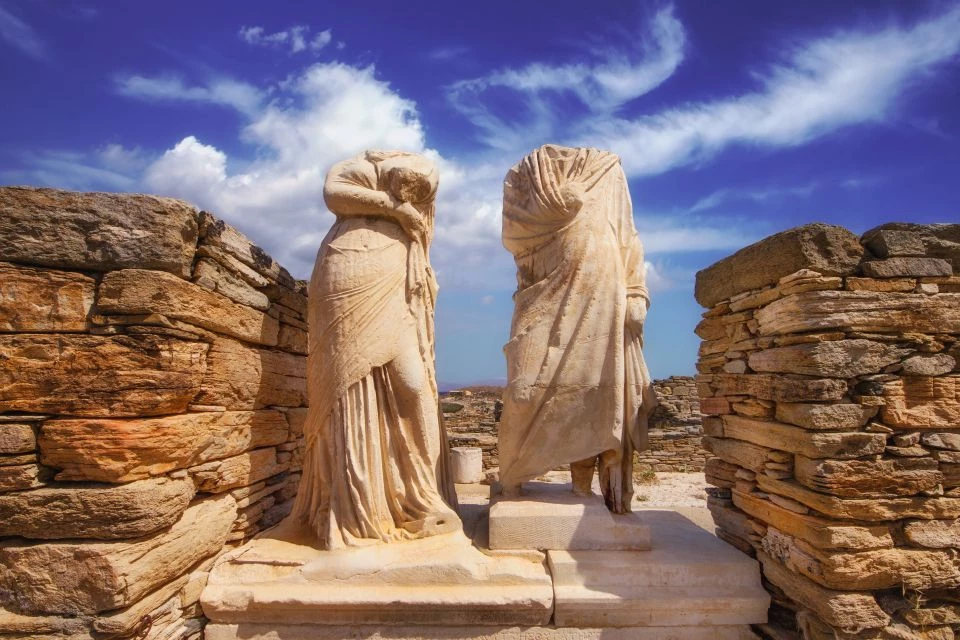
Guided tour of Delos from Mykonos
Departure from Chora's old port in the morning, a 30-minute crossing, then three hours on the island with a licensed archaeologist guide: sanctuary of Apollo, Terrace of the Lions, Agora of the Italians, theatre and the mosaic-house district, before free time for the museum or the climb up Mount Kynthos. The guide gives meaning to what you see, which a self-guided visit sorely lacks on a site with few detailed panels.
For anyone curious about history, families included. Book on GetYourGuide with free cancellation; the price includes the return boat, the guide and the site and museum entry fee (€20). Meeting point at the Delos Tours ticket office, Deliana pier. Water, hat and closed shoes are essential.
- Half day (about 4 hours including 30 min by boat)
- €79 per person (GetYourGuide price 2026), site and museum entry (€20) included
Delos and Rheneia cruise with swimming and lunch
The boat leaves Mykonos in the morning, drops those who wish at Delos to visit the site, then heads for Rheneia, the uninhabited island next door, to anchor in two turquoise coves: swimming, snorkelling and a barbecue lunch served on board. The contrast between the morning's ruins and the afternoon's empty beaches is the highlight of the day.
For those who want Delos and the sea in a single outing, families included. Book on GetYourGuide with free cancellation; the listing counts Delos site entry among the inclusions, along with lunch, wine, snorkelling gear and the transfer to the boat. Bring swimwear, a towel and sun protection, the boat offers little shade.
- Full day (about 7 hours)
- €88 per person (GetYourGuide price 2026)
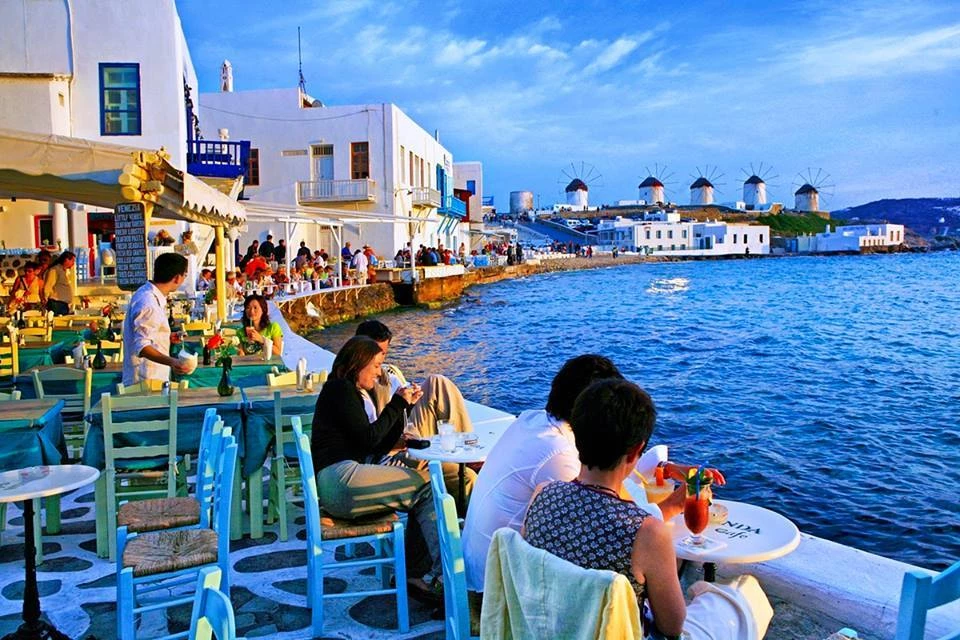
Sunset cruise off Little Venice
Boarding in late afternoon at the old port to run along Mykonos's west coast: Little Venice and the Kato Mili windmills seen from the sea, Cape Agios Ioannis, then anchoring opposite Delos to watch the sun drop behind the islets with a drink in hand. It is the reverse angle, and far less crowded, of the packed Little Venice terraces.
For couples and small groups, no physical effort. Book on GetYourGuide with free cancellation; departure time varies with sunset, one drink included. Bring a jacket, the meltemi cools things quickly at sea.
- 2 hours
- €38 per person (GetYourGuide price 2026)
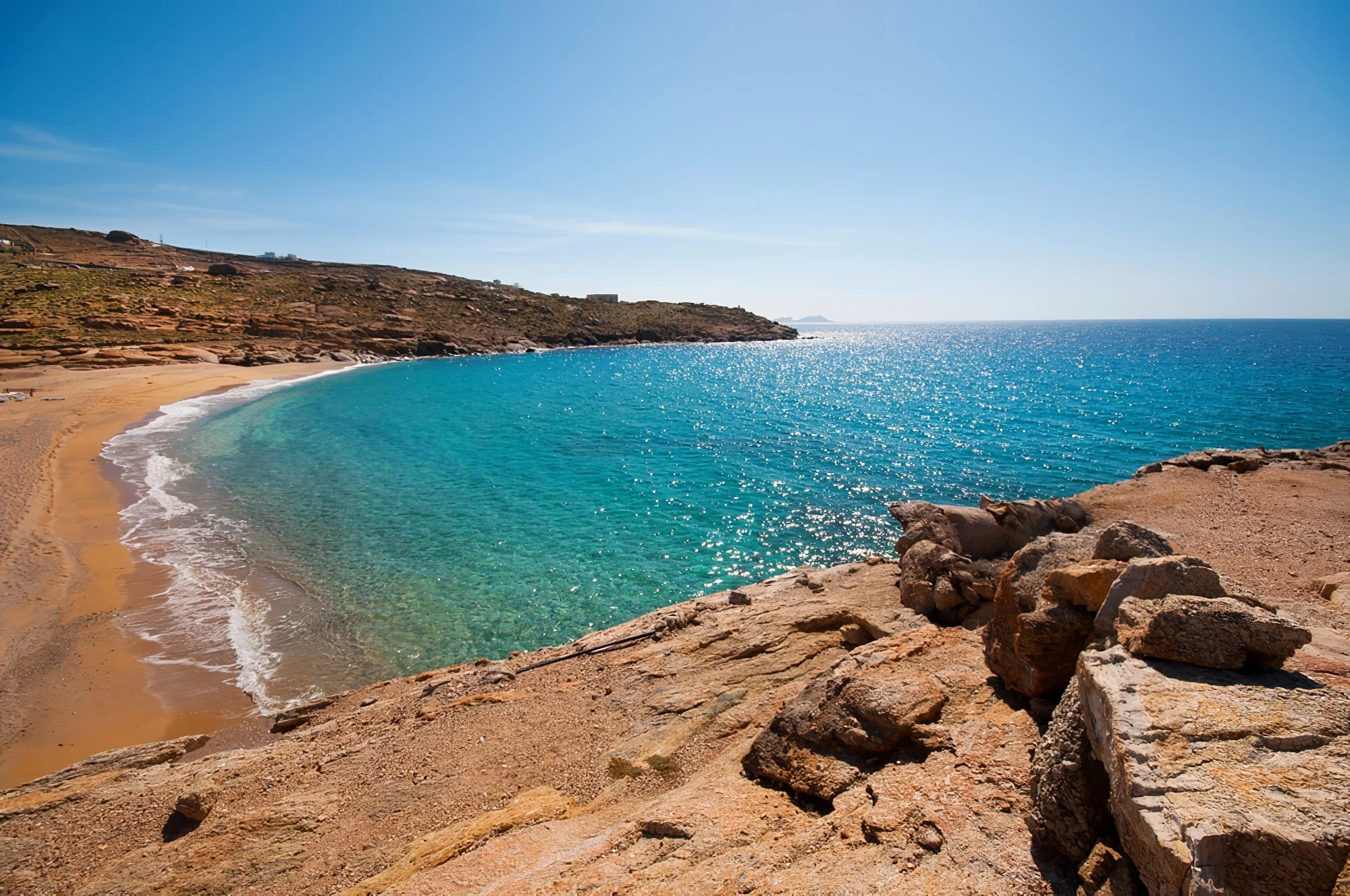
Island tour by minibus: beaches, Ano Mera and Chora
In four hours and without driving, this air-conditioned minibus tour loops around Mykonos: viewpoints over the south coast and its beaches (Ornos, Platis Gialos, Paradise), a stop at Ano Mera village and the Panagia Tourliani monastery, a pass along the north coast, then a guided walk through Chora to the windmills and Little Venice. The highlight: understanding in one morning where the calm beaches, the party beaches and the village tavernas are, to plan the rest of the stay.
For a first day on the island or a cruise stop, in a small group. Book on GetYourGuide with free cancellation; pick-up at your lodging or the port depending on the option chosen.
- 4 hours
- €95 per person (GetYourGuide price 2026)
Getting there
Reach Mykonos by ferry from Piraeus (fast ~2h40) or Rafina (fast from ~2h15), or by air via Mykonos Airport (JMK). Ferries dock at the New Port.
Two main gateways:
- By ferry from Athens: from Piraeus (fast crossing about 2h40, conventional 4h30 and up) or from Rafina, closer to Athens airport (fast from ~2h15). Operators include Blue Star Ferries, SeaJets, Golden Star Ferries and Cyclades Fast Ferries. Boats arrive at Mykonos's New Port.
- By air: Mykonos International Airport (IATA code JMK) lies about 4 km south-east of Chora and handles domestic and, in season, international flights.
In peak season, book ferries and flights ahead: connections fill quickly.
Getting around
The KTEL bus network links Chora to the beaches for €1 to €3. Renting a car, scooter or quad gives more freedom; taxis are scarce, especially at night.
Mykonos is small and easy to cover:
- Bus (KTEL Mykonos): the cheapest option. Two main stations in Chora — Fabrika (south) serves the airport, New Port, Ornos, Platis Gialos and Paradise; the Old Port (north) serves Ano Mera, Elia, Kalafatis and Panormos. The two stations are about a 15-minute walk apart. Tickets €1 to €3, often cash.
- Car, scooter or quad (ATV): rent at the airport or in Chora to reach beaches and villages freely.
- Taxis: few and in high demand, especially late at night; don't rely on one for an impromptu ride home.
What to do
Wander through Chora, photograph the Kato Mili windmills and Little Venice, sail to Delos and its UNESCO site, then pick your beach between lively (Paradise) and family-friendly (Ornos).
Mykonos is visited in three movements. Chora first: the capital's pedestrian maze, its shops and chapels, Panagia Paraportiani, the Archaeological Museum by the old port, then, at sunset, the Kato Mili windmills and the balconies of Little Venice. Then Delos: a 30-minute boat trip to the sanctuary of Apollo, a UNESCO site, entry €20 in 2026, best done in the morning with or without a guide. Finally the beaches: lively at Paradise and Super Paradise, calm and family-friendly at Ornos, Platis Gialos or Elia, with KTEL buses to reach them.
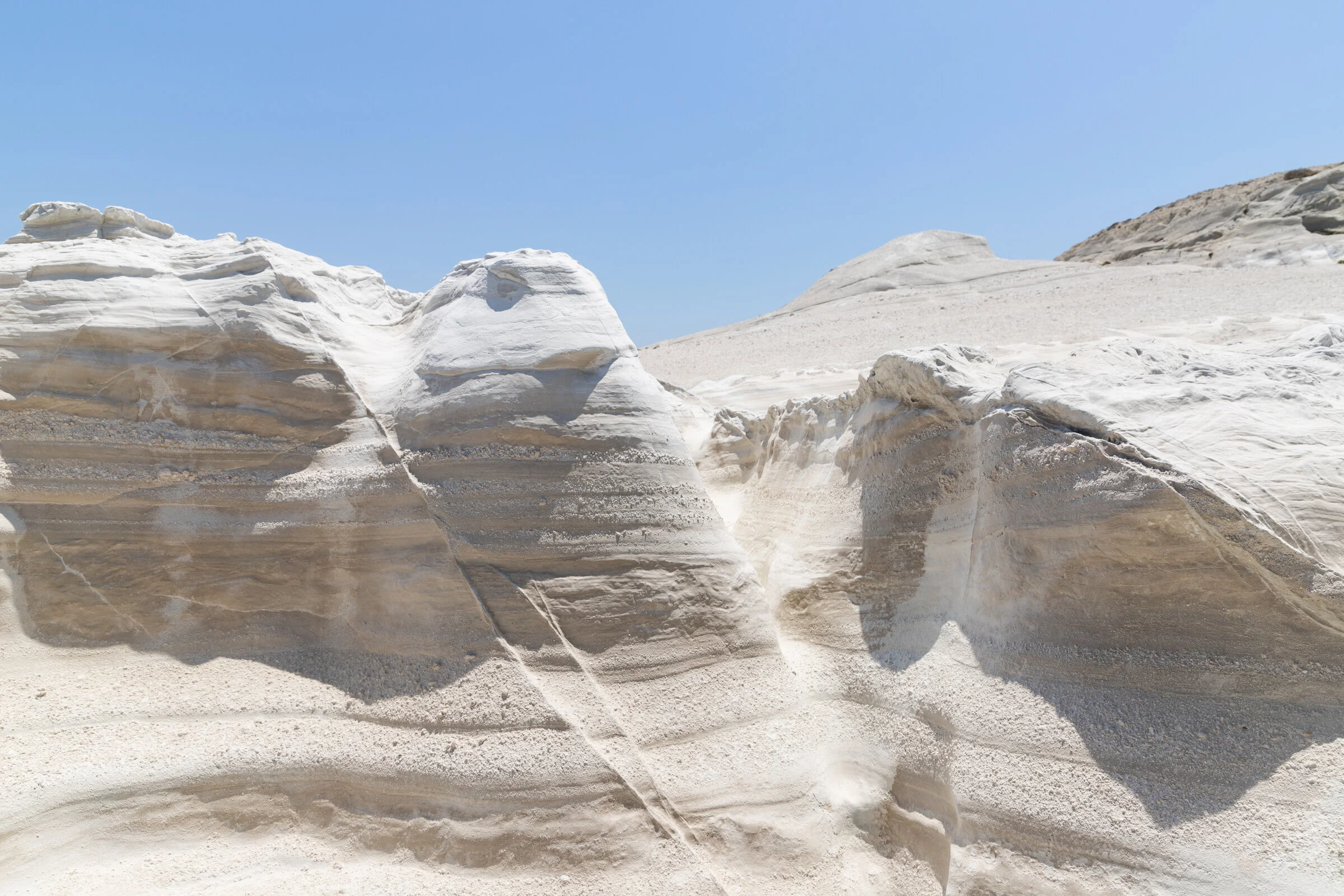
With an extra day, the village of Ano Mera and its Panagia Tourliani monastery, a walk to Profitis Ilias or the northern beaches, a cruise to Rheneia or at sunset, and a night at Cavo Paradiso in season. Village tavernas serve kopanisti, louza and grilled fish away from seafront prices. If you are island-hopping through the Cyclades, head west: the 12 best things to do in Milos bring together lunar beaches, fishing villages and sea caves, far from the Mykonos bustle.
Food
Kopanisti (spicy cheese), louza (cured pork loin), mostra (rusk with tomato and kopanisti), almond amygdalota and grilled fish: try them in the tavernas of Ano Mera and Chora's back lanes, cheaper than the seafront.
Mykonian cooking has three products of its own: kopanisti, a fermented cheese with a sharp, peppery taste protected by a PDO, louza, salted, spiced and wind-dried pork loin, and smoked sausages flavoured with savory. They come together in the mostra, a barley rusk topped with tomato, kopanisti and olive oil, the island's snack. From the sea: sun-dried then grilled octopus, sea urchins, fish of the day over embers. For dessert, amygdalota (almond macaroons) and melopita, a honey and fresh-cheese cake.
The tavernas on Ano Mera's square and in Chora's inner lanes serve all this at markedly gentler prices than the Little Venice terraces and the beach clubs, where the bill climbs fast. Wines mostly come from neighbouring islands (Santorini assyrtiko, whites from Paros and Tinos); a local vineyard is gradually reviving production on the island.
Itineraries
Three days: Chora, windmills and Little Venice on the first, Delos in the morning then beach on the second, Ano Mera and the south coast on the third. Five days: add a Delos-Rheneia or sunset cruise and a day on the northern beaches.
3 days: the essentials
Day 1. Chora on foot from the morning: Matogianni, Kastro, Panagia Paraportiani, Archaeological Museum by the old port; afternoon at Ornos or Platis Gialos; sunset at Little Venice then at the Kato Mili windmills. Day 2. 10 am boat to Delos (sanctuary, Terrace of the Lions, mosaic houses, Mount Kynthos), back at 1.30 pm; late afternoon at Paradise or Elia. Day 3. Bus to Ano Mera: Panagia Tourliani monastery, lunch on the square, walk to Profitis Ilias or Kalafatis beach; evening in Chora.
5 days: Mykonos without rushing
Add a Delos-Rheneia cruise with swimming or a sunset cruise from the old port, a day on the northern beaches (Agios Sostis, Panormos, Fokos) when the meltemi is not blowing, and a night at Cavo Paradiso if that is your thing.
With Paros or Santorini
Mykonos pairs by ferry with Paros (about 1 hour) or Santorini (about 2 hours) for a week in the Cyclades.
Climate & seasons
When to go to Greece?
Monthly averages over the past 5 years (Open-Meteo).
Best months
- January
- February
- March
- April
- May
- June
- July
- August
- September
- October
- November
| Jan | Feb | Mar | Apr | May | Jun | Jul | Aug | Sep | Oct | Nov | Dec | |
|---|---|---|---|---|---|---|---|---|---|---|---|---|
| Our take | ||||||||||||
| Weather | ||||||||||||
| High | 15° | 14° | 16° | 19° | 22° | 27° | 29° | 29° | 26° | 22° | 20° | 16° |
| Rain (mm) | 56 | 38 | 39 | 33 | 16 | 5 | 5 | 3 | 4 | 24 | 51 | 64 |
| Beach | Beach June | Beach July | Beach August | Beach September |
What to do by season (autumn)
-
Beach
Warm air and water, little rain.
When to go
May-June and September-October offer the best balance: warm sea, fewer crowds and more moderate prices than July-August. From November to April most venues close.
Mykonos's tourist season runs roughly from April-May to October.
- July-August (peak season): peak heat, a crowded island, the highest prices and a sometimes strong meltemi (north wind). Book well ahead.
- May-June and September-October (shoulder season): warm weather, pleasant swimming, fewer people and gentler rates. September is often named the best month, with a still-warm sea and calmer winds.
- November-April (low season): most restaurants, bars, beach clubs and many hotels close; the island returns to a village pace.
Budget
Mykonos is one of Greece's most expensive islands: accommodation in July-August and the beach clubs weigh the most. 2026 benchmarks: KTEL bus €1 to €3, Delos boat €25 return, site entry €20, guided Delos visit around €79, sunset cruise around €38.
Mykonos is priced like a luxury destination, above all in July-August, when accommodation can cost two to three times more than in May or October and a sunbed at a fashionable beach club goes for a small fortune. The shoulder season changes everything: same beaches, a sea still warm in September, much lower rates.
A few benchmarks read in 2026: KTEL bus €1 to €3 a ride; Delos boat €25 return (Delos Tours) and site entry €20 (reduced €10); Archaeological Museum €5; on GetYourGuide, the guided Delos visit books at around €79 with entry included, the Delos-Rheneia cruise with lunch around €88 and the sunset cruise around €38. The windmills, Little Venice, Paraportiani and the beaches away from the sunbeds are free.
To keep the bill down: stay in Ano Mera or around Ornos rather than Chora, eat in inland tavernas, take the bus rather than taxis (scarce and expensive), and plan one 'beach club' day rather than three.
Where to stay
Chora to be in the thick of it, Ornos or Platis Gialos for family beaches, Ano Mera for quiet and gentler prices. Book early in peak season.
The right base depends on your pace:
- Chora (Mykonos Town): in the middle of the shops, bars and restaurants, walking distance from the windmills and Little Venice. Lively, sometimes noisy at night.
- Family beaches (Ornos, Platis Gialos, Psarou): calmer water, beachfront stays, well served by bus.
- Ano Mera and the north coast: a more village-like feel and often gentler rates, a short drive from the sights.
- Luxury hotels and villas: high-end views and service, mainly on the southern heights.
In July-August, book well ahead: the island often sells out.
Safety
A safe destination; the risks are the sun, the meltemi and the road. Watch out for quads and scooters on narrow roads, waves in a north wind and pickpockets in the Chora crowds. Emergencies: 112.
Mykonos is a safe destination where precautions are common sense. The first risk is the road: quads and scooters rented by the hundred run on narrow roads with no shoulder, often at night and after parties; wear the helmet, do not drive after drinking and beware of gravel on bends. The meltemi, the July-August north wind, raises waves on the northern beaches (Ftelia, Panormos): head for the sheltered south coast on those days. The sun beats down with no shade on Delos and on the trails: water, hat, sunscreen.
In the crowds of Chora and the beach clubs, keep an eye on your belongings (pickpocketing) and check bills. A pharmacy and a health centre exist in Chora; serious cases are evacuated to Syros or Athens. Emergencies: 112 (European number), police 100, ambulance 166, tourist police 1571. Bring your European Health Insurance Card.
Formalities
Greece is in the EU and the Schengen Area; French citizens travel there with just an ID card, no visa. The currency is the euro.
Greece is a member of the European Union and the Schengen Area, and uses the euro. For French nationals, no visa is required for stays under 90 days: a valid national ID card or passport is enough. Bring your European Health Insurance Card.
Visa-exempt non-EU travellers: the Schengen 90-days-in-any-180 rule applies. The EES entry/exit system (biometric registration at external borders) has been fully operational since 10 April 2026; the ETIAS authorisation is not yet in service and no launch date has been set (September 2026). Check the official EU portal before travelling.
Cards are widely accepted; keep some cash for buses and small shops.
Tips
Aim for September, book Delos and the cruises ahead, photograph Chora at dawn, take the bus rather than a taxi and keep change for the driver.
- September combines a warm sea, a calmer wind and falling prices; in July-August, book lodging and boats several weeks ahead.
- Chora at dawn: between 7 and 9 am the lanes, the windmills and Paraportiani are empty and the light is soft.
- Delos in the morning: 10 am boat, back at 1.30 pm, before the heat and the cruise-ship groups; no services on the island.
- KTEL buses: two stations (Fabrika south, Old Port north), ticket paid in cash to the driver; taxis are scarce, especially at night.
- Cruise days: when several liners are docked, Chora is saturated between 10 am and 4 pm; that is the time for the beach or Ano Mera.
- Dress: shoulders and knees covered to enter churches and the Tourliani monastery.
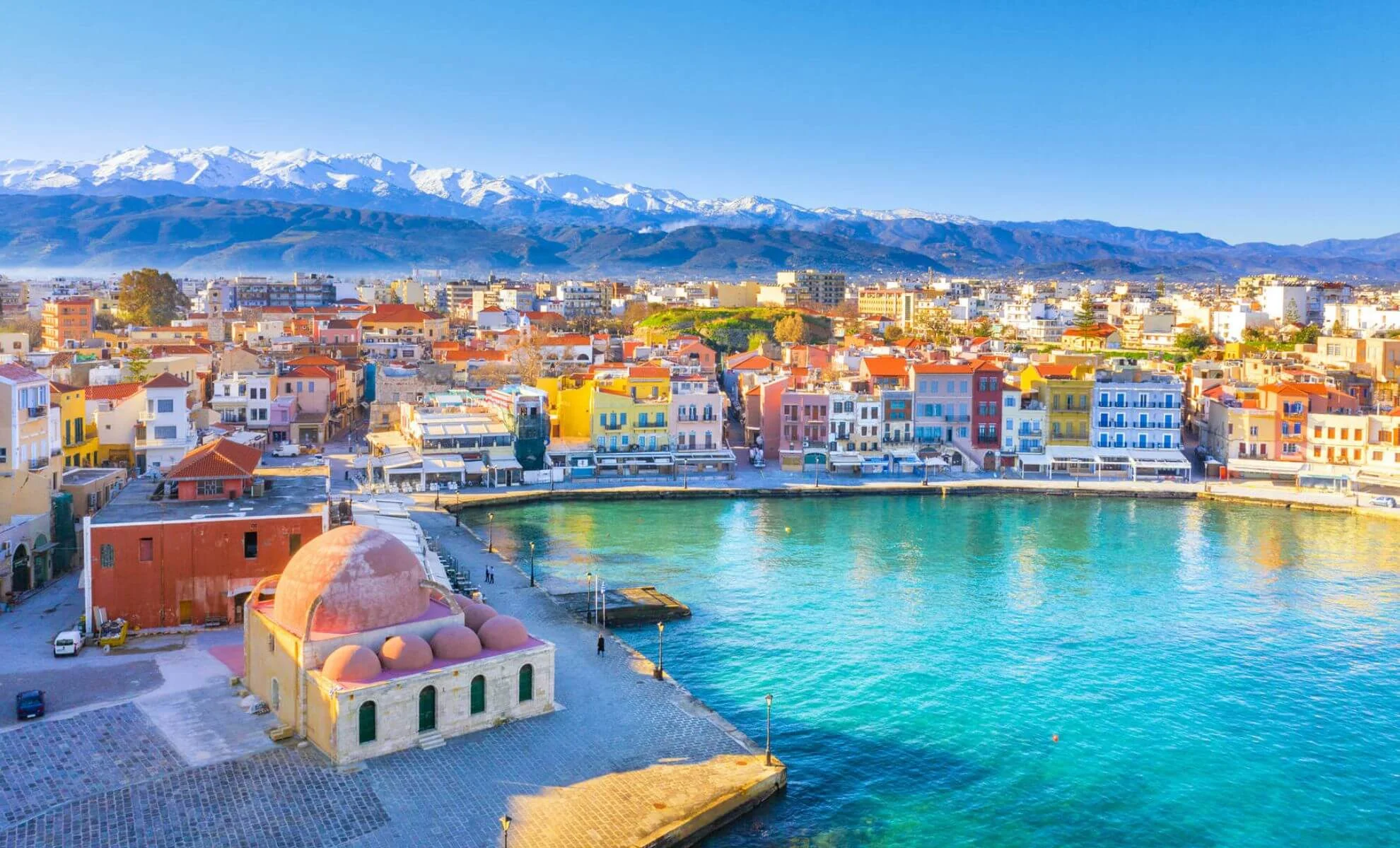
If you are island-hopping through the Cyclades, head west: the 12 best things to do in Milos, or Crete and its 10 must-do things for a longer stay.
FAQ
The most common questions: when to go, how to get there, whether you need a car, and how to visit Delos.
When is the best time to visit Mykonos?
May-June and September-October offer a warm sea and pleasant weather with fewer crowds and lower prices than July-August. September is often the best month. From November to April most venues close.
How do I get to Mykonos?
By ferry from Athens — Piraeus (fast ~2h40, conventional 4h30+) or Rafina (fast from ~2h15), on Blue Star, SeaJets and others — or by air into Mykonos Airport (JMK). Ferries arrive at the New Port.
Do I need to rent a car?
Not necessarily: KTEL buses link Chora to the main beaches for €1 to €3, running frequently in season. For more freedom, rent a car or a quad; taxis are scarce, especially late at night.
Is Delos worth visiting and how do I get there?
Yes: it is a UNESCO World Heritage site (inscribed in 1990), about 2.5 km away, reached by a roughly 30-minute boat from the old port (return €25 in 2026). In 2026 the site opens at 8 am and closes at 7.30 pm in season (last entry 7 pm), 4 pm in winter; entry €20, reduced €10.
Is Mykonos expensive?
It is one of Greece's priciest islands, especially in July-August (beach clubs, accommodation). The shoulder season is markedly cheaper for lodging.
Is Mykonos family-friendly?
Yes, with calmer beaches (Ornos, Platis Gialos), a handy bus network and a walkable town. The party beaches (Paradise, Super Paradise) and nightlife are aimed at adults.
What currency is used and can I pay by card?
The euro. Cards are widely accepted, but keep some cash for bus tickets (often paid to the driver) and small vendors.
Which Cycladic island pairs well with Mykonos?
Paros, an hour away by fast ferry, for the villages of Naoussa and Parikia and gentler prices: see our Paros guide. Santorini, about two hours away, for the caldera: Santorini guide.
Sources
The figures in this guide come from the sources below, checked on the publication date.
Leave a comment
Share your thoughts or travel experience. Your email will not be published.