

Contents 29
Overview
Croatia counts 1,244 islands, 10 UNESCO World Heritage sites and one of the clearest Adriatic seas in Europe.
Croatia wins you over with its jagged coastline, stone cities and translucent sea. The country has 1,244 islands and islets, a few dozen of them inhabited, strung along the Adriatic. You'll find perfectly preserved Roman and Venetian towns, the legacy of two thousand years of Mediterranean history.
It's also a nature destination. Eight national parks protect terraced lakes, waterfalls and wild islands. On the cultural side, the country claims 10 UNESCO World Heritage sites, from the walls of Dubrovnik to Diocletian's Palace in Split.
Since 1 January 2023, Croatia has used the euro and joined the Schengen Area. For most European travellers, getting in has become very simple. You can easily combine beaches, island-hopping, national parks and history-rich cities on a single trip.
Craving sun, swimming and heritage without a long-haul flight? Croatia ticks almost every box for a successful first trip to the eastern Mediterranean.
11 places to take with you
In the guide's order, ready for Google Maps or your GPS.
Book the activities from this guide
Our picks for Croatia, well rated and free to cancel.
-
Book this activity
Walk the Dubrovnik city walls
~EUR 35 per adult (includes Fort Lovrijenac)
-
Book this activity
Hiking and boardwalks at Plitvice
EUR 10 to 40 per person depending on the season
-
Book this activity
Island-hopping in Dalmatia
EUR 50 to 120 per person
Affiliate links: Travel Advice earns a commission if you book, at no extra cost to you. Learn more

Dubrovnik
Nicknamed the "Pearl of the Adriatic", Dubrovnik grabs you from the first sight of its orange roofs packed behind walls of golden stone. The turquoise sea laps at the ramparts, and the polished marble lanes shine in the sun.
This fortified city has been a UNESCO World Heritage site since 1979. Its walls, nearly two kilometres long, encircle an almost intact old town, the legacy of the powerful Republic of Ragusa.
Here you walk the walls, stroll along the Stradun, and visit palaces, monasteries and the historic harbour. Fans of TV series will recognise many famous filming locations.
If you could see only one city in Croatia, this would be it. None other packs in so much beauty, history and Mediterranean atmosphere.

Plitvice Lakes National Park
Plitvice looks like a watery dream. Sixteen lakes of turquoise water step down in terraces, linked by waterfalls that rumble softly between the forests. Wooden boardwalks wind right at water level, as close to the spectacle as you can get.
The park has been a UNESCO World Heritage site since 1979. It counts nearly 100 waterfalls, including the spectacular Veliki Slap, about 78 metres high, the tallest in Croatia.
You hike along marked trails, take electric shuttles and boats between the lakes, and watch protected wildlife. Several routes, from two to six hours, fit your own pace.
It's the most famous natural site in the country, and rightly so. No photo truly does justice to these unreal colours.

Diocletian's Palace, Split
In Split, history is lived every day. Diocletian's Palace is no frozen museum but a living quarter where cafés, shops and flats fill thousand-year-old Roman walls. You wander beneath ancient arcades lined with drying laundry.
This complex, built in the 4th century for the Roman emperor Diocletian, is a UNESCO World Heritage site. It forms the historic heart of the country's second city, opening onto the Riva, the seafront promenade.
You explore the peristyle, the Cathedral of Saint Domnius, the vaulted basements and the bell tower. In the evening, the squares come alive with concerts and terraces.
Few places in the world let you live inside a Roman palace. Split is also the ideal hub for reaching the islands.

Hvar Island
Hvar breathes sunshine and lavender. Reputed to be Croatia's sunniest island, it unfolds purple fields, vineyards and a lively harbour watched over by a Venetian fortress. The scent of herbs drifts across the hills.
The island is home to the Stari Grad Plain, a UNESCO site. Its Greek field system, 24 centuries old, has remained almost intact, a rare witness to the ancient organisation of the land.
Here you taste local wines, hike between olive trees and lavender, and take a boat to the Pakleni islets and their crystal-clear coves. The town of Hvar mixes water sports with lively nights out.
Hvar combines nature, heritage and the good life like few islands do. It's the perfect stop to slow the pace down.

Trogir
Trogir sits on a small islet linked to the mainland by bridges. The old town, compact and car-free, reveals a maze of stone lanes where you pass from Romanesque to Gothic to Renaissance in just a few steps.
Located 27 km from Split, this town has been a UNESCO site since 1997. Its jewel is the Cathedral of Saint Lawrence, whose portal carved by Radovan ranks among the masterpieces of medieval Croatian art.
You stroll the waterfront, climb the bell tower for the view, and sit down at a konoba in the shade. The town's human scale makes it easy to visit in half a day.
Trogir packs centuries of art into a few hectares. Its closeness to the airport makes it an ideal stop.

Šibenik Cathedral
The Cathedral of Saint James in Šibenik impresses with its pale stone and elegant outline above the harbour. Up close, the detail astonishes: the stone seems assembled without a trace of mortar, in a unique technical feat.
A masterpiece of the Dalmatian Renaissance, it has been a UNESCO site since 2000. Its famous outer frieze lines up 71 carved faces, realistic portraits of locals of the time, and its dome is built entirely of stone.
Here you admire the architecture, the frieze and the light-filled interior, before exploring the stepped lanes of the old town. Šibenik, less visited, keeps an authentic atmosphere.
This cathedral is an open-air lesson in architecture. It's also the natural gateway to Krka National Park.

Zagreb
Zagreb cultivates a Central European charm of pavement cafés, colourful markets and elegant Austro-Hungarian façades. The Croatian capital is best experienced on foot, coffee in hand, far from the seaside bustle of the coast.
The city splits in two. The Upper Town, made up of the historic districts of Gradec and Kaptol, is home to St Mark's Church and its colourful tiled roof. The Lower Town lines up museums, parks and 19th-century avenues.
Here you visit original museums, the cathedral and the Dolac market, then settle into one of the many cafés. The famous funicular links the two levels in just a few seconds.
Often skipped by travellers rushing to the sea, Zagreb deserves a stop all the same. It's a lively, cultural capital.

Krka National Park
Krka puts on a water show at grand scale. The river tumbles down a series of foaming waterfalls amid lush nature, in a more accessible and open setting than Plitvice.
The headline sight is Skradinski Buk, a vast tiered waterfall you discover from wooden boardwalks. The park is easily reached from Šibenik, which makes it a popular day trip.
Here you walk along the trails, watch the wildlife and plant life, and visit traditional mills. Swimming, long allowed near the falls, is now regulated to protect the site.
Krka is an easier-to-reach alternative to Plitvice, ideal as a complement or if time is short. The scenery is just as photogenic.

Zadar
Zadar plays with the senses. By the water, the Sea Organ turns the waves into melody through pipes hidden beneath the steps, while the Greeting to the Sun lights up the ground as night falls.
The city blends Roman remains and Venetian heritage in an old town on a peninsula. Its sunset is so famous that filmmaker Alfred Hitchcock reportedly called it the most beautiful in the world.
Here you visit the Roman forum and ancient churches, sit on the musical steps of the Sea Organ, and enjoy the waterfront. Zadar stays more authentic and affordable than the big tourist stars.
This city wins you over with its relaxed mood and unique contemporary installations. It's a handy base for central Dalmatia.

Korčula Island
Korčula looks like a miniature Dubrovnik set on the sea. Its fortified old town is laid out in a herringbone pattern, a clever plan where the lanes channel the breeze and shield against the wind. The walls plunge straight into the Adriatic.
The island proudly claims to be the reputed birthplace of the explorer Marco Polo. It's also renowned for its vineyards and its Pošip white wine, one of the most loved in the country.
Here you wander the medieval town, taste the local wines and, with a little luck, watch the Moreška. The surrounding beaches and coves invite you to swim.
Korčula combines heritage, wine and living tradition in an intimate format. It appeals to those who want an island away from the bustle.

Pula Amphitheatre
The Pula Amphitheatre takes your breath away. This nearly intact Roman arena rises in the middle of the city, its golden stone arches outlined against the Istrian sky. You can easily picture the ancient crowd roaring beneath its tiers.
Built in the 1st century, it could hold up to roughly 23,000 to 24,000 spectators and ranks among the best-preserved Roman amphitheatres in the world. Pula also keeps a Temple of Augustus and a triumphal arch.
You visit the arena and its underground galleries, then explore the city's Roman centre. In summer, the monument returns to its role as a venue with concerts and film screenings.
Few ancient sites are this complete and accessible. Pula is the highlight of a stay in Istria.
Walk the Dubrovnik city walls
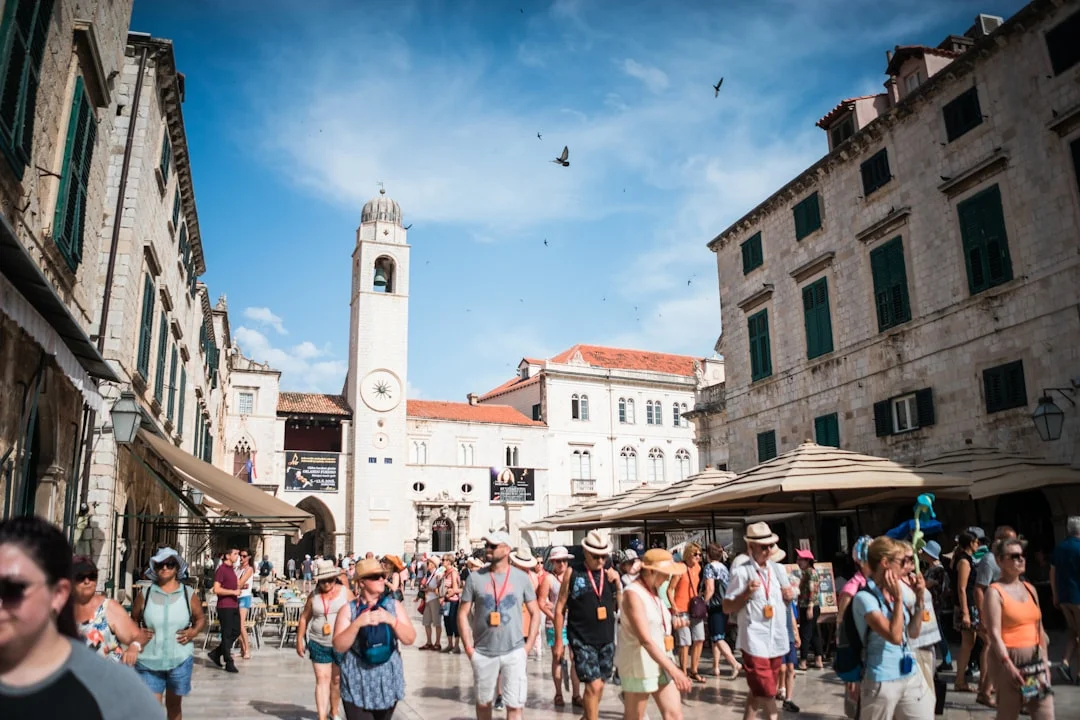
Walking the Dubrovnik city walls is the city's signature experience. You cover nearly two kilometres of ramparts several metres up, with spectacular views over the orange roofs on one side and the Adriatic on the other. The high point comes at the bastions facing the sea.
This activity suits any walker, as long as you don't mind stairs and can handle the sun. Bring water, a hat and comfortable shoes. The ticket, around €35, includes access to the nearby Lovrijenac fort.
- 1 hr 30 min to 2 hrs
- ~EUR 35 per adult (includes Fort Lovrijenac)
Hiking and boardwalks at Plitvice
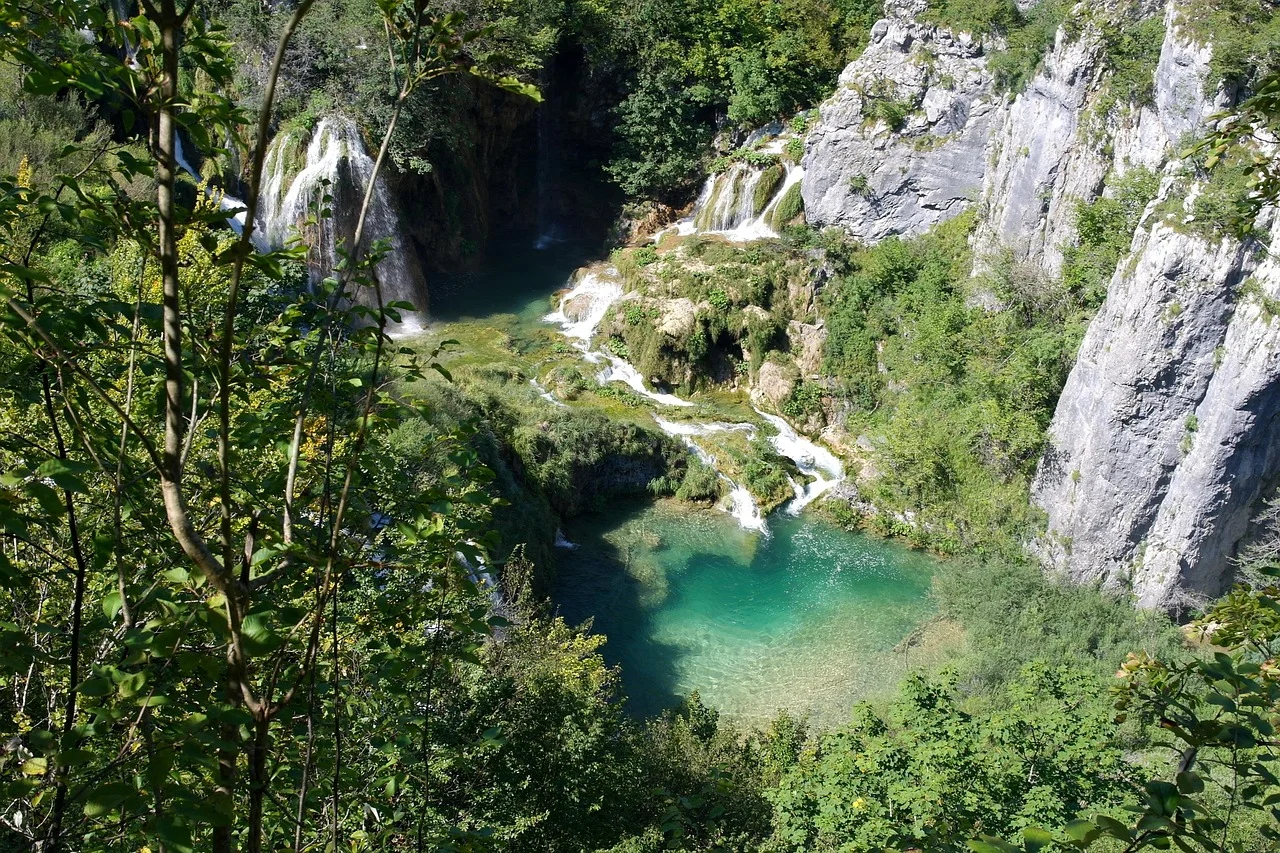
Hiking at Plitvice takes you along a network of wooden boardwalks that follow the turquoise lakes right at water level. You walk between waterfalls and forests, taking shuttles and electric boats to link the different areas. Passing in front of the great Veliki Slap waterfall is the highlight of the visit.
This outing suits families and nature lovers, with no major technical difficulty. The price ranges from €10 to €40 depending on the season. Book your time slot in advance and arrive early to enjoy the calm.
- Half day to full day
- EUR 10 to 40 per person depending on the season
Island-hopping in Dalmatia
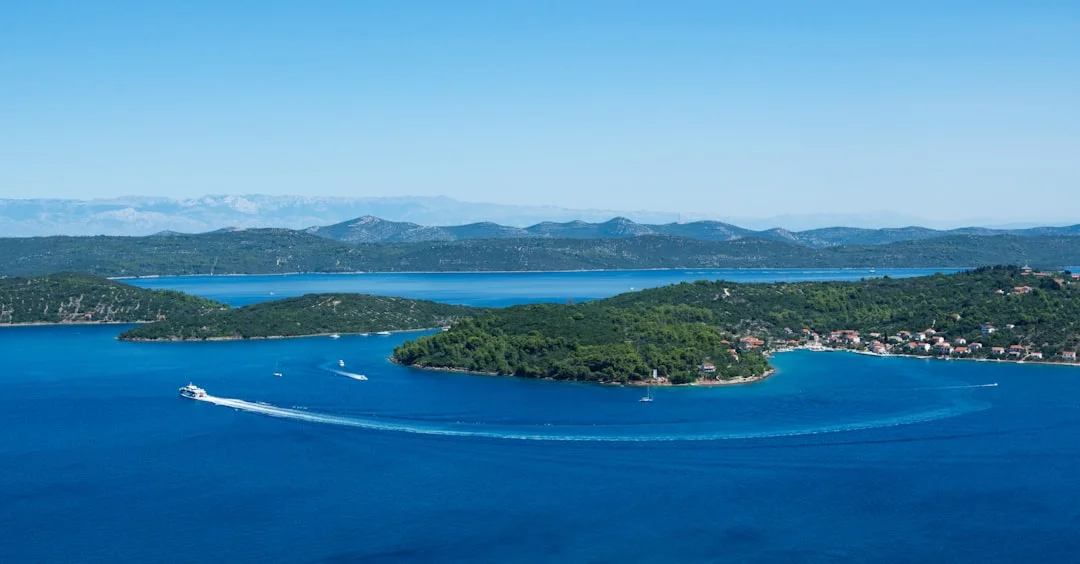
A day of sailing reveals Dalmatia at its best. Aboard a boat or a catamaran, you reach several islands and coves, like the Pakleni islets or the Blue Cave, with swimming in crystal-clear waters. Mooring off a deserted cove is often the big moment.
This excursion appeals to sea lovers, as a couple, with family or among friends. The budget runs from €50 to €120 depending on the format and length. Choose a certified operator and check what the price covers, with meals and drinks included or not.
- Full day
- EUR 50 to 120 per person
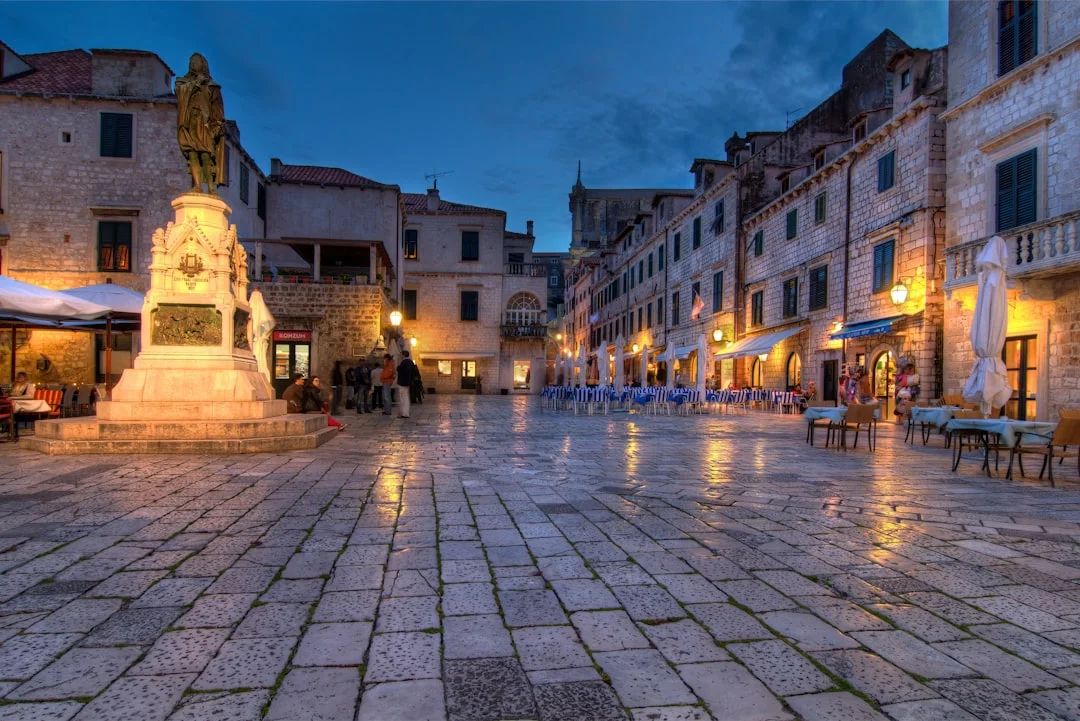
Diocletian's Palace and Split guided tour
The guided tour of Diocletian's Palace brings Split's Roman history back to life. You walk through the peristyle, the vaulted basements and the ancient lanes while listening to stories from imperial and medieval times. Going down into the surprisingly intact basements often leaves the strongest impression.
This activity suits those who want to understand what they're seeing rather than wandering at random. Allow 2 to 3 hours and a budget of €15 to €30 for a guided tour. You can then explore the rest of the quarter freely and for free.
- 2 to 3 hrs
- EUR 15 to 30 per person (guided tour)
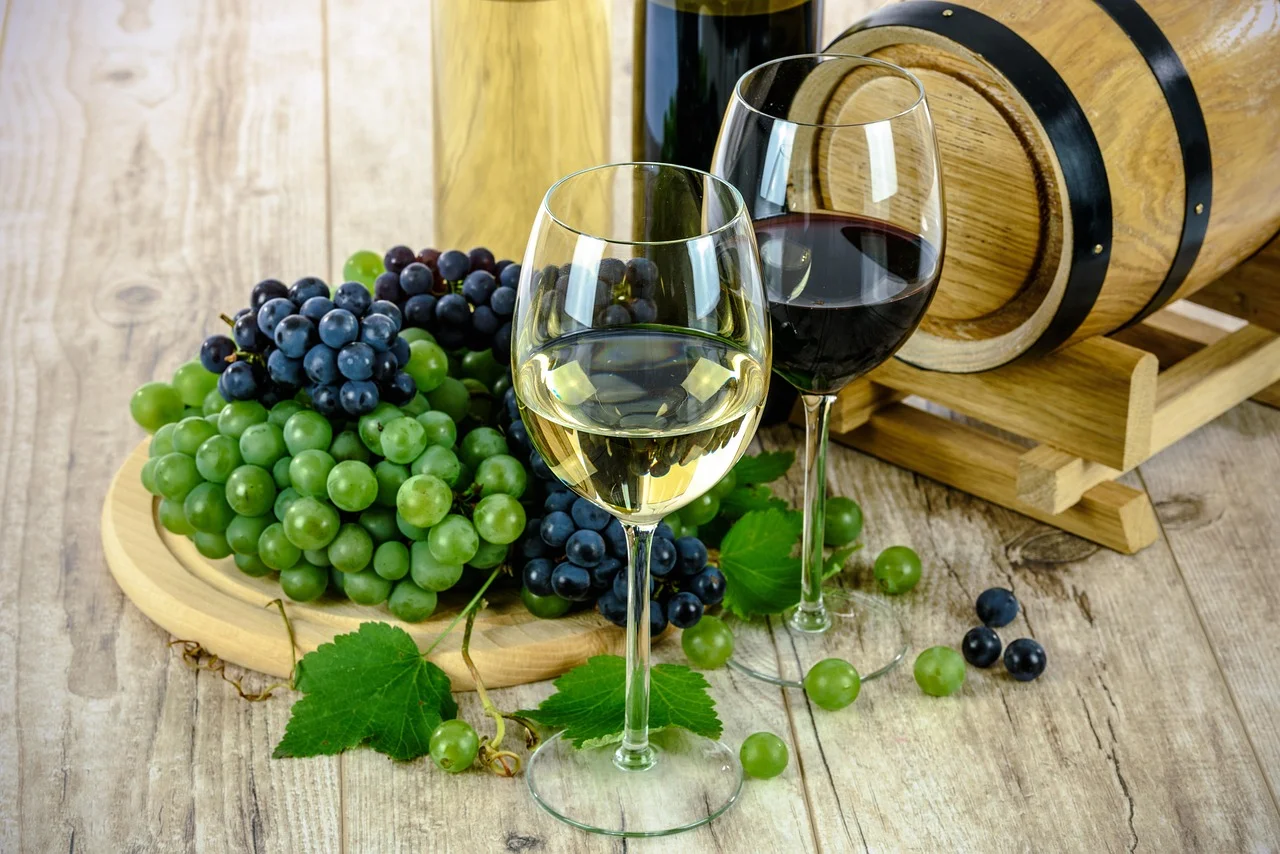
Istria wine and olive oil route
The Istrian hinterland is best savoured glass in hand. A half day on the wine route leads you from estate to estate, discovering the Malvazija grapes and the region's award-winning olive oils. The tasting paired with pršut and cheese, facing the hills, is a pure moment of pleasure.
This outing delights food lovers and wine-tourism fans, ideally by car or with a driver. The budget runs from €40 to €80 depending on the estates and tastings. Plan a sober driver or an organised excursion to enjoy it without worry.
- Half day
- EUR 40 to 80 per person
Getting there
Five airports serve Croatia (Zagreb, Split, Dubrovnik, Zadar, Pula), with direct flights from Paris and several European cities.
Flying is the simplest way to reach Croatia from Western Europe. The country has several international airports: Zagreb (ZAG), Split (SPU), Dubrovnik (DBV), Zadar (ZAD) and Pula (PUY). Direct flights leave from Paris and other major European cities, especially in season.
Your choice of airport depends on your itinerary. Split makes an ideal base for Dalmatia and the islands. Dubrovnik suits the south, while Pula and the nearby airport of Rijeka serve Istria. Zagreb stays handy for the capital and the interior.
Driving is another option from Central Europe. Plenty of long-distance buses link Germany, Austria, Slovenia and Italy to Croatia. Croatian motorways are modern but tolled. Expect a long day of driving from eastern France.
Torn between flying and driving? The plane wins on time, the car wins on freedom once you're there.
Getting around
A car (from around €35/day off-season) gives the most freedom, backed by Jadrolinija ferries and a dense, affordable bus network.
To explore Croatia, the car is king. Rental starts around €35/day off-season and unlocks villages, coves and parks that are hard to reach by public transport. The road network is good, but the winding coastal roads call for careful driving.
The islands are reached by boat. The Jadrolinija company runs most of the ferries and fast catamarans to Hvar, Korčula, Brač or Vis. Ferries carry cars, while catamarans take passengers only but travel faster.
The long-distance bus is the other pillar of transport. The network is dense, reliable and affordable, linking every major city. It's the ideal solution for travelling between Split, Zadar, Zagreb or Dubrovnik without a car.
In town, Zagreb has efficient trams and Split has handy city buses. Need flexibility for the islands? Combine buses on the mainland with catamarans for the sea.
What to do
Croatia combines 10 UNESCO sites, national parks like Plitvice and Krka, island-hopping and Istrian wine tourism.
Things to do in Croatia revolve around three main themes: heritage, nature and the sea. On the cultural side, the 10 UNESCO World Heritage sites shape any trip, from the walls of Dubrovnik to Diocletian's Palace and Šibenik Cathedral.
Nature delivers spectacular scenery. The national parks of Plitvice and Krka line up turquoise lakes and waterfalls connected by wooden boardwalks. You can hike, watch wildlife and, at Krka, swim in zones that are now strictly regulated.
The sea remains the headline playground. Island-hopping, diving, sea kayaking along the cliffs and lazing on pebble beaches fill the days. In Istria, wine tourism and truffle hunting add a gourmet touch.
Not sure about your plan? Pick from our detailed points of interest and activities below to build your own itinerary.
Food
Croatian cuisine blends Mediterranean and continental influences, with grilled fish, peka, pršut and Istrian truffles, for €7 to €30 per meal.
Croatian food splits between coast and interior. On the Adriatic, you'll enjoy grilled fish, squid and peka, meat or octopus slow-cooked under a bell of embers. Olive oil and herbs season almost every dish.
The interior leans towards heartier continental cooking, mixing Austrian and Hungarian influences. Among the signature products are pršut (cured ham), cheese from the island of Pag and Istrian truffles, prized across Europe.
The local wines are worth seeking out. Try the Malvazija and Pošip whites, and the powerful Plavac mali red. Istria also produces olive oils that win awards worldwide.
For budget, expect around €7 to €30 per meal depending on the spot. A portion of fried squid by the sea costs little; dinner at a fine-dining restaurant climbs fast. After something authentic? Look for konobas, those family-run taverns.
Itineraries
Three classic itineraries cover the essentials: Dalmatia in a week, the coast and parks in ten days, or Istria in a week.
Here are three tried-and-tested itineraries to structure your trip around the time you have. Each blends heritage, nature and seaside, without rushing from one stop to the next.
- 1 week in Dalmatia: Split, Trogir, Hvar, Korčula then Dubrovnik. A concentrate of islands, UNESCO towns and beaches, ideal for a first visit.
- 10 days, coast and parks: Zagreb, Plitvice, Zadar, Krka, Split then Dubrovnik. The full route to combine the capital, waterfalls and major coastal cities.
- 1 week in Istria: Pula, Rovinj, Poreč and the truffle-and-wine hinterland. Perfect for fans of fine food and Roman heritage.
Got more than two weeks? Combine Dalmatia and Istria by working your way up the coast. For a short first trip, focus on a single region so you can enjoy it stress-free.
Three of those stops have guides of their own: Split, Hvar and Dubrovnik.
Climate & seasons
When to go to Croatia?
Monthly averages over the past 5 years (Open-Meteo).
Best months
- June
- July
| Jan | Feb | Mar | Apr | May | Jun | Jul | Aug | Sep | Oct | Nov | Dec | |
|---|---|---|---|---|---|---|---|---|---|---|---|---|
| Our take | ||||||||||||
| Weather | ||||||||||||
| High | 10° | 12° | 14° | 17° | 22° | 29° | 32° | 31° | 26° | 21° | 15° | 11° |
| Rain (mm) | 102 | 67 | 95 | 103 | 106 | 43 | 34 | 62 | 126 | 110 | 189 | 127 |
When to go
May-June and September-October offer the best balance: 20 to 25°C, swimmable seas and fewer crowds than peak summer.
The best time to visit Croatia falls in spring and early autumn. From May to June and September to October, temperatures sit between 20 and 25°C, the sea stays warm enough for a swim, and the main sights have room to breathe. Prices are gentler too than in high season.
July and August bring the crowds, the heat and the highest rates. This is the season of packed beaches and fully booked accommodation. Winters, mild along the coast, suit city breaks like Zagreb best.
Here's a month-by-month guide:
- April-May: lush nature, parks at their best, sea still cool.
- June: pleasant swimming, long days, moderate crowds.
- July-August: hot, lively, pricey, ideal sea but packed sites.
- September: sea still warm (around 24°C) and crowds clearly thinning out.
- October: mild weather, the grape harvest in Istria, beautiful light.
For swimming alone, aim for June and September. For the parks and hiking, spring is hard to beat.
Budget
Plan around €45/day on a backpacker budget, €90/day in comfort and €160/day at the high end, with Dubrovnik and Split pricier.
Your budget in Croatia varies by comfort level and season. On a backpacker budget, expect around €45/day per person (roughly $50). Comfort runs to about €90/day (roughly $100), and the high end reaches close to €160/day (roughly $175). Dubrovnik and Split cost noticeably more than the rest of the country.
Here's a rough breakdown by category:
- Accommodation: €20 to €30 in a dorm or guesthouse, €60 to €120 for an apartment or a comfortable hotel.
- Meals: €7 to €30 depending on the spot, cheaper in a konoba than a tourist restaurant.
- Transport: affordable long-distance buses, rental from €35/day, ferries a few euros per crossing.
- Activities: park entries and excursions of €10 to €40, island-hopping more expensive.
One simple tip: travelling outside July and August slashes the bill, especially on accommodation.
Where to stay
Split makes an ideal central hub; Dubrovnik charms despite its high prices; the islands and Istria round out the choice of places to stay.
Where you base yourself depends on your itinerary. Split acts as a central hub for Dalmatia, perfect for branching out to the islands and parks. Dubrovnik offers a magical old town but remains the most expensive destination in the country.
Each region has its own mood. Zagreb, the capital, charms with its cafés and museums. The islands of Hvar and Korčula mix beaches and stone villages. Istria, with Pula and Rovinj, pairs Roman heritage with fine food.
For accommodation, the choice is wide: rental apartments, family guesthouses, hotels and rooms in private homes. Apartments dominate and often offer the best value for families.
One simple tip: book early if you're travelling in July or August. The best places, especially on the islands and in Dubrovnik, sell out months ahead.
Safety
Croatia is a safe and stable country; the main thing to watch is petty tourist crime and the winding coastal roads.
Croatia ranks among the safest destinations in Europe. The country is stable and violent crime is rare. The main thing to watch is petty crime, pickpocketing and scams, in very touristy areas like Dubrovnik and Split.
On the road, stay careful. The winding coastal roads call for attentive driving, especially in summer. When swimming, beware of currents and slippery rocks, and keep an eye on children near the waterfalls.
One historical point deserves attention. Some inland areas, former front lines from the 1990s, still contain marked minefields. The rule is simple: stay on the trails and roads, and never wander into unmarked fields.
In an emergency, dial 112, the European number valid everywhere. For up-to-date advice, see France Diplomatie.
Formalities
Croatia has been in the EU and Schengen Area since 1 January 2023: no visa for EU citizens, stays up to 90 days with a valid ID card or passport.
Entry formalities are very simple for European travellers. Croatia is a member of the European Union and has been part of the Schengen Area since 1 January 2023. French citizens and EEA nationals need no visa; other nationalities should check their requirements.
A stay of up to 90 days only requires a national ID card or a valid passport. The currency has been the euro since 2023, which removes any currency exchange for visitors from the eurozone.
On the health side, no vaccines are required. The European Health Insurance Card (EHIC) is strongly recommended to make medical care easier on the spot. Remember to apply for it before you leave.
For official recommendations and updates, check the dedicated page: France Diplomatie.
Tips
A tip of around 10%, drinkable tap water and widely spoken English in tourist areas make Croatia an easy country for travellers.
A few habits make the trip easier. Tipping runs around 10% at restaurants, without being compulsory. Tap water is drinkable everywhere, which cuts down on buying bottles. The power sockets are type C and F, at 230V, the same as much of Europe.
The official language is Croatian, but English is widely spoken in tourist areas. A few words of Croatian are always appreciated. Air conditioning becomes essential in summer, so check that it's included when you book.
On the organisation side, two tips are worth their weight in gold:
- Book your timed ticket for Plitvice in advance, especially in high season.
- Avoid uncertified cruises or excursions: stick with official operators.
Travelling in the height of summer? Pack a hat, sunscreen and plenty of water for the long days of sightseeing.
FAQ
The best time to visit Croatia is May-June or September-October, with a swimmable sea, 20 to 25°C and fewer crowds than summer.
When is the best time to visit Croatia?
May-June and September-October offer the best balance. Temperatures reach 20 to 25°C, the sea stays warm enough for swimming, and crowds thin out clearly compared with July-August. September is often considered the perfect month to combine swimming and sightseeing.
Do you need a visa to visit Croatia?
No, no visa is required for EU and EEA nationals. Croatia has been in the Schengen Area since 1 January 2023. A stay of up to 90 days only needs a valid ID card or passport. Other nationalities should check their own requirements.
What currency does Croatia use?
Croatia has used the euro since 1 January 2023. The kuna is no longer legal tender. Travellers coming from the eurozone have no currency exchange to plan, which clearly simplifies budgeting on the spot.
What are the must-sees on a first trip?
The essentials combine Dubrovnik and its walls, Diocletian's Palace in Split, the lakes of Plitvice and at least one Dalmatian island like Hvar or Korčula. Add Krka or Zadar if time allows.
How much does a trip to Croatia cost?
Expect around €45/day on a backpacker budget, €90/day in comfort and €160/day at the high end. Dubrovnik and Split stay pricier. Travelling outside high season cuts the bill sharply, especially on accommodation.
Sources
The figures in this guide come from the sources below, checked on the publication date.
Leave a comment
Share your thoughts or travel experience. Your email will not be published.