

Contents 30
Overview
Marseille is the oldest city in France, founded 2,600 years ago, and the country's second-largest city with around 870,000 inhabitants.
Marseille is the oldest city in France. Founded around 600 BC by Greeks from Phocaea, that is nearly 2,600 years ago. It is also the country's second-largest city, with around 870,000 inhabitants.
It is the capital of Provence and the administrative seat of the Bouches-du-Rhône department, a great Mediterranean port. The city blends influences, colours and accents, from the Old Port to the lanes of Le Panier.
Here, the sea is never far away. The Calanques open up to the south, and islands dot the horizon. Marseille charms visitors with its authenticity and its lively, down-to-earth energy.
- Region: Provence-Alpes-Côte d'Azur
- Currency: Euro
- Language: French
- Climate: Mediterranean
12 places to take with you
In the guide's order, ready for Google Maps or your GPS.
Book the activities from this guide
Our picks for Marseille, well rated and free to cancel.
-
Book this activity
Calanques boat cruise
from approx. EUR 28 per adult from Cassis
-
Book this activity
Château d'If and Frioul crossing
combined If+Frioul ticket EUR 16.70 + château entry EUR 7
Affiliate links: Travel Advice earns a commission if you book, at no extra cost to you. Learn more

Vallon des Auffes
The Vallon des Auffes is Marseille's best-kept secret. This tiny fishing harbour hides beneath the Corniche viaduct. You come across it by surprise.
Cabins crowded together, colourful boats (the famous "pointus") and drying nets: everything breathes the Provence of long ago. A few renowned restaurants serve bouillabaisse here (Chez Fonfon, L'Épuisette).
It is a true postcard, intimate and away from the crowds. You come for a photo, a dinner by the water or simply the atmosphere. A place that makes you fall in love with Marseille.

Notre-Dame de la Garde
From the top of its hill, the "Bonne Mère" watches over the whole city. Its golden silhouette can be seen from everywhere and offers a 360° panoramic view over Marseille, the port and the sea.
Built in the 19th century in a neo-Byzantine style, the basilica rises to 149 metres. Inside, golden mosaics and ex-votos recall the devotion of the people of Marseille, sailors and fishermen above all.
You come for the view, but also for the atmosphere. Entry is free every day. It is the best vantage point for understanding the city's geography.

Old Port (Vieux-Port)
The Old Port is the beating heart of Marseille: boats swaying, café terraces and the buzz of the quayside. This is where it all begins.
This port has been the cradle of Marseille for 2,600 years. Every morning, the fish market sets up on the Quai des Belges: the day's catch sold straight from the boats.
Look up at the ombrière, a giant mirror designed by Norman Foster in 2013. From here, shuttles set off for the islands and the Calanques.

Calanques National Park
Picture white cliffs plunging into turquoise water. The Calanques offer one of the most beautiful landscapes in the Mediterranean, just a few kilometres from the centre.
This limestone range stretches between Marseille and Cassis: Sormiou, Morgiou, Sugiton and En-Vau. Created in 2012, it is the only national park in Europe that is at once land-based, marine and peri-urban.
You come here to hike, swim or simply take it in. Access requires some planning, but the effort is well worth it. This is the wild face of Marseille.

MuCEM and Fort Saint-Jean
The MuCEM is the symbol of modern Marseille. Its concrete cube wrapped in a black lattice plays off the sea, the sky and the old fort next door.
This Museum of European and Mediterranean Civilisations opened in 2013, the year Marseille was European Capital of Culture, designed by Rudy Ricciotti. A footbridge links the museum to Fort Saint-Jean.
Here you explore exhibitions, rooftops and walkways with superb views. It is a place to experience, between culture and panoramas.

Château d'If
Facing the Old Port stands a fortress set on a tiny island. Château d'If intrigues, somewhere between military history and literary legend.
This former 16th-century prison owes its fame to Alexandre Dumas: his Count of Monte Cristo was imprisoned here.
You walk through cells and ramparts, with a magnificent view of Marseille from the open sea. Entry costs €7, free for under-26s. A short and memorable excursion.

Le Panier
Le Panier (the old town) is the Marseille of times past. You lose yourself in a maze of narrow lanes, stairways and colourful façades. Every street corner is a postcard.
It is the oldest district in the city. Craft workshops, designer boutiques and street art enliven its alleys. You will come across the Vieille Charité, a former 17th-century hospice designed by Pierre Puget.
There is no place for a car here: everything is discovered on foot. It is the ideal spot to feel the down-to-earth soul of Marseille.

Cité Radieuse (Le Corbusier)
The Cité Radieuse fascinates architecture lovers from all over the world. This huge concrete liner raised on pillars looks like nothing else in Marseille.
Le Corbusier designed it between 1947 and 1952. Nicknamed the "Maison du Fada", it embodies brutalism. It has been a UNESCO World Heritage Site since 17 July 2016.
It is a true "vertical city": an indoor shopping street and a rooftop terrace are freely accessible. Guided tours of the apartments run through the tourist office.

Frioul Islands
A few minutes by boat from the Old Port, the Frioul archipelago feels like another world: arid landscapes, crystal-clear waters and silence.
There are two main islands, Ratonneau and Pomègues, joined by a sea wall. The shuttle takes 20 minutes from the Old Port. You will find swimming coves, trails and the former Caroline hospital.
It is an ideal nature break for a half-day: swimming in clear water, hiking and quiet. A striking contrast with the city centre.

Palais Longchamp
The Palais Longchamp is a real eyeful: a majestic colonnade, cascades and a water tower make up a monumental setting, often overlooked by visitors in a hurry.
This 19th-century monument celebrates the arrival of water in Marseille via the canal. At its centre, a sculpted group of bulls rises above the fountains.
The palace houses the Fine Arts Museum and the Natural History Museum. Culture, architecture and a green stroll, away from the Old Port.

Corniche Kennedy and Prado beaches
The Corniche Kennedy runs along the sea for almost 5 kilometres. It is the favourite promenade of locals, with its views of the islands and its famous bench, said to be the longest in the world.
You can walk or cycle it. The path leads to the landscaped Prado beaches, which are free: sand, lawns and swimming areas for families.
At sunset, the place becomes magical. The light sets the sea ablaze. It is the perfect spot to end the day.

La Major Cathedral
You cannot miss La Major. Its stripes of green and white stone give it a unique look, between the sea and the docks of La Joliette.
Its full name is the Sainte-Marie-Majeure Cathedral, built in the 19th century in a Roman-Byzantine style. Green Florentine stone alternates with white. It is one of the largest cathedrals in France.
Set between Le Panier and La Joliette, it can be visited freely. Around it, the Docks vaults and shops round out the walk.
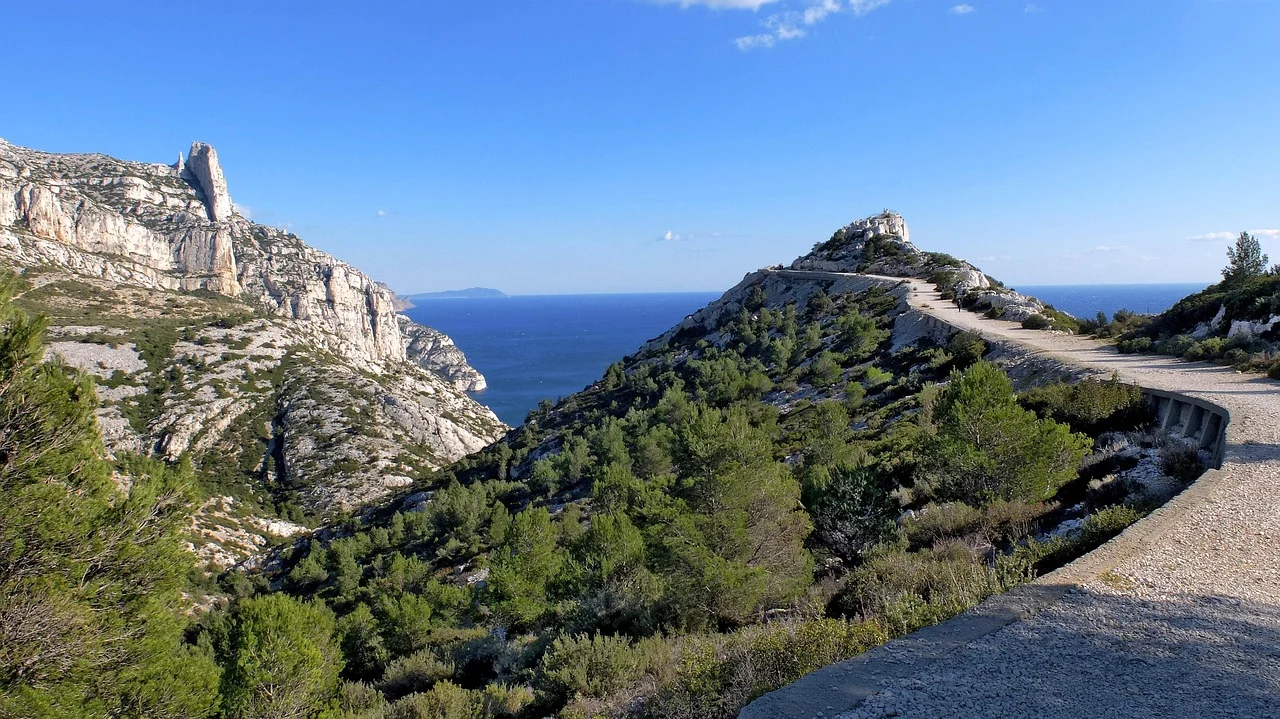
Calanques boat cruise
Set off on a cruise along the Calanques. The boat skirts the white cliffs facing Sormiou, Morgiou and the spectacular En-Vau. The highlight: coves you cannot reach on foot, seen from the water.
Ideal if you are short on time or do not want to hike. Allow 2 to 3.5 hours depending on the route. Bring water, a hat and a light layer if the Mistral is blowing.
- 2 hrs to 3 hrs 30 min
- from approx. EUR 28 per adult from Cassis
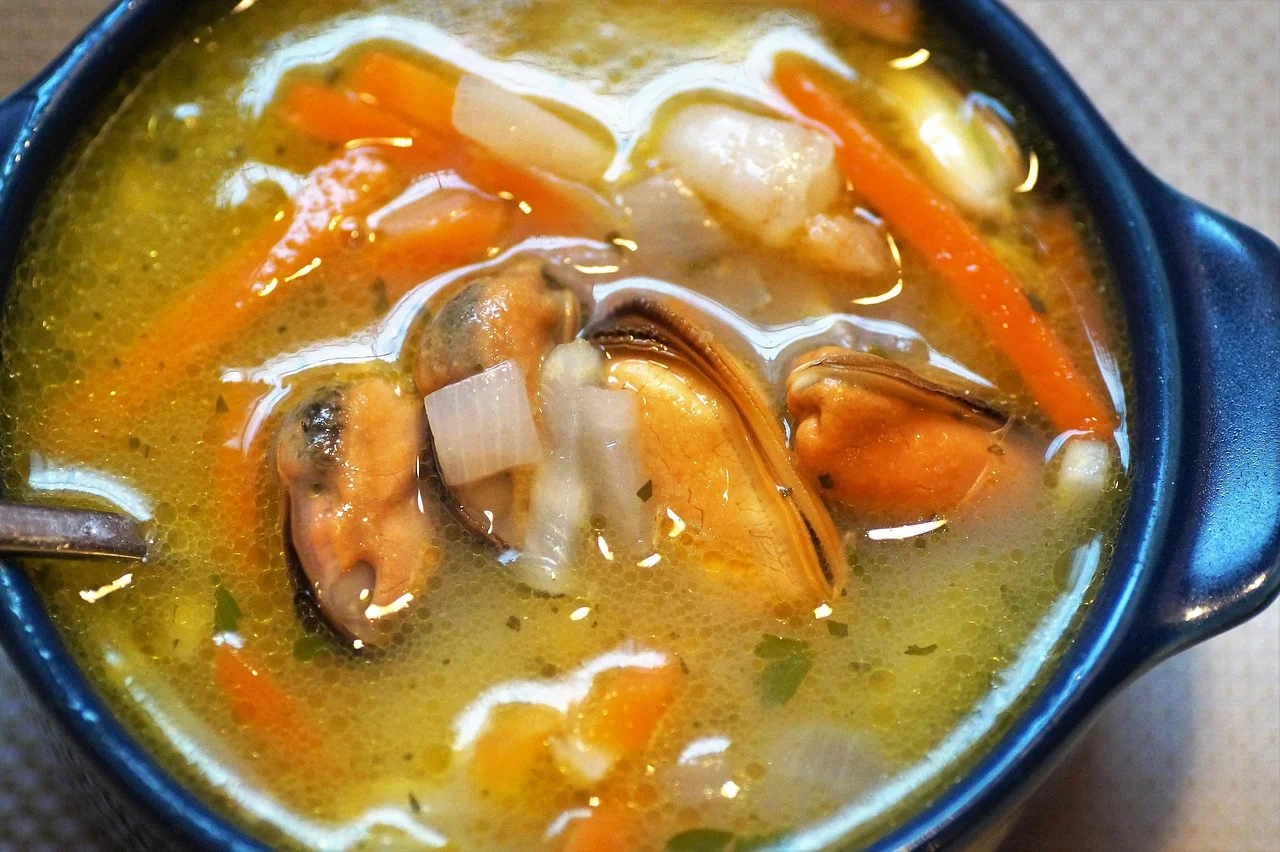
Tasting a real bouillabaisse
Experience real bouillabaisse, served the proper way. First the fish soup, rouille and croutons, then the fish served separately. The ritual is part of the pleasure.
Book a restaurant certified under the Bouillabaisse Charter, and order the day before. Expect €55 to €75 per person. Best shared among fans of Mediterranean cooking.
- 2 hrs to 2 hrs 30 min
- EUR 55 to 75 per person
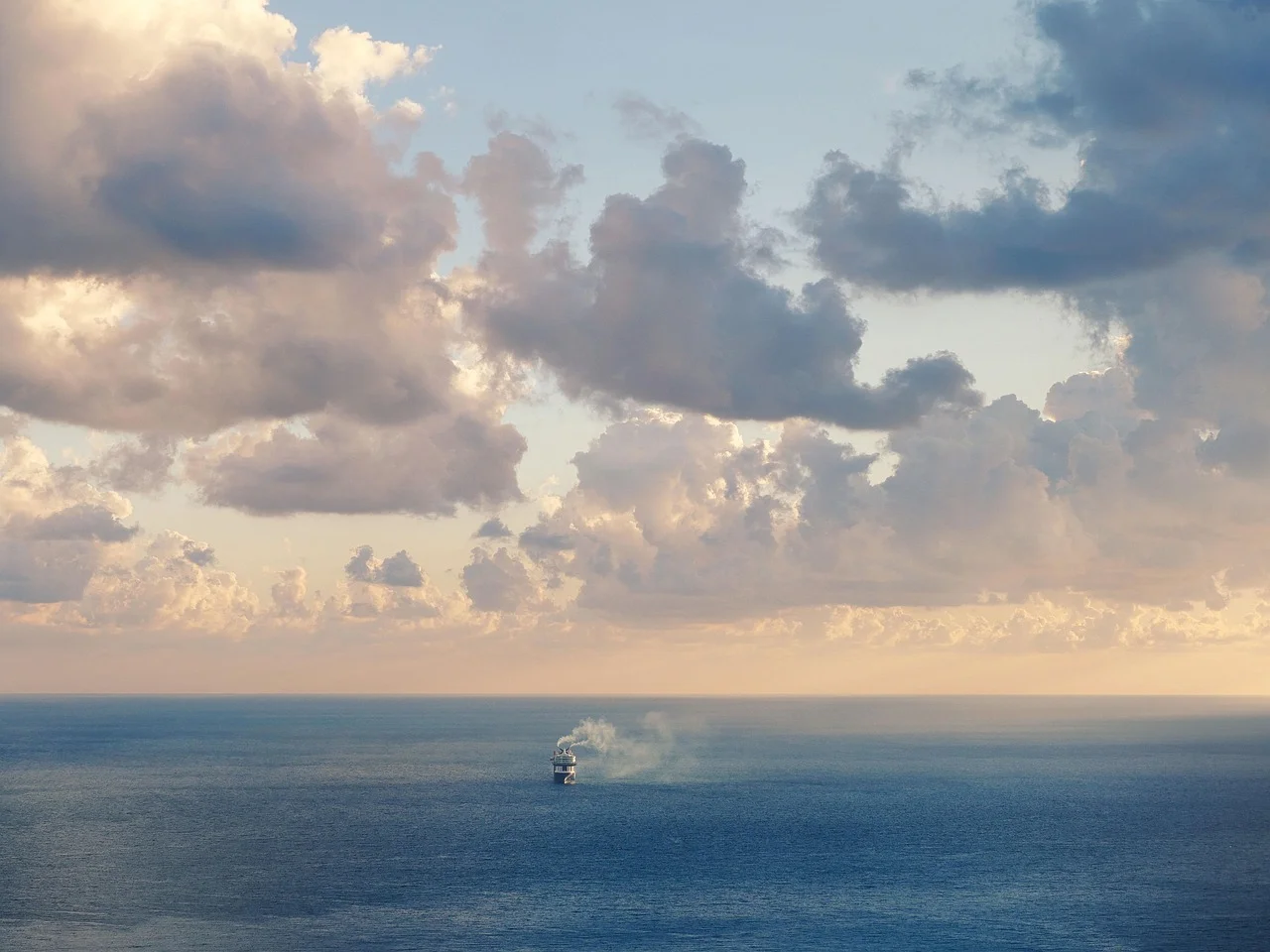
Château d'If and Frioul crossing
Head out to sea for a half-day full of contrasts. The shuttle drops you at Château d'If, the fortress of Monte Cristo, then sets course for the Frioul Islands and their swimming coves.
Perfect for mixing history and relaxation. The combined If + Frioul ticket costs €16.70, plus €7 entry to the château. Bring a swimsuit, water and shoes for the trails.
- half day (3 hrs to 4 hrs)
- combined If+Frioul ticket EUR 16.70 + château entry EUR 7
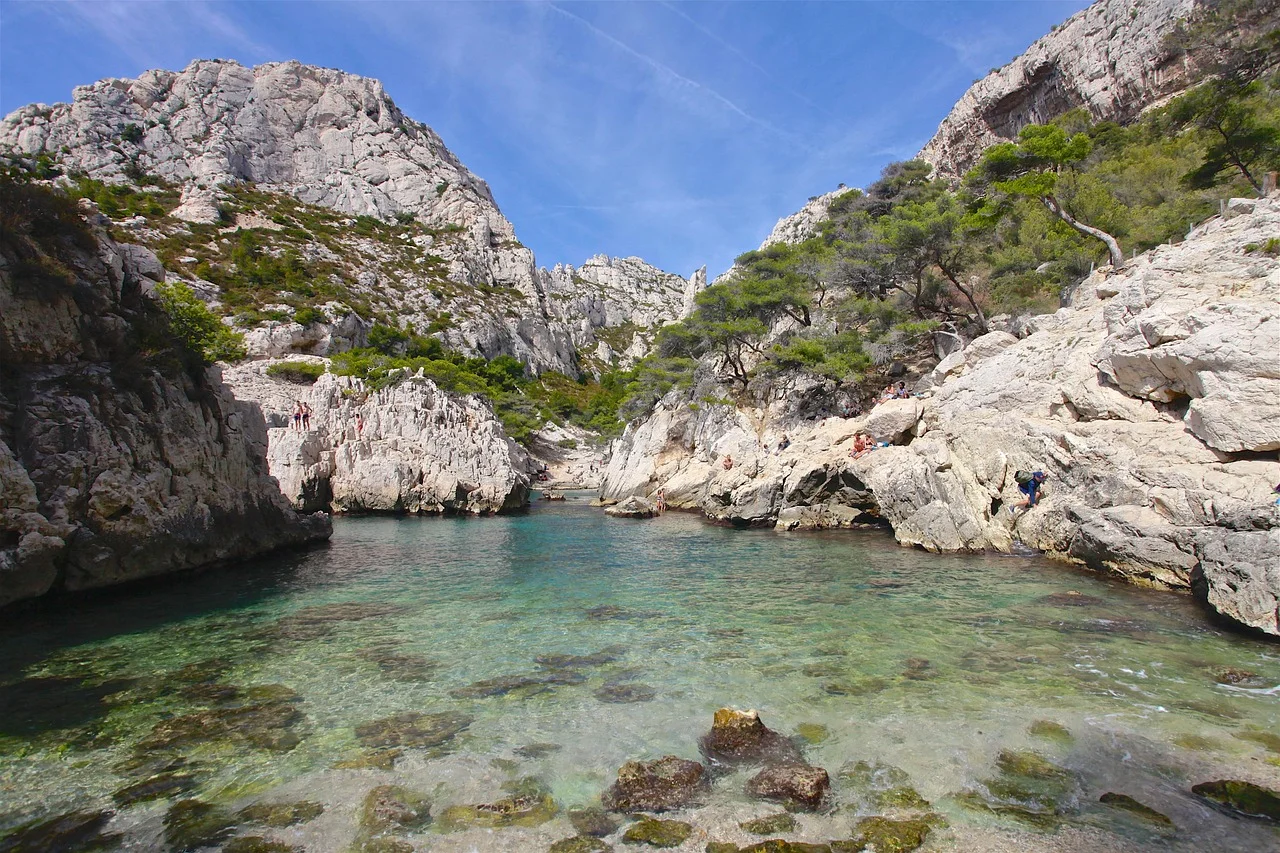
Hiking in the Calanques
Lace up your trainers to explore the Calanques on foot. The trails start from Luminy towards Sugiton or from the Sormiou road. A moderate effort, with the reward of a swim in turquoise water.
It is a free activity, ideal for nature lovers. In summer, booking is required for Sugiton. Bring plenty of water, a hat and closed shoes.
- 3 hrs to 5 hrs
- free (free booking mandatory for Sugiton in summer)
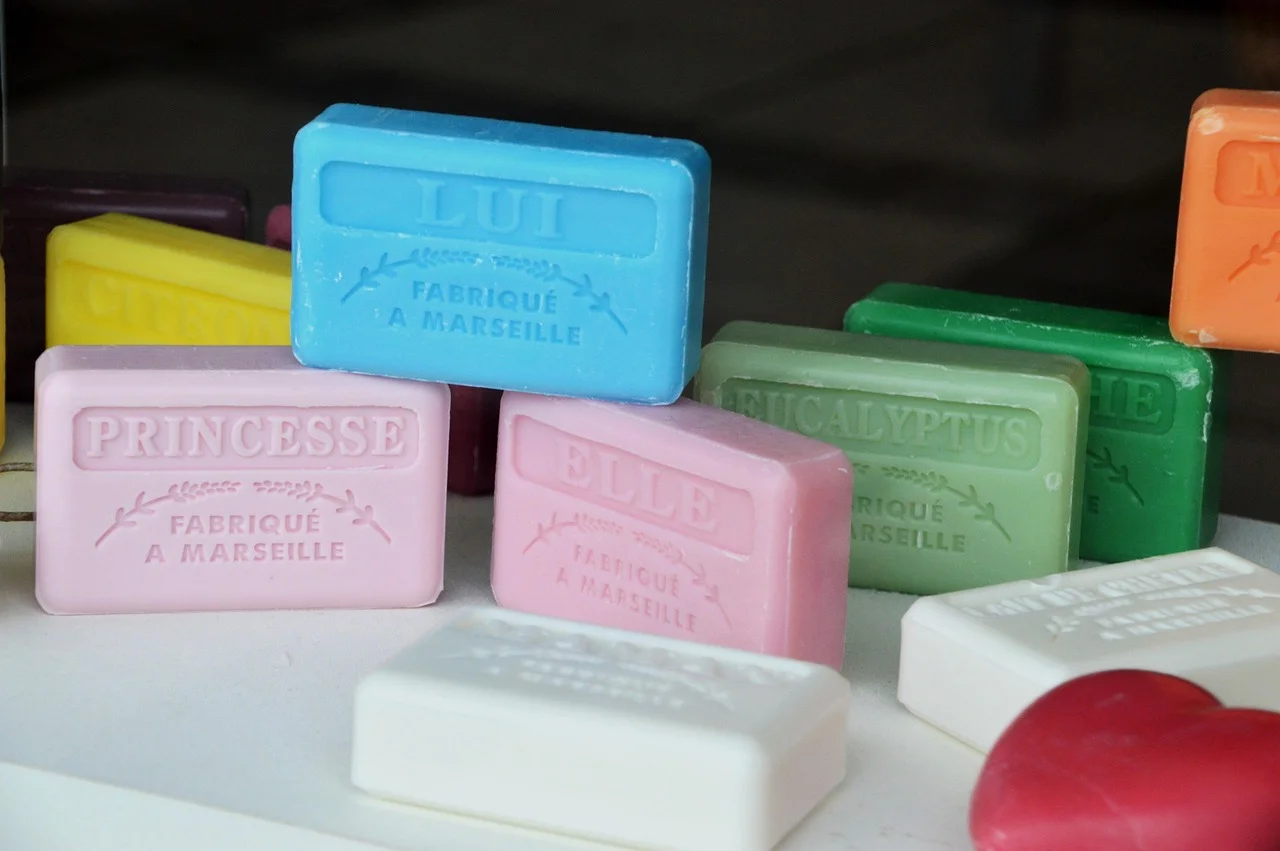
Marseille soap workshop
Step into a centuries-old craft with a Marseille soap workshop. You tour a traditional soap works, see the cauldron-making process, and mould your own soap. Fun, and perfect when the Mistral blows.
It is for everyone, families and friends alike. Expect €15 to €30 per person for around an hour. You leave with a handmade craft souvenir.
- 1 hr to 1 hr 30 min
- EUR 15 to 30 per person
Getting there
You can reach Marseille by TGV (3 hours from Paris) to Saint-Charles station, or via Marseille-Provence airport and the line 91 shuttle (€10).
Marseille-Provence airport (MRS) is in Marignane, about 27 km from the centre. The line 91 shuttle serves Saint-Charles station: €10 one way, around 25 minutes, departing every 10 to 20 minutes.
By train, Saint-Charles station is the main TGV hub. Marseille is just 3 hours from Paris, right in the centre and connected to the metro.
By car, you arrive via the A7 and A55 motorways. Driving and parking in the centre remains tricky: once you are there, a car quickly becomes useless.
Getting around
The RTM network (metro, tram, bus) covers everything you need: a Solo ticket at €1.70, a 24h Pass at €5.20 and the Ferry Boat across the Old Port.
The RTM network covers the whole city: two metro lines (M1, M2), three tram lines (T1, T2, T3) and many buses. The Solo ticket costs €1.70 and is valid for 60 minutes with connections.
For several days: a 24h Pass at €5.20 and a 72h Pass at €10.80, with unlimited metro, tram and bus access.
The Ferry Boat crosses the Old Port from one side to the other. Self-service bikes (levélo) round out the options. The centre is pedestrian-friendly and compact, best explored on foot.
What to do
In Marseille you combine heritage, the sea and the art of living: the Old Port, Notre-Dame de la Garde, the Calanques, MuCEM and Château d'If top the must-see list.
You never get bored in Marseille: heritage, turquoise sea and Mediterranean art of living. We have gathered the 12 must-see attractions in detail below.
The great classics: the Old Port, Notre-Dame de la Garde, Calanques National Park, MuCEM and Château d'If. Each place tells one side of Marseille.
Take time to wander around Cours Julien, a district bursting with street art, colourful murals and café terraces. It is not on our list, but it deserves a stroll at the end of the day.
Food
Marseille's signature dish is bouillabaisse; expect €55 to €75 per person at a good address that has signed the Charter. Pastis, navettes and seafood complete the picture.
Bouillabaisse is the signature dish. A good address respects the Bouillabaisse Charter: fish soup first, then the fish served separately, with rouille and croutons. Expect €55 to €75 per person.
Marseille cuisine goes further: navettes (orange-blossom biscuits), pastis on a terrace, panisses (chickpea cakes) and pieds-paquets for the curious.
Seafood reigns supreme. Every morning, the fish market on the Old Port sells the day's catch on the Quai des Belges. You will find Mediterranean and North African influences across the city centre.
Itineraries
Three days are enough to see Marseille's highlights; allow 4 to 5 days for a full Calanques and Frioul day.
Plan your stay around the time you have. 3 days for the highlights, 4 to 5 days with a full Calanques day plus Frioul.
Day 1: the historic heart. The Old Port in the morning, a stroll through Le Panier, MuCEM, then Notre-Dame de la Garde at sunset.
Day 2: add a nature day in the Calanques, hiking from Luminy or by boat from the Old Port or Cassis.
Day 3: Château d'If and the Frioul Islands in the morning; in the afternoon, the Corniche down to the Prado beaches, then the Cité Radieuse.
Climate & seasons
When to go to France?
Monthly averages over the past 5 years (Open-Meteo).
Best months
- February
- April
- May
- June
- July
- August
- September
- October
| Jan | Feb | Mar | Apr | May | Jun | Jul | Aug | Sep | Oct | Nov | Dec | |
|---|---|---|---|---|---|---|---|---|---|---|---|---|
| Our take | ||||||||||||
| Weather | ||||||||||||
| High | 12° | 13° | 15° | 17° | 21° | 26° | 29° | 29° | 24° | 21° | 16° | 13° |
| Rain (mm) | 39 | 50 | 64 | 40 | 50 | 20 | 11 | 27 | 72 | 71 | 74 | 70 |
| Beach | Beach June | Beach July | Beach August | Beach September | ||||||||
| Hiking & nature | Hiking & nature February | Hiking & nature March | Hiking & nature April | Hiking & nature May | Hiking & nature September | Hiking & nature October | Hiking & nature November | Hiking & nature December | ||||
| City sightseeing | City sightseeing January | City sightseeing February | City sightseeing March | City sightseeing April | City sightseeing May | City sightseeing June | City sightseeing July | City sightseeing August | City sightseeing September | City sightseeing October | City sightseeing November | City sightseeing December |
What to do by season (autumn)
-
Beach
Warm air and water, little rain.
-
Hiking & nature
Mild temperatures, stable conditions.
-
City sightseeing
Pedestrian-friendly most of the year.
When to go
The best months to visit Marseille are May to June and September to October: mild weather, swimmable sea and fewer crowds than in high summer.
Best times to visit: May to June and September to October. Mild weather, a swimmable sea and a city that can breathe. You can enjoy the Calanques without the crowds or the crushing heat.
Avoid July and August: uncomfortable heat, packed sites and rising prices. In summer, access to the Calanques is often restricted because of fire risk.
Keep the Mistral in mind, the northerly wind that can blow hard in any season. It clears the sky and gives wonderful light, but it cools the air. A windbreaker is handy, even in spring.
Budget
Expect around €55/day on a backpacker budget, €120/day for comfort and €250/day for high-end, not counting travel to get there. Many major sites are free.
Marseille suits every budget. Here are daily spending benchmarks on the ground, not counting travel to get there:
- Backpacker: around €55/day (about $60 / £47) (hostel, markets, public transport).
- Comfort: around €120/day (about $130 / £103) (mid-range hotel, restaurants).
- High-end: around €250/day (about $270 / £215) (smart hotel, good restaurants).
Many sites are free: Notre-Dame de la Garde, La Major, Le Panier, the Corniche, the roof of the Cité Radieuse and Longchamp park. You can enjoy Marseille without breaking the bank.
Where to stay
For a first visit, stay near the Old Port or in Le Panier: central and full of charm. Expect from €26 in a dorm and €80 to €120 for a mid-range hotel.
The right neighbourhood depends on your travel style. The most convenient areas:
- Old Port: central and lively, ideal for a first visit.
- Le Panier: charm and picturesque lanes.
- La Joliette / Euroméditerranée: modern, a short walk from the MuCEM.
- Notre-Dame-du-Mont / Cours Julien: bohemian, young and lively.
- Prado / beaches: a seaside feel, quieter.
On budget: a dorm bed from around €26, and a mid-range hotel €80 to €120 a night depending on season and location.
Safety
Marseille's tourist areas (Old Port, Le Panier, MuCEM, Corniche) are safe day and night. The main risk is pickpocketing, especially on the metro.
The tourist districts are safe, both by day and in the evening: the Old Port, Le Panier, MuCEM, Notre-Dame de la Garde, the Corniche, the Prado and the Cité Radieuse.
The main risk is pickpocketing. Stay alert around the Old Port and on the metro and tram at rush hour. Leave nothing visible in your car.
Some northern districts, of no tourist interest, are better avoided in the evening. In the Calanques, the real danger is wildfire in summer: follow the official orders. See the France Diplomatie website. Bring water and closed shoes.
Formalities
Marseille is in France, within the Schengen area: no visa is needed for EU citizens, a valid ID card or passport is enough.
Because Marseille is in France, and therefore in the Schengen area, the formalities are simple for Europeans. No visa is needed for EU citizens: a valid ID card or passport is enough, according to the France Diplomatie website.
Non-EU travellers (UK, US and others) should check their situation: depending on nationality, a short-stay Schengen visa (type C) for 90 days within any 180-day period may be required.
No vaccinations are required. Currency: the Euro, with cards accepted everywhere. Bring a little cash for the markets.
Tips
Before setting off to hike in the Calanques, check the day's access on the Mes Calanques app, and book your bouillabaisse the day before.
The Mes Calanques app shows the permitted access each day: from 1 June to 30 September, access is regulated according to fire risk (green, yellow, red). Check the day before.
For bouillabaisse, book the day before: the best restaurants prepare it to order.
- Cross the Old Port on the Ferry Boat.
- Many sites are free.
- Take bus 60 up to Notre-Dame de la Garde.
- Choose the combined If + Frioul ticket at €16.70.
- Watch out for the Mistral: pack a windbreaker.
FAQ
Allow 3 days to see Marseille's highlights, and 4 to 5 days to add a full Calanques day and the Frioul Islands.
How many days do you need to visit Marseille?
3 days for the highlights (from the Old Port to the Calanques), and 4 to 5 days with a Calanques day and a Frioul day.
What is the best time to go?
May to June and September to October (mild, swimmable sea, fewer crowds). Avoid July and August.
How do you get around without a car?
The RTM network (metro, tram, bus), Solo ticket €1.70, 24h Pass €5.20, the Ferry Boat, and the centre on foot.
How do you reach the centre from the airport?
The line 91 shuttle, €10, around 25 minutes, to Saint-Charles station, then the metro.
Is access to the Calanques free in summer?
No, it is regulated from 1 June to 30 September according to fire risk (Mes Calanques app), and Sugiton requires a booking.
Are Château d'If and Frioul worth the trip?
Yes, for a half-day. The combined If + Frioul ticket is €16.70, plus €7 entry to the château.
Where can you eat real bouillabaisse?
At a restaurant that has signed the Charter (Vallon des Auffes, Old Port), booking the day before, €55 to €75 per person.
Is Marseille safe?
The tourist districts are safe by day and in the evening; the main risk is pickpocketing (metro, tram, Old Port).
Sources
The figures in this guide come from the sources below, checked on the publication date.
Leave a comment
Share your thoughts or travel experience. Your email will not be published.