

Contents 30
The capital of France, Paris is best explored on foot among the Eiffel Tower, the Louvre, Notre-Dame and the Seine banks, a UNESCO World Heritage site. Each district keeps its own character, from Montmartre to the Latin Quarter, all linked by a dense metro network. This guide gathers the 15 must-sees and the practical tips to plan your stay.
Overview
France's capital, Paris is best explored on foot among monuments, museums and the Seine banks, with the essentials covered in three to four days.
The capital of France, Paris packs some of the world's best-known monuments — the Eiffel Tower, the Louvre, Notre-Dame, the Arc de Triomphe — along both banks of the Seine, among neighbourhoods that each keep their own character, from Montmartre to the Latin Quarter.
The city lends itself to walking: many major sights sit close together, linked by an efficient metro and RER network. Three to four days are enough for the essentials; a longer stay leaves time for museums, markets and strolls along the river, a UNESCO World Heritage site.
15 places to take with you
In the guide's order, ready for Google Maps or your GPS.
Book the activities from this guide
Our picks for Paris, well rated and free to cancel.
-
Book this activity
Guided tour of the Louvre masterpieces
€49 per person, entry included (GetYourGuide price 2026)
-
Book this activity
Guided tour of the Palace of Versailles
€70 per person (GetYourGuide price 2026)
-
Book this activity
Montmartre walking tour with a local guide
€40 per person (GetYourGuide price 2026)
Affiliate links: Travel Advice earns a commission if you book, at no extra cost to you. Learn more

Eiffel Tower
330 metres tall since its antennas were added, the Eiffel Tower was built for the 1889 World's Fair. The first floor has a glass floor and exhibitions on its construction; from the second, the view opens onto the Seine, the Louvre and Notre-Dame; the top, at 276 metres, gives the widest view of Paris. After dark, the tower sparkles for five minutes at the start of every hour.

The Louvre
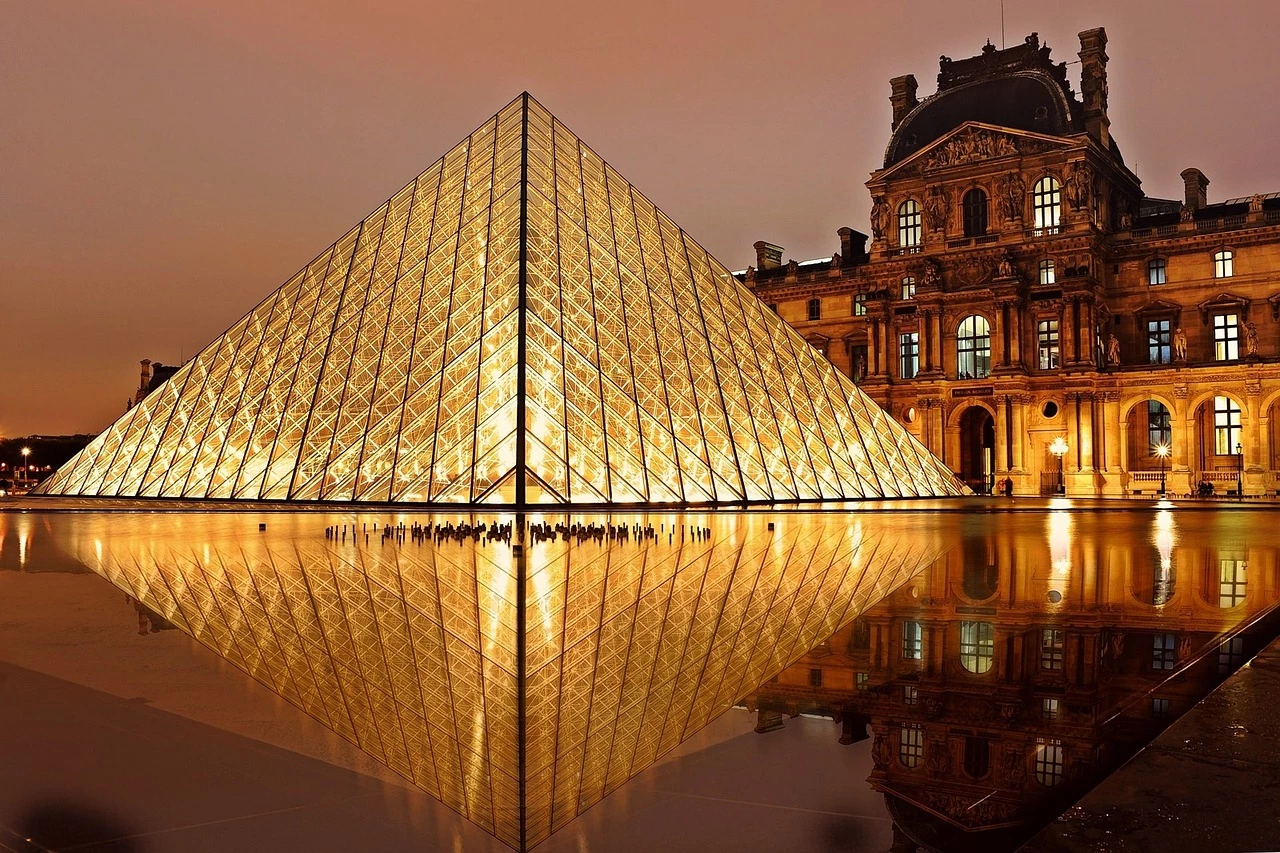
A fortress built by Philip Augustus around 1190, then a royal palace and a museum from 1793, the Louvre was enlarged until the Second Empire before receiving I. M. Pei's Pyramid in 1989. It is the most visited museum in the world: the Mona Lisa, the Winged Victory of Samothrace and the Venus de Milo draw the crowds.
The collections cover Egyptian, Greek and Roman antiquities, European painting up to the 19th century and the arts of Islam. Pick two or three departments rather than trying to see everything, and keep the medieval moats in the basement, remains of the fortress, for a quiet break.

Notre-Dame Cathedral
Begun in the 12th century on the Île de la Cité, Notre-Dame is recognisable by its two towers, its spire and its stained glass. Inside, the high vaulted ceilings give the nave its distinctive atmosphere, and climbing the towers leads to the gargoyles and a view over the Seine and the rooftops. The carved portals reflect the work of medieval craftsmen. Reopened to the public on 8 December 2024 after five years of restoration following the 2019 fire, the cathedral's restored nave is free to enter; booking a timed slot online is strongly recommended to limit the wait.

The Arc de Triomphe and the Champs-Élysées
Built to honour Napoleon's victories, the Arc de Triomphe stands at the top of the Champs-Élysées. Climbing its steps brings you to a terrace overlooking the avenue and the surrounding monuments. The Champs-Élysées runs down from the arch, lined with shops, cafés and terraces, and the avenue takes on a different feel in the evening when the lights come on. Together, the arch and the avenue tell both France's military history and the lively daily life of the capital.

Montmartre and the Sacré-Cœur
At the top of the highest hill in Paris, the bright-white Basilica of the Sacré-Cœur looks out over the city and offers a wide panorama from its forecourt. Below, Montmartre's cobbled streets are lined with cafés and artists' studios, and the Place du Tertre gathers painters working in the open air. Picasso and Toulouse-Lautrec worked here, and the neighbourhood's artistic history is still visible street by street. At the end of the day, the sunset from the hill is worth the trip.

Musée d'Orsay
Set in a former railway station, the Musée d'Orsay has kept its large clocks and glass roof, which now light the galleries. Its collection brings together Impressionist and Post-Impressionist works by Monet, Van Gogh and Degas, along with sculptures and decorative arts from the 19th century. The layout leaves room to look closely and to pause along the way. The visit gives a clear sense of how art changed across the period.

The Sainte-Chapelle
Built in the 13th century on the Île de la Cité, the Sainte-Chapelle is best known for its stained glass, which covers the walls of the upper chapel and depicts biblical stories. A spiral staircase leads up to this room, where light filters through the coloured glass. Originally built to house the Crown of Thorns, it now hosts classical music concerts. Its architecture, slender arches and detailed carvings reflect medieval craftsmanship, and the Seine runs right alongside.

The Hôtel des Invalides
Built in the 17th century under Louis XIV, the Hôtel des Invalides is recognisable by its golden dome, beneath which lies the tomb of Napoleon Bonaparte. The vast courtyard, lined with cannons and statues, leads to the Musée de l'Armée, which displays armour, weapons and military objects tracing the evolution of French conflicts across the centuries. Well-kept gardens surround the complex and provide a quiet space. The site appeals to those interested in military history as much as in classical architecture.

Palais Garnier (Opéra)
Opened in 1875, the Palais Garnier is recognisable by its façade crowded with sculptures, columns and gilded busts, typical of the Napoleon III style. Inside, the grand marble staircase, the gilded Grand Foyer and the red and gold auditorium, whose ceiling was painted by Chagall in 1964, recall the splendour of the Second Empire. The building can be seen on a self-guided or guided visit, or during an opera or ballet performance.

The Panthéon
First built as a church dedicated to Sainte-Geneviève, the Panthéon became a secular monument honouring major French figures. Its columned façade and dome dominate the Latin Quarter, and the interior, with its frescoes and sculptures, depicts historical scenes. The crypt holds the tombs of Voltaire, Rousseau, Victor Hugo and Marie Curie, among others. At certain times, access to the dome offers a panoramic view over Paris.

The Latin Quarter
The intellectual centre of Paris for centuries, the Latin Quarter is home to the Sorbonne, where students and scholars cross paths in the cafés. Its cobbled streets are lined with old bookshops, cafés and small boutiques. The Place de la Sorbonne and the Panthéon anchor the district in the history of French ideas. Nearby, the Luxembourg Gardens offer a quiet space away from the bustle, a good spot to pause between walks.

The Luxembourg Garden
In front of the Luxembourg Palace, the large central basin gives the garden its focal point, surrounded by wrought-iron chairs where people settle in for a break. Shaded paths and flower beds invite a stroll, while the statues spread across the park recall its artistic history. A few steps from the Latin Quarter, it is one of the busiest green spaces on the Left Bank for taking a breather in the middle of Paris.

Alexandre-III Bridge
With its low arch, gilded ornaments and mythological sculptures, the Pont Alexandre III was built to mark the Franco-Russian alliance. Crossing it, you can see the Eiffel Tower on one side and the National Assembly on the other, which makes it one of the most photographed viewpoints in Paris, by day and after dark when it is lit up. The bridge links the Invalides bank to the Grand and Petit Palais, and makes a convenient starting point for exploring the surrounding neighbourhoods.

Seine and canal cruises
A Seine cruise passes the Eiffel Tower, the Louvre and Notre-Dame, all especially striking once they are lit up in the evening. Audio commentary on board covers the history and architecture of the sites along the way, and the options range from a short ride to a dinner cruise, depending on the time you have.
The Paris canals, in particular the Canal Saint-Martin, offer a quieter alternative away from the usual routes. You pass through locks and less-visited neighbourhoods, and some tours led by locals add stories about the places you go by, between cafés and galleries. The Seine and the canals give two complementary ways to discover the city from the water.

Covered Passages
Dating from the 19th century, the covered passages of Paris are shopping arcades sheltered under glass roofs, with cobbled floors and decorated façades. Each has its own character: the Passage des Panoramas, one of the oldest, contrasts with the grander Galerie Vivienne. Beneath these arches you find shops, bookstores, antique dealers and cafés. Tucked away from the main avenues, the passages let you cross certain districts while taking in a slice of the city's commercial history.
Guided tour of the Louvre masterpieces
Meet at the Arc de Triomphe du Carrousel, opposite the Pyramid, then priority entry with a licensed guide for two hours in the best-known rooms: the Mona Lisa, the Venus de Milo, the Winged Victory of Samothrace and the great French paintings. The highlight: reaching the Mona Lisa with the guide's explanations rather than in the crush.
Allow €49 per person on GetYourGuide, entry ticket included, with free cancellation up to 24 hours before; tours in French, English and other languages. The museum is closed on Tuesdays.
- 2-2.5 hrs
- €49 per person, entry included (GetYourGuide price 2026)
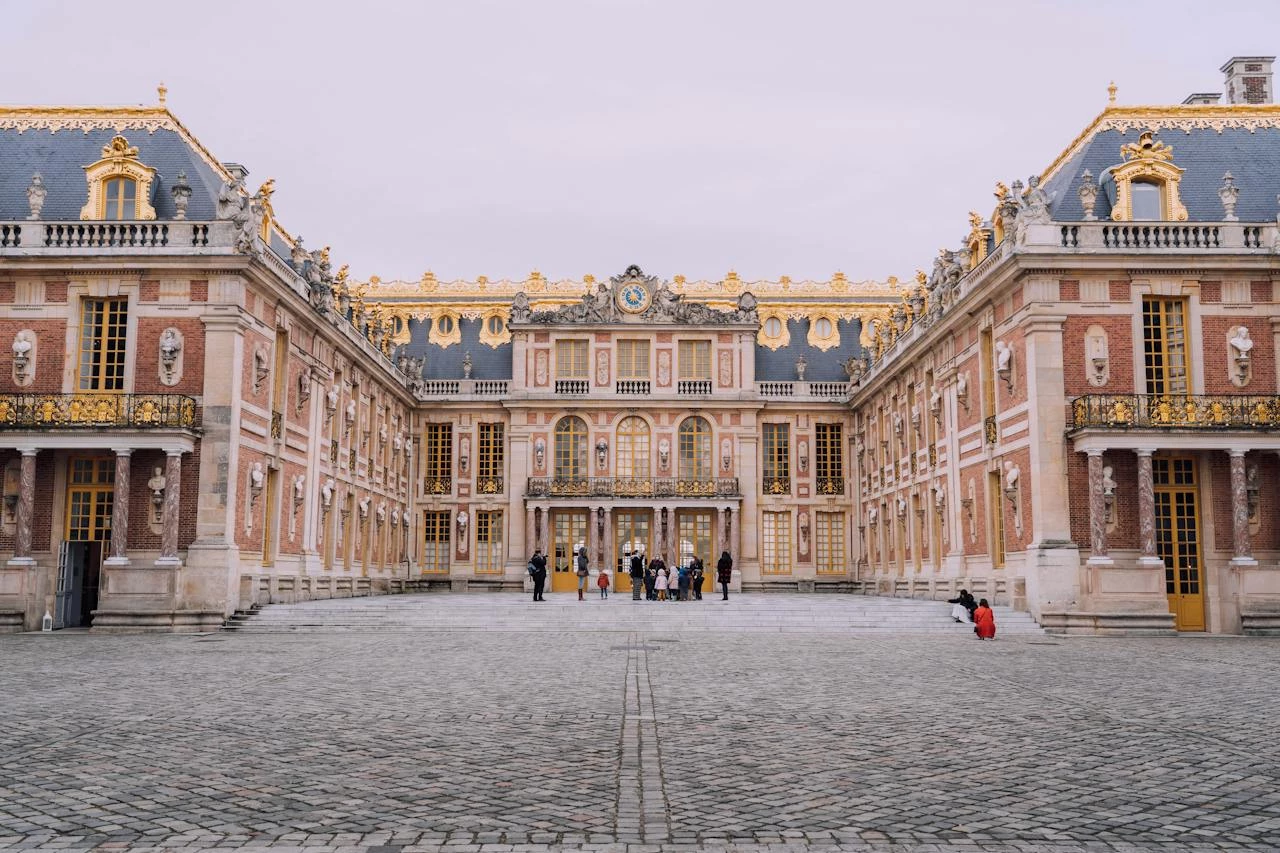
Guided tour of the Palace of Versailles
20 km south-west of Paris by RER C, Louis XIV's palace is visited here with skip-the-line entry and a specialist guide: the King's and Queen's State Apartments, then the Hall of Mirrors, where the Treaty of Versailles was signed in 1919. The highlight: stepping into the Hall of Mirrors and its 357 mirrors.
Allow €70 per person on GetYourGuide, with free cancellation; tours in French, English and several other languages. Keep a full day to add the gardens and the Trianons after the tour; the palace is closed on Mondays.
- 1.5-2 hrs
- €70 per person (GetYourGuide price 2026)
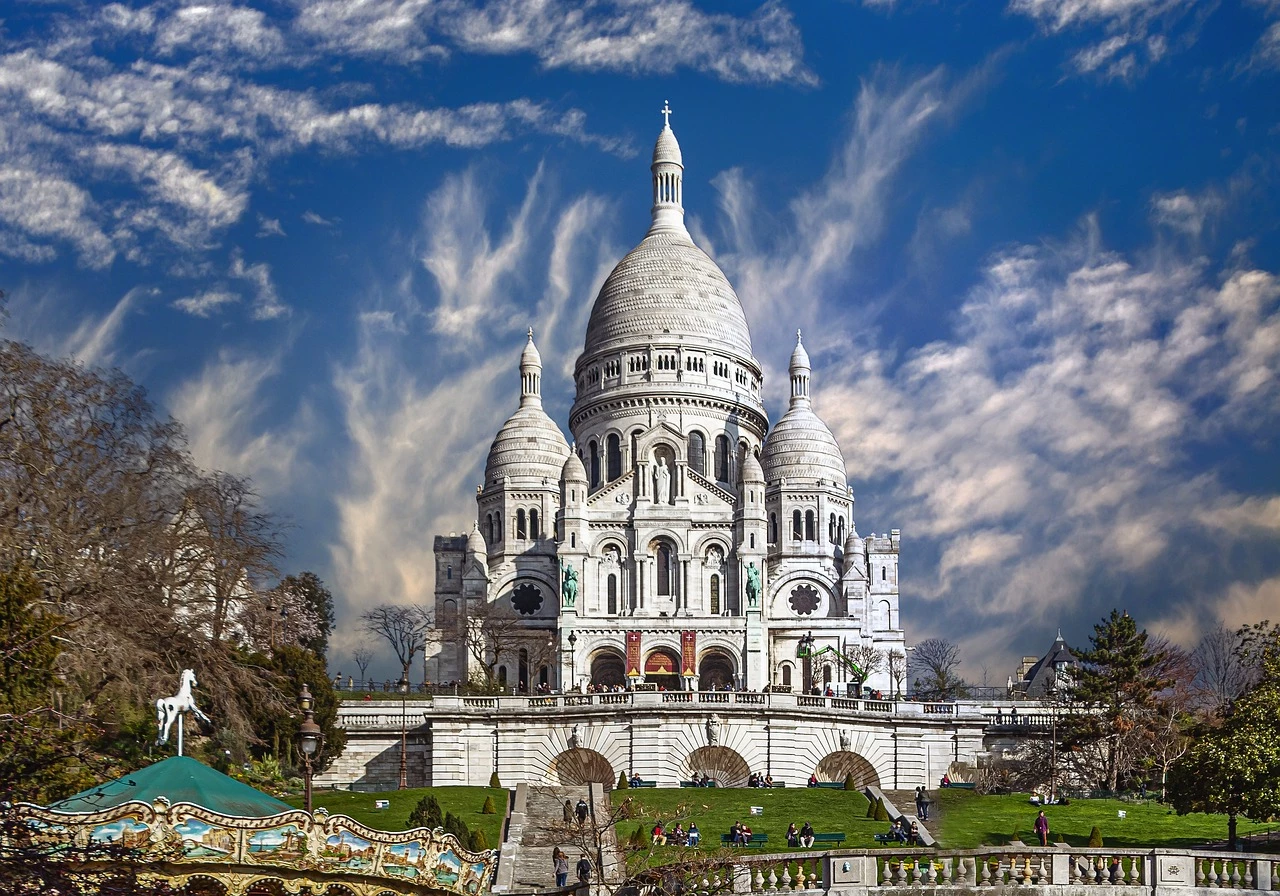
Montmartre walking tour with a local guide
Start at Place Saint-Pierre, below the Sacré-Cœur, then two hours twenty through the streets of the hill in a small group: the Wall of Love, the Bateau-Lavoir where Picasso and Modigliani lived and painted, the vineyard and the quiet lanes away from Place du Tertre. The highlight: the stories of the studios told in front of the Bateau-Lavoir.
Allow €40 per person on GetYourGuide, with free cancellation; the tour is in English. Wear good shoes, the hill is steep and cobbled.
- 2 hrs 20
- €40 per person (GetYourGuide price 2026)
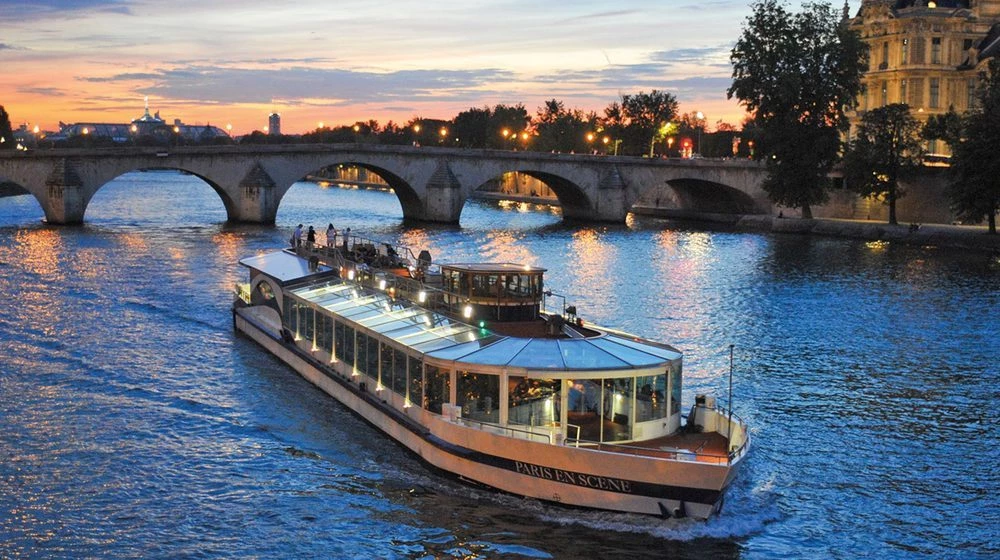
Cruise from the Canal Saint-Martin to the Seine
Two hours by boat with live commentary from the Hôtel du Nord, near Place de la République: the locks and footbridges of the Canal Saint-Martin, the tunnel under the Bastille, then the Seine past Notre-Dame, the Louvre, the Musée d'Orsay and the Eiffel Tower. The highlight: coming out of the Bastille vault onto the Seine.
Allow €33 per person on GetYourGuide, with free cancellation up to 24 hours before; commentary in French and English.
- 2 hrs
- €33 per person (GetYourGuide price 2026)
Going down into the Paris Catacombs
Beneath the 14th arrondissement, the Catacombs fill former limestone quarries where, from the late 18th century, the bones from Paris's overcrowded cemeteries were moved. The route, about 1.5 km long, follows galleries lined with skulls and thighbones arranged in patterns. The highlight: entering the ossuary beneath the inscription 'Stop! This is the empire of death'.
Tickets are timed and booked in advance; the route has more than 200 steps down and back up, and it stays cool all year round.
- 1 hr
- Timed ticket sold on the official Catacombs website
Getting there
By air via Roissy-Charles-de-Gaulle (RER B, 25 to 40 min), Orly (metro line 14 direct to Châtelet) or Beauvais (shuttle to Porte Maillot), or by train at one of the six main stations, including Gare du Nord for the Eurostar.
Paris is easy to reach by air or rail. The city is served by three airports and several major rail stations.
By air
- Paris-Charles de Gaulle (CDG): RER B to Gare du Nord or Châtelet-Les Halles, 25-40 min.
- Paris-Orly (ORY): Métro line 14 direct to Châtelet-Les Halles (since June 2024), about 25 min; the Orly trip is charged at the Paris Region-Airports ticket (€14 in 2026), separate from the standard metro ticket. Otherwise Orlyval + RER B via Antony, or tram T7.
- Beauvais-Tillé (BVA): official shuttle to Porte Maillot (Métro 1 / RER C), 1h15-1h30.
By train
Each main Paris station serves a direction: Gare du Nord (Eurostar to London, Brussels and Amsterdam; northern France), Gare de Lyon (south-east, TGV to Lyon, Marseille, Nice, Switzerland, Italy), Gare Montparnasse (west and south-west: Brittany, Bordeaux, Nantes), Gare de l'Est (eastern France, Germany, Luxembourg), Gare Saint-Lazare (Normandy) and Gare d'Austerlitz (central and south-west France).
The Eurostar arrives at and departs from Gare du Nord, linking Paris to London (St Pancras) as well as Brussels and Amsterdam.
Getting around
The metro and RER, backed by bus, tram, Vélib' and walking, cover everything; avoid the car in the centre.
Paris has a dense transport network covering the whole city and its inner suburbs.
Metro
The fastest way across Paris: 16 lines, closely spaced stations and frequent service. It's the default for most trips in town.
RER
Regional trains linking Paris to its suburbs and airports (CDG, Orly). Faster than the metro over longer distances.
Bus and tram
The bus reaches into neighbourhoods the metro skips and lets you see the city at street level; the tram fills in the network on the outskirts.
Vélib' and walking
Vélib' offers self-service bikes across the city. Many major sights also sit close together, so walking is often the most enjoyable way to link two districts.
Taxis and ride-hailing
Taxis (at ranks, hailed in the street or booked) and ride-hailing apps like Uber are widely available, handy with luggage or late at night.
Since 1 January 2026 a metro-train-RER ticket costs €2.55 anywhere in Île-de-France, and €14 to or from the airports. For fares, a reloadable Navigo Easy card (€2) or a Paris Visite pass covers metro, RER, bus and tram. In the centre, avoid the car (heavy traffic, hard parking); keep it for trips outside Paris.
What to do
The Eiffel Tower, the Louvre and Orsay, Notre-Dame and the Sainte-Chapelle on the Île de la Cité, Montmartre, a Seine cruise; Versailles as a half-day or day trip from Paris.
Three typical days cover the essentials. The first on the Île de la Cité and the Left Bank: Notre-Dame, the Sainte-Chapelle, the Latin Quarter, the Panthéon and the Luxembourg Gardens. The second between museums and grand vistas: the Louvre, the Tuileries, the Musée d'Orsay, then the Invalides, the Pont Alexandre III and the Eiffel Tower at sunset. The third in Montmartre in the morning, the covered passages and the Opéra Garnier in the afternoon, with a Seine cruise in the evening.
With an extra day, the Palace of Versailles, 20 km away by RER C, fills a whole day. The Centre Pompidou is closed for works until 2030. To head on to the coast, see our Normandy guide, 1 hr 15 by train from Paris Saint-Lazare to Rouen.
Climate & seasons
When to go to France?
Monthly averages over the past 5 years (Open-Meteo).
Best months
- April
- May
- August
| Jan | Feb | Mar | Apr | May | Jun | Jul | Aug | Sep | Oct | Nov | Dec | |
|---|---|---|---|---|---|---|---|---|---|---|---|---|
| Our take | ||||||||||||
| Weather | ||||||||||||
| High | 7° | 10° | 13° | 16° | 20° | 24° | 25° | 25° | 22° | 18° | 11° | 9° |
| Rain (mm) | 84 | 47 | 63 | 55 | 72 | 82 | 86 | 71 | 82 | 85 | 66 | 69 |
| City sightseeing | City sightseeing February | City sightseeing March | City sightseeing April | City sightseeing May | City sightseeing June | City sightseeing July | City sightseeing August | City sightseeing September | City sightseeing October | City sightseeing November |
What to do by season (autumn)
-
City sightseeing
Pedestrian-friendly most of the year.
When to go
Spring and autumn combine pleasant weather with moderate crowds; summer is the busiest and winter the quietest.
The best time to visit Paris depends on your preferences for weather, activities and crowds. Each season has its own character.
Spring (March to May)
Often the most pleasant window: mild temperatures, the Tuileries and Luxembourg gardens in bloom, and lengthening days. A good season for monuments and café terraces, with crowds still reasonable before summer.
Summer (June to August)
High, sometimes very hot temperatures, and peak tourist season. The Seine banks and parks come alive, but book the Eiffel Tower and the Louvre ahead to limit the wait.
Autumn (September to November)
Mild temperatures, autumn colours and sites less crowded than in summer. A good time for museums and neighbourhoods like Montmartre or Le Marais.
Winter (December to February)
Cooler, but lively with Christmas decorations and markets, department-store illuminations and ice rinks. Museums are a safe bet on rainy days.
In practice, spring and autumn combine pleasant weather with moderate crowds; summer stays the busiest, winter the quietest.
Budget
Metro ticket €2.55, Eiffel Tower €23.50 to €36.70, Louvre €22 (€32 for non-EU visitors since January 2026); Notre-Dame's nave, the Sacré-Cœur, parks and covered passages are free.
For transport, a metro-train-RER ticket costs €2.55 since 1 January 2026, and a trip to or from Roissy or Orly €14. For monuments in 2026: the Eiffel Tower from €23.50 (second floor by lift) to €36.70 (top by lift), the Louvre €22, or €32 for visitors from outside the EU, Iceland, Liechtenstein and Norway since 14 January 2026, and Notre-Dame's towers €16.
Many places are free: Notre-Dame's nave, the Sacré-Cœur basilica, the Luxembourg and Tuileries gardens, the covered passages, the Seine quays and the Pont Alexandre III. The Paris Museum Pass, valid for 2, 4 or 6 consecutive days, pays off from three paid sites a day; it does not cover the Eiffel Tower.
Where to stay
Le Marais and the Latin Quarter for proximity to the sights, Belleville or La Villette for gentler prices; book early and aim for somewhere near a metro station.
The choice of district matters as much as the type of lodging: above all, aim for somewhere close to a metro station.
In the heart of the sights
- Latin Quarter: central and full of history, steps from the Panthéon and the Sorbonne.
- Le Marais: trendy, with galleries, shops and restaurants, ideal for getting around on foot.
- Champs-Élysées: handy for shopping and near the Arc de Triomphe, but pricier.
More affordable
- Belleville: cosmopolitan and artistic, with more accessible rates.
- La Villette: lively and less touristy, well served by the metro.
On a budget, Montmartre and Le Marais have welcoming hostels; apartment rentals (Airbnb, Booking) offer more independence. In high season, book as early as possible.
Safety
Paris is generally safe; the main risk is pickpocketing around the Eiffel Tower, Notre-Dame, the Champs-Élysées and on metro line 1. Emergencies: 112, police 17.
The main risk for visitors is pickpocketing, common around the Eiffel Tower, Notre-Dame, the Champs-Élysées, at the Louvre and on metro line 1, especially at rush hour and in summer. Carry your bag closed in front of you, keep nothing in back pockets and hold your phone away from the train doors. Beware of petitions and shell games around the monuments, and of 'tickets' sold by touts.
Official taxis have a 'TAXI PARISIEN' light on the roof; turn down drivers who approach you at the airports. Emergency numbers: 112 (European), 17 (police), 15 (medical), 18 (fire).
Formalities
Schengen area: ID card or passport for EU citizens, visa depending on nationality for others, EES registration at external borders since October 2025; currency is the euro.
France is part of the Schengen area. EU, EEA and Swiss nationals enter with a valid identity card or passport. For other travellers, visa-free short stays (up to 90 days in any 180) apply only to certain nationalities: check the rules for your passport before you leave. Since 12 October 2025, the European Entry/Exit System (EES) registers non-European travellers at external borders (photo and fingerprints); the ETIAS travel authorisation is not yet in service and no launch date has been set (September 2026).
The currency is the euro (€) and cards are accepted almost everywhere. No vaccinations are required. Take travel insurance covering medical costs; EU nationals can use their European Health Insurance Card.
FAQ
Three to four days cover the essentials; spring and early autumn are the best seasons, the metro is the fastest way around, and Notre-Dame's nave is free with a booking.
When is the best time to visit Paris?
Spring, March to May, and early autumn, September to October, strike the best balance: mild temperatures, the Tuileries and Luxembourg gardens in bloom, longer days and still-reasonable crowds. Summer, June to August, brings high and sometimes fierce heat along with peak tourist season: the Seine banks come alive, but book the Eiffel Tower and the Louvre ahead to limit queuing. It is also when pickpockets are most active at the major sites. Winter stays quiet and suits museums best.
How many days do you need in Paris?
Three to four days cover the essentials: the Eiffel Tower, the Louvre, Notre-Dame, Montmartre and a Seine cruise, along banks listed as UNESCO world heritage. The city lends itself to that pace because many major sights sit close together, linked by an efficient metro and RER network. A 48- or 96-hour Paris Museum Pass matches a two- or four-day itinerary exactly. A longer stay leaves room for the smaller museums, the markets and long walks along the river.
How do you get around Paris?
The metro is the fastest way to cross Paris, with 16 lines, closely spaced stations and frequent service. The RER links the city to the suburbs and airports and is quicker over long distances, while buses reach the neighbourhoods the metro misses and trams fill in around the edges. For tickets, a Paris Visite pass covers 1 to 5 days, or you can load fares onto a reloadable Navigo Easy card costing €2, sold in stations. Vélib' bike share and walking round out the options nicely.
Is the Paris Museum Pass worth it?
Yes, as soon as you string together paid sites. The pass covers more than 50 museums and monuments, including the Louvre, Orsay, the Arc de Triomphe, Sainte-Chapelle, the Panthéon and Les Invalides, with skip-the-ticket-line access, which matters as much as the price in high season. It comes in 2, 4 or 6 consecutive-day versions, and the 48- or 96-hour options map neatly onto a two- to four-day stay. The maths turns favourable from three paid sites a day. Note that it does not cover the Eiffel Tower.
Is Notre-Dame de Paris open?
Yes. The cathedral reopened on 8 December 2024, after five years of restoration following the 2019 fire. Entry to the nave is free, but booking through the official mobile app is strongly advised. Without a slot, waits can be long at peak times, especially in summer. The visit fits neatly into a day on the Île de la Cité, with Sainte-Chapelle close by, which is covered by the Paris Museum Pass unlike the nave, where access stays free.
Is Paris safe? How do I avoid pickpockets?
Paris is generally safe, but pickpocketing is common near the Eiffel Tower, Notre-Dame, the Champs-Élysées and on metro line 1, peaking in summer when crowds are densest. Three habits cover most of it: a closed cross-body bag worn in front, nothing in back pockets, and extra care in packed carriages and right outside the monuments. The European emergency number is 112, the police 17. Travel insurance is worth having; EU nationals can use their European Health Insurance Card for medical care.
Sources
The figures in this guide come from the sources below, checked on the publication date.
- www.notredamedeparis.fr
- www.france.fr
- www.parismuseumpass.fr
- www.ratp.fr
- www.iledefrance-mobilites.fr
- fr.usembassy.gov
- www.bateauxparisiens.com
- en.wikipedia.org
- en.wikipedia.org
- www.parisaeroport.fr
- www.aeroportparisbeauvais.com
- www.toureiffel.paris
- www.louvre.fr
- www.tours-notre-dame-de-paris.fr
- www.bonjour-ratp.fr
- www.diplomatie.gouv.fr
Leave a comment
Share your thoughts or travel experience. Your email will not be published.