

Contents 31
Overview
Luxor and Aswan hold most of pharaonic Egypt outside Cairo: the temples of Karnak and Luxor, the Valley of the Kings, then 200 km of Nile down to Aswan, Philae and Abu Simbel. Allow a week, ideally between November and February.
Luxor and Aswan make up Upper Egypt, the south of the country, where the Nile runs between two strips of desert. In Luxor, ancient Thebes, the East Bank holds the temples of Karnak and Luxor, and the West Bank the royal necropolises: the Valley of the Kings, the Temple of Hatshepsut, Medinet Habu. The whole area has been a UNESCO World Heritage Site since 1979, as "Ancient Thebes with its Necropolis".
Further south, Aswan is a calmer town set on the granite of the cataracts. People come for the Temple of Philae, the Nubian villages and the trip to Abu Simbel, about 280 km south on the shore of Lake Nasser. These Nubian temples were taken apart and rebuilt in the 1960s and 1970s to escape the rising waters of the High Dam; they form a second UNESCO site, also listed in 1979.
Between the two towns, most travellers choose a Nile cruise: three or four nights on board, with stops at the temples of Edfu and Kom Ombo. Independent travel by train and taxi works just as well and leaves more time on the West Bank. This guide covers both options, the 13 essential sites, the budget and the entry requirements.
If you're flying in via the capital, our Cairo guide covers the Giza pyramids and Islamic Cairo, and our comparison Egypt or Jordan for a first trip helps if you're still deciding.
13 places to take with you
In the guide's order, ready for Google Maps or your GPS.
Book the activities from this guide
Our picks for Luxor, well rated and free to cancel.
-
Book this activity
Sunrise hot-air balloon flight over the West Bank
60 à 130 € par personne selon l'opérateur, transfert inclus
-
Book this activity
Nile cruise from Luxor to Aswan
400 à 1 200 € par personne en pension complète selon le bateau
-
Book this activity
Day trip to Abu Simbel from Aswan
environ 35 à 60 € par personne en groupe, entrée incluse selon la formule
Affiliate links: Travel Advice earns a commission if you book, at no extra cost to you. Learn more

Medinet Habu and the Colossi of Memnon
After the crowds of the Valley of the Kings, Medinet Habu surprises you with its calm: great walls covered in reliefs, some of which keep their blues, reds and yellows.
The mortuary temple of Ramesses III, from the 12th century BC, opens with a fortified gate modelled on Syrian fortresses. Its walls tell of the king's wars, including the battle against the "Sea Peoples". On the way, the Colossi of Memnon, two seated statues of Amenhotep III about 18 m high, are all that remains of his mortuary temple.
Allow an hour at Medinet Habu and ten minutes at the Colossi, freely accessible by the roadside.
Our favourite on the West Bank: reliefs as beautiful as Karnak's, with a fraction of the visitors.

Elephantine Island and the Nubian villages
On Elephantine Island, dirt lanes wind between houses painted blue, yellow and with geometric patterns, and you hear the rooster more than the car horns.
The island faces central Aswan. It is home to two Nubian villages and, at its southern tip, the ruins of ancient Abu with its Nilometer, used to measure the flood. The Nubians, the people of the upper Nile Valley, were largely displaced when Lake Nasser was filled.
Cross by public boat or felucca, wander through the villages, drink karkadé tea in a guesthouse. On the West Bank, other Nubian villages can be visited by motorboat. Half a day.

Karnak Temple
In the Great Hypostyle Hall, you feel tiny: a forest of columns covered in hieroglyphs, so wide that it takes several people to reach around one.
Karnak is the great sanctuary of Amun-Ra, enlarged by successive pharaohs over more than two thousand years. The Hypostyle Hall has 134 columns, and the complex mixes pylons, obelisks, a sacred lake and chapels from every period.
Follow the main axis through the pylons to the sanctuary, then branch off to Hatshepsut's obelisk and the sacred lake. Allow at least two hours, three if you like reading the reliefs.
This is where you grasp the scale of pharaonic power: the Hypostyle Hall alone covers more than 5,000 m².
If your cruise includes Karnak at midday, come back alone one morning: the difference in crowds is huge.

Valley of the Kings
Outside, a valley of bare limestone baking in the sun; inside the tombs, corridors entirely painted with funerary texts, gods and solar boats in still-vivid colours.
The New Kingdom pharaohs had their tombs cut here, hidden in the Theban cliffs, more than sixty in total. Only some are open, on rotation, to protect the paintings.
The general ticket covers three tombs open on the day; Tutankhamun, Seti I and Ramesses V and VI cost extra. Allow two to three hours, plus the little train linking the entrance to the tombs.

Abu Simbel Temples
After three hours of desert, the facade appears on the shore of Lake Nasser: four seated statues of Ramesses II, cut into the cliff, facing the sunrise.
Ramesses II had two temples cut here, the great one dedicated to himself and the main gods, the small one to Queen Nefertari and the goddess Hathor. Threatened by the High Dam's lake, they were cut into blocks and rebuilt higher up in the 1960s, in an operation coordinated by UNESCO.
You visit both temples in one to two hours: halls with Osiride pillars, reliefs of the Battle of Kadesh, the sanctuary at the back of the Great Temple. Around 22 February and 22 October, the rising sun reaches the sanctuary statues.
The flight from Aswan (about forty minutes) costs more but saves 7 hours of driving there and back.

Luxor Temple
After dark, floodlights turn the pylon, the obelisk and the colossi of Ramesses II gold, in the middle of a town that carries on living around them.
Built mainly under Amenhotep III and then enlarged by Ramesses II, the temple was linked to Karnak by an avenue of sphinxes about three kilometres long, excavated and reopened to the public in 2021. Its twin, the other obelisk from the entrance, has stood on Place de la Concorde in Paris since 1836.
You walk through the Court of Ramesses II, the Colonnade of Amenhotep III and the peristyle court to the rear rooms, where Roman frescoes still survive. An hour to an hour and a half is enough.
Its night lighting makes it the ideal evening visit, a few minutes' walk from the Corniche hotels.

Temple of Hatshepsut (Deir el-Bahari)
Three terraces of white columns stack up at the foot of an ochre cliff several hundred metres high: the architecture looks surprisingly modern.
Hatshepsut, one of the few female pharaohs, had this mortuary temple built in the 15th century BC. Its reliefs tell, among other things, of the trading expedition to the land of Punt, with its ships, incense trees and exotic animals.
Climb the ramps to the upper terrace, lined with Osiride statues of the queen, then look for the Punt reliefs on the middle terrace. Allow an hour.
The Valley of the Kings is just on the other side of the mountain, about ten minutes away by car.

Philae Temple
You arrive by boat, between granite rocks, and the temple appears to float on the water, its pylons reflected in the lake.
Philae was the great sanctuary of the goddess Isis, active until the 6th century AD. Flooded for part of the year after the first Aswan dam, it was dismantled and rebuilt on the neighbouring island of Agilkia during the campaign to save the monuments of Nubia.
You walk through the colonnaded court, the pylon with its reliefs of Isis and the Kiosk of Trajan on the water's edge. An hour and a half including the crossing, more if you stay for the sound and light show.
Come in the late afternoon for the light on the Kiosk of Trajan.

Temple of Horus at Edfu
The entrance pylon, as tall as an apartment block, shows the king striking his enemies under the gaze of Horus; behind it, the temple is almost intact, roof included.
Built in the Ptolemaic period, between the 3rd and 1st centuries BC, the Edfu temple is one of the best preserved in Egypt. Long buried in sand, it was protected until it was cleared in the 19th century.
You pass through the court, the hypostyle halls and on to the sanctuary, where the god's granite naos still stands, before walking round the outer corridor. Allow an hour to an hour and a half.
Roof, halls and naos are still in place: you're visiting a near-complete Ptolemaic temple, from pylon to sanctuary.

Kom Ombo Temple
Set on a mound by the Nile, the temple turns honey-coloured at sunset, as the cruise boats line up below it.
Kom Ombo is a double temple, a rarity: its southern half is dedicated to Sobek, the crocodile god, its northern half to Haroeris, a form of Horus. Everything is doubled, from the doors to the sanctuaries.
Follow the two parallel axes, find the so-called "surgical instruments" relief and the carved calendar, then finish at the small museum of mummified crocodiles. Allow an hour.

Luxor Museum
In dark rooms where every statue has its own beam of light, you're a few centimetres from the faces of the pharaohs.
On the Corniche, the museum gathers finds from the Theban region: statues from the Luxor Temple cache discovered in 1989, objects from Tutankhamun's tomb, a reconstructed wall from Akhenaten's temple at Karnak, royal mummies.
The visit takes an hour to an hour and a half, in peace, with clear labels in English.

Unfinished Obelisk
It is still there, lying in the pink rock of the quarry, half freed: the largest obelisk ever attempted in Egypt, abandoned when the granite cracked.
Cut in the Aswan quarries, which supplied granite for temples across the country, it would have stood about 42 metres tall. Nobody knows who ordered it; it is often attributed to Hatshepsut.
Walkways let you see the tool marks and the crack that doomed the project. The visit takes half an hour.

Aswan High Dam
From the top of the dam, you see on one side the blue vastness of Lake Nasser, on the other the Nile, a river again, narrow, heading for Aswan.
Completed in 1970, the High Dam ended the Nile's annual floods and created Lake Nasser, which stretches into Sudan. Its construction forced the rescue of Abu Simbel, Philae and other Nubian temples, and the relocation of many villages.
You stop on the road along the crest, at the Soviet-Egyptian Friendship monument and the viewpoint over the lake. Thirty minutes is enough.
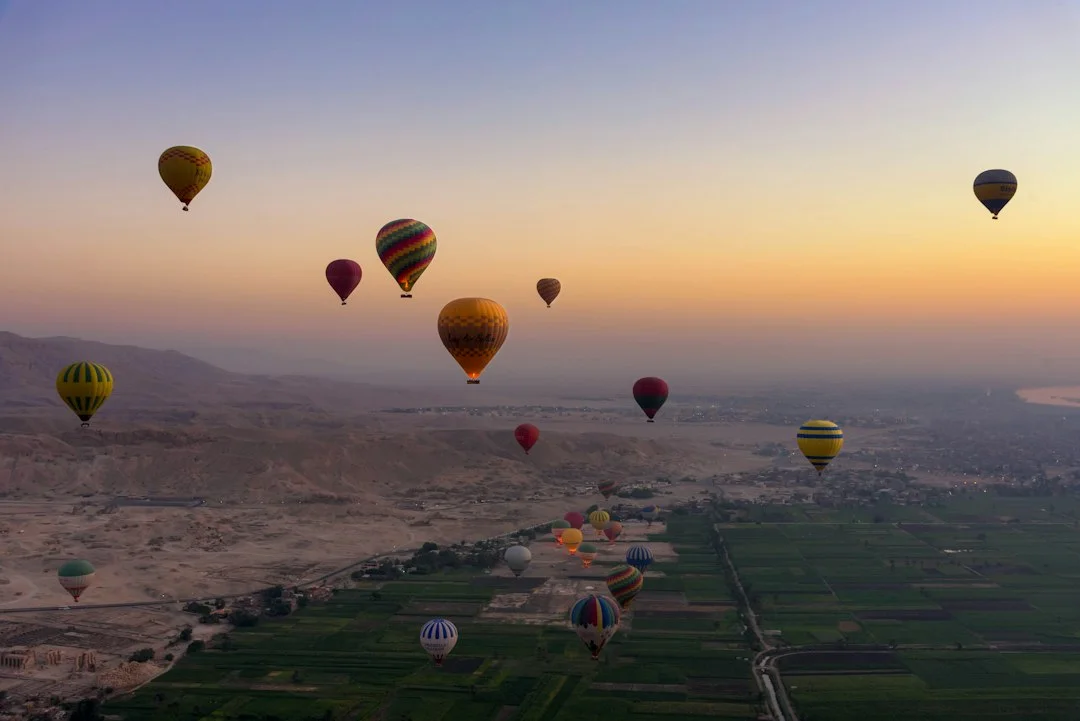
Sunrise hot-air balloon flight over the West Bank
Hotel pickup around 4:30 am, a boat across the Nile, tea while the balloon inflates, then take-off alongside dozens of others. The sun rises behind the East Bank as you float over the Temple of Hatshepsut, the Colossi of Memnon and the sugar-cane fields.
Open to everyone, barring medical restrictions; bring a fleece, as dawn is chilly in winter. Flights are cancelled in high winds: book early in your stay so you can reschedule.
- environ 4 h, transferts compris (vol d'environ 45 min)
- 60 à 130 € par personne selon l'opérateur, transfert inclus
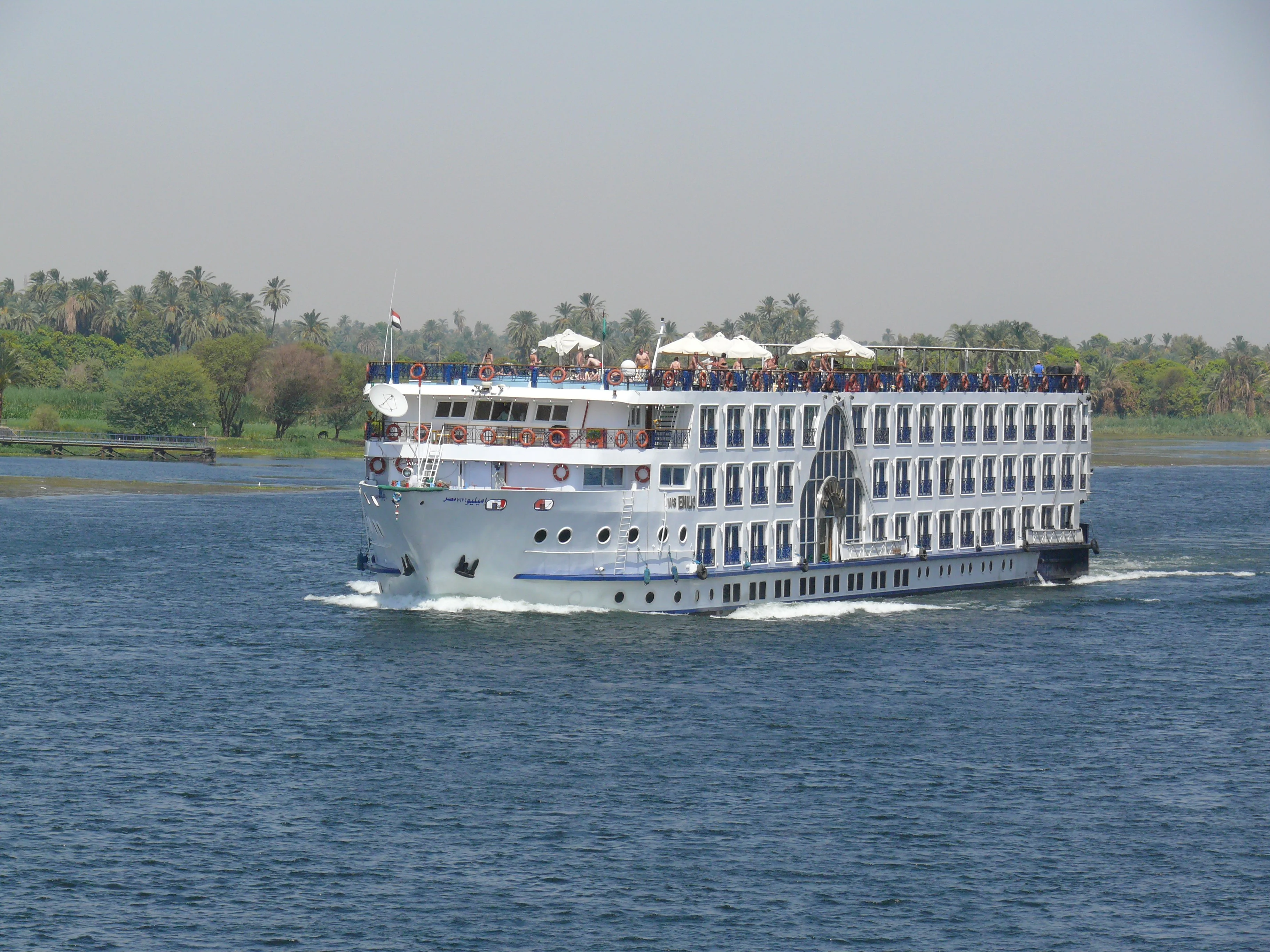
Nile cruise from Luxor to Aswan
Board in Luxor, guided visits of the East and West Banks, then sail south through the Esna lock, with a stop at Edfu early in the morning and Kom Ombo at sunset, before arriving in Aswan. Between stops, you spend hours on the upper deck watching palm groves, villages and feluccas drift past.
Ideal for a first trip, for families or for anyone who'd rather not organise anything. Check what's included (tickets, guide, Abu Simbel) and budget $10 to $15 per person per night for tips.
- 3 à 4 nuits entre Louxor et Assouan
- 400 à 1 200 € par personne en pension complète selon le bateau
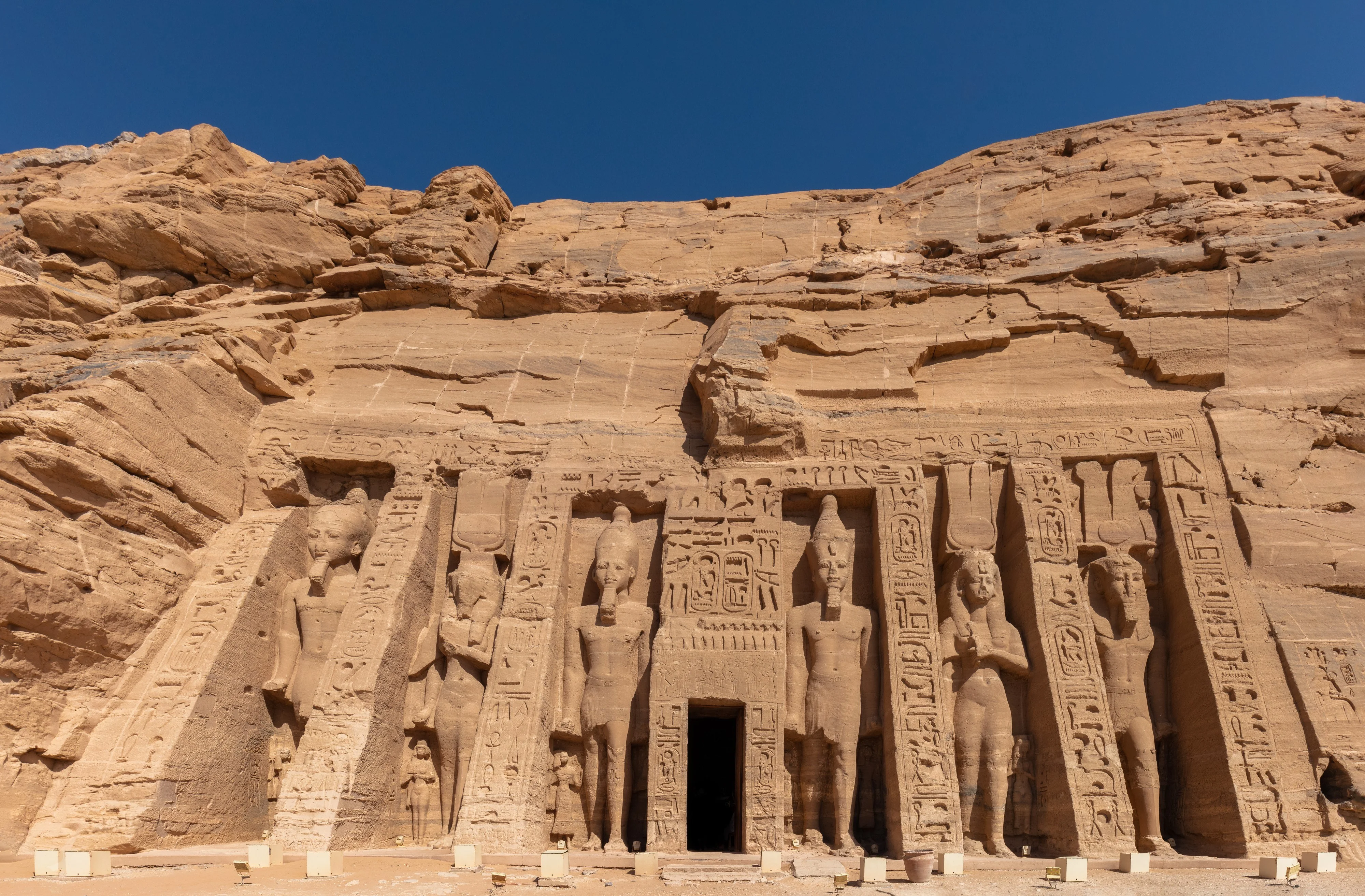
Day trip to Abu Simbel from Aswan
Hotel pickup around 4 am, three and a half hours' drive through the desert, then two hours at the temples of Ramesses II and Nefertari with an Egyptologist guide, before heading back to Aswan in the early afternoon. You see the facade in the morning light, on the shore of Lake Nasser.
A long day but not physically demanding; bring water, a hat and breakfast. Pick a package that includes entry and a guide, otherwise budget about 750 EGP on site.
- journée complète depuis Assouan (environ 3 h 30 de route par trajet)
- environ 35 à 60 € par personne en groupe, entrée incluse selon la formule
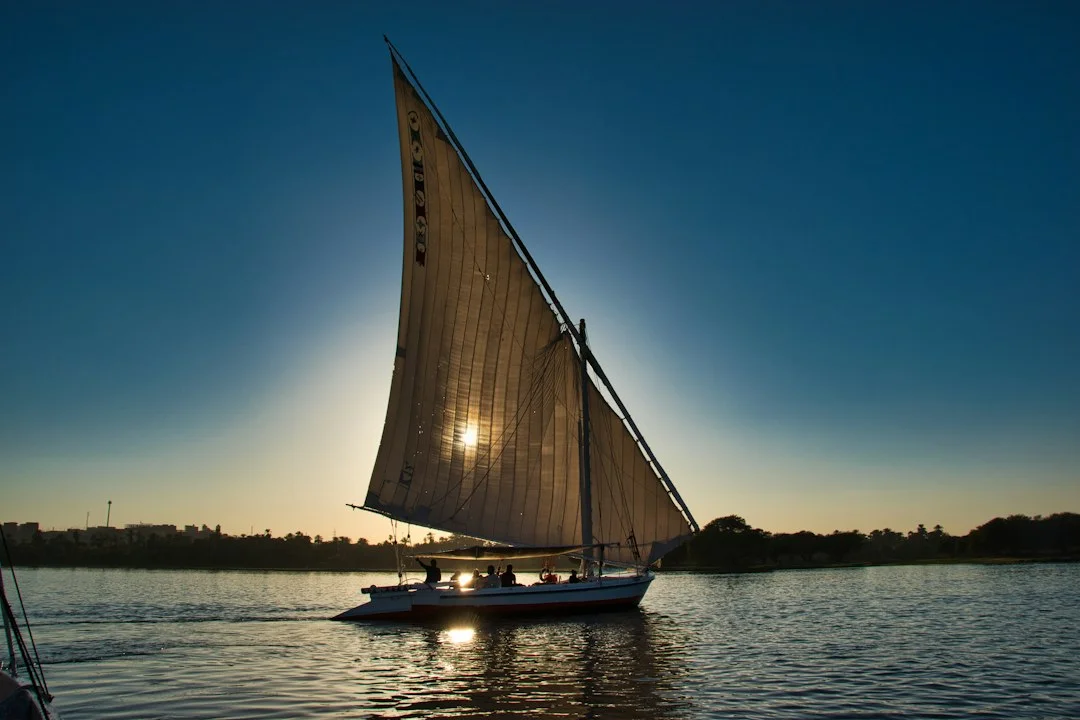
Sunset felucca ride in Aswan
Board on the Corniche in the late afternoon, sail between the granite rocks of the First Cataract, round Elephantine Island and stop at the botanical garden on Kitchener's Island. The highlight: the silence of the sail as the sun drops behind the West Bank dunes and the Aga Khan Mausoleum.
Suitable for everyone, children included. If booking on the spot, agree the duration and total boat price before boarding; online, pickup and duration are guaranteed.
- 2 à 3 h autour de l'île Éléphantine
- environ 15 à 40 € par personne selon la formule (repas en option)
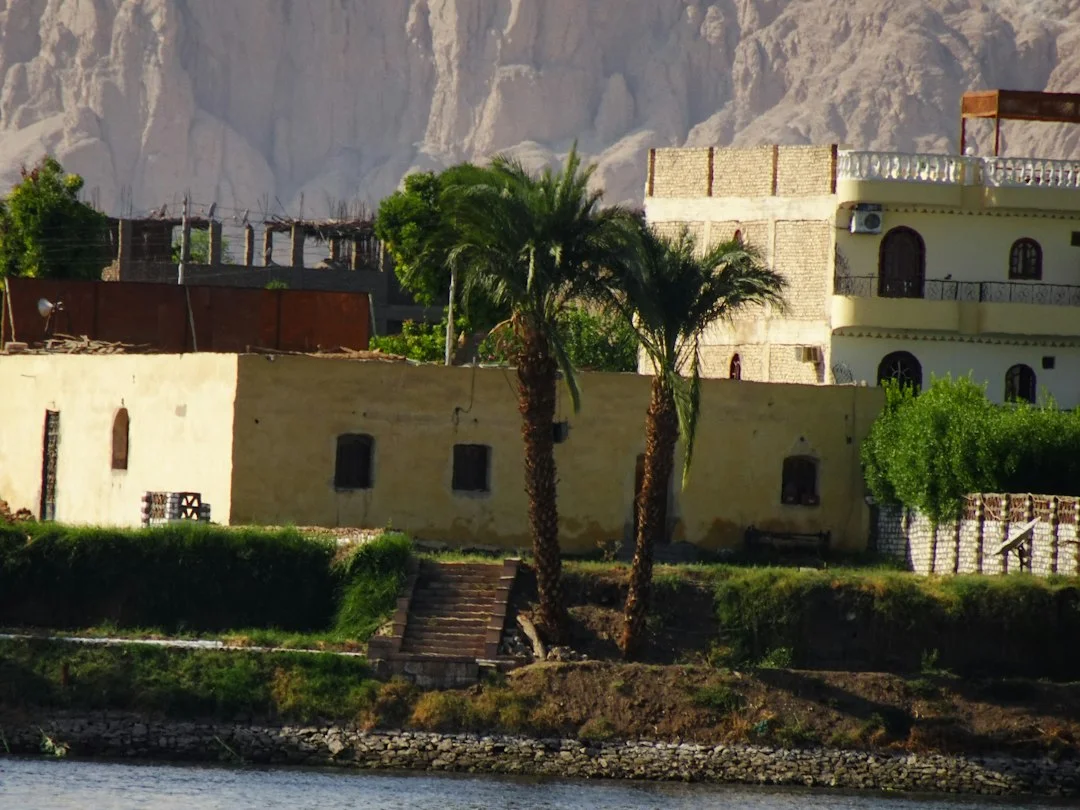
Guided day on Luxor's West Bank
Leave around 7 am, cross the Nile, reach the Valley of the Kings at opening, then the Temple of Hatshepsut and the Colossi of Memnon, with an Egyptologist guide who picks the open tombs and explains the reliefs. The point of starting early: walking into the first tombs while they're still empty.
A good option if you don't want to negotiate a driver on the spot. Check whether tickets are included, and wear closed shoes, a hat and carry two litres of water.
- journée de 6 à 8 h avec transport
- environ 20 à 70 € par personne selon la formule, entrées souvent en sus
Getting there
You reach Luxor or Aswan by air, usually with a connection in Cairo, or from Cairo on the overnight train (about 10 hours to Luxor). Direct flights from Europe are seasonal and infrequent: check them for your dates.
Luxor (LXR) and Aswan (ASW) both have international airports. From Europe, the most reliable option is a flight to Cairo, then a domestic flight of about an hour to Luxor or Aswan. Direct Paris-Luxor flights run in some seasons, at low frequency (around one a week in winter in past seasons), and charter or seasonal links exist from the UK and other European countries: compare dates before building your trip around them.
A good plan is to fly into Luxor and out of Aswan (or the reverse) on an open-jaw ticket, so you don't backtrack along the Nile.
By train from Cairo: the Abela sleeper train links Cairo to Luxor in about 10 h 15 to 10 h 40 and to Aswan in 13 h 15 to 14 h. In 2026, a one-way ticket costs $110 to $170 depending on class and cabin occupancy, dinner and breakfast included. Cheaper day trains also run on the line.
From the Red Sea (Hurghada), Luxor is about 4 hours by road: many travellers combine a beach week with two or three days of temples. To reach Giza without a taxi during a Cairo stop, see our article on getting to the pyramids by metro and bus.
Getting around
Between Luxor and Aswan, choose a cruise (3 to 4 nights) or the day train; locally, use taxis, cars with drivers, Uber or Careem, and boats to cross the Nile. Avoid driving yourself, especially at night.
The two towns are about 200 km apart along the valley. Three ways to link them:
- The cruise: three nights from Aswan to Luxor or four nights from Luxor to Aswan, with Edfu and Kom Ombo visits included in most packages. It's the simplest and most scenic option, covered under "What to do".
- The day train: about 3 hours, with many daily departures. Buy your ticket at the station or online the day before.
- A car with driver: a day trip lets you stop at Edfu and Kom Ombo without a boat. Agree the price and route before you set off.
In Luxor, the East Bank is easy on foot or by taxi. For the West Bank, cross the Nile by public ferry or motorboat, then hire a taxi or a car with driver for the day: the sites are several kilometres apart and offer no shade. Agree the fare for calèches (horse carriages) and feluccas before getting in, and say whether it includes waiting time and the return.
In Aswan, public boats and feluccas serve Elephantine Island and the West Bank; for Philae, take a taxi to the jetty, then a boat. Uber and Careem work in both towns.
France's foreign ministry says driving at night outside towns should be "absolutely avoided" and advises against long trips without a driver who knows the road and speaks Arabic. A rental car only makes sense for short daytime trips; a driver is the better choice.
What to do
In Luxor, Karnak, Luxor Temple, the Valley of the Kings, Hatshepsut and Medinet Habu need three days; add a 3- to 4-night cruise via Edfu and Kom Ombo, then two days in Aswan for Philae, the Nubian villages and Abu Simbel.
Upper Egypt is best visited bank by bank and half-day by half-day, starting early: sites open around 6 am, and the light and the cool are gone by around 11 am.
- Luxor, East Bank: Karnak in the morning, the Luxor Museum in the afternoon, Luxor Temple at sunset and after dark, when it is lit up.
- Luxor, West Bank: the Valley of the Kings at opening, Hatshepsut, then Medinet Habu and the Colossi of Memnon. A second day lets you add the Valley of the Queens (Nefertari's tomb at extra cost), the Ramesseum and the Tombs of the Nobles.
- On the Nile: Edfu and Kom Ombo, by cruise or by car with driver.
- Aswan: Philae, a felucca around Elephantine Island, a Nubian village, the Unfinished Obelisk and the High Dam.
- Abu Simbel: a full day from Aswan by road, or half a day by plane.
Cruise or independent travel? The boat takes care of transport, meals and often guides, at the cost of timed visits and stops at peak hours. Independent travel means arranging trains and drivers, but gives you two full days on the West Bank and Edfu before the groups. For a first trip, a 3- or 4-night cruise framed by two or three free days in Luxor is the most common compromise.
Food
Egyptian food costs a few euros: koshari, ful medames, falafel (ta'ameya), baladi bread and grills; in Aswan, Nubian cooking. Drink sealed bottled water and avoid raw vegetables washed in tap water.
Nile Valley cooking is simple, largely vegetarian, and very cheap in local canteens.
- Koshari: rice, lentils, pasta and chickpeas topped with tomato sauce and fried onions. The national dish, served in dedicated eateries.
- Ful medames and ta'ameya: slow-cooked fava beans and fava-bean falafel, the whole country's breakfast, with baladi bread.
- Molokheya, stuffed pigeon, kofta: the dishes of family restaurants and guesthouses.
- Nubian cooking in Aswan and on Elephantine Island: vegetable stews, oven-baked bread, karkadé (hibiscus) tea.
On cruise boats, full board is usually included, often as an international buffet. Alcohol on board is extra and expensive; in town, you'll mostly find it in hotels and a few tourist restaurants.
For your health, drink sealed bottled water, skip ice and raw vegetables in street eateries, and pack oral rehydration salts: stomach trouble is travellers' number one complaint in Egypt.
Itineraries
In 7 days: a 4-night cruise from Luxor to Aswan, boarding on the first evening, with the West Bank, Edfu and Kom Ombo, then two nights in Aswan for Philae and Abu Simbel. In 8 days without a boat: 4 days in Luxor, the train or a driver to Aswan with temple stops, 3 days in Aswan.
7 days with a cruise
- Day 1: arrive in Luxor, Karnak in the afternoon, Luxor Temple after dark; board in the evening.
- Day 2: sunrise balloon flight, then the West Bank with the boat: Valley of the Kings, Hatshepsut, Colossi of Memnon (second night moored in Luxor).
- Day 3: sail south, Esna lock, Edfu late in the day or at dawn the next morning depending on the boat.
- Day 4: sailing, Kom Ombo at sunset, arrival in Aswan during the night.
- Day 5: disembark in the morning, then Philae and a felucca around Elephantine Island; night in Aswan.
- Day 6: Abu Simbel (leave around 4 am by road, back around 1-2 pm, or a morning flight, more restful), a Nubian village in the late afternoon.
- Day 7: Unfinished Obelisk and High Dam, flight home from Aswan.
8 days independently
- Days 1 to 4: Luxor, one day on the East Bank (Karnak, museum, Luxor Temple), two days on the West Bank, one day at the Temple of Dendera, about 60 km north, for its painted ceilings.
- Day 5: car with driver to Aswan with stops at Edfu and Kom Ombo, or the day train (about 3 hours).
- Days 6 to 8: Aswan, Philae, Nubian villages, Abu Simbel.
For a complete first trip to Egypt, add two or three days in Cairo at the start or end: the pyramids, the Grand Egyptian Museum and the old city are covered in our Cairo guide.
Climate & seasons
When to go to Egypt?
Monthly averages over the past 5 years (Open-Meteo).
Best months
- January
- February
- March
- November
- December
Avoid
- April
- May
- June
- July
- August
- September
- October
| Jan | Feb | Mar | Apr | May | Jun | Jul | Aug | Sep | Oct | Nov | Dec | |
|---|---|---|---|---|---|---|---|---|---|---|---|---|
| Our take | ||||||||||||
| Weather | ||||||||||||
| High | 24° | 24° | 30° | 36° | 39° | 41° | 42° | 42° | 40° | 36° | 30° | 25° |
| Rain (mm) | 1 | 0 | 0 | 0 | 0 | 0 | 0 | 0 | 0 | 0 | 1 | 0 |
| City sightseeing | City sightseeing January | City sightseeing February | City sightseeing March | City sightseeing December |
When to go
Go from November to February: in Luxor, average highs are around 23 °C in January and 24 °C in December, against 41 °C in June and July. March (29 °C) is still pleasant; October stays hot (35 °C) but the sites are quieter.
It almost never rains in Upper Egypt, and the heat builds fast from April. In Luxor, average highs go from 22.6 °C in January and 24.1 °C in December to 29.3 °C in March and 35.3 °C in April, then 41 °C in June and July (1981-2010 normals). Aswan, 200 km further south, is slightly hotter still.
- November to February: peak season. Mild days and cool desert nights (bring a fleece for the balloon flight and the early start to Abu Simbel). Boats and hotels are at their most expensive around Christmas and New Year.
- March: 29 °C on average in the afternoon, a very good time, already busy during the spring holidays.
- October: still 35 °C in the afternoon, but quieter sites and cheaper cruises. Visit at opening time and rest during the hottest hours.
- April to September: crushing heat, only for travellers who can handle 40 °C and more. The tombs in the Valley of the Kings become stifling.
Two dates matter at Abu Simbel: around 22 February and 22 October, the rising sun lights the back of the Great Temple's sanctuary. On those days crowds are very dense and tickets cost more. For an overview of winter destinations, see also where to go in December.
Budget
Allow about €30 to €45 ($35 to $50) a day on a budget, €70 to €120 mid-range and €180 and up for comfort, flights excluded; add site tickets (€10 to €13 for the big temples) and, if you choose one, the cruise (about €400 to €1,200 per person for 4 nights).
The Egyptian pound (EGP) has lost much of its value in recent years: expect about 55 to 58 EGP to €1 in 2026, a rate that moves fast. On the ground, accommodation and food stay cheap; site tickets and excursions are what weigh on the budget. Ranges per person per day, flights excluded:
- Budget: €30 to €45 (guesthouse, canteens, train and public boats, one site a day)
- Mid-range: €70 to €120 (Nile-view hotel, restaurants, shared driver, two sites a day)
- Comfort: €180 to €350 (historic hotel, private Egyptologist guide, balloon flight, flight to Abu Simbel)
Site tickets (foreign adult prices recorded in August 2026, revised several times a year): Karnak 600 EGP, Luxor Temple 500 EGP, Valley of the Kings 750 EGP for three tombs, with supplements for Ramesses V and VI (220 EGP), Tutankhamun (700 EGP) and Seti I (2,000 EGP), Temple of Hatshepsut 440 EGP. Abu Simbel costs about 750 EGP, more on sun festival days. The Luxor Pass (5 days, all Luxor sites) only pays off on a very packed stay; its price varies between sources, so check at the ticket office.
Cruise: about €400 to €700 per person for 4 nights on a budget boat, €700 to €1,200 on a 4- or 5-star boat, tickets sometimes extra; dahabiyas (sailing boats with 8 to 12 cabins) cost more. Budget for tips too: $10 to $15 per person per night on board, handed over in the shared envelope on the last evening.
Work out your budget
Backpacker
210 – €315
30 – €45 per person per day
Mid-range
490 – €840
70 – €120 per person per day
Upscale
1,260 – €2,450
180 – €350 per person per day
On top of that
- Luxor-Aswan cruise, 4 nights, standard boat, full board €550
- Valley of the Kings, general ticket for 3 tombs (EGP 750) €13
- Karnak Temple (EGP 600) €11
- Abu Simbel, entry (about EGP 750) €13
- Hot-air balloon flight in Luxor €90
Extras total €677
On-the-ground estimate, international flights excluded unless stated. Prices vary by season and how early you book. Figures updated on 10/10/2026.
Where to stay
In Luxor, stay on the East Bank for the temples and restaurants, or on the West Bank for calm and early access to the Valley of the Kings; in Aswan, pick the Corniche or a Nubian guesthouse on Elephantine Island. Expect about $15 to $30 in a guesthouse, $50 to $80 mid-range with a Nile view.
If you take a cruise, the boat is your hotel for three or four nights; plan at least one or two nights ashore in Aswan, and ideally one or two in Luxor before boarding.
- Luxor, East Bank: around Luxor Temple and along the Corniche. Everything is walkable or a few minutes by taxi: Karnak, the museum, the station, restaurants. You'll find historic palace hotels as well as simple ones.
- Luxor, West Bank: the villages of Gezira and El-Qurna, guesthouses among sugar-cane fields, balloons drifting past at sunrise. The best base for reaching the Valley of the Kings and Hatshepsut at opening time.
- Aswan, Corniche: hotels facing the Nile and the feluccas, close to the station and the souk.
- Aswan, Elephantine Island and the West Bank: Nubian guesthouses, a slow pace, and a public boat ride into town.
Ballpark prices in 2026: $15 to $30 a night in a guesthouse, $50 to $80 mid-range with a Nile view, $150 to $300 in historic luxury hotels. Book early for Christmas, New Year and the February holidays.
Safety
Luxor, Aswan and Abu Simbel welcome visitors all year; the UK Foreign Office lists them as exceptions to its Western Desert warning. Read your government's travel advice before leaving and watch out above all for scams and sales pressure.
The risk areas flagged by France's foreign ministry (update of 10/09/2026) are far from the Nile Valley: the border zone with Israel is classed red, North Sinai is off-limits to foreigners, and some poorly signposted desert areas are closed to traffic. Check the map on the ministry's travel advice page or the UK Foreign Office advice before you go.
The UK Foreign Office lists Luxor, Qena, Aswan, Abu Simbel and the Valley of the Kings as exceptions to its Western Desert warning. There is a heavy police presence around the sites, the boats and on the Abu Simbel road.
Day to day, the real nuisance is commercial:
- Agree the price of a calèche, felucca or taxi before getting in, specifying one-way or return, and the currency.
- At the airport and station, don't hand your bags to porters who offer unprompted.
- At the sites, guards may offer to open a closed room or take a forbidden photo for a tip: politely decline.
- A firm, smiling "no thank you" is enough; there's no need to justify a refusal.
Heat is the other real danger: a hat, sunscreen and at least two litres of water a day on the West Bank, even in winter.
Formalities
A visa is required: French citizens buy it on arrival at the airport for $30 (single entry, one month), in cash, with a passport or ID card valid six months beyond the return date. Other nationalities should check their own rules.
According to France's foreign ministry (update of 21/09/2026), a visa is required for French citizens. The simplest option is to buy it on arrival at the 24-hour desks in international airports: $30 for a one-month single entry, $60 for multiple entries, payable in cash (dollars or euros). It can also be obtained before departure from an Egyptian consulate. An electronic visa also exists: check its conditions and price on the Egyptian authorities' official portal before paying, and beware of intermediary sites. British, Belgian, Swiss, Canadian and other travellers should check the rules for their nationality with their own government.
- Passport valid for at least six months after your return date.
- ID card (for French citizens) accepted on the same validity terms, with two passport photos: the visa is then stamped on a form handed out on arrival. With an ID card only, the visa cannot be extended.
- Currency: you can bring in up to 5,000 EGP and the equivalent of $10,000 in foreign currency; any excess may be confiscated.
Health: no vaccination is required on entry for travellers arriving from France. In 2026 France's foreign ministry reports a rise in measles cases: check with your doctor that your vaccinations are up to date. Travel insurance covering repatriation is strongly recommended, and an eSIM saves buying a SIM card at the airport.
Tips
Visit at opening time (around 6 am), keep small Egyptian pound notes for tips, cover shoulders and knees, and save Luxor Temple for the evening, when it is lit up.
- Start early: Karnak opens at 6 am. By 8 am you'll have seen the Hypostyle Hall without crowds; by 10 am the cruise-boat coaches arrive.
- Small notes: baksheesh is part of daily life (10 to 50 EGP for a service, 50 to 100 EGP per bag). Keep a wad of small notes separate; change for big notes is rarely given.
- Dress: shoulders and knees covered in town and at the sites; a scarf is handy for mosques and against the sun.
- Photos: rules vary between sites and tombs; ask at the ticket office before taking out your camera, and don't photograph soldiers or sensitive installations such as the High Dam.
- Choose your tombs: the Valley of the Kings ticket covers three tombs open that day. If you take only one supplement, make it Ramesses V and VI (KV9): its astronomical ceilings are among the best preserved.
- Cash: cards work in hotels, on boats and in tourist restaurants; elsewhere, pay in pounds. ATMs are plentiful in both towns.
- Negotiate the price, not the tip: a fare agreed in advance avoids misunderstandings at the end of the ride.
FAQ
The visa on arrival costs $30 in cash, the best time is November to March, and a 4-night cruise between Luxor and Aswan costs about €400 to €1,200 per person depending on the boat.
Do I need a visa for Luxor and Aswan?
Yes. French citizens buy a visa on arrival at the airport for $30 (single entry, one month), in cash, or apply before leaving. The passport or ID card must be valid six months after the return. Other nationalities should check their own government's advice.
What is the best time for a Nile cruise?
November to March: in Luxor, average highs range from about 23 °C in January to 29 °C in March. October is hotter (about 35 °C in the afternoon), but cheaper and less crowded.
How much does a Nile cruise between Luxor and Aswan cost?
About €400 to €700 per person for 4 nights on a budget boat and €700 to €1,200 on a 4- or 5-star boat, full board. Check whether site tickets and guides are included.
Cruise or independent travel: which should I choose?
A cruise makes everything simple and suits a short first trip. Independent travel by train and with a driver leaves more time on the West Bank and lets you see the temples before the groups.
How many days do you need for Luxor and Aswan?
A week is the minimum: four nights cruising from Luxor to Aswan, then two nights in Aswan for Philae and Abu Simbel. Nine to ten days let you add one or two nights in Luxor before boarding and a second day on the West Bank.
How do you get from Aswan to Abu Simbel?
By road, about 280 km and 3.5 hours each way, on an organised trip or by private car leaving around 4 am; or by plane, in about forty minutes.
How much should you tip on a Nile cruise?
About $10 to $15 per person per night, left in a shared envelope at reception on the last evening. Tip the Egyptologist guide separately.
Are Luxor and Aswan safe?
They welcome visitors all year, with a heavy police presence around the sites. The areas governments advise against are far from the Nile Valley; the main nuisance is sales pressure.
Sources
The figures in this guide come from the sources below, checked on the publication date.
Leave a comment
Share your thoughts or travel experience. Your email will not be published.