

Four very different charges get filed under "anti-overtourism tax", and confusing them is expensive. An access ticket is paid before you enter a city or site. A lodging tax is settled at your hotel, per person per night. A cruise levy is paid by the shipping line and already baked into your fare. A quota, finally, adds nothing to the price but imposes a time slot and a named ticket — and that is often the trickiest constraint of all.
Here is where things stand on 13 August 2026, with official rates. The first finding runs counter to what you'll read elsewhere: the most famous case of all is not in force today.
Venice: the ticket isn't active right now
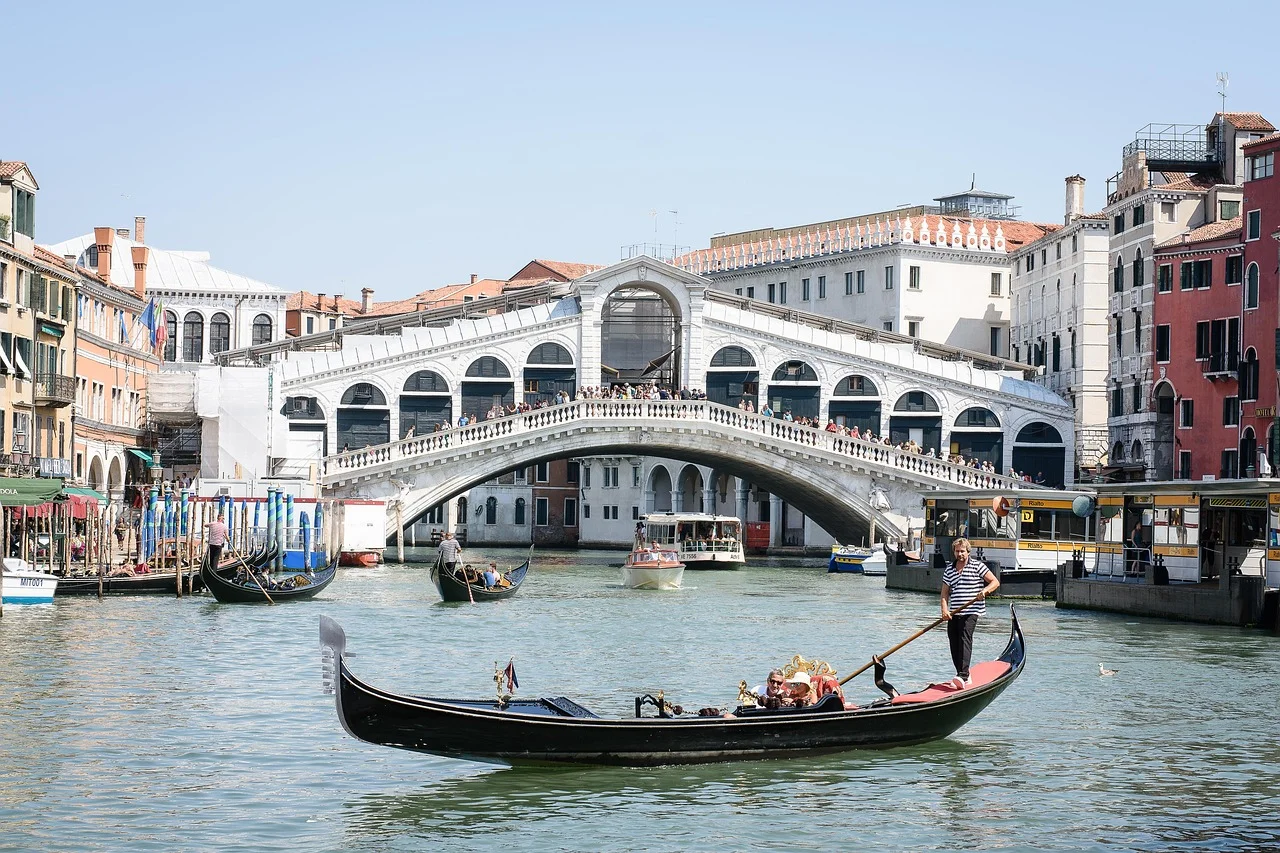
You can walk into Venice free of charge today. The 2026 run of the contributo di accesso ended on Sunday 26 July 2026, and the 2027 calendar has not been published. Since 27 July, no payment and no exemption request is required — a detail almost every article still describing the scheme in the present tense leaves out.
The measure remains a trial, renewed year by year over a limited number of days. In 2026 it covered 60 days: every weekend from April to July — Fridays included — the working days between Liberation Day and Labour Day (27 to 30 April), and the first four days of June. The city reported more than €5 million collected and around 650,000 paid vouchers issued.
When it does apply, the fee is €5 if you book at least four days ahead, and €10 within three days of your visit. It covers only the historic city and a few nearby islands, between 8.30am and 4pm: Murano, Burano and Torcello are excluded. Anyone staying in paid accommodation in the municipality is exempt, since they already pay the lodging tax — but the exemption must be registered to obtain a QR code. If you are checked without a valid pass, the municipal regulation sets a fine of €25 to €150, not the €50–300 widely repeated in the press.
One to watch: the city has signalled that 2027 could exceed 60 days. Check the calendar at cda.ve.it before booking a spring trip.
Bali: 150,000 rupiah, once per trip
Bali charges all foreign visitors 150,000 rupiah (roughly €8–9). An important point that is often misunderstood: it is paid once per trip, not per night and not on each entry to the island.
Payment is entirely digital, by card or QRIS, before departure, on arrival at the airport, or during your stay. You receive a QR code to keep: spot checks take place at the entrances to major sites, and without a voucher you pay there and then. KITAS/KITAP holders, student visas and diplomatic visas are exempt.
One reflex matters here: the only official platform is lovebali.baliprov.go.id, on the .go.id domain reserved for the Indonesian government. Clone sites on .com charge double or more for the same formality.

Japan: the bill rises on three fronts
Japan charges no entry fee to the country, but three concurrent increases push up the cost of a 2026 trip.
The departure tax goes from 1,000 to 3,000 yen (about €17) on 1 July 2026. You'll never pay it at a counter: it's built into your air fare. Usefully, tickets issued up to 30 June 2026 keep the old rate even for a later flight.
Kyoto's lodging tax changed scale on 1 March 2026. It is now charged per person per night according to the room rate, in five bands: 200 yen below 6,000 yen, 400 yen up to 19,999, 1,000 yen up to 49,999, 4,000 yen up to 99,999, and 10,000 yen (around €58) above 100,000 yen a night. The band depends on the date of your stay, not the date you booked: a March 2026 stay booked in 2025 falls under the new grid. Because it is charged per person, a family of four sees the bill quadruple. Details on the Kyoto tourism board site.
Mount Fuji now charges 4,000 yen per climb on all four trails, with compulsory booking and a cap of 4,000 climbers a day on the Yoshida route. The 5th station gate closes from 2pm to 3am to prevent straight-through ascents without a mountain hut, and your kit is checked on the way through. Book at fujisan-climb.jp.
One rumour to dismiss: Fushimi Inari remains free. No entry fee has been introduced at the torii shrine, contrary to what is regularly reported.

Europe: the lodging tax, quiet but heavy
This is the charge that weighs most on a week-long stay, and the least visible at booking, since it is often settled on arrival.
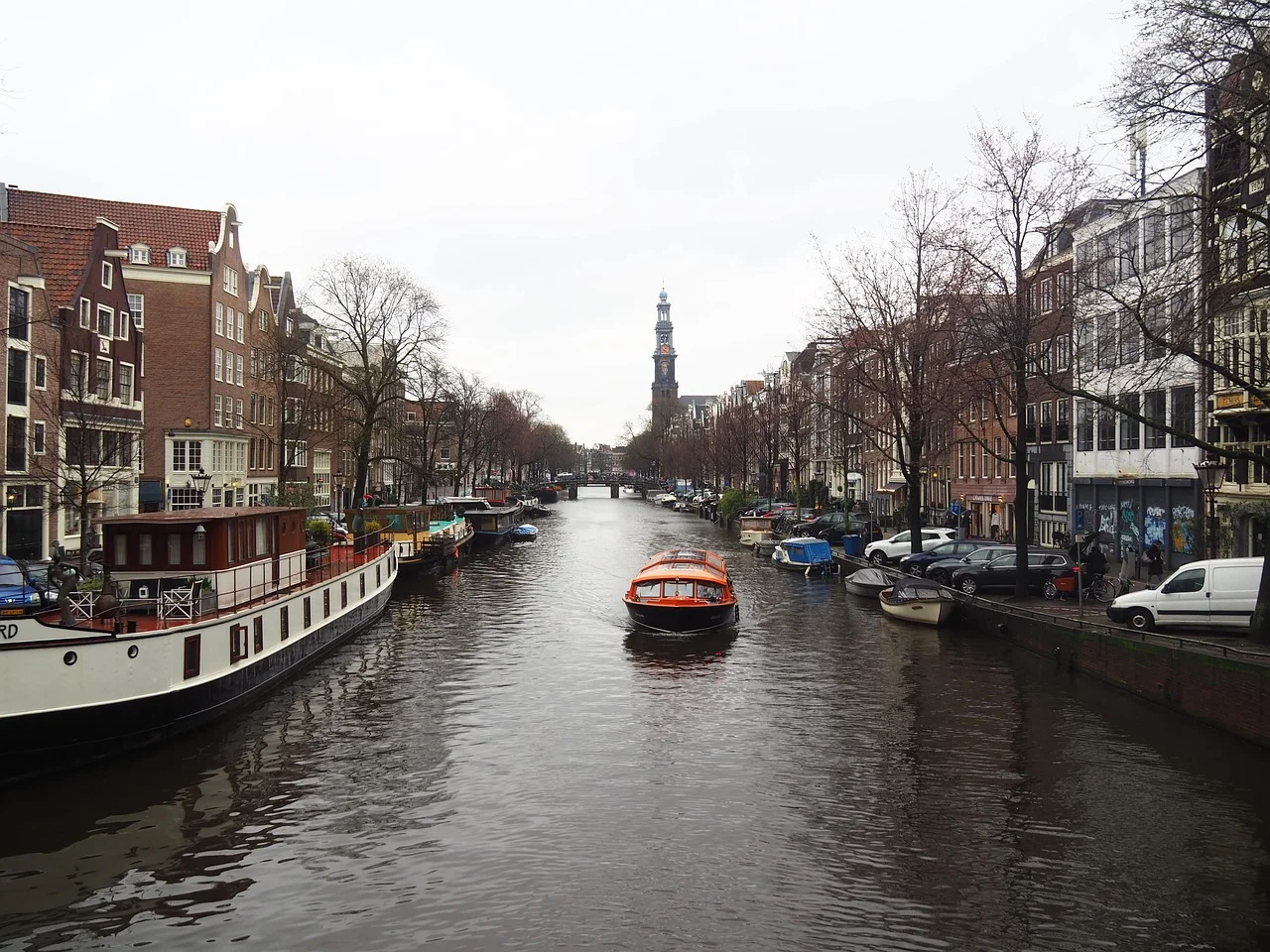
Amsterdam remains Europe's highest at 12.5% of the room rate excluding tax, unchanged in 2026. Watch one side effect: Dutch VAT on accommodation rose from 9% to 21%, so your bill grows even though the lodging tax hasn't moved. The city has proposed 16% for 2027, but the council has not yet voted it through.
Barcelona raised its rates on 1 April 2026. The bill combines a Catalan regional component and a municipal surcharge lifted to €5, giving per person per night: €12.00 in a 5-star hotel, €8.40 in a 4-star, €9.50 in a tourist apartment and €6.00 in a hostel — hostels becoming liable for the first time. The tax applies only to the first seven nights in the same establishment. Official scale at the Agència Tributària de Catalunya.
Edinburgh launched the UK's first city-wide visitor levy on 24 July 2026: 5% of the accommodation cost, capped at the first five consecutive nights. A calendar trap: it applies to any booking made from 1 October 2025 for a stay after 24 July 2026.
Norway has passed a framework allowing tourist municipalities to charge up to 3% — but each council must first have its case approved, so few collections will start before 2027. And the wave isn't universal: South Ayrshire in Scotland has just dropped its own levy plan to see how it works elsewhere first.
Cruises: you pay without seeing it
If you arrive by ship you will never reach for your card: the levy is paid by the line and passed through in the fare. It still deserves attention, because it explains part of the rise in cruise prices.
Greece varies its disembarkation levy by season and port. In high season, 21 July to 30 September, it reaches €20 per passenger at Santorini and Mykonos, against €5 at other ports. It drops to €12 and €3 in shoulder season, then €4 and €1 in winter.
Amsterdam charges €15.00 per passenger per 24-hour period in 2026, river cruises included, from age 2.
Barcelona has chosen a deliberately inverted logic: a call of under 12 hours costs €11.00 per passenger, more than a longer call at €9.00. The aim is to discourage express stops that unload thousands of visitors for a few hours. Several increases have been floated for 2027, none adopted so far.
« A call of under 12 hours is taxed more heavily than a long one: in Barcelona, the length of the visit — not the number of passengers — has become the regulating instrument. »
Quotas: the real risk isn't the price
At the major archaeological sites, the lever isn't the fee but the time slot and the named ticket. The danger isn't paying more: it's losing your entry over fifteen minutes' delay or a misspelled first name.
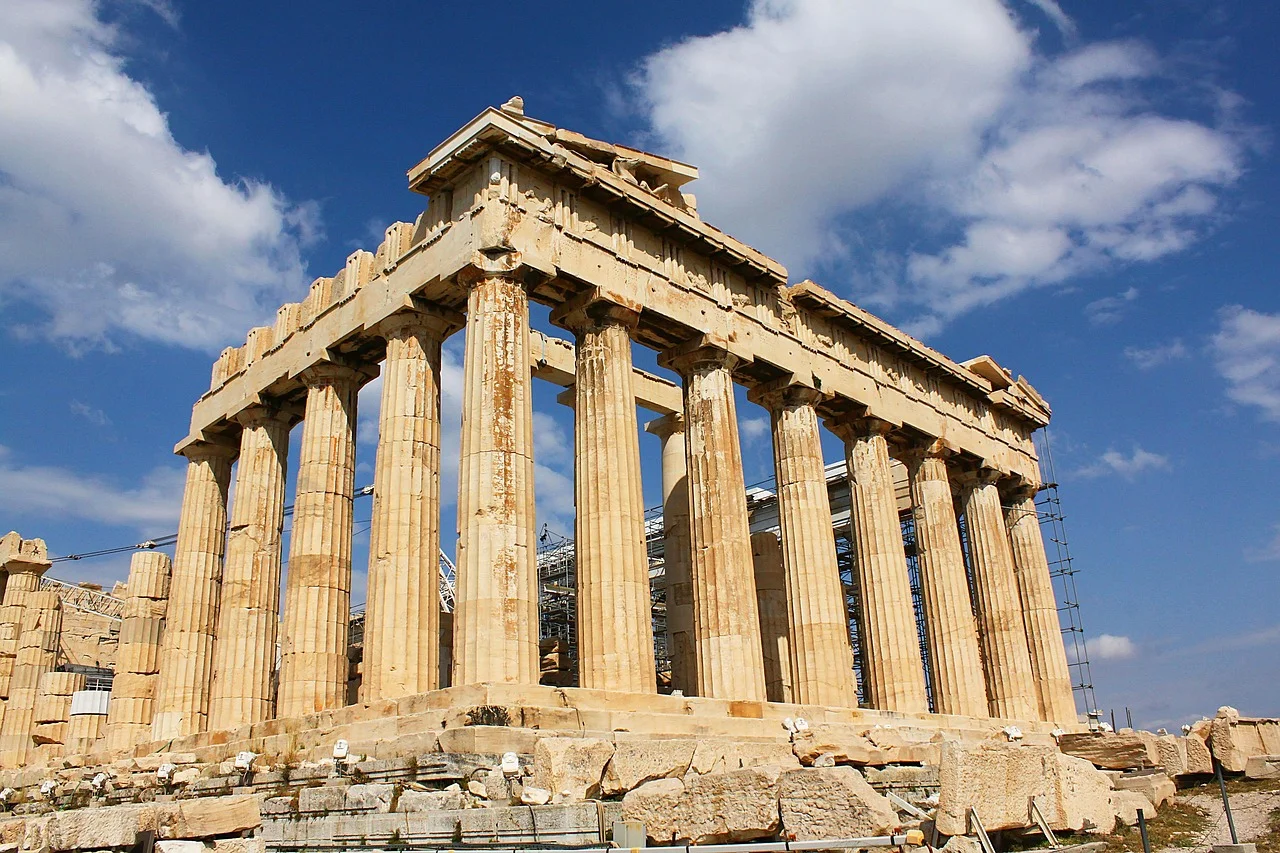
The Acropolis in Athens caps attendance at 20,000 visitors a day, with tapering hourly quotas — 3,000 people between 8am and 9am, 2,000 in the following slot. The full-price ticket is €30 in 2026, and the winter discount has been abolished. You book a one-hour window, with fifteen minutes' tolerance either side. Cruise groups saturate the hill between 10am and 2pm: aim for opening time or late afternoon.
Machu Picchu imposes fixed circuits, an entry slot and a cap of 4,500 to 5,600 visitors depending on the season. Budget around 163 soles for a foreign adult since 1 May 2026, conservation surcharge included. The ticket is nominative with an ID check: the details must match your passport exactly. Late tolerance is 30 minutes in low season, 45 in high — beyond that, entry is refused with no refund. In high season, book two to four months ahead at tuboleto.cultura.pe, the only official platform.
Pompeii caps entry at 20,000 a day with a heavily skewed split from 16 March to 14 October: 15,000 places in the morning, only 5,000 in the afternoon. Tickets have been nominative since late 2024, and official ticketing moved to Vivaticket in March 2026.

Paying according to where you're from: the rising trend
A new logic is taking hold, and it doesn't target tourists in general but particular ones.
In Japan, Himeji Castle has charged adult non-residents of the city 2,500 yen since March 2026, against 1,000 yen for residents. The criterion is residence, not nationality: a foreigner living in Himeji pays the lower rate, a Japanese visitor from another prefecture pays full price.
In France, five major national museums — the Louvre, Orsay, Versailles, the Pompidou Centre and quai Branly — have charged €32 to visitors from outside the European Economic Area since 14 January 2026, against €22 for EEA residents. British, American, Canadian and Australian visitors are therefore in the higher band.
In Kyoto, finally, the private alleys of Gion are closed to entry and photography, with a 10,000-yen fine set by the residents' association. It is neither a tax nor a city measure: public streets such as Hanami-koji remain open. The rule targets harassment of maiko, not walking through.
Five reflexes before you go
Check the date, not just the principle. Venice only charges on selected days, Norway has collected nothing yet, Edinburgh started in July 2026. A measure that has been "announced" is not a measure in force.
Always use the official platform. lovebali.baliprov.go.id for Bali, tuboleto.cultura.pe for Machu Picchu, cda.ve.it for Venice, hhticket.gr for the Acropolis. Resellers add sometimes considerable fees for the very same ticket.
Check the spelling of your name. Machu Picchu and Pompeii issue nominative tickets checked at the gate. A missing middle name against your passport can be enough to be turned away.
Count the lodging tax per person. In Kyoto as in Barcelona the charge is individual: for a family, the total isn't the nightly figure advertised but a multiple of it.
Book quota sites early. Two to four months for Machu Picchu in high season, two to three weeks for the Acropolis in July and August. Morning slots go first.
These schemes change fast, often from one season to the next. The amounts above are those published by the relevant authorities on 13 August 2026: check the official site again in the days before you travel.
Leave a comment
Share your thoughts or travel experience. Your email will not be published.