
Contents 28
Capital of the Inca Empire and then a Spanish colonial city, Cusco (3,399 m) has been a UNESCO World Heritage site since 1983: its fitted-stone Inca walls form the base of churches and baroque palaces, from the Plaza de Armas to the Qoricancha topped by the Santo Domingo convent, and the San Blas quarter climbs above the tiled roofs. Sacsayhuamán overlooks the city, the San Pedro market feeds it.
Above all it is the base camp of the southern Andes: Machu Picchu (tickets by circuit and time slot on the official platform tuboleto.cultura.pe, train from Ollantaytambo), the Sacred Valley with Pisac, Ollantaytambo, the Maras salt pans and the Moray terraces, and Vinicunca mountain at 5,036 m. The altitude calls for two days of acclimatisation before any exertion.
Overview
The former capital of the Inca Empire and a UNESCO World Heritage Site since 1983, Cusco (3,399 m) is the gateway to Machu Picchu and the Sacred Valley.
Perched at 3,399 metres in the Peruvian Andes, Cusco was the capital of the Inca Empire before becoming a Spanish colonial city. This dual heritage is written into its streets: perfectly fitted Inca stone walls serve as the foundations for colonial churches and mansions.
The city has been a UNESCO World Heritage Site since 1983 for the exceptional quality of its urban fabric. It is also the essential starting point for Machu Picchu, the Sacred Valley and Rainbow Mountain.
Altitude is the first thing to plan for: allow a gentle acclimatization on arrival before any sustained effort.
10 places to take with you
In the guide's order, ready for Google Maps or your GPS.
Book the activities from this guide
Our picks for Cusco, well rated and free to cancel.
-
Book this activity
Vinicunca Rainbow Mountain and Red Valley day trip
€32 per person (GetYourGuide price 2026), entry fees extra
-
Book this activity
Sacred Valley day: Chinchero, Moray, Ollantaytambo and Pisac
€26 per person (GetYourGuide price 2026), Boleto Turístico extra
-
Book this activity
Half day at Moray, the Maras salt pans and the Chinchero weavers
€14 per person (GetYourGuide price 2026), entries extra
Affiliate links: Travel Advice earns a commission if you book, at no extra cost to you. Learn more

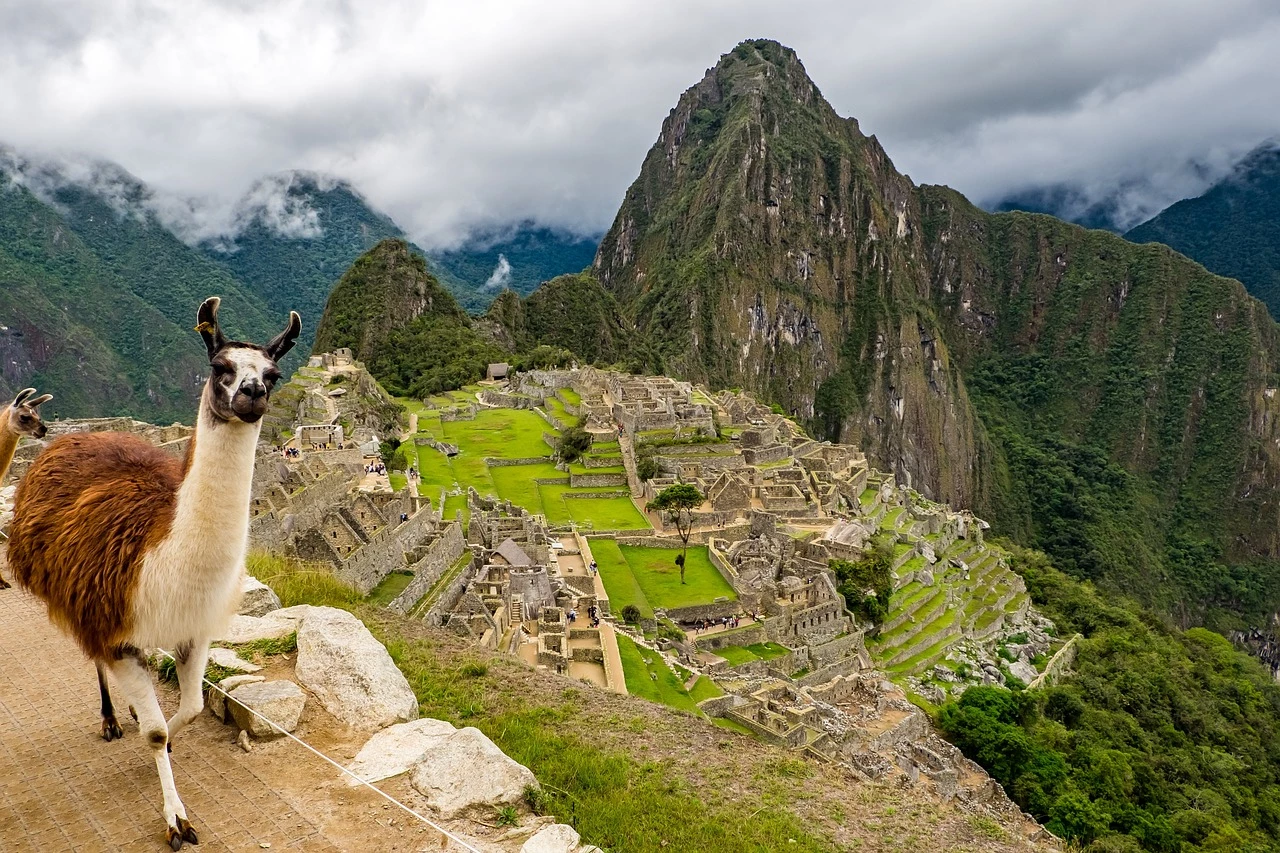
Machu Picchu
Built in the 15th century under the Inca Pachacútec on a ridge at 2,430 m between the peaks of Machu Picchu and Huayna Picchu, the city was abandoned less than a century later and revealed to the world by Hiram Bingham in 1911. Temples, farming terraces, the residential quarter and the Intihuatana, the solar observation stone, are read from the guardian's hut, the classic viewpoint. The site is part of the historic sanctuary inscribed by UNESCO in 1983.
Since 2024 the visit follows set circuits (1 panoramic, 2 classic, 3 royal) split into routes, with a time slot, one-way flow and no turning back; the named tickets are bought on the official platform tuboleto.cultura.pe or at the Cusco ticket office and sell out weeks ahead in the dry season. The foreign-adult price is published on tuboleto.cultura.pe (in the region of 150-165 soles), with the Huayna Picchu or Machu Picchu mountain climbs extra. Access is from Aguas Calientes, terminus of the train from Ollantaytambo, by shuttle bus (25 min) or on foot (1.5 hrs uphill).

Plaza de Armas of Cusco
The Plaza de Armas occupies the former Huacaypata, the Incas' great ceremonial square, whose outline the Spanish kept while lining it with arcades. Two buildings dominate it: the cathedral (1560-1654), built over the palace of the Inca Viracocha with blocks taken from Sacsayhuamán, which holds Marcos Zapata's Last Supper with a guinea pig in place of the lamb, and the church of the Compañía de Jesús, the Jesuits' baroque masterpiece.
It is the starting point of any visit: the Qoricancha is five minutes away, San Blas ten minutes uphill. The square hosts the Corpus Christi processions and the June parades before the Inti Raymi; in the evening, the arcade balconies serve as a viewpoint over the floodlit cathedral.

Sacsayhuamán
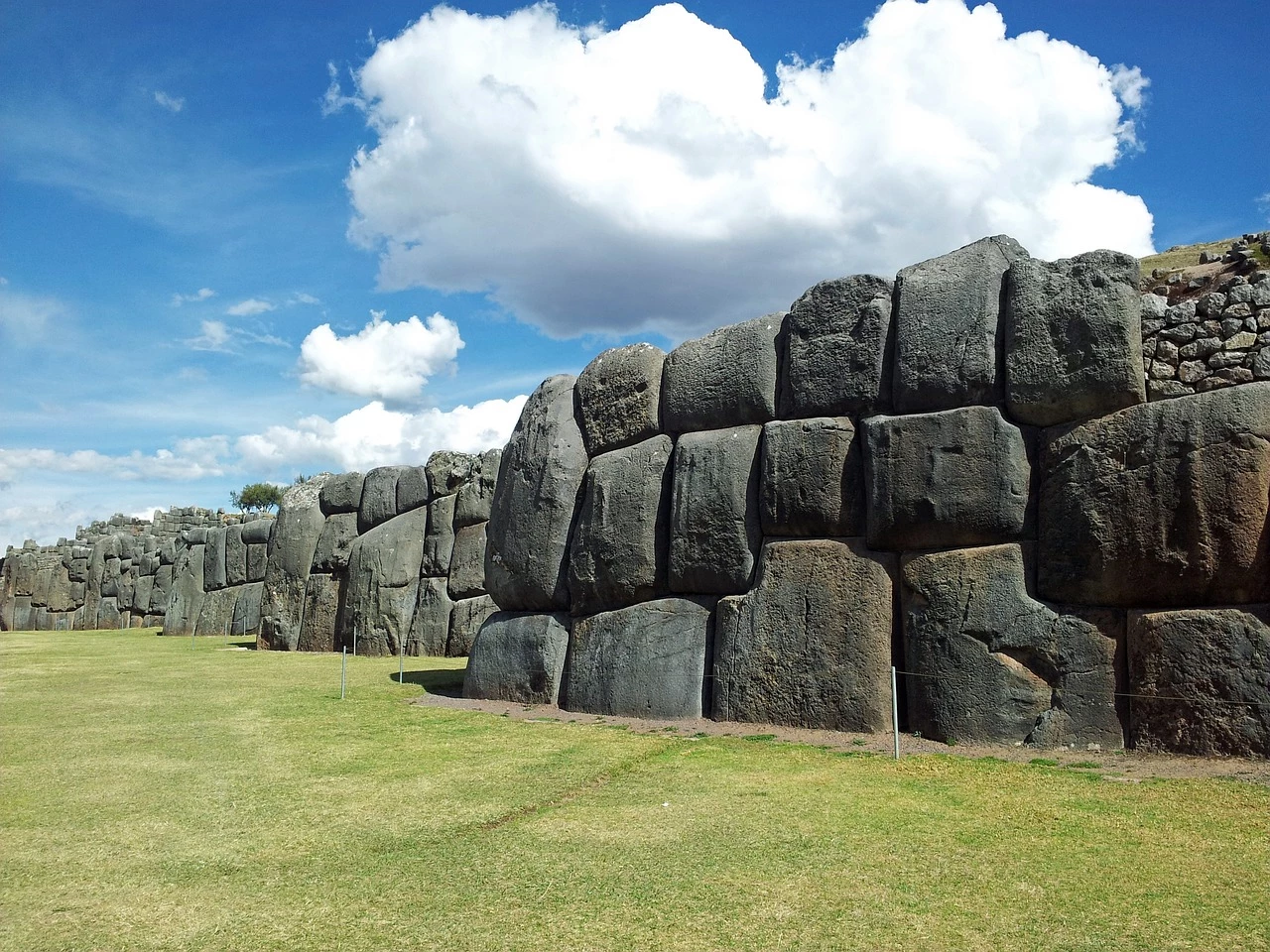
On the hill overlooking Cusco to the north, Sacsayhuamán is the most imposing Inca structure in the region: three rows of zigzag walls nearly 400 m long, made of limestone blocks, the largest over 100 tonnes, fitted without mortar. Fortress or sanctuary, the site saw the 1536 battle between the Spanish and Manco Inca, then served as a quarry for the colonial city.
Along the same road come Q'enqo (carved rock and underground gallery), Puka Pukara (fortified post) and Tambomachay (ritual fountains), all included in the Boleto Turístico. From the esplanade the view takes in the whole city; this is where the Inti Raymi, the festival of the Sun, is re-enacted every 24 June.

Qoricancha and Santo Domingo convent
The Qoricancha ('golden enclosure') was the most sacred temple of the Inca Empire, dedicated to Inti, the Sun god: its walls were lined with gold plates and its garden peopled with plants and animals in precious metal, melted down by the conquistadors. The Dominicans built their convent and church on its foundations, and the juxtaposition is striking: the curved wall of polished stone, fitted to the millimetre, survived the 1650 and 1950 earthquakes that brought down the colonial vaults.
Inside, the rooms dedicated to the Sun, the Moon and the stars open onto a baroque cloister; the trapezoidal niches and water channels bear witness to the cult. The temple is five minutes' walk from the Plaza de Armas, above a public garden from which the curved wall is seen.

Ollantaytambo
60 km from Cusco at the end of the Sacred Valley, Ollantaytambo is the only Inca village still lived in on its original plan: grid-pattern lanes, running-water channels and trapezoidal doorways of the canchas, the family compounds. Above, the fortress-temple climbs in terraces to the Temple of the Sun, six pink porphyry monoliths of over 50 tonnes hauled from a quarry across the river. This is where Manco Inca repelled the Spanish in 1536.
On the opposite slope, the Pinkuylluna granaries are visited freely. Ollantaytambo is also the departure station for most PeruRail and Inca Rail trains to Aguas Calientes and Machu Picchu (1.5 to 2 hours); many travellers sleep here the night before to catch the first train.

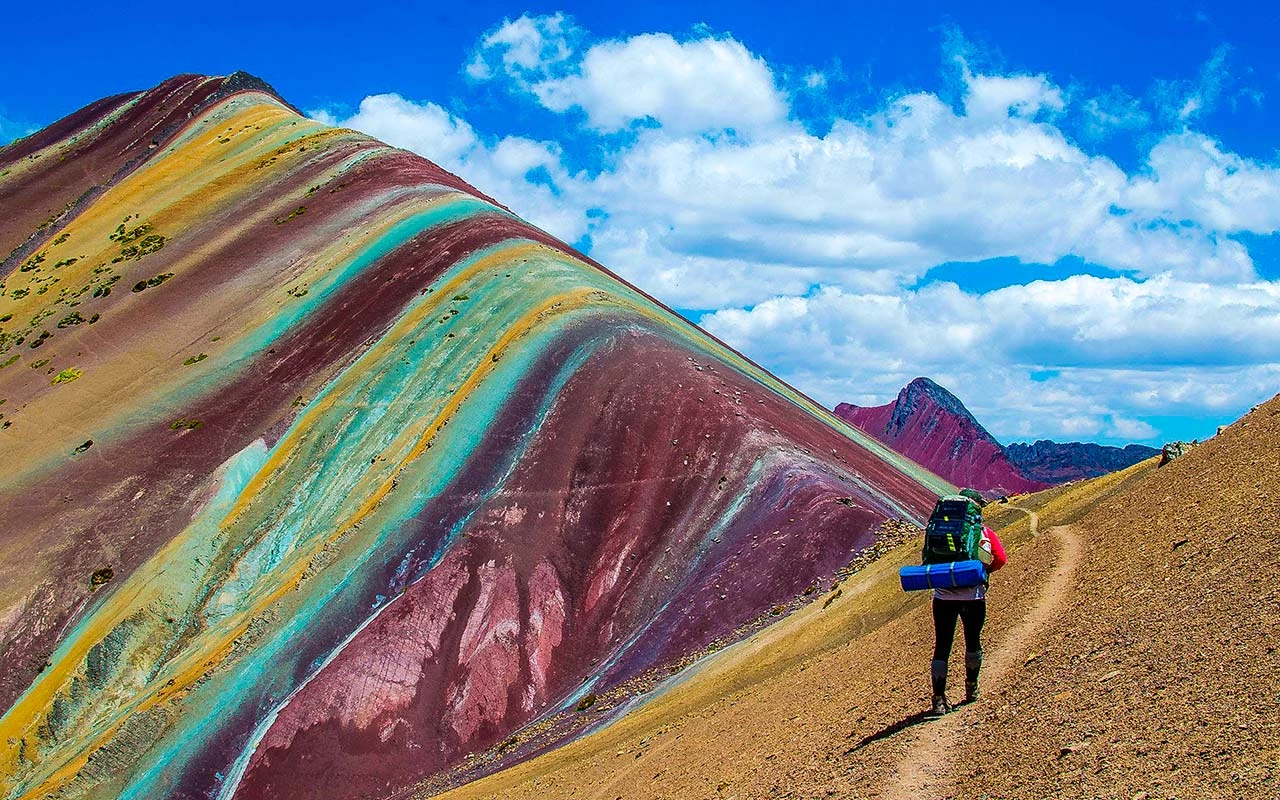
Rainbow Mountain (Vinicunca)
About a hundred kilometres south-east of Cusco in the Vilcanota range, Vinicunca ('mountain of seven colours') owes its red, ochre, green and turquoise bands to mineral sediments (iron oxides, chlorite, sulphides) exposed by the retreat of the snow. The viewpoint stands at 5,036 m, facing the Ausangate glacier (6,384 m), on the land of the Pampachiri community.
There are two approaches: the Pitumarca (Quesiuno) track, a walk of about 1.5 to 2 hours with 400 m of climb, and the Cusipata track, shorter but irregularly open. Most visitors come on a day trip from Cusco, leaving around 4.30am, with the Red Valley (Valle Rojo) as an option on the way back. The entry fee is paid on site to the community, in cash.

Pisac
33 km from Cusco at the entrance to the Sacred Valley, Pisac is twofold: the colonial village on the Urubamba, known for its craft market (daily, biggest on Sunday) and its bread ovens, and, 600 m higher, the Inca site strung along the ridge. Farming terraces curve down the slope, the Intihuatana sector groups temples and ritual baths, and the cliff opposite is riddled with thousands of looted tombs, the largest known Inca necropolis.
You climb on foot from the village (1.5 to 2 hours, steep) or take a taxi to the upper car park and walk back down the trail. The site is part of the Boleto Turístico; colectivos from Puputi street in Cusco get there in 45 minutes.

Maras salt pans and Moray terraces
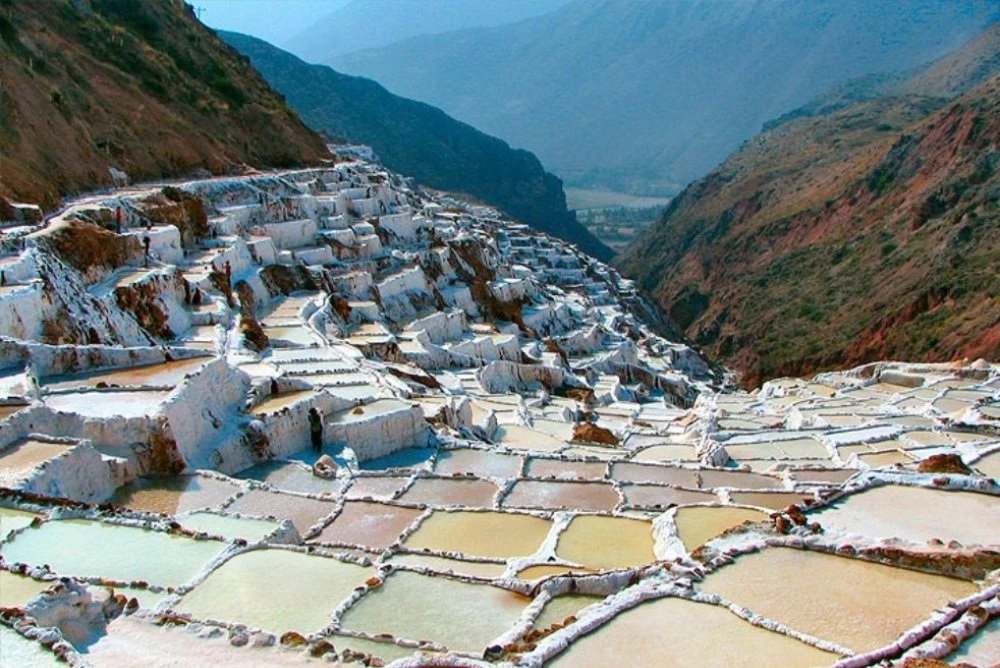
On the plateau above the Sacred Valley, 50 km from Cusco, two sites are visited together. The Maras salt pans line up over 3,000 terraced pools fed by a warm salty spring worked since pre-Inca times; the village families still harvest salt from May to October, and the view from the access road above is the most spectacular. Since 2019 visitors no longer walk between the pools, but along a balcony path.
Moray, 8 km away, is a set of concentric terraces dug into natural hollows, the largest 150 m across; the temperature difference between top and bottom suggests an Inca agricultural laboratory. Moray is included in the Boleto Turístico, the salt pans charge their own entry fee. The weavers of Chinchero often round off the trip.

San Blas district
On the slope north-east of the Plaza de Armas, San Blas has been Cusco's artisans' quarter since colonial times: steep cobbled lanes, white walls with blue doors, workshops of carvers, silversmiths and painters of the Cusco school. Its small church (1563), the city's oldest parish, keeps a cedar pulpit carved from a single piece, a masterpiece of Andean baroque.
The San Blas square, with its fountain and Saturday craft market, is the heart of the quarter; the Cuesta San Blas and Hatun Rumiyoc street, home to the twelve-angled stone of Inca Roca's palace, link it to the Plaza de Armas. In the evening, cafés and bars with terraces up the hill look out over the city's roofs.

San Pedro market
Ten minutes west of the Plaza de Armas, the San Pedro central market has occupied since 1925 a hall attributed to Gustave Eiffel's workshop. Under its iron framework come stalls of Andean and Amazonian fruit, fresh-juice counters, cheeses, potatoes in dozens of varieties, medicinal herbs, meat and Oropesa bread, then, at the back, the canteens where you lunch on a set menu for a few soles.
It is the everyday market of Cusco's residents, not a staged attraction: you see the stallholders in tall hats and layered skirts, and you also find textiles and craft items at lower prices than the shops in the centre.
Day at Machu Picchu by train from Ollantaytambo
PeruRail or Inca Rail train from Ollantaytambo (1.5 to 2 hours along the Urubamba), a 25-minute switchback shuttle from Aguas Calientes, then 2-3 hours on your chosen circuit: circuit 2 crosses the upper and lower town via the guardian's hut, the classic viewpoint over the citadel and Huayna Picchu. The highlight: the first full view as you come through the entrance, before the sun swings over the terraces.
For everyone, but the named ticket is bought on tuboleto.cultura.pe (around 150-165 soles for a foreign adult, choosing circuit and time slot) weeks ahead in the dry season, and the train is booked separately; passport required, no turning back. No GetYourGuide listing is offered here: the day trips from Cusco checked on 30 September 2026 do not offer free cancellation.
- Full day (departure before 6am)
- About 150-165 soles foreign adult entry (price on tuboleto.cultura.pe) + train and shuttle
Vinicunca Rainbow Mountain and Red Valley day trip
Leave Cusco before dawn, breakfast on the way, then walk about 1.5 to 2 hours from the car park to the viewpoint at 5,036 m, facing Vinicunca's mineral bands and the Ausangate glacier; on the way back, an optional detour through the Red Valley, an even emptier ochre-red slope, and lunch before the drive to Cusco. The highlight: reaching the pass as the clouds lift off the seven colours.
For acclimatised walkers (at least 2 days in Cusco), with hat, gloves and windbreaker; the entry fees for both sites are paid in cash on site. The GetYourGuide listing (€32 per person, free cancellation) shows 4.83/5 from 6,552 reviews. Book the day before; the earliest departures avoid the crowds and the clouds.
- Full day (departure around 4.30am, back late afternoon)
- €32 per person (GetYourGuide price 2026), entry fees extra
Sacred Valley day: Chinchero, Moray, Ollantaytambo and Pisac
By minibus from Cusco, the day strings together the weavers and church of Chinchero, the circular terraces of Moray, the Ollantaytambo fortress climbed up to the Temple of the Sun, then Pisac's market and site on the way back, with a buffet lunch in the valley. The highlight: Ollantaytambo's six monoliths seen from the top, with the Pinkuylluna granaries opposite.
For everyone, with climbs at 2,800-3,700 m; entries use the Boleto Turístico, bought beforehand or through the guide, not included in the price. The GetYourGuide listing (€26 per person, free cancellation) shows 4.8/5 from 1,083 reviews. A good first day out of Cusco, lower in altitude than the city.
- Full day (about 10 hrs)
- €26 per person (GetYourGuide price 2026), Boleto Turístico extra
Half day at Moray, the Maras salt pans and the Chinchero weavers
From Cusco, the loop takes in a weavers' cooperative in Chinchero (natural-dye demonstration), the concentric terraces of Moray, then the 3,000 pools of the Maras salt pans seen from the balcony path, before returning in the early afternoon. The highlight: the descent towards the salt pans, white and pink under the midday sun.
For everyone, little walking; Moray is paid with the Boleto Turístico and the salt pans with a separate ticket, both extra and in cash. The GetYourGuide listing (€14 per person, free cancellation) shows 4.79/5 from 3,012 reviews. Ideal if you have already seen Pisac and Ollantaytambo on your own.
- Half day (about 6 hrs)
- €14 per person (GetYourGuide price 2026), entries extra
Guided tour of Cusco with Sacsayhuamán and Q'enqo
The afternoon starts in the centre (cathedral or Qoricancha depending on the listing), then climbs by bus to Sacsayhuamán, its zigzag walls and its view over the city, before Q'enqo, Puka Pukara and the Tambomachay fountains. The highlight: the late-day light on Sacsayhuamán's 100-tonne blocks.
For everyone, from day one since walking distances are short; entries (partial Boleto Turístico, cathedral or Qoricancha) are not included and are paid in cash. The GetYourGuide listing (€13 per person, free cancellation) shows 4.67/5 from 1,991 reviews. Early-afternoon departure, a good pace for acclimatisation.
- Half day (about 5 hrs)
- €13 per person (GetYourGuide price 2026), entries extra
Getting there
Cusco is reached by air via Alejandro Velasco Astete airport, usually with a connection in Lima, or by bus from Lima, Arequipa and Puno.
By air: the fastest way. Alejandro Velasco Astete International Airport (CUZ) has daily links to Lima (about a 1h20 flight) and to other Peruvian cities such as Arequipa. Most international travellers transit through Lima.
By bus: comfortable long-distance services connect Cusco to Lima (around twenty hours), Arequipa and Puno (on the shores of Lake Titicaca). It is longer but cheaper, and some companies offer reclining overnight seats.
From the airport to the centre: the historic centre is about fifteen minutes away by taxi. Agree on the fare in advance or use a booking app.
Whatever your mode of transport, you arrive directly at 3,399 m: plan to rest on the first day.
Getting around
The historic centre is best explored on foot. For outlying neighbourhoods and the Sacred Valley, rely on taxis, colectivos and transport agencies.
On foot: the historic centre, around the Plaza de Armas and San Blas, is best discovered on foot. The cobblestone streets and sloping alleys are part of the charm — but the altitude makes the slightest hill more demanding, so take your time.
Taxis: plentiful and cheap. Negotiate the fare before getting in or ask for the meter to be used; ride-hailing apps also work in Cusco.
Colectivos and minibuses: economical for reaching the Sacred Valley (Pisac, Ollantaytambo) or Chinchero, but schedules are irregular and a few words of Spanish help.
Agencies and excursions: for Vinicunca, Maras-Moray or Machu Picchu, organized tours often include transport from your hotel, which simplifies the logistics.
What to do
In the city: Plaza de Armas, Qoricancha, Sacsayhuamán, San Blas and the San Pedro market. Around: Machu Picchu, the Sacred Valley (Pisac, Ollantaytambo, Maras-Moray) and Vinicunca mountain.
In Cusco: the Plaza de Armas and its cathedral, the Qoricancha temple beneath the Santo Domingo convent, the Sacsayhuamán fortress overlooking the city (with Q'enqo, Puka Pukara and Tambomachay on the same road), the San Pedro market and the artisans' quarter of San Blas. Two days are enough, and double as acclimatisation.
Around the city: Machu Picchu (circuit ticket on tuboleto.cultura.pe, train from Ollantaytambo), the Sacred Valley with Pisac and its market, Ollantaytambo and its fortress, the Maras salt pans and the Moray terraces, then Vinicunca mountain (5,036 m) once acclimatised. Humantay lake and the Salkantay trek are the walkers' alternatives.
Most archaeological sites in the city and the valley are covered by the Boleto Turístico del Cusco; Machu Picchu, the Qoricancha, the cathedral and the Maras salt pans are paid separately.
Food
Try lomo saltado, alpaca meat, cuy (guinea pig) and Andean soups, washed down with a chicha morada or a coca tea.
Cusco's cuisine blends Andean traditions and mixed influences. A few must-tries:
- Lomo saltado: strips of beef sautéed with onions, tomatoes and fries, a flagship dish of Peruvian cuisine.
- Alpaca: lean, flavourful meat, served grilled or as skewers.
- Cuy (guinea pig): a traditional Andean speciality, served on special occasions.
- Andean soups and quinoa: comforting and well suited to the altitude.
For drinks, try chicha morada (purple corn) and coca tea (mate de coca), traditionally drunk to better cope with the altitude. The San Pedro market is the perfect place to sample everything at low prices.
Itineraries
Allow 5 to 7 days to combine Cusco, the Sacred Valley and Machu Picchu without suffering from the altitude, with a gradual ramp-up in intensity.
To enjoy the region comfortably while managing the altitude, spread out the effort.
Short itinerary (3-4 days): days 1-2 acclimatizing in Cusco (Plaza de Armas, Qoricancha, Sacsayhuamán, San Blas), then the Sacred Valley and Machu Picchu.
Classic itinerary (5-7 days): 2 days in Cusco, 1 to 2 days in the Sacred Valley (Pisac, Ollantaytambo, Maras-Moray), 1 day for Machu Picchu, and 1 day for Rainbow Mountain once well acclimatized.
The 10-day validity of the Boleto Turístico fits this pace well.
Climate & seasons
When to go to Peru?
Monthly averages over the past 5 years (Open-Meteo).
Best months
- April
- May
- June
| Jan | Feb | Mar | Apr | May | Jun | Jul | Aug | Sep | Oct | Nov | Dec | |
|---|---|---|---|---|---|---|---|---|---|---|---|---|
| Our take | ||||||||||||
| Weather | ||||||||||||
| High | 17° | 17° | 16° | 17° | 17° | 18° | 19° | 19° | 19° | 19° | 19° | 18° |
| Rain (mm) | 187 | 146 | 143 | 57 | 26 | 5 | 5 | 14 | 28 | 68 | 141 | 146 |
| Hiking & nature | Hiking & nature April | Hiking & nature May | Hiking & nature June | Hiking & nature July | Hiking & nature August | Hiking & nature September | Hiking & nature October | |||||
| City sightseeing | City sightseeing February | City sightseeing March | City sightseeing April | City sightseeing May | City sightseeing June | City sightseeing July | City sightseeing August | City sightseeing September | City sightseeing October | City sightseeing November | City sightseeing December |
What to do by season (autumn)
-
Hiking & nature
Mild temperatures, stable conditions.
-
City sightseeing
Pedestrian-friendly most of the year.
When to go
The dry season, from May to September, is the best time: clear skies, passable trails and ideal conditions for Machu Picchu. April and October offer a good compromise with fewer crowds.
Cusco's climate splits into two main seasons, and the time you choose changes the experience considerably.
Dry season (May to September): this is the best period. Sunny days, clear skies and reliable trails to reach Machu Picchu or Vinicunca. It is also the high tourist season, so the busiest, and the nights are cold, especially in June and July.
Rainy season (November to March): frequent rainfall, lush landscapes but trickier travel in the mountains. The Inca Trail traditionally closes in February for maintenance.
Shoulder seasons (April and October): a good compromise, with pleasant temperatures, still-limited rain and fewer crowds.
To attend Inti Raymi, the great Festival of the Sun, aim for June 24.
Budget
Cusco stays affordable (decent double room €40-80, set lunch €3-5), but Machu Picchu weighs heavily: around 150-165 soles entry for a foreign adult, plus train and shuttle, often over €150 for the day.
Cusco is an affordable destination day to day, with one item that dwarfs everything else: Machu Picchu.
- Accommodation: dorm bed from €8-12, double room in a simple hotel or B&B €40-80, boutique hotels in San Blas €100-200.
- Meals: set lunch at the San Pedro market or in a picantería €3-5, restaurant on the Plaza de Armas €15-25.
- Boleto Turístico del Cusco: general ticket valid 10 days covering Sacsayhuamán, Pisac, Ollantaytambo, Moray and a dozen other sites, or partial tickets valid 1-2 days; prices in soles at the COSITUC desk (avenida El Sol) and on cosituccusco.pe, cash only.
- Machu Picchu: foreign adult entry in the region of 150-165 soles (price published on tuboleto.cultura.pe), return train Ollantaytambo-Aguas Calientes in the region of $100-200 depending on class and time, Aguas Calientes-site shuttle extra. Count on it being the most expensive day of the trip.
- Excursions: Vinicunca or the Sacred Valley in a group from Cusco, €25-35 per person excluding entry fees; taxis in town €2-3.
Indicative budget: €45-60 per day per person in hostels with local menus, €90-130 in hotels and restaurants, excluding the Machu Picchu day. Keep soles in cash for markets, taxis, community entry fees and small villages.
Where to stay
The historic centre (Plaza de Armas) puts everything within walking distance, San Blas appeals for its bohemian vibe, and residential neighbourhoods offer quiet and gentler prices.
The choice of neighbourhood depends on your pace and your budget.
- Historic centre (Plaza de Armas): the heart of the city, surrounded by colonial buildings, restaurants and nightlife. Ideal for having everything within walking distance.
- San Blas: a bohemian neighbourhood up the hill, known for its cobbled lanes, art galleries and quiet atmosphere, just steps from the centre.
- Santa Ana and residential neighbourhoods: quieter and more authentic, often cheaper, while staying reachable on foot or by taxi.
- San Pedro: close to the market, handy for fans of local food and for tighter budgets.
Given the altitude, some establishments offer supplemental oxygen or coca tea on arrival — a welcome touch on the first night.
Safety
The main risk is altitude sickness (soroche): acclimatise for 1-2 days. Security-wise, petty theft in tourist areas, and strikes or road blockades that can cut access to Machu Picchu: follow the official travel advice.
Altitude sickness (soroche) is the number one concern. At 3,399 m, symptoms (headache, nausea, fatigue, poor sleep) can appear 6 to 24 hours after arrival. The CDC recommends a gradual ascent, 1-2 days of acclimatisation, good hydration and avoiding alcohol and heavy meals in the first days; acetazolamide can be taken preventively on medical advice. Arriving via the Sacred Valley (2,800 m) rather than sleeping straight away in Cusco helps a lot.
Security: Cusco is broadly safe for tourists. The main risks are petty theft and scams in busy areas (Plaza de Armas, markets, bus stations) and fake taxis at night: book by app or through the hotel. Strikes and road blockades (paros) recur in the region and can halt trains and shuttles to Machu Picchu for several days: keep slack in your schedule and check official travel advice before and during the trip. In the rainy season (November-March), landslides and floods regularly disrupt the railway and valley roads; in August 2026 the French foreign ministry reported heavy rains in the Cusco region.
Health: avoid tap water, the sun is fierce at altitude (high UV index, hat and sunscreen), nights are cold in June-July. Emergency numbers 105 (police) and 116 (fire); private clinics in Cusco.
Formalities
No visa for French nationals on a tourist stay of under 3 months (1 to 90 days within 183); passport valid at least 6 months on arrival, a rule enforced without exception (France Diplomatie, 21/09/2026).
For a tourist stay, French nationals do not need a visa: entry is allowed for a stay of under 3 months, with the period granted on arrival ranging from 1 to 90 days maximum within 183 days, according to the France Diplomatie entry/stay page (updated 21 September 2026). Check the number of days written by the immigration officer: any overstay is fined 4.40 soles per day and makes exit formalities lengthy.
The passport must be valid for at least 6 months from arrival in Peru; the authorities enforce this rule strictly, without exception, and refuse entry otherwise, with the return flight at the traveller's expense. An onward ticket may be requested. For more than 90 days, a visa must be obtained from a Peruvian consulate.
No vaccination is required for Cusco; yellow fever is recommended only if you continue to the Amazon. The currency is the sol (PEN); ATMs are plentiful in Cusco and cards are accepted in central hotels and restaurants.
Tips
Acclimatise before any exertion, buy Machu Picchu on tuboleto.cultura.pe weeks ahead together with the train, get the Boleto Turístico on day one, keep soles in cash and dress in layers.
- Acclimatise first: keep Vinicunca and treks for day 3 or 4; start with the city and the lower Sacred Valley.
- Machu Picchu in advance: named ticket by circuit and time slot on tuboleto.cultura.pe (no same-day sales in Aguas Calientes in season), PeruRail or Inca Rail train booked at the same time, passport with you on the day. Circuit 2 gives the classic view; circuits 1 and 3 restrict it.
- Boleto Turístico: buy it at COSITUC (avenida El Sol) on day one; the 10-day validity covers Sacsayhuamán, Pisac, Ollantaytambo, Moray and Chinchero.
- Dress in layers: warm days in the sun, nights near 0 °C in June-July, afternoon rain from November to March.
- Cash in soles: essential for markets, taxis, community entry fees (Vinicunca, Maras) and colectivos.
- Coca tea: offered everywhere against soroche; the leaves cannot be exported, do not take them home.
- Book early for June: the Inti Raymi (24 June) and Corpus Christi fill the city.
FAQ
Soroche is managed with 1-2 days of acclimatisation, the dry season runs May to September, Machu Picchu is booked by circuit on tuboleto.cultura.pe (around 150-165 soles for a foreign adult), French nationals need no visa and 5-7 days cover the region.
Is altitude sickness (soroche) a risk in Cusco?
Yes. Cusco sits at 3,399 m and acute mountain sickness can appear 6 to 24 hours after arrival. Ascend gradually, allow 1-2 days of acclimatisation, hydrate and avoid alcohol and heavy meals; acetazolamide can be taken preventively on medical advice.
When is the best time to visit Cusco?
The dry season, May to September: sunny days and walkable trails, but cold nights and heavy crowds. April and October are a good compromise. The Inca Trail closes in February.
How do I book Machu Picchu in 2026?
On the official platform tuboleto.cultura.pe (or at the Ministry of Culture desk in Cusco): you choose a circuit (1 panoramic, 2 classic, 3 royal), a route and a time slot; the ticket is named; the foreign-adult price (in the region of 150-165 soles) is shown on the ticketing site. Then book the Ollantaytambo-Aguas Calientes train (PeruRail or Inca Rail) and the shuttle up to the site.
Do French citizens need a visa for Peru?
Not for a tourist stay of under 3 months (90 days maximum within 183). The passport must be valid for at least 6 months on arrival, with no exception.
What is the Boleto Turístico del Cusco?
COSITUC's official combined ticket: the general ticket, valid 10 days, opens Sacsayhuamán, Q'enqo, Pisac, Ollantaytambo, Moray, Chinchero and several museums; partial tickets cover a single circuit. Machu Picchu, the Qoricancha and the Maras salt pans are not included.
How many days for Cusco and its surroundings?
5 to 7 days to combine the city, the Sacred Valley and Machu Picchu, keeping 2 days of acclimatisation before high-altitude exertion.
What is the real altitude of Vinicunca?
The viewpoint is at 5,036 m; the 5,200 m often quoted by agencies is approximate. Good prior acclimatisation in Cusco is essential.
Sources
The figures in this guide come from the sources below, checked on the publication date.
Leave a comment
Share your thoughts or travel experience. Your email will not be published.