

Contents 26
The French Riviera (Côte d'Azur) is the Mediterranean coastline of south-eastern France, from the Saint-Tropez peninsula in the Var to Menton and the Italian border, with the Principality of Monaco wedged in between. Nice is its capital and gateway: an international airport, a TGV station and a regional TER line serving the whole coast.
This guide brings together twelve stops: the seaside towns (Nice, Monaco, Cannes, Antibes, Menton, Villefranche-sur-Mer, Saint-Tropez), the hilltop villages of Èze and Saint-Paul-de-Vence, Grasse and its perfume houses, then two hinterland excursions, the Verdon Gorge and the Mercantour National Park. For swimming, see also our guide to the best beaches on the French Riviera.
Overview
The Côte d'Azur (French Riviera) is the Mediterranean coastline of south-eastern France, stretching from the Saint-Tropez peninsula to Menton and the Italian border, centred on Nice.
The Côte d'Azur, or French Riviera, is the Mediterranean coastline of south-eastern France. Depending on the definition, it runs from the Saint-Tropez peninsula, in the Var, to Menton and the Italian border, taking in Cannes, Antibes and Nice (some definitions start it as far west as Toulon).
The region packs in glamorous resorts, perched villages, rocky coves and a mountainous hinterland. The Principality of Monaco, a sovereign state surrounded by the Alpes-Maritimes, is usually counted as part of it. A Mediterranean climate, near-constant sunshine and a rich artistic heritage (Matisse, Chagall, Picasso) make it one of France's most popular destinations.
12 places to take with you
In the guide's order, ready for Google Maps or your GPS.
Book the activities from this guide
Our picks for Côte d'Azur, well rated and free to cancel.
-
Book this activity
Perfume-making workshop at Molinard, Grasse
€89 per person (GetYourGuide price 2026)
-
Book this activity
Guided half-day in Èze, Monaco and Monte-Carlo from Nice
€69 per person (GetYourGuide price 2026)
-
Book this activity
Nice food walk: socca, pissaladière and farcis
€69 per person (GetYourGuide price 2026)
Affiliate links: Travel Advice earns a commission if you book, at no extra cost to you. Learn more

Nice
The capital of the French Riviera, Nice stretches along the Baie des Anges, lined by the Promenade des Anglais and its pebble beaches. Behind it, Vieux Nice packs narrow lanes, ochre façades and the Cours Saleya, with its flower market and stalls of Provençal produce every morning.
Castle Hill, with no castle left but a waterfall and viewpoints, gives the best view over the bay and the port. On the heights of Cimiez stand the Matisse and Marc Chagall museums; the Russian Orthodox Cathedral of St Nicholas recalls the Belle Époque Russian colony. This is the place to try socca, pissaladière and pan bagnat.

Monaco
The world's second-smallest state, the Principality of Monaco is explored in two districts. On the Rock, Monaco-Ville gathers the Prince's Palace, the cathedral where Princess Grace and Prince Rainier III are buried, and the Oceanographic Museum, founded by Prince Albert I and clinging to the cliff above the sea.
Below, Port Hercule berths the yachts and part of the Formula 1 Grand Prix circuit. Monte-Carlo gathers the casino designed by Charles Garnier, the Hôtel de Paris and the gardens of the Place du Casino. The circuit's streets can be walked for most of the year.

Cannes
Cannes lives to the rhythm of La Croisette, a palm-lined seafront promenade of grand hotels and private or public beaches. At its western end, the Palais des Festivals hosts the Cannes Film Festival every May; its steps and the walk of stars' handprints can be seen freely the rest of the year.
Above the Old Port, Le Suquet is the hilltop old town, with sloping lanes and views over the bay. The nearby Forville market is the town's covered market. Offshore, the Lérins Islands are a contrast: the Fort Royal on Sainte-Marguerite, prison of the Man in the Iron Mask, and the abbey on Saint-Honorat, whose monks tend vineyards.

Saint-Tropez
At the western end of the French Riviera, in the Var, Saint-Tropez keeps an old fishing village around its port, overlooked by the 17th-century citadel that houses the maritime history museum. The Annonciade museum, in a 16th-century chapel, shows Pointillists and Fauves, from Signac to Matisse.
The plane-shaded Place des Lices hosts the market on Tuesday and Saturday mornings. The big beaches lie outside the centre, at Pampelonne, in the municipality of Ramatuelle. For sights, beaches and the coastal path in detail, see our dedicated Saint-Tropez guide.

Antibes
Between Nice and Cannes, Antibes pairs a walled old town with a wooded cape. In Vieil Antibes, the covered Provençal market on the Cours Masséna opens in the morning; on the ramparts, the Château Grimaldi houses the Picasso Museum, where the painter worked in 1946. Port Vauban, guarded by the Fort Carré, is one of the Mediterranean's major marinas.
To the south, Cap d'Antibes is explored along the Tirepoil coastal path, between white rocks and villas, and up to the Garoupe lighthouse. Juan-les-Pins, in the same municipality, has sandy beaches and, every summer, the Jazz à Juan festival.

Menton
The last French town before Italy, Menton stacks its colourful old town above the sea, up to the square in front of the Basilica of Saint-Michel. Its mild climate made its gardens famous: the Val Rahmeh exotic botanical garden and the Serre de la Madone.
In February, the Lemon Festival parades citrus floats through the Biovès gardens and along the seafront. The rest of the year, people come for the covered market, the pebble beaches and the Jean Cocteau museum, partly housed in the harbour Bastion.

The village of Èze
Clinging to a rocky peak above the Mediterranean between Nice and Monaco, Èze is a medieval village of cobbled lanes, vaulted passages and stone houses. At the top, the Jardin Exotique fills the castle ruins: cacti, succulents and a 360° view along the coast.
The Nietzsche Path runs from the village down to Èze-sur-Mer by the sea, through the scrubland: the philosopher is said to have worked out part of "Thus Spoke Zarathustra" here. At the foot of the village, the Fragonard perfume house opens its factory to visitors.

Villefranche-sur-Mer
A few minutes from Nice, Villefranche-sur-Mer wraps around one of the deepest natural harbours in the Mediterranean, where yachts and cruise ships anchor. The old town drops in stairways to the Port de la Santé, and the fully vaulted Rue Obscure runs through it out of the light.
On the harbour, the Chapelle Saint-Pierre was decorated by Jean Cocteau in 1957. The 16th-century Citadelle Saint-Elme houses the town hall and museums. Marinières beach, facing the bay, stretches for about 700 m of coarse sand, a rarity between Nice and Monaco where pebbles dominate.

Saint-Paul-de-Vence
On a hill above Cagnes-sur-Mer, some twenty kilometres west of Nice, Saint-Paul-de-Vence is a fortified village with 16th-century ramparts and cobbled lanes filled with art galleries. Artists and writers followed one another here in the 20th century; Marc Chagall is buried in the cemetery at the southern end of the village.
Just outside, the Fondation Maeght, opened in 1964, shows Miró, Giacometti, Braque and Chagall in a building by Josep Lluís Sert surrounded by sculpture gardens. A walk round the ramparts gives views over the hills to the sea.

Grasse, capital of perfume
In the hills above Cannes, Grasse is the town of perfume: its perfume-related know-how (growing the plants, processing the raw materials, composition) has been on UNESCO's Intangible Cultural Heritage list since 2018. Jasmine, centifolia rose and tuberose are still grown here.
The old town houses the International Perfume Museum, and the historic houses open their factories: Fragonard, in its town-centre factory, and Galimard, founded in 1747, offer free guided tours. Several houses also run workshops where you compose your own perfume.

Verdon Gorge
West of the French Riviera, between the Alpes-de-Haute-Provence and the Var, the Verdon Gorge is a limestone canyon whose walls drop up to 700 metres above an emerald-green river. The Route des Crêtes, on the right bank from La Palud-sur-Verdon, strings together the viewpoints.
Where the gorge ends, Lake Sainte-Croix is explored by kayak, paddleboard or pedalo, and Moustiers-Sainte-Marie, a village of faience makers, clings to the cliff below its suspended star. Allow a full day from Nice: the road runs via Grasse and the Route Napoléon.

Mercantour National Park
Created in 1979, the Mercantour National Park covers the high mountains of the Alpes-Maritimes and Alpes-de-Haute-Provence, less than two hours from the sea. Alpine lakes, larches, chamois and ibex are reached on waymarked trails from the Vésubie, Tinée and Roya valleys.
Below Mont Bégo, the Vallée des Merveilles preserves tens of thousands of Bronze Age rock engravings carved into the rock slabs. It is reached only on foot, by a long climb from Casterino or the Lac des Mesches, and some areas can only be visited with an approved guide.
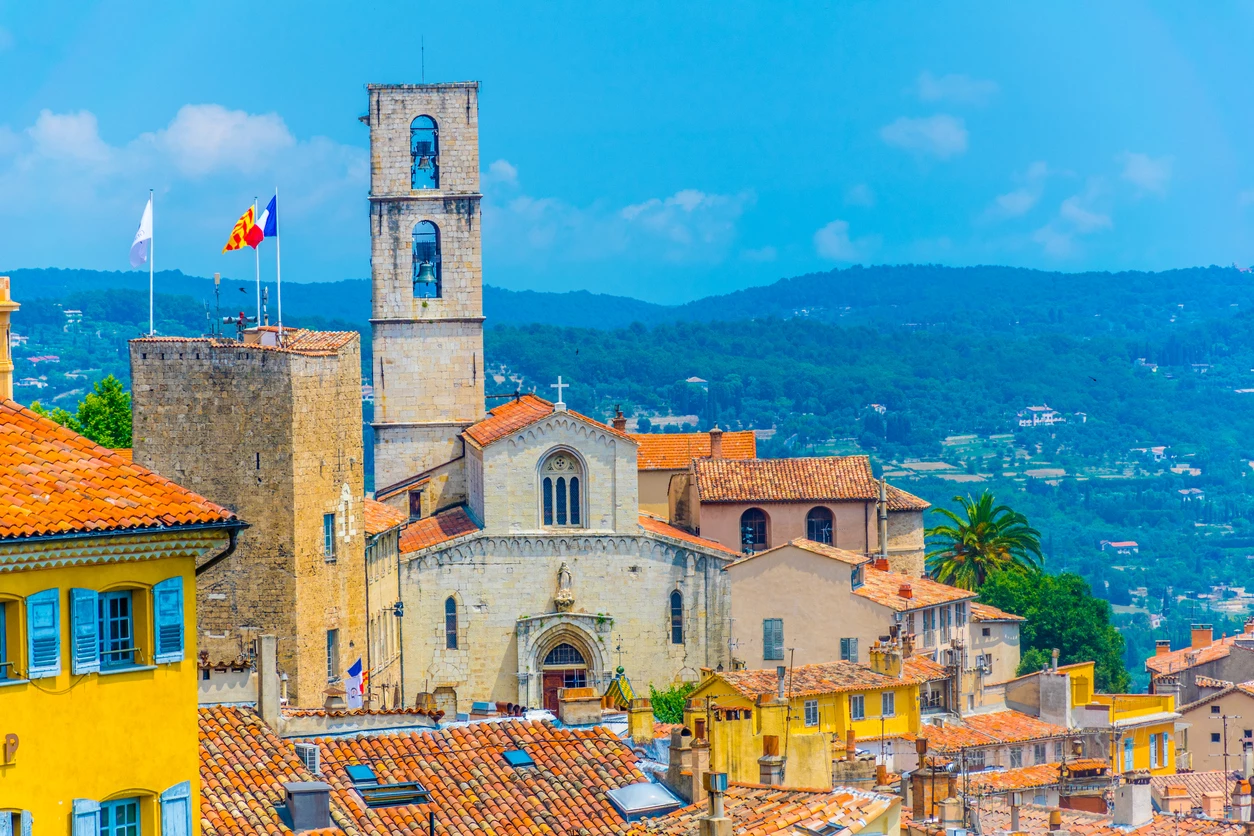
Perfume-making workshop at Molinard, Grasse
An hour at the Bastide Molinard on Boulevard Victor-Hugo in Grasse: a perfume expert explains top, heart and base notes, then each participant composes a perfume from 90 essences. You leave with your own 50 ml bottle and a numbered certificate.
Allow €89 per person on GetYourGuide, with free cancellation up to 24 hours before; the workshop is in French or English, from age 9, with free parking. Only registered participants may enter the room, and arriving more than 10 minutes late cancels the session.
- 1 hr
- €89 per person (GetYourGuide price 2026)
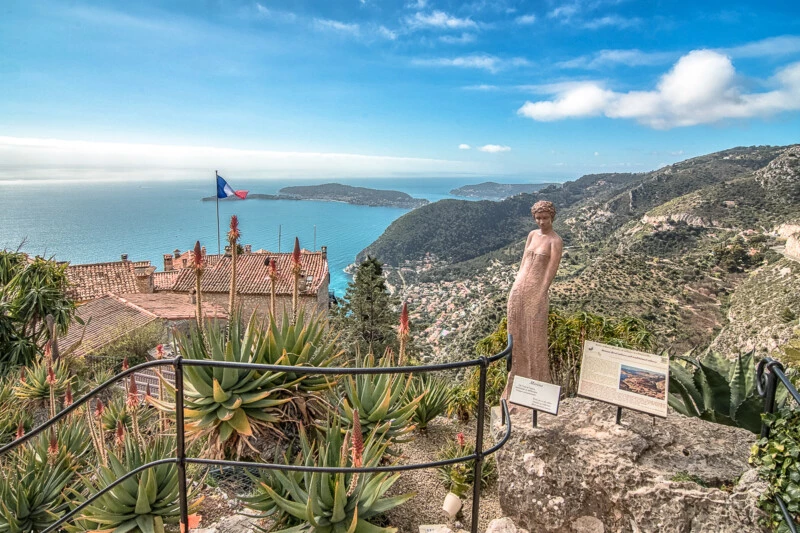
Guided half-day in Èze, Monaco and Monte-Carlo from Nice
Five hours in an air-conditioned minibus with a driver-guide: the hilltop village of Èze and the Fragonard perfume factory at its foot, then the Rock of Monaco, its cathedral and the Prince's Palace, the Grand Prix circuit and the Place du Casino in Monte-Carlo, with the Hôtel de Paris and the Café de Paris.
Allow €69 per person on GetYourGuide, with free cancellation up to 24 hours before; hotel pick-up within the served area of Nice, commentary in several languages including French. Meals and tips are not included.
- 5 hrs
- €69 per person (GetYourGuide price 2026)
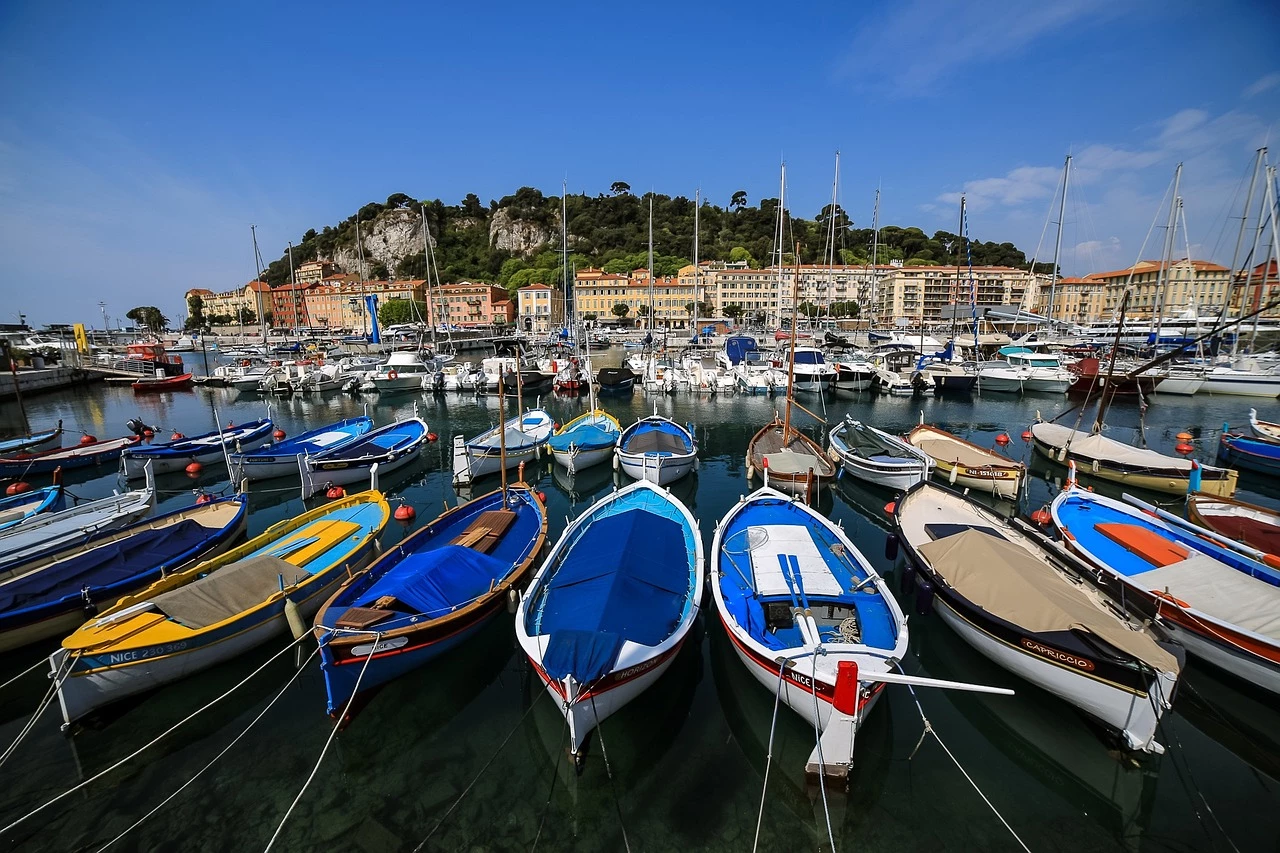
Nice food walk: socca, pissaladière and farcis
Three hours on foot with a guide through central Nice, stall by stall: socca, pan bagnat, Niçois stuffed vegetables, pissaladière, then sweet Swiss-chard tart and artisan ice cream to finish. Each stop tells the story of the dish and of Niçois cooking.
Allow €69 per person on GetYourGuide, with free cancellation up to 24 hours before; 10 participants at most, in French or English, starting just before lunchtime at the Lou Balico restaurant on Avenue Saint-Jean-Baptiste. The tastings replace a meal.
- 3 hrs
- €69 per person (GetYourGuide price 2026)
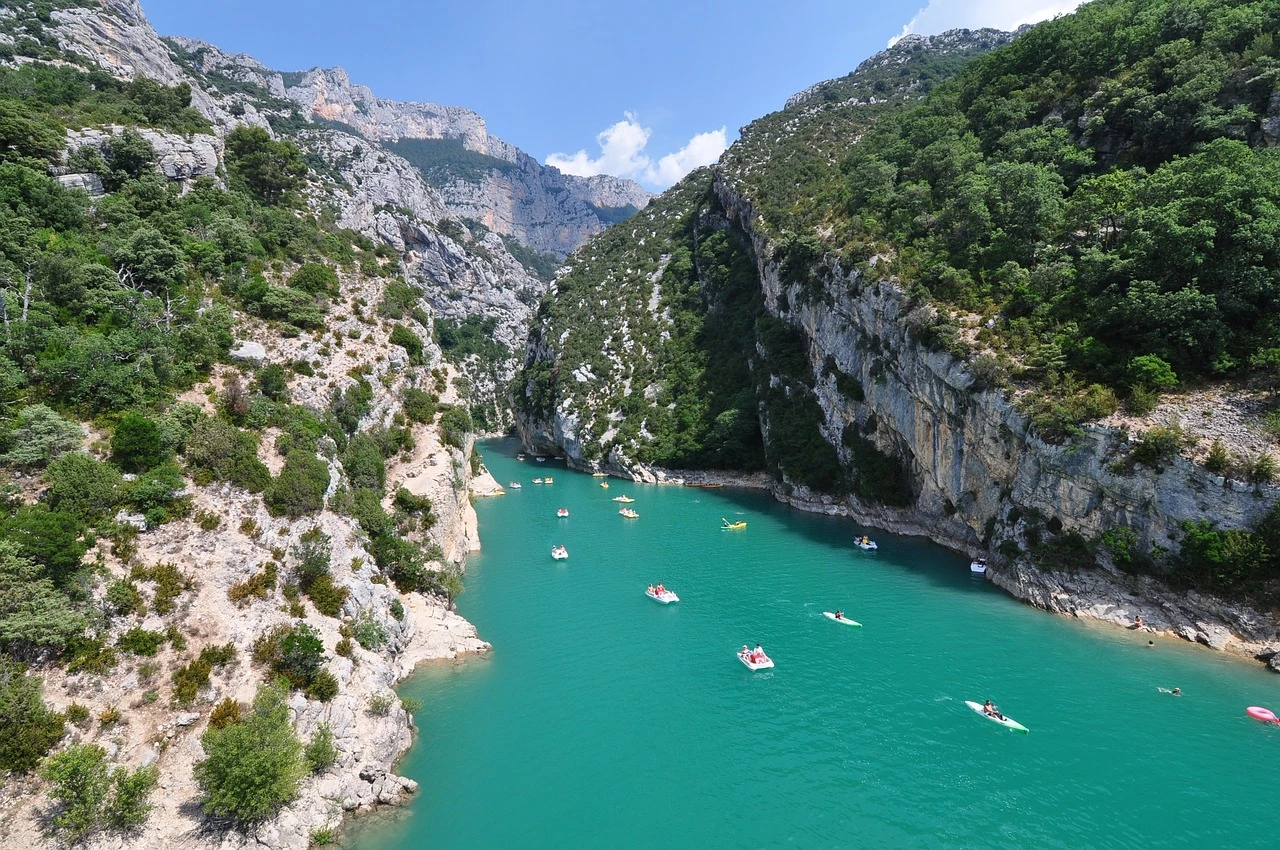
Day in the Verdon Gorge from Nice via the Route Napoléon
A small-group day in an electric vehicle with a panoramic roof: Grasse, the Route Napoléon, Castellane, the Route des Crêtes viewpoints above the gorge, Moustiers-Sainte-Marie and then Lake Sainte-Croix. From April to October a pedalo ride in the gorge is included, weather permitting.
Allow €160 per person on GetYourGuide, with free cancellation up to 24 hours before; 7 participants at most, departure and return at Le Méridien hotel in Nice, guide in English, French, German or Italian. Bring swimwear in summer.
- 10 hrs
- €160 per person (GetYourGuide price 2026)
Getting there
Nice Côte d'Azur Airport (NCE) is the main gateway; tram line 2 links the terminals to the city centre and port in around 30 min. High-speed and regional trains also serve the whole coast.
The main gateway is Nice Côte d'Azur Airport (NCE), the largest in the region and one of France's busiest. Tram line 2 connects terminals T1/T2 to the city centre (Jean Médecin) and the port (Port Lympia) in around 30 minutes.
By rail, the TGV links Paris to Nice, while the TER on the Marseille-Ventimiglia line serves the entire coast: Cannes, Antibes, Nice, Monaco-Monte-Carlo and Menton. By car, the A8 motorway runs along the region, but traffic and parking are difficult and expensive on the coast in summer.
Getting around
The TER on the Marseille-Ventimiglia line serves the whole coast from Cannes to Menton; in Nice, Lignes d'Azur trams and buses. A car is mainly useful for the hinterland.
The train is the easiest way along the coast: the TER on the Marseille-Ventimiglia line links Cannes, Juan-les-Pins, Antibes, Nice, Villefranche-sur-Mer, Èze-sur-Mer, Monaco-Monte-Carlo and Menton, with no parking worries. In Nice, the Lignes d'Azur network runs three tram lines and buses; line 2 links the airport to the centre and the port.
The hilltop villages (Èze, Saint-Paul-de-Vence) and Grasse are served by regional buses from Nice or Cannes. A car becomes useful for the hinterland, towards the Verdon Gorge or the Mercantour, but it is a handicap on the coast in summer: traffic jams and expensive parking. Saint-Tropez, to the west, is easier to reach by sea in season.
What to do
Beaches and coastal walks, glamorous cities (Nice, Cannes, Monaco), perched villages, art museums (Matisse, Chagall, Picasso, Fondation Maeght) and excursions into the hinterland.
The French Riviera is, first of all, a seaside destination: the Promenade des Anglais in Nice, La Croisette in Cannes, the coastal paths of Cap d'Antibes or Saint-Jean-Cap-Ferrat, and pebble or sandy beaches depending on the town.
For culture, the region packs in major museums (Matisse and Chagall in Nice, Picasso in Antibes, Fondation Maeght in Saint-Paul-de-Vence) and a unique heritage: the Rock and Oceanographic Museum of Monaco, the Grasse perfumeries, and the perched villages of Èze and Saint-Paul-de-Vence. For nature, head inland to the Verdon Gorge and the Mercantour National Park.
For organised outings: a perfume-making workshop in Grasse, a half-day in Èze and Monaco from Nice, a food walk through Vieux Nice and a day in the Verdon Gorge. Boat trips (the Mala cave, the Lérins Islands, the Estérel) are covered in our guide to the best beaches on the French Riviera, and the Gulf of Saint-Tropez in the Saint-Tropez guide.
Food
Socca, pissaladière, pan bagnat, stuffed vegetables and salade niçoise in Nice; fish, olive oil and Provence rosé all along the coast.
Niçois cooking is the most distinctive on the coast: socca (an oven-baked chickpea-flour pancake), pissaladière (slow-cooked onions and anchovies), pan bagnat, small Niçois stuffed vegetables, salade niçoise and Swiss-chard tart, sweet or savoury. Vieux Nice and the Cours Saleya are the best places to try them.
Elsewhere the coast focuses on grilled fish, bouillabaisse and olive oil from the hinterland. Menton has its lemons, Grasse its candied flowers, and Provence rosé goes with most meals on a terrace.
Climate & seasons
When to go to France?
Monthly averages over the past 5 years (Open-Meteo).
Best months
- May
- June
- July
- August
- September
| Jan | Feb | Mar | Apr | May | Jun | Jul | Aug | Sep | Oct | Nov | Dec | |
|---|---|---|---|---|---|---|---|---|---|---|---|---|
| Our take | ||||||||||||
| Weather | ||||||||||||
| High | 12° | 13° | 15° | 17° | 21° | 26° | 28° | 29° | 25° | 21° | 16° | 13° |
| Rain (mm) | 78 | 70 | 90 | 73 | 57 | 40 | 9 | 24 | 60 | 112 | 76 | 74 |
| Beach | Beach June | Beach July | Beach August | Beach September |
What to do by season (autumn)
-
Beach
Warm air and water, little rain.
When to go
Spring (April-June) and early autumn (September-October) are ideal: mild weather, the sea still pleasant and fewer crowds than in peak summer.
The French Riviera can be visited year-round, but spring (April to June) and early autumn (September-October) offer the best balance: mild temperatures, gardens in bloom or a still-warm sea, and manageable crowds.
Summer (July-August) is high season: lively beaches and festivals, but dense crowds, heavy traffic and peak prices. Winter stays mild and quiet, perfect for museums and villages without the crowds (Nice Carnival and Menton's Lemon Festival in February).
Where to stay
Nice is the most practical base (central, well served by train and tram). For a softer budget aim for Menton or Antibes; Monaco, Cannes and Saint-Tropez are the priciest.
Nice is the best base: central, linked by train to the whole coast and by tram to the airport, it offers every budget, from seafront palaces to city-centre guesthouses.
To cut costs, Menton (on the Italian border) and Antibes have more affordable accommodation while staying on the TER line. Cannes, Monaco and Saint-Tropez concentrate the luxury offer and the highest prices, especially in summer. The perched villages (Èze, Saint-Paul-de-Vence) are lovely for a quiet night. Book early in high season.
Two bases have guides of their own: Saint-Tropez for the peninsula, and Marseille to the west, gateway to Provence and the calanques.
Safety
The region is safe; watch out for pickpockets on trains, on the Promenade and in summer crowds. Emergencies: 15, 17, 18, 112, and 196 for sea rescue.
The French Riviera poses no particular risk, but pickpocketing is common on TER trains, in stations, on the Promenade des Anglais and in summer crowds: keep bags and phones closed and leave nothing on view in a parked car. In summer, heat and sun call for water, a hat and sunscreen, especially when hiking inland.
Emergency numbers in France: 15 (medical emergencies, SAMU), 17 (police), 18 (fire brigade), 112 (European emergency number), 196 (sea rescue) and 114 by text for deaf or hard-of-hearing people. In Monaco, 17 and 18 also work.
Formalities
France is in the EU and the Schengen Area: ID card or passport depending on nationality, euro as currency. Monaco has no border control with France; ETIAS is not yet in service.
France is part of the European Union and the Schengen Area: EU/EEA/Swiss nationals travel with a valid ID card or passport. Other visitors follow Schengen rules (short stays of 90 days in any 180, visa depending on nationality). The currency is the euro (EUR).
Monaco is a sovereign state, but the border with France is open: you enter freely, with no checks, and the euro is used there too.
For non-European travellers, the EES Entry/Exit System (biometric registration at the Schengen external border) has been fully operational since 10 April 2026. The ETIAS authorisation is not yet in service and no launch date has been set (September 2026). Neither applies to EU citizens. A tourist tax per person per night applies, depending on the municipality and the accommodation rating.
FAQ
Best time to go, transport, formalities, budget and beaches: answers to the most common questions before a trip to the French Riviera.
When is the best time to visit the French Riviera?
Spring, April to June, and early autumn, September to October, give the best balance: mild temperatures, gardens in bloom or a sea still warm, and reasonable crowds. Summer, July and August, is high season: lively beaches and festivals, but dense crowds, difficult traffic and peak prices. Winter stays mild and quiet, ideal for museums and hill villages without the crush, with two highlights in February, the Nice Carnival and the Menton Lemon Festival.
Do I need a car or is the train enough?
The train is more than enough along the coast. The TER on the Marseille-Ventimiglia line links Cannes, Antibes, Nice, Monaco-Monte-Carlo and Menton with no parking hassle, and the TGV reaches Nice from Paris. A car becomes useful for the hinterland, towards Grasse, the Verdon gorges or the Mercantour national park. On the coast it is a liability in summer: the A8 motorway runs along the region, but traffic and parking are difficult and expensive. Arriving in Nice, tram line 2 connects the airport to the centre in around 30 minutes.
Is Monaco part of France? Do I need a passport?
No, Monaco is an independent sovereign state, an enclave within the Alpes-Maritimes that is usually treated as part of the Riviera on a trip. The border with France is open: you enter freely, with no checks and no special passport, and the euro is the currency. The TER on the Marseille-Ventimiglia line stops directly at Monaco-Monte-Carlo station, which spares you the very expensive parking. The principality concentrates the region's luxury offer and highest prices, with the Rock and the Oceanographic Museum as the main sights.
What are the formalities for visiting the region?
France is in the EU and the Schengen Area: no visa for EU nationals. Non-European travellers follow Schengen rules and the EES Entry/Exit System, in service since 10 April 2026; the ETIAS authorisation is not yet in service and no launch date has been set (September 2026).
How many days should I plan?
Plan 4 to 7 days to combine the coast, from Nice to Cannes, Monaco, Antibes and Menton, with a few excursions to the hill villages of Èze and Saint-Paul-de-Vence or the perfume houses of Grasse. Three days are enough for a first taste centred on Nice, which makes the best base: central, linked by train to the whole coast and by tram to the airport. Beyond a week, the hinterland opens up, with the Verdon gorges and the Mercantour national park, this time by car.
Is the French Riviera expensive?
It is one of France's priciest destinations, especially in summer and in the luxury hubs of Monaco, Cannes and Saint-Tropez. Several levers bring the bill down: travel off season, in spring or early autumn, stay in Nice, which caters to every budget, or in Menton and Antibes, cheaper while still on the TER line, and travel by train rather than car to avoid expensive parking. A tourist tax per person per night also applies, at a rate set by each town.
How do I get into the city from Nice airport?
Nice Côte d'Azur Airport (NCE) is the largest in the region. Tram line 2 links the terminals to the city centre (Jean Médecin) and the port in around 30 minutes.
Are the beaches sand or pebble?
Both, depending on the town. In Nice and along much of the central coast, the beaches are pebble, which often surprises visitors and makes water shoes worth packing. For sand, head to Antibes and Juan-les-Pins, Villefranche-sur-Mer or the managed beaches of Cannes. The coast is not only about beaches either: the shoreline paths around Cap d'Antibes and Saint-Jean-Cap-Ferrat lead to rocky coves reachable on foot, usually far quieter than the big beaches in high summer.
Sources
The figures in this guide come from the sources below, checked on the publication date.
- www.explorenicecotedazur.com
- www.explorenicecotedazur.com
- en.cannes-france.com
- www.visitmonaco.com
- www.palais.mc
- www.oceano.org
- www.mercantour-parcnational.fr
- www.nice.aeroport.fr
- travel-europe.europa.eu
- usines-parfum.fragonard.com
- www.galimard.com
- www.antibesjuanlespins.com
- www.eze-tourisme.com
- fr.wikipedia.org
- www.getyourguide.com
Leave a comment
Share your thoughts or travel experience. Your email will not be published.