

Contents 30
Overview
Kyrgyzstan is a land of alpine lakes and nomadic life, headlined by Issyk-Kul, the world's second-largest mountain lake, and Song-Kul at 3,016 m.
Kyrgyzstan is a Central Asian destination dominated by the Tian Shan mountains. Travelers come to sleep in shepherds' yurts, hike to glacial lakes like Ala-Kul and follow the 668 km of shoreline around Issyk-Kul. This travel guide covers the great northern loop from Bishkek to Karakol, the best fit for a first trip.
The country is surprisingly easy to organize. Citizens of France and most EU countries enter visa-free for up to 30 days, and the CBT community tourism network has been connecting travelers with nomad families since 2003: yurts, horses, guides and 4x4 transfers can all be booked through its local offices (Kochkor, Karakol, Bokonbayevo).
- Capital: Bishkek
- Currency: Kyrgyz som (KGS); €1 is worth roughly 95 to 100 soms in 2025-2026 (about $1.10)
- Visa: visa-free entry up to 30 days for most EU citizens; check your own government's rules
- Best time to visit: June to September
Demanding treks, horseback rides between yurt camps or a simple shared-taxi loop around the lakes: you can shape the trip to your own fitness and budget, from €30 a day.
Torn between Kyrgyzstan and its Uzbek neighbour with its Silk Road cities? Our Uzbekistan guide and the comparison Uzbekistan or Kyrgyzstan settle the question.
12 places to take with you
In the guide's order, ready for Google Maps or your GPS.
Book the activities from this guide
Our picks for Kyrgyzstan, well rated and free to cancel.
-
Book this activity
Eagle-hunting demonstration in Bokonbayevo
20-40 $ par personne selon la taille du groupe
Affiliate links: Travel Advice earns a commission if you book, at no extra cost to you. Learn more

Lake Issyk-Kul
An inland sea set between two snow-covered ranges: that's the effect Issyk-Kul produces when the road tips over onto its shores. The water almost never freezes, even while the Tian Shan peaks framing it stay white for much of the year.
Sitting at 1,606 m and stretching 178 km, it is the world's second-largest mountain lake. A biosphere reserve since 2001 and a Ramsar site, it unrolls 668 km of shoreline alternating beaches, arid canyons and Kyrgyz villages.
You can easily spend three or four days here: swimming and downtime on the north side, then exploring the south shore between Bokonbayevo, Skazka Canyon and Jeti-Ögüz, with an eagle-hunting demonstration along the way. The lake also serves as the backbone of the country's whole eastern loop, all the way to Karakol.
No other place condenses so much of Kyrgyzstan: water, steppe, mountains and village life all sit along a single circular road.
In summer, the seasonal Issyk-Kul airport at Tamchy (IKU) gets you straight to the shoreline without going back through Bishkek.

Song-Kul Lake
When you reach the plateau, the silence strikes you as much as the light: herds, horses and yurt camps as far as the eye can see, without a single tree or fence. Song-Kul is the beating heart of Kyrgyz nomadic life.
This 275 km² alpine lake sits at 3,016 m amid the summer pastures. Frozen and snowbound for around 150 days a year, it is only accessible from June to early September, when the shepherd families move up with their animals.
You spend a night or two under a yurt, watch the mares being milked, taste kumis (fermented mare's milk) and ride along the shoreline on horseback. At night, the altitude delivers an exceptional starry sky.
If Issyk-Kul is the trip's scenery, Song-Kul is its experience: nowhere else can you live nomadic culture this closely, in a setting this intact.
Don't plan anything here after mid-September; the camps are dismantled and the plateau empties out.

Karakol
Grid-pattern streets lined with wooden Russian houses, and peaks above 4,000 m as a backdrop: Karakol has an end-of-the-world feel that makes you want to lace up your boots on arrival.
The town preserves two surprising monuments, inherited from its Russian and Hui past: the wooden Orthodox Holy Trinity Cathedral and a Dungan mosque built without a single nail.
Above all, this is where you prepare for the mountains: Karakol is the base camp for Tian Shan trekkers and the starting point for the Ala-Kul, Altyn-Arashan and Jeti-Ögüz valleys. Agencies, guesthouses and the CBT office arrange guides, porters and transfers. Allow one day in town to sightsee and sort out logistics.
No other town in the country combines this blended heritage with such direct access to the finest treks: it's the pivotal stop on the eastern loop.
From Bishkek, the shared taxi takes 6 to 7 hours: leave in the morning so you're not on the road after dark.

Ala-Kul Lake
After hours of climbing through the moraines, the turquoise blue of Ala-Kul appears all at once, unreal amid the grey scree. It's the image every hiker comes to Kyrgyzstan to find.
This glacial lake sits at 3,560 m above Karakol. The classic route takes 3 days: up the Karakol valley, over the 3,860 m Ala-Kul pass, then down to Altyn-Arashan and its hot springs.
The trek crosses fir forests, moraines and yurt-dotted pastures. Camps and huts punctuate the route, so you can go without a tent; self-guided, a camp night costs €10 to €15, and Karakol agencies offer a guide and porters for €40 to €60 a day.
It's the country's most famous trek, and the most rewarding for a fit hiker: demanding, but requiring no mountaineering skills in summer.
Cross the pass in the Karakol-to-Altyn-Arashan direction: the hot springs at the end are the trek's best reward.

Altyn-Arashan Gorge
A rushing river, slopes covered in Schrenk's spruce and, at the far end, the silhouette of Palatka Peak: Altyn-Arashan, the "golden springs," lives up to its name when the evening light gilds the valley.
At 2,500 m, a handful of rustic lodges cluster around natural hot springs. You get there on foot, on horseback or by Soviet-era 4x4 from Ak-Suu, near Karakol: the track is an adventure in itself.
People come to soak in the hot pools, between 35 and 50°C, on a day trip or at the end of the Ala-Kul trek. A night in a lodge lets you enjoy the valley once the day visitors have gone.
Few places in the world offer a wild hot bath facing such a high-mountain backdrop, for a few hundred soms.
If you're torn between hiking and the 4x4, walk up and ride down: the track shakes you around a lot.

Ala-Archa National Park
Leaving Bishkek's traffic and finding yourself, less than an hour later, at the foot of glacier-hung walls: Ala-Archa delivers the country's most striking contrast.
Just 40 km from the capital, this alpine gorge climbs from 1,600 m to over 4,800 m. It's the historic playground of Soviet mountaineers, with the Ratsek camp still the reference point.
The classic hike leads to the Ak-Sai waterfall as a day walk on a well-marked trail. Fitter hikers push on to the climbers' camp; everyone else simply enjoys the woods and viewpoints near the park entrance.
It's the ideal nature escape at the start or end of your trip: no heavy logistics, no prior acclimatization, and a perfect first taste of the Tian Shan before the big treks.
Schedule this day right after landing: it warms up your legs before Song-Kul and Ala-Kul.

Burana Tower
Alone in the middle of the fields, facing the mountains, the Burana Tower rises like a brick exclamation mark: the last standing remnant of a vanished Silk Road capital.
This 11th-century minaret belonged to the Karakhanid city of Balasagun. The site has been a UNESCO World Heritage listing since 2014, as part of the Chang'an-Tian Shan corridor of the Silk Roads.
You climb the steep, dark interior staircase for a panorama over the whole Chuy valley. At the foot of the tower, a field of balbals, those enigmatic Turkic funerary stelae, rounds off the visit. An hour is enough to see everything.
It's the country's easiest cultural stop: no detour, a thousand years of history, and the trip's first face-to-face with the Silk Road.
Ask your driver to plan the stop from the outset: it's the perfect break on the way to Kochkor and Song-Kul.

Bishkek
Straight, tree-lined avenues, Soviet facades, and at the end of every vista, the snowy wall of the Tian Shan: Bishkek surprises with its calm and its greenery.
The capital reveals itself around Ala-Too Square, the State History Museum and the shaded paths of Panfilov Park. Its Soviet-era grid plan makes it easy to find your way around.
The real show is at Osh Bazaar: a huge, down-to-earth market where spices, kurut cheese and mountains of fruit plunge you straight into Central Asia. Add the changing of the guard on Ala-Too Square, and one day covers the essentials.
More than a destination in itself, Bishkek is the ideal entry airlock: you change your money, sort out your logistics, and the mountains of Ala-Archa are only 40 km away.
Catch the changing of the guard on Ala-Too Square before heading to Osh Bazaar to put together your road-trip picnic.

Tash Rabat Caravanserai
At the end of a bare valley, hours from any town, a stone dome emerges from the hillside: Tash Rabat looks as if a medieval caravan simply left it behind.
This 15th-century caravanserai is tucked away at 3,200 m, on the old Silk Road that led to the Torugart Pass and China. It is the best-preserved medieval monument in Kyrgyzstan.
You explore its domes and vaulted cells by torchlight, picture merchants and pack animals sheltering within its walls, then walk the surrounding valley. A night in the neighboring yurt camps lets you experience the site in peace once the 4x4s have left.
For anyone who wants to touch the Silk Road somewhere other than a museum, no site in the country matches this immersion.
This extension adds about two days to the classic loop: book the 4x4 through CBT or your guesthouse in Naryn.

Skazka (Fairy Tale) Canyon
Ochre walls, dragon-shaped ridges, petrified sandcastles: within your first steps into Skazka, you understand its nickname, the "Fairy Tale Canyon."
The site lies on the south shore of Issyk-Kul, between Bokonbayevo and Karakol. Erosion has carved the red and ochre sandstone into a compact maze of fantastical shapes.
You explore it freely, with no fixed trail: scramble up the ridges, squeeze between the walls, frame the lake in the distance. Allow one to two hours of walking, more if you're taking photos.
It's the most spectacular stop on the southern road for minimal effort: no approach hike, and a one-of-a-kind landscape right beside the lake road.
Follow up with a night in Karakol or Bokonbayevo depending on your direction around the loop: the canyon sits between the two.

Jeti-Ögüz
Seven masses of red sandstone standing against the firs: the "Seven Bulls" cliffs and the Broken Heart rock form one of the country's most photographed landscapes.
These formations guard the entrance to a valley of alpine pastures 25 km from Karakol. A former Soviet sanatorium, still planted at the foot of the cliffs, adds a retro touch to the scene.
Beyond the rocks, the valley climbs toward the Kok-Jaiyk meadows and their yurt camps: you can walk or ride up to the waterfall known as the "Horse's Tail." The outing makes a relaxed day trip.
Compared with the area's demanding treks, Jeti-Ögüz is the gentle option: big landscapes and a true jailoo (summer pasture) atmosphere, accessible to everyone, families included.
Climb up to the Kok-Jaiyk meadows rather than staying at the foot of the cliffs: the classic mistake is leaving after a single photo of the Seven Bulls.

Bokonbayevo
A golden eagle swooping onto its master's gloved fist, with the steppe and the lake behind: that image is why you stop in Bokonbayevo.
This small town is the hub of Issyk-Kul's south shore and the stronghold of the berkutchi, the golden eagle hunters, who keep alive the salburun tradition, celebrated at a festival every summer.
You watch a demonstration of training, free flight and the eagle's recall, visit felt-making workshops and sleep in a family yurt. Everything is arranged through the local CBT office or the guesthouses.
It's the liveliest stop on the south shore: here, nomadic culture isn't on display, it's practiced daily.
If you're traveling in August, ask about the dates of the Salbuurun festival: the spectacle takes on a whole other scale.
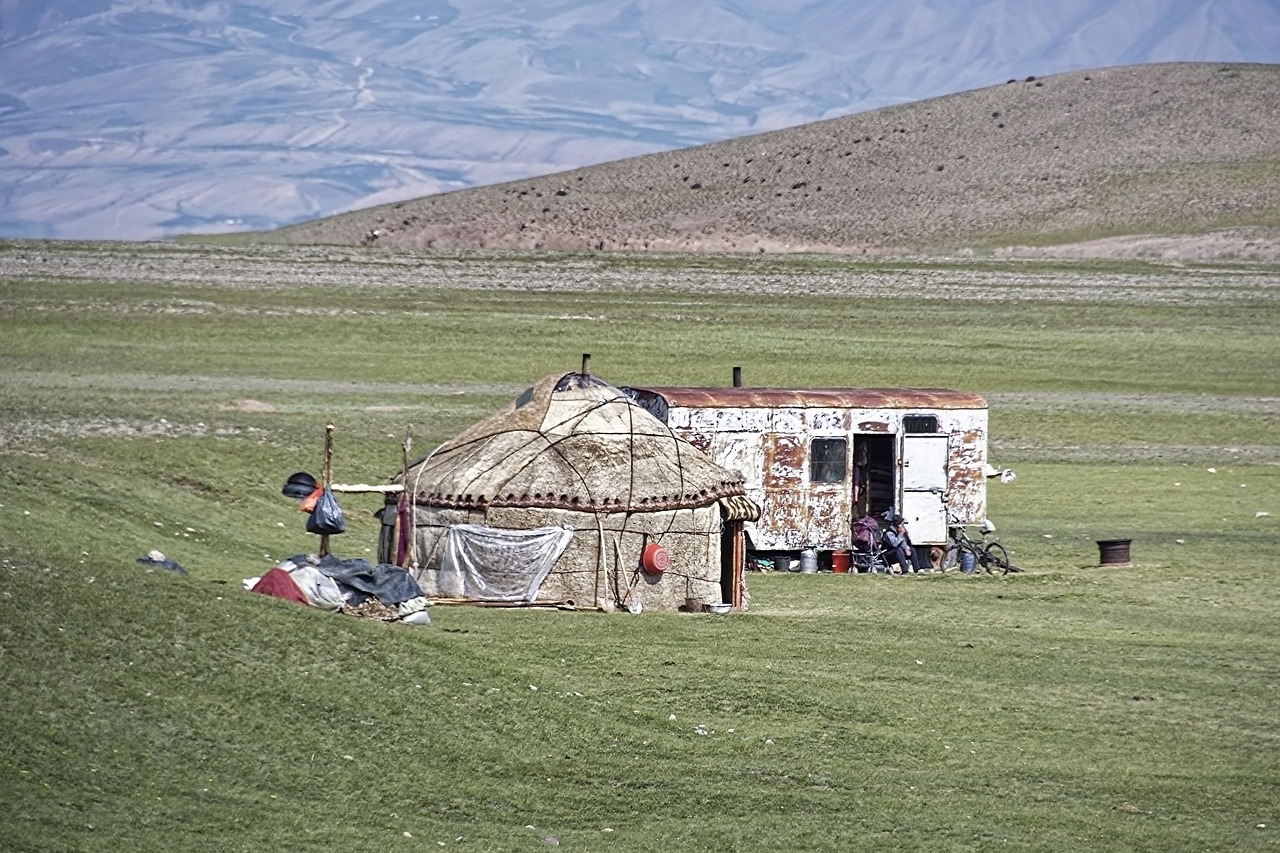
Yurt night with the shepherds of Song-Kul
The day unfolds to the rhythm of the camp: mares being milked, a taste of kumis (fermented mare's milk), a wander among the herds, then a family dinner under the yurt. The magic arrives after dark, when the high-altitude sky at 3,016 m fills with stars like nowhere else.
The experience suits everyone, families included, as long as you can handle simple comfort and cold nights, possible even in August. Book through the CBT network, whose profits go back to the communities: at the Kochkor office in person or on cbtkyrgyzstan.kg, a day or two ahead in high season. Bring a light sleeping bag, a headlamp and warm clothes.
- 1 à 2 nuits
- 35-70 € par personne et par nuit en pension complète (tarifs CBT 2025)
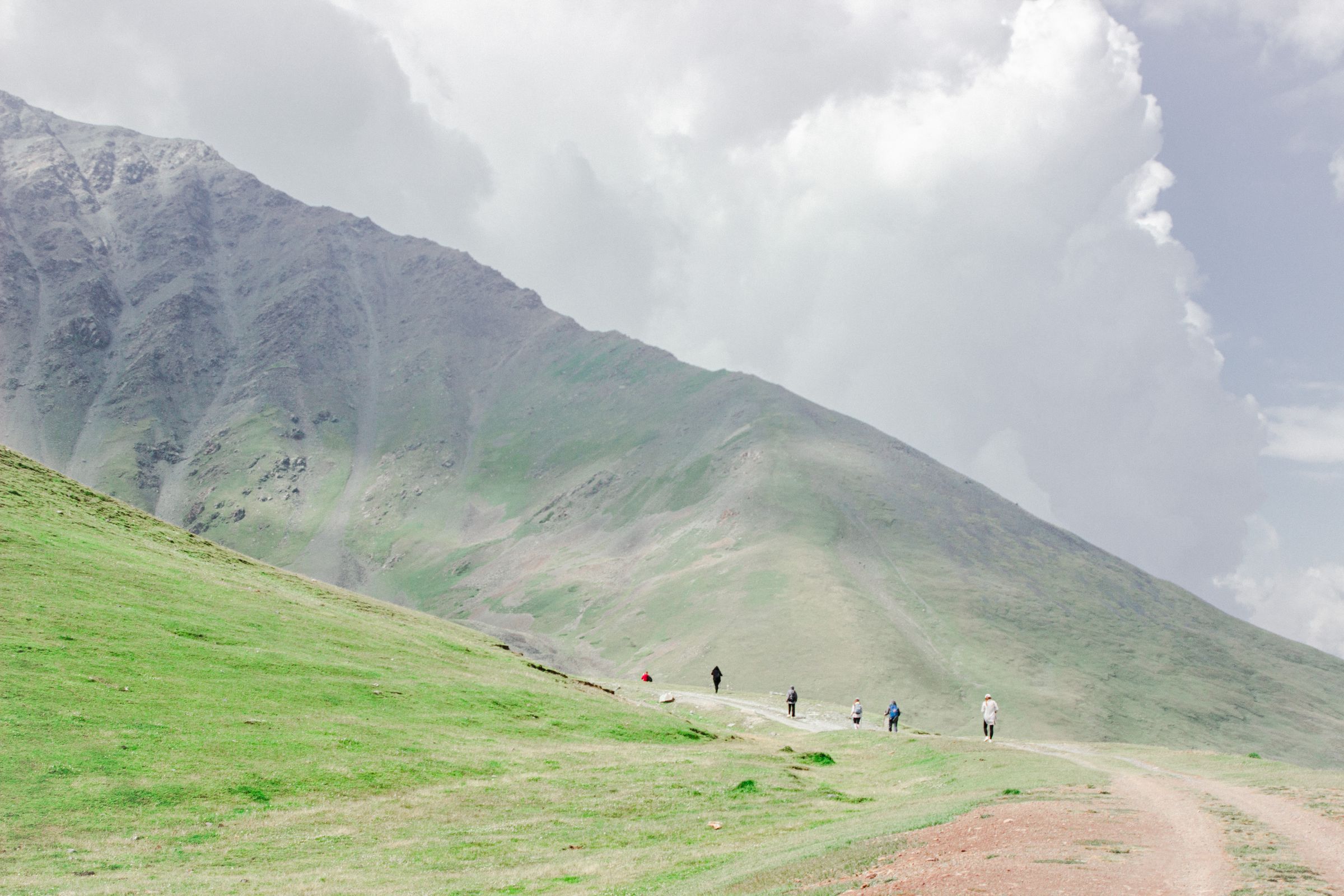
Ala-Kul Lake trek via Altyn-Arashan
Three days on a great classic: up the Karakol valley between firs and alpine pastures, a night in a yurt camp, then over the Ala-Kul pass at 3,860 m. The trek's high point is the moment the turquoise lake reveals itself below, before the long descent to the Altyn-Arashan hot springs.
The trek is for hikers in good shape and reasonably acclimatized; no mountaineering skills are required in summer. Camps and huts mean you can go without a tent. Arrange it from Karakol, self-guided or with a guide and porters through a local agency, and cross the pass early in the morning: fog and snow often roll in from mid-afternoon.
- 3 jours / 2 nuits
- 10-15 €/nuit en camp de yourtes en autonomie ; 40-60 €/jour avec guide et portage
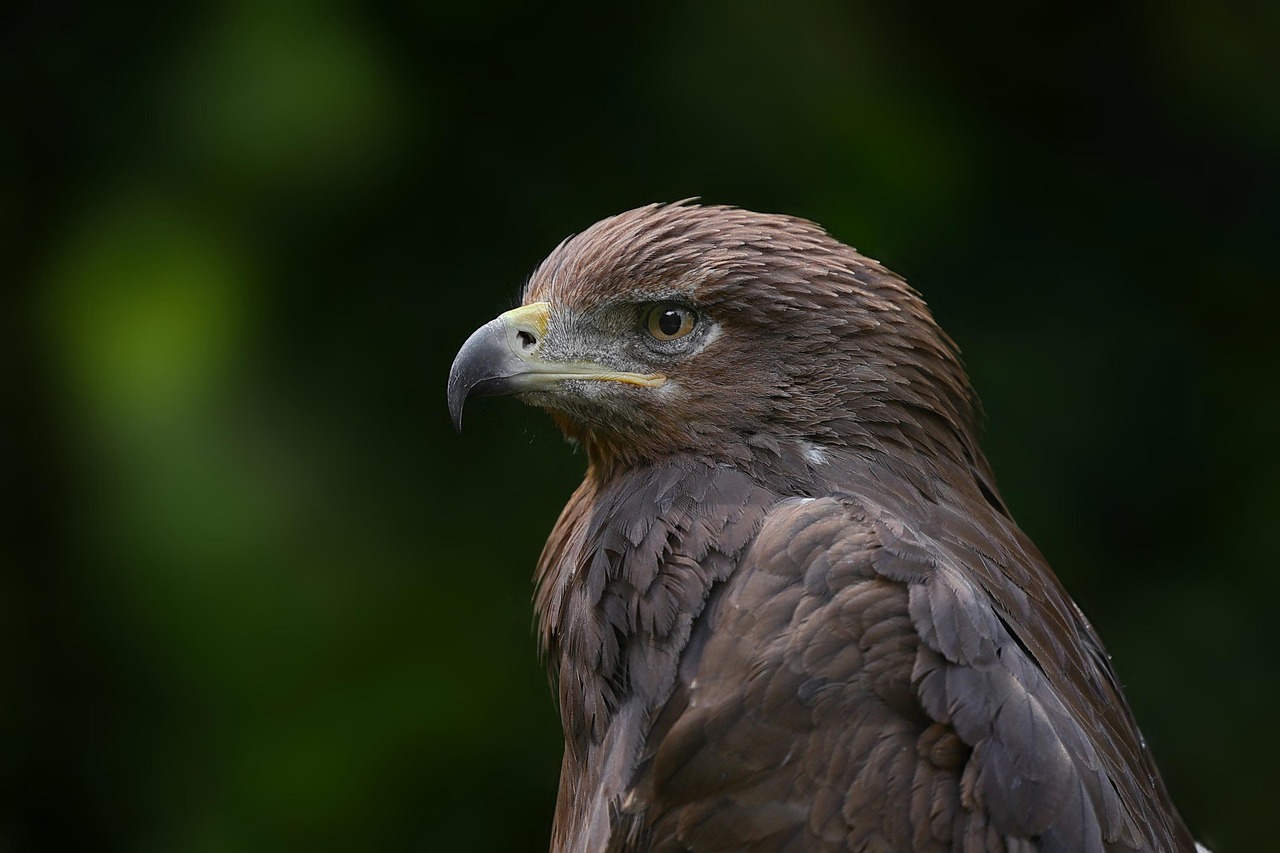
Eagle-hunting demonstration in Bokonbayevo
Facing the steppe of Issyk-Kul's south shore, a berkutchi (eagle hunter) presents his golden eagle: training, free flight, then the recall as the bird dives onto the glove at full speed. Standing a few meters from a raptor of this wingspan stays with you long after the trip.
The encounter suits all ages and lasts one to two hours: perfect at the end of the day between Song-Kul and Karakol. Book the day before through your guesthouse or the Bokonbayevo CBT office, expect $20 to $40 per person, and bring a telephoto lens if you're photographing. Every summer, the salburun tradition is also celebrated at a festival.
- 1 à 2 heures
- 20-40 $ par personne selon la taille du groupe
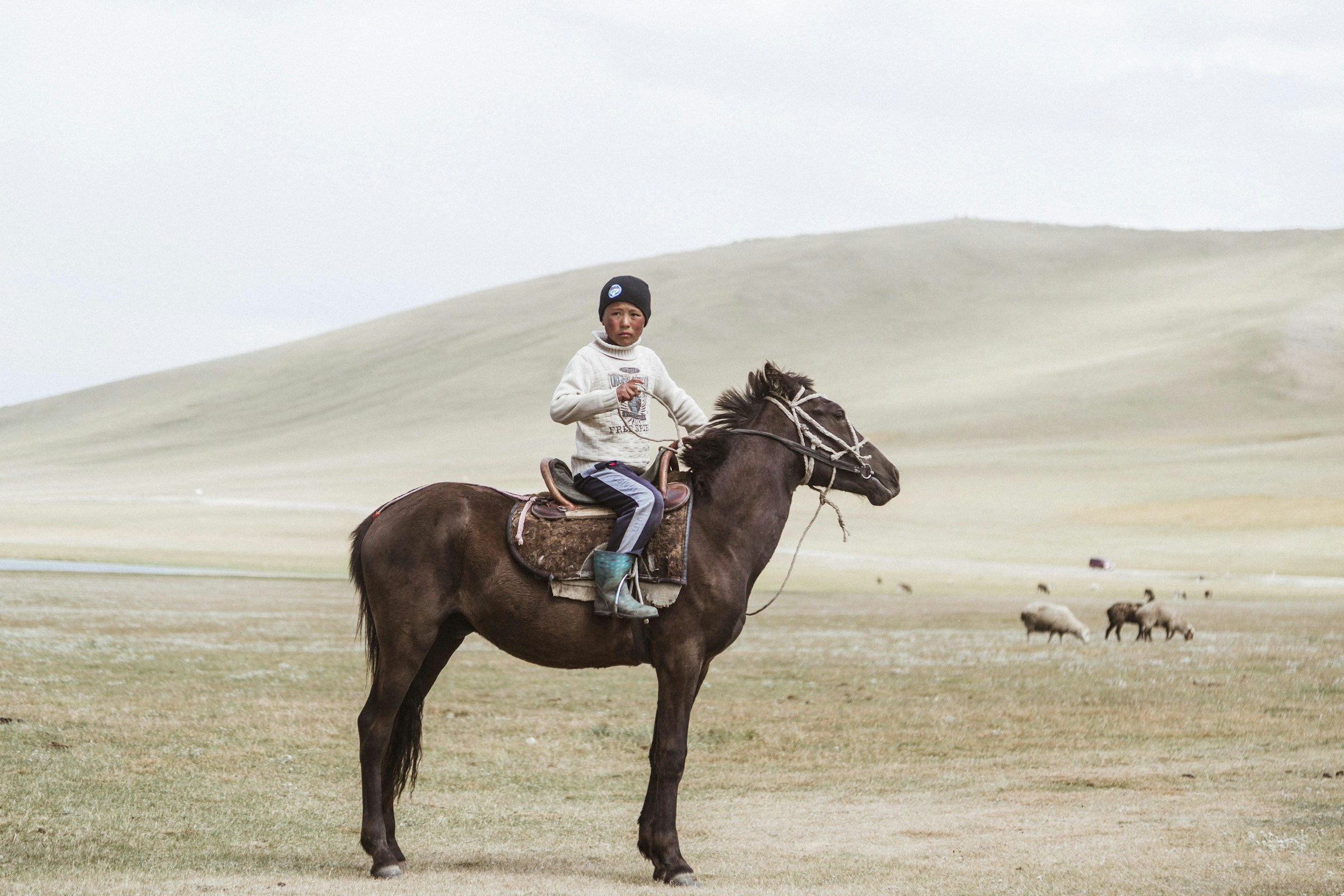
Horseback trek to Song-Kul
Riding between Kyzart or Kochkor and the lake, you cross the jailoo, the summer pastures where the herds graze, from one yurt camp to the next. The strongest memory: emerging onto the Song-Kul plateau after hours in the saddle, the immense lake spread out below.
Kyrgyz horses are docile and the local guide adapts the pace: no riding experience is required for the gentle version, though two or three days in the saddle call for some stamina. Book through the CBT network, expect €25 to €40 a day all inclusive, and pack long trousers, gloves and high-altitude sun protection.
- 1 à 3 jours
- 25-40 € par jour et par personne, cheval et guide compris
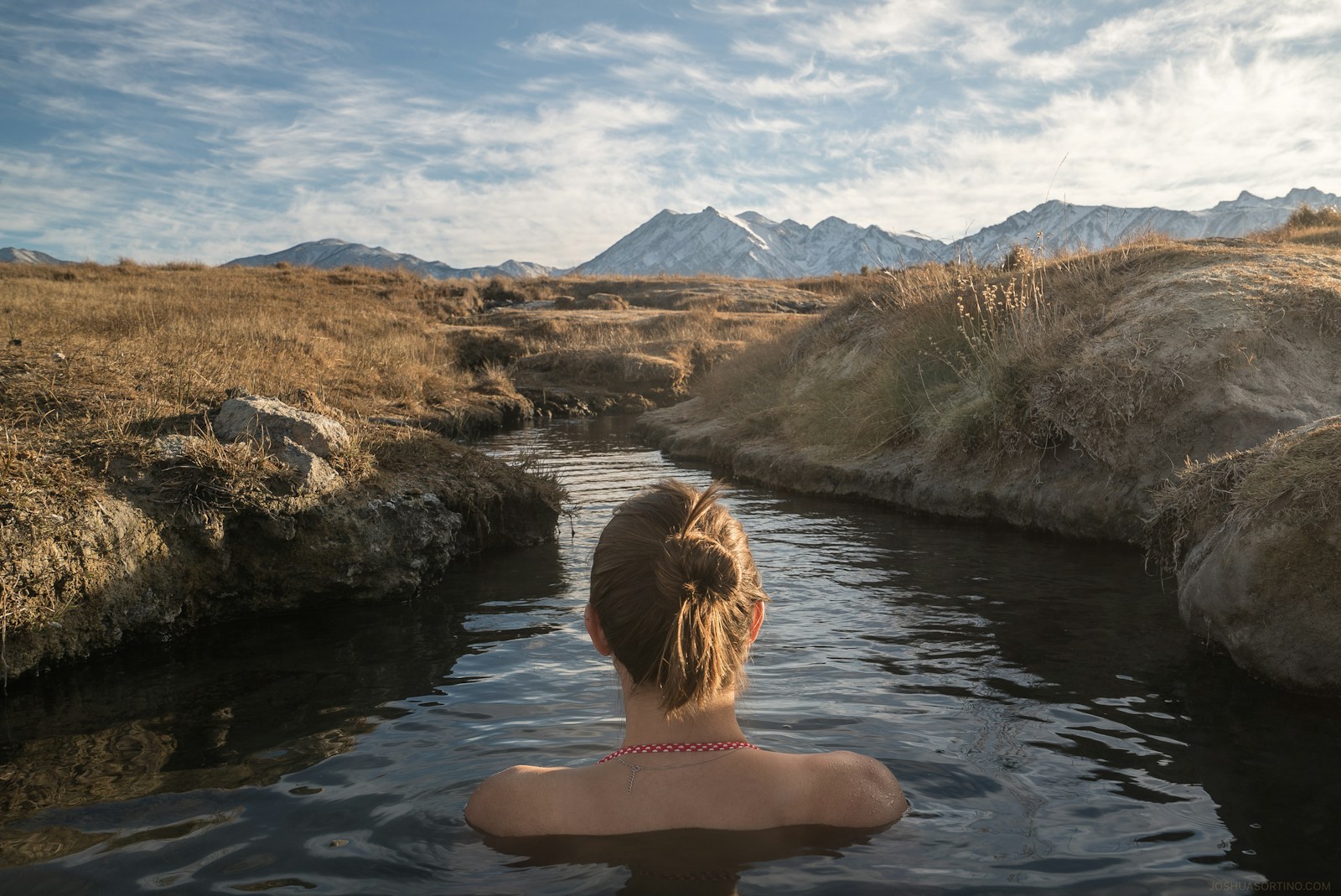
Hot springs and banya at Altyn-Arashan
You slip into natural pools at 35-50°C, the icy river a few meters away and the valley's firs all around. After the Ala-Kul pass or a day on the track, this wild hot bath facing Palatka Peak is pure recovery.
The excursion works as a day trip from Karakol in a shared Soviet-era 4x4 (€15 to €25 round trip), or as the finale of the Ala-Kul trek. The bath costs €2 to €5: pay in soms, and bring a swimsuit, a towel and sandals. Arrange the 4x4 through your Karakol guesthouse the day before.
- Demi-journée à 1 journée
- 2-5 € le bain ; 15-25 € l'aller-retour en 4x4 partagé depuis Karakol
Getting there
Kyrgyzstan has three air gateways: Manas International Airport (FRU) in Bishkek, Osh (OSS) in the south and the seasonal Issyk-Kul airport at Tamchy (IKU).
The vast majority of travelers land at Manas (FRU), Bishkek's international airport and the natural starting point for the northern loop described in this guide. From Europe, the journey involves at least one connection; compare the airlines serving Bishkek and watch fares several months ahead for the July-August high season.
Two alternatives exist depending on your route. Osh airport (OSS) serves the south of the country and lets you, for example, fly into Bishkek and out of Osh by adding a domestic flight. The seasonal Issyk-Kul airport at Tamchy (IKU) puts you straight on the shores of the great lake in summer.
Once in the country, the Bishkek-Osh domestic flight saves long hours on the road if you want to extend the trip southward. For the classic loop through Bishkek, Burana, Song-Kul, Issyk-Kul and Karakol, no flight is needed: everything is done by road.
Getting around
Marshrutkas (minibuses) and shared taxis link every town for a few euros; allow 6 to 7 hours between Bishkek and Karakol.
Marshrutkas and shared taxis form the backbone of Kyrgyz transport. Marshrutkas, the minibuses you'll see everywhere, cross a whole region for a few euros. Intercity shared taxis are faster: the Bishkek-Karakol run takes 6 to 7 hours. In both cases you pay in cash and leave when the vehicle is full.
For the high-altitude tracks, these lines no longer cut it. Song-Kul, Tash Rabat and Altyn-Arashan are reached by 4x4, on horseback or on foot. You have two options: rent a 4x4 with or without a driver, or go through the CBT offices (Kochkor, Karakol, Bokonbayevo), which arrange transfers, horses and guides at local prices.
A few figures to help you plan:
- Marshrutka: a few euros to cross a region, frequent departures
- Shared taxi Bishkek-Karakol: 6 to 7 hours on the road
- 4x4 with driver: essential for Song-Kul and the high-altitude tracks
- Domestic flight: Bishkek-Osh to reach the south
Avoid driving at night: road conditions and local driving habits are the country's biggest real risks.
What to do
A yurt night at Song-Kul, the Ala-Kul trek, Issyk-Kul's south shore and an eagle-hunting demonstration in Bokonbayevo: four essential first-trip experiences.
Kyrgyzstan is lived outdoors. The heart of the trip is where high mountains meet nomadic culture: sleeping in a shepherd family's yurt at 3,016 m beside Song-Kul, crossing the Ala-Kul pass above a turquoise lake, then rewarding yourself in the hot springs of Altyn-Arashan.
Around Issyk-Kul, the south shore lines up one backdrop after another: the red sandstone of Skazka (Fairy Tale) Canyon, the cliffs of Jeti-Ögüz, and golden eagle hunting demonstrations by the berkutchi (eagle hunters) of Bokonbayevo. On the culture side, the Burana Tower (UNESCO), Karakol's wooden cathedral and Dungan mosque, and the Tash Rabat Caravanserai tell the story of the Silk Road.
Horseback rides between jailoo (summer pastures) are the country's other great specialty: 1 to 3 days in the saddle between yurt camps, local guide included, for €25 to €40 a day. The full details of the 12 places and 5 activities we've selected are further down this guide, with practical tips for each.
Food
Eating local costs very little: bazaar meals and guesthouse dinners fit easily within a backpacker budget of €30 a day.
Kyrgyz cooking is shepherds' food: meat, fresh noodles and high-altitude dairy. In guesthouses and yurt camps, full board is the norm, and that's often where you'll eat best, with family-style dishes served around a low table.
Two specialties leave a mark on every traveler. Kumis, fermented mare's milk, is tasted in summer with the shepherds of Song-Kul at mare-milking time: fizzy and sour, it takes you by surprise, but it's part of the nomadic experience. Kurut, the small balls of dried cheese sold on market stalls, goes with Kyrgyz people everywhere.
For atmosphere, head to Osh Bazaar in Bishkek: a huge, down-to-earth market that drops you straight into Central Asia among stalls of spices and cheeses. It's the perfect place to put together a road-trip picnic before setting off for the lakes.
One thing to watch: avoid tap water outside the capital. Bring a way to purify water or buy it bottled, especially before treks.
Itineraries
In 12 days, the loop through Bishkek, Burana, Song-Kul, Issyk-Kul's south shore, then Karakol and its treks covers the country's essentials, with no domestic flight.
Here is the classic 12-day loop, run clockwise and modeled on the itinerary laid out by the Kyrgyz tourism board:
- Days 1-2: Bishkek and Ala-Archa. Ala-Too Square and Osh Bazaar, then a day hike in the Ala-Archa gorge, 40 km from the capital.
- Day 3: Burana, then Kochkor. Visit the UNESCO minaret near Tokmok (an hour is enough), drive to Kochkor and book your yurt at the CBT office.
- Days 4-5: Song-Kul. 4x4 ride up, yurt night at 3,016 m, horses and camp life.
- Day 6: Issyk-Kul's south shore. Down to Bokonbayevo, eagle-hunting demonstration at the end of the day.
- Day 7: Skazka and Jeti-Ögüz. The Fairy Tale Canyon in good light, the Seven Bulls cliffs, arrival in Karakol.
- Days 8-10: Ala-Kul trek. 3 days up the Karakol valley, over the 3,860 m pass, down to the Altyn-Arashan hot springs.
- Day 11: Karakol. Wooden cathedral, Dungan mosque, livestock bazaar if it's a Sunday.
- Day 12: back to Bishkek by shared taxi (6 to 7 hours).
With 14 days, add two days toward Naryn and the Tash Rabat Caravanserai, at 3,200 m on the old Silk Road: one long day on the track, a night in a nearby yurt camp, then the drive back. Hikers in a hurry: with 10 days, sacrifice Tash Rabat and one night in Bishkek, but keep both Song-Kul nights.
Climate & seasons
When to go to Kyrgyzstan?
Monthly averages over the past 5 years (Open-Meteo).
Best months
- May
- June
- July
- August
- September
Avoid
- January
- February
- December
| Jan | Feb | Mar | Apr | May | Jun | Jul | Aug | Sep | Oct | Nov | Dec | |
|---|---|---|---|---|---|---|---|---|---|---|---|---|
| Our take | ||||||||||||
| Weather | ||||||||||||
| High | -1° | 0° | 5° | 12° | 17° | 21° | 24° | 23° | 19° | 12° | 6° | 1° |
| Rain (mm) | 3 | 9 | 21 | 37 | 37 | 34 | 26 | 17 | 22 | 19 | 6 | 5 |
| Hiking & nature | Hiking & nature May | Hiking & nature June | Hiking & nature July | Hiking & nature August | Hiking & nature September | |||||||
| City sightseeing | City sightseeing April | City sightseeing May | City sightseeing June | City sightseeing July | City sightseeing August | City sightseeing September | City sightseeing October |
What to do by season (autumn)
-
Hiking & nature
Mild temperatures, stable conditions.
-
City sightseeing
Pedestrian-friendly most of the year.
When to go
The best time to visit runs from June to September; July and August are essential for Song-Kul and high-altitude treks like Ala-Kul.
Summer is the only real travel season for the lakes loop. Song-Kul, at 3,016 m, stays frozen and snowbound for around 150 days a year and is only accessible from June to early September. The Ala-Kul trek and its 3,860 m pass follow the same window: go in July or August to put the weather odds on your side.
June and September are a good compromise: fewer people around Issyk-Kul and gorgeous light, but nights already turn cold at altitude and yurt camps start closing from mid-September. Even at the height of summer, it can freeze overnight at Song-Kul, so always pack a proper warm layer.
Avoid November through March. The passes are closed, most yurt camps have been taken down and the high-altitude tracks become impassable. Spring is a transitional season, fine for Bishkek, the Burana Tower or the shores of Issyk-Kul, but too early for the high mountains.
Budget
Budget around €30 a day as a backpacker, €55 for mid-range comfort and €110-plus with a 4x4 driver and organized treks, international flight not included.
Kyrgyzstan remains a cheap destination, especially if you travel like the locals do. Your budget hinges on three things: transport (the high-altitude tracks demand a 4x4), accommodation and guided activities.
- Backpacker, ~€30/day (about $33): yurt or homestay, marshrutkas, local meals
- Mid-range, ~€55/day (about $60): guesthouses, shared taxis, a few excursions
- Comfort, €110/day and up (about $120): 4x4 with driver, organized treks with a guide
A few real prices to size your envelope: a yurt night at Song-Kul costs €35 to €70 per person full board through CBT; the Ala-Kul trek runs €10 to €15 a night in yurt camps if you're self-guided, or €40 to €60 a day with a guide and porters through a Karakol agency; the eagle-hunting demonstration in Bokonbayevo goes for $20 to $40 per person; a soak in the Altyn-Arashan springs costs €2 to €5.
One crucial last point: cash. Bank cards only work in Bishkek, Karakol and a few hotels in Cholpon-Ata. Everywhere else you'll need soms in cash (€1 is worth roughly 95 to 100 soms, and the rate moves around).
Work out your budget
Backpacker
€210
€30 per person per day
Mid-range
€385
€55 per person per day
Upscale
€770
€110 per person per day
On-the-ground estimate, international flights excluded unless stated. Prices vary by season and how early you book. Figures updated on 11/09/2026.
Where to stay
Expect €35 to €70 per person per night full board for a yurt at Song-Kul through the CBT network; homestays remain the country's cheapest option.
A night in a yurt is the signature Kyrgyzstan experience. At Song-Kul, book it through the CBT community network, founded in 2003, which brings together 17 communities and returns the profits to host families. Expect €35 to €70 per person per night full board, at 2025 rates.
In towns, family-run guesthouses dominate the options in Bishkek, Karakol and along the shores of Issyk-Kul. It's the most practical format: hosts happily arrange taxis, treks and yurt bookings. Homestays and yurts remain the cheapest ways to sleep in the country.
Two booking tips. In July and August, secure your Song-Kul yurt a day or two ahead, through the CBT office in Kochkor or directly online; outside high season you'll usually find a spot on arrival. Watch the calendar too: camps close from mid-September, so don't plan a lakeside night after that date. In the trekking valleys, such as on the Ala-Kul route, yurt camps and huts (€10 to €15 a night) let you hike without a tent.
Safety
Kyrgyzstan is one of Central Asia's safest countries for independent travelers; the real risks come from the mountains and the roads, not crime.
France Diplomatie rates most of the country as normal vigilance and only advises against the immediate surroundings of the Tajik border, in the Batken region and its enclaves, far from the northern tourist loop. Petty crime is limited to a few pickpockets in Bishkek's bazaars.
The real issue is the mountains. Altitude, sudden storms, weather that flips in a few hours: on the Ala-Kul trek, the pass can be swallowed by fog and snow from mid-afternoon, even in summer. Mountain rescue services remain rudimentary, so you need to be self-sufficient, well equipped and covered by insurance that includes evacuation.
On the road, be wary of local driving and the state of the asphalt, especially at night: statistically, that's the most concrete risk of the trip. The country is also an earthquake zone. Finally, two simple reflexes: avoid tap water outside the capital, and check the entry stamp in your passport so you don't discover a fine on departure.
Formalities
Citizens of France and most EU countries enter visa-free, but only for 30 days per 60-day period since the late December 2025 reform.
Visa-free entry is still the rule for citizens of France and most EU countries, but it has changed: since late December 2025, it is capped at 30 days maximum within any 60-day period; the old 60-day allowance no longer exists. For stays of 61 to 90 days, you need a paid e-visa via evisa.e-gov.kg, plus registration. Other nationalities should check with their local embassy. French travelers can verify the latest conditions on France Diplomatie; everyone should also check their own government's travel advisories before leaving.
One reflex on arrival: make sure the border police actually stamp your passport. Missing an entry stamp exposes you to a fine of at least 10,000 soms when leaving the country, and it can't be paid at land borders. Your passport must also be valid for at least 6 months beyond the end of your stay.
On the health side, no vaccine is mandatory. Bring your routine vaccines up to date (tetanus-diphtheria-polio, hepatitis B) and add hepatitis A and typhoid; rabies is recommended for long treks and extended rural stays. Worth knowing: the French embassy in Bishkek has no consular section, and Schengen visas for France are issued there by the Swiss embassy.
Tips
Withdraw or exchange your soms before leaving Bishkek: outside the capital and Karakol, yurts, marshrutkas and bazaars only take cash.
Cash is the lifeblood of this trip. Change your euros at the exchange offices on Moskovskaya Street in Bishkek, known for good rates, and set off with enough soms for the whole loop: between Song-Kul, the south shore and the trekking valleys, no ATM is waiting for you.
A few tips that transform a trip:
- Buy a local SIM at Manas airport or in Bishkek: 4G covers the towns and much of the Issyk-Kul shoreline, but don't expect any signal at Song-Kul or on the treks.
- Do the loop clockwise (Bishkek → Song-Kul → south shore → Karakol): you gain gradual acclimatization before the 3,860 m Ala-Kul pass.
- Download offline maps before you go: the Tian Shan trails and Song-Kul tracks appear on hiking apps, but not always on road GPS systems.
- Pack warm clothes even in August: it can freeze overnight at 3,000 m.
- Bring a small altitude kit (high-SPF sunscreen, sunglasses, water purification tablets): at 3,000 m the sun burns fast and camp water isn't always treated.
Finally, go through the CBT offices or your guesthouse for anything involving the tracks: 4x4s, horses and guides are arranged there at local prices, with no middleman.
FAQ
No visa is needed for most EU citizens for up to 30 days per 60-day period since late December 2025; beyond that, an e-visa via evisa.e-gov.kg is required.
Do I need a visa for Kyrgyzstan?
Not for a short stay: citizens of France and most EU countries enter visa-free, but since late December 2025 the stay is capped at 30 days maximum per 60-day period, no longer 60 days. Beyond that, you need a paid e-visa via evisa.e-gov.kg plus registration. Other nationalities should check with their local embassy, and everyone should make sure the border police stamp their passport on arrival.
What daily budget should I plan?
Around €30 a day (about $33) as a backpacker (yurt or homestay, marshrutkas, local meals), €55 for mid-range comfort with guesthouses and shared taxis, and €110 and up with a 4x4 driver and organized treks. A full-board yurt night at Song-Kul costs €35 to €70 per person through CBT.
Is Kyrgyzstan dangerous?
No, the country is broadly safe for travelers and petty crime is limited. The real risks are mountain-related (altitude, fast-changing weather, limited rescue services) and the state of the roads; France Diplomatie simply advises avoiding the immediate surroundings of the Tajik border in the Batken region.
When is the best time to go?
June to September. July and August are essential for Song-Kul and high-altitude treks like Ala-Kul, since the lake, at 3,016 m, is only accessible from June to early September. In winter, from November to March, the passes are closed and most yurt camps are taken down.
How do I get around without a car?
Marshrutkas and shared taxis link every town for a few euros; allow 6 to 7 hours between Bishkek and Karakol. For the high-altitude tracks (Song-Kul, Tash Rabat, Altyn-Arashan), go through the CBT offices or your guesthouse to arrange a 4x4, a horse or a shared transfer.
Do I need to book yurt nights in advance?
In July and August, yes for Song-Kul: book a day or two ahead through the CBT office in Kochkor or directly on cbtkyrgyzstan.kg. Outside high season you'll usually find a yurt on arrival, but camps close from mid-September.
How hard is the Ala-Kul trek?
It's a demanding 3-day hike with a 3,860 m pass: you need to be in good shape and reasonably acclimatized, but no mountaineering skills are required in summer. Yurt camps and huts line the route, so you can go without a tent.
Can I pay by card?
Only in Bishkek, Karakol and a few hotels in Cholpon-Ata. Everywhere else, yurts, marshrutkas, bazaars and trekking camps demand soms in cash: withdraw or exchange money before leaving Bishkek (€1 is worth roughly 95 to 100 soms in 2025-2026).
Sources
The figures in this guide come from the sources below, checked on the publication date.
Leave a comment
Share your thoughts or travel experience. Your email will not be published.