

No, your bank card will not work in Iran. No Visa, no Mastercard, no American Express is accepted anywhere in the country, whether in shops, at hotels or at ATMs. Iran's banking system is cut off from the rest of the world by international sanctions. The Canadian authorities sum it up in one sentence: "the economy operates almost exclusively on a cash basis" (travel.gc.ca, Iran page updated 8 July 2026).
The good news is that simple workarounds exist. You bring euros or US dollars in crisp banknotes, change them locally at the free-market rate, and you can top this up with a prepaid card for tourists such as the Mah Card. We'll walk you through all of it, with figures dated July 2026.
A warning to read before planning any trip: according to the French Ministry for Europe and Foreign Affairs, French nationals are formally advised against travelling to Iran, anywhere in the country, because of the risk of arbitrary detention (diplomatie.gouv.fr, page updated 7 April 2026). Many governments, including the US State Department and the UK Foreign Office, issue similar do-not-travel warnings. This article is a practical resource on money while travelling. It is in no way a substitute for official safety guidance, which you should check first.
Why doesn't your bank card work in Iran?
The answer comes down to one word: sanctions. Iranian banks are shut out of the international financial system. In November 2018, the SWIFT network disconnected Iran's central bank and several of the country's banks, acting on sanctions-related instructions. SWIFT is the messaging system that links banks worldwide. Without it, no international payment goes through.
The situation has hardened further of late. The so-called "snapback" mechanism was triggered by France, Germany and the United Kingdom on 28 August 2025. UN sanctions were reimposed on 27 September 2025, and the European Union restored its restrictive measures on 29 September 2025. In other words, no banking thaw is in sight.
In practical terms, for you:
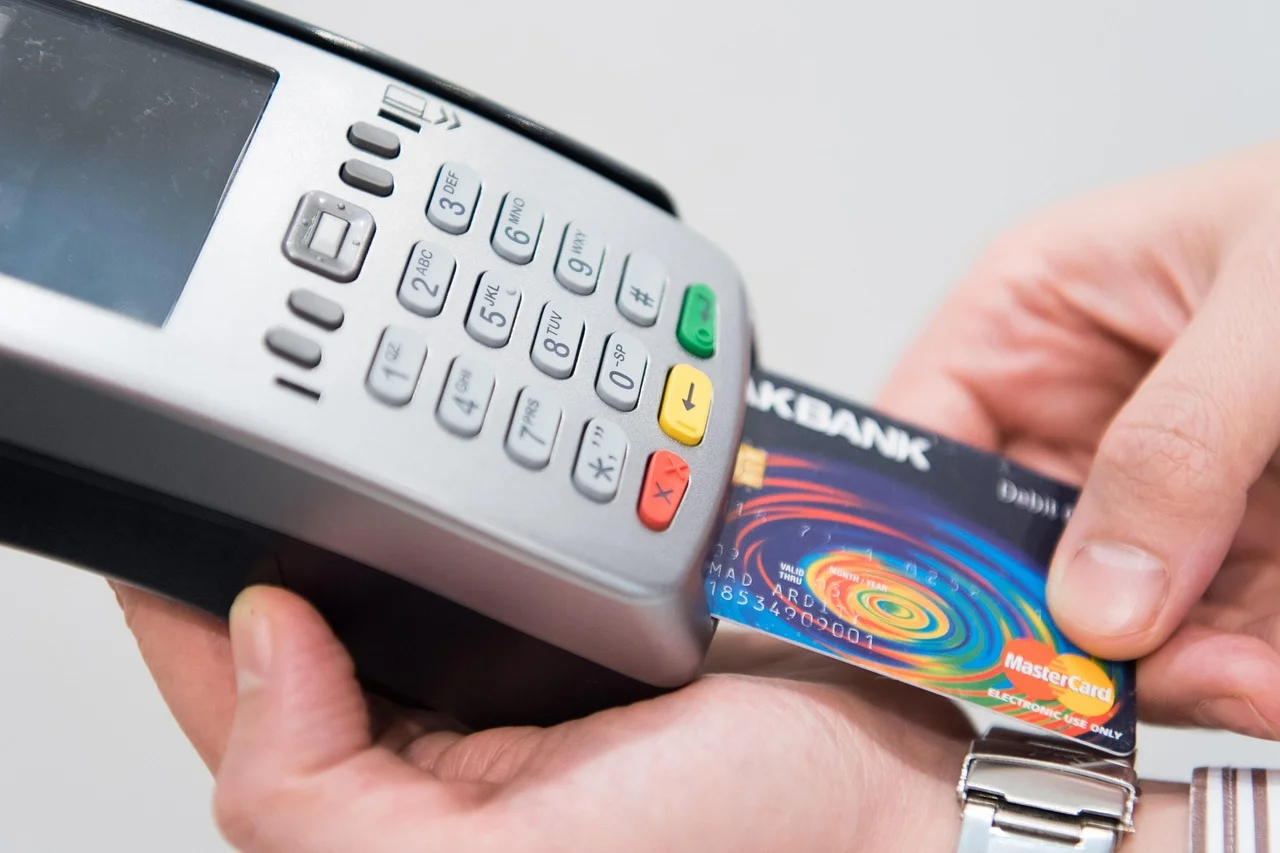
- Visa and Mastercard do not operate in Iran. Payment terminals are everywhere, but they run on the local Shetab network, reserved for Iranian cards.
- ATMs are useless with a foreign card. The Canadian government confirms that cash machines only accept local bank cards (travel.gc.ca, July 2026).
- You cannot receive a wire transfer from your home bank, and services such as Western Union are unavailable.
So there is no banking plan B once you're on the ground. Everything you'll spend during the trip has to enter the country with you, in cash.
How much cash should you bring for a trip to Iran?
Budget generously, because you won't be able to withdraw anything on the spot. Based on ranges published by traveller sources in 2025, a backpacker budget runs at around $25 to $40 a day, and a mid-range budget at around $50 to $80 a day (Honest Guide Iran and Budget Your Trip). For two weeks that works out to roughly $350 to $560 backpacking, and $700 to $1,100 in mid-range comfort. Add a 20 to 30 percent safety margin, plus any bazaar shopping.
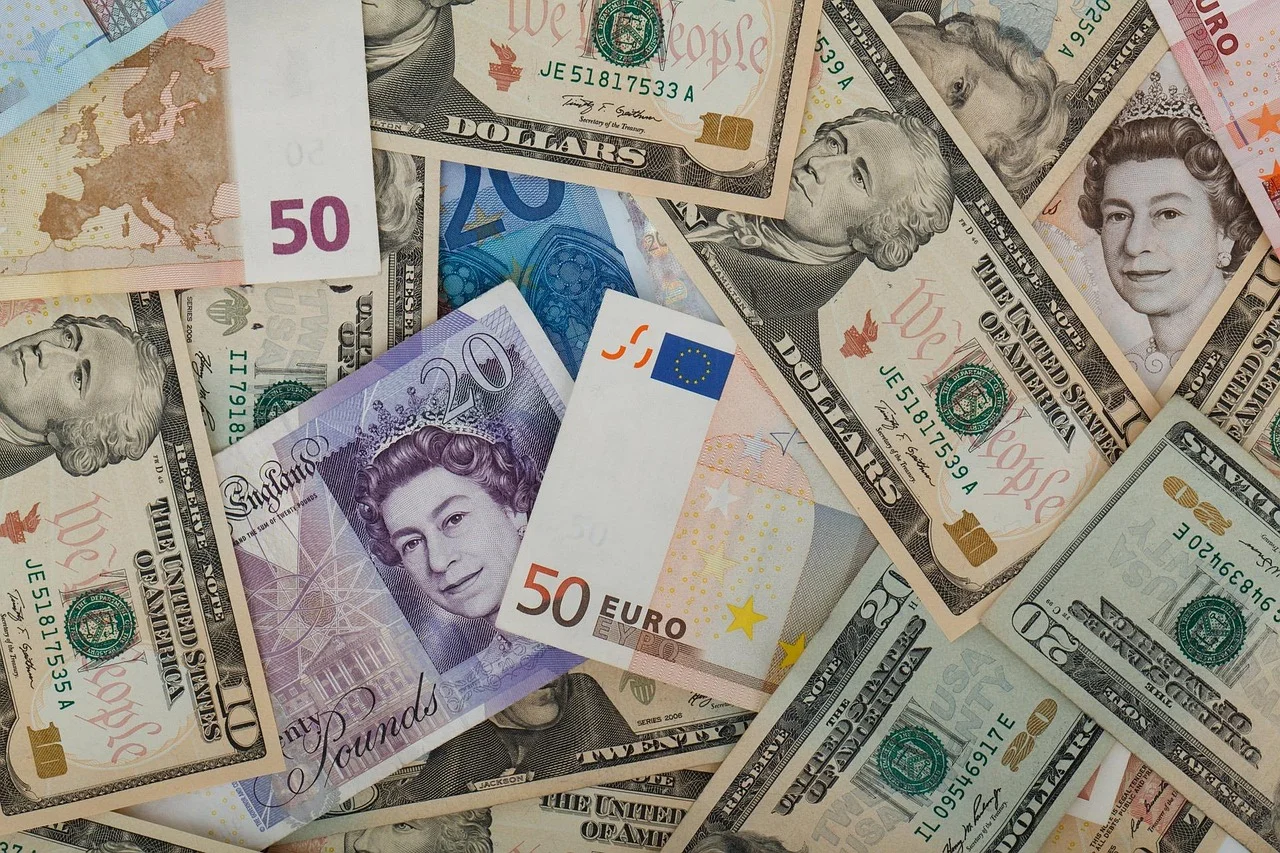
Both euros and US dollars are accepted at exchange offices. The point that surprises travellers most: the condition of the notes matters as much as the amount. The official Canadian page recommends bringing cash "preferably in US dollars or euros", with US banknotes "in crisp condition", meaning spotless and near-new (travel.gc.ca). A torn, taped, scribbled-on or badly creased note may be refused at the exchange counter.
Our habits before departure:
- Ask your bank for fresh banknotes, ideally 50s and 100s (euros or dollars).
- Check every note one by one: no tears, no stamps, no accordion-folded corner.
- Split the cash across several places: money belt, bag lining, inside pocket.
- Keep a small emergency reserve separate from the rest, so you can finish the trip if a bag goes missing.
Where to change your money: sarrafi or bank?
Always at a sarrafi, a licensed exchange office. The reason is purely arithmetic: Iran has two exchange rates, and the gap between them is huge. On 19 July 2026, the free-market rate stood at around 1,930,000 rials to $1, i.e. 193,000 tomans (alanchand.com). For the euro, that comes to roughly 2.2 million rials, a figure derived from the day's EUR/USD rate.
The Central Bank of Iran's official rate, by contrast, was capped at around 1,330,000 rials to $1 in June 2026 (CEIC Data). The gap therefore approaches 30 percent. Changing at a bank at the official rate means losing almost a third of your money in a single transaction. Sarrafis, on the other hand, apply the free-market rate. You'll find them easily in the big cities, for example around Ferdowsi Street in Tehran, as well as in the tourist districts of Isfahan and Shiraz.
A word on volatility, because it's extreme. The dollar traded at around 1.47 million rials in January 2026 (Iran International), against 1.93 million six months later. The rial can lose a lot of value in a matter of weeks. Two practical takeaways: check the day's rate on alanchand.com or bonbast.com the day before you leave, and don't change everything at once. Change as your needs arise: if the rial falls, your remaining euros will be worth more the following week.
Rial or toman: how to avoid the factor-of-10 trap?
This is the classic first-day trap. The official currency is the rial, but on the street everyone counts in tomans. And 1 toman = 10 rials in everyday use. Prices are almost always quoted in tomans, while banknotes are denominated in rials. Plenty of room to be off by a factor of 10 in either direction.
Two concrete examples. A taxi driver quotes you "50": read that as 50,000 tomans, i.e. 500,000 rials, about 26 US cents at the free-market rate in July 2026. A restaurant dish listed at "300" is worth 300,000 tomans, i.e. 3 million rials, about $1.55. If you think in rials instead of tomans, you'll believe you're paying ten times too much, or worse, you'll hand over ten times too many notes.
Our safeguards: always ask "rials or tomans?" when the price comes up, have the amount displayed on a calculator, and get into the habit of converting to your home currency before you pay. After two days it becomes automatic.
A redenomination voted, but not yet in force
To complicate matters, on 5 October 2025 the Iranian Parliament approved, by 144 votes, a plan to remove 4 zeros from the national currency. The future "new rial" will be worth 10,000 current rials, with a sub-unit called the "qeran". The transition will be spread over several years. As of July 2026 these new notes are not yet in circulation: on the ground you'll still be handling six-zero rials and prices quoted in tomans.
Mah Card, DaricPay: what are prepaid cards for tourists worth?
Travelling with several hundred euros in cash on you is comfortable for no one. Hence the idea of prepaid tourist cards: local Iranian cards, connected to the Shetab network, that you load with foreign currency and use like any other card in the country, in shops as well as at ATMs.
Mah Card, the go-to option
According to the operator's official site, consulted on 19 July 2026, the Mah Card advertises a one-off fee of 19 euros, with no subscription. The card is delivered to your hotel within about 3 days in the big cities. You load it with euros or dollars, at a rate presented as "close to market", and any remaining balance is refunded to you at the end of your stay. These are the terms advertised by the operator: confirm them directly with them before ordering, as they may change.
DaricPay, unavailable in summer 2026
The rival DaricPay shows an issuance fee of 20 euros plus 10 percent VAT, i.e. 22 euros including tax, with delivery to Tehran charged at 10 to 15 euros before VAT, and free withdrawals and payments thereafter. The catch: as of 19 July 2026, the site was showing a "services temporarily unavailable" banner. As things stand, don't count on it for an imminent departure, and check the service's status when you book.
Our take: a prepaid card is an excellent complement, not a replacement for cash. You'll have to bring foreign currency to load it anyway, and a technical or administrative hitch is always possible. Always keep enough banknotes to last several days.
Our practical tips before departure
Here's the money checklist we would apply for a trip to Iran in 2026:
- Read your government's travel advisory first (diplomatie.gouv.fr for France; equivalent State Department or Foreign Office pages elsewhere): the country is formally advised against for many nationals. That's the starting point for any decision.
- Work out your total budget using the $25-40 or $50-80 per-day ranges, plus a 20 to 30 percent margin.
- Withdraw fresh banknotes in euros or dollars, and inspect them one by one.
- Check the rate the day before you leave on alanchand.com or bonbast.com, and change only at a sarrafi, never at a bank.
- Think in tomans: 1 toman = 10 rials, and prices are quoted in tomans.
- Order a prepaid card in advance if you want to limit the cash on you, confirming the fees advertised by the operator.
- Don't bring your bank card "just in case": it will be of no use, other than to get lost.
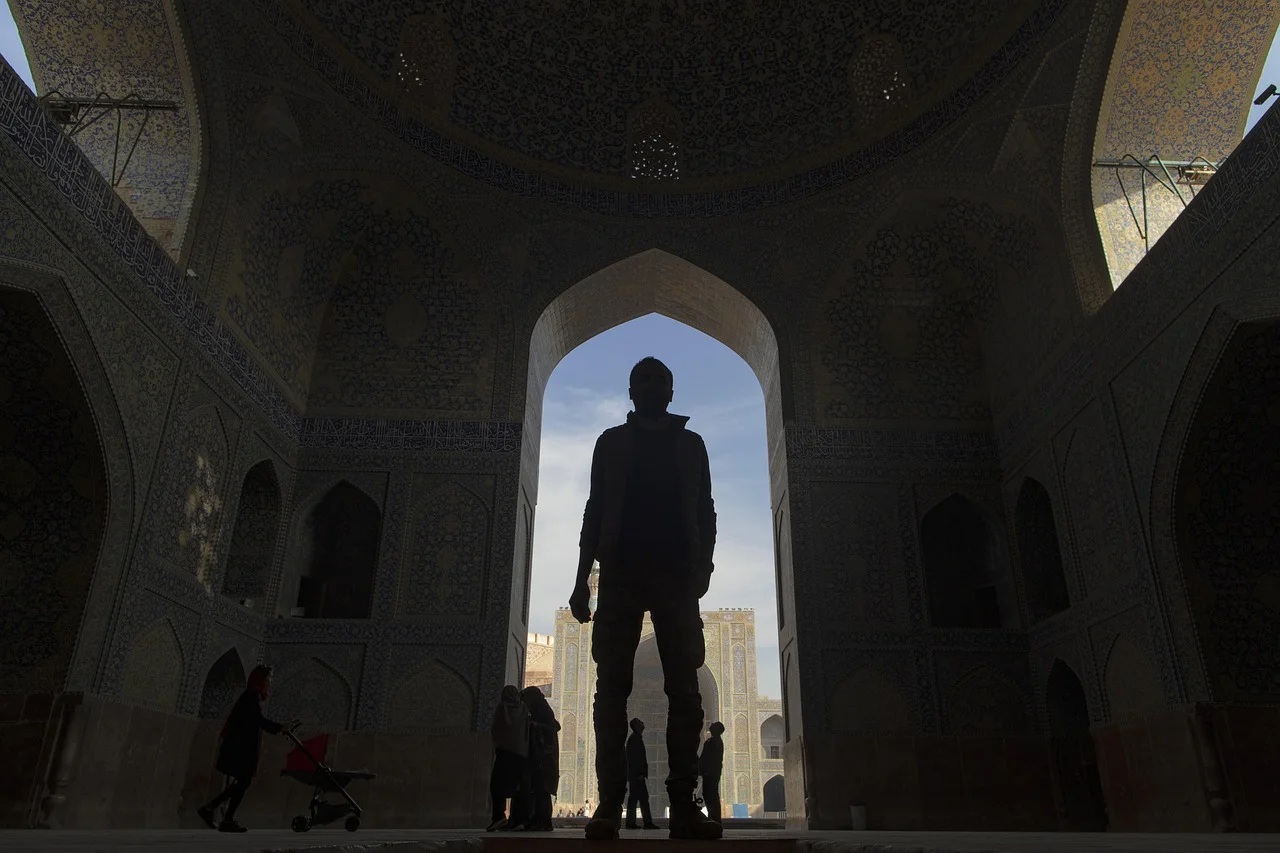
Once the money question is settled, the rest of the trip is planned like anywhere else. If Iran appeals to you for its heritage, two stops dominate every itinerary: Isfahan and its Naqsh-e Jahan Square, often described as the most beautiful square in the Muslim world, and Shiraz, the city of poets and gardens, the gateway to Persepolis. Our Iran destination page gathers all our guides on the country.
« In Iran, no one will ever ask whether you're paying by card or in cash. They'll only ask whether you have cash. »
Leave a comment
Share your thoughts or travel experience. Your email will not be published.