

Eating tapas in Spain isn't a meal: it's a way of going out. You hop from bar to bar, a drink and a small plate at each stop, standing at the counter shoulder to shoulder with the regulars. It even has a name, the tapeo (or ir de tapas), and it changes from city to city. In Granada, the tapa comes free with your drink. In San Sebastián, you help yourself and pay by the stick. In Madrid or Barcelona, you order à la carte.
This guide gives you what you need to avoid looking like a lost tourist: where tapas are free, what to try in each region, how to order without hesitating, when to go and how much to budget. Let's start with the big question: free or paid.
Free or paid tapas: it depends on the city
Here's the part that surprises visitors most: in some cities, the tapa is free with every drink. The official tourism board spain.info confirms that in Granada tapas are "very often served free with drinks," and that in León "many places serve them free with your drink" (spain.info, 2025).
The free-tapa cities
- Granada - the benchmark. Every caña or glass of wine comes with a tapa, often bigger with each round.
- León - the Barrio Húmedo district runs on the free tapa (cooked ham, morcilla, lacón). León has one of Spain's highest ratios of bars per resident.
- Almería - you pick your free tapa from a short list with each order, even with a soft drink.
- Jaén - a free tapa per round, sometimes your choice after the first drink.
- Salamanca - tapas included with drinks, free or for a small surcharge (spain.info, 2025).
The pay-per-piece cities
In Madrid (outside a few La Latina bars), Barcelona, Bilbao and San Sebastián, the rule is simple: every tapa or pintxo is ordered and paid for. spain.info frames San Sebastián and Bilbao around the pintxos you select and pay for one by one (spain.info, 2025). No better, no worse: it's just a different culture, the à-la-carte one.
The words to order without hesitating
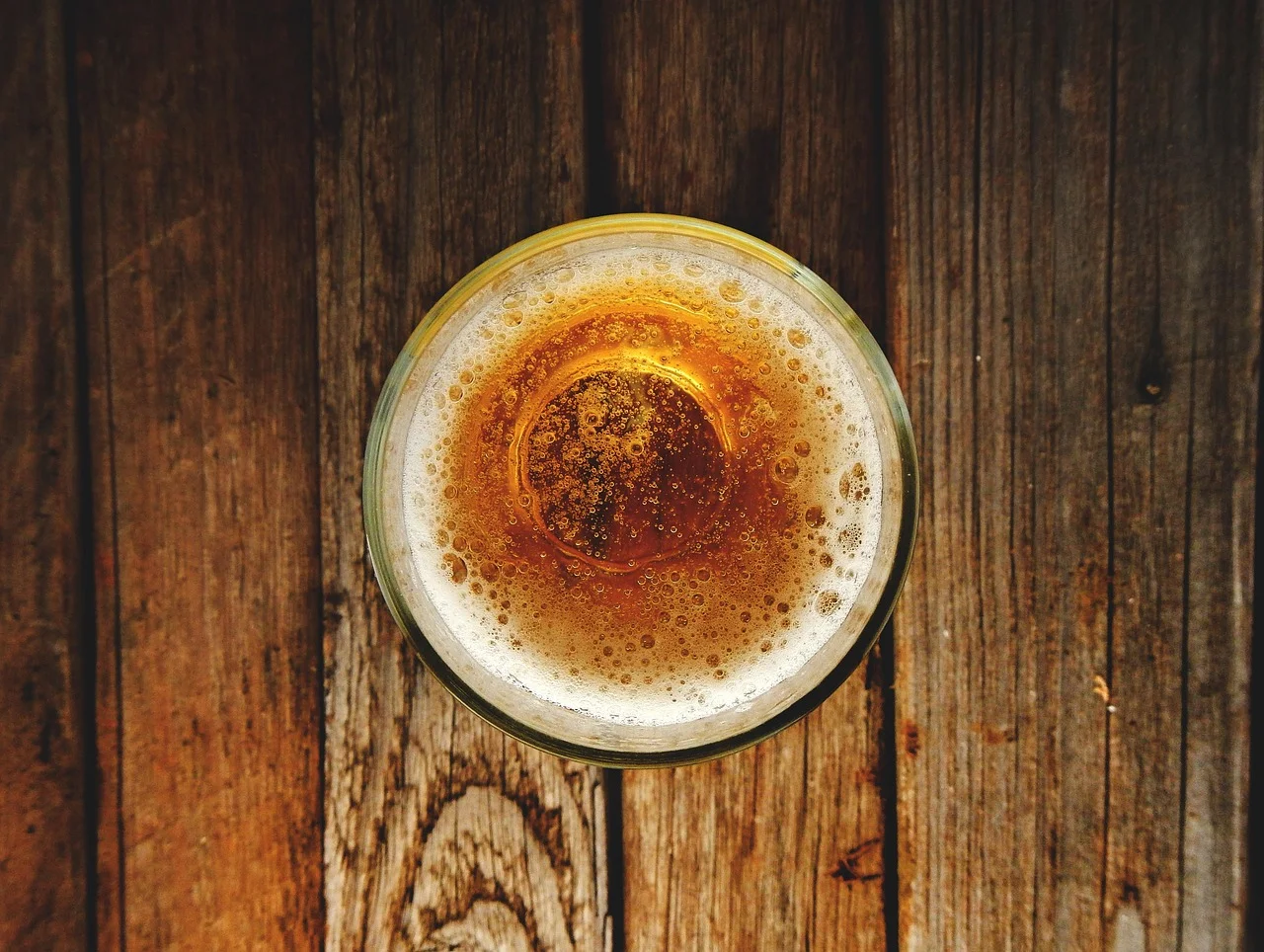
Two key ideas: the drink and the portion. Order a drink first, the food follows. For beer, a caña is a small draft (about 200 ml / 7 oz), a doble a bigger one (~350 ml / 12 oz) and a tercio a 33 cl bottle (Spanish Sabores, 2025).
For the plate, it's all about size:
- Tapa - the smallest portion, often a single bite for one.
- Pincho / pintxo - a bite skewered on bread, typical of the north.
- Media ración - a half portion, for two to share.
- Ración - a big sharing plate (count on one per person).
- Montadito - a mini filled sandwich.
For the act itself, you say ir de tapas, tapear or do the tapeo across most of the country, and ir de pinchos or txikiteo in the Basque Country. One last useful habit: order a ración to the middle of the table and share, that's the norm.
Andalusia: fried fish, ham and the free tapa
This is the birthplace of the free tapa and probably the most generous region (our Andalusia guide). The cooking is sunny, coastal and cheap. spain.info lists pescaíto frito (little fried fish) and salmorejo ("a cold soup typical of Andalusia made from tomatoes and olive oil") among the south's signature tapas (spain.info, 2025).
Must-tries:
- Pescaíto frito - fried anchovies, squid and red mullet, served piping hot in Cádiz and Málaga.
- Salmorejo - the thick cousin of gazpacho, topped with hard-boiled egg and ham.
- Berenjenas con miel - fried aubergines drizzled with miel de caña (cane molasses).
- Tortillita de camarones - a thin crispy shrimp fritter, a Cádiz specialty.
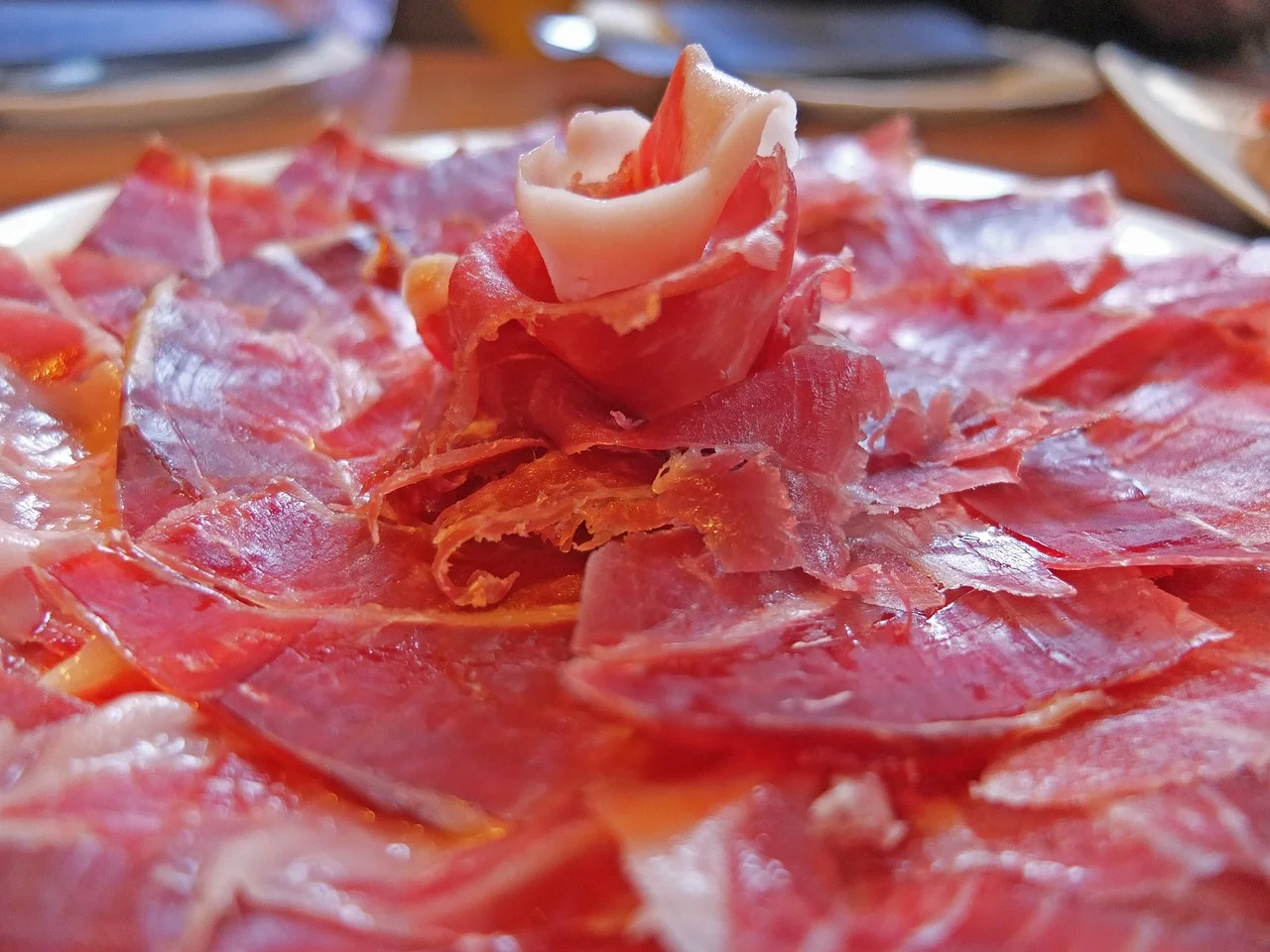
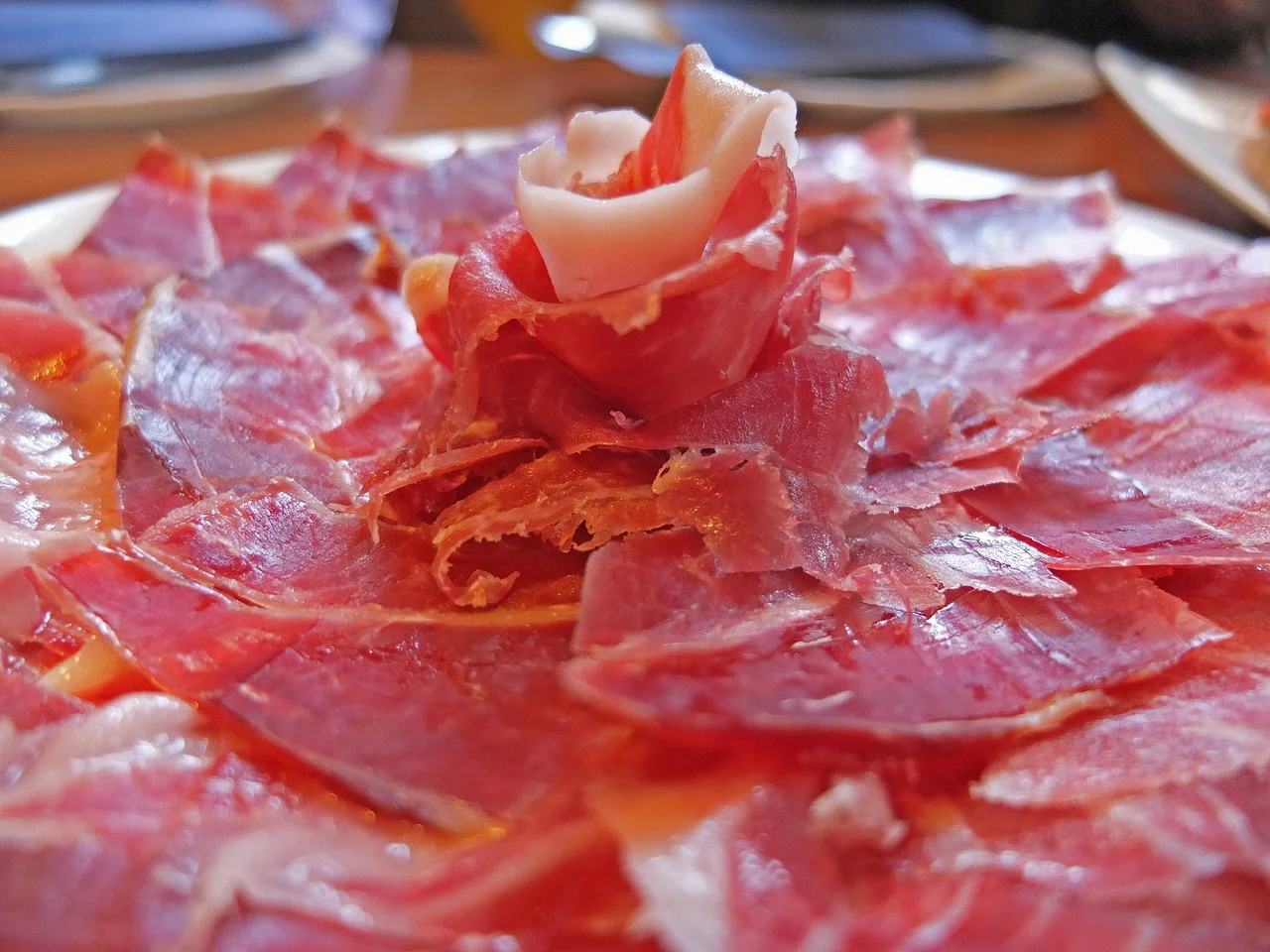
- Jamón ibérico - cured black-pig ham, king of the counter.
In Granada, just go with the flow: order a caña, the tapa lands. Three rounds and you've had dinner for the price of the drinks.
Basque Country: the realm of pintxos
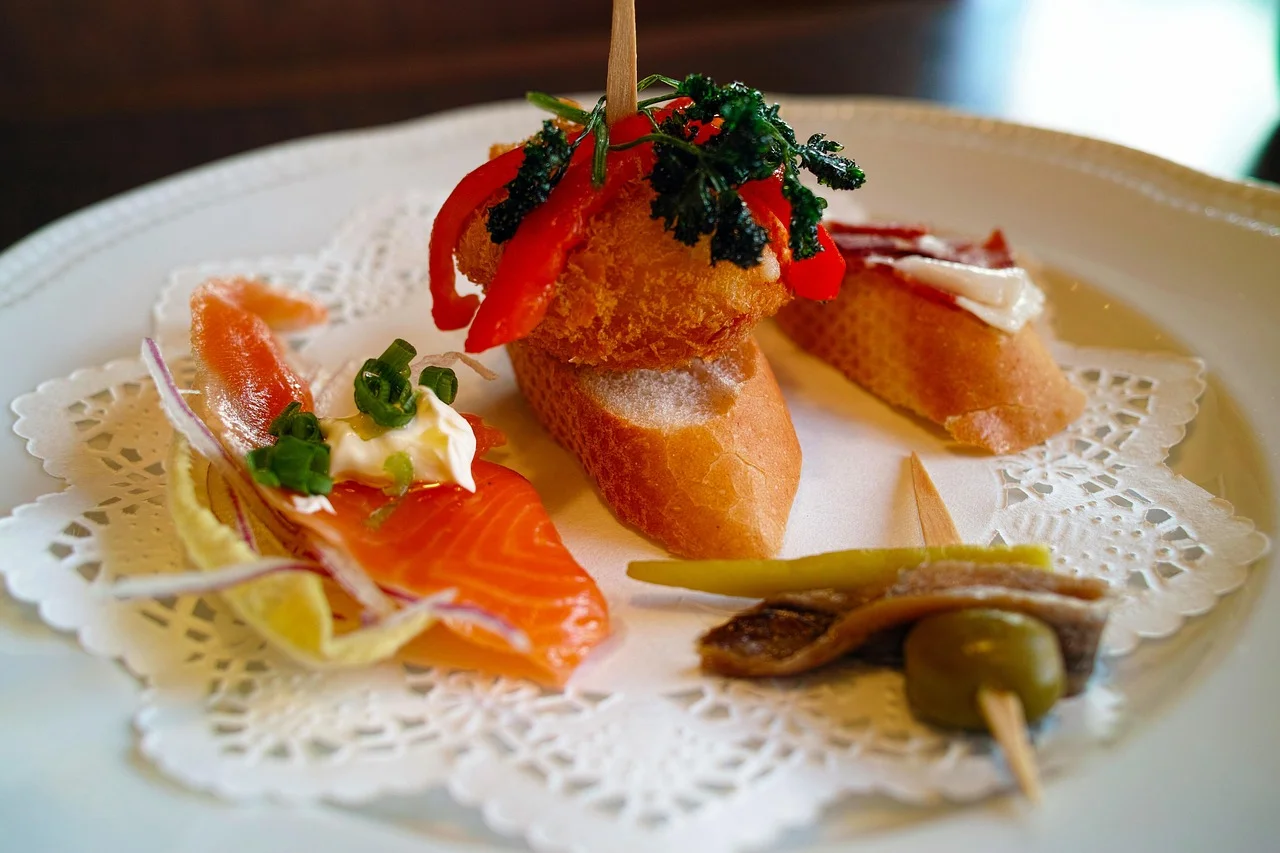
In the north, you don't say "tapas" but pintxos (from pinchar, to skewer). In San Sebastián and Bilbao, the counters are piled with bites pinned on a stick. And the etiquette is particular: you help yourself to the cold pintxos on the counter, then tell the bartender what you took to settle up (Ottsworld, 2025). Many bars run on trust this way; others count the sticks left on your plate. Either way, keep your toothpicks: they're the tally.
The ritual even has a name, the txikiteo: one or two pintxos and a glass of txakoli per bar, then you move on. To try:
- Gilda - the original: anchovy, green olive and guindilla pepper on a pick. Named after the Rita Hayworth film.
- Txaka - finely chopped surimi with mayonnaise on toasted baguette.
- Bacalao - salt cod, a Basque pillar, served gratinéed, al pil-pil or with piquillo peppers.
Insider tip: the pintxo-pote, often on Thursdays, pairs a pintxo and a drink for a reduced price, sometimes €1-2 / $1.10-2.20 (Devour Tours, 2025). San Sebastián also packs a rare density of Michelin stars: around the city, three triple-starred houses, Arzak, Akelarre and Martín Berasategui (in Lasarte-Oria), per the Michelin Guide (2026).
Madrid: à-la-carte tapeo, from castizo to chic
The capital charges per piece, but what variety. From the century-old bars of La Latina to the trendy counters of Malasaña, Madrid mixes working-class tapas (castizas) and gastro-bars. A few La Latina bars are even the exception, still handing out a free tapa (spain.info, 2025).
What to order in Madrid:
- Patatas bravas - fried potatoes, spicy red sauce and sometimes aioli.
- Bocadillo de calamares - the fried-calamari sandwich, a Madrid institution.
- Gambas al ajillo - garlic prawns sizzling in olive oil.
- Oreja a la plancha and callos a la madrileña - for offal lovers, very castizo.
- Croquetas - ham, cod or chicken, the safe bet at any counter.
Best plan in Madrid: pick a district (La Latina on Sunday after the Rastro market, Cava Baja in the evening) and string together three or four bars rather than settling at one.
Barcelona and Catalonia: tomato bread and bombas
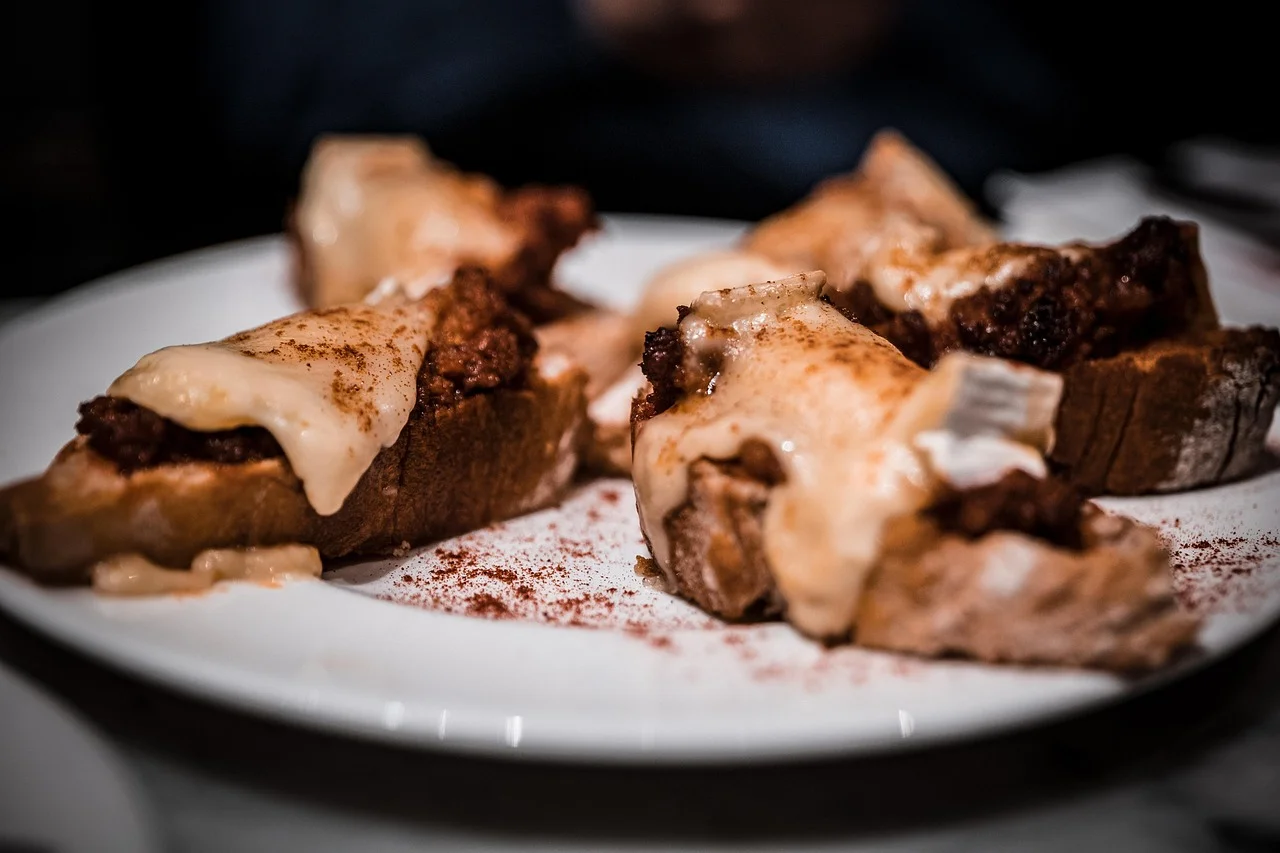
In Catalonia, you always open with pa amb tomàquet (bread rubbed with tomato, olive oil, garlic and salt), which spain.info names as the quintessential Catalan base (spain.info, 2025). Barcelona pays for tapas by the piece, with prices a bit higher in the center.
The essentials:
- Bomba - a big potato croquette stuffed with meat, topped with aioli and spicy sauce, born in the Barceloneta.
- Pa amb tomàquet - the tomato bread, served with ham or cheese.
- Esqueixada - a salad of shredded raw salt cod, tomato, onion and arbequina olives.
- Patatas bravas - the Catalan version, often with a milder sauce.
The 2026 Michelin Guide even singled out Barcelona gastro-bars that "take the tapa to the next level," a sign the format appeals right up to fine dining (Eating Europe, 2026).
Galicia and La Rioja: octopus and a street of pinchos
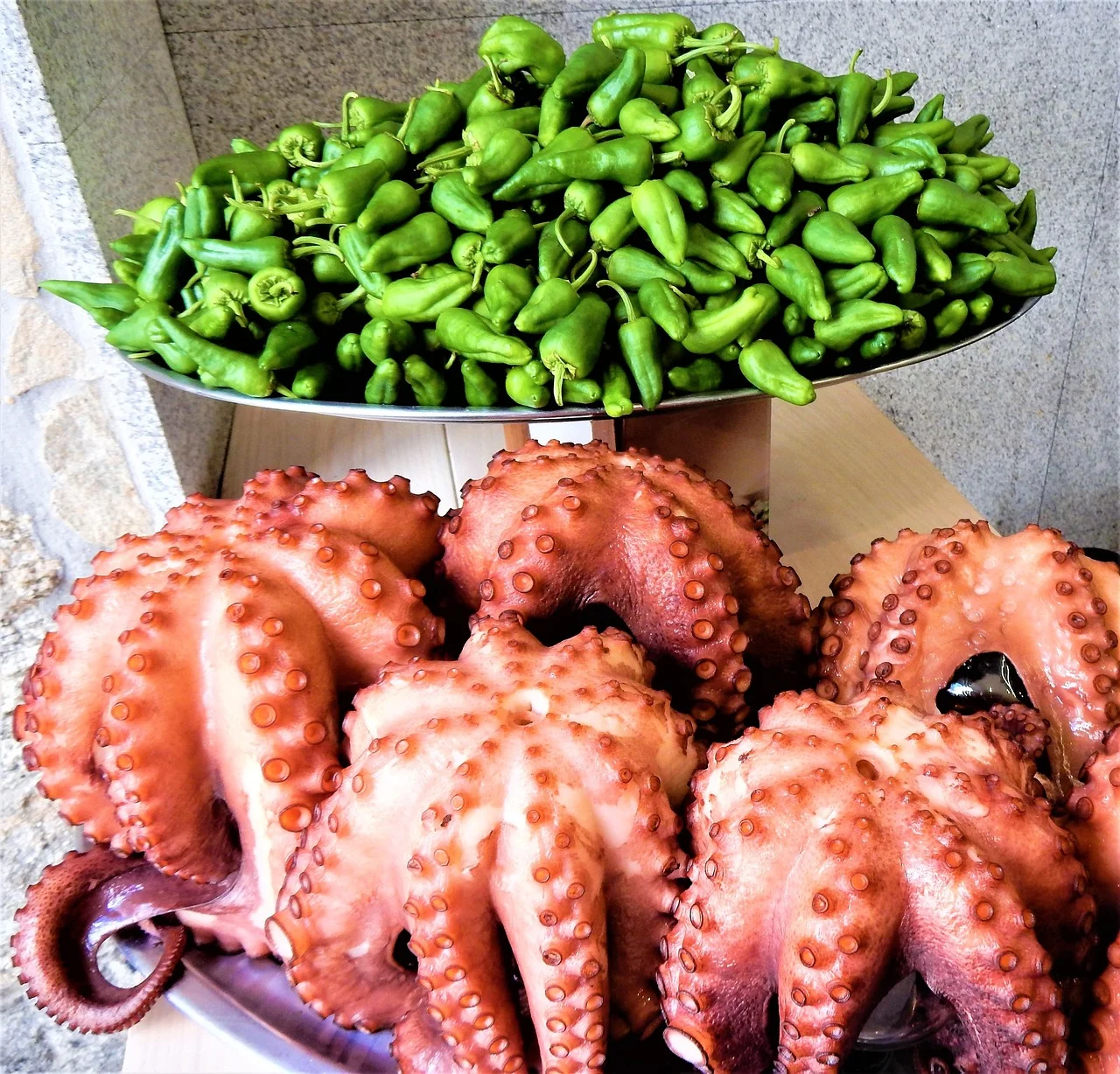
Galicia lives facing the Atlantic and proves it on the plate. Its queen tapa is pulpo a la gallega: octopus "boiled and cut, seasoned with salt and paprika, drizzled with olive oil," per spain.info (2025). Pair it with a Galician empanada and a glass of white Albariño.
Head next to Logroño, capital of La Rioja and an underrated pincho paradise. The Calle Laurel, a pedestrian lane barely 300 meters long, lines up more than 80 tapas and pincho bars (Calle Laurel de Logroño, official site). Each bar has its signature pincho:
- Champiñón - garlic-grilled mushrooms served on bread.
- Cojonudo - chorizo, red pepper and quail egg on a slice of bread.
The principle is the same as in the Basque Country: one pincho, a glass of Rioja, on to the next bar. It's one of Spain's best spots for a nighttime tapeo.
Hours and budget: when and how much?
Timing is crucial, because Spain eats late. Tapas service clusters around lunch (1:30-4 p.m.) and the evening tapeo (8:30-11:30 p.m., sometimes later). Before 8:30 p.m. it's hard to find a real Spanish evening service; bars advertising "tapas all day" mostly target tourists (Totally Spain, 2025).
On the wallet, it's one of Europe's most affordable pleasures:
- Caña - about €1.50-3 ($1.65-3.30).
- Paid tapa - €3-6 ($3.30-6.60) in most bars (€5-15 in central Madrid or Barcelona).
- Pintxo in San Sebastián - €2-3.50 ($2.20-3.85) each, up to €4-6 for gourmet versions (This Life In Trips, 2025).
- A full tapeo evening - about €15-25 ($16.50-27.50) per person, drinks included, moving between bars (Eating Europe, 2025).
In Granada or León, where the tapa is free, an evening can come down to just the price of your drinks. Hard to eat this well for less.
« A tapa isn't eaten sitting down. You take it standing, between two words, before heading to the next bar. It's the movement that makes the meal. »
Ready to make the rounds
Remember the logic: in the south (Granada, León, Almería, Jaén), order a drink and let the free tapa come. In the north (San Sebastián, Bilbao, Logroño), help yourself to the pintxos and keep your sticks. In the big cities (Madrid, Barcelona), order à la carte and share raciones. Everywhere, go late and hop between spots rather than camping at one.
With a caña under €3 and a full evening around €20, the tapeo remains one of the best ways to discover Spain: through your stomach, standing, in the middle of the locals. Enjoy your meal, or rather: ¡que aproveche!
Leave a comment
Share your thoughts or travel experience. Your email will not be published.