

Yes, traveling solo as a woman is safe, enjoyable, and it is now the norm. More than 75% of solo travelers are women (Solo Female Travelers Club, 2026), and searches on the topic have grown fivefold since the pandemic. Setting off alone has never been so common, nor so well supported.
This article isn't here to scare you. It's here to give you concrete bearings: where to go, how to choose your accommodation, how to get around, and what to pack in your bag and on your phone. The freedom to go wherever you want, at your own pace, drives 85% of women travelers (Solo Female Travelers Club, 2026). That freedom is well within reach.
Let's start with what so often holds people back before they leave: the gap between what you dread and what actually happens.

Fear versus reality: why the myths deserve to be debunked
The fear you feel far outstrips the real risk. Before setting off, 68% of women travelers worry about their safety, yet only 16% genuinely feared for it over the past twelve months (Solo Female Travelers Club, 2026). Anticipatory anxiety is far stronger than what you actually experience on the ground.
There's also a misconception worth clearing up. The deadliest danger to women isn't the road or a stranger met abroad: it's domestic. In 2024, around 60% of women killed died at the hands of a partner or family member, compared with 11% of men (UNODC & UN Women, 2025). In other words, fear often aims at the wrong target.
So what's the takeaway? Caution remains useful, but it doesn't have to turn into dread. The vast majority of solo trips pass without incident. Well prepared, you set off with tools, not worries.
Which destinations are the safest in 2025-2026?
The Nordic countries and a handful of European destinations top every safety ranking. Denmark holds first place in the WPS Index 2025/26 with a score of 0.939, for the third year running (Georgetown Institute, 2025). These countries combine low crime, gender equality and high trust in institutions.
The Nordic top tier
- Denmark - No. 1 worldwide in the WPS Index 2025/26 (0.939).
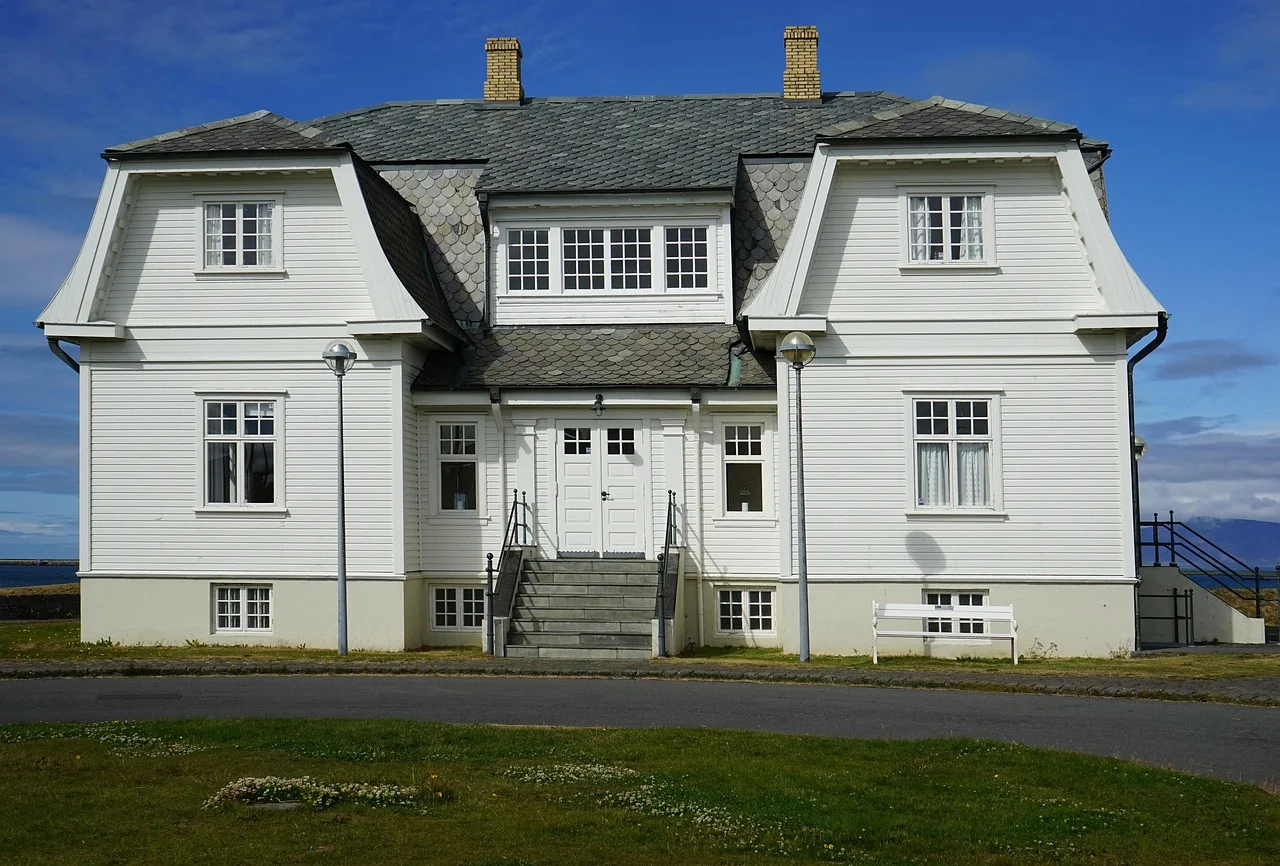
- Iceland - 0.932 in the WPS Index, No. 1 in the Global Peace Index 2025 (score 1.095) for the 17th year running, and No. 1 worldwide in its "Safety and Security" domain.
- Norway and Sweden - 0.924 each in the WPS Index.
- Finland - 0.921 in the WPS Index.
Ideal for a first solo trip
- Ireland - 2nd in the Global Peace Index 2025 (1.260) and English-speaking: two assets for getting started without a language barrier.
- Portugal - 7th in the Global Peace Index 2025, welcoming and affordable.
- New Zealand - 3rd in the GPI 2025.
- Slovenia - 9th in the GPI, and Austria, 9th in the WPS Index (0.898).
- Japan - renowned for streets that feel very safe, day and night.
Here's a figure to reassure you about where to begin: 62% of women travelers recommend Europe for a first solo trip abroad (Solo Female Travelers Club, 2026). Easy to reach and well connected, it gives you time to build confidence.

How do you choose your accommodation and spend a calm first night?
A central, well-reviewed place does half the work. Sociable hostels or hotels, what matters is a lively, well-lit neighborhood that's easy to reach. At check-in, the U.S. Department of State advises giving only your first initial, with no title (2025). A small habit, real peace of mind.
Hostels remain the best way to meet people when you travel alone. Many offer women-only dorms and lively common areas. If you prefer privacy, a hotel or a private room in a good hostel combines quiet with social life on your own terms.
One simple rule protects you effectively: never reveal where you're staying to a stranger you meet locally. You're under no obligation to explain where you sleep. Want company from the start? The formula is catching on: 21% of women travelers plan an all-female group trip in 2026, a record high (Solo Female Travelers Club, 2026).

Getting around on the ground: which transport should you favor?
Always favor a traceable ride over a street taxi flagged down at random. The U.S. Department of State recommends ride-hailing services that log the trip and let you verify the driver's identity (2025). You keep a record, a name, a plate: three things that change everything if you have any doubt.
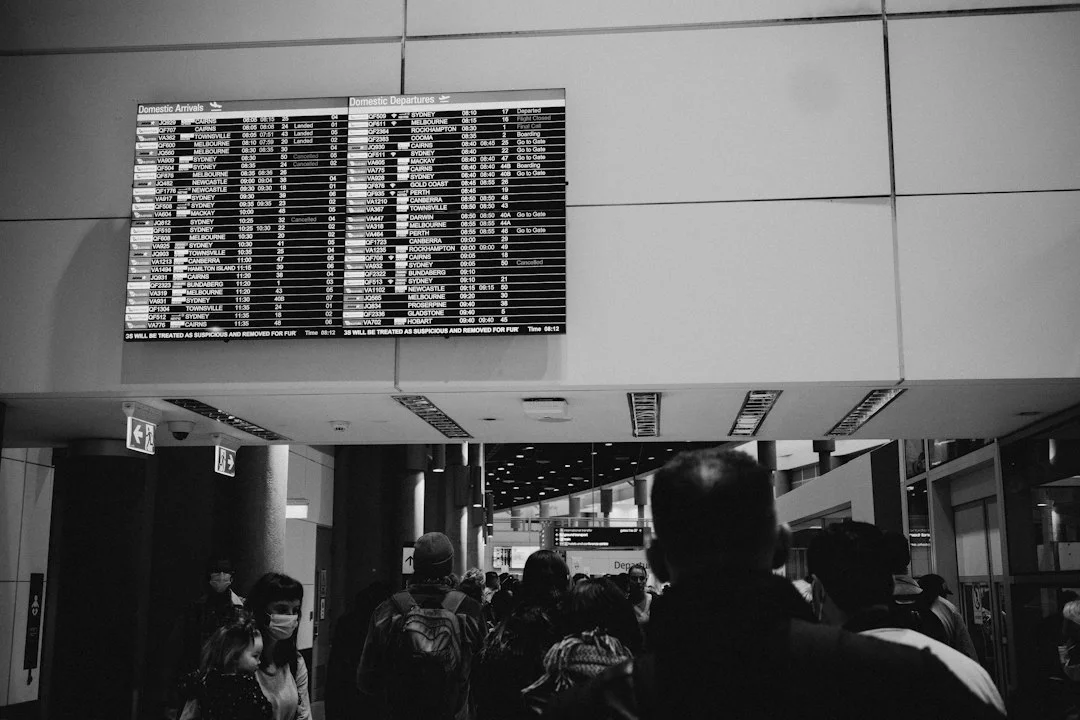
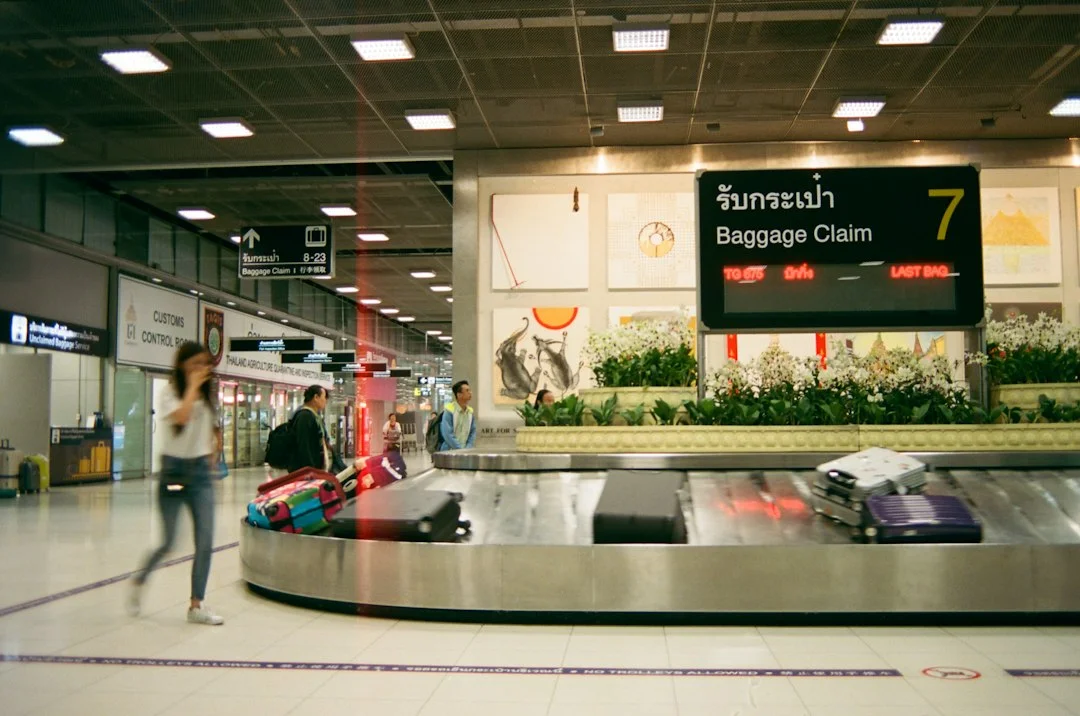
Arrange your airport transfer before you even take off. Arriving at night in an unfamiliar city is the most vulnerable moment of a trip. A transfer booked in advance, or an official shuttle noted on the airport website, saves you from improvising while tired, with your luggage in tow.
For everyday journeys, public transport remains a safe bet, especially in well-ranked destinations. Choose well-lit cars and stops, sit near the driver in the evening, and keep your phone charged. Nothing restrictive: just habits that quickly become second nature.

Dress codes and local cultures: how do you adapt without restricting yourself?
Adapting your outfit to local customs is a gesture of respect as much as a matter of comfort. In more conservative regions, an outfit covering shoulders and knees eases interactions and avoids unwanted attention. France Diplomatie, France's official travel advisory service, sets out these customs country by country in its Travel Advice (2025).
Reading up before you leave isn't a chore, it's a shortcut to peace of mind. A light scarf in your bag is often all it takes to go from a beach to a religious site without a hitch. You observe, you adjust, and you blend into the surroundings: that too is part of the pleasure of travel.
Always check your destination's official advisory page before you leave. It lists dress conventions, areas to avoid and useful numbers. Five minutes of reading saves you hours of doubt once you're there.
Which safety apps should you use, and how do you handle harassment?
A few free apps turn a smartphone into a discreet safety net. The U.S. Department of State encourages putting together a simple safety plan before you go (2025). The point isn't to fear everything, but to have the right reflex already in place, just in case.
The apps that reassure
- Noonlight - a discreet SOS button: you release it and enter a PIN, otherwise help is alerted automatically.
- bSafe - GPS tracking shared with your loved ones, voice-activated SOS and a fake call to get out of an awkward situation.
- GeoSure - a safety score by neighborhood, including a dedicated index for women's and LGBTQ+ safety, day and night.
- Life360 - location sharing and alert zones (geofences) with a circle of trust.
- Fil d'Ariane - the free official registration from France Diplomatie, France's official traveler registration, so you can be contacted in an emergency abroad.
Facing harassment
If someone persists, a firm voice and assertive body language are usually enough to shut it down. Speak up if needed, draw attention, step into a shop. Keep this principle from the U.S. Department of State in mind: your safety comes before politeness (2025). You have every right to be curt, to walk away without a word, to owe nothing to anyone.
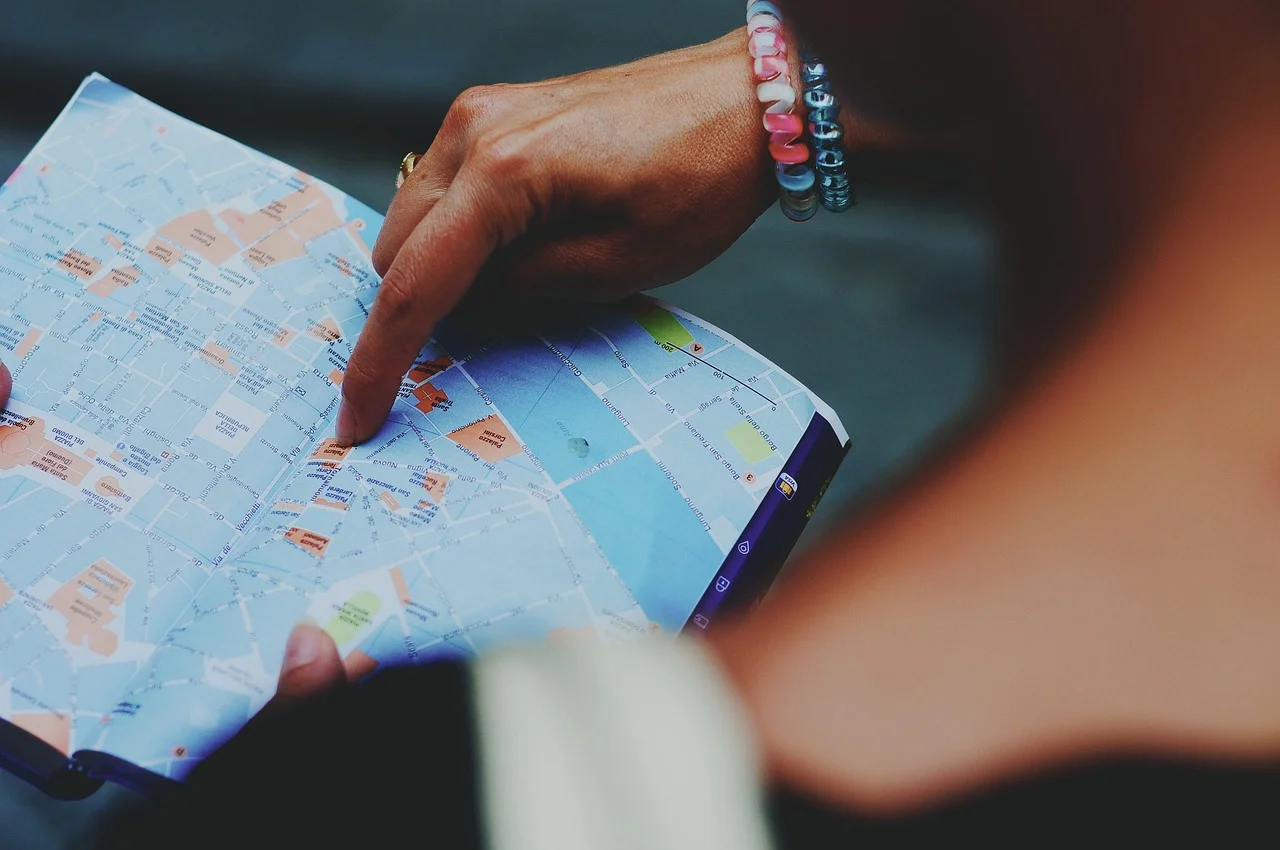

« Traveling solo isn't putting yourself in danger. It's choosing your own route, your own pace and your own detours, without asking anyone's permission. »
Ready to take the leap
Keep the essentials in mind: start by choosing a well-ranked destination like Portugal, Ireland or a Nordic country. Book a central place to stay, arrange your arrival transfer, install one or two safety apps and check your country's official advisory page. Nothing more. These simple steps dissolve the greater part of any anxiety.
The rest is pure pleasure. The numbers bear it out: the fear you feel far outstrips the real risk, and freedom drives the vast majority of women travelers. You don't need to be brave, just prepared. Confidence comes as you go, often from the very first day.
So, where will you go first? A quiet Nordic capital, a Lisbon alleyway, a train in Japan? The world is more welcoming than you've been told. Pack your bag: it's waiting for you.
Leave a comment
Share your thoughts or travel experience. Your email will not be published.