

Contents 29
Overview
Slovenia is an Alpine country of 20,271 km² between Italy, Austria, Hungary and Croatia, with emerald lakes, UNESCO caves and 47 km of Adriatic coast.
Slovenia is a small Alpine country of 20,271 km² wedged between Italy, Austria, Hungary and Croatia, and it squeezes emerald lakes, Triglav National Park, UNESCO karst caves and 47 km of Adriatic coast into that space.
An hour and a half's drive takes you from the pedestrian capital Ljubljana to Lake Bled, or from Postojna Cave to the Venetian square of Piran. That compactness, together with faultless infrastructure and the euro since 2007, makes Slovenia one of the easiest European destinations to organise for a first Alpine road trip.
The country has five UNESCO World Heritage sites: the Škocjan Caves (1986), the mercury heritage of Idrija (2012), the primeval beech forests of the Carpathians (2017), the prehistoric pile dwellings around the Alps (2011) and the works of Jože Plečnik in Ljubljana (2021). Add to that its only national park, Triglav, which covers 4% of the territory and holds the country's highest point at 2,864 m.
This guide is built to plan a 7- to 14-day trip covering the essentials: Ljubljana, the Julian Alps (Bled, Bohinj, Vintgar, the Soča Valley), the karst (Postojna, Predjama, Škocjan), the Slovenian Adriatic coast and, for longer trips, the wine country of Styria around Maribor.
11 places to take with you
In the guide's order, ready for Google Maps or your GPS.
Book the activities from this guide
Our picks for Slovenia, well rated and free to cancel.
-
Book this activity
Rafting and kayaking on the Soča at Bovec
EUR 45–60 per person
-
Book this activity
Lake Bled by pletna boat and a visit to the island
EUR 18–20 per person round trip
-
Book this activity
Combined visit: Postojna + Predjama
EUR 47.50 per adult (Two Adventures 2026 combo)
Affiliate links: Travel Advice earns a commission if you book, at no extra cost to you. Learn more

Lake Bled
At dawn, mist clings to the lake like a second skin and the Baroque bell tower of the island rises as a pink silhouette above the Julian Alps: the picture on the cover of every guidebook.
Sitting at 475 m above sea level, 55 km from Ljubljana, this 2 km-long glacial lake is watched over by Bled Castle (founded in 1011, the oldest in the country), perched 130 m up on its cliff. The island, Slovenia's only natural island, is home to the Baroque Church of the Assumption (17th century) and its 99-step staircase.
You come here for the walk around the lake (6 km, 1h30, flat), the crossing by pletna, a traditional flat-bottomed boat rowed by the pletnarji under a licence passed from father to son since 1740, a swim in July-August (water at 22°C), and the home-made kremšnita of the Hotel Park, invented here in 1953.
Bled brings the Alps, a lake and heritage together in a single coherent image; it is the stop that will start your Slovenian postcard.
The classic mistake: parking at the P1 castle car park (full in summer) rather than at the P+R Pristava (free, plus a 10-minute walk).

Ljubljana: historic centre, castle and Plečnik's works
In spring, the cafés along the Ljubljanica spill onto Plečnik's embankments and violinists tune up under the Triple Bridge: the capital feels like a miniature Vienna that decided to take its time.
With 280,000 inhabitants and a centre that has been fully pedestrianised since 2007, Ljubljana mixes Baroque architecture (St Nicholas's Cathedral), Art Nouveau (the Dragon Bridge, opened in 1901) and the 20th-century masterpieces of architect Jože Plečnik, UNESCO-listed in 2021: the Triple Bridge, the National and University Library, the covered markets and the sluice gates on the Ljubljanica.
You take the funicular up to the castle (€6 return, 1 minute) for the view of the Alps, wander through Plečnik's central market on Saturday (stalls of Alpine cheese, žganje, honey and potica), cross Metelkova, the alternative district born from the squatting of a barracks in 1993, and dine on Trubarjeva cesta, where the kavarna coffee houses rub shoulders with orange-wine bars from the Karst.
No other European capital fits so neatly into a morning loop while still rewarding the traveller who stays a week; it is also the only base from which Bled, Postojna and the Soča are all under 2 hours away.
Plečnik's central market is held on Saturday mornings: come at 9am for the best stalls and try a kremšnita at the market.

Postojna Cave and Predjama Castle
You board a little green electric train that plunges into the limestone at 15 km/h; after 3.7 km of tunnel, the gallery opens onto a chamber of white stalactites lit in gold, taller than a cathedral.
The Postojna system stretches over 24 km of karst galleries carved by the Pivka river, 5 km of which have been open to visitors since 1819. The temperature stays at a constant 10°C all year, and the cave is home to the famous olm (Proteus anguinus), a blind salamander endemic to the Slovenian karst, nicknamed the "baby dragon" and on show in a vivarium.
Nine kilometres away, Predjama Castle, built into the face of a 123 m cliff in the 12th century, rounds off the trip: an audio guide (English available), tales of the robber knight Erazem Lueger and a secret tunnel linking the castle to another 14 km karst system.
Postojna is more spectacular than Škocjan for children (little train, staging, vivarium) and remains the number-one karst must-see, with 38 million visitors since 1819.
Bring a fleece or jumper and closed shoes, and allow 4 hours for the combined visit, including the 9 km drive between the two sites.

Triglav National Park and Soča Valley
The water of the Soča is a green so dense it looks like an Instagram filter, except that it is dissolved limestone and glacial-fed flow refracting the light along 138 km.
Slovenia's only national park, Triglav covers 880 km² (4% of the country) around its namesake summit (2,864 m), which appears on the national flag as a symbol of the country. The Soča Valley, which drains its western slopes down to the Adriatic, was the scene of twelve bloody battles between Italian and Austro-Hungarian forces from 1915 to 1917 (the Isonzo Front, with 1.7 million soldiers engaged).
On the practical side: rafting and kayaking between Bovec and Tolmin (April-October), hiking the Soča Trail (25 km, 6 stages), the Vršič Pass (1,611 m, 50 numbered bends between Kranjska Gora and Trenta, open late May to October), the Sušec and Tolminka gorges for canyoning, and bivouacking allowed above 2,200 m.
No other Alpine valley in Europe combines this water colour, recent military history and easy road access in so few kilometres; it is Slovenia's outdoor cathedral.
Avoid swimming at midday in July: the river stays at 8–11°C even when the air is 30°C, the classic mistake of careless bathers.

Škocjan Caves (UNESCO)
You walk across a metal bridge suspended 45 m above a river roaring in the dark; the Martel Chamber is so vast that the bulbs on the ceiling look like stars.
The first Slovenian site inscribed on the UNESCO World Heritage List, in 1986, the Škocjan karst system holds one of the largest underground canyons in the world, carved by the Reka river, which disappears underground for 34 km. The Martel Chamber, named after the French speleologist who mapped it in 1893, exceeds 2 million m³ and reaches 146 m from floor to ceiling.
The classic tour lasts 2 hours and involves 600 steps on a tiered route: a dizzying bridge, staircases cut into the rock, and an exit by inclined lift. Photography is banned in the spectacular section, which forces you to really look rather than snap away.
Where Postojna goes for staging and a little train, Škocjan bets on raw scale: the two are opposites, and they complement each other in one memorable karst day.
Combine it with a morning visit to Postojna Cave (1 hour's drive) for a full karst day, or carry on to Piran, only 1 hour away.

Piran
The tip of Tartini Square faces the Adriatic like the bow of a gondola; here you are closer to Venice (110 km) than to Ljubljana (130 km), and everything in the stone and the shutters reminds you of it.
Perched on a peninsula of less than 1 km² at the heart of the Gulf of Trieste, Piran (3,800 inhabitants) inherits more than 500 years of Venetian rule (1283–1797). Tartini Square, dedicated to the violinist Giuseppe Tartini, born here in 1692, is overlooked by St George's Cathedral (14th century) and its bell tower, modelled on the Campanile of St Mark's in Venice.
You wander the cobbled lanes of the Punta district up to the 15th-century town walls (entry €2, panoramic view over the gulf), lunch facing the sea at Pri Mari (grilled squid, Istrian brodet), visit the Sečovlje salt pans 8 km away (salt harvested using medieval techniques) and taste the fior di sale and the PDO olive oil of Slovenian Istria.
Piran is the complete opposite of Bled: Adriatic, Mediterranean, Italian-speaking, and proof that with 47 km of coast, Slovenia still opens onto the sea.
For sunset, climb up to the town walls via Adamičeva street for a bird's-eye view of the orange roofs and the bell tower; the classic mistake is to stay down on the harbour, which does not have the angle.

Vintgar Gorge
The water is the colour of watered-down absinthe and runs beneath wooden walkways so narrow that you step aside to let walkers pass the other way: a forest gorge just 4 km from the bustle of Bled.
A 1.6 km canyon carved by the Radovna river between the Hom (834 m) and Boršt (931 m) hills, Vintgar has been walked since 1893 on wooden galleries bolted to the rock face. The route ends at the Šum waterfall, the highest river waterfall in Slovenia at 13 m, and a stone bridge of the Bohinj-Jesenice railway (1906).
Allow 1h30 there and back on flat walkways; a helmet is compulsory and provided at the entrance, and the trail is suitable for all-terrain pushchairs and children from age 5. Open from April to October (depending on weather and water flow), with passes best bought online in advance, strongly advised in summer to avoid the queue, or on site at the parking hub.
It is the natural add-on to Bled: 10 minutes' drive, 1h30 on site, free nature but a €15 ticket, unbeatable value for staying by the emerald water.
Come in the morning (8-10am) or at the end of the day; between 11am and 3pm, the walkways turn into a 1 km human traffic jam.

Lake Bohinj
The lake water is clear down to 4 m; you can see every pebble, sometimes a trout, and the silence is broken only by the bell tower of Ribčev Laz chiming the hours like something out of a cartoon.
Slovenia's largest natural lake at 4.2 km² and 318 hectares, Bohinj lies in the heart of Triglav National Park, 30 km west of Bled. Wilder, calmer and 3°C cooler than its famous neighbour, it feeds the Sava Bohinjka river and is fed upstream by the Savica Waterfall (78 m, reached by 553 steps).
You can walk around the lake (12 km, 3 to 4 hours), rent a paddleboard or kayak at Ukanc (€15 an hour), ride the Vogel cable car (€27 return to 1,535 m and the panorama over Triglav), and finish with a night on a tourist farm in Stara Fužina for €60 half board.
Bohinj is the "secret Bled": the same ingredients (Alpine lake, hiking, waterfall), a fifth of the crowds and half the prices.
Classic mistake: turning up at the Savica Waterfall without a booking on a summer weekend, when you can wait an hour; go in the morning or at midday on a weekday instead.

Kobarid and the First World War Museum
On the trail to the Kozjak Waterfall, you slip over moss under a veil of spray and read, nailed to a tree, the plaque of a Hungarian soldier who died in 1916: Kobarid is a village where history surfaces at every bend.
A small town in the Soča Valley (1,200 inhabitants), Kobarid (Caporetto in Italian) has one of the best museums in Central Europe, the Kobariški muzej, devoted to the twelve battles of the Isonzo (1915–1917) and the Italian rout of 24 October 1917. Winner of the European Museum Prize in 1993, it lines up period photographs, helmets, letters and reconstructions over 3 floors.
The Kobarid historical trail (5 km, 2 hours) starts at the museum and passes the Italian ossuary on Gradič hill (where 7,014 soldiers lie), the Kozjak Waterfall (15 m) inside a natural rock chamber, and the Napoleon Bridge over the Soča. The village has also become a food capital thanks to Ana Roš and her restaurant Hiša Franko (2 Michelin stars, ranked 38th best restaurant in the world in 2024).
Kobarid combines memory, landscape and a starred table in 2 km², a rare combination in the Alps.
The classic mistake: skipping the Italian cemetery for lack of time, when it is the most moving stretch of the trail, 10 minutes from the museum.

Logar Valley and the Solčava Panoramic Road
You enter the valley as if into a dead end guarded by a perfect arc of Alps: a 7 km-long glacial cirque with no village inside it, the only inhabited settlement being Solčava at its entrance.
A U-shaped glacial valley protected as a landscape park since 1987 (24.75 km²), Logar is ringed by the Kamnik-Savinja Alps, which peak at 2,558 m (Mount Ojstrica). At its far end, the Rinka Waterfall drops 90 m into the terminal moraine cirque; a woodland path takes you to its foot in 30 minutes from the Logarski kot car park.
The Solčava Panoramic Road (37 km, by car or bike) links the high hamlets above 1,000 m: Bukovnik, Klemenšek (the highest inhabited farm in the country at 1,393 m), Plesnik. Activities: hiking or mountain biking, climbing, paragliding from Mount Smrekovec, landscape photography.
Logar is the tourist opposite of Bled: no hotels, no souvenir shops, just 9 farms and an end-of-the-world Alpine feel 1h45 from Ljubljana.
Combine it with a stop at the Klemenšek farm (the highest inhabited farm in the country) for lunch at 1,393 m, €25 for the home-cooked set menu.

Maribor and the Styrian Wine Road
Standing in front of the Stara trta, the oldest productive vine in the world (over 450 years old), the obvious hits you: Slovenia is also a wine country, and Maribor is its little-known capital.
The country's second city with 110,000 inhabitants, Maribor spreads over both banks of the Drava at the foot of the Pohorje massif. Listed in the Guinness Book of Records, the Stara trta is a Žametovka vine planted around 1570 on the facade of the Old Vine House; it still produces 35 to 55 kg of grapes a year, turned into 100 bottles given to state guests.
Beyond the symbol, Maribor is the gateway to the Štajerska wine road (Slovenia has 9 wine regions in total and 22,600 ha of vines) with its local grapes Furmint, Šipon, Welschriesling and Sauvignon. The Old Vine House is free to visit, a tasting board costs €8–15, and Ptuj (the oldest town in Slovenia, 1st century) makes a day trip 30 km away.
Maribor lacks Bled's photogenic looks, but it is the only base for understanding the Pannonian-Balkan side of the country, 1h30 from Ljubljana by train.
The classic mistake: not booking for the Stara trta grape harvest (mid-September), a public and free ceremony but with hour-long queues.
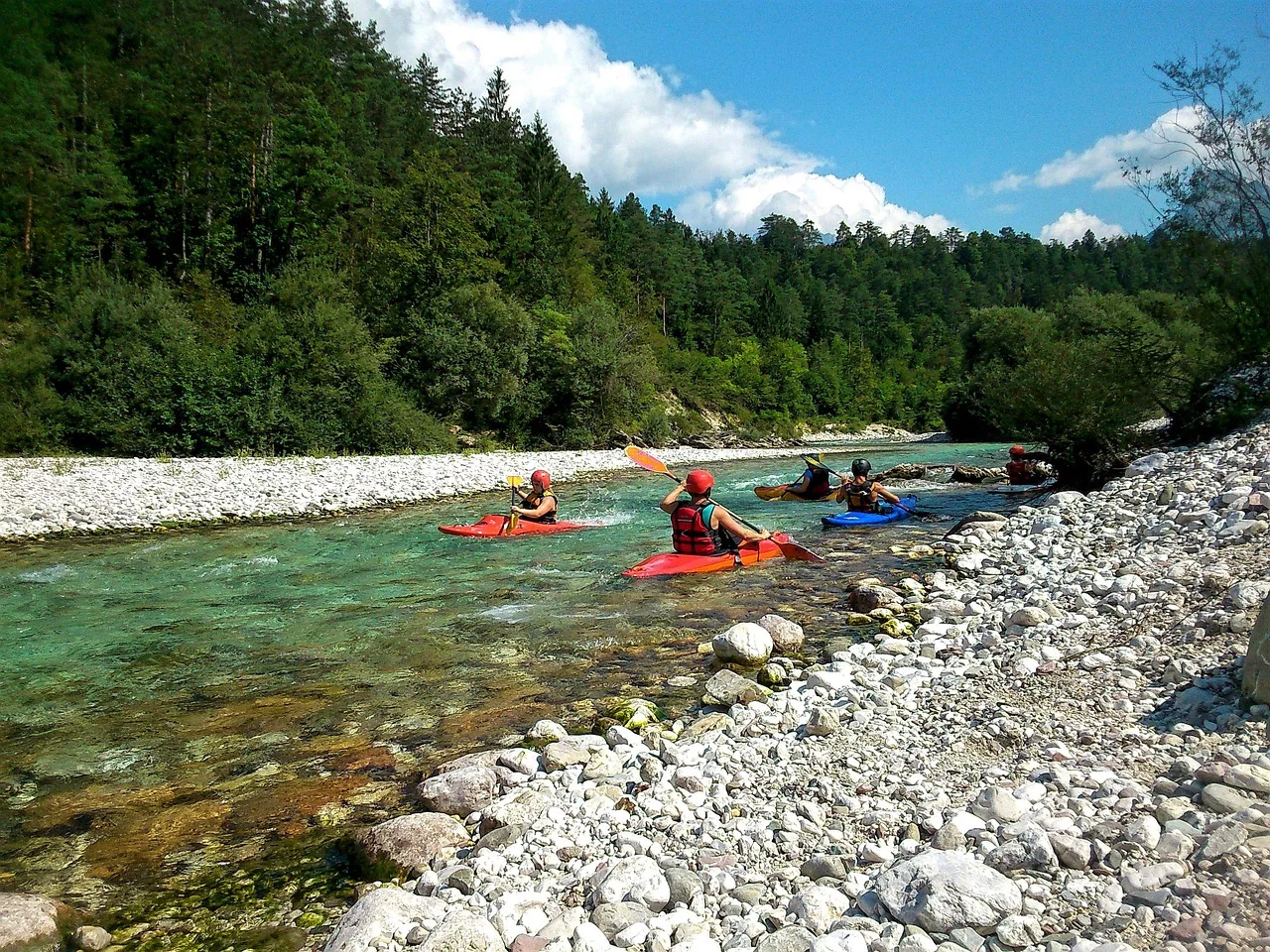
Rafting and kayaking on the Soča at Bovec
Briefing in Bovec at 9am, minibus transfer to Boka, wetsuit + helmet + life jacket, then a descent of 8 to 10 km on the emerald river ranked among the most beautiful in Europe, with jumps into crystal-clear pools and class II to III rapids around Trnovo.
Led by guides certified by the Slovenian Whitewater Rafting Association, open from age 10 for confident swimmers. Season April to October, best flow in spring (April-June); wetsuits are provided but bring a swimsuit and towel. Book 48 hours ahead in July-August with Soča Rafting, Bovec Rafting Team or Hike & Bike.
- 2 hrs 30 min-3 hrs
- EUR 45–60 per person
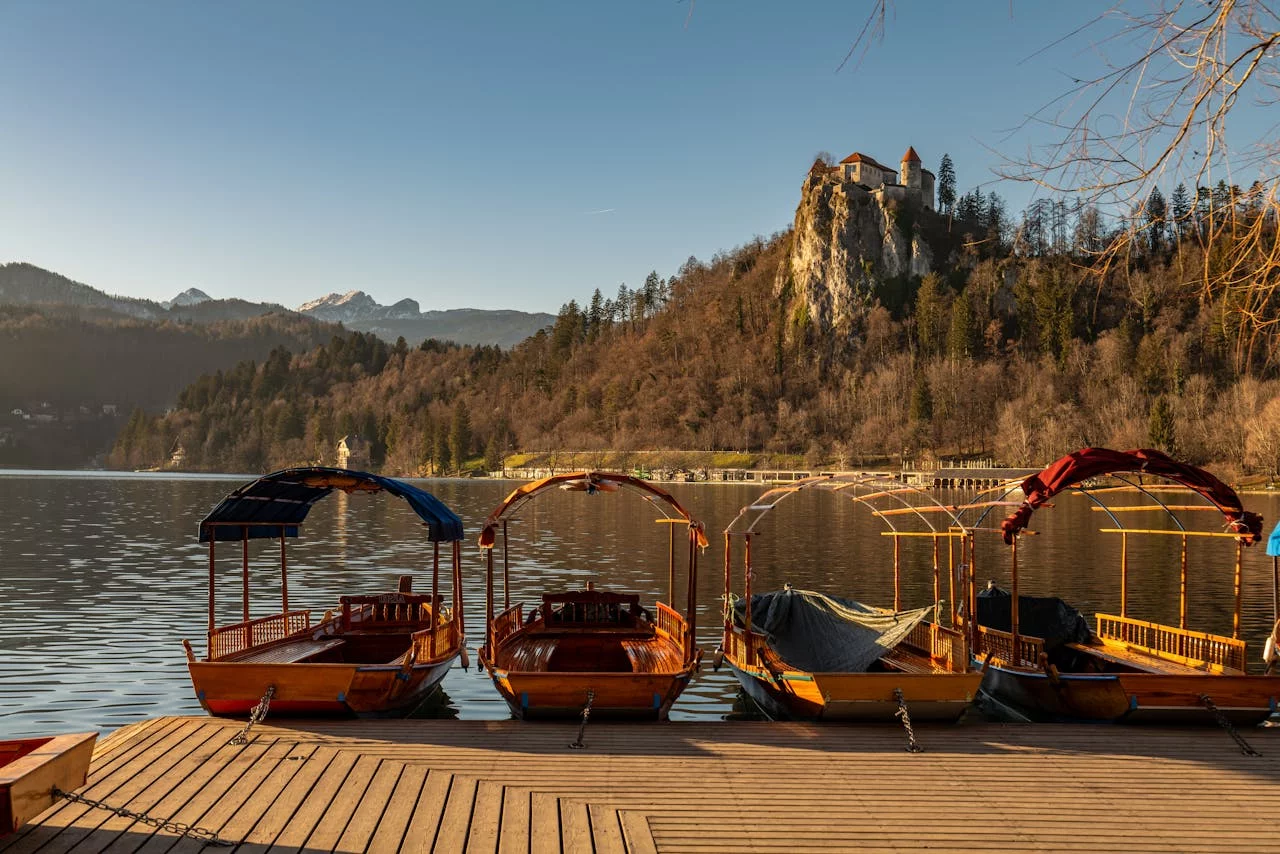
Lake Bled by pletna boat and a visit to the island
Board at Mlino, Pristava, Mala Zaka or directly below the castle, glide silently across in a flat-bottomed boat rowed by the pletnarji (15 to 20 min), climb the 99 steps to the Baroque Church of the Assumption, and ring the wishing bell inside the church if you like.
The family activity par excellence, from age 2, available all year (the lake rarely freezes). Fixed price €18 per adult / €12 per child aged 4–14 (return trip + 30 minutes on the island; from Mlino is the shortest crossing). Choose the pletna over the electric boat: it is a craft handed down since 1740 within 23 licensed families.
- 1 hr 30 min-2 hrs
- EUR 18–20 per person round trip
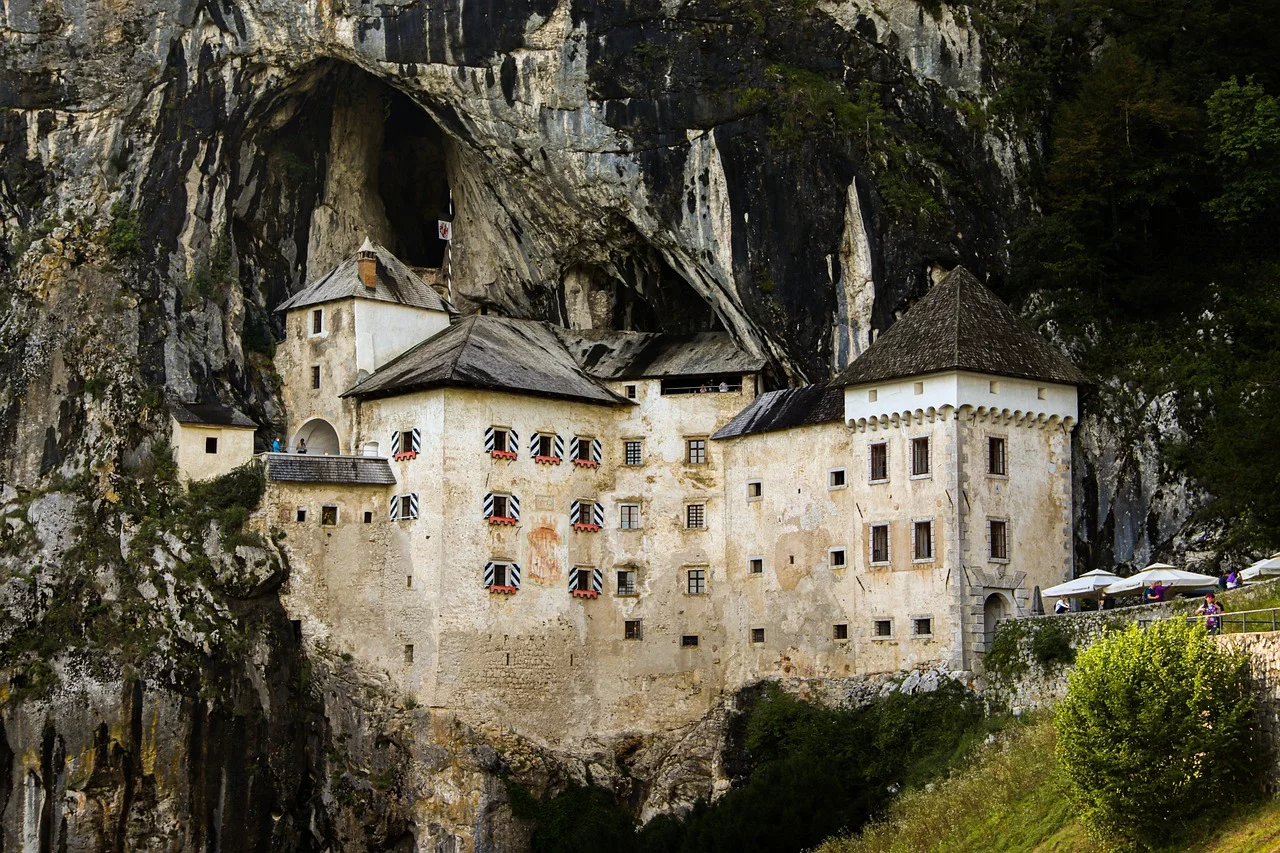
Combined visit: Postojna + Predjama
A half day 50 minutes from Ljubljana: 1h30 in Postojna Cave (little electric train over 3.7 km, then a walking tour through the Concert Hall), followed by a 9 km drive to Predjama Castle, set into a 123 m limestone cliff, with an audio guide (English available) full of tales about the robber knight Erazem Lueger.
A visit that works for families (the train delights children aged 4 to 12); a constant 10°C in the cave, so bring a fleece and closed shoes, and allow 4 hours in total. The Two Adventures combined ticket (Postojna + Predjama + Vivarium + Expo) at €49.90 on promotion (€58.90 full price) online skips the queue and guarantees a slot outside 11am-2pm.
- 4 hrs-5 hrs
- EUR 47.50 per adult (Two Adventures 2026 combo)
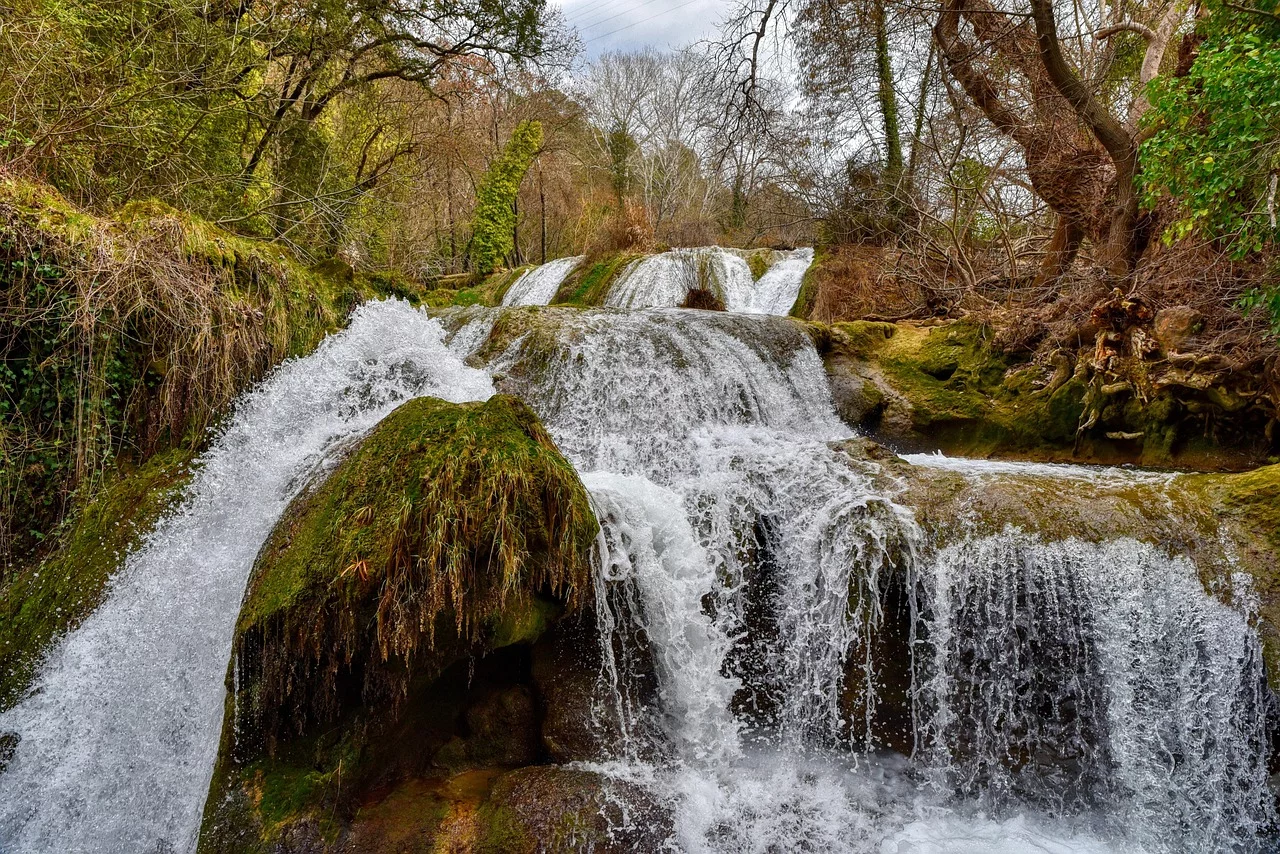
Hike to the Savica Waterfall from Bohinj
From the Savica car park (€3 in high season), a waymarked woodland trail and 553 steps lead to the Savica Waterfall, the emblematic source of the Sava Bohinjka, which bursts out of the karst from 78 m up in a spectacular double drop; the first fall is split by an A-shaped rock.
Easy to moderate (100 m of climbing), suitable for families with children from age 6 but not for pushchairs (stairs). Allow 30 minutes' walk + 30 minutes on site + the return. Site entry €4 per adult / €2 per child. Combine it with a swim in Lake Bohinj or the ride up Vogel for a full Triglav day.
- 1 hr 30 min-2 hrs
- EUR 4–7 entry + parking
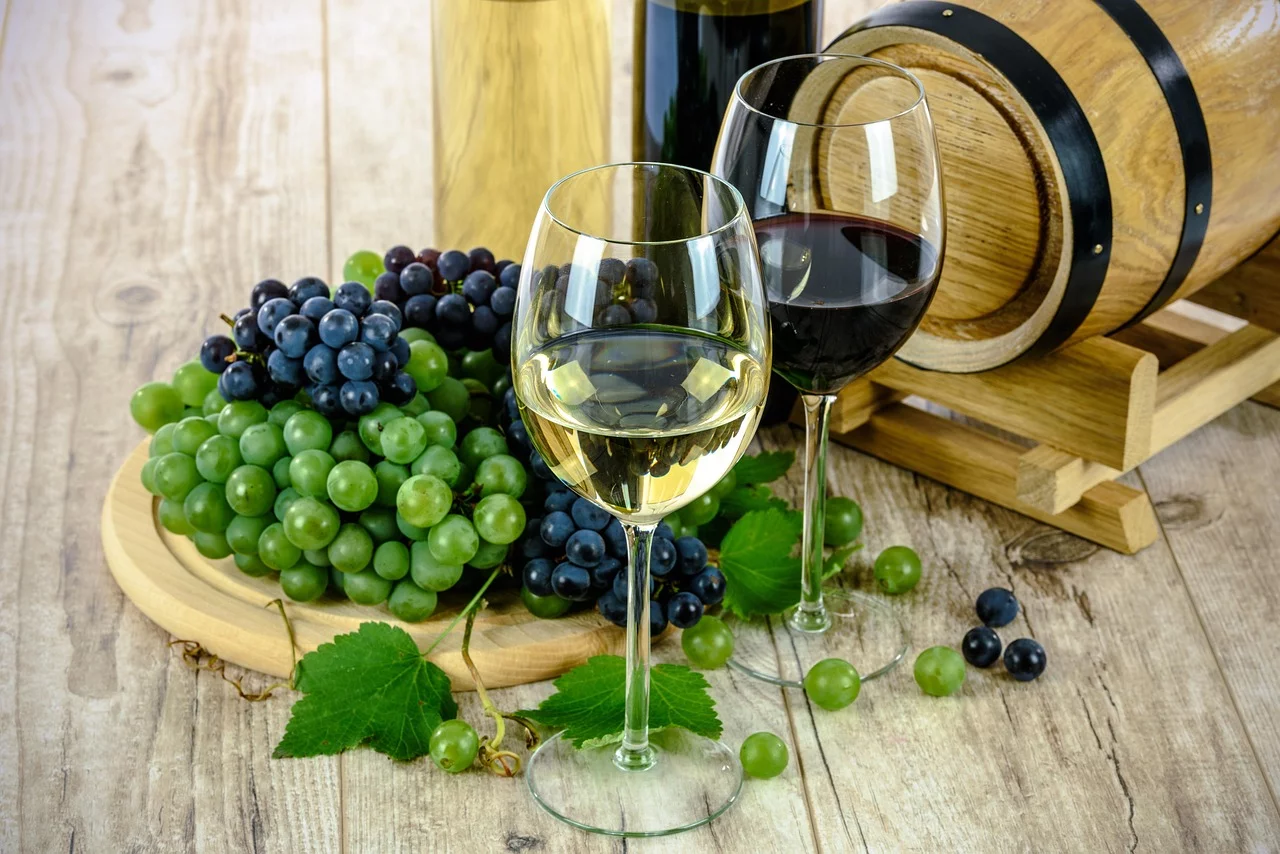
Wine tasting in Maribor (the oldest vine in the world)
Start at the Old Vine House (Hiša Stare trte) in Maribor with a free presentation of the Stara trta (a vine over 450 years old, 35–55 kg harvested a year), then drive out to the Kungota and Svečina hills for a tasting with the winemakers: 4 to 6 Styrian grapes (Furmint/Šipon, Welschriesling/Laški rizling, Sauvignon, Ranina) served with a local board (prosciutto-style ham, Pohorje cheese, štruklji).
Aimed at adults who enjoy white wines (Styria is 80% white); you can follow it with Ptuj, the oldest town in Slovenia, 30 km away. Book cellar visits 24 hours ahead via visitmaribor.si; in September, the Stara trta public grape harvest is free (1-hour queue).
- 2 hrs-3 hrs
- EUR 25–45 per person with tasting
Getting there
Ljubljana Jože Pučnik Airport (LJU), 26 km from the capital, is the main gateway, but Venice, Trieste and Zagreb often have cheaper fares.
Ljubljana Jože Pučnik Airport (LJU) is the main gateway, 26 km from the capital, but Venice Marco Polo (2h30 by road), Trieste (1h) and Zagreb (1h30) often have cheaper fares.
From Paris, allow 1h45 on a direct flight to Ljubljana with Air France or easyJet (€140–280 return depending on the season); from London, easyJet and Wizz Air also fly direct to LJU, and Wizz Air and Ryanair serve it from Brussels and Geneva. If you fly into Venice instead, direct GoOpti and FlixBus coaches link the airport to Ljubljana in 3 hours for €20–35, a good-value alternative in high season.
By train, the Paris-Munich-Ljubljana route via Vienna with a sleeper takes about 24 hours (from €250); from Italy there is no direct train: count on Venice-Trieste by regional train (2 hours, €16.45), then Trieste-Villa Opicina and Villa Opicina-Ljubljana (two daily regional trains restored in 2018), so 4 to 5 hours and about €28 in total, no reservation needed. Driving from Lyon, Ljubljana is 1,100 km away via the Mont Blanc tunnel and Milan, two days on the road at an easy pace.
From LJU airport to central Ljubljana: the Arriva Kranj shuttle runs hourly (€5–8, 50 min), a taxi costs €40–45 and a Bolt ride around €25–30.
Getting around
A rental car is the most flexible option outside the capital, as long as you buy the compulsory e-vinjeta motorway vignette (€16 for 7 days).
A rental car is still the most flexible way to see Slovenia outside the capital, provided you buy the compulsory motorway vignette (e-vinjeta, €16 for 7 days in 2026, category 2A).
The e-vinjeta has been fully digital since December 2021: buy it on evinjeta.dars.si before your first kilometre of motorway (A1 towards Maribor, A2 towards Bled, H4 towards the coast) or at a Petrol, OMV or Shell service station. 2026 prices: €16 (7 days), €32 (1 month), €117.50 (1 year). Checks are done by automatic number-plate reading; the fine is €300 to €800.
The SŽ (Slovenske železnice) train network serves the main cities well (Ljubljana–Maribor 2 hours, Ljubljana–Koper 2h30) and the Bled-Jezero station. For Bled from Ljubljana, the Arriva bus (1h15, €7, every 30 min) is more practical than the train. The intercity network (Arriva, Nomago) covers most sights from Ljubljana bus station.
Central Ljubljana is pedestrianised: rent a BicikeLJ bike (€1 for the first hour) or walk, since everything is within 20 minutes on foot. The summer tourist shuttles (June-September) link Bled to Bohinj, Vintgar and the Soča Valley every hour for €8–15 a day.
What to do
Alpine lakes, Triglav hiking, Soča rafting, karst caves, Ljubljana's old town and Venetian coastal villages: Slovenia packs seven kinds of experience into 200 km.
Alpine lakes, hiking in Triglav National Park, rafting on the Soča, karst caves, Ljubljana's old town and the Venetian villages of the coast: Slovenia lines up seven big families of experiences within a 200 km radius.
- Lakes and water: walk around Lake Bled (6 km), cross to the island by pletna boat, swim in the crystal-clear water of Bohinj, follow the Vintgar walkways
- Mountains: climb Triglav (2,864 m, 2 days via the Kredarica hut), drive the Vršič Pass and its 50 bends, ride the Vogel cable car to 1,535 m
- Whitewater: rafting and kayaking on the Soča at Bovec, canyoning in the Sušec gorge, paddleboarding on Bohinj
- Karst: the little electric train of Postojna Cave, the underground canyon of the Škocjan Caves (UNESCO), the cliff-side Predjama Castle
- Urban heritage: the Plečnik architecture walk in Ljubljana (UNESCO 2021), Maribor and the oldest vine in the world
- Venetian coast: Tartini Square in Piran, the Sečovlje salt pans, olive oil tasting in Slovenian Istria
- Food and wine: the Štajerska wine road around Maribor, the Michelin stars of the Soča Valley (Hiša Franko), farm-stay specialities
The country works especially well for a trip with children: short distances, well-equipped sites, waymarked trails and the Slovenia Tourist Card (€40 for 3 days) covering transport and 80+ attractions.
Food
Slovenian food blends Alpine, Mediterranean and Balkan influences, with signature dishes (potica, kremšnita, štruklji) and one of Central Europe's best Michelin scenes.
Slovenian cooking blends Alpine, Mediterranean and Balkan influences, with a few signature dishes (potica, kremšnita, štruklji) and one of the best Michelin scenes in Central Europe.
Not to be missed: the Bled kremšnita (a vanilla cream slice created in 1953 at the Hotel Park, €4.50 a portion), potica (a rolled sweet bread filled with walnuts, honey or tarragon), jota (a hearty peasant soup of sauerkraut and beans) and štruklji (savoury or sweet rolled dumplings filled with cheese or apple). On the coast, Adriatic seafood takes over: marinated sardines, grilled squid and brodet (Istrian fish stew).
The fine-dining scene is led by Hiša Franko in Kobarid (chef Ana Roš, 2 Michelin stars, €200 menu), Atelje in Ljubljana (1 star) and Pri Lojzetu - Zemono in the Vipava Valley. For everyday meals, expect €12–18 for a main course in a mid-range restaurant, €20–25 in Ljubljana.
As for wine, the country has 9 wine regions and some remarkable local grapes: Refošk and Malvazija on the coast (Vipava, Goriška Brda, Karst), Furmint (called Šipon in Slovenia) and Ranina in Styria. Expect €4–6 a glass and €18–25 a bottle in a restaurant.
Itineraries
One week covers the essentials (Ljubljana, Bled, Postojna, Piran, Soča); allow 10 to 14 days to add Bohinj, Triglav, Logar and Styria.
One week is enough to cover the essentials; allow 10 to 14 days to add Bohinj, Triglav, Logar and Styria in depth.
7-day itinerary - The essentials
- Days 1-2: Ljubljana (Triple Bridge, castle, Plečnik's markets, evening along the Ljubljanica)
- Day 3: Lake Bled + Vintgar Gorge (day trip, back to Ljubljana or overnight in Bled)
- Day 4: Lake Bohinj + Savica Waterfall + Vogel cable car
- Day 5: Postojna Cave + Predjama Castle (half day), then drive to the coast
- Day 6: Piran (old town, Tartini Square, town walls) + Portorož or the Sečovlje salt pans
- Day 7: Back to Ljubljana via Škocjan (UNESCO, 4 km from the Slovenian coast)
10-day itinerary - With the Soča Valley
Add 3 days in the Soča Valley: Bovec (rafting, canyoning, Vršič Pass), Kobarid (Caporetto museum, Kozjak Waterfall, dinner at Hiša Franko), Tolmin (gorges and the Soča-Tolminka confluence).
14-day itinerary - The grand tour
Extend the 10-day route with: Logar Valley and the Solčava Panoramic Road (2 days in the Kamnik Alps), Maribor and the Styrian wine road (1 day), Ptuj and the Ptujska Toplice thermal baths (1 day).
Key distances from Ljubljana: Bled 55 km / 1 hour, Postojna 53 km / 50 min, Piran 130 km / 1h30, Bovec 130 km / 2 hours, Maribor 130 km / 1h30, Logar 95 km / 1h45.
Climate & seasons
When to go to Slovenia?
Monthly averages over the past 5 years (Open-Meteo).
Best months
- June
| Jan | Feb | Mar | Apr | May | Jun | Jul | Aug | Sep | Oct | Nov | Dec | |
|---|---|---|---|---|---|---|---|---|---|---|---|---|
| Our take | ||||||||||||
| Weather | ||||||||||||
| High | 6° | 9° | 12° | 15° | 19° | 26° | 27° | 26° | 21° | 17° | 10° | 7° |
| Rain (mm) | 84 | 47 | 81 | 86 | 167 | 80 | 130 | 114 | 123 | 116 | 114 | 81 |
| Beach | Beach June | |||||||||||
| Hiking & nature | Hiking & nature March | Hiking & nature April | Hiking & nature June | Hiking & nature October | ||||||||
| City sightseeing | City sightseeing March | City sightseeing April | City sightseeing June | City sightseeing July | City sightseeing August | City sightseeing September | City sightseeing October | City sightseeing November |
What to do by season (autumn)
-
Hiking & nature
Mild temperatures, stable conditions.
-
City sightseeing
Pedestrian-friendly most of the year.
When to go
May-June and September are the best times to visit Slovenia: 18–22°C around Bled, green landscapes and moderate crowds at the main sights.
May-June and September are the best times to visit Slovenia: temperatures of 18–22°C around Bled, green landscapes and moderate crowds at the major sights. Spring gives you the Soča at full flow (ideal for rafting) and meadows in bloom; autumn brings spectacular colours to the Triglav forests and the grape harvest in Styria.
Summer (July-August) is the hottest season, around 27–30°C in Ljubljana and on the coast, but also the busiest: Bled and Bohinj are saturated from 10am, and Soča rafting trips sell out several days ahead. You can swim in the Adriatic from June to September (water at 22–25°C).
Winter (December to March) is for skiing: Kranjska Gora, Vogel (above Bohinj), Krvavec and Mariborsko Pohorje offer day passes at €32–40, and snow is guaranteed above 1,500 m. November and February, outside the ski resorts, are the months to avoid: short days, persistent fog in the lowlands and many sites closed (Vintgar) or on reduced hours (Postojna).
- May-June: Soča at its highest flow, mild temperatures, few people
- September: the perfect shoulder season, still warm enough to swim at Piran
- December-March: Christmas markets in Ljubljana, skiing in the Julian Alps
- July-August: peak season, book accommodation and activities several weeks ahead
Budget
Budget around €50 a day as a backpacker, €110 mid-range and €200 for comfort on a trip to Slovenia in 2026.
Budget €50 a day as a backpacker, €110 mid-range and €200 for comfort on a trip to Slovenia in 2026.
- Accommodation: €18–25 for a hostel dorm bed, €70–110 for a 3-star hotel, €150–250 for a 4-star in Bled or Piran
- Food: €8–12 for the lunch special (kosilo), €15–25 for a mid-range dinner, €100–200 at starred restaurants
- Transport: rental car €35–55 a day + fuel (€1.55/L) + €16 weekly vignette, Ljubljana-Maribor train €12
- Paid sights: Postojna+Predjama €49.90 on promotion (€58.90 full price, Two Adventures combined ticket), Škocjan €24, Vintgar €15, Bled Castle €18, Vogel cable car €27
- Activities: Soča rafting €45–60, Adriatic diving €60, tandem paragliding in Bovec €130, wine tasting €25–45
The Ljubljana Tourist Card (€40 for 72 hours) covers city buses, the castle and 16 museums: worth it if you stay 3 days. The Julian Alps Card (€25 for 72 hours) includes transport, swimming and shuttles around Bled-Bohinj-Kranjska Gora.
A mid-range week for two people, flights from Paris or London included, comes to €1,600–2,200 all in (roughly USD 1,750–2,400 or GBP 1,350–1,850), with car, vignette and mid-range restaurants.
Where to stay
Ljubljana is the best base for the whole country; Bled and Bovec are the hubs for the Julian Alps, Piran or Portorož for the coast.
Ljubljana is the most practical base for exploring the whole country; Bled and Bovec are the natural hubs for the Julian Alps; Piran or Portorož for the Adriatic coast.
In Ljubljana, go for the pedestrian centre (the Stari trg area around the Triple Bridge) or the quieter Trnovo district. Expect €80–130 for a 3-star double room, €25–35 in a hostel (Hostel Tresor, Vrba); Airbnbs go for €50 to €90 a night. In Bled, choose between the lakeside (the view, but pricey: €150–250) and the calmer Mlino neighbourhood (€90–140).
In the Soča Valley, Bovec is the headquarters for whitewater sports; Kobarid is the foodie option (Hiša Franko, 1 Michelin star); Tolmin draws festival-goers. At Bohinj, the villages of Ribčev Laz, Stara Fužina and Ukanc give you direct access to the lake with fewer crowds than Bled.
On the coast, Piran is packed in summer and makes you park outside the old town; Portorož (4 km away) is more comfortable with its spas and marinas. For a wellness break, the terme of Čatež, Olimia or Dobrna offer treatment-and-pool packages from €120 a night half board.
One type of stay is specific to the country: the turistična kmetija (tourist farm) offers a room, breakfast and a tasting of home-made produce for €50–80 (see Slovenia.info > Farm Stays).
Safety
Slovenia is one of Europe's safest countries: the French foreign ministry keeps the whole territory at normal vigilance (12 March 2026), with very low crime.
Slovenia is one of the safest countries in Europe: the French foreign ministry keeps the whole territory at normal vigilance, its lowest alert level (updated 12 March 2026), with very low crime even in Ljubljana.
Pickpocketing is rare but possible in the tourist areas of the capital and around stations; keep your documents in a zipped inside pocket and leave nothing visible in a rental car. The European emergency number 112 works everywhere (police, fire, ambulance).
The main risks are natural:
- Moderate seismic activity in the Soča and Ljubljana regions (Posočje earthquakes of 1998 and 2004, the 2020 Petrinja earthquake felt across the country)
- Flooding in autumn and winter, especially in the Sava valley and karst areas
- Brown bears (550-1,000 animals depending on the estimate) in the Alpine ranges and the Kočevje forest; store food away when camping and make noise while hiking
- Violent summer storms at altitude: start summit hikes early in the morning
In the mountains, stick to the waymarked trails of the PZS (Alpine Association of Slovenia), check conditions on pzs.si and call 112 in case of an accident, which dispatches the mountain rescue service (GRZS).
Formalities
EU, UK and US citizens need no visa for Slovenia, a Schengen and eurozone member since 2007; other nationalities should check with the Slovenian embassy.
No visa for EU citizens: Slovenia has been a member of the Schengen Area since 2007 and of the eurozone since the same year. UK and US passport holders can also enter visa-free for up to 90 days in any 180-day period; other nationalities should check with the Slovenian embassy.
A valid national ID card or passport is enough for EU citizens; UK and US travellers need a passport. Note that since October 2023 Slovenia has reintroduced temporary checks at its borders with Croatia and Hungary for security reasons; these checks have been extended until 21 June 2026 according to the French foreign ministry (12 March 2026). Keep your ID handy even when arriving overland from Croatia.
Non-EU nationals who are not visa-exempt need a short-stay Schengen visa (90 days maximum in 180), applied for at the Slovenian embassy or at a Schengen country that represents Slovenia. Passports must be valid for 3 months after leaving the Schengen Area.
No compulsory vaccinations; routine vaccines (DTP, MMR) should be up to date. If you plan to hike in forests between April and October, the tick-borne encephalitis vaccine is recommended (3 injections over 12 months). The European Health Insurance Card (EHIC) is valid in Slovenia, as is the UK GHIC: order yours free from your health insurer at least 15 days before departure.
Up-to-date official source: France Diplomatie - Travel advice for Slovenia (in French).
Tips
Buy the e-vinjeta before your first motorway kilometre, book timed tickets online for Vintgar and Škocjan, and get the Ljubljana Tourist Card for 3-day stays.
Buy your e-vinjeta before your first kilometre of motorway, book Vintgar and Škocjan online with a time slot, and use the Ljubljana Tourist Card if you spend 3 days in the capital.
- e-vinjeta: €16 for 7 days in category 2A, sold only on evinjeta.dars.si or at service stations before you join the motorway, checked automatically by number-plate reading
- Online bookings: at both Vintgar and Škocjan, buying online in advance is strongly recommended in high season; Škocjan tours regularly sell out for the day, and you must be at reception 30 minutes before your tour time
- Bled vs Bohinj: start with Bohinj in the morning (quieter, swimming and the Vogel cable car), then Bled at the end of the day for golden light on the island
- Postojna in the late afternoon: last entry at 5pm or 6pm depending on the season, far less crowded than the 11am-2pm coach-tour slot
- Tipping: not compulsory, but 5–10% is appreciated in restaurants; round up the fare in taxis
- Wifi: excellent across the country, 4G/5G covers 99% of the territory; EU roaming is included in EU mobile plans, while UK and US travellers should check their operator's roaming terms
- Tap water: drinkable everywhere and among the best in Europe (karst springs)
- For the Soča: book rafting and kayaking 48 hours ahead in July-August, and never go out when the air temperature is below 10°C (safety)
Language: English is widely spoken in tourism, German is still useful around Maribor and Bled, and Italian on the coast. Learning dober dan (hello), hvala (thank you) and prosim (please) is enough to open plenty of smiles.
FAQ
Best months are May-June and September; no visa for EU, UK or US citizens; the €16 weekly motorway vignette is compulsory; budget €110 a day.
When is the best time to visit Slovenia?
From May to June and in September: pleasant temperatures (18–22°C at Bled), lush vegetation and moderate crowds. July-August is the hottest summer period (up to 30°C in Ljubljana) but also the busiest around Bled, Bohinj and Piran; winter is the season for the ski resorts of Kranjska Gora and Vogel.
Do I need a visa to visit Slovenia?
Not if you hold an EU, UK or US passport. Slovenia has been a member of the Schengen Area since 2007 and of the eurozone since the same year. A valid national ID card or passport is enough for EU citizens, UK and US visitors need a passport, and other nationalities should check with the Slovenian embassy. Temporary checks at the Croatian and Hungarian borders have been extended until 21 June 2026.
Is the motorway vignette compulsory in Slovenia?
Yes, the e-vinjeta has been compulsory on the Slovenian motorway network since December 2021 (fully digital). In 2026, the price for a category 2A car is €16 for 7 days, €32 for 1 month and €117.50 for 1 year, to be bought on evinjeta.dars.si or at a service station before joining the motorway.
What daily budget should I plan for a trip to Slovenia?
Expect around €50 a day as a backpacker (hostel + supermarket), €100–110 mid-range (3-star hotel + restaurant), and €180–200 for comfort. A meal in a mid-range restaurant costs €15–25 per person, a coffee €2, and a city bus ride in Ljubljana €1.30.
How many days do you need to visit Slovenia?
One week covers the essentials: Ljubljana (2 days), Bled + Vintgar + Bohinj (2 days), Postojna Cave and Piran (2 days), the Soča Valley (1 day). To include Triglav, Logar and the Adriatic coast in depth, plan on 10 to 14 days.
How do you get around Slovenia without a car?
The intercity bus network (Arriva, Nomago) serves most sights from Ljubljana, backed up by the SŽ train for Maribor, Bled-Jezero and the coast. A car is still recommended for the Soča Valley, Logar and the Alpine villages, but Ljubljana–Bled (55 km) takes 1h15 by bus for about €7.
Is Slovenia a safe country for travellers?
Yes, Slovenia is one of the safest countries in Europe, and the French foreign ministry keeps the whole territory at its lowest alert level, normal vigilance (12 March 2026). The main risks are natural: autumn flooding, earthquakes in the Soča and Ljubljana regions, and a possible encounter with a bear while hiking in the Julian Alps.
Which currency is used in Slovenia?
The euro, since 2007. Card payments (Visa, Mastercard) are accepted almost everywhere, including in villages, and ATMs (bankomat) are plentiful. Keep a little cash for small rural cafés and eco-fees (Logar €10 per car, some car parks in Bled).
Sources
The figures in this guide come from the sources below, checked on the publication date.
Leave a comment
Share your thoughts or travel experience. Your email will not be published.