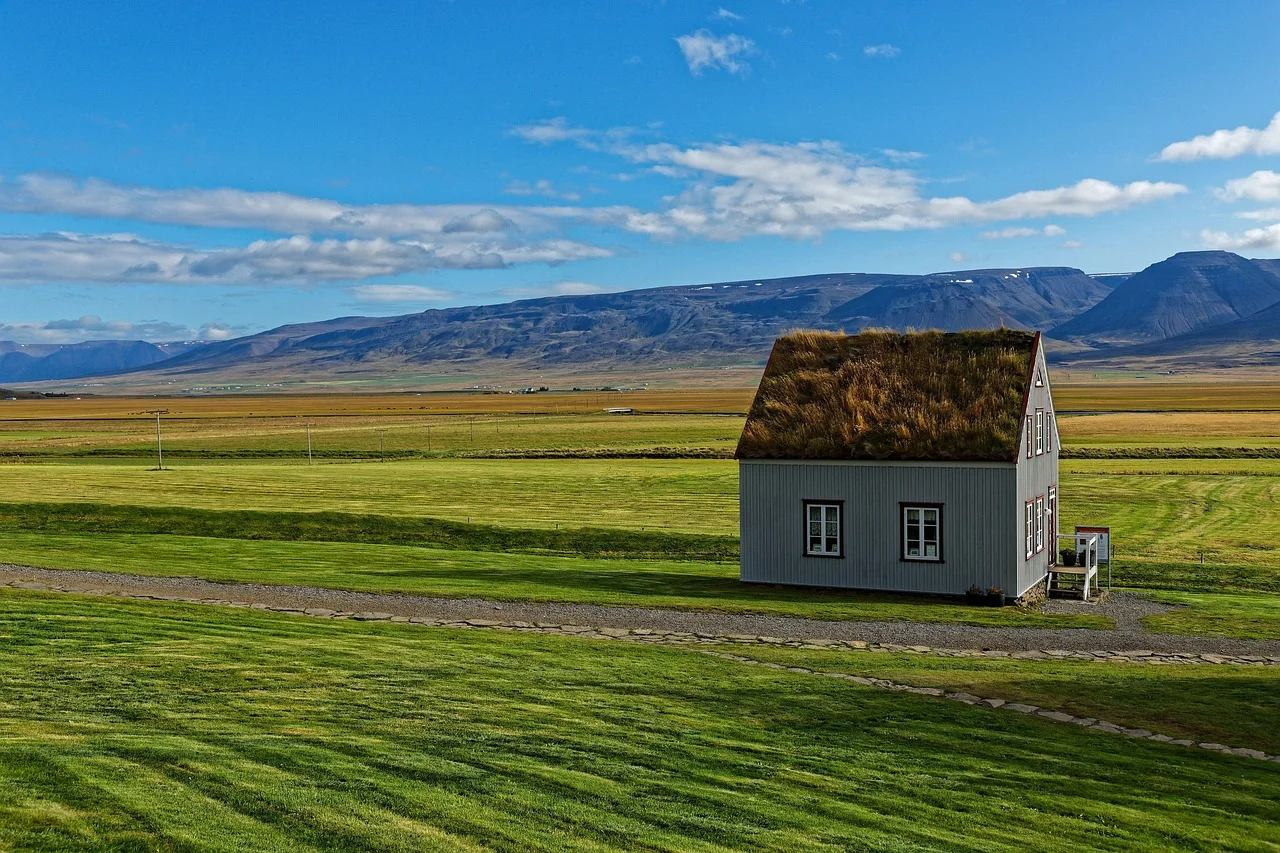


Contents 28
Overview
The Dolomites are a mountain range in the Italian Alps, a UNESCO World Heritage Site since 2009, split between Trentino-Alto Adige (South Tyrol) and Veneto.
The Dolomites are a spectacular range in north-eastern Italy, famous for their pale rock walls that turn pink at sunset — a phenomenon known as enrosadira. Named a UNESCO World Heritage Site in 2009, they stretch across three provinces: German-speaking South Tyrol, Trentino and the province of Belluno, in Veneto.
This is a land of cultural borders where three languages live side by side: German, Italian and Ladin, a Romance language spoken in a few valleys such as Val Gardena. People come here to hike in summer, ski in winter, and enjoy Tyrolean food all year round.
- Country: Italy (Trentino-Alto Adige and Veneto regions)
- Currency: euro (EUR)
- Languages: Italian, German, Ladin
- Status: UNESCO World Heritage Site (2009)
- Highest point: Marmolada, 3,343 m
10 places to take with you
In the guide's order, ready for Google Maps or your GPS.
Book the activities from this guide
Our picks for Dolomites, well rated and free to cancel.
-
Book this activity
Tasting speck, wine and South Tyrolean food
EUR 20 to 40 per meal per person in a mid-range restaurant
Affiliate links: Travel Advice earns a commission if you book, at no extra cost to you. Learn more

Tre Cime di Lavaredo
When the mist tears open at daybreak, the three towers of dolomite rise straight up — the very signature of the Dolomites.
These three peaks, of which the Cima Grande tops out at 2,999 m, mark the border between South Tyrol and Veneto and rank among the most famous summits in the world, at the heart of the UNESCO site listed in 2009.
The hiking loop of around 10 km circles them in 3 to 4 hours, revealing ever-changing views, the Rifugio Locatelli for the postcard shot and old Great War trench remains.
No other viewpoint in the Dolomites packs in so much symbolism with such easy access: you take in the icon of the range without any climbing.

Lago di Braies (Pragser Wildsee)
The unreal emerald-green water spreads out at the foot of grey walls, and the rows of wooden boats lined up along the jetty make up the most copied image in the Dolomites.
Sitting at 1,496 m in Val Pusteria, this glacial lake is the most photographed body of water in the range, made famous after an Italian TV series used it as a backdrop.
You can rent a boat, walk around it in about an hour on a flat, family-friendly path, and hunt for the legendary jetty for the sunrise photo.
More accessible and more photogenic than the nearby high-altitude lakes, it rewards an early start before the coaches arrive.

Seceda
As you step out of the gondola, the ridge flips in an instant: gentle meadows on one side, a blade of rock plunging straight down toward the Odle massif on the other.
Reached from Ortisei at 2,518 m, Seceda offers one of the most striking silhouettes in the Alps, made popular by countless photos.
The summit loop takes under two hours, with no technical skill required, with viewpoints that renew themselves at every bend and several rifugi for a break.
It is the most accessible panorama in Val Gardena: the gondola does all the climbing, and the walker only has to enjoy it.

Alpe di Siusi (Seiser Alm)
In the early morning, mist clings to the meadows and the Sassolungo reflects in the ponds: you quickly see why this high pasture fascinates photographers.
Alpe di Siusi is the largest high-altitude Alpine meadow in Europe, rolling out its flowering pastures between the Sassolungo and the Sciliar massif, at the heart of the UNESCO site.
In summer you walk from rifugio to rifugio along gentle paths, on foot or by bike; in winter it becomes a paradise for cross-country skiing and easy slopes.
Unlike the dizzying ridges nearby, this is a flat, calming kind of mountain, ideal with family or for a first day of acclimatisation.

Cortina d'Ampezzo
The bell tower rises at the far end of the valley, ringed by pink walls, while the main street lines up luxury boutiques and lively terraces: Cortina owns its status as a chic resort.
Nicknamed the queen of the Dolomites, this Veneto town is hosting the 2026 Winter Olympic Games and already hosted those of 1956.
You shop, dine well, then ride a cable car up to the surrounding peaks or set off by car to the major sites in the east.
It is the most complete base in the eastern Dolomites: everything — Tre Cime, Misurina, Passo Giau — is less than an hour away.

Val Gardena / Ortisei
In Val Gardena, the sound of a Romance dialect still echoes through the markets: this is the home of Ladin, one of the oldest languages in the Alps.
This 21 km valley, the heart of Ladin culture, lines up villages sometimes more than 800 years old, from Ortisei (1,236 m) to Selva (1,563 m), renowned for their woodcarving.
Ortisei is the western hub of the Dolomites: gondolas leave from the village centre toward Seceda and Alpe di Siusi, and plenty of spas await walkers on their return.
It is the ideal base for anyone who wants to do it all without a car, with lifts starting in the village and trails linked to one another.

Lago di Misurina
At dawn the lake turns to a mirror, throwing back the jagged silhouette of the Cadini di Misurina in perfectly still water.
Known for the purity of its air — a former climatic health resort stood here — this Alpine lake reflects the Tre Cime and the Cadini.
You can walk around it in half an hour, then use it as a handy starting point for the Cadini viewpoint and the Tre Cime toll road.
It is the perfect complement to the Tre Cime: you string together the morning reflection and the big loop in the same day.

Sassolungo / Sella massif
At Passo Sella, you look up at a cathedral of rock: the Sassolungo raises its sheer towers above the high pastures.
The Sassolungo (Langkofel) and the neighbouring Sella massif form the heart of the famous Sella Ronda circuit, skied in winter and walked in summer.
You reach the foot of the walls by quirky single cabins nicknamed "coffins", which climb to the Toni Demetz hut in an impressive silence.
No other spot in the western Dolomites offers such verticality reachable in just a few minutes by lift.

Passo Giau
After a string of tight hairpins, the road opens onto a clear pass where the pyramid of the Ra Gusela dominates a 360° panorama.
Topping out at 2,233 m near Cortina, Passo Giau is one of the most spectacular mountain roads in the Dolomites, a favourite of Giro cyclists.
You stop at the pass's berghotel, photograph the light on the Nuvolau and the Marmolada, and often follow up with a short hike to the nearby huts.
Wilder and higher than the classic road passes, it offers the best balance between easy access and Alpine grandeur.

Val di Funes / Santa Maddalena Church
In late afternoon, the sun gilds the towers of the Odle while the little white church stands out, alone, on a carpet of green meadows.
The Santa Maddalena Church in front of the jagged Odle (Geisler) massif makes up one of the most famous images of the Dolomites, in an unspoilt valley also called Villnöss.
You reach the classic viewpoint after a few minutes on foot, then extend the walk along the paths skirting the foot of the Odle, in the heart of a nature park.
It is the Dolomites postcard without the crowds of the big sites: authentic, agricultural and bathed in unforgettable light at dusk.
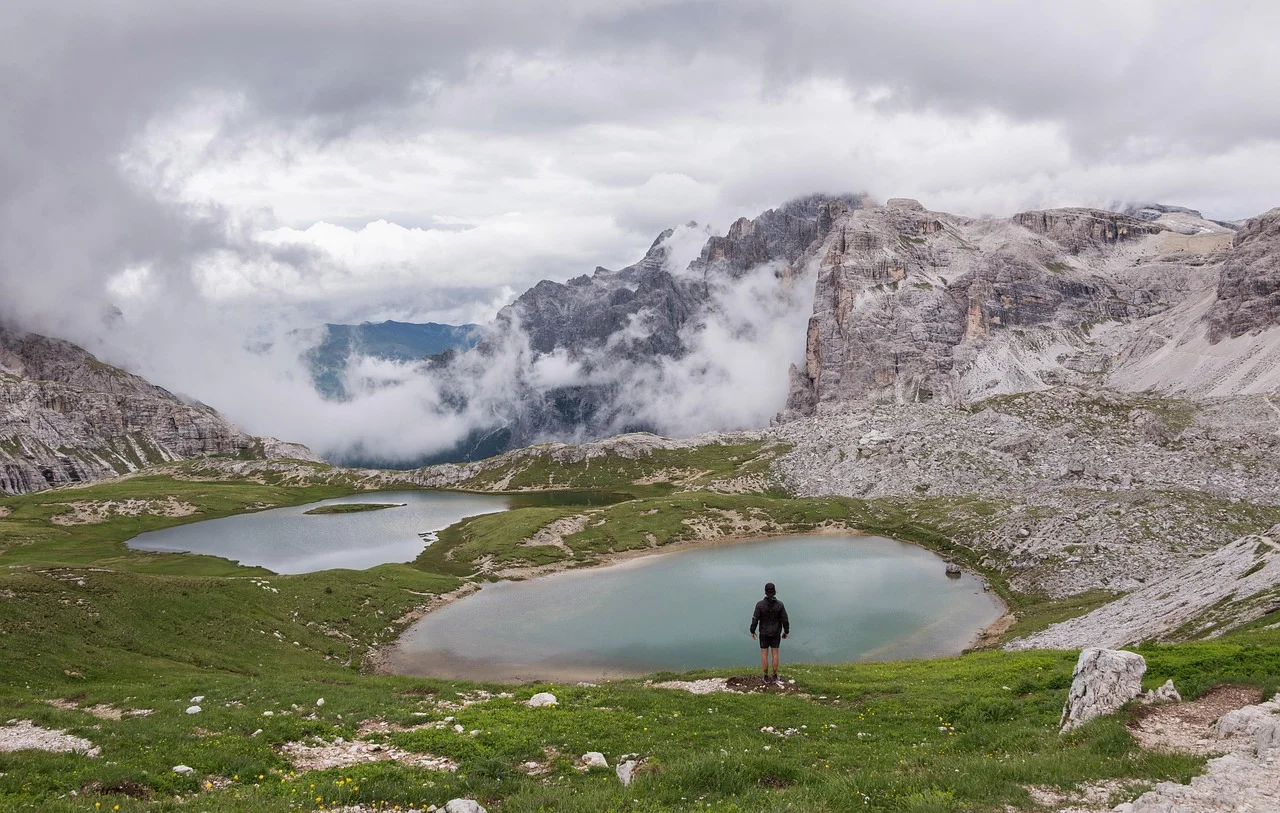
Tre Cime di Lavaredo hiking loop
Set off from the Rifugio Auronzo for the most iconic hike in the Dolomites: a 10 km loop around the three peaks, with a stop at the Rifugio Locatelli where you frame the postcard view of the north walls. The highlight is the point where the three towers line up perfectly, just above the little Piani lakes.
A moderate-rated route, within reach of any walker in good shape, with no technical difficulty but a few climbs; hiking boots and a windproof jacket are essential. Set off early in the morning for the light and to clear the toll road before it gets jammed.
- 3 to 4 hours of walking (10 km)
- EUR 40 road toll + parking per vehicle
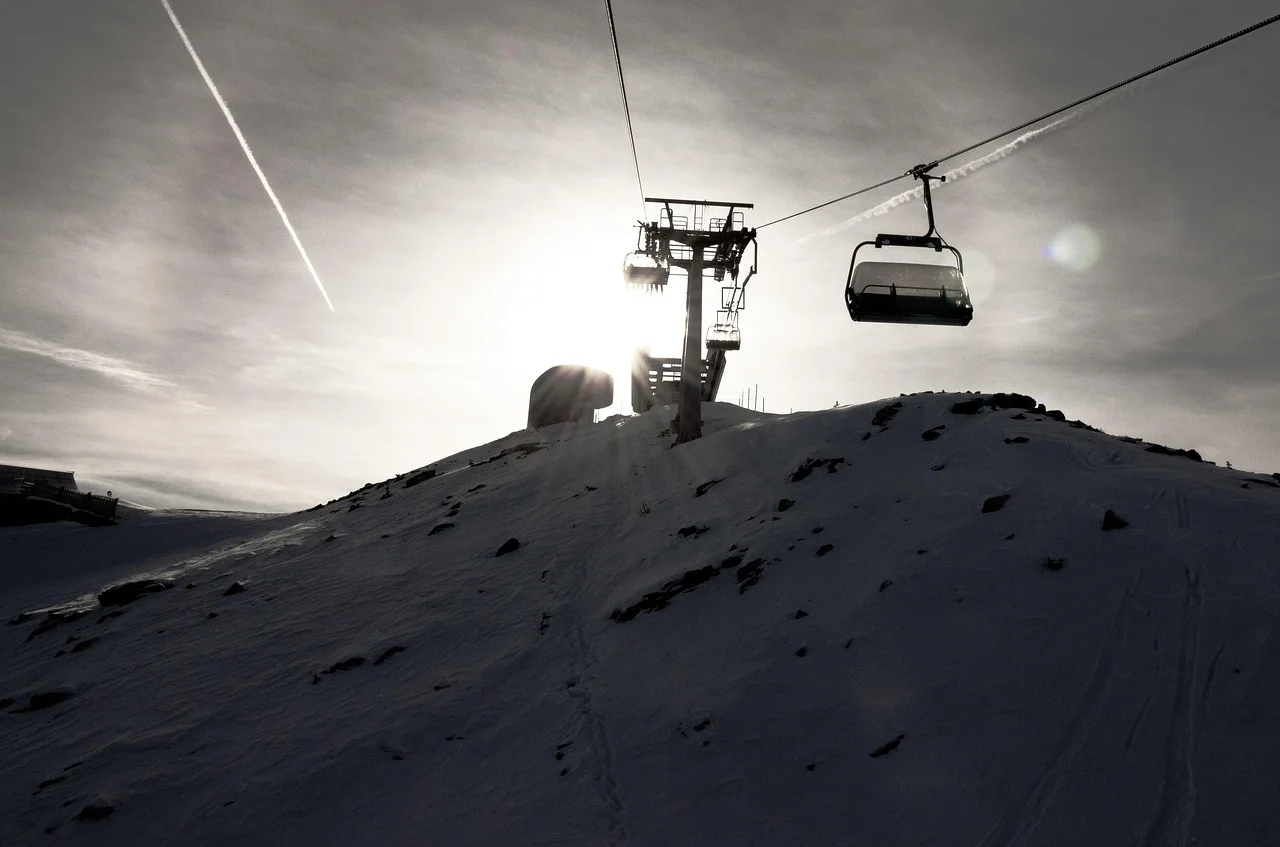
Skiing on the Dolomiti Superski area
Click into your skis on the largest linked ski carousel in Europe: 1,200 km of slopes spread across 12 areas, all under a single pass. The highlight is the Sella Ronda loop, which circles the Sella massif in a day of skiing, village to village, without ever taking your skis off for long.
Slopes for every level, from the wide blue boulevards of Alpe di Siusi to the black runs of the Gran Risa; ideal for families as well as confident skiers. Buy the pass online and aim for December to March for the best snow.
- 1 day to the whole season
- EUR 77 to 86 for the adult day pass; EUR 970 for the season pass in pre-sale
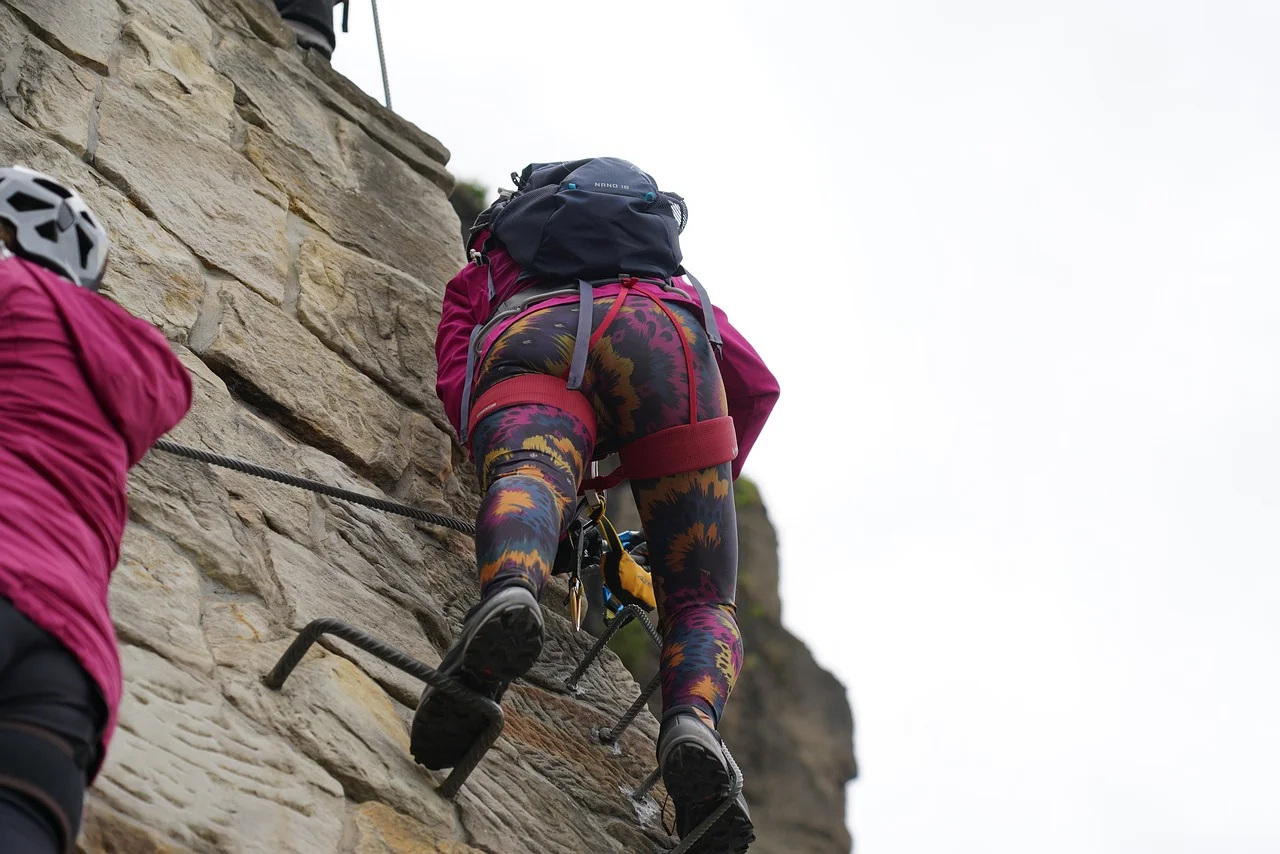
Via ferrata in the Dolomites
Helmet on and lanyards clipped, you make your way along cables and ladders fixed to the rock, often on routes inherited from the Great War front like at the Cinque Torri. The highlight is that first overhanging section where the void opens beneath your feet and the view over the range rewards the effort.
Several levels exist, from easy guided routes for beginners to airy itineraries for the experienced; a complete kit (harness, lanyards, helmet) and ideally a guide are essential. Book the guiding the day before with a local guides' office.
- Half day to full day
- EUR 60 to 120 with kit rental; more with a guide
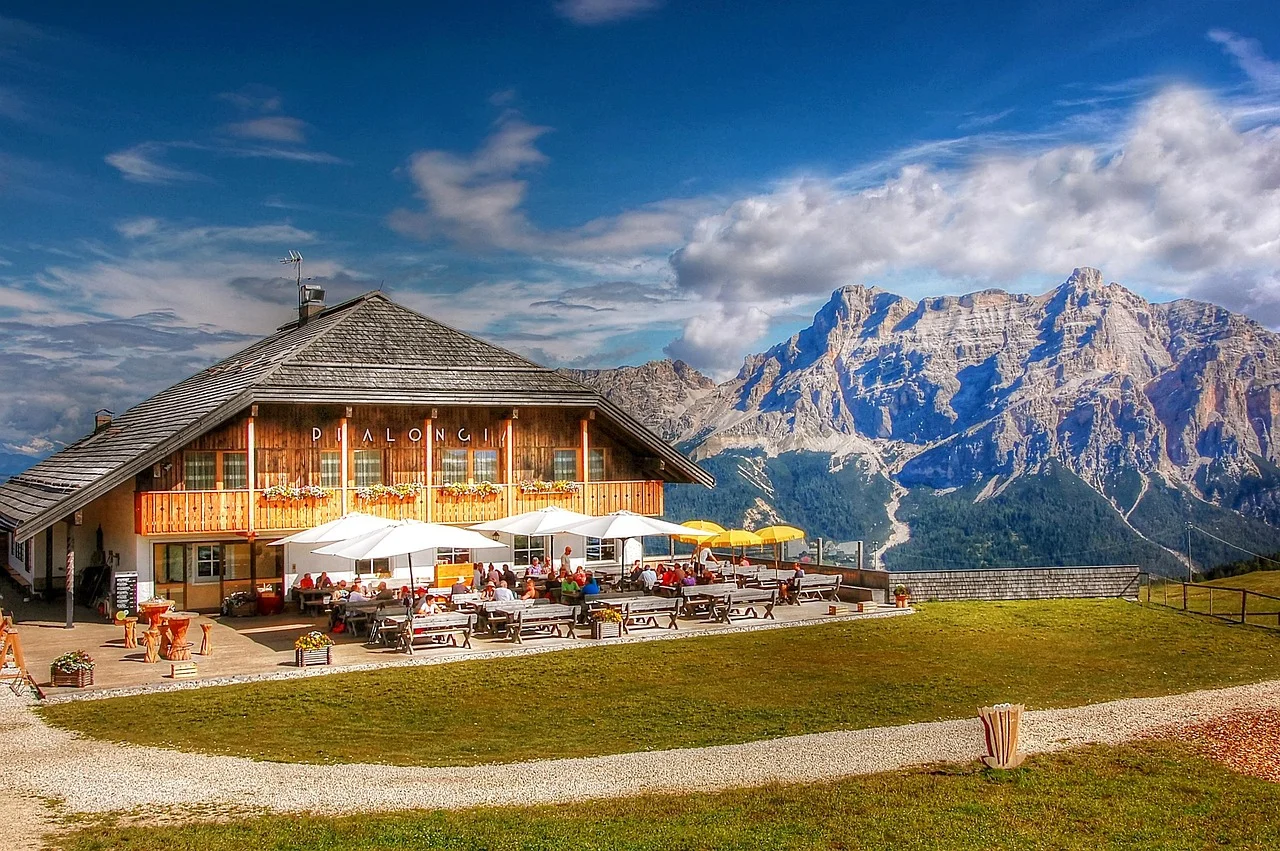
A night in a rifugio (mountain hut)
You climb up to the hut in late afternoon, drop your pack, and sit down to a South Tyrolean dinner — soup, canederli, meat and strudel — while the sun sets the walls ablaze. The highlight comes at dusk and then at dawn, when you witness, alone or almost, the enrosadira, those peaks turning pink far from any crowd.
Within reach of any hiker, even a beginner, as long as you accept a dormitory and simple comfort; bring a sleeping-bag liner, a head torch and some cash. Book well in advance — the best huts sell out months before summer.
- 1 night
- EUR 45 to 90 half board depending on the refuge
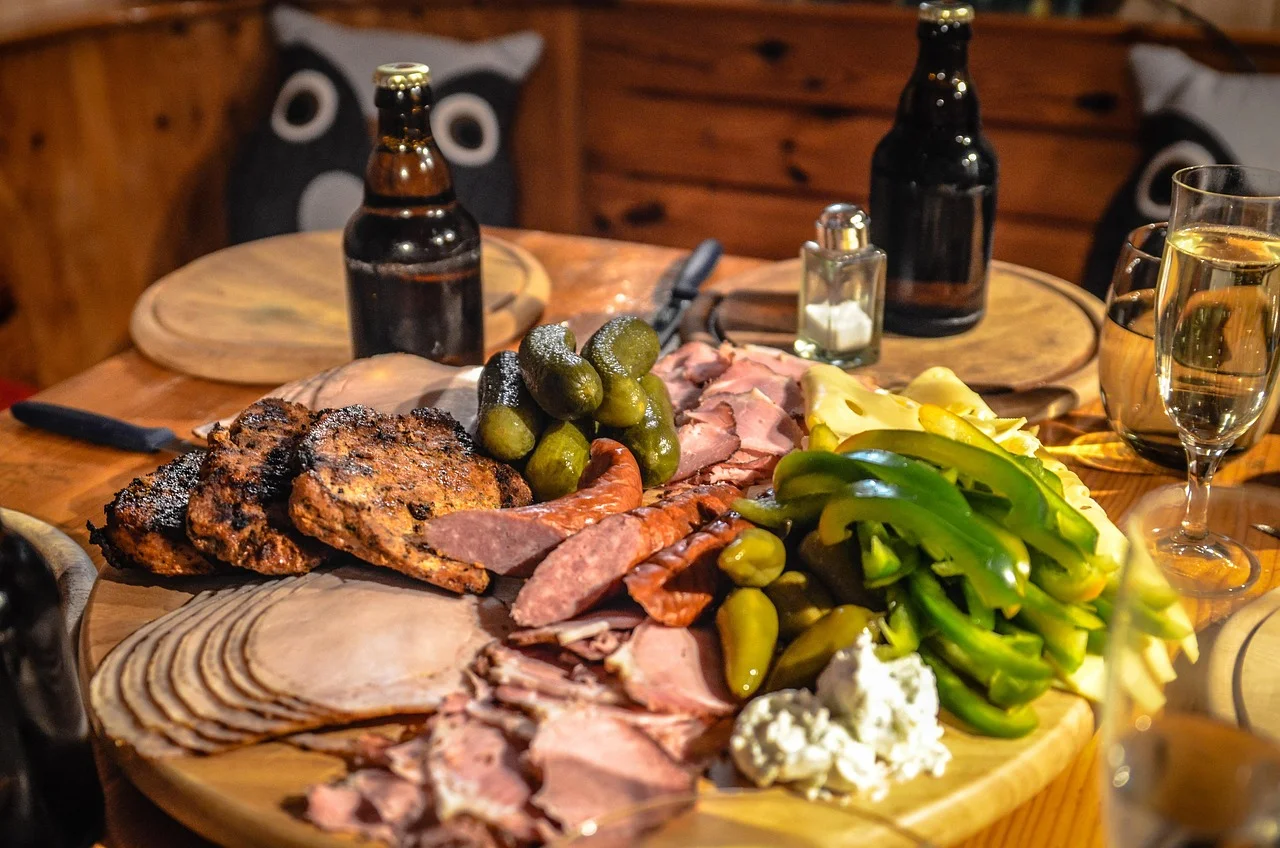
Tasting speck, wine and South Tyrolean food
Seated in a maso or a rifugio, you discover the Marende: a board of smoked speck, alpine cheeses and rye bread, paired with a glass of South Tyrolean white or Lagrein. The highlight is tasting the finely sliced speck, whose gentle smoking tells centuries of tradition between Italy and Austria.
An experience open to everyone, perfect after a hike or in bad weather; some farms offer a tour of the smokehouse and the cellar. Book a maso with a quality label to taste a homemade product rather than an industrial one.
- 2 to 3 hrs
- EUR 20 to 40 per meal per person in a mid-range restaurant
Getting there
The handiest airports are Venice (VCE) for the east, Verona (VRN) for the west and Innsbruck (INN) via the Brenner Pass, then 1 to 4 hours by road.
No airport serves the heart of the Dolomites directly. The gateways are Venice Marco Polo (VCE), ideal for Cortina and the eastern Dolomites, Verona (VRN) for Trentino and the western valleys, and Innsbruck (INN) in Austria, the fastest northern approach via the Brenner motorway (A22).
From these airports, count on 1 to 4 hours by road. Regional trains link Bolzano, Bressanone (Brixen) and Brunico along the Brenner line, and shuttle buses run from Venice, Verona, Innsbruck and Munich to the main valleys.
Getting around
A rental car is strongly recommended: it is the only way to move freely between valleys, passes and trailheads.
A car is still the most flexible way to explore the Dolomites, as public transport reaches trailheads and passes poorly. Keep in mind, though, that some roads close during the day in summer: access to Lago di Braies is shut to cars without a booking from roughly early July to mid-September, 9am to 4pm (online parking or shuttle reservation required), and the Alpe di Siusi road is closed to cars from 9am to 5pm.
Without a car, you can rely on South Tyrol's local buses (lines 439 and 442 to Lago di Braies in particular) and on regional travel cards (Mobilcard). Once in the valleys, the gondolas and cable cars (Seceda, Alpe di Siusi, Sassolungo) take you straight to the ridges and save you the big climbs.
The Tre Cime di Lavaredo are worth a note of their own: the toll road can be skipped entirely by shuttle, but the trip needs planning. See how to reach the Tre Cime without a car on bus 444 — timetable, fare and booking.
What to do
Hiking the Tre Cime di Lavaredo, photographing Lago di Braies, riding the gondola to Seceda, driving the scenic passes and sleeping in a hut are the must-dos.
The Dolomites are best experienced on foot and up high. The classics come down to a handful of experiences: the Tre Cime di Lavaredo loop, the emerald reflection of Lago di Braies, the dizzying ridge of Seceda, the meadows of Alpe di Siusi and the legendary road over Passo Giau.
Beyond hiking, the range lends itself to skiing on the Dolomiti Superski area, to via ferrata routes inherited from the Great War, to photography and to discovering Ladin cuisine. You will find the detail of the sites and activities further down in this guide.
The Tre Cime loop works well without a car: see how to get up there on bus 444, timetable and booking included.
Food
Dolomites cuisine is South Tyrolean: smoked speck, canederli (knödel), apple strudel and South Tyrolean wines, often served in a rifugio or a maso.
Dolomites cuisine blends Alpine, Austrian and Italian traditions. You will taste speck, South Tyrol's smoked ham, canederli (bread dumplings called Knödel in German), Veneto's polenta and, for dessert, the unmissable apple strudel.
South Tyrol is also a wine region known for its whites (Gewürztraminer, Pinot Bianco) and its red Lagrein. The best place to enjoy it all is a rifugio or a maso (farm inn), where you share a board of cured meats and cheeses — the Marende — facing the peaks. Expect €20 to €40 for a meal in a mid-range restaurant.
Itineraries
Plan for at least 4 to 5 days to combine the western and eastern Dolomites, ideally a week to add passes and a hut night.
To avoid rushing, allow at least 4 to 5 days. A balanced itinerary:
- Days 1-2 (west): base yourself in Val Gardena. Gondola up to Seceda, ridge hike, then a day on Alpe di Siusi.
- Day 3 (transition): scenic drive over Passo Sella and the Sassolungo, with a stop in Val di Funes for the Santa Maddalena Church.
- Days 4-5 (east): base yourself in Cortina d'Ampezzo. The Tre Cime di Lavaredo loop, sunrise at Lago di Misurina, and the drive over Passo Giau.
With a full week, add Lago di Braies in the north, a guided via ferrata and a hut night to enjoy both a sunset and a sunrise at altitude.
Climate & seasons
When to go to Italy?
Monthly averages over the past 5 years (Open-Meteo).
Avoid
- January
- February
- March
- April
- November
- December
| Jan | Feb | Mar | Apr | May | Jun | Jul | Aug | Sep | Oct | Nov | Dec | |
|---|---|---|---|---|---|---|---|---|---|---|---|---|
| Our take | ||||||||||||
| Weather | ||||||||||||
| High | -7° | -4° | -2° | -0° | 5° | 12° | 13° | 13° | 9° | 5° | -2° | -5° |
| Rain (mm) | 64 | 50 | 61 | 99 | 173 | 128 | 142 | 128 | 90 | 87 | 80 | 56 |
When to go
For hiking, aim for late June to mid-October; for skiing, December to March across the Dolomiti Superski area.
The Dolomites have two main seasons. Summer (late June to mid-October) opens the cable cars, the mountain huts and the trails: late June for meadows in bloom, September for quieter paths and more settled weather. Winter (December to March) turns the range into Europe's largest linked ski area.
July and August are gorgeous but very busy, with regulated access at Lago di Braies and Tre Cime di Lavaredo. Avoid April and November: most lifts close, many huts too, and some pass roads are still snowed in.
High up, the weather changes fast: afternoon storms are common in summer, so set off early and keep an eye on the forecast.
Budget
Budget around €100/day (~$110) on a shoestring, €185/day (~$200) for mid-range and €325/day (~$350) or more for comfort — flights not included.
The Dolomites are a fairly pricey Alpine destination, on a par with Swiss or Austrian resorts. On a shoestring (hostel, simple meals, public transport), budget around €100/day (~$110); for mid-range (3-star hotel, restaurants, car hire), around €185/day (~$200); for comfort, €325/day (~$350) and up.
A few benchmarks: a half-board night in a hut runs from €45 to €90, a day ski pass €77 to €86, and the Tre Cime toll road costs €40 for 12 hours. A rental car is one of the best-value items given the freedom it gives you.
That 40 EUR toll can be avoided: bus 444 from Dobbiaco climbs to the Auronzo hut for a fraction of the price.
Work out your budget
Backpacker
€700
€100 per person per day
Mid-range
€1,295
€185 per person per day
Upscale
€2,275
€325 per person per day
On-the-ground estimate, international flights excluded unless stated. Prices vary by season and how early you book. Figures updated on 11/09/2026.
Where to stay
Cortina d'Ampezzo is the best base in the east, Ortisei and Val Gardena in the west, and Bolzano or Val Pusteria for reaching Lago di Braies.
Where you stay depends on which part of the range you are aiming for. Cortina d'Ampezzo, in Veneto, is ideal for the Tre Cime, Lago di Misurina and Passo Giau. Ortisei and Val Gardena give you access to Seceda, Alpe di Siusi and the Sella Ronda circuit. Bolzano or the villages of Val Pusteria suit Lago di Braies and Val di Funes.
Expect around €100 to €250 a night in a hotel depending on the season, more in Cortina during the 2026 Olympic winter. For a classic experience, spend at least one night in a rifugio (mountain hut) on a half-board basis. Book early: the summer and winter high seasons fill up months ahead.
Safety
The Dolomites are a very safe destination; the main risks are mountain-related (weather, via ferrata, pass roads).
Crime is low and the Dolomites are among the safest destinations in Europe. The real risks are those of the high mountains: the weather changes fast at altitude, with frequent afternoon storms in summer. Set off early, watch the forecasts and pack hiking boots, warm layers and a windproof jacket.
On the via ferrata, safety gear (harness, lanyards, helmet) is essential, ideally with a guide for beginners. Some pass roads close in winter and early spring: check road conditions before you set out. The European emergency number 112 works everywhere.
Formalities
Italy is in the Schengen Area, so most short-stay visitors do not need a visa; carry a valid ID card or passport and check the rules for your nationality.
Italy is part of the Schengen Area and the European Union. EU and EEA nationals need only a valid ID card or passport — there is no minimum remaining validity required between Schengen countries. Non-EU visitors should check Schengen rules: many nationalities can stay visa-free for up to 90 days, and the ETIAS travel authorisation is being introduced from 2026.
No vaccinations are required; just keep your routine immunisations up to date. EU citizens should bring the European Health Insurance Card (EHIC) for medical cover, while other travellers are advised to take out travel insurance. The currency is the euro, so no currency exchange is needed within the eurozone.
Tips
Book regulated access early (Tre Cime, Lago di Braies), set off at dawn for the light and parking, and pack layers even in summer.
A few tips to make the most of the range:
- Plan ahead for regulated access: book parking or the shuttle online for Lago di Braies and the Tre Cime toll road, especially in July and August.
- Set off at dawn: the light on the peaks is magical at daybreak, and parking spaces free up before 9am.
- Dress in layers: even in high summer it can feel chilly at 2,500 m.
- Buy a lift pass (Val Gardena Card, Dolomiti Superski) if you plan to ride several gondolas.
- Book mountain huts well in advance for a night at altitude.
For the Tre Cime specifically, the timetable, fare and booking details for bus 444 from Dobbiaco save you the main high-season pitfall.
FAQ
The best hiking season runs from late June to mid-October; for skiing, December to March.
What is the best season to visit the Dolomites?
For hiking, aim for late June to mid-October, when lifts, huts and trails are open: late June for the flowering meadows, September for quieter paths and more settled weather. For skiing, the season runs December to March across the Dolomiti Superski area, the largest linked ski domain in Europe. July and August are stunning but very busy, with regulated access at Lago di Braies and the Tre Cime. Avoid April and November: most lifts close, many huts too, and some pass roads stay under snow.
Do you need a car to visit the Dolomites?
A car is strongly recommended: it lets you move freely between valleys, passes and trailheads that public transport reaches poorly. Trains and shuttles run as far as Bolzano, Bressanone or Brunico along the Brenner line, and South Tyrol's local buses, notably routes 439 and 442, reach Lago di Braies. Keep two summer restrictions in mind: car access to Lago di Braies is closed from 9am to 4pm between early July and mid-September without a parking booking, and the Alpe di Siusi road is closed to cars from 9am to 5pm.
How many days do you need for the Dolomites?
Allow at least 4 to 5 days. A balanced route gives two days to the west from Val Gardena, with the gondola up to Seceda and a day on the Alpe di Siusi, one transition day over the Passo Sella and through Val di Funes, then two days in the east from Cortina d'Ampezzo for the Tre Cime loop, Lago di Misurina and the Passo Giau. A full week lets you add Lago di Braies in the north, a guided via ferrata and a night in a mountain hut to catch both sunset and sunrise at altitude.
Are the hikes hard for beginners?
Many routes suit beginners: the Tre Cime loop, 10 km in 3 to 4 hours, is rated moderate, and the Seceda summit loop takes under two hours with no technical difficulty. The gondolas spare you the big climbs. Via ferrata routes and the Alte Vie, by contrast, are aimed at experienced walkers, with a harness, lanyards and helmet essential and a guide advisable. The real risk is not the gradient but the weather: afternoon storms are common in summer, so start early and carry warm layers and a windproof jacket.
Where should you stay in the Dolomites?
Cortina d'Ampezzo, in Veneto, is the best base in the east for the Tre Cime, Lago di Misurina and the Passo Giau. Ortisei and Val Gardena work perfectly in the west for Seceda, the Alpe di Siusi and the Sella Ronda circuit. Bolzano or the villages of Val Pusteria suit Lago di Braies and Val di Funes. Expect roughly €100 to €250 a night in a hotel depending on the season, and more in Cortina during the 2026 Olympic winter. Spend at least one night in a rifugio on half board, €45 to €90, booking well ahead.
Do people speak Italian or German in the Dolomites?
All three at once. The range spreads across three provinces and straddles a cultural border: people speak mostly German in South Tyrol, around Val Gardena, Braies and Val di Funes, Italian in Veneto, at Cortina, and in Trentino, plus Ladin, a local Romance language, in a few valleys such as Val Gardena. That explains the double place names, Bressanone and Brixen for instance, which can confuse you on road signs. English is widely understood in tourist areas, mountain huts included.
What budget should you plan for the Dolomites?
The Dolomites are a fairly pricey Alpine destination, on a par with Swiss or Austrian resorts. Budget around €100 a day on a shoestring with a hostel, simple meals and public transport, €185 mid-range with a 3-star hotel, restaurants and a rental car, and €325 or more for comfort. Useful markers: a half-board night in a mountain hut runs €45 to €90, a day ski pass €77 to €86, and the Tre Cime toll road costs €40 for 12 hours. A restaurant meal comes in between €20 and €40.
Sources
The figures in this guide come from the sources below, checked on the publication date.
Leave a comment
Share your thoughts or travel experience. Your email will not be published.