

Contents 30
Overview
Montenegro is a small Balkan country on the Adriatic that packs Mediterranean fjords, dramatic canyons and Orthodox monasteries into a territory you can cross in a few hours.
Montenegro surprises you with its density. In a single day, you can go from the Venetian walls of Kotor to the glacial lakes of Durmitor, then drop back down to the sandy beaches of Ulcinj. Few European countries offer this many contrasts in so few kilometres.
The Adriatic coast remains the country's showcase. The Bay of Kotor, often compared to a fjord, shelters baroque villages like Perast and UNESCO-listed fortified towns. Further south, Budva fuels the summer nightlife while Sveti Stefan poses for the photographers.
The interior tells a different story. The Tara Canyon, around 1,300 metres deep, is the deepest in Europe. Ostrog Monastery, built into a sheer cliff, draws pilgrims from across the Balkans. Lake Skadar, the largest in the Balkans, unrolls its water lilies all the way to the Albanian border.
On the practical side, the country uses the euro unilaterally without belonging to the eurozone. Most EU citizens can visit visa-free for up to 90 days. And with an average budget of around €128 per day, Montenegro stays more affordable than neighbouring Croatia. This guide covers the 12 sites that shape a first trip, the best activities and everything you need to know before you go.
12 places to take with you
In the guide's order, ready for Google Maps or your GPS.
Book the activities from this guide
Our picks for Montenegro, well rated and free to cancel.
-
Book this activity
Rafting in the Tara Canyon
EUR 70-75 per adult, EUR 60-65 per child
-
Book this activity
Boat Cruise on the Bay of Kotor
EUR 20-40 per person
-
Book this activity
Cruise or Kayak on Lake Skadar
EUR 20-40 per person
Affiliate links: Travel Advice earns a commission if you book, at no extra cost to you. Learn more

Stari Bar
Crumbling walls, thousand-year-old olive trees and the silence of old stone: Stari Bar feels like a forgotten city at the foot of Mount Rumija. It's the best-kept secret on the Montenegrin coast.
The fortified town, now in ruins, layers history on history: Byzantine, Venetian and Ottoman remains share the same enclosure, watched over by a remarkably preserved Ottoman aqueduct.
You wander the ruins at your own pace, climb the ramparts for the view over the olive groves, then walk back down to the village for a konoba meal under the vine trellis.
Why this one over another? Because Stari Bar offers the thrill of a dead city without the crowds of Kotor. It's the stop that gives your trip its taste of adventure.

Kotor Old Town and the Walls of St John
In the early morning, when mist still clings to the cliffs, Kotor looks like a stage set wedged between sea and mountain. Then the lanes wake up around St Tryphon's Cathedral.
The old town has been a UNESCO World Heritage Site since 1979. Its walls climb the mountainside to St John's Fortress, at the price of 1,350 steps.
You lose yourself in the medieval maze, visit the cathedral, then attack the climb: every landing widens the view over the bay, up to the final panorama across the whole inlet.
No other site in the country packs in this much history and spectacle. If you could keep only one stop in Montenegro, this would be it.

Perast and Our Lady of the Rocks
Perast fits on a single street, between baroque palaces and a quay where small boats bob. Facing the village, two islets float on the calm water of the bay, as if placed there by a painter.
The more famous one, Our Lady of the Rocks, is an artificial island born of a vow: for centuries, sailors dropped stones there before every departure to sea.
From the quay, shuttle boats drop you on the island in a few minutes. You visit the votive church and its small museum, then come back to stroll along Perast's waterfront.
It's the most poetic excursion in the country: an hour or two is enough, and the image of the island stays with you long after you've gone home.

Durmitor National Park and the Tara Canyon
Here, Montenegro changes face: limestone peaks, pine forests and dark-watered glacial lakes. Durmitor is alpine country, Balkan style, with Žabljak as its base camp.
The park has been UNESCO-listed since 1980. It peaks at Bobotov Kuk (2,523 m), counts 18 glacial lakes and borders the Tara Canyon, around 1,300 metres deep, the deepest in Europe.
On the menu: the Black Lake loop in 1.5 hours near Žabljak, tougher hikes towards the summits, and the dizzying viewpoints above the Tara.
It's the essential counterpoint to the coast. Without Durmitor, you only understand half the country.

Sveti Stefan
An islet of red roofs linked to the coast by a sandy isthmus: Sveti Stefan is probably the most photographed image in Montenegro, the perfect Adriatic postcard.
This fishing village, fortified in the 15th century, has been converted into a luxury hotel. The consequence: you can't visit the islet freely unless you're staying there.
So you come to see it, not to enter it. The beaches on either side of the isthmus and the viewpoints along the corniche let you admire the whole scene from every angle.
Why stop anyway? Because no other site on the coast delivers this visual jolt. Ten minutes of contemplation that fully justify the detour.

Ostrog Monastery
From a distance, it looks like a white smudge painted on the cliff. Up close, the vertigo hits: Ostrog Monastery is literally built into a vertical rock face above the Zeta valley.
It's the most venerated Orthodox shrine in the Balkans. Pilgrims flock here to pray before the relics of St Basil, kept in cave chapels carved into the rock.
You drive up a switchback road, visit the fresco-covered chapels, then linger on the terrace for the plunging view over the valley.
Believer or not, you leave marked by it. Few places combine devotion, impossible architecture and grand scenery to this degree.

Lovćen National Park and the Njegoš Mausoleum
At the top of Lovćen, the wind sweeps over a panorama that takes in half the country: the Bay of Kotor on one side, Lake Skadar and the Adriatic on the other.
On the summit of Jezerski vrh stands the mausoleum of Njegoš, prince-bishop and national poet. You reach it by a staircase of 461 steps cut into the mountain.
The road up from Kotor is an attraction in itself: 25 tight hairpins climbing above the bay, with a viewpoint at every turn. At the top, you visit the mausoleum then linger on the panoramic platform.
It's Montenegro's ultimate lookout: nowhere else can you read the country's geography in a single glance.

Lake Skadar
Carpets of water lilies as far as you can see, mountains plunging into the water and the heavy flight of a Dalmatian pelican: Lake Skadar plays in a different league from the coast.
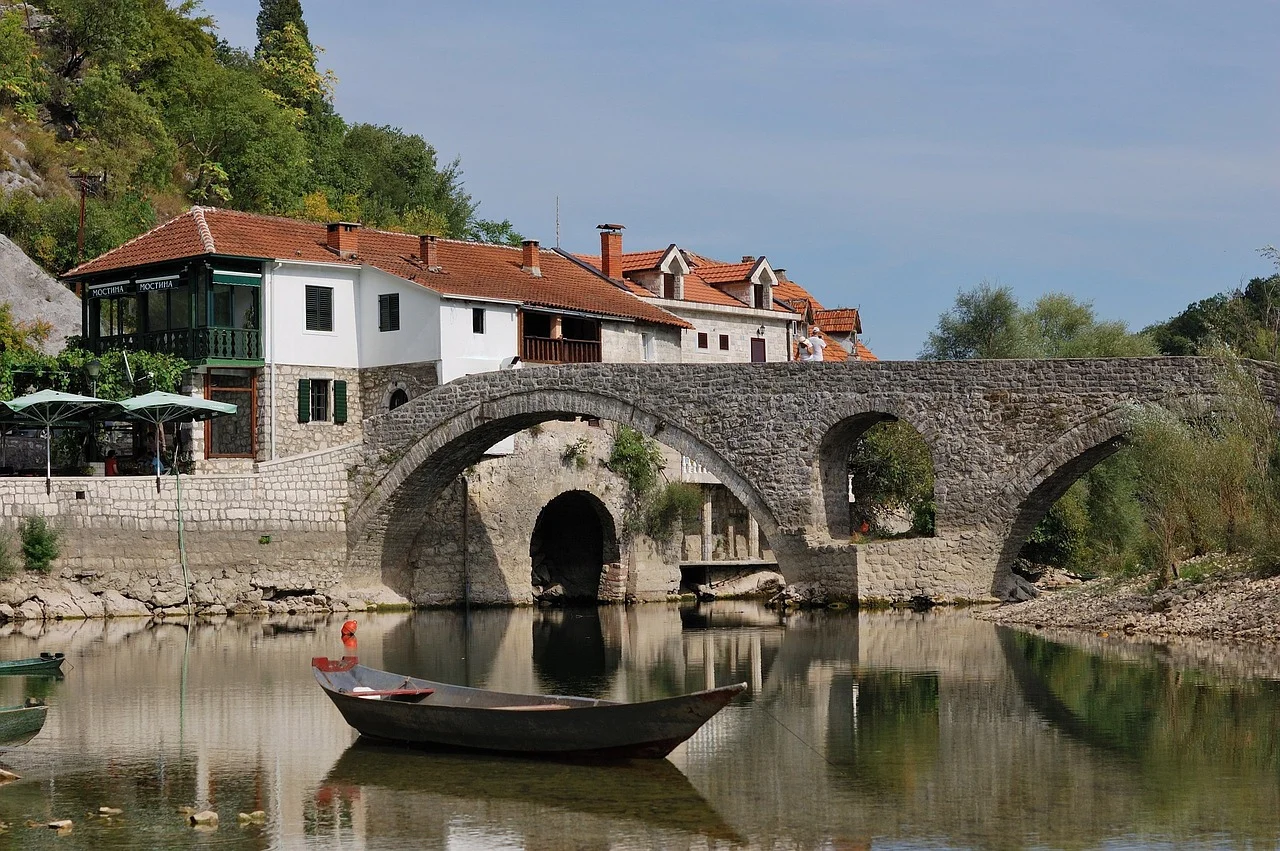
It's the largest lake in the Balkans, shared with Albania and protected by a national park on the Montenegrin side. Its channels shelter exceptional birdlife, Dalmatian pelicans first among them.
From the little port of Virpazar, you board a boat for a cruise through the water lilies, spot the island monasteries and finish in a wine village to taste the local vranac.
For lovers of nature and quiet, it's the most otherworldly stop in the country, less than an hour from the coast.

Budva Old Town
Behind its Venetian walls, Budva hides a maze of cobbled lanes that open onto a citadel facing the sea. At night, the whole town buzzes: this is the liveliest resort in the country.
The old town, ringed by Venetian ramparts, gathers churches, small squares and terraces. Its citadel offers a fine view over the rooftops and the Adriatic.
You explore the walls, climb to the citadel, then reach the Mogren beaches via a pretty coastal path cut into the cliff.
Budva is Montenegro's beach-and-party face: you come for the energy, the beaches and the nights out, as a counterweight to the quieter stops.

Đurđevića Tara Bridge
A concrete arch flung across the void: the Đurđevića Tara Bridge spans the Tara at 172 metres above the river, in a setting of forests and cliffs.
Completed in 1940, the structure was a technical feat for its time. It has become one of the symbols of northern Montenegro and the landmark of the canyon.
You stop for the photo from the viewpoints laid out on both banks, walk across to feel the drop, and the bolder ones launch themselves on a zip line over the canyon.
It's also the natural starting point for rafting on the Tara: the stop slots in perfectly on the road to Durmitor.

Ulcinj and Velika Plaža
At the far south, Montenegro takes on Albanian and Ottoman accents. Minarets, a lively market and an old town perched above the waves: Ulcinj is unlike any other town on the coast.
Its great asset stretches to the east: Velika Plaža, around 12 km of fine sand, a rarity on this pebble-dominated coastline.
You visit the fortified old town, get lost in the lanes, then head for the big beach. Its steady wind has made it a renowned kitesurfing spot, with several schools on site.
This is the destination for anyone who wants sand, space and a more mixed atmosphere than the rest of the coast.

Herceg Novi
Flower-lined staircases tumbling down to the sea, a scent of mimosa in late winter and fortresses guarding the entrance to the bay: Herceg Novi has a quiet, irresistible charm.
The town keeps several fortresses, including the Kanli Kula, a legacy of its past as a stronghold at the mouth of the Bay of Kotor. Mount Orjen towers over it inland.
You climb up and down its famous staircases, visit the Kanli Kula, then follow the Pet Danica promenade along the sea to Igalo, between coves and cafés.
As the first town past the Croatian border, it's the ideal gateway from Dubrovnik and a more peaceful stop than Kotor or Budva.
Rafting in the Tara Canyon
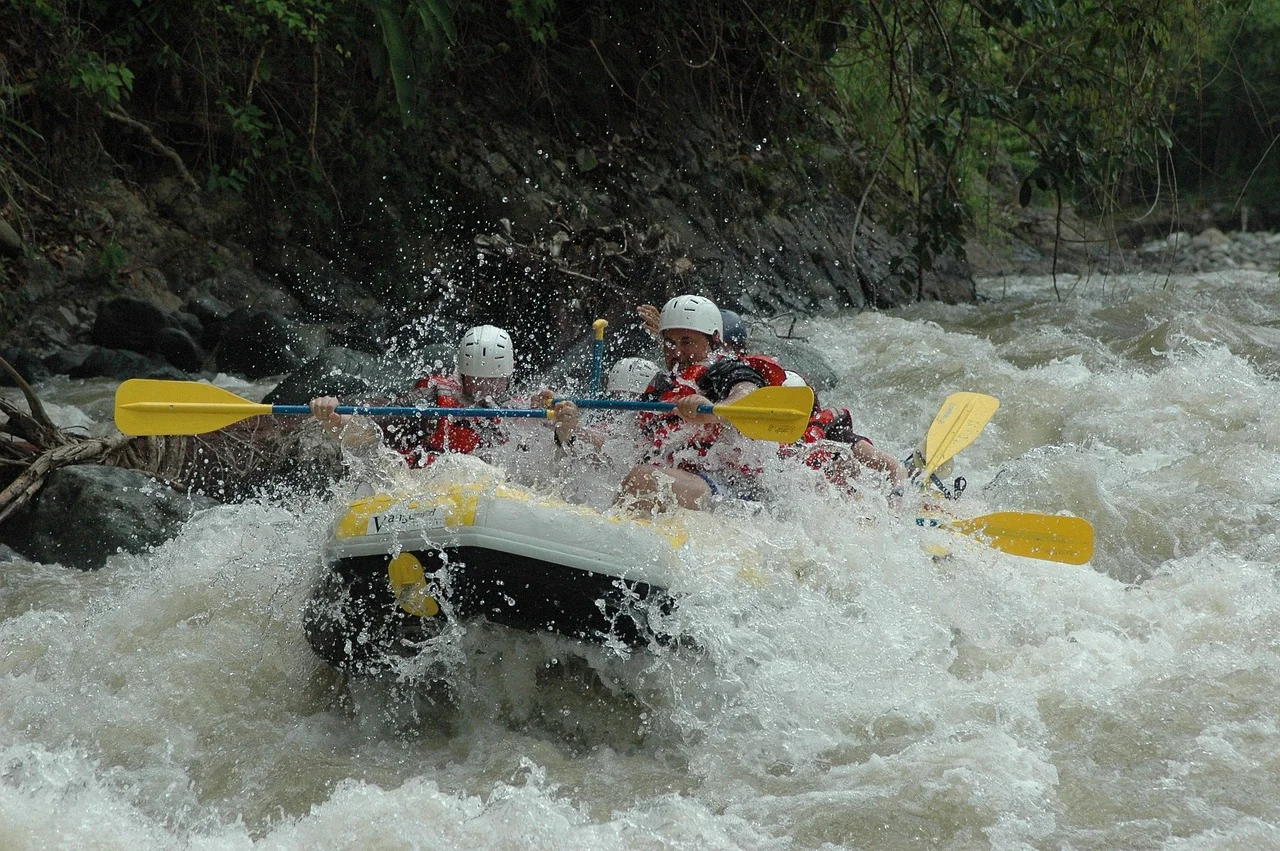
You launch at Šćepan Polje for around 3 hours on the water, deep in Europe's deepest canyon. Playful rapids, turquoise water and cliffs rising 1,300 metres overhead: the highlight is gliding beneath the walls when silence falls between two rapids.
The activity takes a full day, with transport, gear and a meal included, for €70-75 per adult and €60-65 per child. Suitable for guided beginners, it remains the standout experience of any trip to the north: book by the day before at the latest in high season.
- 1 day (about 3 hrs on the water)
- EUR 70-75 per adult, EUR 60-65 per child
Boat Cruise on the Bay of Kotor
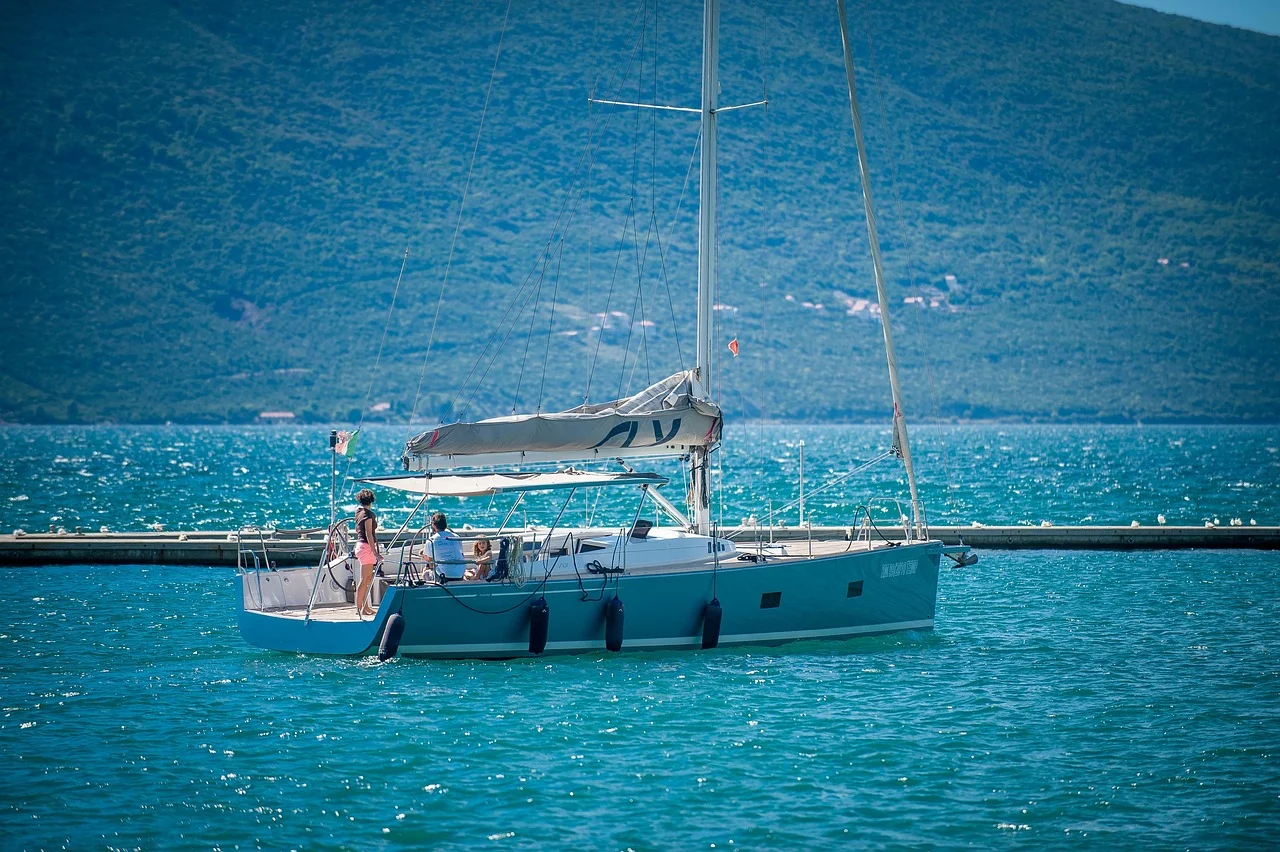
From Kotor or Perast, the boat glides between mountains that plunge into the bay, lands at Our Lady of the Rocks and then pauses for a swim in open water. Watching the Kotor walls recede from the water remains the most memorable moment.
Expect 2 to 4 hours depending on the package and €20 to €40 per person. It's the perfect activity for families and non-hikers: no fitness required, just a hat, sunscreen and cash for the extras.
- 2 to 4 hours
- EUR 20-40 per person
Hiking in Durmitor
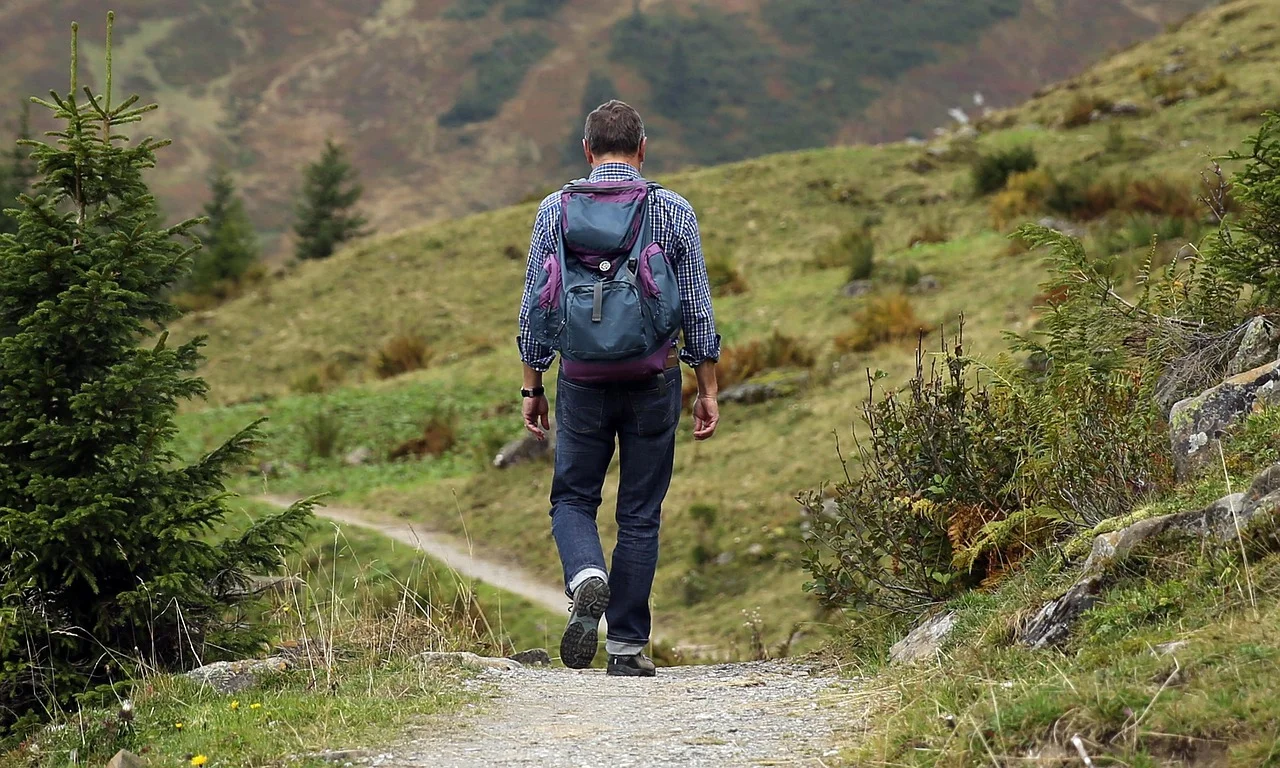
Two options depending on your level: the Black Lake loop, an easy 1.5-hour walk under the pines near Žabljak, or the ascent of Bobotov Kuk at 2,523 m, an 8-hour outing reserved for seasoned hikers. The summit panorama over the massif's 18 glacial lakes more than rewards the effort.
Park entry costs €5 per day, plus €2 for parking. Families and casual walkers will love the Black Lake; for Bobotov Kuk, wait for a window of stable weather and set off early with water and a windbreaker.
- 1 hr 30 min (Black Lake) to 8 hrs (Bobotov Kuk)
- EUR 5 park entry per day, parking EUR 2
Cruise or Kayak on Lake Skadar
Setting off from Virpazar, the boat slips into channels carpeted with water lilies, between mountains and reed beds. You watch for Dalmatian pelicans, pass island monasteries and cut the engine to listen to the birds: that's when the magic happens.
The outing lasts 2 to 3 hours, ideally in the morning, for €20 to €40. The cruise suits everyone; the kayak will appeal to sportier travellers who want to get right up to the vegetation. Bring cash, and binoculars if you have them.
- 2 to 3 hours
- EUR 20-40 per person

Wine Tasting in Virpazar and at Plantaže
Around Lake Skadar and in the Plantaže cellars, you discover vranac, the country's emblematic red grape, served with njeguški pršut and local cheese. The highlight: a glass of full-bodied red facing the vines in the late afternoon.
Expect 1 to 2 hours and €15 to €30 per person depending on the package. It's one for food and wine lovers, and pairs perfectly with a morning boat trip on the lake. Plan for a sober driver or an organised tour from the coast.
- 1 to 2 hours
- EUR 15-30 per person
Getting there
You can reach Montenegro via Podgorica (TGD) or Tivat (TIV) airports, or through Dubrovnik (DBV) in Croatia, about 45 km from Herceg Novi.
The country has two international airports. Podgorica (TGD) serves the capital and works well for Lake Skadar, Ostrog and the centre of the country. Tivat (TIV) sits right on the Bay of Kotor: ideal if your trip focuses on the coast.
The third option, often the cheapest from Western Europe, is to land in Dubrovnik (DBV), in Croatia. The airport is about 45 km from Herceg Novi, the first Montenegrin town past the border. Factor the border crossing into your schedule, especially in summer when the queues can stretch.
If you rent a car in Dubrovnik, check that the contract allows you to drive into Montenegro. Some rental companies charge a cross-border fee, others ban it outright. It's worth asking before you book.
There's also a memorable arrival by rail: the Belgrade-Bar line, one of Europe's most spectacular, threads through the Montenegrin mountains via Bijelo Polje and Podgorica before diving down to the sea at Bar. A great option if you're combining Montenegro with Serbia.
Which airport should you pick? Tivat for a coastal stay, Podgorica for a full loop, Dubrovnik for the best fare if the flight times work for you.
If you land at Tivat, the town deserves more than a transfer to Kotor or Budva: see the 13 must-do things in Tivat, from the Porto Montenegro marina to Plavi Horizonti beach and the Luštica peninsula.
Getting around
Renting a car is the most practical way to get around Montenegro, since public transport barely reaches the national parks.
A car gives you the freedom the country deserves. Buses barely serve Durmitor, Lovćen or Ostrog, and the best viewpoints often sit at the end of small back roads. An EU driving licence is all you need to rent.
One tip changes everything around the Bay of Kotor: the Kamenari-Lepetane ferry. This short crossing cuts across the narrowest strait of the bay and saves you the full loop by road. A genuine time-saver between Herceg Novi and Tivat or Budva.
Mountain roads demand your attention. Many are narrow, full of hairpins, sometimes without guardrails, and local driving can catch you off guard. Take it slow, especially on the Ostrog road and the 25 hairpin bends between Kotor and Lovćen.
Without a car, the coast remains very doable. Intercity buses link Herceg Novi, Kotor, Budva, Bar and Ulcinj well, with decent frequencies in season. For the interior, you'll have to rely on organised excursions or taxis.
The train deserves a mention: the Bar-Podgorica-Bijelo Polje line, the Montenegrin stretch of the Belgrade-Bar railway, crosses superb scenery for just a few euros. Finally, taxis stay affordable in town; agree on the fare before getting in and carry cash.
What to do
Montenegro's standout experiences are climbing the Kotor walls, rafting the Tara Canyon, the boat ride to Our Lady of the Rocks and hiking to the Black Lake in Durmitor.
On the coast, everything starts with Kotor. Climb the 1,350 steps to St John's Fortress early in the morning, before the heat and the cruise crowds. In Perast, hop on a small shuttle boat to the votive island of Our Lady of the Rocks, one of the country's most famous images.
A cruise around the Bay of Kotor rounds out the picture nicely. Expect 2 to 4 hours and €20 to €40 to sail past Perast, land on the island and take a dip in the bay. Further south, the free viewpoint over Sveti Stefan from the Budva-Petrovac road is worth the detour at sunset.
In the mountains, Durmitor delivers the thrills. The Black Lake loop takes 1.5 hours and suits families, while Bobotov Kuk (2,523 m) demands a full day and strong legs. Rafting the Tara, below the Đurđevića Bridge, remains the headline summer activity: around 3 hours on the water in Europe's deepest canyon.
After something gentler? Lake Skadar reveals itself by cruise or kayak from Virpazar, between water lilies and Dalmatian pelicans. Finish with a tasting of vranac wine (the local red grape) and njeguški pršut (smoke-dried ham) in a wine village. You'll find the practical details for each activity further down in this guide.
Food
Montenegrin cuisine is best tasted in konobas, traditional taverns where a meal costs around €8-15, from njeguški pršut and kačamak to Adriatic fish and vranac wine.
The konoba (traditional tavern) is the address to know. Often family-run, it serves simple, generous food for around €8 to €15 a meal. That's where you'll eat best, far from the tourist terraces of the old towns.
Two products put the village of Njeguši, on the slopes of Lovćen, on the map. Njeguški pršut, a ham smoked and dried in mountain air, comes in thin slices alongside Njeguši cheese. The pairing opens nearly every meal in the country.
Inland, the signature dish is called kačamak. This dense mash of potatoes, cornmeal and melted cheese will fuel a hiker for the whole day. You'll find it everywhere around Žabljak and Durmitor.
On the coast, fish and seafood take over. Grilled catch of the day, squid and mussels taste even better facing the Adriatic. Around Lake Skadar, try the local speciality: smoked carp, served in the konobas of Virpazar and the lakeside villages.
In the glass, vranac rules. This local red grape produces full-bodied wines, perfect with pršut. And you can't leave the country without a toast of rakija, the fruit brandy you'll often be offered at the end of a meal.
Itineraries
Allow 7 days for the coast with a side trip to Ostrog or Lake Skadar, and 10 days to add Durmitor, the Tara Canyon and Lovćen.
One week already buys you a fine tour of the coast with one foray inland. Ten days deliver the full trip, mountains included. Here are two templates to adapt to your own pace.
7-day itinerary: the coast plus one escape
- Day 1: arrive in Tivat or Dubrovnik, settle in Kotor
- Day 2: Kotor Old Town and the climb to the Walls of St John early in the morning
- Day 3: Perast and the island of Our Lady of the Rocks, swim in the bay
- Day 4: Ostrog Monastery or a Lake Skadar cruise from Virpazar
- Day 5: Budva, Mogren beaches, sunset viewpoint over Sveti Stefan
- Day 6: Stari Bar and its ruins, konoba lunch in the village, drive to Ulcinj
- Day 7: Velika Plaža or a slow morning, head back to the airport
10-day itinerary: coast, canyons and summits
- Days 1-3: Bay of Kotor (Kotor, the walls, Perast, Herceg Novi)
- Day 4: the 25-hairpin road up to Lovćen, Njegoš Mausoleum, night near Cetinje or Podgorica
- Day 5: Ostrog Monastery in the morning, drive to Žabljak
- Day 6: Durmitor, Black Lake loop, Tara Canyon viewpoints
- Day 7: Tara rafting or the Bobotov Kuk ascent, Đurđevića Tara Bridge
- Day 8: descend to Lake Skadar, cruise from Virpazar, vranac tasting
- Day 9: Sveti Stefan, Budva or Petrovac, beach time
- Day 10: Stari Bar, then back to the airport
On either route, the arrival or departure day is usually spent near the airport: rather than losing it on the road, keep it to visit Tivat, twenty minutes from Kotor.
Climate & seasons
When to go to Montenegro?
Monthly averages over the past 5 years (Open-Meteo).
Best months
- June
- July
- August
Avoid
- January
- November
- December
| Jan | Feb | Mar | Apr | May | Jun | Jul | Aug | Sep | Oct | Nov | Dec | |
|---|---|---|---|---|---|---|---|---|---|---|---|---|
| Our take | ||||||||||||
| Weather | ||||||||||||
| High | 9° | 11° | 14° | 17° | 22° | 28° | 31° | 30° | 25° | 21° | 15° | 11° |
| Rain (mm) | 323 | 169 | 200 | 158 | 116 | 55 | 49 | 55 | 127 | 123 | 390 | 283 |
| Beach | Beach June | Beach July | Beach August | |||||||||
| Hiking & nature | Hiking & nature May | |||||||||||
| City sightseeing | City sightseeing May | City sightseeing June | City sightseeing September | City sightseeing October |
What to do by season (autumn)
-
City sightseeing
Pedestrian-friendly most of the year.
When to go
The best times to visit Montenegro are May-June and September-October: pleasant weather, warm sea in late summer, fair prices and no July-August crowds.
May and June form the first ideal window. The coast is green, temperatures climb gently and you can tackle the Kotor walls without breaking a sweat. One caveat in the mountains: Durmitor stays snowbound until June, which keeps summits like Bobotov Kuk off-limits to hikers without proper gear.
September and October make up the second window, arguably the most complete one. The sea stays warm after summer, cruise passengers thin out in Kotor and the Durmitor trails are clear. It's the perfect time to combine coast and mountains in a single trip.
Skip July and August if you can. Crowds overwhelm the Bay of Kotor and Budva's beaches, prices spike and the midday heat makes sightseeing a chore. It's also forest fire season along the coast.
November marks the start of the rainy season, which hits the coast especially hard. In winter, the seaside slows to a crawl while Žabljak turns into a small ski resort.
- May-June: nature at its best, lingering snow at altitude
- September-October: warm sea, open trails, fewer people
- July-August: crowds and high prices on the coast
- November: frequent rain, best avoided
Budget
Budget around €52 per day per person for backpacking, €128 for mid-range and €297 for comfort in Montenegro, according to budgetyourtrip.com.
Montenegro remains an affordable destination by European standards. According to budgetyourtrip.com, the average traveller spends €128 (about $138) per day, covering accommodation, meals, transport and activities. That's noticeably less than neighbouring Croatia for comparable scenery.
On a backpacker budget, €52 (about $56) a day is enough. That means sleeping in guesthouses or hostels (€30 to €60 a room), eating in konobas for €8 to €15 a meal and travelling by bus. The natural sites help: Durmitor entry costs €5 a day, Lovćen €3, and Ostrog is free.
The comfort budget, around €297 (about $320) per day, unlocks the coast's 4-star hotels, fish restaurants and private excursions. Luxury seafront addresses top €150 a night in season.
A few benchmarks to fine-tune your maths:
- Kotor walls: €15 in high season
- Tara rafting: €70-75 per adult for the day
- Bay of Kotor or Lake Skadar cruise: €20-40
- Njegoš Mausoleum: €8, on top of the €3 park fee
- Wine tasting: €15-30
One last point: carry cash. Many small shops, taxis and site ticket offices don't take cards.
Where to stay
Kotor is the best base for the bay, Budva for beaches and nightlife, Petrovac for families, Žabljak for Durmitor and Podgorica for a transit stop.
Kotor remains the most versatile base. The old town and its surroundings put Perast, Lovćen and even Budva within easy reach. Family-run guesthouses go for around €30 to €60 a night, 3-4 star hotels between €60 and €120. Book early for May-June and September.
Budva suits travellers after beaches and nightlife. It's the liveliest resort in the country, with a huge range of accommodation. Luxury seafront addresses easily top €150 in season.
Petrovac, further south, plays the quiet card. This small family resort appeals to anyone who wants the coast without Budva's party scene. It's also a good compromise for day trips to Sveti Stefan and Lake Skadar.
Žabljak is the base camp for Durmitor. The village lives off the mountains: rooms in private homes, chalets and small hotels, usually at the lower end of the price range. Two nights are enough for the Black Lake and one big hike.
Podgorica, finally, mostly serves as a stopover. The capital lacks tourist charm but comes in handy for a late airport arrival or a night before Ostrog.
- Guesthouse: €30-60 a night (indicative range)
- 3-4 star hotel: €60-120
- Seafront luxury: over €150
Safety
Montenegro is a safe country with low crime; the main risk for travellers comes from narrow mountain roads and local driving habits.
On personal safety, Montenegro reassures. Crime is low and violence against tourists is rare. The one thing to watch: pickpocketing in summer, in the packed lanes of Kotor and Budva or on the beaches. Never leave anything visible in your car.
The real issue is the road. Mountain routes are narrow, winding, sometimes without guardrails, and local driving can be spirited. Risky overtaking isn't unusual. Adjust your speed, honk before blind corners and let the impatient pass. The Ostrog road and the Lovćen hairpins call for extra care.
In summer, forest fires regularly hit the coast. Follow local instructions if you see smoke and never toss a cigarette butt into the wild. The country also carries a moderate seismic risk, like much of the Balkans, though it shouldn't keep you up at night.
In the mountains, the classic rules apply: check the weather before setting out, carry plenty of water, and tell someone your route for big outings like Bobotov Kuk. Take out insurance that covers mountain rescue.
Before you leave, register with your government's traveller alert service (such as Ariane for French citizens) to be notified in case of a major incident on the ground.
Formalities
French and most EU citizens can enter Montenegro visa-free for up to 90 days; an ID card is accepted for stays under 30 days, a passport is required beyond that.
Good news for European travellers: French and most EU citizens can enter visa-free for tourist stays of up to 90 days, according to France Diplomatie. For stays under 30 days, a valid national ID card is accepted for EU nationals. Between 30 and 90 days, a passport becomes mandatory. Other nationalities should check requirements with their local Montenegrin embassy.
In practice, a passport is recommended even for a short stay. It smooths out border crossings, especially if you arrive via Dubrovnik or take a day trip into Albania from Lake Skadar.
On the health side, no vaccinations are required. Routine vaccinations (tetanus, hepatitis B, measles) should be up to date, all the more so since a measles resurgence was reported in 2026. Hikers planning long days in Durmitor or Lovćen may consider the tick-borne encephalitis vaccine.
Montenegro is not in the European Union, so the European Health Insurance Card doesn't work there. Travel insurance covering medical costs and repatriation is strongly advised, with mountain cover if you plan to hike at altitude.
One last detail that surprises people: the country uses the euro unilaterally without being a eurozone member. No currency exchange needed, but keep cash on you.
Tips
Top tips for Montenegro: always carry cash, drive carefully, use the Kamenari-Lepetane ferry, avoid July-August on the coast and pack modest clothing for monasteries.
First reflex: cash. Cards are accepted in tourist areas, sure, but markets, taxis, the Perast shuttle boats and even the Kotor walls in high season often run on cash. Withdraw in town and budget for ATM fees.
On the road, caution pays. Narrow lanes, endless hairpins, impatient drivers: take your time and use the viewpoints to let people pass. And memorise this precious shortcut: the Kamenari-Lepetane ferry crosses the Bay of Kotor in minutes and spares you the full loop around the bay.
Timing-wise, dodge July-August on the coast if you can. Crowds, inflated prices, heat: everything argues for May-June or September-October. If you have no choice, visit Kotor and Budva early in the morning and save the hot hours for swimming.
Two accessories transform your comfort. Water shoes, first: many beaches, notably around Budva and Petrovac, are pebbly. Modest clothing, second: covered shoulders and knees are required at Ostrog and in Orthodox monasteries.
- Cash always on hand, especially outside the towns
- Kamenari-Lepetane ferry to save time in the bay
- Star sites early in the morning to beat cruise crowds and heat
- Water shoes for the pebble beaches
- Modest clothing in religious sites
FAQ
French and most EU citizens don't need a visa for Montenegro up to 90 days; an ID card covers stays under 30 days, a passport beyond.
Do you need a visa for Montenegro?
No for most European travellers: French and most EU citizens can stay visa-free for up to 90 days. A valid ID card is enough for EU nationals staying under 30 days; between 30 and 90 days, a passport is required. Other nationalities should check with their local Montenegrin embassy.
What currency does Montenegro use?
The euro, which the country uses unilaterally without belonging to the eurozone. No currency exchange needed, but keep cash on you: small shops, the Perast boats and the Kotor walls in high season often take cash only.
When is the best time to visit Montenegro?
May-June and September-October. The weather is pleasant, prices are fair and the crowds are gone. Avoid July-August on the coast, and note that Durmitor stays snowbound until June.
How many days do you need in Montenegro?
Allow 7 days for the coast with a side trip to Ostrog or Lake Skadar. With 10 days, you add Durmitor, the Tara Canyon and Lovćen for a complete loop of the country.
Is Montenegro safe?
Yes, crime is low, with only some summer pickpocketing in tourist areas. The main risk is on the road: narrow mountain routes and locals in a hurry. Stay alert behind the wheel.
Should you rent a car in Montenegro?
It's recommended: buses barely serve the national parks. An EU driving licence is all you need. Remember the Kamenari-Lepetane ferry to cross the Bay of Kotor without driving around it.
What language is spoken in Montenegro?
Montenegrin, which is close to Serbian. English is widely understood on the coast and in tourist areas. Two words to remember: "dobar dan" (hello) and "hvala" (thank you), always appreciated.
Can you pay by card in Montenegro?
Yes, in hotels, restaurants and shops in tourist areas. Markets, taxis, shuttle boats and site ticket offices, however, often want cash. Budget for ATM withdrawal fees too.
Sources
The figures in this guide come from the sources below, checked on the publication date.
Leave a comment
Share your thoughts or travel experience. Your email will not be published.