

Corsica or Sardinia? Sardinia is cheaper and lines up a far bigger coastline; Corsica is more mountainous, more compact and closer to mainland France. The right choice depends on the kind of traveller you are, not on some absolute winner.
Only a 50-minute ferry ride separates the two islands, yet they tell very different stories. On one side, 8,722 km² of mountains plunging straight into the sea. On the other, 24,100 km² of coastline, high plateaus and villages that time forgot. This comparison works through everything point by point: beaches, budget, getting there, atmosphere and crowds, hiking, food. With sourced figures, a verdict for every traveller profile and answers to the questions we get asked most often.
Book the activities from this article
Our picks for Corsica and Sardinia, well rated and free to cancel.
-
Book this activity
Lavezzi Islands and Bonifacio cliffs by boat
€87 per person (GetYourGuide price 2026)
-
Book this activity
Cap Corse and Saleccia by boat from Saint-Florent
€110 per person, lunch included (GetYourGuide price 2026)
-
Book this activity
Gulf of Orosei by dinghy: Cala Mariolu and Cala Goloritzé
€70 per person (GetYourGuide price 2026) + €5.50 environmental fee in cash; lunch not included
Affiliate links: Travel Advice earns a commission if you book, at no extra cost to you. Learn more
Beaches: compact gems versus a giant coastline
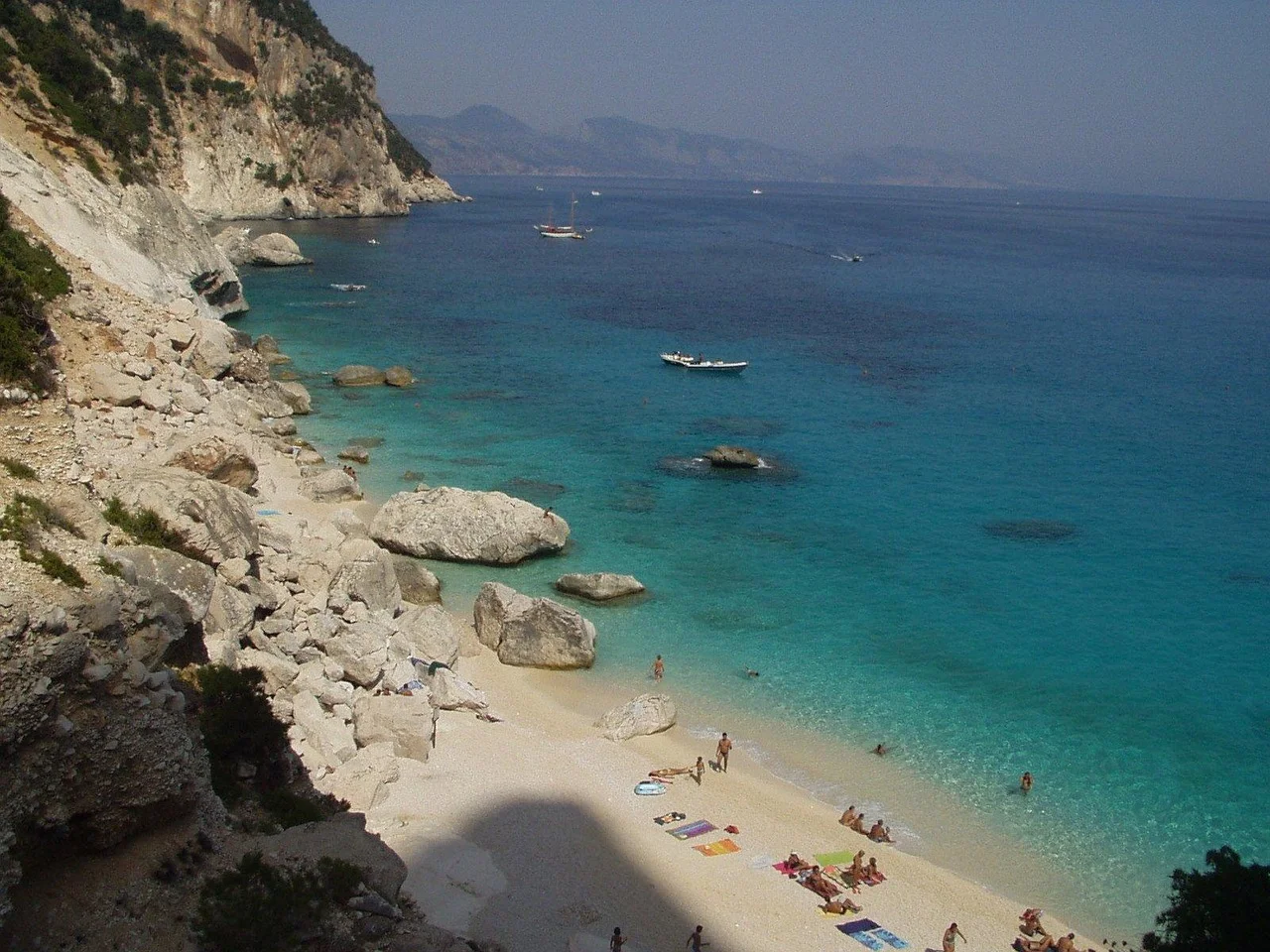
Sardinia edges it, just: Palombaggia, Rondinara and Saleccia can match any Sardinian postcard, but Sardinia has a far bigger coastline and one-of-a-kind spots like Cala Goloritzé and La Pelosa. The flip side: its star beaches now enforce visitor caps and paid booking in season.
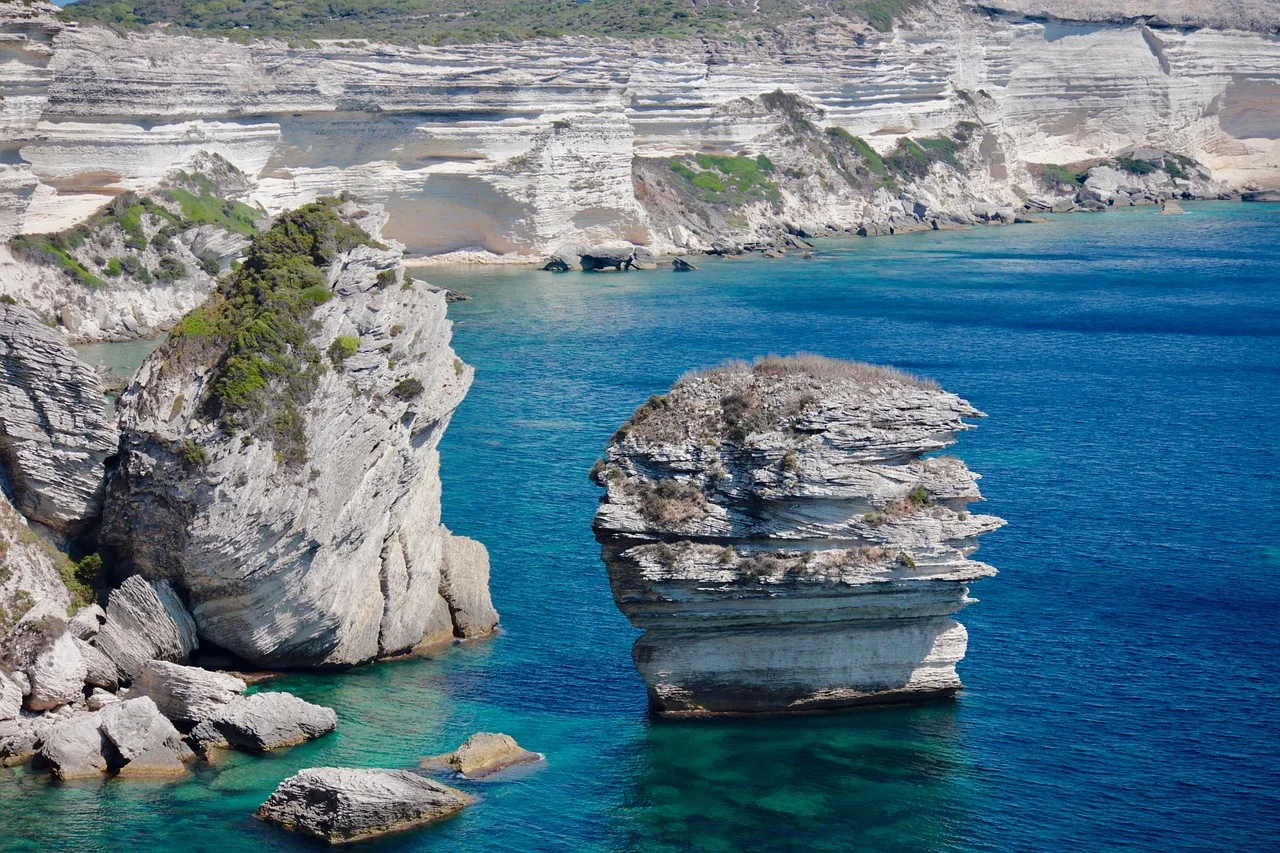
In Corsica, the south steals the show. Palombaggia and Santa Giulia near Porto-Vecchio, the shell-shaped bay of Rondinara between Porto-Vecchio and Bonifacio. Up north, Saleccia and Ostriconi have to be earned: they hide in the Agriates desert, far from any road. All of it sits on a compact island, perfect for a trip without long hours behind the wheel.
Sardinia plays a different game. La Pelosa and its glass-clear water at Stintino, Cala Luna and Cala Goloritzé on the east coast, Spiaggia del Principe on the Costa Smeralda, Chia and Su Giudeu in the far south. On an island nearly three times the size, the scenery changes every single day.
Booking is compulsory in 2026. La Pelosa caps access at 1,500 people per day from 15 May to 15 October: €3.50 per person, free for under-12s, maximum 4 people per booking at spiaggialapelosa.it. Cala Goloritzé is limited to 250 visitors at a time from April to October, at €7 per person, with tickets released 72 hours ahead (Costa di Baunei).
The verdict stays nuanced. Sardinia wins on sheer volume and jaw-dropping one-offs, Corsica on density and freedom of access. Nobody goes home disappointed, whichever side you pick.
Budget: Sardinia wins, except on the Costa Smeralda
Like for like, Sardinia costs noticeably less: around €64 (~$70) a day for backpackers and €145 a day mid-range, against €83 (~$90) and €199 in Corsica, according to BudgetYourTrip (Corsica data). At the comfort end, the gap widens even more: €278 versus €437 a day.
Eating out, expect €24.50 on average for lunch in Corsica (Combien-coûte), against roughly €20 for a simple meal in Cagliari. The cappuccino says it all: €1.76 in Cagliari versus €4 in Ajaccio according to Numbeo, though its Ajaccio sample is small.
Same story for rental cars: about €30 a day in Olbia versus €40 a day in Ajaccio (roughly €280 a week), according to Roole. In August, though, Sardinian rates climb as high as €47 a day. Hotels follow the same pattern: Corsican rooms cost noticeably more at the height of summer, while Sardinia keeps plenty of budget addresses, outside the Costa Smeralda.
One big exception: the Costa Smeralda. This enclave in Sardinia's north-east plays by its own rules, often above Corsican prices, and the Sardinian advantage evaporates there. On Sardinia's most popular stretches of coast, summer daily budgets creep close to Corsican levels too.
Getting there: Corsica comes out ahead
From mainland France, the usual gateway to both islands, Corsica wins: roughly a 1 h 35 flight from Paris to Ajaccio, four airports and daily ferries from Toulon, Nice and Marseille. Sardinia takes a 2-hour flight or a long overnight crossing, but its low-cost carriers slash prices, with return fares from €53-57 (Aéroports-Voyages).
By air, Corsica has four airports, Ajaccio, Bastia, Figari and Calvi, about 1 h 35 from Paris (Liligo). The catch: summer fares start around €146 one way and swing wildly. Sardinia counts three airports, Cagliari, Olbia and Alghero, served by low-cost carriers like Ryanair, Transavia and easyJet.
By ferry, Corsica stays the easier option: foot passengers from €42 return with Corsica Ferries, though adding a vehicle can double the bill (Tout le monde à bord). Count about 10 h 30 from Toulon, often overnight; Nice offers the shortest crossings. To Sardinia there is a single direct line, Toulon to Porto Torres: 9 to 15 hours, mostly overnight, cabin compulsory. A solo passenger starts at €21, but a family of four with a car and cabin pays around €550 one way in August, versus €385 in June (Clickferry).
The good news: you don't actually have to choose. The Bonifacio-Santa Teresa Gallura ferry links the two islands in about 50 minutes, from €33-40 per adult, with 6 to 7 daily departures in summer on Moby Lines and Ichnusa Lines (Direct Ferries). The route runs from mid-January to late October 2026: plenty of scope to combine both islands in one trip.
Atmosphere and crowds: proud mountain soul or dolce vita
It's a tie: a proud mountain identity, hilltop villages and polyphonic singing on the Corsican side; laid-back dolce vita and a hinterland tourists barely touch on the Sardinian side. This one comes down to temperament, not ranking. What the 2025 figures do confirm is that both islands have never drawn so many visitors.
Corsica recorded 10 million overnight stays from April to September 2025, a post-Covid record up 1.4% (INSEE), and 8.5 million passengers passed through the island over the year (Corse Net Infos). Sardinia went even bigger: more than 20 million overnight stays and 5 million arrivals, up 15% year on year (Sardinia Region).
The peaks differ slightly. In Corsica, July and August pack the roads and the southern beaches. In Sardinia, everything culminates around Ferragosto in mid-August, when Italians head for the coast en masse.
Our advice: aim for the shoulder seasons. May-June and September-October transform both islands, and INSEE actually reports Corsican visitor numbers spreading out towards those months. Slight edge to Sardinia outside summer, with more flight connections kept running and far easier access to its quota beaches.
Nature and hiking: GR20 versus Supramonte
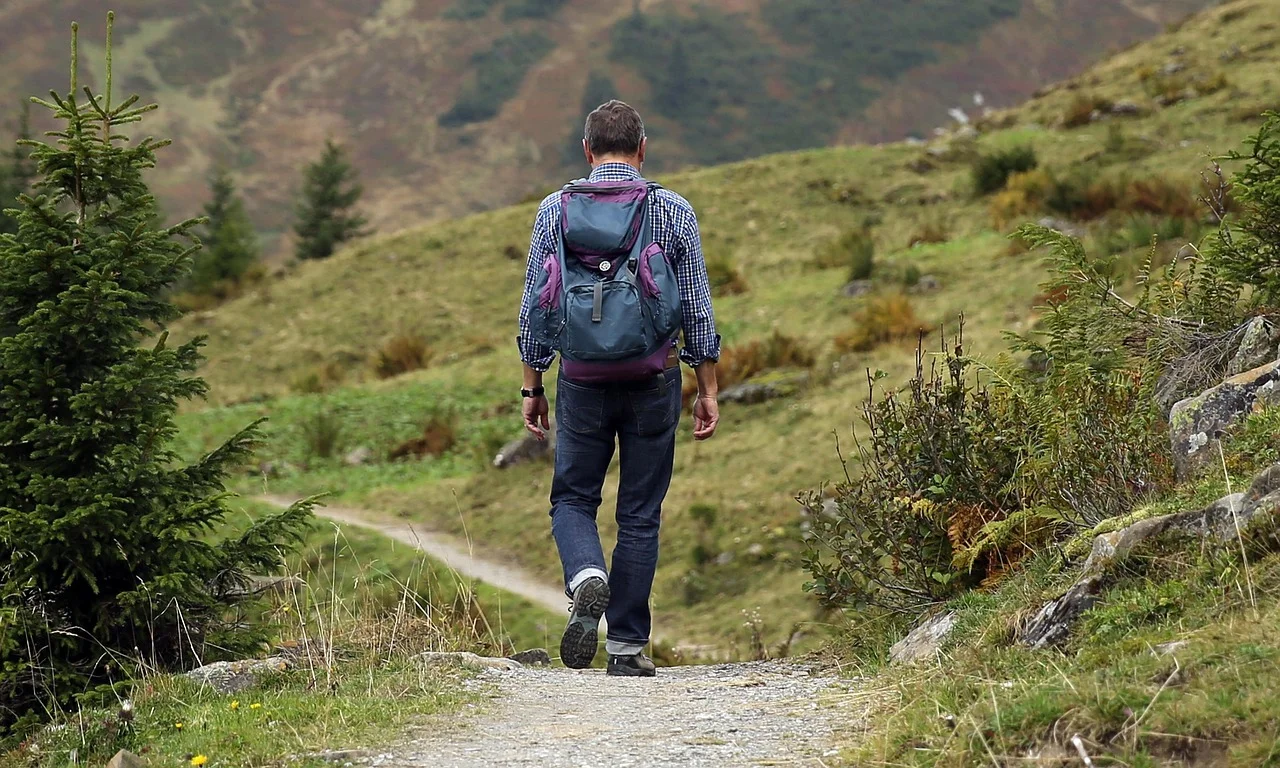
Corsica remains the mountain of the Mediterranean: the GR20 and Monte Cinto, topping out at 2,706 m, have no equal in Sardinia, where Punta La Marmora peaks at 1,834 m. Sardinia's Supramonte fires back with treks that are shorter, quieter and far more technical.
The GR20 runs about 180 km between Calenzana and Conca, over 15 to 16 stages and more than 12,000 m of total ascent. It has a reputation as Europe's toughest trail (La Balaguère), yet it stays well marked, with staffed refuges along the route.
The Supramonte offers a rawer kind of adventure. The Selvaggio Blu strings together 40 to 45 km of wild coastline over 4 to 7 days, with abseils, climbing sections and tricky route-finding: it's Italy's most demanding trek (Wikipedia), and most hikers do it with a guide. Add the Su Gorropu gorge and its 400-metre walls, and you have a genuine adventure playground.
Long-distance hiker? Corsica takes it. After a committed challenge far from the crowds? The Supramonte is waiting for you.
Food and wine: two islands with serious terroir
Impossible to split two islands this proud of their produce: AOP-protected charcuterie and brocciu cheese in Corsica, culurgiones, porceddu and pecorino in Sardinia. Sardinia only wins on the bill, with a simple meal around €20 versus €24.50 on average in Corsica.
Corsican cooking tastes of maquis scrub and chestnut. Coppa, lonzu and figatellu carry AOP protected status, and brocciu turns up everywhere, right down to the fiadone dessert. Add a wild boar stew, pulenda and chestnut canistrelli, plus a glass of Patrimonio, and you have a meal full of character.
Sardinia is built on pasta and sheep. Stuffed culurgiones, malloreddus alla campidanese, porceddu suckling pig, crisp pane carasau and pecorino sardo make up the classic menu, before honey-soaked seadas for dessert. In the glass, red Cannonau and white Vermentino wash it all down, for a few euros less than across the strait.
Verdict: a tie on flavour, a Sardinian win on the wallet. Food lovers will settle it with their taste buds, cured meats on one side, fresh pasta and sheep's cheese on the other.
The verdict, traveller by traveller
Between Corsica and Sardinia there is no absolute winner: every profile has its island. Here are our straight recommendations, based on the figures in this comparison. And remember, a 50-minute ferry always lets you combine the two.
- Hikers: Corsica. The GR20 (about 180 km, 15-16 stages, 12,000 m of ascent) remains Europe's holy grail; the Selvaggio Blu is superb but short (4-7 days), technical and usually done with a guide.
- Families with kids: Sardinia, or Corsica if a short journey matters most. Gently shelving beaches, around €145 a day mid-range versus €199, cheaper meals; Corsica claws back the advantage at 1 h 35 by air from Paris.
- Tight budgets: Sardinia. Around €64 a day backpacking versus €83, return flights from €53-57, rental cars at €30 a day and coffee at half price, as long as you steer clear of the Costa Smeralda.
- Dream beaches: Sardinia, just. A huge coastline, Cala Goloritzé, Cala Luna, La Pelosa... but booking is compulsory (€3.50 at La Pelosa, €7 at Goloritzé); Corsica offers the equivalent in a more compact package.
- Food lovers: a tie, depending on your taste buds. Coppa, figatellu and brocciu versus culurgiones, porceddu, pane carasau and Cannonau; the bill is lighter on the Sardinian side.
- Vans and road trips: Sardinia. An island almost three times bigger (24,100 km² versus 8,722), less twisty roads outside the Supramonte and a direct Toulon-Porto Torres ferry; in Corsica, narrow mountain roads and August crowds make life hard for larger vehicles.
Frequently asked questions
Is Sardinia cheaper than Corsica?
Yes, overall. Expect around €64 a day backpacking and €145 a day mid-range in Sardinia, against €83 and €199 in Corsica (BudgetYourTrip). A simple meal costs about €20 in Cagliari versus €24.50 in Corsica, and a cappuccino costs half as much. The exception: the Costa Smeralda, often pricier than Corsica.
Can you visit Corsica and Sardinia on the same trip?
Easily. The Bonifacio-Santa Teresa Gallura ferry links the two islands in about 50 minutes, from €33-40 per adult, with up to 6-7 daily departures in summer (Moby Lines, Ichnusa Lines). The classic route: southern Corsica (Porto-Vecchio, Bonifacio), then the Gallura and the La Maddalena archipelago.
Do you need a passport for Sardinia?
It depends where you're from. Sardinia is an Italian region, inside the EU and the Schengen area: EU citizens can travel with a valid national ID card, while visitors from outside the Schengen area need their passport. The same rules apply on the Bonifacio-Santa Teresa ferry.
Which island has the best beaches?
They trade places at the top of the rankings. Corsica packs its gems close together (Palombaggia, Rondinara, Saleccia); Sardinia lines up La Pelosa, Cala Luna and Cala Goloritzé along a far bigger coastline. One caveat: Sardinia's star beaches require booking and enforce visitor caps in season.
Do you need to book La Pelosa beach in 2026?
Yes. Access is capped at 1,500 people a day, with compulsory booking from 15 May to 15 October 2026 on spiaggialapelosa.it: €3.50 per person, free for under-12s, maximum 4 people per booking. A further 1,000 places are released two days ahead, at 9 am.
GR20 or Selvaggio Blu: which trek should you pick?
The GR20 (about 180 km, 15-16 days, staffed refuges) is the longer, more complete trail: rated Europe's hardest, but well marked. The Selvaggio Blu (40-45 km, 4-7 days) is more committing, with abseils, climbing, tough navigation and wild camping; most hikers take a guide.
Last updated: July 2026.
Activities to book
Four boat trips that follow on from this comparison, two per island, each with a GetYourGuide offer we picked and checked (partner links, free cancellation up to 24 hours before).
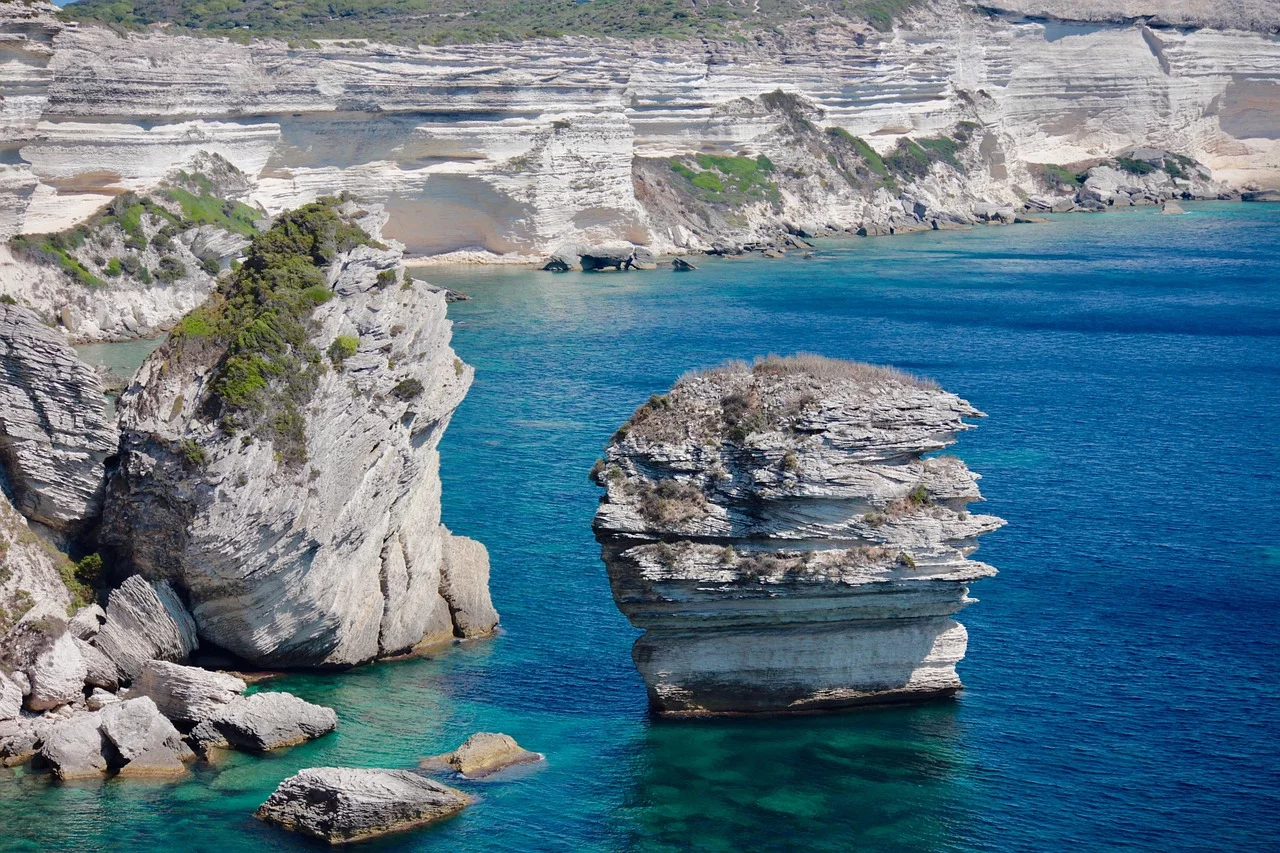
Lavezzi Islands and Bonifacio cliffs by boat
From Bonifacio harbour, the boat, 12 passengers at most, runs past the limestone cliffs and the old town, the Saint-Antoine and Sdragonato caves and Sperone point, then heads to the Lavezzi archipelago with swimming stops in its coves. Masks and snorkels, cold drinks and a morning snack are provided.
A half-day look at Corsica's far south, with commentary from the crew in French. No hotel pick-up: you meet at the harbour. Not open to children under 3 or pregnant women.
- 4 hrs
- €87 per person (GetYourGuide price 2026)
Cap Corse and Saleccia by boat from Saint-Florent
A small-group day aboard the Perla Nera: the Grotte des Pigeons, reachable only by sea, the black-pebble beach of Nonza on Cap Corse, then the Agriates desert with a swim at Lotu and a long stop at Saleccia. Lunch of Corsican produce is served on board or on the beach; paddleboards and snorkelling gear are provided, drinks are extra.
This is how you reach Saleccia by sea instead of the Agriates dirt track. Meet at Restaurant L'Olivier on the Saint-Florent marina; back around 4.30 pm. You need to be able to swim and not be prone to seasickness.
- 6 hrs
- €110 per person, lunch included (GetYourGuide price 2026)
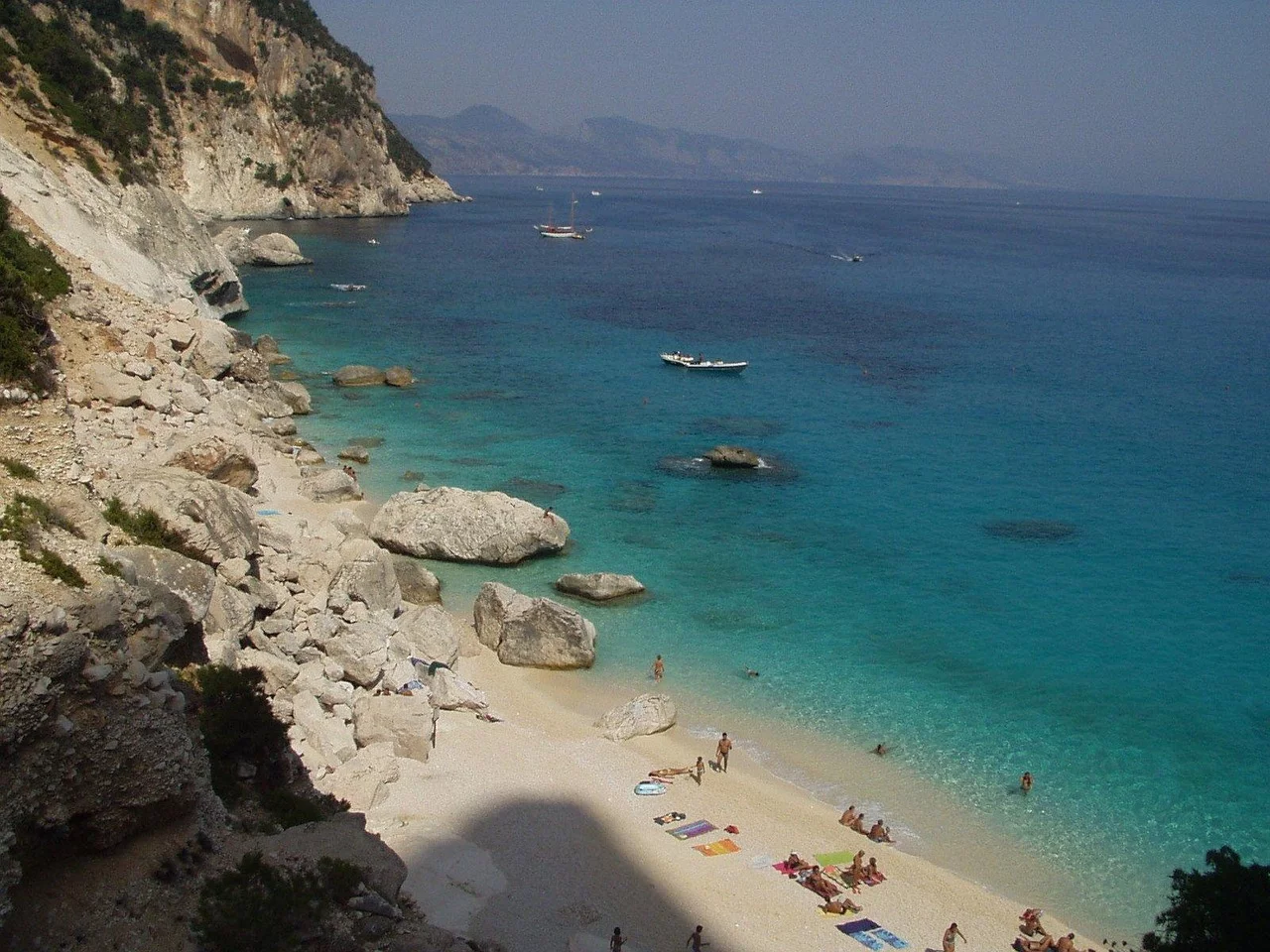
Gulf of Orosei by dinghy: Cala Mariolu and Cala Goloritzé
From Cala Gonone harbour, a 12-seat inflatable follows the Gulf of Orosei with a skipper who explains the coast. Three beach stops, chosen by the skipper among Cala Luna, Cala Sisine, Cala Biriola, Cala Mariolu and Cala Goloritzé, come on top of swims at anchor at the Piscine di Venere and near the Goloritzé arch.
A way to see the quota-limited coves covered above from the water. Lunch is not included, so bring your own; the €5.50 environmental fee per person is paid in cash before departure. Back between 4 and 5 pm depending on your start time.
- 7 hrs
- €70 per person (GetYourGuide price 2026) + €5.50 environmental fee in cash; lunch not included
La Maddalena archipelago by RIB
A half-day RIB trip, 12 people at most, from Palau or La Maddalena. You pass the Spiaggia Rosa on Budelli, visible only from the sea, then stop for swims of about 30 minutes depending on sea conditions: Budelli's natural pools, Baia dello Scrigno on Santa Maria, Cala Connari, Cala Corsara on Spargi or Cala Coticcio on Caprera.
It slots into the combined route described in this article: southern Corsica, then Gallura and La Maddalena. Water and snorkelling gear are provided; food and drinks are not, except with the Gold option. Commentary in Italian and English.
- 4 hrs
- €48 per person (GetYourGuide price 2026)
Sources
The figures in this guide come from the sources below, checked on the publication date.
- www.insee.fr
- www.tuttitalia.it
- fr.wikipedia.org
- www.insee.fr
- www.regione.sardegna.it
- spiaggialapelosa.it
- www.costadibaunei.it
- www.directferries.fr
- www.clickferry.com
- www.toutlemondeabord.com
- www.budgetyourtrip.com
- www.budgetyourtrip.com
- www.numbeo.com
- www.combien-coute.net
- media.roole.fr
- www.liligo.fr
- www.aeroports-voyages.fr
- www.labalaguere.com
- en.wikipedia.org
- www.corsenetinfos.corsica
Leave a comment
Share your thoughts or travel experience. Your email will not be published.