

Santorini is for couples and sunsets; Mykonos is for parties and sandy beaches. Santorini is a little more affordable when it comes to meals and beaches, while Mykonos is pricier but boasts genuine swimming beaches. Often the best move is to combine the two, just a 2-3 hour ferry apart.
These two Cycladic islands both fuel travel dreams, yet they offer completely different experiences. One plays the card of romance and sweeping caldera views. The other, world-famous nightlife and crystal-clear beaches. We will help you decide based on your kind of trip.
Book the activities from this article
Our picks for Santorini and Mykonos, well rated and free to cancel.
-
Book this activity
Akrotiri with a licensed guide (private tour)
€177 per private group of up to 10 (GetYourGuide price 2026); site entry (€20 per person) not included
-
Book this activity
Three wineries at sunset
€180 per person (GetYourGuide price 2026)
-
Book this activity
Guided tour of Delos from Mykonos
€79 per person (GetYourGuide price 2026), site entry included
Affiliate links: Travel Advice earns a commission if you book, at no extra cost to you. Learn more
Which is more expensive: Santorini or Mykonos?
Mykonos is generally pricier than Santorini, especially for beach clubs and tighter budgets, running roughly 20 to 30% more according to budget guides. The gap widens on beaches and nights out. These figures are indicative for 2025-2026 and vary a great deal with the season.
For a mid-range hotel in high season, expect around 180 to 280 euros a night on Santorini (caldera-view rooms are in huge demand) versus 150 to 250 euros a night on Mykonos. A taverna meal costs about the same on both islands: 25 to 40 euros per person.
The big difference is the beach. A sun lounger runs 10 to 50 euros on Santorini. On Mykonos, it climbs from 25 to 240 euros and beyond. At premium beach clubs like Nammos, specialist blogs mention a minimum spend of around 400 to 600 euros per person in August. Take that as a ballpark, not an official rate.
One catch worth knowing: the 2025 "Climate Resilience Fee" tourist tax ranges from 1.50 to 10 euros a night depending on the hotel and season. It is often not included in the advertised price, so remember to factor it into your budget.
What is the vibe on each island?
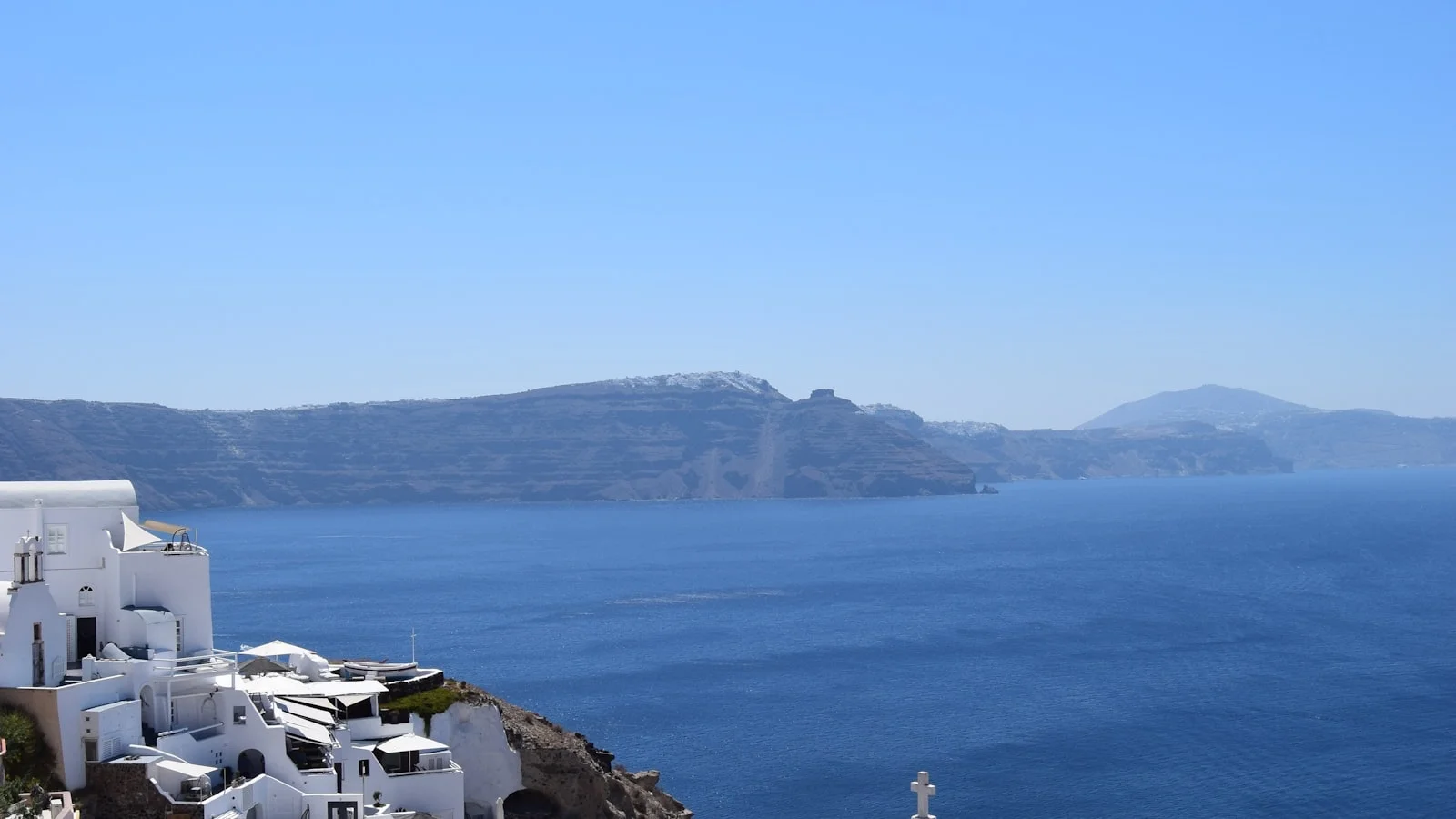
Santorini is contemplative and romantic, Mykonos is festive and glamorous. Santorini draws couples and honeymooners with its caldera, the whitewashed villages of Oia and Fira, and some of the most famous sunsets in Greece. Two genuinely opposite moods, to be chosen according to your travel state of mind.
Mykonos, for its part, never really sleeps. It is a nightlife capital, with beach clubs buzzing from the afternoon and parties that carry on until dawn. The island is also one of the most LGBTQ+ friendly destinations in the world: home to the XLSIOR festival and legendary clubs such as JackieO' and Babylon.
Craving quiet and dinners facing the sunset? Head for Santorini. Fancy dancing with your feet in the sand and meeting people? Mykonos is made for that.
« Santorini is to be admired, Mykonos is to be lived. One for reconnecting as a couple, the other for losing yourself in the crowd. »
Where are the finest beaches?
For picture-postcard swimming, Mykonos wins hands down over Santorini. Mykonos lines up genuine pale-sand beaches with crystal-clear waters: Paradise, Super Paradise, Psarou and Ornos. You swim there against a backdrop of turquoise sea, very different from its neighbour.
Santorini is a volcanic island. Its beaches are made of black or red sand and pebbles: Perissa, Kamari, Red Beach. Spectacular to look at, but less suited to relaxed swimming and white-sand snapshots. You come here more for the scenery than to swim for hours.
So if your priority is the beach and sea bathing, especially with the family, Mykonos keeps a clear lead. Santorini charms the eye more than the swimmer.
When to visit Santorini or Mykonos?
For both islands, aim for June or September: the best balance between weather, crowds and prices. High season runs from late July through August, with the biggest crowds and peak rates. The sea, meanwhile, hovers around 23 to 25 degrees Celsius in June as in September.
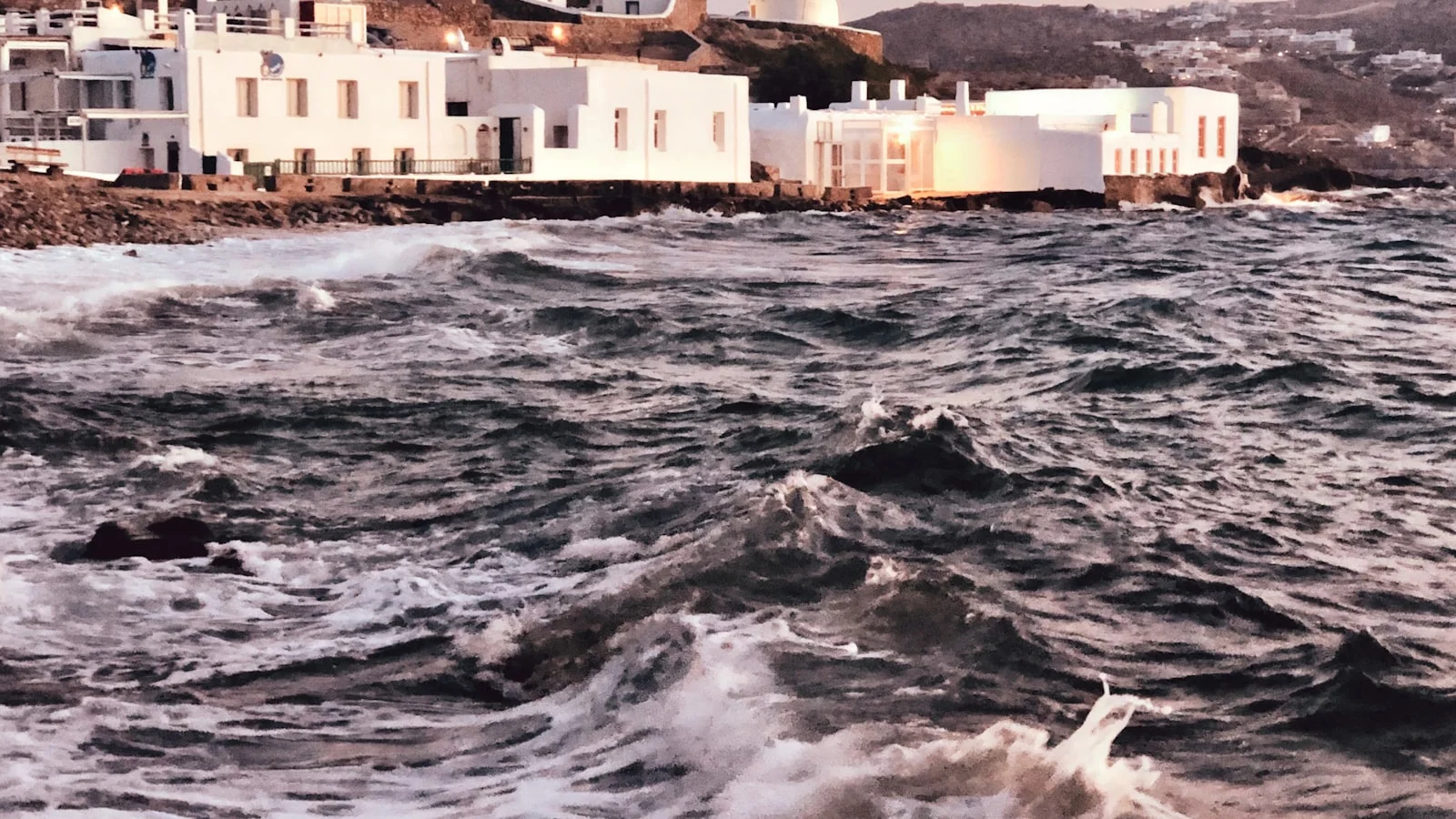
On Santorini, late September is ideal: still warm, but calmer. On Mykonos, June is perfect for enjoying the island before the crowds arrive. Watch out, though, for the meltemi wind, which blows from early July to mid-September. It stirs up the northern beaches.
The workaround is simple: when the meltemi blows, head for the more sheltered southern beaches, such as Ornos or Platis Gialos. You will keep a calm sea for swimming.
How do you get there, and can you combine both?
Yes, combining Santorini and Mykonos over one week is easy and highly recommended, especially for a first trip to Greece. A ferry links the two islands in 2 to 3 hours, with up to 8 crossings a day in summer. Tickets cost roughly 50 to 100 euros and up depending on the boat.
From France, seasonal direct flights serve Santorini (JTR airport) and Mykonos (JMK airport) from May to September. Off-season, you have to route through Athens, then a short domestic flight of 30 to 40 minutes to each island.
Our hard-earned tip: settle in for 3 nights on one island, 3 on the other, and keep one buffer day for the ferry. That way you taste both moods without rushing. To plan each leg, read our Santorini guide and our Mykonos guide.
What to do on each island?
On Santorini, the goal is the sunset; on Mykonos, the goal is the island of Delos. Both islands have far more to offer than their postcards. Here are the essentials so you miss nothing, whatever your travel style.
On Santorini, do not miss the Oia sunset, an almost ritual moment. Visit the Minoan site of Akrotiri too, an ancient city frozen by an eruption. And treat yourself to a local wine tasting, built around the Assyrtiko grape that is the island's pride.
On Mykonos, wander through Little Venice and climb up to the iconic windmills. Above all, book an excursion to the island of Delos, a major ancient site and the mythical birthplace of Apollo. The rest of the time, let yourself drift between the beaches and the beach clubs.
Santorini vs Mykonos at a glance
Here is the criterion-by-criterion summary to decide fast. This table covers budget, vibe, beaches, best time to go and access. Price ranges are indicative for 2025-2026 and shift sharply with the season and type of accommodation.
| Criterion | Santorini | Mykonos |
|---|---|---|
| Budget | A little more affordable (meals, beaches). Mid-range hotel ~180-280 euros/night in high season | ~20-30% pricier, especially beach clubs. Hotel ~150-250 euros/night; lounger 25 to 240 euros+ |
| Vibe | Contemplative, romantic, couples and honeymoons | Festive, world-famous nightlife, very LGBTQ+ friendly |
| Beaches | Volcanic, black and red sand and pebbles. Less suited to swimming | Pale sand, crystal-clear waters. Ideal for swimming |
| When to go | June or September; late September ideal | June before the crowds; meltemi from July to mid-September (favour the south) |
| Access | Seasonal direct flights (JTR) May-Sept, otherwise via Athens | Seasonal direct flights (JMK) May-Sept, otherwise via Athens |
What is the verdict for your traveller type?
The right choice comes down mostly to who is travelling and why. Here is our straight recommendation for the most common profiles, so you do not agonise for too long. And remember: nothing forces you to choose, as combining the two is often the best option.
- Couples or a romantic trip: Santorini, without hesitation, for the caldera and the sunsets.
- Partygoers and nightlife lovers: Mykonos, for its beach clubs and lively nights.
- Families and swimming: Mykonos, thanks to its sandy beaches and calm southern waters (Ornos, Platis Gialos).
- Tight budget: Santorini, a little gentler on the wallet outside of caldera-view hotels. Aim for May or September.
- First trip to Greece: combine both islands over one week.
- LGBTQ+ travellers: Mykonos, one of the most welcoming destinations in the world.
Do you really have to choose between Santorini and Mykonos?
No, not necessarily. A 2 to 3 hour ferry links the two islands, with up to 8 crossings a day in summer. In one week, you can enjoy both moods stress-free. It is even the ideal choice for a first stay in the Cyclades.
Which island is cheaper?
Santorini is generally a little more affordable, especially for meals and beaches. Mykonos costs roughly 20 to 30% more according to budget guides, with the gap coming mainly from the beach clubs. These figures are indicative for 2025-2026 and vary with the season.
Which has the best beaches for swimming?
Mykonos. It offers genuine pale-sand beaches and crystal-clear waters such as Paradise or Psarou. Santorini has volcanic beaches of black or red sand and pebbles, gorgeous to see but less pleasant for swimming.
Last updated: July 2026
Activities to book
Three experiences mentioned above, each with a GetYourGuide offer we picked and checked (partner links, free cancellation up to 24 hours before). The rest of the programme is in our Santorini and Mykonos guides.
Akrotiri with a licensed guide (private tour)
A private guided visit of the prehistoric site of Akrotiri: you meet your licensed guide at the entrance, buy your tickets, then walk the paved streets, squares and two- to three-storey buildings of this Bronze Age town, buried under volcanic ash around 1600 BC. The guide shows photos of the wall paintings that once decorated the houses.
Suits couples and small groups with an interest in history: the price covers the whole group, up to 10 people. The tour is in English; site entry (€20 per person) and transfers are not included. The organiser confirms the start time by email.
- 75 min
- €177 per private group of up to 10 (GetYourGuide price 2026); site entry (€20 per person) not included
Three wineries at sunset
A small-group tour, 10 people at most, of three estates: Sigalas, Argyros, then Santo Wines, set on the cliff facing the volcano, for sunset. You see the cellars and taste 12 Santorini and Greek wines, including Assyrtiko, Nykteri and Vinsanto, served with Greek cheeses and tapas.
For wine lovers who want a tasting and a sunset in one evening. Pick-up and drop-off are included anywhere on the island a car can reach; departures around 4 pm, May to October. The tour is in English.
- 4 to 4.5 hrs
- €180 per person (GetYourGuide price 2026)
Guided tour of Delos from Mykonos
A 30-minute crossing from Mykonos, then 1.5 hours of guided visit around the archaeological site of Delos: the House of Dionysus and its mosaics, the theatre, the main street down to the market, the Stoa of Philip, the Colossus of the Naxians and the Temple of Apollo. The return boat, entry to the site and museum (€20 per person) and the wireless audio system are included.
A good way to make sense of Delos rather than wander it alone; tours run in English, French, German, Spanish and Italian. Check in at the Delos Tours ticket office on Mykonos Town harbour, and bring a hat, sunscreen and comfortable shoes.
- 4 hrs
- €79 per person (GetYourGuide price 2026), site entry included
Leave a comment
Share your thoughts or travel experience. Your email will not be published.