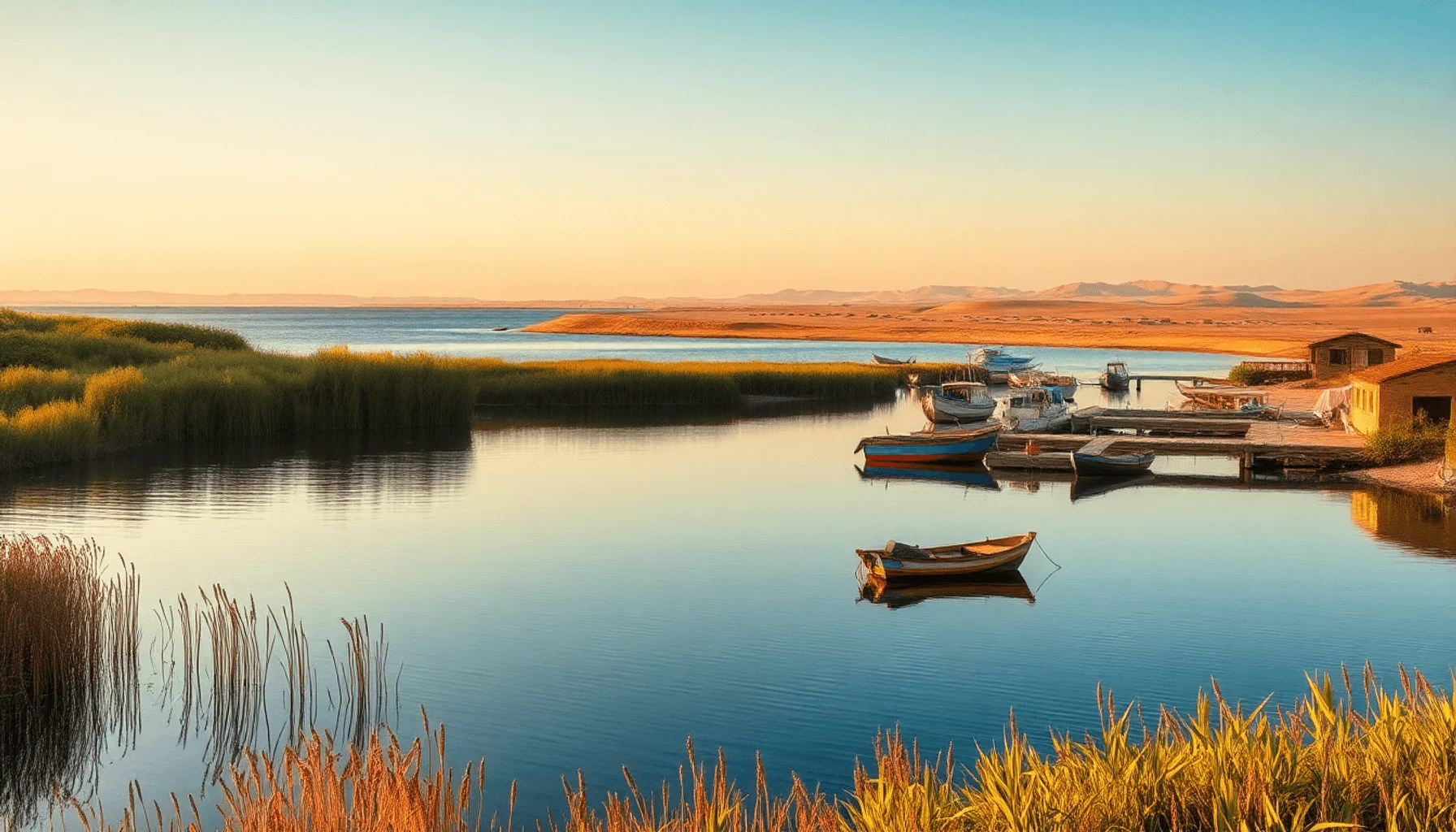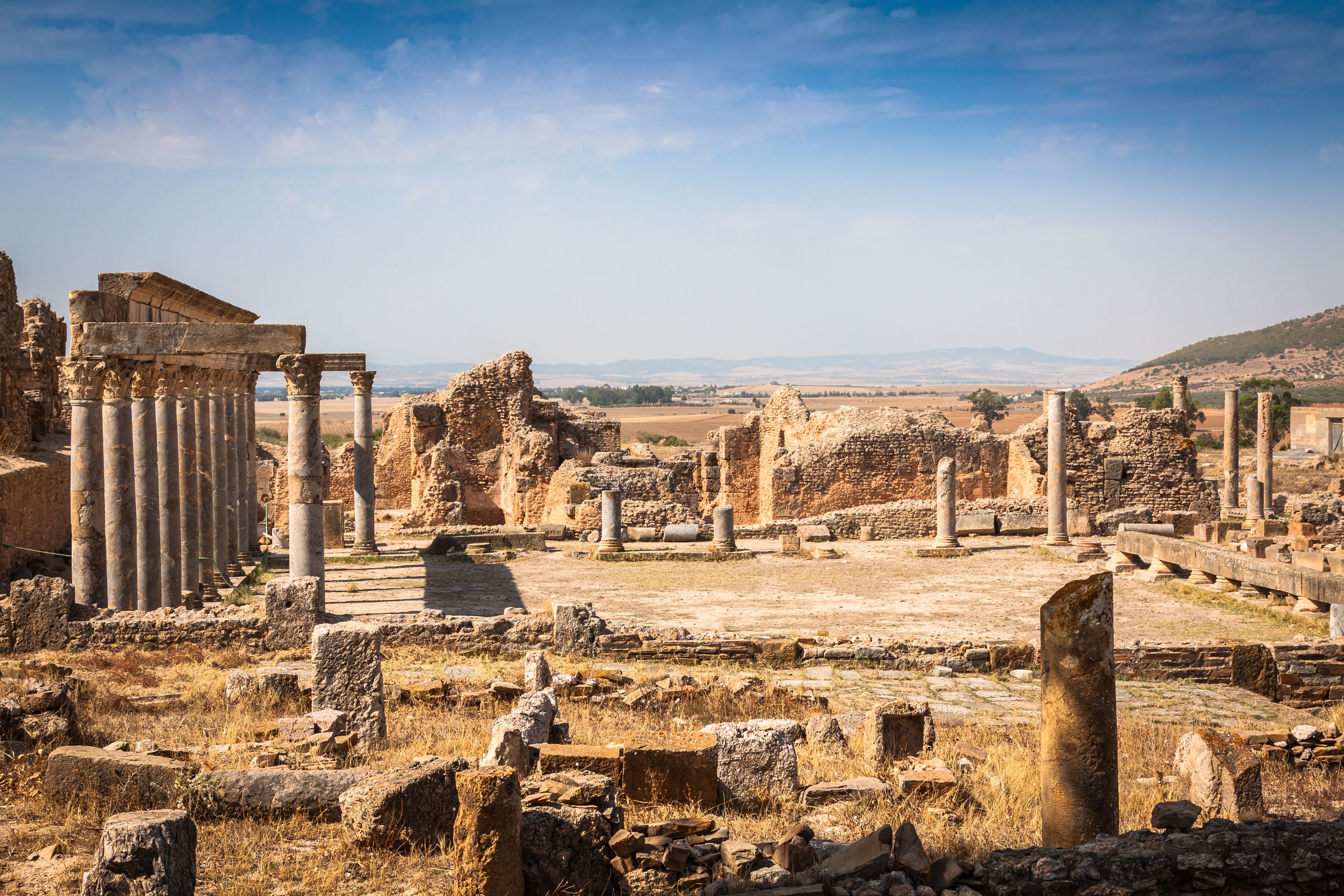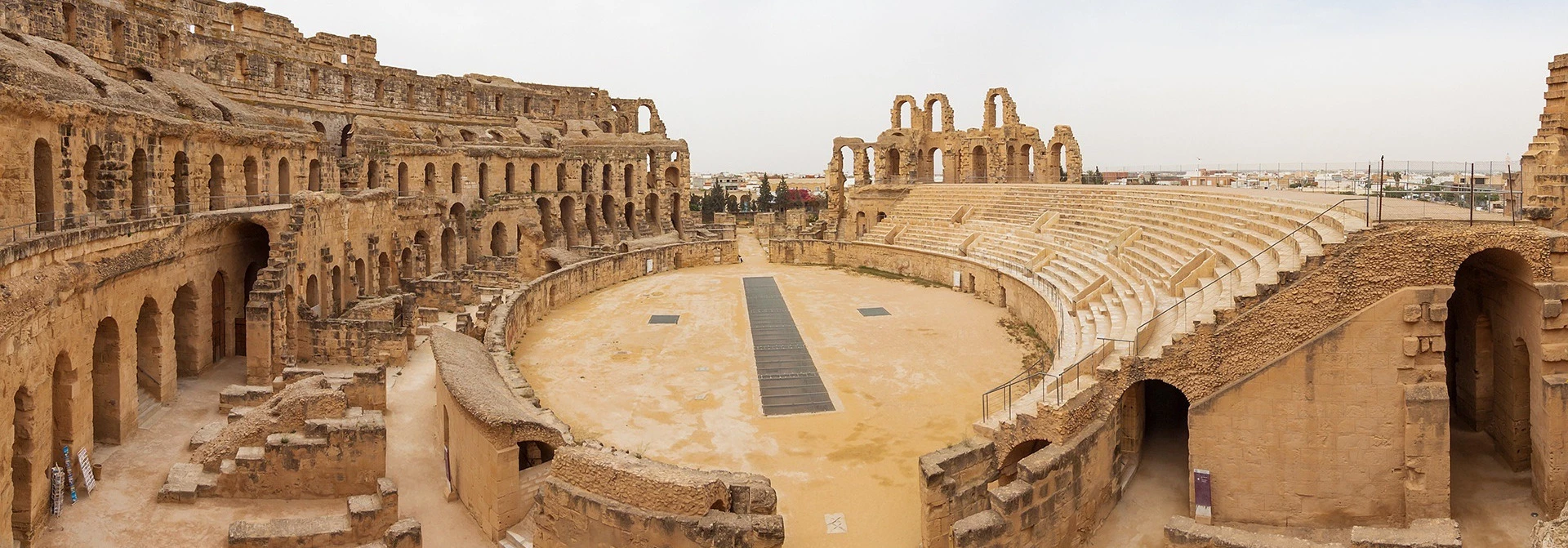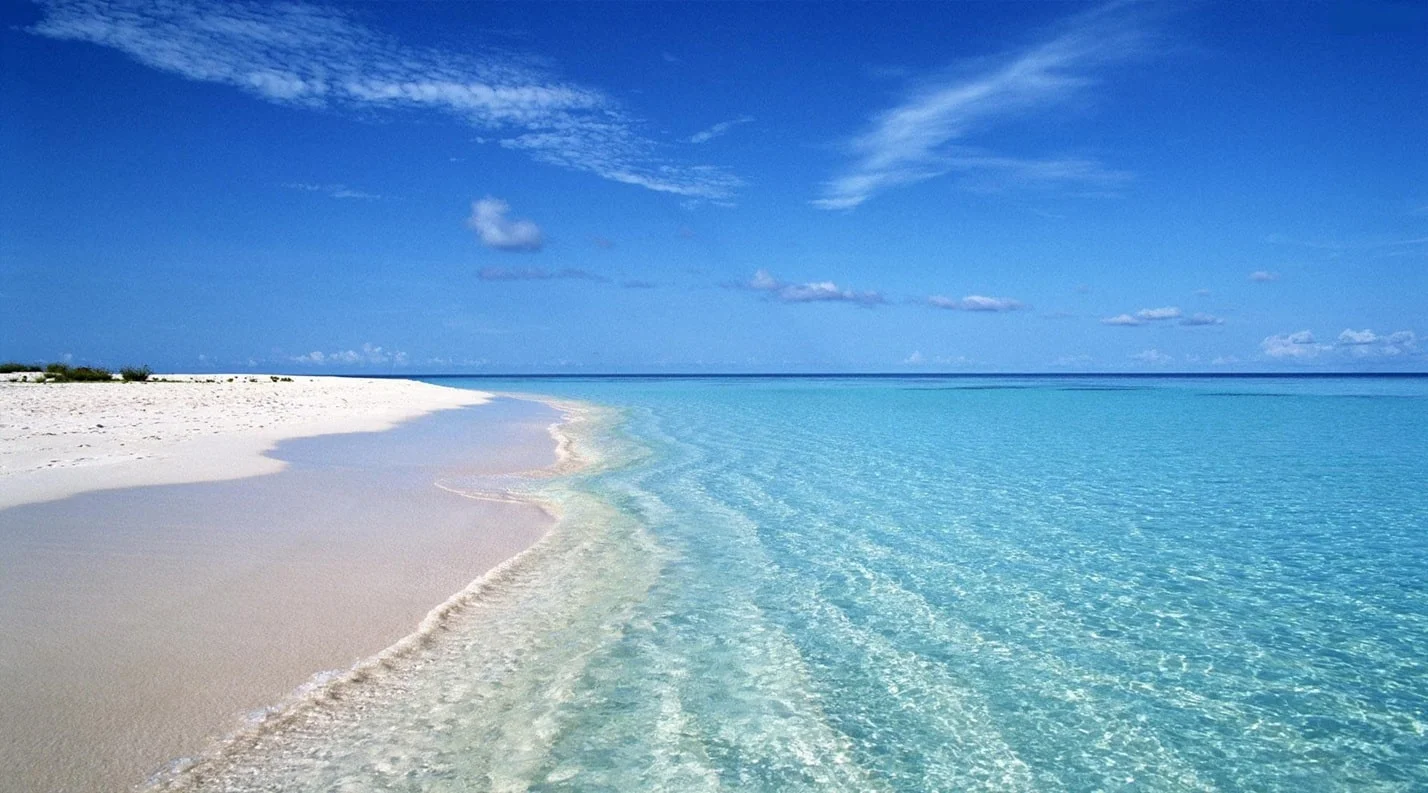


Kerkouane is the only Phoenician-Punic city to have reached us intact, listed as a UNESCO World Heritage Site since 1985. Perched on a cliff on Cap Bon, in northeastern Tunisia and facing the sea, it preserves an authentic Punic urban plan. The town was abandoned around 250 BC, during the First Punic War, and never rebuilt. That is what makes it unique: nowhere else can you walk the streets of a genuine Punic city, with no Roman layer laid on top.
Why Kerkouane Is Unique in the World
Kerkouane owes its singularity to its sudden abandonment around 250 BC. The city was deserted during the First Punic War and, unlike Carthage, the Romans never rebuilt it. As a result, its urban plan remained purely Punic, with no later layer on top.
Carthage, by contrast, was razed and then rebuilt by Rome. What you visit there today blends eras, mostly Roman remains. At Kerkouane, it is the opposite. The ground you walk on dates from the Carthaginians themselves, frozen exactly as it was more than twenty-two centuries ago.
The site was discovered in 1952 and covers around 8 hectares. In 1985, UNESCO inscribed the "Punic Town of Kerkuane and its Necropolis" on the World Heritage List under criterion iii. Nowhere else in the world will you find such a complete record of Phoenician-Punic urban planning.
A Punic City Frozen in Time
What strikes you first at Kerkouane is that you read the city like an open book. The streets are laid out, the houses outlined, the thresholds still visible. You can sense how the districts were organized, the spaces for living and working. Everything breathes the daily life of an ancient city.
The most famous detail is the bathtubs. Many houses have a hoof-shaped bathtub, moulded in opus signinum, that pinkish mortar studded with shards of ceramic and marble. Such sanitary comfort remains rare for antiquity. The Carthaginians of Kerkouane washed at home, in private bathrooms.
The town also lived off its crafts. Archaeologists found workshops for purple dye, that precious colourant drawn from the murex, a sea shell. This dye was worth a fortune in antiquity. On the ground, a mosaic bears the symbol of Tanit, the great Carthaginian goddess. In just a few steps, you cross the religion, the hygiene and the economy of a vanished people.
The Museum and the Sarcophagus of the Goddess
Begin your visit at the site museum, set up at the entrance. It displays the ceramics, jewellery and everyday objects found on site. These pieces give a human face to the ruins you will see next. The site ticket usually includes the museum.
The star of the museum is a wooden sarcophagus depicting a goddess, most likely Tanit. It is an extremely rare object across the whole Punic world, because wood survives poorly over time. Seeing it before walking the streets changes everything: you connect the carved faces to the abandoned houses.
Take your time over the jewellery and the pottery. They tell of a refined society, open to the Mediterranean. This small museum is well worth the detour, and it trains your eye before the walk across the site.
The Necropolis of Arg el-Ghazouani
Less than a kilometre from the city lies the necropolis of Arg el-Ghazouani. There you find chamber tombs, cut directly into the sandstone. This cemetery is part of the UNESCO-listed property, just like the city itself.
The necropolis rounds out the visit naturally. On one side, the city of the living and its bathtub houses. On the other, the dwelling of the dead, carved into the rock. Together, they paint the complete portrait of a Punic community, from birth to the grave.
How to Visit Kerkouane
Kerkouane sits on the Cap Bon coast, about 110 km from Tunis-Carthage airport, roughly 1h45 to 2h by road. Enfidha-Hammamet airport is another gateway. A car is strongly recommended, because no public transport serves the site directly.
Without a car, it is possible but slower. Take a louage (shared taxi) from Tunis to Kelibia, allow around 2h. From Kelibia, a taxi or a local louage covers the final 12 kilometres. Kerkouane is only about 25 minutes from Kelibia.
Admission costs around 8 TND, roughly €2.40 (about $2.60), museum included. The Tunisian dinar cannot be taken out of the country, so bring cash with you on site. Allow 1h30 to 2h for the site and the museum. For a fine Cap Bon day, combine Kerkouane with the fortress of Kelibia and the caves of El Haouaria.
When to Go (and the Sun Trap)
The best windows are May-June and September-October. The heat stays moderate and the site draws few visitors. Avoid July and August: the heatwave makes the visit gruelling. In spring and early autumn, the light over the sea is magnificent.
Beware the sun trap. Kerkouane stands on a cliff with no shade at all. Come early in the morning, right at opening if you can. Bring water and a hat. In high summer, these open-air ruins can quickly turn into an oven, especially in the middle of the day.
As for formalities, French citizens need no visa for a stay of less than 90 days. Your passport must remain valid for at least 3 months. Travellers of other nationalities should check their own entry requirements. Nothing holds you back, then, except the urge to discover this still little-known treasure.
Frequently Asked Questions
Is Kerkouane a UNESCO site?
Yes. The "Punic Town of Kerkuane and its Necropolis" has been on the UNESCO World Heritage List since 1985, under criterion iii. Be careful not to confuse UNESCO with ICESCO: this is UNESCO, and the inscription dates from 1985.
Why is Kerkouane unique?
It is the only Phoenician-Punic city to have reached us intact. Abandoned around 250 BC, it was never rebuilt by the Romans. Its urban plan is therefore purely Punic, with no later layer, unlike Carthage, which was razed and then rebuilt.
What are the bathtub houses?
Many houses at Kerkouane have a hoof-shaped bathtub, moulded in opus signinum, a pinkish mortar studded with shards of ceramic and marble. This private sanitary comfort is exceptional for antiquity and is what made the site famous.
How do you get to Kerkouane from Tunis?
The easiest way is by car: about 110 km, roughly 1h45 to 2h from Tunis-Carthage. Without a vehicle, take a louage (shared taxi) from Tunis to Kelibia (around 2h), then a taxi or local louage for the final 12 kilometres to the site.
How long do you need for the visit?
Allow 1h30 to 2h to visit the site and the museum at a relaxed pace. To fill the day, combine Kerkouane with the fortress of Kelibia and the caves of El Haouaria, all along the Cap Bon coast.
What is the best time to visit?
Favour May-June and September-October, for moderate heat and few crowds. Avoid July and August. The site sits on a cliff with no shade: come early in the morning, with water and a hat.
Kelibia is the natural base for the visit: our Kelibia guide covers the beaches, the fortress and the Cap Bon muscat.
Where to stay: places to stay in Kelibia on Booking.com (affiliate link).
Sources
The figures in this guide come from the sources below, checked on the publication date.
Leave a comment
Share your thoughts or travel experience. Your email will not be published.