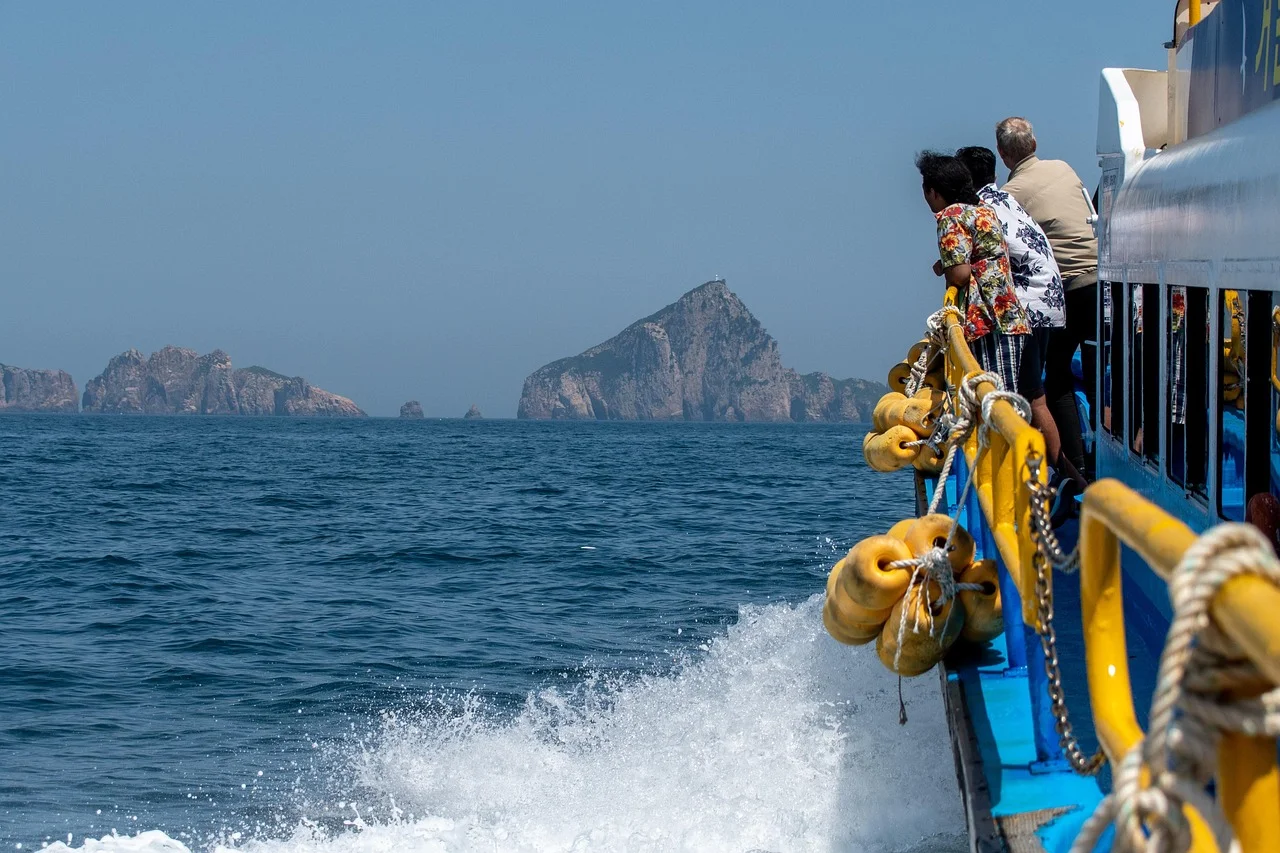


Heading to Montenegro by car, or planning to rent a vehicle once you arrive? First, the good news: there is no eco-tax and no entry vignette in Montenegro. The infamous "eco-vignette" existed between 2008 and the end of 2011, then it was scrapped. Today you pay only a few one-off tolls (a tunnel, a stretch of motorway, a ferry). Here is the full, costed picture for driving in Montenegro with no nasty surprises.
The Montenegro "eco-tax": what you really need to know
It's the question everyone asks, so let's settle it right away: you need no sticker vignette and no electronic vignette to drive in Montenegro. There is no Austrian- or Swiss-style system here. The eco-vignette ("eko naknada") cost around €10 (about $11) for a car between 15 July 2008 and 31 December 2011, and it has been abolished since the end of 2011.
The only road charges you'll come across are one-off tolls:
- Sozina Tunnel (Podgorica–Bar route, about 4.1 km / 2.5 mi): €2.50 for a passenger car.
- A-1 motorway section Smokovac–Mateševo (about 41 km / 25 mi, open since 2022): €3.50 for a car.
- Kamenari–Lepetane ferry in the Bay of Kotor: roughly €5 per car.
Carry a little cash for these tolls, even though cards usually work.
Insurance and the green card: the one reflex to have
Montenegro is part of the international green card system (country code "MNE"). Before you set off, pull out your green card and check one detail: the letters "MNE" must not be crossed out. If they aren't, your third-party liability cover is valid there.
- If "MNE" is listed and not crossed out: nothing to do, your home insurance covers you.
- If Montenegro isn't covered: you'll have to buy border insurance ("granično osiguranje") at the crossing. It's mandatory for any foreign vehicle without a valid green card.
Call your insurer before you leave to confirm Montenegro is covered and for how long. It's free, and it saves you paying for local cover at the border.
Border crossings into Montenegro
Montenegro shares borders with Croatia, Bosnia and Herzegovina, Serbia, Kosovo and Albania. The three routes most used by international travellers:
- From Croatia — Debeli Brijeg / Karasovići: the main crossing on the Adriatic coast, with about 5 km (3 mi) of no man's land between the two checkpoints. This is the classic route after Dubrovnik. Expect long queues in July and August (up to 2–3 hours, sometimes more on Fridays and Sundays). Cross early in the morning or late in the evening to keep things moving.
- From Bosnia and Herzegovina: several inland crossings. Note that the Herceg Novi → Trebinje road (towards Bosnia) includes a paid section.
- From Albania — Sukobin / Muriqan: the handiest crossing for linking Shkodër with Montenegro's southern coast (Ulcinj, Bar).
A valid passport (or national ID card for EU citizens) is enough. Keep your green card and vehicle registration document within reach at the checkpoint.
Road conditions, the tunnel and the motorway
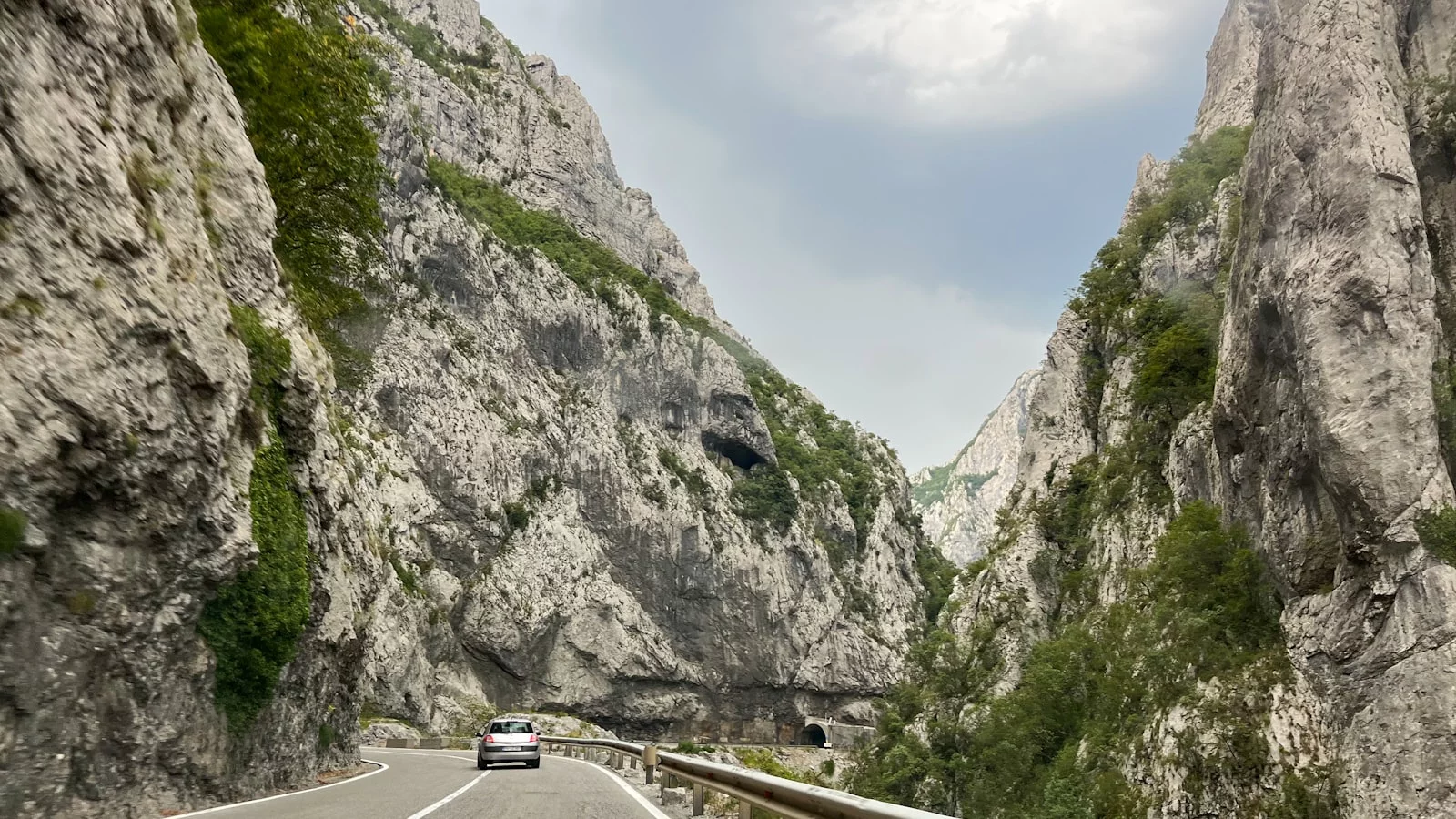
The network has improved markedly, but the terrain is still demanding:
- Sozina Tunnel: it skips the long mountain road between Podgorica and the coast (Bar / Sutomore). Comfortable and quick.
- A-1 motorway: the first section, Smokovac–Mateševo, has been open since 2022 and crosses the Moračica Bridge, the highest viaduct on the route. The rest of the Bar–Boljare motorway (towards Serbia) is still under construction.
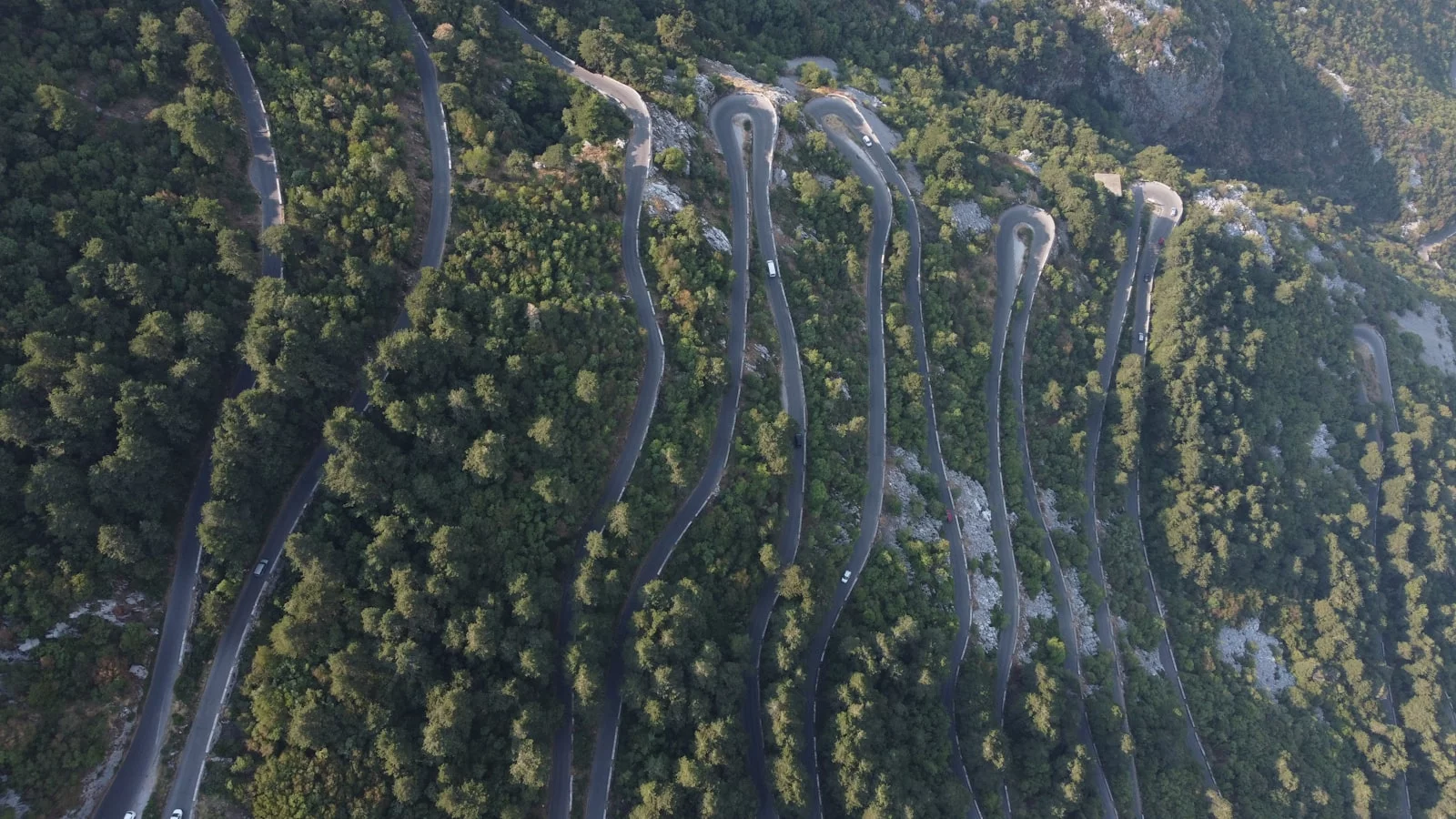
- Mountain roads: the famous switchbacks above Kotor (the old P1 road towards Lovćen) are narrow, steep and packed with hairpin bends. Stunning, but tackle them in daylight and without rushing.
⚠️ Stay cautious in the mountains and off the main routes: the surface is sometimes broken, the bends are tight, and animals wander onto the road. Avoid driving at night outside towns.
Parking in Kotor and Budva
The old towns of Kotor and Budva are pedestrianised: you park outside the walls.
- Kotor: use the paid car parks along the edge of the old town. Reckon on a few euros an hour (rates are indicative), more in high season. Don't risk informal parking along the bay, which is monitored.
- Budva: paid parking around the old town and the marina, often pricier than Kotor in summer.
- Ask your accommodation whether it has a private car park: a real time- and money-saver in these centres that get jammed in summer.
Speed limits and mandatory equipment
You drive on the right. The standard speed limits:
- 50 km/h (31 mph) in built-up areas;
- 80 km/h (50 mph) outside built-up areas;
- 130 km/h (81 mph) on the motorway.
The legal blood-alcohol limit is 0.3 g/L — far stricter than in many countries. Dipped headlights on is the rule, day and night.
Equipment you must carry, and which is checked:
- A reflective safety vest;
- A warning triangle;
- A first-aid kit;
- A set of spare bulbs.
Winter tyres aren't compulsory but are recommended below 7 °C (45 °F); studded tyres are banned. In an emergency, dial 112.
The verdict: is driving in Montenegro a good idea?
Yes, no question. The country is best discovered behind the wheel, from the fjord-like Bay of Kotor to the Durmitor mountains. There's no eco-tax or vignette to plan for: just check your green card (the "MNE" box), keep a little cash for the tolls, cross the borders early in summer, and drive in daylight in the mountains. The rest is all scenery.
Quick FAQ
- Do you have to pay an eco-tax or a vignette in Montenegro? No. The eco-vignette was scrapped at the end of 2011. Only a few one-off tolls remain (Sozina Tunnel €2.50, A-1 section €3.50, Kotor ferry ~€5).
- Does my home car insurance cover me? Yes, if the "MNE" box on your green card isn't crossed out. If it is, buy border insurance on entry.
- Is an EU driving licence enough? Yes, an EU licence is recognised; no international driving permit is required.
- Which is the best border crossing from Croatia? Debeli Brijeg / Karasovići — cross early in the morning in high season to avoid the queues.
If you pick the car up at Tivat airport, allow half a day before hitting the road: our Tivat guide covers what you can see on foot from the marina.
Where to stay: places to stay in Kotor on Booking.com (affiliate link).
Sources
The figures in this guide come from the sources below, checked on the publication date.
Leave a comment
Share your thoughts or travel experience. Your email will not be published.